Corwen
Where the Dee meets the Berwyns, and Glyndŵr's legend lives on
Photo © Kayla Louise, Google Maps
Corwen sits quietly at the western end of the Dee Valley, tucked beneath the steep flanks of the Berwyn Mountains where the Vale of Edeyrnion begins to narrow. It is a proper Welsh market town rather than a tourist honeypot, with a compact grid of stone-built streets, a handful of chapels, and the River Dee running fast and clear just below the main road. For visitors, that is precisely the appeal: Corwen is a genuine working town that happens to sit at the meeting point of some of North Wales' finest scenery, and it makes an excellent, less crowded alternative to basing yourself in nearby Llangollen.
The town's identity is bound up with Owain Glyndŵr, the last native Welsh Prince of Wales, who is said to have raised his rebellion banner near here in 1400 and whose family held land at nearby Glyndyfrdwy. A bronze statue of Glyndŵr on horseback has stood in the town square since 2007, and his name crops up on pubs, streets and community buildings throughout the town. Beyond the Glyndŵr connection, Corwen's setting does much of the work: wooded hillside walks start within a few minutes' walk of the high street, the River Dee offers riverside strolls and fishing, and the Berwyn range rises immediately to the south, giving the town a dramatic backdrop that changes colour with the seasons.
Getting to Corwen
Corwen sits directly on the A5, the historic London-to-Holyhead road, roughly 10 miles west of Llangollen and 11 miles east of Bala, making it an easy stop for anyone touring the Dee Valley or heading into Snowdonia from the north-east. The A494 also passes through the town, linking it south towards Bala and Dolgellau. There is no working mainline railway station in Corwen itself; the nearest National Rail stations are at Ruabon or Wrexham, both around 40 minutes' drive away, from where onward travel is by road. The heritage Llangollen Railway now runs steam and diesel services through to Corwen station, giving a scenic (if not fast) alternative way to arrive from Llangollen. Regular Arriva Cymru bus services connect Corwen with Llangollen, Wrexham, Bala and Dolgellau, making the town workable without a car, though a vehicle makes exploring the surrounding valleys and hills far easier.
Best time to visit Corwen
Late spring through early autumn (May to September) is the most comfortable time to visit, with the longest days for walking the Berwyn foothills and exploring Caer Drewyn, and the best chance of dry weather for a ride on the Llangollen Railway. July and August bring warmer temperatures and the busiest roads, particularly on the A5 towards Llangollen and Snowdonia, so early starts help. Autumn paints the Dee Valley woodland in colour and is a quieter, atmospheric time for walking, while winter can bring snow to the higher Berwyn tops, adding drama to the skyline even if higher routes become more serious undertakings. As with much of upland Wales, weather can change quickly regardless of season, so it is worth checking forecasts before any hillside walk.
Where to stay in Corwen(6)
All hotels in Corwen →About staying in Corwen
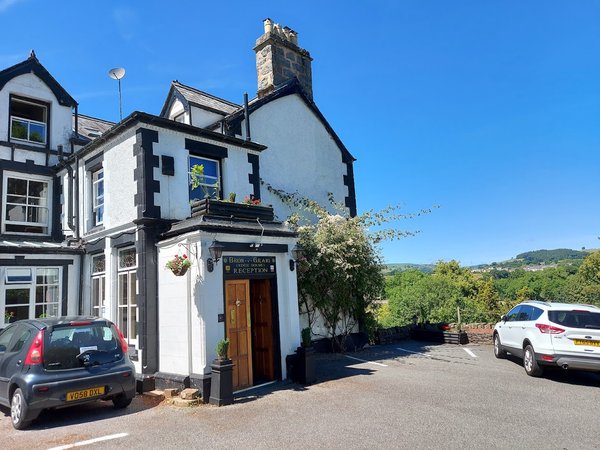
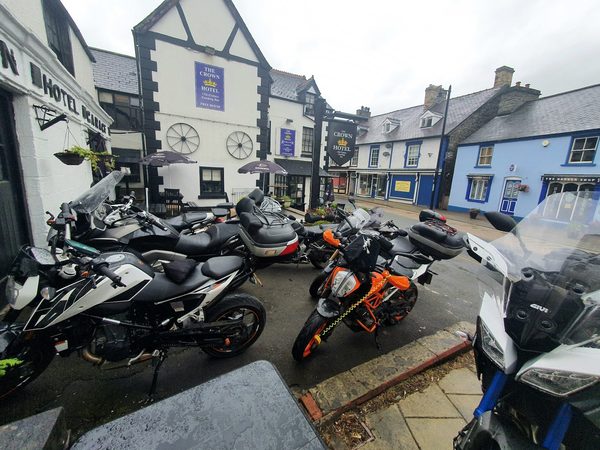
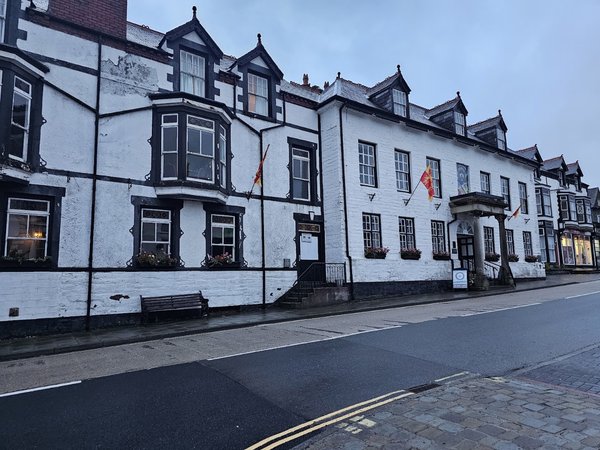
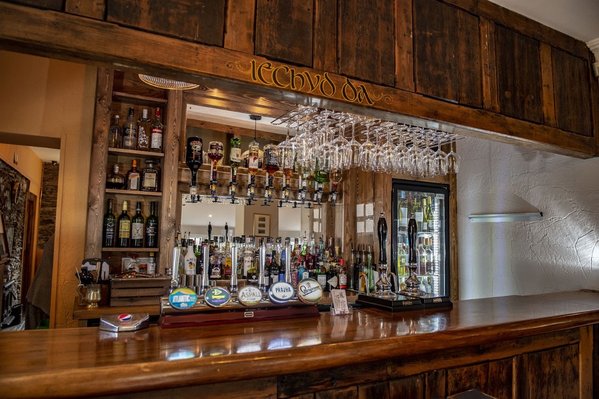
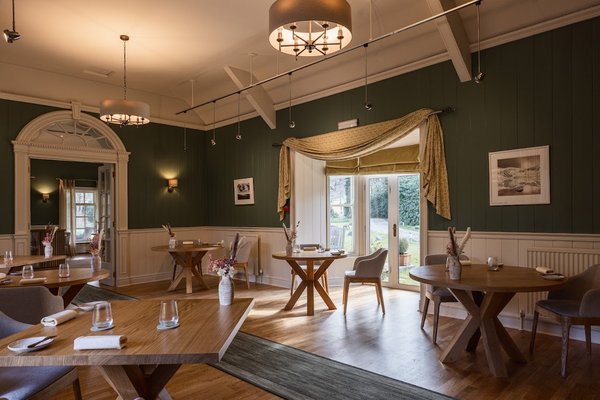
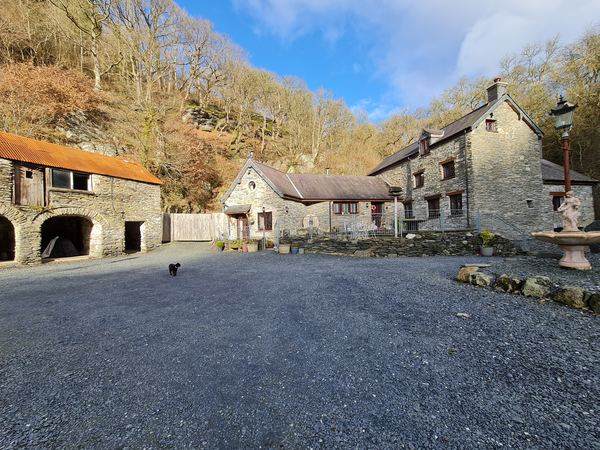
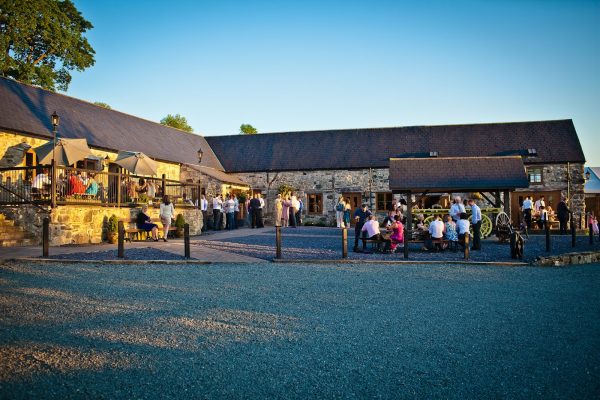
Corwen makes a quiet, well-placed base for exploring the western Dee Valley without the crowds that gather around Llangollen in high season. Accommodation in the town itself is modest — a traditional coaching inn or two, along with local guesthouses — but it is well suited to visitors who want to be close to the Berwyn foothills, Caer Drewyn hill fort and the Llangollen Railway's Corwen terminus, while still having a proper Welsh market town, with its shops, pubs and livestock market, right on the doorstep. Beyond the town centre, the surrounding hills and lanes hold a good spread of farmhouse bed and breakfasts and self-catering cottages, many in converted stone barns, which suit walkers and anglers wanting easy access to the Dee and the hills above it. For a wider choice of hotels, from budget to boutique, Llangollen is only ten miles east and can easily be combined with a Corwen stay, particularly for visitors keen to explore both the Dee Valley's heritage railway and its canal and castle attractions. Wherever you choose to stay, Corwen's position on the A5 and A494 makes it a convenient overnight stop for anyone touring between Snowdonia, the Berwyn range and the Welsh Marches, and its relative lack of tourist infrastructure compared with Llangollen or Betws-y-Coed is, for many visitors, exactly the point.
Things to Do in Corwen(2)
All attractions in Corwen →Top things to do in Corwen
Corwen is small, but it is superbly placed for walking, history and heritage rail. Highlights include:
- Owain Glyndŵr Statue — the bronze equestrian statue by sculptor Colin Spofforth, unveiled in 2007, stands in the town square and is the natural starting point for exploring the town's Glyndŵr connections.
- Caer Drewyn hill fort — an Iron Age hill fort on the hillside above town, reached by a steady climb, with sweeping views over the Vale of Edeyrnion to the meeting point of the rivers Dee and Alwen.
- Coed Pen y Pigyn — a wooded hill immediately behind the town centre, criss-crossed with waymarked paths through ancient woodland and dotted with carved animal sculptures, and a favourite short walk for families.
- Corwen Museum — a small volunteer-run museum on the high street covering the town's history, from its market origins to its railway heritage and the Glyndŵr legend.
- Church of St Mael and St Sulien — a much-altered medieval parish church at the heart of the town, with a history stretching back to the earliest Christian foundations in the Dee Valley.
- Corwen railway station and the Llangollen Railway — the heritage steam line from Llangollen was extended through to Corwen, allowing visitors to ride along the Dee Valley between the two towns.
- Caer Euni and Berwyn foothill walks — the North Berwyn Way threads between Corwen and Llangollen along the northern edge of the Berwyn range, giving walkers of all abilities a taste of the high moorland without a full mountain ascent.
- Rug Chapel and Llangar Church — two Cadw-managed historic buildings a short drive from town, an atmospheric 17th-century private chapel and a whitewashed medieval church with rare wall paintings.
Where to Eat in Corwen(2)
All restaurants in Corwen →Food and drink in Corwen
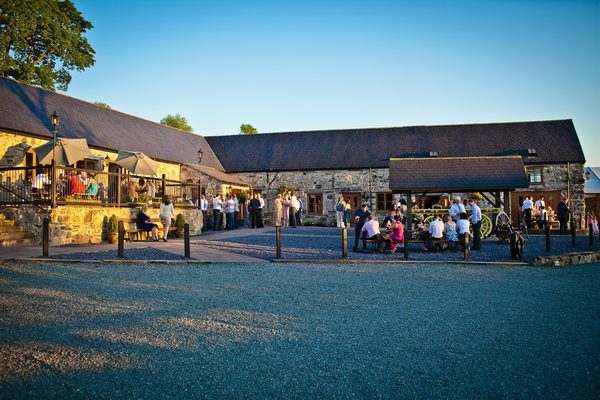
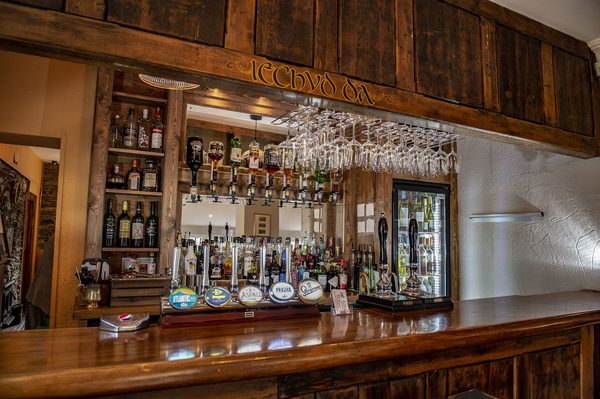
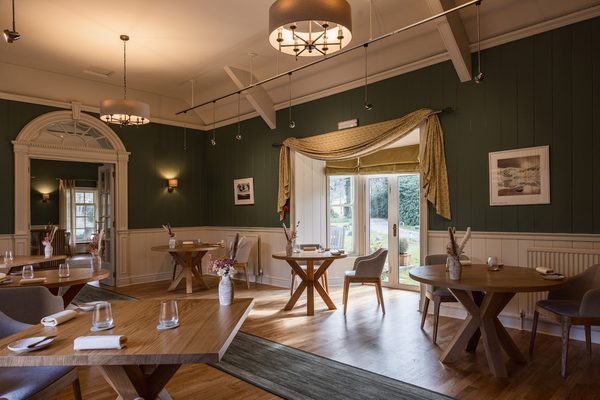
Corwen's high street has a handful of solid options for food and drink. The Owain Glyndŵr Hotel serves pub meals in a traditional coaching-inn setting, while The Forge Corwen and other local cafes around the square offer casual daytime food, coffee and cake, useful for refuelling before or after a walk up Caer Drewyn or Coed Pen y Pigyn. There is a well-stocked Spar and a Corwen livestock market that still operates, a reminder that this remains a working agricultural town rather than a purely tourist destination. For a wider choice of restaurants, cafes and pubs, Llangollen is a short drive or a heritage-railway journey away and offers everything from riverside tearooms to more formal dining.
Attractions Near Corwen
All attractions in Corwen →Worth the trip — within 50 miles of Corwen.
 8 mi
8 mi
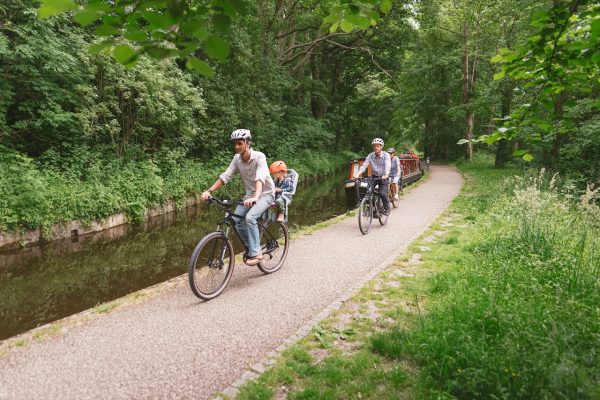
Drosi Bikes Bike Hire
Llangollen · ⭐ 4.9
Llangollen Railway
Llangollen · ⭐ 4.6
 8 mi
8 mi
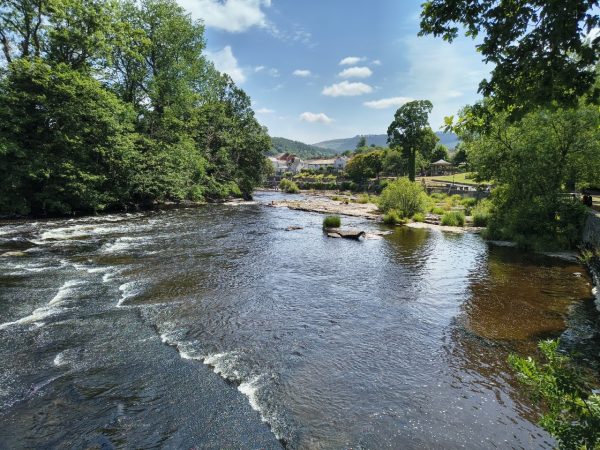
Llangollen Wharf
Llangollen · ⭐ 4.7
 8 mi
8 mi
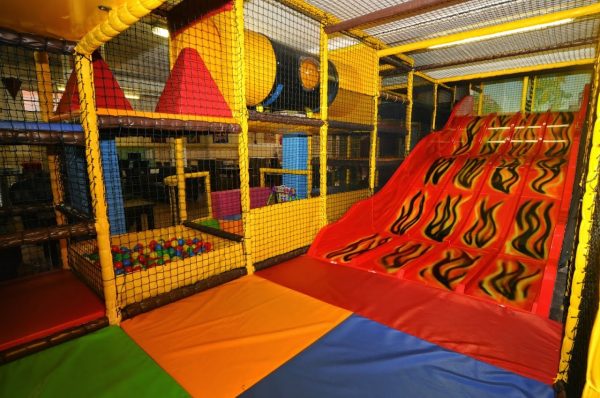
Dragons Den Playcentre
Llangollen · ⭐ 4.2
 9 mi
9 mi
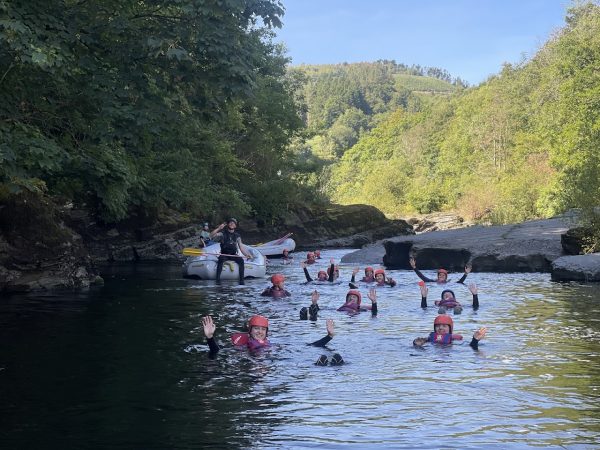
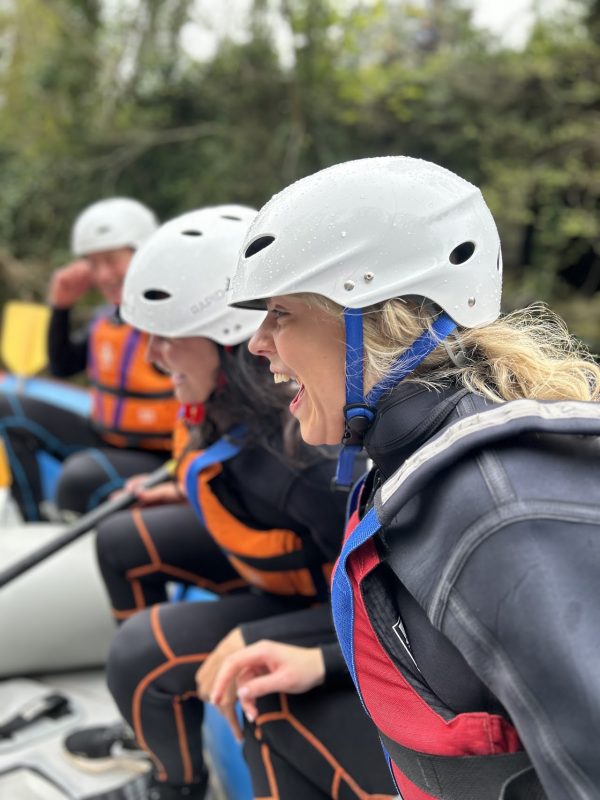
Whitewater Active
Llangollen · ⭐ 4.9
 9 mi
9 mi
Rapid Horizons Llangollen
Llangollen · ⭐ 5.0
 10 mi
10 mi
Springhill Farm Riding Stables
Oswestry · ⭐ 4.8
Llandegla Laser Combat
Wrexham · ⭐ 4.8
Camping in Corwen(15)
All campsites in Corwen →About camping in Corwen
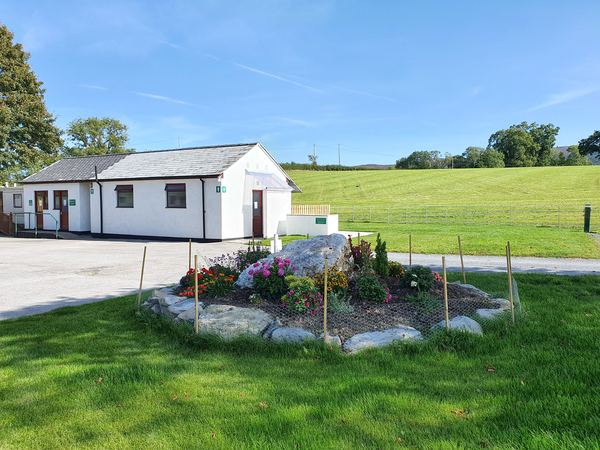
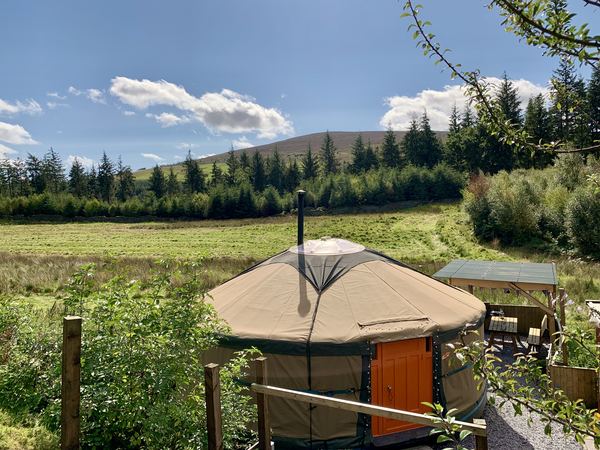
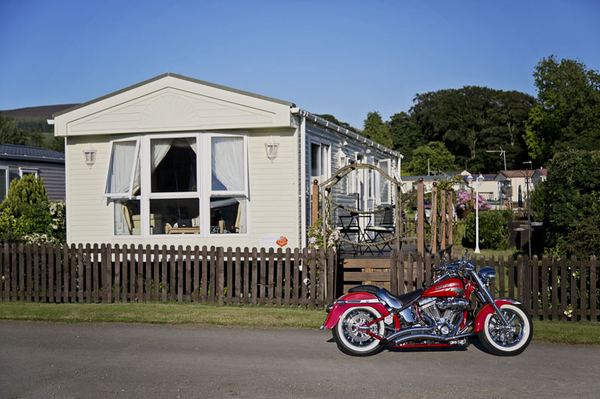
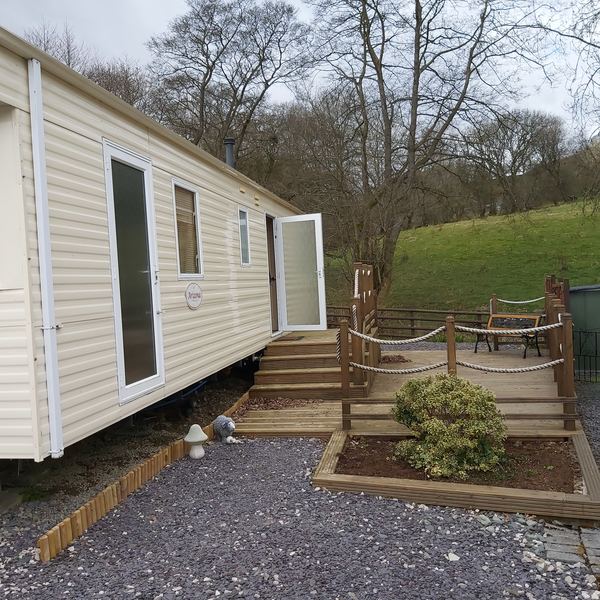
Corwen and the surrounding Dee Valley offer some genuinely scenic camping country, from riverside sites beside the Dee itself to smallholdings tucked into the foothills of the Berwyn Mountains. As with the rest of Wales, wild camping is not a legal right here — permission from the landowner is required before pitching on open hillside or farmland, and campers should always use a recognised site or seek explicit consent, particularly on the access land around Caer Drewyn and the Berwyn range, where casual camping is not permitted. Established campsites in the area range from simple, small-scale farm pitches with basic facilities to more developed touring and camping parks with hook-ups, showers and family-friendly extras, and a growing number of glamping options — shepherd's huts, safari tents and static pods — for those who want the scenery without the full expedition kit.
The terrain around Corwen rewards campers who like to be close to their walking: pitches near the town put you within easy reach of Caer Drewyn hill fort, the wooded paths of Coed Pen y Pigyn, and the North Berwyn Way, which threads along the range's northern edge towards Llangollen. Anglers are also well served, with the Dee holding a good reputation for salmon and trout, and several sites specifically catering to fishing visitors with riverbank access. The best camping season runs from late spring to early autumn, broadly April through September, when the Dee Valley is at its greenest and the Berwyn tops are most reliably walkable; the range's higher ground can hold snow well into spring and turns exposed and boggy in poor weather, so summer and early autumn are the safer bets for anyone planning to get up onto the moorland proper. Outside these months, the valley itself remains a pleasant, quieter base, but exposed upland pitches and hillside walking become a much more serious undertaking. Whatever the season, booking ahead is worthwhile, particularly around school holidays and the Llangollen International Musical Eisteddfod in July, when accommodation across the wider Dee Valley fills up quickly.
Self-Catering Cottages in Corwen
All cottages in Corwen →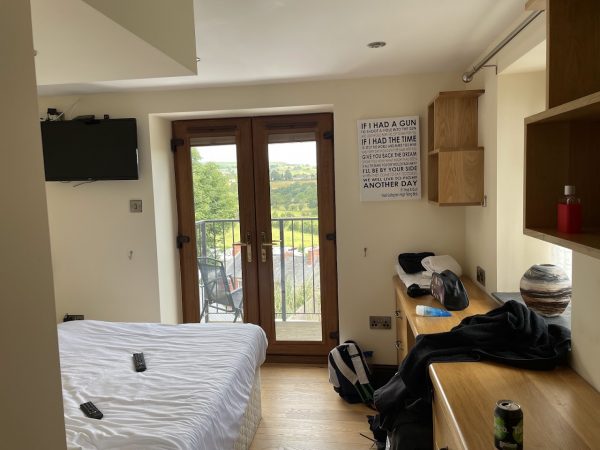
The Barn
2 bed · sleeps 4
Swan Cottage
3 bed · sleeps 4 · from £417
Plas Isaf - Granary
2 bed · sleeps 4
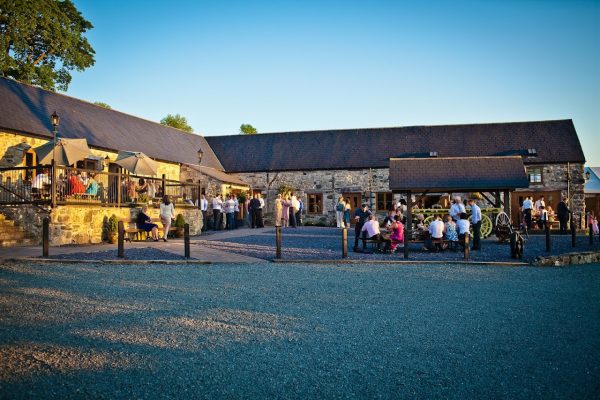
Plas Isaf - The Dairy
4 bed · sleeps 8
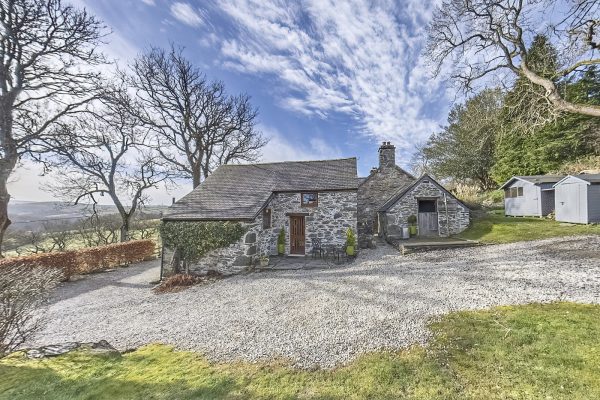
Ty Cerrig Cottage
2 bed · sleeps 3 · from £1,021
Ty Cerrig Barn
4 bed · sleeps 8 · from £2,922
Llwyn
4 bed · sleeps 8 · from £641
Moor View House
2 bed · sleeps 4 · from £825
Common questions about Corwen
How many campsites are there in Corwen?
We list 15 campsites in and around Corwen, of which 14 take tents and 7 offer glamping.
Are there dog-friendly campsites in Corwen?
Yes — 2 of the 15 campsites we list in Corwen accept dogs, including Greener Glamping and Carrog Station Campsite.
Which campsites in Corwen have electric hook-up?
3 of the 15 campsites we list in Corwen offer an electric hook-up.
Where can I stay in Corwen?
We list 6 hotels, B&Bs and guest houses in and around Corwen.
What is there to do in Corwen?
We list 2 attractions and things to do in and around Corwen.
Where can I eat in Corwen?
We list 2 restaurants, pubs and cafes in and around Corwen.