Driffield
Wolds hills, a working canal and a proper market town at their heart
Driffield sits where the flat Holderness Plain gives way to the chalk hills of the Yorkshire Wolds, and the town has made a living from that boundary for centuries. Locals call it the Capital of the Wolds, and the title is more than civic pride: this is still a working market town, with a Thursday market that has run in various forms since the 12th century and a farming hinterland that surrounds it in every direction. All Saints Church, whose Grade I listed tower can be seen for miles across the surrounding fields, marks a site of Christian worship going back to Saxon times, and the streets around the Market Place and Exchange Street still carry the scale and grain of a Georgian and Victorian corn town rather than a tourist set-piece.
What sets Driffield apart from the coastal resorts an hour away is the canal. The Driffield Navigation, cut in the 1760s and 70s to connect the town to the River Hull and the Humber, turned a village into a genuine trading centre, and its River Head basin — restored to full navigation in 2009 after decades of dereliction — is now a quiet spot for a walk rather than a working wharf, lined by former granaries and maltings. Beyond the town, the land rises into the open, sparsely populated Wolds: chalk downland cut by dry valleys, worked by arable farms, and crossed by the Yorkshire Wolds Way. It is a landscape of big skies and long views rather than dramatic scenery, and that quietness is precisely its appeal to walkers and cyclists who want distance from crowds.
Driffield's location is also its trump card. Bridlington and the Holderness coast are around 12 miles east, Beverley and its Minster around 12 miles south, and Hull half an hour away by train — so the town works well as a base for exploring East Yorkshire rather than a single-attraction stop in itself.
Getting to Driffield
Driffield has its own railway station on the Northern network, with a twice-hourly service on weekdays in each direction to Hull (around 30 minutes) and to Bridlington (around 15 minutes), with alternate northbound trains continuing on to Scarborough. There's no direct London service — journeys from King's Cross typically route via Hull or York and take upwards of three hours, so for a fast trip down from London it's usually quicker to take LNER to Hull or York and change onto a local Northern service. The station ticket office keeps limited hours (Monday to Saturday mornings) and is unstaffed on Sundays, so buy tickets online or via app if travelling on a Sunday.
By road, Driffield sits just off the A164, which connects south to Beverley and the M62/Humber Bridge corridor, and north to Bridlington. The A166 runs east-west between Driffield and York, useful if arriving from the west of the county. It's a genuinely rural approach either way — expect single-carriageway roads through farmland rather than dual carriageway right to the door.
The nearest airports are Humberside Airport, around 40 minutes south across the Humber Bridge, and Leeds Bradford, roughly an hour and a half west; most visitors flying in choose Leeds Bradford or Manchester and drive across. Parking in Driffield itself is straightforward and inexpensive by national standards — there are pay-and-display car parks around the Market Place and near the station, and on-street parking in the surrounding residential streets, none of which comes close to coastal-town summer congestion.
Best time to visit Driffield
Spring brings the Wolds to life — lambing season across the surrounding farmland, fresh growth on the chalk downland, and reliably quieter paths on the Yorkshire Wolds Way before school holidays start. It's also when the Kiplingcotes Derby runs, on the third Thursday in March, regardless of weather; the 1947 race famously went ahead through four-foot snowdrifts, which tells you not to plan around good conditions.
Summer is the obvious choice for anyone combining Driffield with the Holderness coast, and it's when the town's calendar peaks: the Driffield Show in July draws thousands to the showground on the edge of town, and the Thursday market and surrounding pubs are at their liveliest. Given Driffield's role as a gateway rather than a destination in itself, though, it rarely feels overrun even in peak season — a real point of difference from Bridlington or Filey a few miles away.
Autumn suits walkers and photographers: the arable Wolds turn gold and stubble-brown after harvest, the dry valleys are at their most atmospheric in low light, and accommodation is easier to book at short notice. Winter is quiet and unmistakably agricultural — short days, exposed high ground on the Wolds Way that can be genuinely bracing, and a market town going about its business rather than performing for visitors. It suits a short, low-key break built around good pubs and open fires rather than long days outdoors.
Where to stay in Driffield(7)
All hotels in Driffield →About staying in Driffield
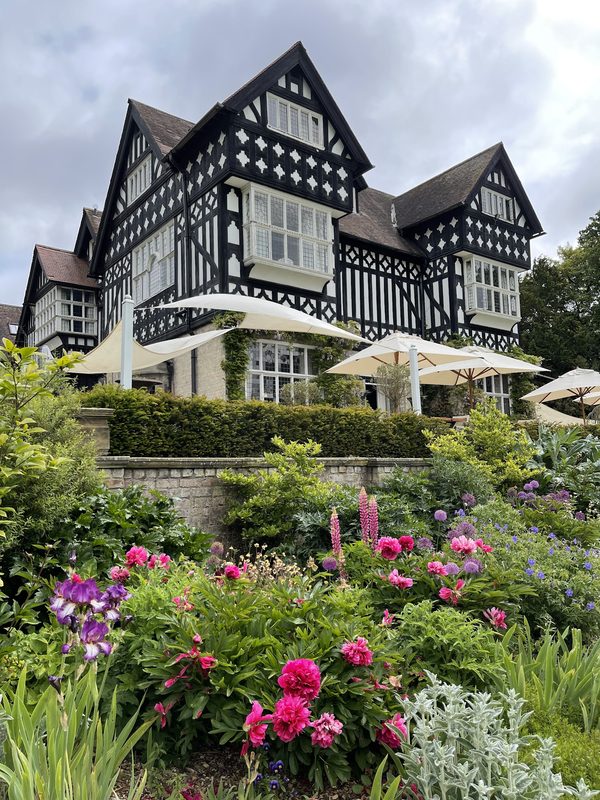
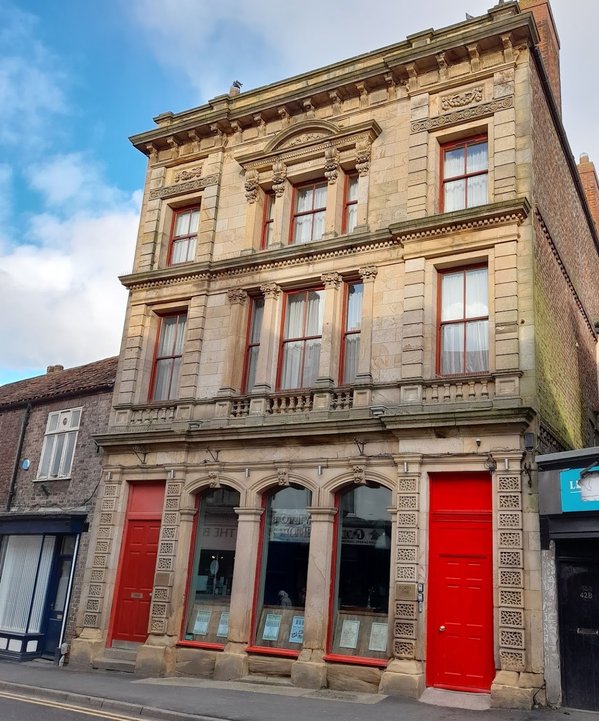
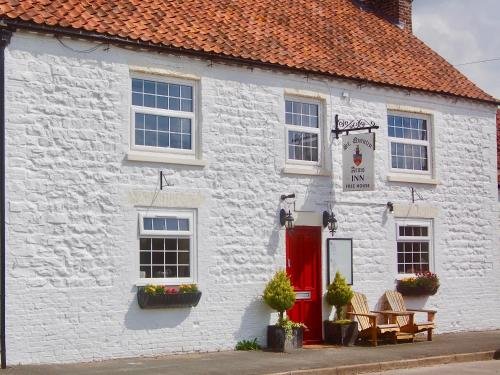
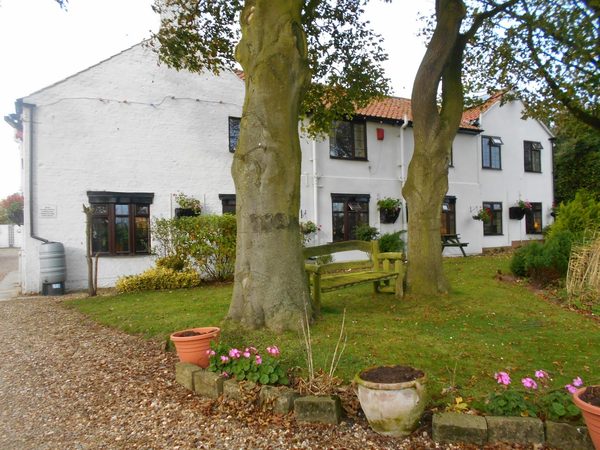
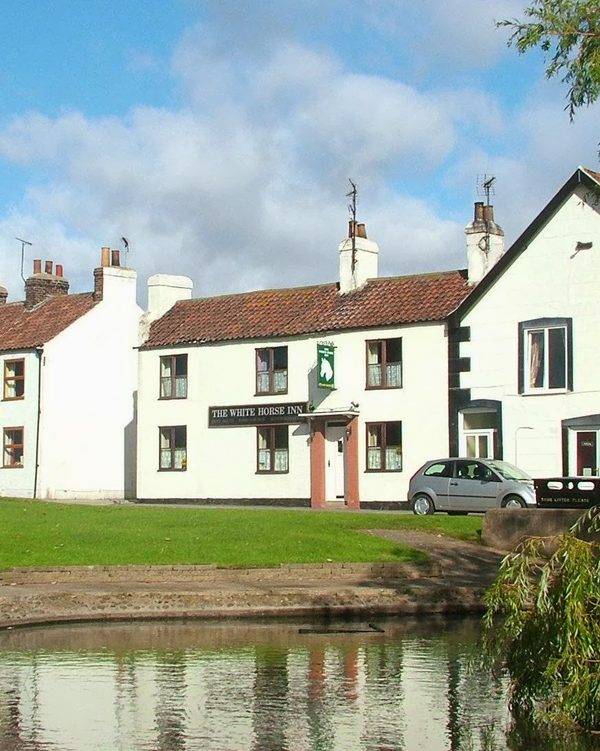
Driffield works best as a base built around what you actually plan to do, because the town itself, the surrounding Wolds villages and the nearby coast each suit a different kind of stay. Right in the centre, pub-with-rooms accommodation and small hotels around the Market Place and railway station put you within walking distance of the Thursday market, the Driffield Navigation towpath and the town's handful of good pubs, which suits anyone arriving by train or simply wanting to leave the car behind for the evening. Rooms here are generally straightforward rather than styled, and represent solid value against national averages — expect roughly £70-£110 a night for a comfortable double, rising around Driffield Show week in mid-July when the town's limited stock is under real pressure and booking two to three weeks ahead is sensible.
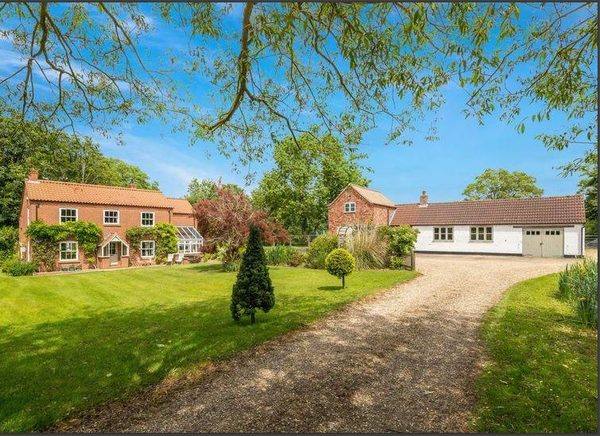
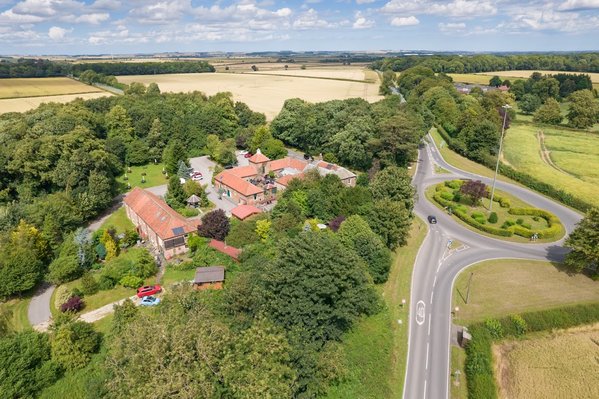
Move a few miles out into the Wolds villages — around Sledmere, Nafferton, Middleton-on-the-Wolds or Wetwang — and the character changes: period farmhouse B&Bs, pub inns and estate cottages set among the chalk downland, better suited to walkers tackling stretches of the Yorkshire Wolds Way or visitors basing themselves near Sledmere House and Burton Agnes Hall. This option requires a car for pretty much everything, including dinner on quieter nights, but rewards with a genuinely rural setting that the town centre, pleasant as it is, can't quite match.
Self-catering cottages, many of them converted farm buildings or estate lets, are common throughout the wider area and offer the best option for families or groups who want space and a proper kitchen after a day out on the Wolds Way or visiting the stately homes. These need booking well ahead for summer — a month or more for peak weekends — since accommodation density here is nothing like the coast. Speaking of which, Bridlington and Hornsea, both around 20-30 minutes away, carry a far larger and more varied hotel and self-catering stock and are worth considering as a base if the coast itself, rather than the Wolds, is the main draw, with Driffield then working as an easy day trip inland.
Things to Do in Driffield(2)
All attractions in Driffield →Top things to do in Driffield
Driffield rewards visitors who like their history unpolished and their countryside close at hand. Between the town centre, the canal and the villages scattered across the Wolds, there is a genuine week's worth of days out within a short drive.
- Driffield Navigation and River Head — walk the towpath from the restored River Head basin, past the old mills and maltings that once made the town rich, out towards Wansford and Brigham; the Driffield Navigation Trust runs occasional boat trips along the water it spent decades bringing back to life.
- All Saints Church — a Saxon foundation rebuilt in the 12th century and extended through the medieval period, with a tower that acts as a landmark across the Wolds; look for the poet William Barnes memorial and the unusually elaborate 14th-century windows.
- Driffield Market Place and the Bell Hotel — the Thursday street market still fills the centre of town, overlooked by the 18th-century Bell Hotel, whose balcony once hosted the reading of general election results for the old Buckrose constituency.
- Sledmere House — a Georgian stately home around 7 miles northwest, seat of the Sykes family for centuries, with Robert Adam-style interiors, a walled garden and parkland landscaped by Capability Brown; the Yorkshire Wolds Way passes right through the estate village.
- Burton Agnes Hall — an Elizabethan manor house around 7 miles east on the road towards Bridlington, still lived in by descendants of the family that built it in 1601, with celebrated gardens, a maze and a striking Norman manor house surviving in the grounds.
- Tophill Low Nature Reserve — Yorkshire Water's working reservoir site a few miles south of town, with hides overlooking wetlands and lagoons that draw a genuinely impressive list of migrant and resident bird species through the year.
- The Yorkshire Wolds Way — the 79-mile national trail passes within easy reach of Driffield, threading through chalk valleys and Wolds villages like Thixendale and Millington; short circular sections make for a good half-day walk without committing to the whole route.
- Kiplingcotes Derby course — around 12 miles from Driffield near Etton, this is reputedly the oldest continuously run horse race in the world, first recorded in 1519 and still raced every third Thursday in March over four miles of farm tracks; worth knowing about even outside race day for the story alone.
- Driffield Show — one of Britain's largest one-day agricultural shows, held every July on showground land just outside town, with livestock classes, show jumping and a proper flavour of the farming community that still underpins the whole area.
Where to Eat in Driffield(19)
All restaurants in Driffield →Food and drink in Driffield
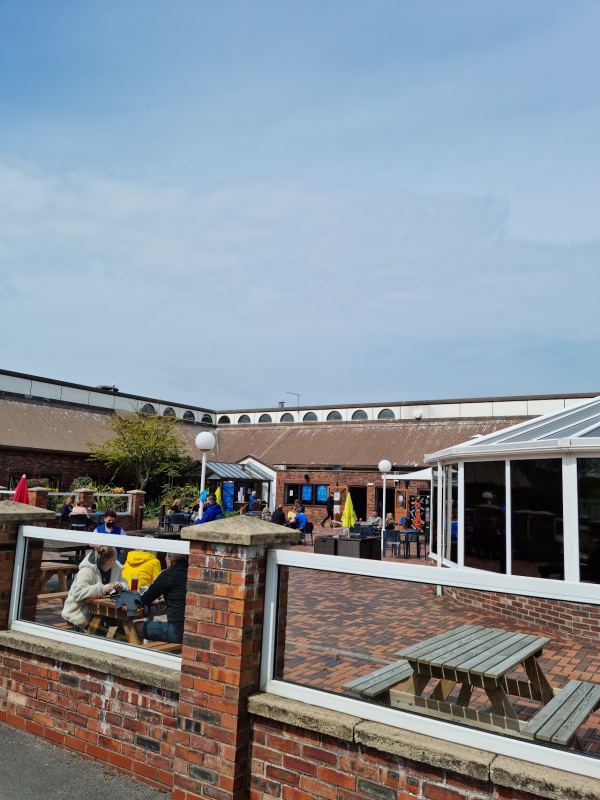
Driffield's food scene runs on solid, unpretentious pubs rather than destination dining, which suits the town well. The Bell Hotel on the Market Place remains the historic centrepiece, serving traditional food in a building that has anchored the town's civic life for over two centuries. The Butchers Dog is a genuinely well-regarded ale pub with a strong range of traditional beers and a relaxed, dog-friendly atmosphere, while The Crooked Tap is the newer addition, a craft beer bar with regular live music nights that has become a fixture for a younger crowd. The Mill & Vine offers a step up for a proper sit-down meal without leaving the town centre.
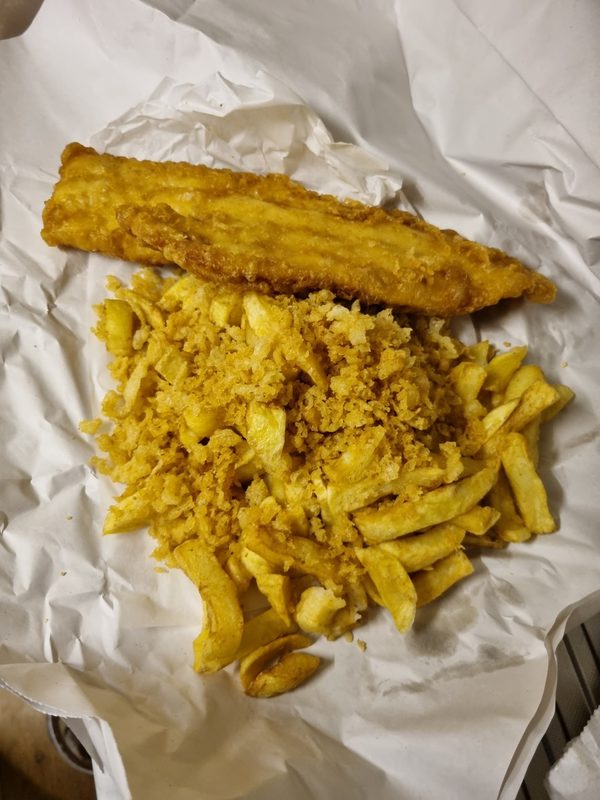
Down by the water, the Blue Bell Riverside restaurant makes the most of its position near the canal, and is worth booking for an evening meal with a bit more polish. For something quicker, Jack Kennedys is the well-regarded local chippy, and the Thursday street market is still the best place to pick up local produce direct from the region's farms — this remains genuinely agricultural country, and butchers, bakers and greengrocers on the Market Place trade on that connection rather than importing anything they don't need to.
Beyond the town, the wider Wolds villages hold some excellent country pubs worth the drive — the Triton Inn at Sledmere is a natural stop after visiting the House, sitting right on the estate. Combined with the produce coming off the surrounding arable and livestock farms, Driffield's food and drink identity is less about individual star names and more about a whole area that still runs on what it grows and rears.
Attractions Near Driffield
All attractions in Driffield →Worth the trip — within 50 miles of Driffield.
 9 mi
9 mi
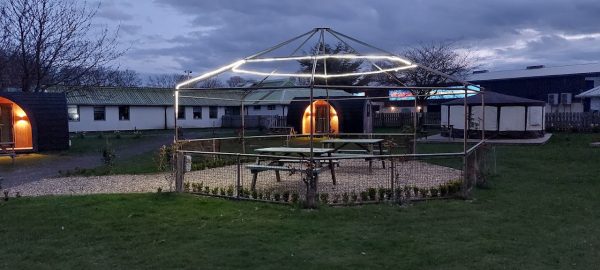
John Bull World of Rock
Bridlington · ⭐ 4.5
 9 mi
9 mi
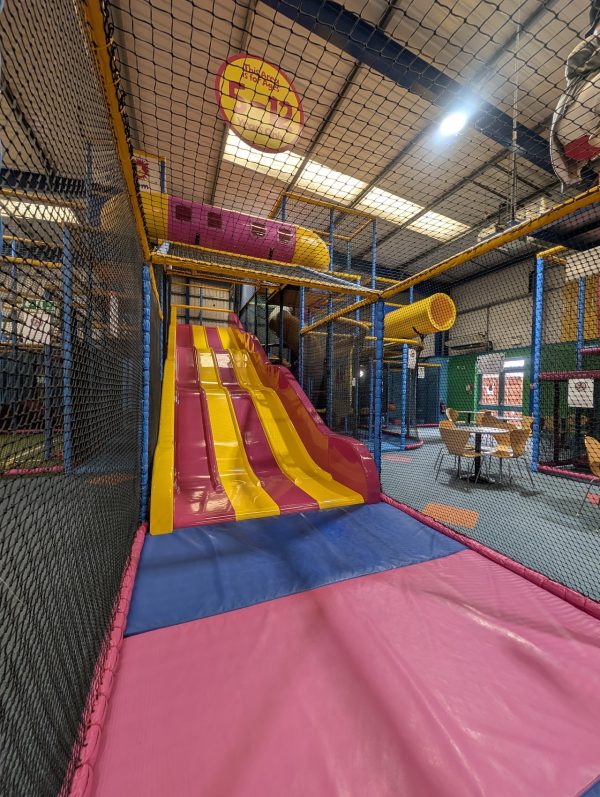
Park Rose Village
Bridlington · ⭐ 3.7
 9 mi
9 mi
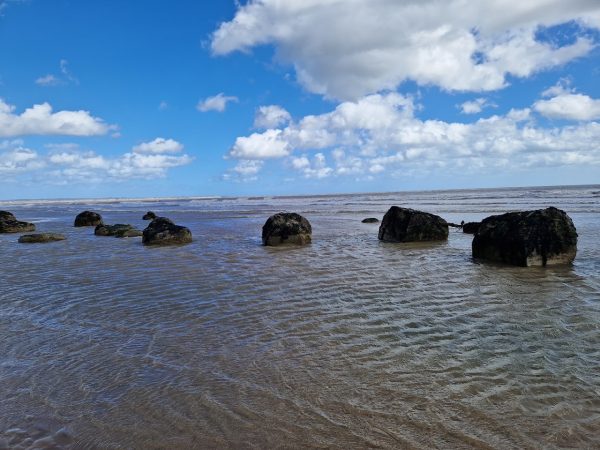
Candy Kingdom
Bridlington · ⭐ 4.3
 10 mi
10 mi
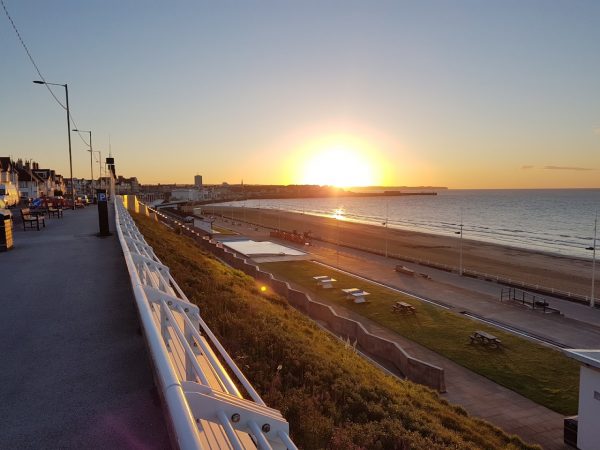
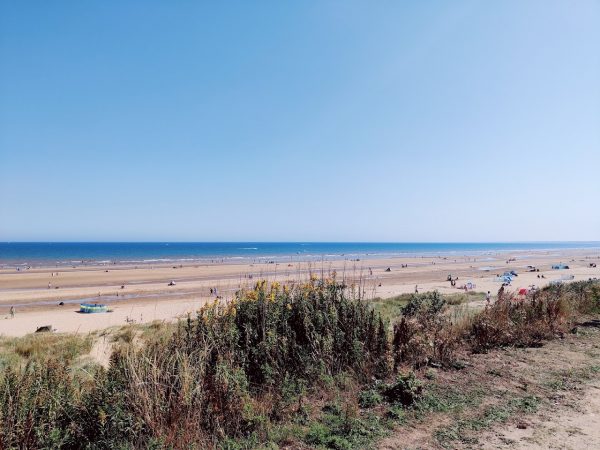
Fraisthorpe Beach
Bridlington · ⭐ 4.7
 10 mi
10 mi
Bridlington South Promenade
Bridlington · ⭐ 4.4
 10 mi
10 mi
The Bridlington Spy Mission Trail
Bridlington · ⭐ 4.4
 10 mi
10 mi
Wilsthorpe Beach
Bridlington · ⭐ 4.4
 12 mi
12 mi
Mega Fun at The Jack in the Box
Beverley · ⭐ 4.6
Camping in Driffield(14)
All campsites in Driffield →About camping in Driffield
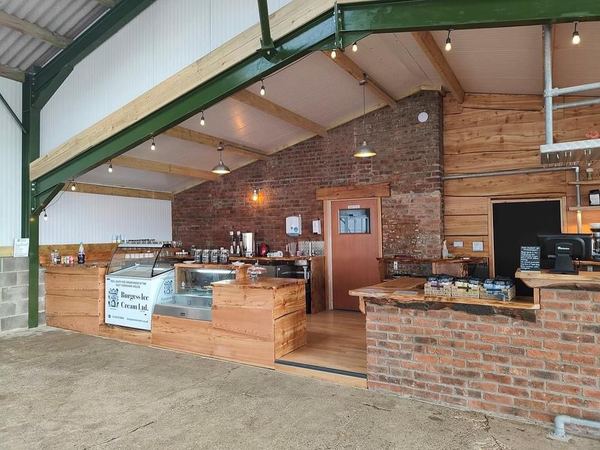
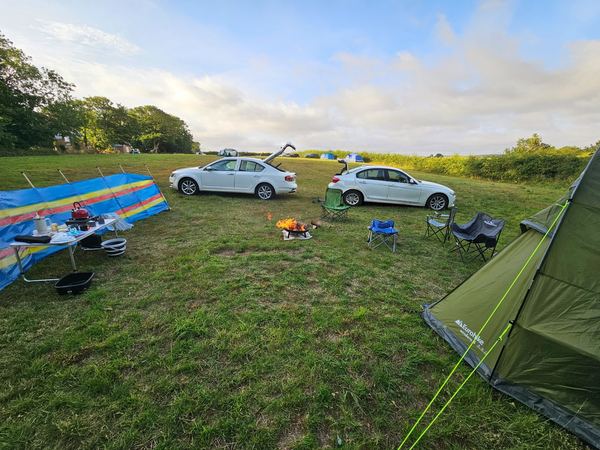
Camping around Driffield means chalk downland rather than dramatic cliffs or mountains — rolling Wolds farmland cut by dry valleys, big open skies, and a genuine sense of rural quiet that's increasingly hard to find within striking distance of the coast. The terrain is gentle by UK standards: well-drained chalk soil that copes better with wet weather than the heavy clay of the Holderness Plain just to the east, which makes pitches around Driffield a sensible choice even after a damp spell. Several working farms in the area, including sites like Thorpe Hall within the walled kitchen gardens of a historic estate, have converted paddocks and orchards into touring and camping pitches, so many campsites here come with a genuine sense of place rather than being generic fields with hook-ups.
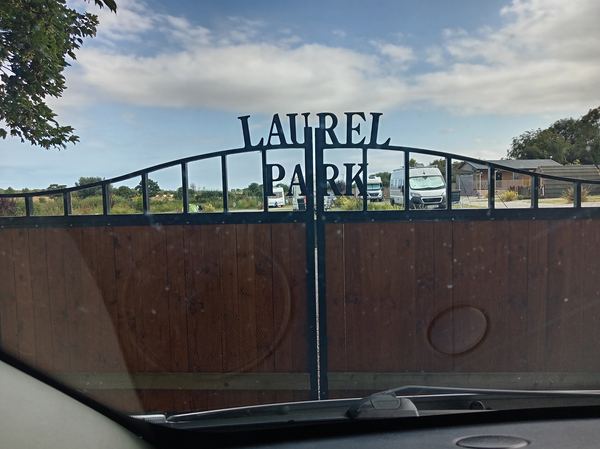
Wild camping is illegal in England without the landowner's explicit permission, and the Wolds are almost entirely working farmland and private estate, so pitching up off-grid on a whim isn't a realistic option here the way it might be on open moorland or in parts of Scotland. That said, the density of proper campsites around Driffield — Field House Campsite, Thorpe Hall, Greengrass Park and others within a short drive of town — means there's rarely a need to improvise; East Yorkshire's camping culture leans towards small, family-run sites on working farms rather than large commercial holiday parks, and booking ahead, even a few days out, secures a pitch without any legal grey areas.
The best camping season here runs from late spring through early autumn. May and June bring long daylight, drier ground underfoot on the Yorkshire Wolds Way, and the countryside at its greenest before harvest. July coincides with the Driffield Show, which is a genuinely good time to camp locally if the show itself is the draw, though it's worth booking sites early as the town's population swells for the weekend. September holds real appeal too — the arable land turns gold after harvest, evenings are still mild, and midweek pitches are easy to find. Winter camping is possible on a handful of all-season sites but is a minority pursuit; the exposed high ground of the Wolds can be bracingly cold and wet, and most sites reduce services or close outright between November and March.
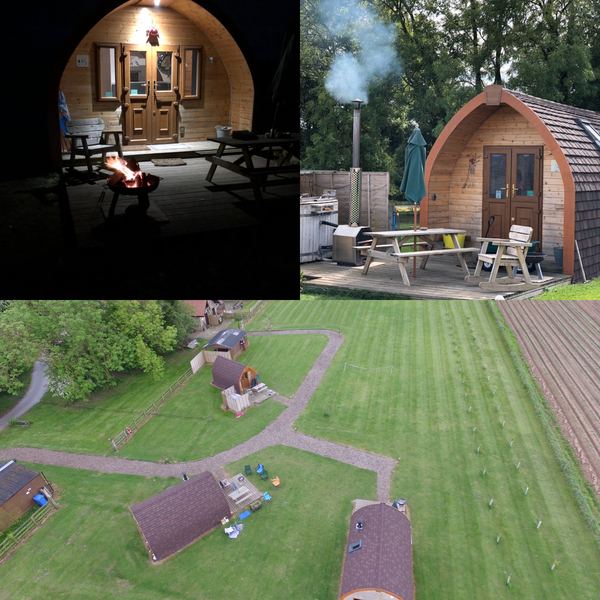
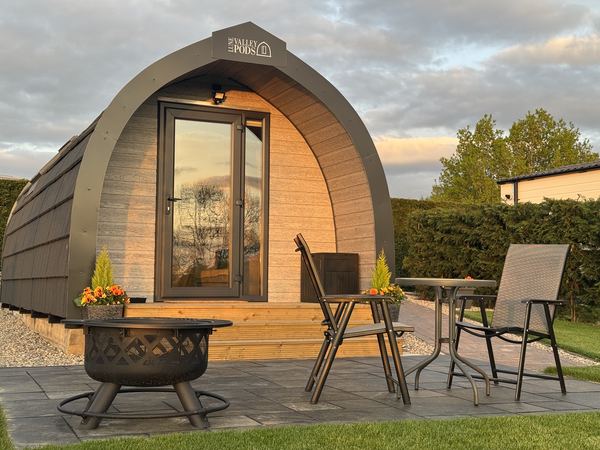
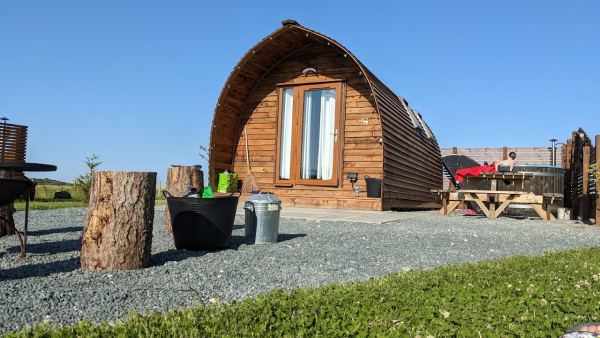
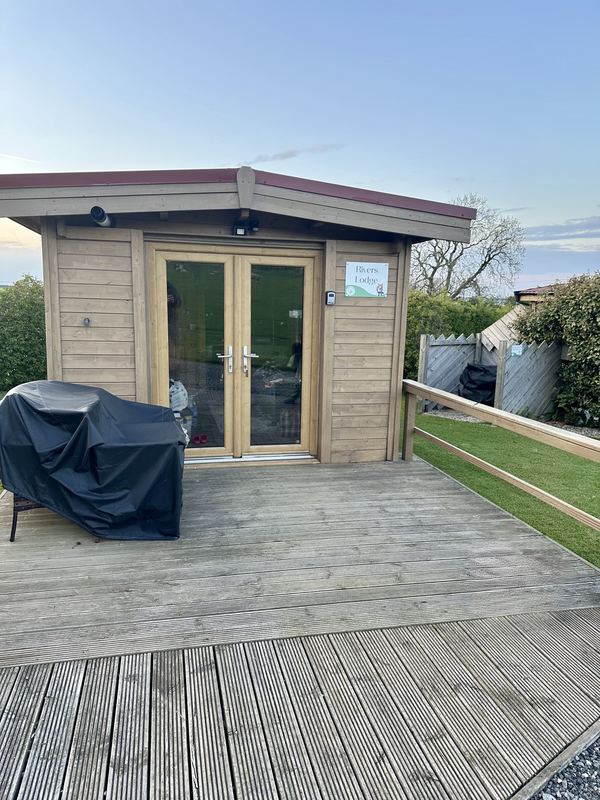
Glamping has taken hold strongly in this part of Yorkshire, and Driffield is well served by it. Bell tents, shepherd's huts and insulated pods — some with wood-burners or private hot tubs — are dotted across farms throughout the Wolds, offering a comfortable middle ground for anyone who wants the setting without the full commitment of pitching their own tent. These sites tend to book up fastest for July and August weekends, so for glamping specifically it's worth reserving six to eight weeks ahead in peak season, considerably less urgent the rest of the year.
Self-Catering Cottages in Driffield
All cottages in Driffield →South Lodge
2 bed · sleeps 4 · from £581
Brian’s Barns - Mulberry Cottage
4 bed · sleeps 8 · from £487
Brian’s Barns - Cattle Crush Cottage
3 bed · sleeps 6 · from £671
Wold Cottage - Wold House Cottage
5 bed · sleeps 10 · from £1,862
Wold Retreat
4 bed · sleeps 8 · from £1,862
Brian’s Barns - Dip Tub Den
2 bed · sleeps 4 · from £513
Monkey Puzzle View
2 bed · sleeps 4 · from £383
The Hind House
4 bed · sleeps 8 · from £817
Common questions about Driffield
How many campsites are there in Driffield?
We list 14 campsites in and around Driffield, of which 13 take tents and 10 offer glamping.
Are there dog-friendly campsites in Driffield?
Yes — 9 of the 14 campsites we list in Driffield accept dogs, including Field House Campsite and Seaways Glamping and Camping.
Which campsites in Driffield have electric hook-up?
8 of the 14 campsites we list in Driffield offer an electric hook-up.
Where can I stay in Driffield?
We list 7 hotels, B&Bs and guest houses in and around Driffield.
What is there to do in Driffield?
We list 2 attractions and things to do in and around Driffield.
Where can I eat in Driffield?
We list 19 restaurants, pubs and cafes in and around Driffield.