Loch Lomond
Britain's largest loch, half an hour from Glasgow
Photo © Friedrich Busser, Google Maps
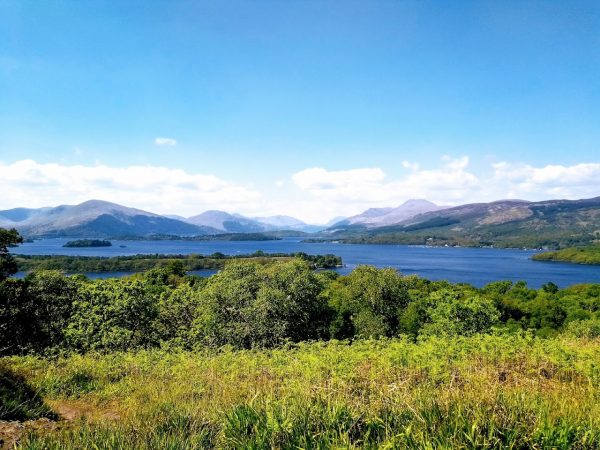
Loch Lomond is the largest stretch of fresh water in Britain by surface area, a twenty-four mile blade of water lying north to south along the Highland Boundary Fault. That geological line runs straight across the loch at Balmaha, and it explains why the place looks the way it does. South of the fault the loch is wide, shallow and scattered with wooded islands, edged by farmland and gentle hills. North of it the water narrows to little more than a mile across, the shores steepen into crags, and Ben Lomond rises 974 metres directly from the eastern bank. You can stand on the summit of Conic Hill above Balmaha and see the whole transition laid out beneath you, the islands strung along the fault like stepping stones.
The loch and the hills around it form the heart of Loch Lomond and The Trossachs National Park, Scotland's first, designated in 2002. What makes the area unusual is its proximity to a major city. Glasgow's western suburbs end and the national park begins within about twenty miles, which means Loch Lomond has always been a working landscape as much as a scenic one: a Victorian steamer resort, a Sunday drive, a place where Glaswegians learned to sail and swim and climb. That accessibility brings crowds to the southern shore on hot weekends, and the park authority has introduced camping byelaws and permit zones in response.
Yet the loch absorbs visitors well, largely because so much of it is hard to reach. The eastern shore road stops at Rowardennan and the West Highland Way continues on foot through oak woodland to Inversnaid and beyond, a rough and often muddy stretch that thins the numbers considerably. The islands are reachable only by boat. And the northern end, around Ardlui and Inverarnan, feels genuinely Highland, with the road and railway squeezed between water and rock. Choose your shore and your season and you can have a bay entirely to yourself.
Getting to Loch Lomond
Balloch, at the southern tip of the loch, has its own railway station at the end of a branch line from Glasgow Queen Street Low Level. Trains run roughly every half hour and take around fifty minutes. From London, the fastest approach is the West Coast Main Line to Glasgow Central in about four and a half hours, then a short hop across the city; allow around six hours door to door. The Caledonian Sleeper from London Euston is an appealing alternative, and it runs up the western side of the loch itself, calling at Arrochar and Tarbet and at Ardlui, so you can step off the train onto the lochshore.
By road, the M8 and A82 from Glasgow reach Balloch in about forty minutes and Luss in under an hour. The A82 continues up the western shore towards Tarbet, Ardlui and Crianlarich, a scenic but narrow and twisting road north of Tarbet where overtaking is difficult and delays are common in summer. The eastern shore is reached separately via the A811 to Drymen, then a minor road through Balmaha to Rowardennan, where the public road ends. There is no through route around the loch, so decide which shore you want before setting off.
Parking is the main practical headache. Balmaha, Luss, Rowardennan and Balloch all operate paid car parks that fill by mid-morning on fine weekends and bank holidays. Arriving before ten, or after four, makes a considerable difference. Glasgow Airport is the nearest airport, around thirty minutes from Balloch by car; Edinburgh Airport is roughly ninety minutes.
Best time to visit Loch Lomond
Spring is arguably the finest season. April and May bring long light evenings, the oak woods on the eastern shore come into leaf, bluebells carpet the slopes above Balmaha, and the midges have not yet arrived in force. Waterfalls run strongly after winter rain, and the hills are quiet.
Summer is warmest and busiest. July and August bring the fullest programme of cruises, ferries and watersports, but also traffic queues on the A82, full car parks and the Highland midge, which is at its worst on still, damp evenings between June and early September. A breeze off the water is the best defence, which is one argument for camping on an exposed shore rather than in sheltered woodland.
Autumn is the connoisseur's choice. Late September through October turns the birch and oak woodland gold and russet, the light softens, the midges vanish after the first cold nights, and accommodation prices ease. Red deer rut on the hills above the northern loch. Rain is likely, so pack accordingly.
Winter is quiet and often beautiful, with snow on Ben Lomond reflected in still water. Daylight is short, some seasonal campsites and boat operators close, and hill walking becomes a serious undertaking requiring axe and crampons. Hotels with fires and good kitchens come into their own.
Where to go
Popular destinations in Loch Lomond
Where to stay in Loch Lomond(8)
All hotels in Loch Lomond →About staying in Loch Lomond
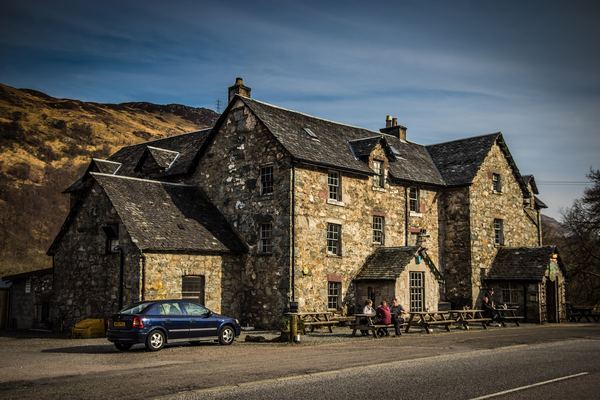
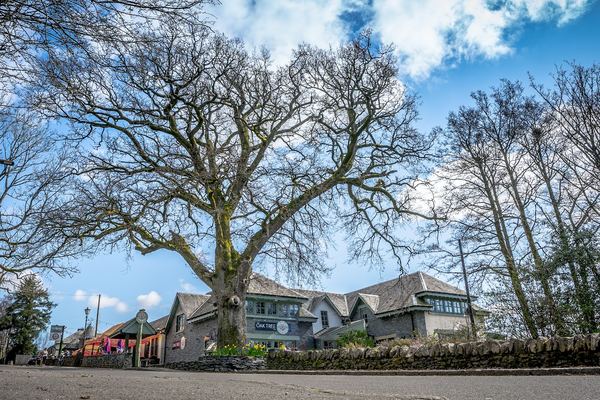
Places to stay around Loch Lomond range from farmhouse bed and breakfasts to grand lochside hotels, with much depending on which shore you fancy waking up to. Balmaha and Drymen suit those arriving on the West Highland Way, with the Oak Tree Inn a well-known stop, while Luss and Balloch offer a wider spread of hotels close to the water and the main visitor routes.
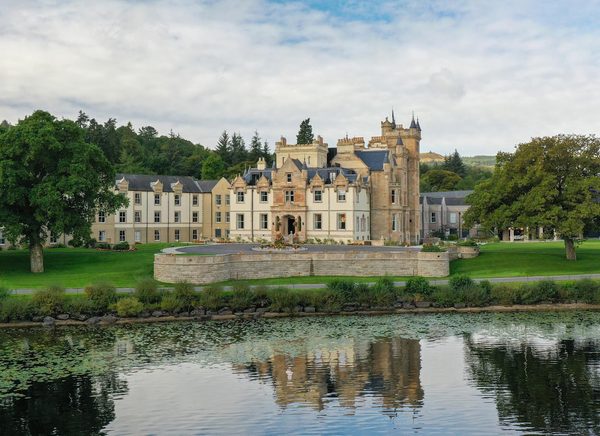
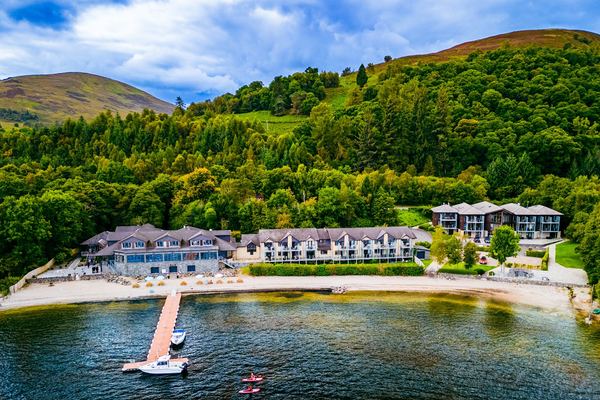
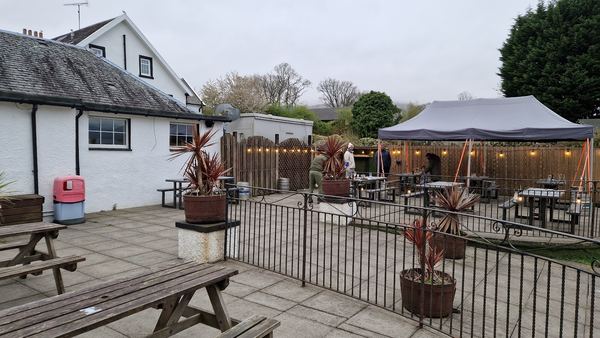
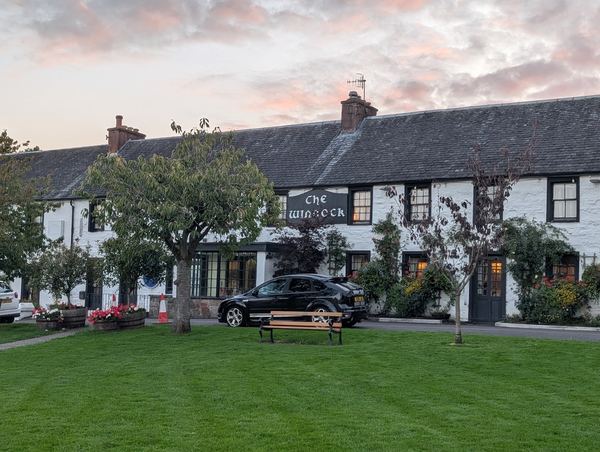
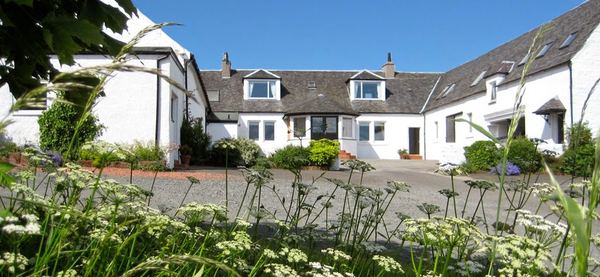
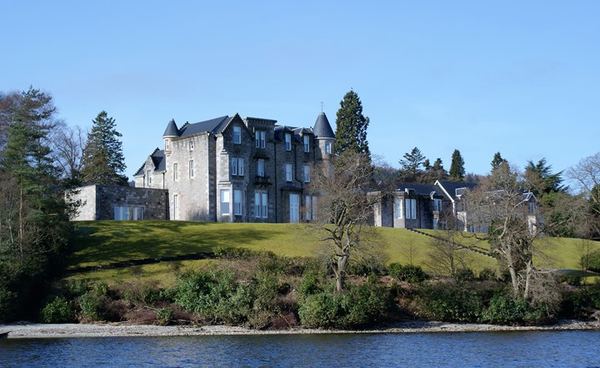
For something grander, Cameron House on Loch Lomond and The Lodge on Loch Lomond Hotel give direct loch views and proper leisure facilities, whereas the Rowardennan Hotel sits further up the quieter eastern shore, handy for walkers heading onto Ben Lomond. Duck Bay Hotel & Restaurant and the Winnock Hotel in Drymen offer easy access to the loch without straying far from the road network, and Dumbain Farm Bed & Breakfast is a good option for a simpler, more rural stay.
 8.8
8.8
Cameron House on Loch Lomond
Loch shore near Balloch, West Dunbartonshire
from £320/night
 8.4
8.4
The Lodge on Loch Lomond Hotel
Beachfront, Luss, Argyll and Bute
from £209/night
 8.6
8.6
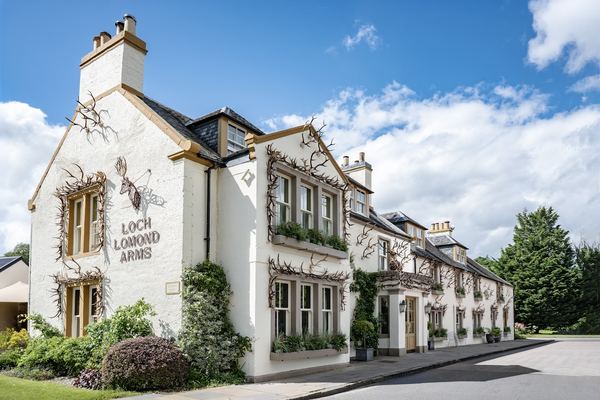
Loch Lomond Arms Hotel
Luss village, Argyll and Bute
from £265/night
 8.5
8.5
The Oak Tree Inn
Balmaha, east shore, Stirlingshire
from £125/night
 8.2
8.2
Duck Bay Hotel & Restaurant
Arden, A82 south-west shore
from £110/night
 8.3
8.3
Rowardennan Hotel
Rowardennan, east shore, Stirlingshire
from £120/night
 7.9
7.9
The Winnock Hotel
The Square, Drymen, Stirlingshire
from £85/night
 9.1
9.1
Dumbain Farm Bed & Breakfast
Balloch, Dunbartonshire
from £95/night
Things to Do in Loch Lomond(2)
All attractions in Loch Lomond →Top things to do in Loch Lomond
The loch itself is the main event, but the surrounding hills, villages and woodlands give plenty of reason to stay several days.
- Ben Lomond - the most southerly Munro and one of Scotland's most climbed hills, with a well-made path from Rowardennan car park taking most walkers four to five hours return for a summit view down the full length of the loch.
- Conic Hill - a short but steep climb from Balmaha, around two hours return, delivering the classic view along the Highland Boundary Fault with the islands lined up below.
- Luss village - a conservation village of slate-roofed estate cottages on the western shore, with a sandy beach, a pier and a parish church founded on a site of worship dating back over 1,500 years.
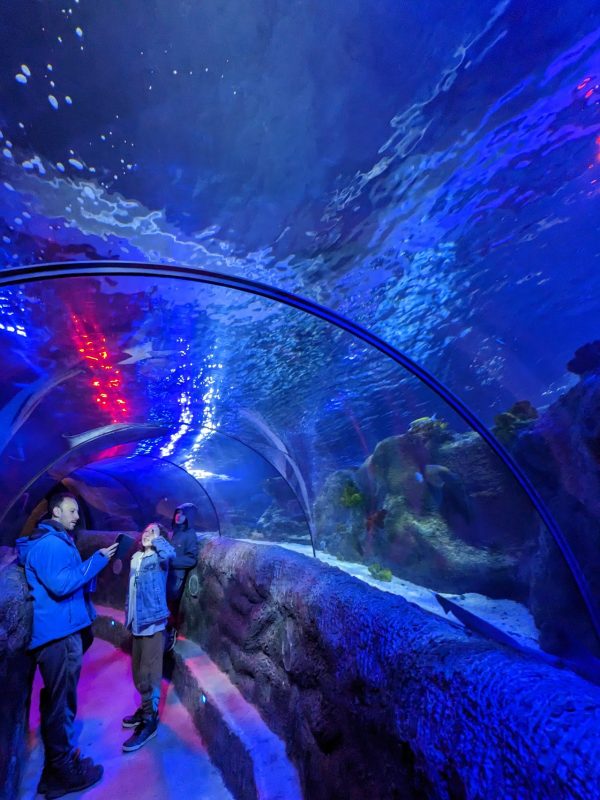
- Loch Lomond Shores at Balloch - the visitor complex at the southern tip, home to the Sea Life Loch Lomond Aquarium, watersports hire, and departure point for cruises around the southern islands.
- Inchcailloch island - a National Nature Reserve reached by ferry from Balmaha, with an oak woodland circuit, a ruined church and burial ground, and a summit path barely an hour long.
- The West Highland Way - Scotland's best known long-distance path runs the full eastern shore from Drymen to Inverarnan, and the Balmaha to Rowardennan section makes an excellent day walk.
- Falls of Falloch - a powerful waterfall just off the A82 north of Ardlui, reached by a five-minute walk from a roadside car park.
- Watersports and cruising - kayaking, paddleboarding, sailing and waterskiing operate from Balloch, Luss, Balmaha and Duck Bay, and scheduled cruise boats run through the summer.
Where to Eat in Loch Lomond
All restaurants in Loch Lomond →Food and drink in Loch Lomond
The area's food is Scottish and unfussy at its best: loch and river fish, venison and lamb from the surrounding estates, and increasingly good baking and coffee driven by the walking trade. Cullen skink, haggis with neeps and tatties, and a proper Scottish breakfast with black pudding and tattie scone are all standard fixtures on local menus.
At Balmaha, the Oak Tree Inn has been the anchor of the village since 1997, serving Scottish pub cooking and running the adjoining St Mocha coffee shop and ice cream parlour, where the beans are roasted on site. Its own beers are brewed locally. In Drymen, the Clachan Inn claims to be Scotland's oldest licensed premises and does a straightforward bar menu that suits walkers coming off the Way, while the Winnock Hotel on the square handles larger groups.
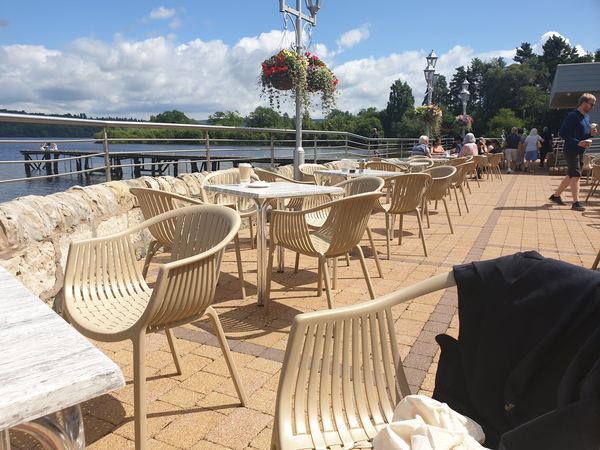
On the western shore, the Lodge on Loch Lomond at Luss has a restaurant looking straight down the water, and the Loch Lomond Arms in the village serves food in a restored coaching inn. Duck Bay, on the A82 near Arden, is a long-established loch-shore restaurant with a terrace, popular for Sunday lunch. At the far northern end, the Drovers Inn at Inverarnan is an experience as much as a meal: stone floors, open fires, stuffed animals and live music at weekends.
For self-caterers, Balloch has supermarkets and Drymen has a good village shop and butcher. Loch Lomond Shores hosts craft and food markets on selected weekends, and Loch Lomond Brewery, based at Alexandria, supplies beer to bars around the loch. Whisky drinkers are within easy reach of Glengoyne Distillery at Dumgoyne, about twenty minutes from Drymen, and Loch Lomond Distillery at Alexandria.
St Mocha Luss
Luss Pier Pier Road Luss Alexandria Argyll And Bute G83 8NY
The Village Rest
The Village Rest Pier Road Luss Alexandria Argyll And Bute G83 8NY
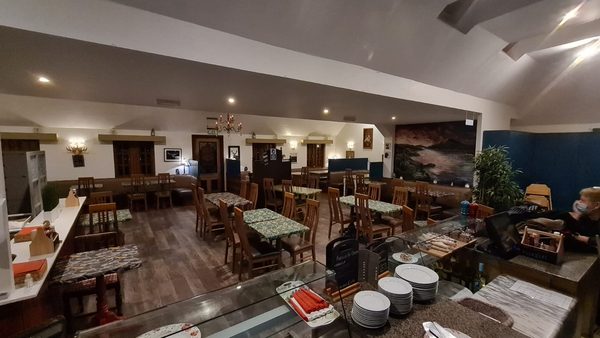
The Village Restaurant
Alexandria · ⭐ 4.5
Scoff & Patter
Street Record Church Road Luss Argyll And Bute
Cameron Club Golf And Spa
The Carrick At Cameron House Arden Alexandria Argyll And Bute G83 8RE
Fruin Farm
Fruin Farm Highfields Road Glen Fruin Helensburgh Argyll And Bute G84 9EE
Kilmaronock Millenium Hall
Dunbartonshire
Cruin Restaurant
Cruin Restaurant Auchenheglish Arden Alexandria Argyll And Bute G83 8RB
Attractions Near Loch Lomond
All attractions in Loch Lomond →Worth the trip — within 50 miles of Loch Lomond.
 1 mi
1 mi
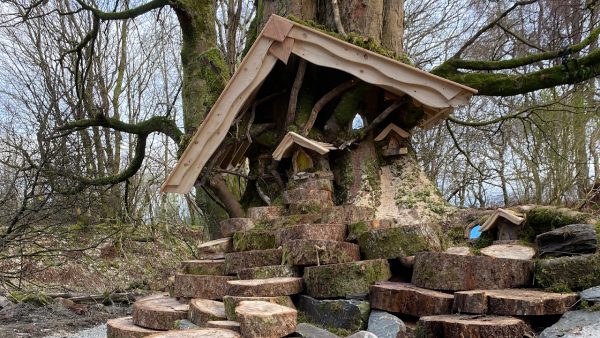
Loch Lomond Faerie Trail Present...The Wicked Witch
Alexandria · ⭐ 4.5
 1 mi
1 mi
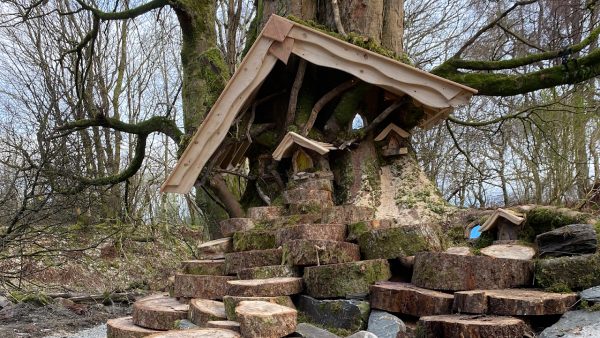
Loch Lomond Faerie Trail
Luss · ⭐ 4.5
 7 mi
7 mi
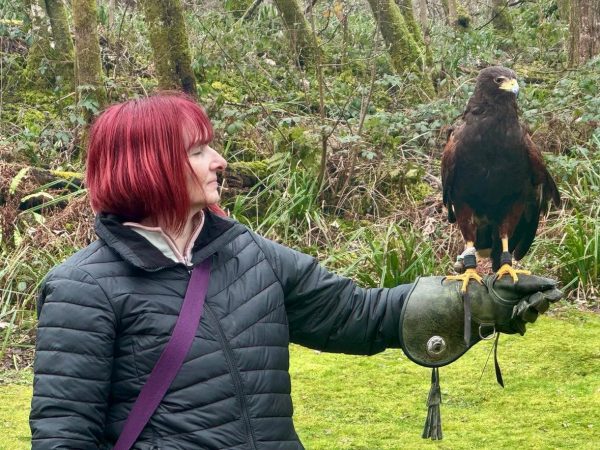
Loch Lomond Bird Of Prey Centre
Alexandria · ⭐ 4.7
 8 mi
8 mi
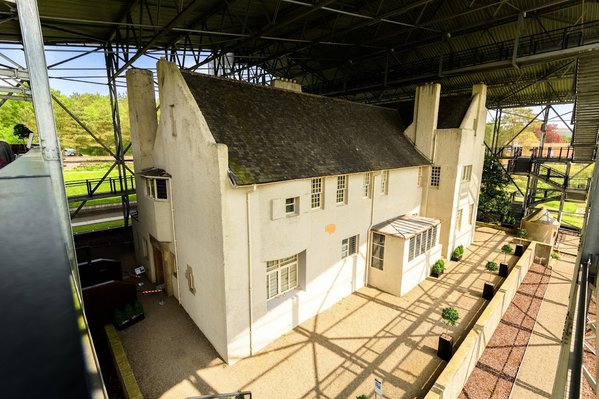
The Hill House
Helensburgh · ⭐ 4.7
 8 mi
8 mi
SEA LIFE Loch Lomond
Alexandria · ⭐ 4.5
 8 mi
8 mi
Queen Elizabeth Forest Park
Stirling · ⭐ 4.7
 8 mi
8 mi
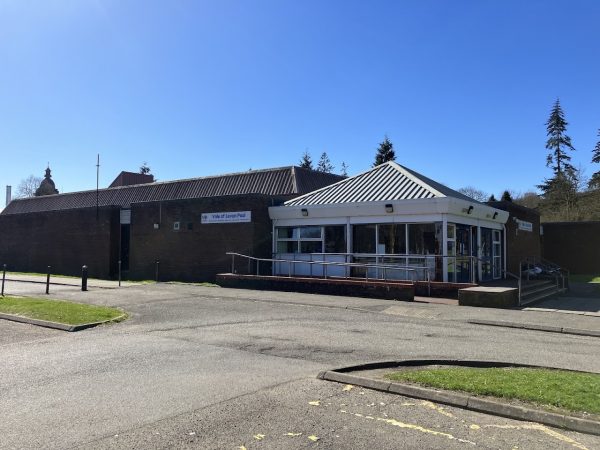
Vale of Leven Swimming Pool
Alexandria · ⭐ 4.3
 10 mi
10 mi
Ardardan Estate
Cardross · ⭐ 4.6
Camping in Loch Lomond(5)
All campsites in Loch Lomond →About camping in Loch Lomond
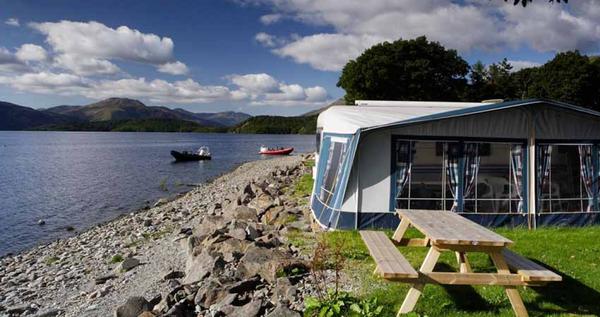
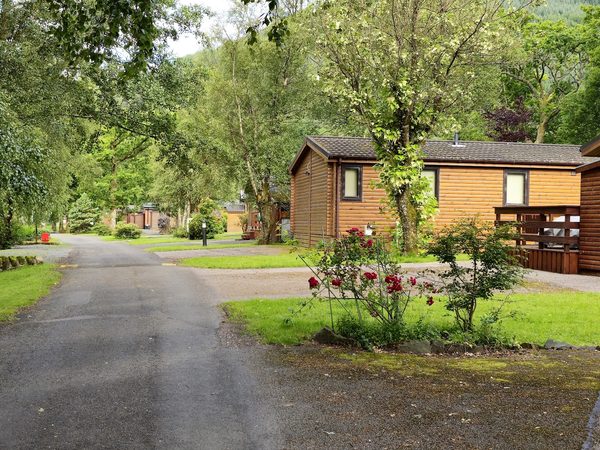
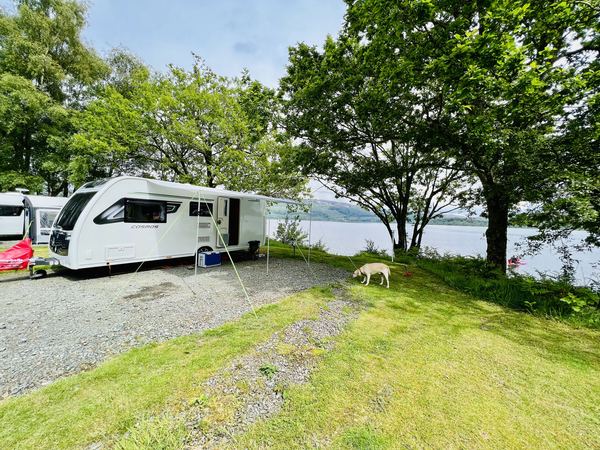
Camping and glamping around Loch Lomond ranges from lochside pitches to well-equipped touring parks, with sites spread along the water's edges at Luss, Inverbeg and further north towards Inverarnan. Cashel Campsite and Inverbeg Holiday Park both sit close to the shore, giving direct access to the water and views across to the hills beyond, while Luss Caravan and Camp Site puts you within walking distance of the village itself.
Beinglas Farm Campsite lies at the head of the loch near Inverarnan, popular with walkers on the West Highland Way and handy for a straightforward overnight stop. Those wanting more comfort than a tent but still keen on the outdoors should look at Loch Lomond Castle Lodges, which offers glamping-style stays without giving up the setting. Choosing between them often comes down to whether you want to be near a village for shops and pubs, or further out with quieter surroundings.
Self-Catering Cottages in Loch Lomond
All cottages in Loch Lomond →Strathcashel Cottage
3 bed · sleeps 6 · from £1,001
Clarinnes Cottage
3 bed · sleeps 6 · from £1,412
Lomond View Lodge
3 bed · sleeps 6 · from £591
Ptarmigan Lodge
4 bed · sleeps 8 · from £991
Crossburn Hideaway
1 bed · sleeps 3 · from £543
Crosskeys Cottage
1 bed · sleeps 2 · from £717
Ardvenhor
4 bed · sleeps 8 · from £1,246
Glenfruin Lodge
1 bed · sleeps 3 · from £667
Common questions about Loch Lomond
How many campsites are there in Loch Lomond?
We list 4 campsites in and around Loch Lomond, of which 4 take tents and 2 offer glamping.
Are there dog-friendly campsites in Loch Lomond?
Yes — 2 of the 4 campsites we list in Loch Lomond accept dogs, including Cashel Campsite and Luss Caravan and Camp Site.
Which campsites in Loch Lomond have electric hook-up?
2 of the 4 campsites we list in Loch Lomond offer an electric hook-up.
Where can I stay in Loch Lomond?
We list 8 hotels, B&Bs and guest houses in and around Loch Lomond. Prices start from around £85 a night.
What is there to do in Loch Lomond?
We list 2 attractions and things to do in and around Loch Lomond.