Orkney
Neolithic wonders and wide northern skies
Photo © rick carter, Google Maps
Orkney lies just over six miles beyond the north coast of mainland Scotland, across the fast, unpredictable water of the Pentland Firth. It is an archipelago of roughly seventy islands, around twenty of them inhabited, and the first thing most visitors notice is how little of it looks like the Highlands they have just driven through. There are almost no trees. The land rolls in low green curves of grazing and barley, split by drystone dykes and edged, quite suddenly, by cliffs. The sky takes up most of the view. On a clear day the light off the water is extraordinarily bright, and on a grey one the whole archipelago turns the colour of pewter.
What sets Orkney apart from every other part of the British Isles is the depth of its human record. People have farmed here continuously for more than five thousand years, and because there was so little timber they built in stone, which is why so much survives. The Heart of Neolithic Orkney is a UNESCO World Heritage Site covering four monuments on the West Mainland, and they are not fenced-off curiosities but working parts of the landscape, with sheep grazing up to the stones. Layered on top of that is a Norse period that lasted six centuries and still shapes the place names, the dialect and the sagas, and on top of that again a twentieth-century military history centred on the great natural anchorage of Scapa Flow.
Orkney is also emphatically a lived-in, working place rather than a museum. Kirkwall, the capital, has around nine thousand residents, a busy harbour and a red sandstone cathedral at its centre. Stromness, the second town, is a single flagstone street winding along the waterfront with lanes running down to private piers. Farming, fishing, whisky, renewable energy and the ferries keep the islands going. Visitors who arrive expecting remoteness and hardship tend to be surprised by how comfortable, well fed and well connected they are.
Getting to Orkney
There is no bridge, so every journey involves a boat or a plane. From London the usual rail approach is to Edinburgh or Inverness first; London to Inverness takes around eight hours by day or overnight on the Caledonian Sleeper, and the Far North Line then runs from Inverness to Thurso in roughly three and a half to four hours through some genuinely empty country. Thurso is a short bus or taxi ride from Scrabster harbour.
From Scrabster, NorthLink Ferries sail to Stromness in about ninety minutes, passing beneath the Hoy cliffs and the Old Man on the way in. Pentland Ferries run from Gills Bay, near John o' Groats, to St Margaret's Hope on South Ronaldsay in around an hour, and this is often the cheaper crossing for cars. NorthLink also operates a longer overnight route from Aberdeen to Kirkwall, taking roughly six hours, which suits anyone who would rather sleep than drive north. In summer a foot-passenger service from John o' Groats adds another option.
By road, Inverness to Scrabster is about 110 miles on the A9 and A99 or A836, allowing two and a half to three hours without stops. Bringing a car is worth doing if you plan to explore the Mainland properly, though book ferry vehicle space well in advance for June to August. Both ferry terminals have parking if you prefer to travel as a foot passenger and hire locally. Kirkwall Airport, a few miles from town, has Loganair flights from Aberdeen, Edinburgh, Glasgow, Inverness and Shetland, and inter-island flights connect the smaller isles, including the famously brief hop between Westray and Papa Westray.
Best time to visit Orkney
Spring is when Orkney begins to feel generous. From April the seabird colonies fill up, wildflowers appear on the cliff tops and the days lengthen quickly. May is often the driest month of the year and the Orkney Folk Festival brings Stromness alive at the end of it. Puffins are generally around the cliffs from late April to early August.
Summer brings the long light Orcadians call the simmer dim, when it barely gets properly dark in June and you can walk a beach at eleven at night. The St Magnus International Festival takes over Kirkwall in June, and July and August are the warmest months, though warm here means highs of about fifteen or sixteen degrees. This is peak season for ferries and accommodation, so book months ahead.
Autumn thins the crowds without losing much. September still has decent light and settled spells, the archaeology sites are quieter, and by late October the first aurora displays, known locally as the Merry Dancers, become possible. Winter is dark, windy and genuinely dramatic. Some attractions close or cut their hours and ferries occasionally cancel in heavy weather, but the storm watching is superb and Kirkwall's Ba' game, a mass street football contest played on Christmas Day and New Year's Day, is unlike anything else in Britain.
Where to stay in Orkney(8)
All hotels in Orkney →About staying in Orkney
Most of Orkney's hotels and B&Bs sit in or near Kirkwall and Stromness, the two towns that anchor the mainland and make sensible bases for exploring the islands. The Albert Hotel, The Ayre Hotel and The Lynnfield Hotel are all within easy reach of Kirkwall's shops and the cathedral, while The Stromness Hotel and The Ferry Inn put you close to the harbour where boats leave for Hoy and the outer isles.
Further out, The Foveran looks over Scapa Flow and suits those wanting quiet and views over town-centre convenience, and The Storehouse Restaurant with Rooms pairs a bed with a serious dinner. Sanderlay Guest House offers a simpler, homelier option for shorter stays.
Given how spread out Orkney's sites are, it is worth choosing a base near whichever ferry terminal or attraction matters most, since driving times between towns can eat into a day's sightseeing.
 9.2
9.2
The Storehouse Restaurant with Rooms
Bridge Street Wynd, central Kirkwall
from £140/night
 9.1
9.1
The Foveran
St Ola, overlooking Scapa Flow
from £150/night
 9.0
9.0
The Lynnfield Hotel
Holm Road, St Ola, above Kirkwall
from £145/night
 8.6
8.6
The Ferry Inn
John Street, Stromness harbour
from £110/night
 8.5
8.5
The Ayre Hotel
Ayre Road, Kirkwall seafront
from £120/night
 8.8
8.8
Sanderlay Guest House
Viewfield Drive, Kirkwall outskirts
from £85/night
 8.7
8.7
The Albert Hotel
Mounthoolie Lane, central Kirkwall
from £130/night
 8.4
8.4
The Stromness Hotel
The Pierhead, Stromness waterfront
from £105/night
Camping in Orkney(9)
All campsites in Orkney →About camping in Orkney
Camping in Orkney means wide skies, coastal light and the chance to pitch within reach of ancient sites rather than crowds. Chalmersquoy Campsite in Stromness and the Orkney Caravan Park at The Pickaquoy Centre in Kirkwall suit those who want facilities close to shops, ferries and evening pubs, while Trumland Farm Campsite and Hostel on Rousay offers a quieter island base near the chambered cairns.
Smaller certificated locations such as Pool Farmhouse, Kingsdale and Stonehigh give campervanners simple, low-key stopovers away from the main towns, and Wheems Organic Farm Campsite on South Ronaldsay adds a working croft setting for those keen on home-grown food. Ayres Rock, near Deerness, covers both camping and hostel beds under one roof, handy if the Orkney weather turns and a warm room becomes the better option for a night or two.
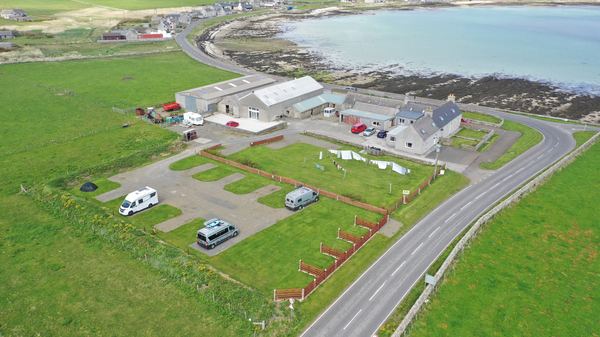
Chalmersquoy Campsite
⭐ 4.9
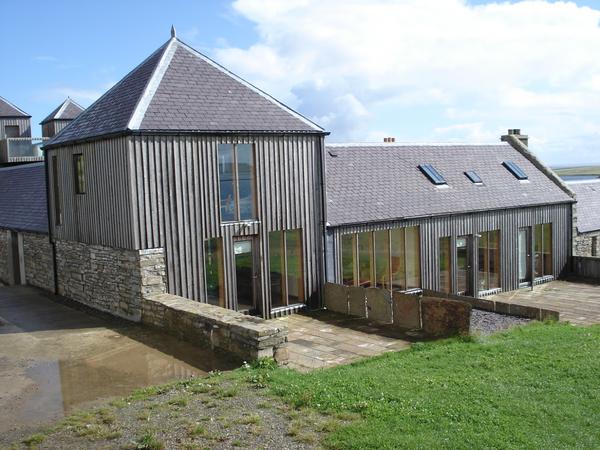
Trumland Farm Campsite and Hostel
⭐ 4.8 · from £12/night

Ayres Rock Hostel and Campsite
⭐ 4.8

Orkney Self Catering Caravan Holiday
Kirkwall · ⭐ 4.6

Stonehigh Certificated Location
⭐ 4.6
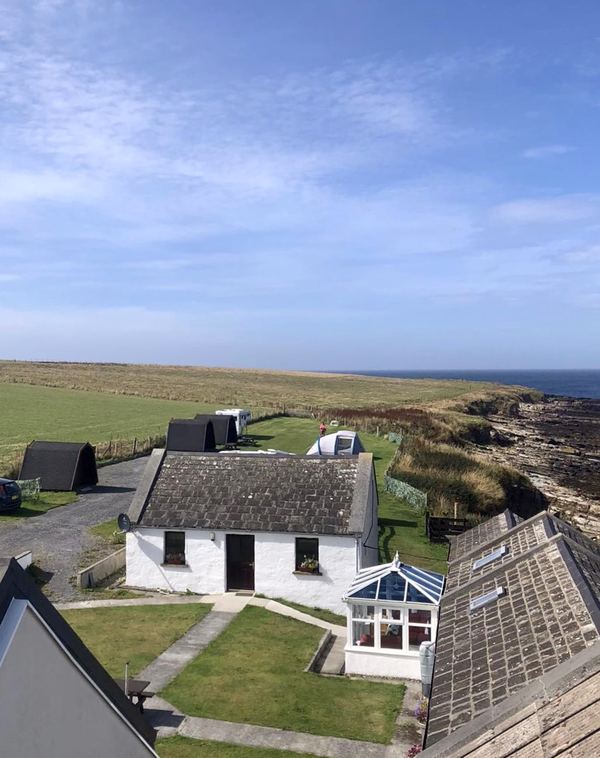
Ayres Rock Orkney
⭐ 4.8

Orkney Caravan Park at The Pickaquoy Centre
⭐ 4.6 · from £22/night
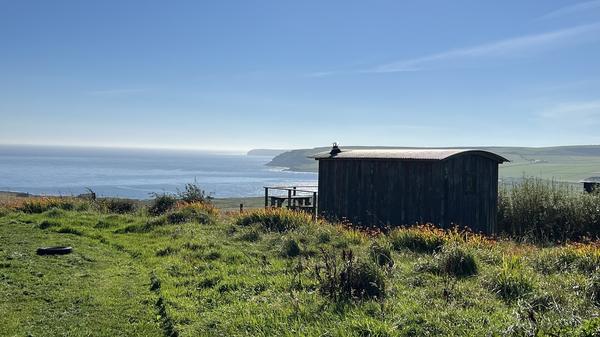
Wheems Organic Farm Campsite
⭐ 4.4 · from £18/night
Self-Catering Cottages in Orkney(8)
All cottages in Orkney →About cottages in Orkney
Self-catering is the natural way to explore Orkney, where distances between the islands mean a base you can return to at your own pace suits the pattern of touring better than fixed mealtimes and checkout deadlines. Properties here range from traditional stone cottages like Egypt and Mingro to the simpler, practical setup of the Rockworks Chalets, several of which sit together and work well for parties travelling as a group.
Choosing between them often comes down to how self-sufficient you want to be and how much space you need. A cottage such as The Legion offers a more settled, homely feel for a longer stay, while the chalets suit those wanting a straightforward, no-fuss stop between visits to Orkney's archaeological sites and coastline.
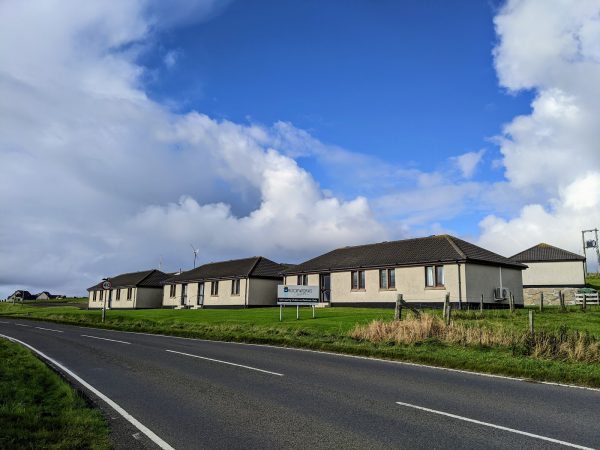
Rockworks Chalets - Rockworks Chalets No. 3
1 bed · sleeps 2 · from £687
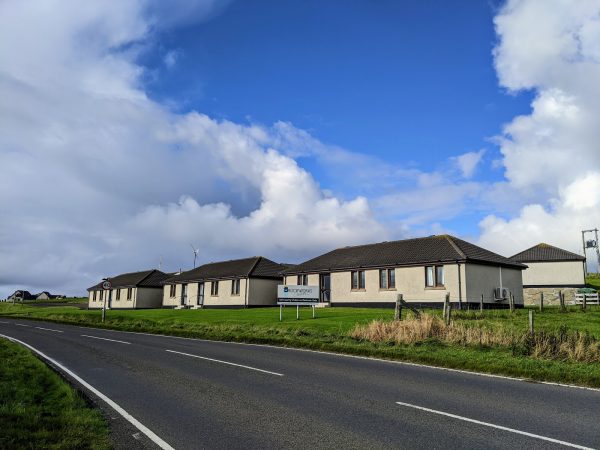
Rockworks Chalets - Rockworks Chalets No. 4
2 bed · sleeps 4 · from £837
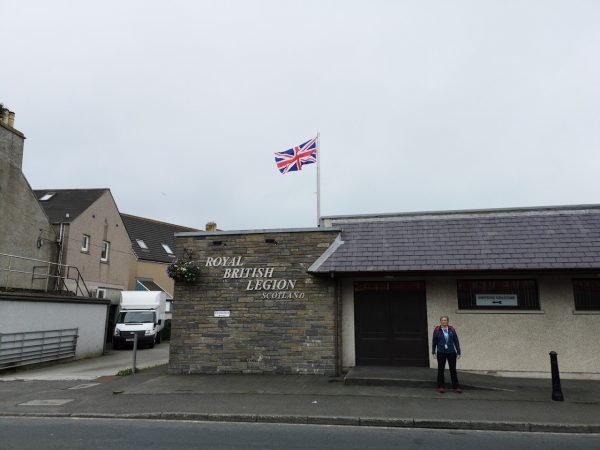
The Legion
2 bed · sleeps 4 · from £851
Egypt
3 bed · sleeps 7
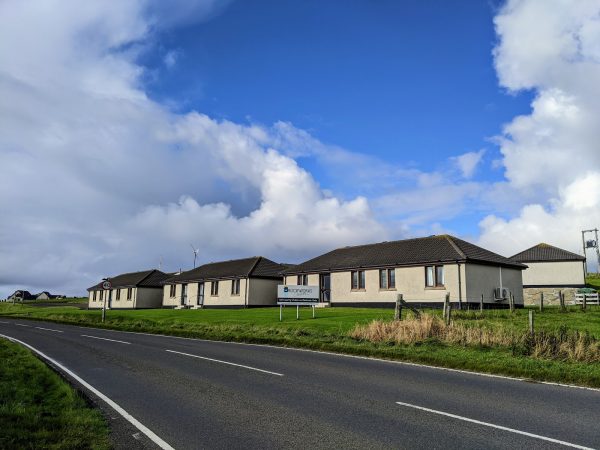
Rockworks Chalets - Rockworks Chalets No. 2
2 bed · sleeps 4 · from £837
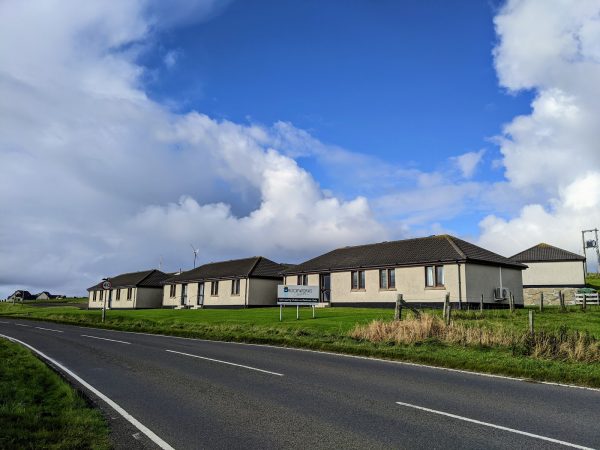
Rockworks Chalets - Rockworks Chalets No. 5
1 bed · sleeps 2 · from £687
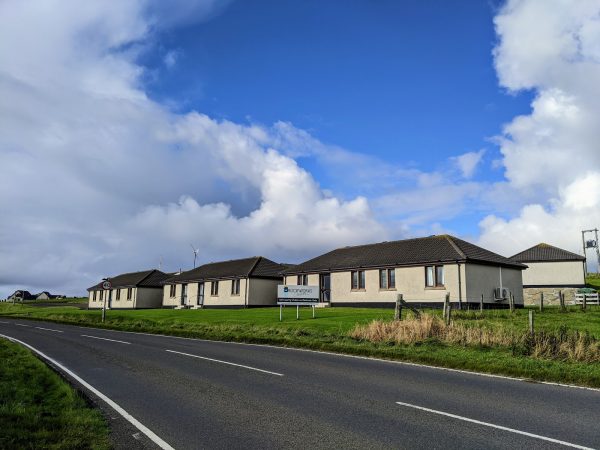
Rockworks Chalets - Rockworks Chalets No. 6
2 bed · sleeps 4 · from £837
Mingro
1 bed · sleeps 2 · from £645
Common questions about Orkney
How many campsites are there in Orkney?
We list 9 campsites in and around Orkney, of which 6 take tents and 3 offer glamping.
Are there dog-friendly campsites in Orkney?
Yes — 6 of the 9 campsites we list in Orkney accept dogs, including Chalmersquoy Campsite and Trumland Farm Campsite and Hostel.
Which campsites in Orkney have electric hook-up?
5 of the 9 campsites we list in Orkney offer an electric hook-up.
How many holiday cottages are there in Orkney?
We list 8 self-catering cottages in and around Orkney.
Can I take a dog to a holiday cottage in Orkney?
Yes — 2 of the 8 Orkney cottages we list allow pets.
Where can I stay in Orkney?
We list 8 hotels, B&Bs and guest houses in and around Orkney. Prices start from around £85 a night.