Battle
Where the Battle of Hastings really happened
Photo © TrailTale, Google Maps
Battle is one of the few English towns whose name is also its history lesson. It grew up around the abbey William the Conqueror founded on Senlac Hill in penance for the bloodshed of 1066, and the medieval high street that developed alongside it still leads straight to the abbey gatehouse today. Tucked into the rolling wooded hills of the High Weald, roughly seven miles inland from Hastings, Battle has kept a compact, walkable centre of tile-hung and weatherboarded buildings, independent shops and old coaching inns, with the ancient battlefield itself sitting quietly just beyond the rooftops.
Despite its outsized place in the national story, Battle remains a modest market town rather than a tourist machine. The abbey ruins and battlefield draw visitors from across the world, particularly around the October anniversary of the battle, but for most of the year the town settles back into an easy rhythm of dog walkers, local shoppers and day-trippers exploring the wider 1066 Country that stretches out towards Rye, Pevensey and the coast.
The town takes its name directly from the battle itself, and the whole layout still reflects that origin: the high street runs on a ridge above the battlefield, with the abbey gatehouse forming a natural full stop at its southern end. Beyond the historic core, Battle is surrounded by classic Wealden countryside — oak woodland, hop gardens turned pasture, and the kind of gently folded hills that make the 1066 Country Walk and other local footpaths so rewarding. It's a town that rewards slowing down: an hour is enough to see the abbey gatehouse from the outside, but a full day lets you take in the battlefield trail, the museum and the shops without rushing.
Getting to Battle
Battle sits just off the A21, the main road linking London and the Kent/Sussex coast, making it a straightforward drive from London in around an hour and a half outside peak traffic, or a little over 20 minutes from Hastings and the coast. The A2100 links the town directly to Hastings, while smaller roads wind north through the Weald towards Tunbridge Wells and the rest of Kent and Sussex.
Battle railway station is on the Hastings line, with direct Southeastern trains to London Charing Cross taking around 90 minutes and running roughly every half hour; the station sits a short, gently sloping walk from the town centre and abbey, so arriving car-free is genuinely practical here. There's no nearby airport of note, so most visitors arrive by road or rail from London, Tunbridge Wells or the Sussex coast. Once in town, the compact centre means a car isn't needed to get between the abbey, high street and museum, though having one makes it far easier to explore the wider 1066 Country towns of Rye, Winchelsea and Pevensey, along with the coastal resorts of Hastings and Bexhill.
Best time to visit Battle
Spring and early autumn are the most comfortable times to explore, with the battlefield trail at its best when the ground is dry and the surrounding Weald countryside is green. Summer brings the longest opening hours at the abbey and a livelier high street, though it's also the busiest period, with coach parties and school trips adding to the crowds at the battlefield. History enthusiasts should aim for October, when the anniversary re-enactment transforms the battlefield into a genuine spectacle of massed shields and cavalry, though it's worth booking accommodation well ahead as the town fills up quickly that weekend. Winter is quiet, with shorter abbey opening hours, but the high street's old buildings and open-fire pubs have their own appeal on a cold day, and the battlefield itself is free to walk around outside the paid attraction.
Where to stay in Battle(8)
All hotels in Battle →About staying in Battle
Battle's hotels and guesthouses are generally small and independently run, reflecting the scale of the town itself rather than offering big chain-hotel choice. Several of the high street's old coaching inns, including The Bull and the Chequers Inn, offer rooms above their bars, putting guests within a couple of minutes' walk of the abbey gatehouse and the shops. A little further out, converted farmhouses and country hotels in the surrounding Weald villages offer a quieter, more rural stay for those with a car, often set in larger grounds with gardens or countryside views.
Because Battle is a popular day-trip and short-break destination for anyone exploring 1066 Country, rooms can book up well ahead of the October re-enactment weekend and through the summer months, so it's worth planning early if you want to stay in the town centre itself rather than in nearby Hastings or the Weald villages. Prices tend to sit at the more affordable end for the region compared with the Sussex coast resorts, and most in-town options are within easy walking distance of the railway station as well as the abbey, making a car unnecessary if you're arriving by train from London or the coast. For those wanting easy access to both the battlefield and the wider countryside, a stay in Battle itself, or in one of the villages just outside, gives a good base for exploring the rest of 1066 Country by car or on foot.
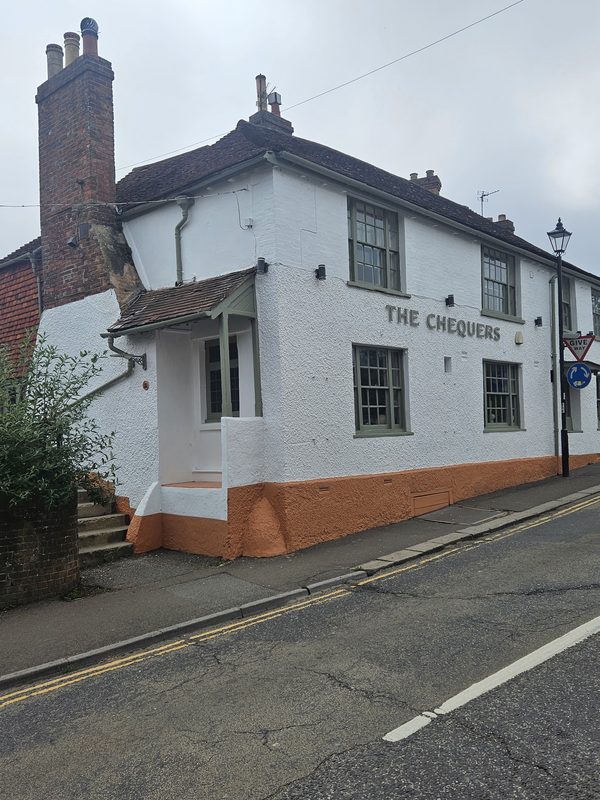
Chequers Inn
Chequers Inn, Battle
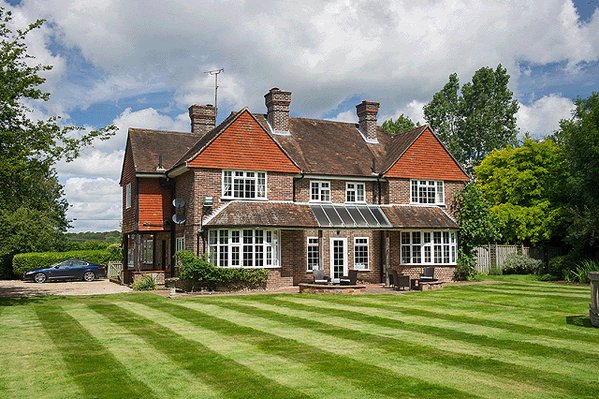
Claverton Hotel
Bluemans Lane, Battle
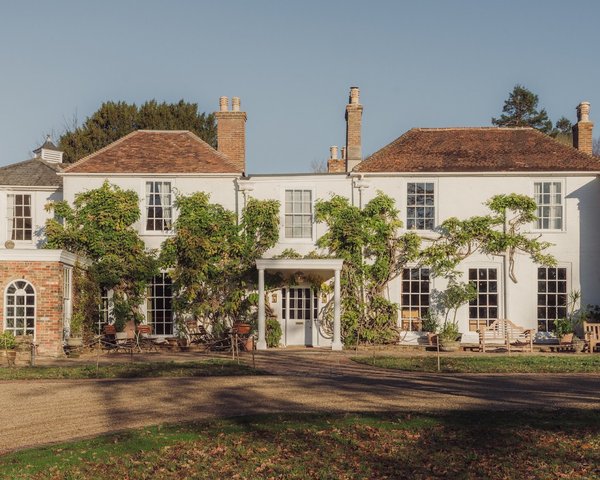
Leeford Place Hotel
Mill Lane / Whatlington Road, Battle
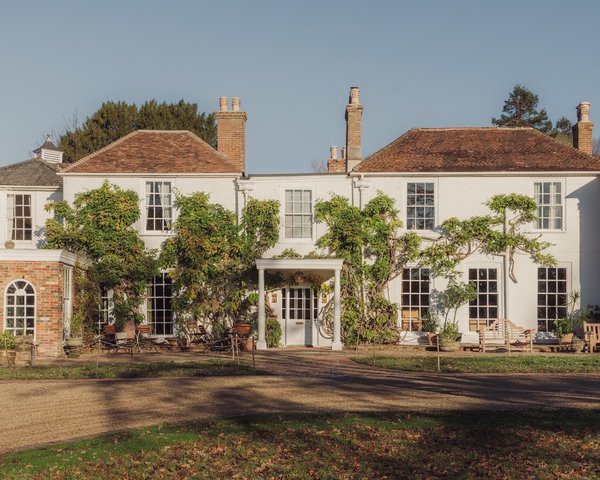
Powdermills Country House Hotel
Powdermill Lane, Battle
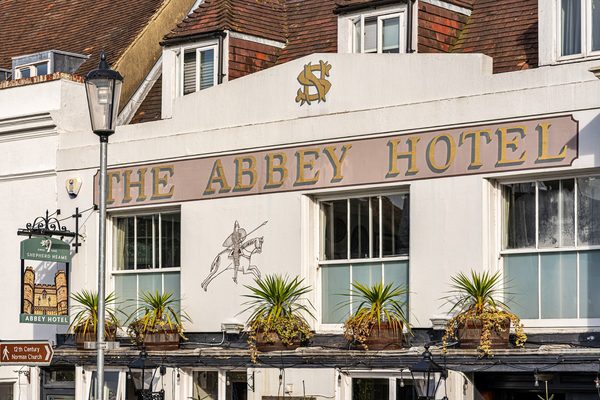
The Abbey Hotel
84, Battle
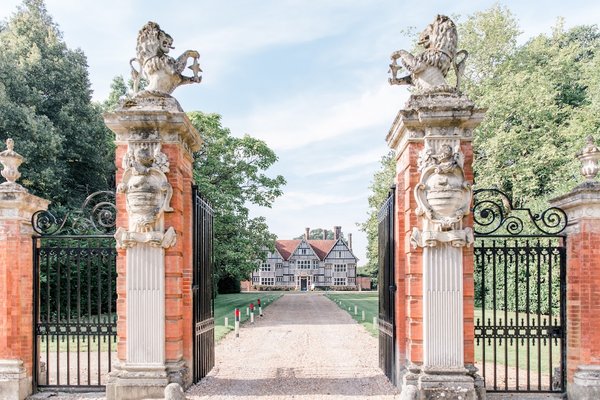
The Brickwall Hotel
The Green, Battle
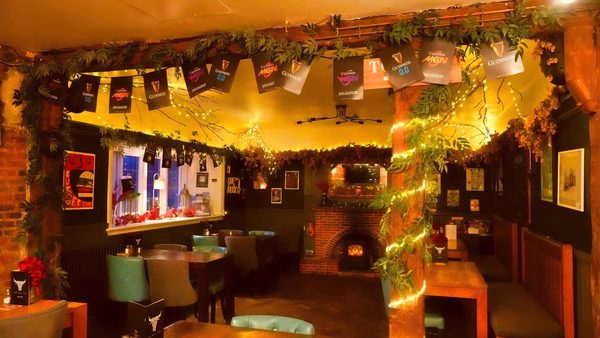
The Bull
27 High St, Battle
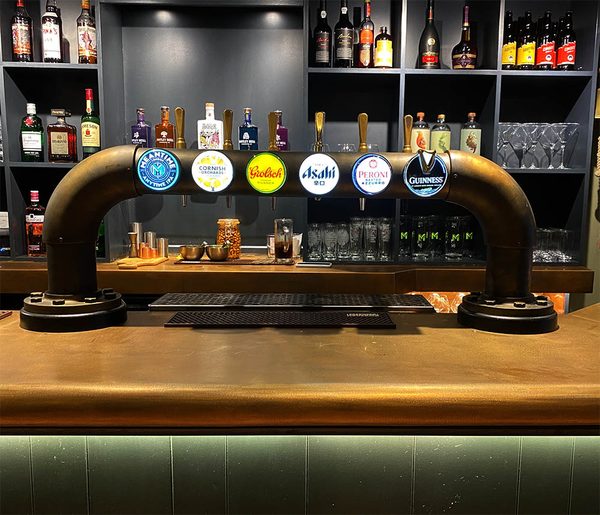
White Hart Inn
White Hart Inn, Battle
Things to Do in Battle(2)
All attractions in Battle →Top things to do in Battle
Battle's biggest draw is obvious, but the town has enough beyond the battlefield to fill a full day out, from medieval architecture to gentle countryside walking.
- 1066 Battle of Hastings, Abbey and Battlefield — the English Heritage site where Harold's Saxon army met William's Normans; walk the battlefield trail, see the spot traditionally marked as where Harold fell, and climb the abbey gatehouse for views over the site.
- Battle Abbey gatehouse exhibition — an interactive exhibition inside the 14th-century gatehouse telling the story of the conquest and the abbey's later life as a private house.
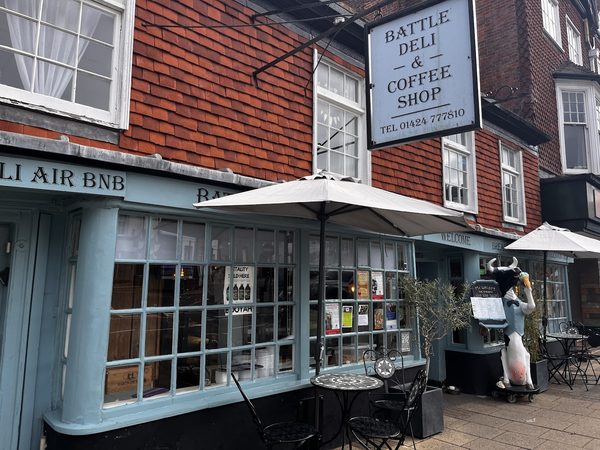
- Battle High Street — a run of independent bookshops, antique dealers, tearooms and galleries housed in timber-framed and Georgian buildings leading up to the abbey gates.
- Battle Museum of Local History — a small museum in the Almonry's Elizabethan walled garden holding local finds including an axe head recovered from the battlefield.
- 1066 Country Walk — a 31-mile waymarked trail linking Pevensey Castle, Battle Abbey and Rye, with wooden sculptures inspired by the Bayeux Tapestry dotted along the Battle stretch.
- St Mary's Church — a 12th-century parish church just off the high street with medieval wall paintings and monuments to Battle's Abbey-era families.
- Battle of Hastings re-enactment — held annually on the abbey battlefield each October, drawing hundreds of costumed re-enactors to mark the anniversary of the battle.
- Abbey Green and the Almonry gardens — the open green in front of the gatehouse and the walled Elizabethan gardens behind the museum make a peaceful spot to pause between sightseeing, especially on a fine afternoon.
Where to Eat in Battle
All restaurants in Battle →Food and drink in Battle
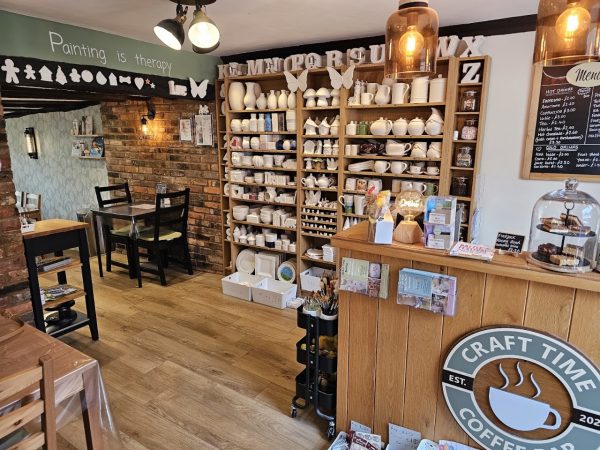
The Bull Inn, a former 1600s coach house partly built from stone taken from the abbey, anchors the top of the high street with open fires and a solid pub menu. The Chequers Inn, a 15th-century coaching inn, and the Squirrel Inn, a family-friendly freehouse, offer further traditional pub dining in the town centre. Down by the station, The Railway pairs a country-pub atmosphere with a broader tapas-influenced menu and a Wednesday and Sunday carvery, and is a popular first or last stop for anyone arriving by train. The high street also has a scattering of independent cafés and tearooms for a stop between the abbey and the shops, along with bakeries and delis suited to putting together a picnic for the battlefield. Battle's dining scene stays firmly small-town rather than destination in scale, but what's here is generally well regarded locally, and the historic surroundings of the coaching inns add plenty of atmosphere to an evening meal even where the menus themselves are unpretentious pub fare.
Attractions Near Battle
All attractions in Battle →Worth the trip — within 50 miles of Battle.
 5 mi
5 mi
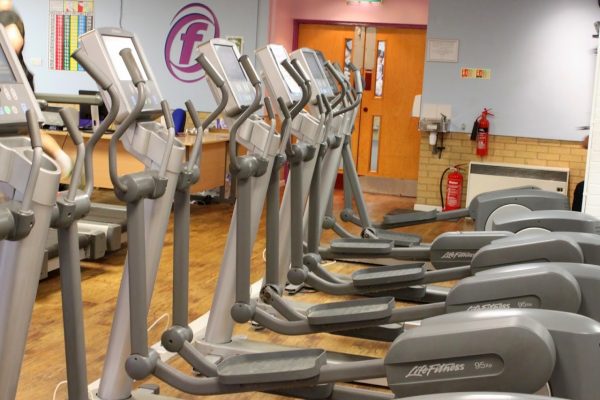
Bexhill Leisure Centre
Bexhill · ⭐ 4.1
 5 mi
5 mi
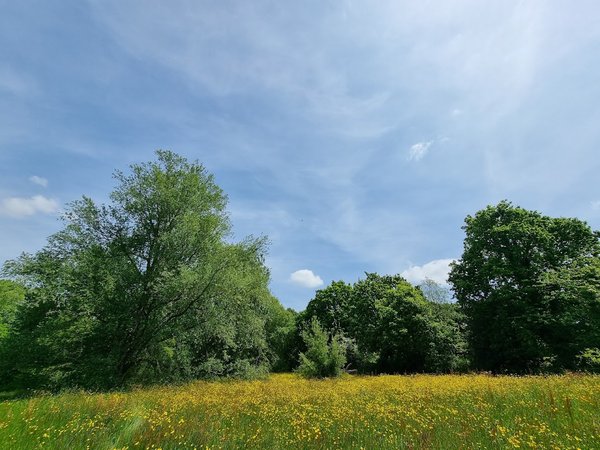
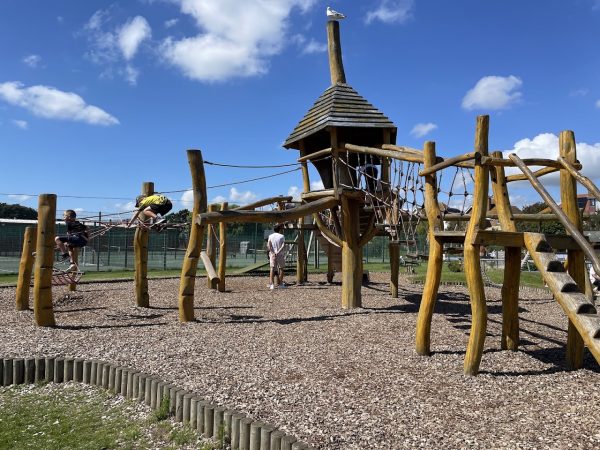
Broad Oak Park
Bexhill · ⭐ 4.5
 5 mi
5 mi
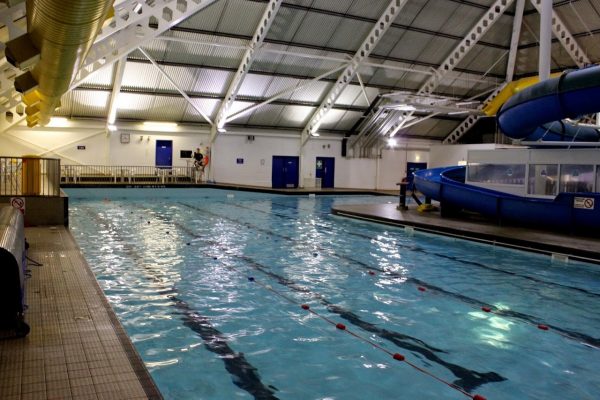
Bexhill Leisure Pool
Bexhill · ⭐ 3.7
 6 mi
6 mi
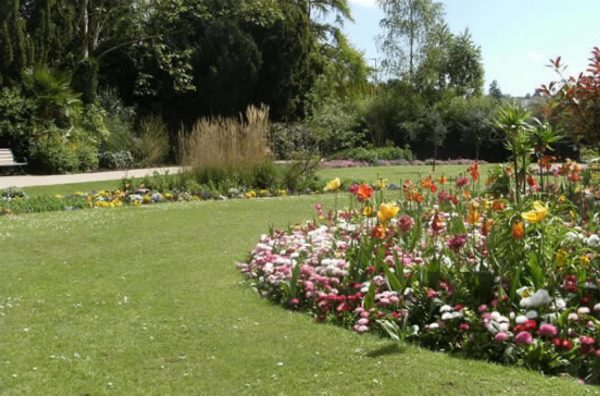
Egerton Park
Bexhill · ⭐ 4.5
 6 mi
6 mi
Alexandra Park Hastings
Hastings · ⭐ 4.7
 6 mi
6 mi
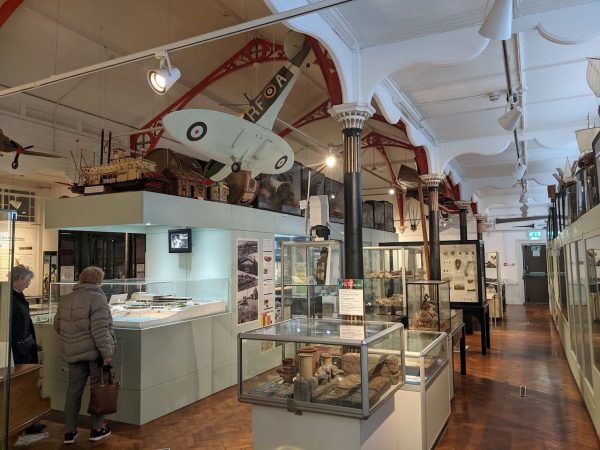
Bexhill Museum
Bexhill · ⭐ 4.7
Hastings Museum and Art Gallery
Hastings · ⭐ 4.6
 6 mi
6 mi
Clambers Play Centre & Battle Zone
Hastings · ⭐ 3.7
Camping in Battle(13)
All campsites in Battle →About camping in Battle
There's no informal or wild camping around Battle — as with the rest of England and Wales, pitching up on open land, farmland or the battlefield itself without the landowner's permission is against the law, and the abbey and battlefield are protected English Heritage land where camping is never permitted. That said, the rolling High Weald countryside around the town is well suited to campsites and glamping stays, with wooded, hilly terrain that gives most sites a real sense of seclusion despite being only a short drive from the A21 and the coast.
The area around Battle and the wider 1066 Country towards Hastings, Rye and Pevensey has a good spread of small independent campsites, certified sites and farm-based glamping, ranging from simple grass touring pitches to shepherd's huts, bell tents and safari lodges. Many are family-run and modest in scale rather than sprawling holiday parks, which suits Battle's own low-key character — expect a handful of pitches, a shower block, and often a farm shop or honesty box for essentials rather than an on-site clubhouse.
The best camping season here runs from late spring through to early autumn, roughly April to September, when the Weald's clay-heavy ground has dried out and evenings are mild enough for campfires and stargazing. Many sites close over winter or reduce to hardy glamping only, since the region's higher rainfall can make grass touring pitches heavy going outside the summer months. Booking ahead is strongly advised for the weekend of the October Battle of Hastings re-enactment, when both camping and static accommodation across the town get booked up well in advance. For those who'd rather skip the tent altogether, glamping options in the area — from bell tents to converted shepherd's huts — offer a more comfortable way to base yourself in the Wealden countryside while still being close enough to walk the battlefield or explore Battle's high street.
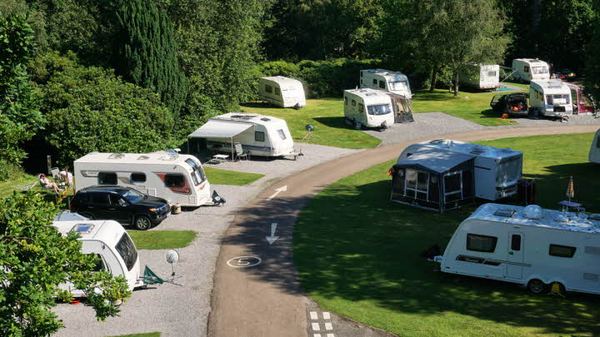
Battle Normanhurst Court Caravan and Motorhome Club Campsite
⭐ 4.7 · from £30/night
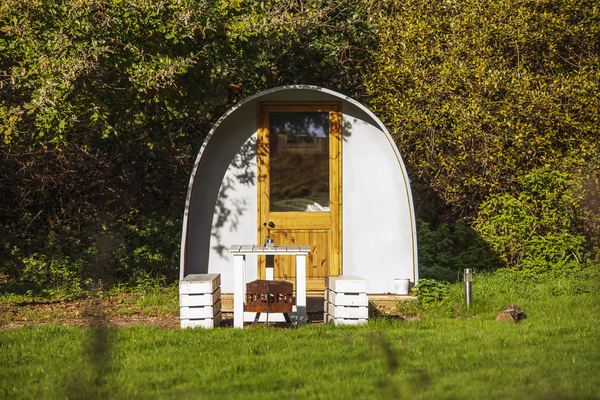
Battle Pods and Bells
⭐ 5.0 · from £80/night
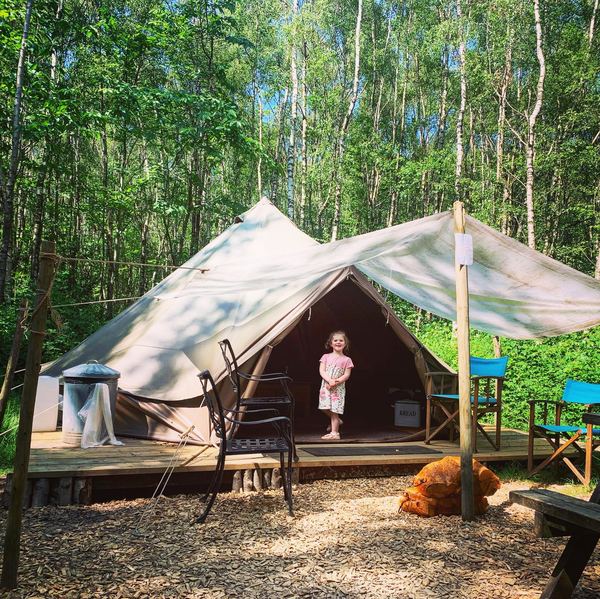
Beech Estate Campsite
⭐ 4.9 · from £44/night
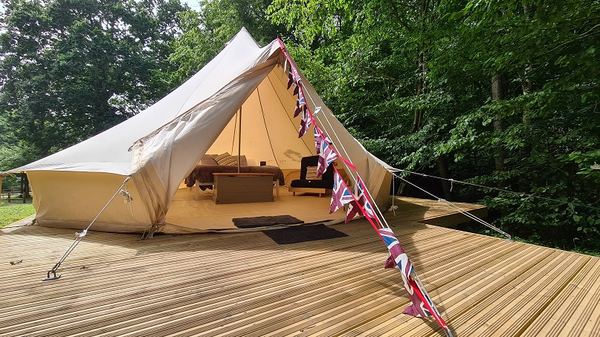
Bluebell Coppice Park
⭐ 4.6 · from £80/night
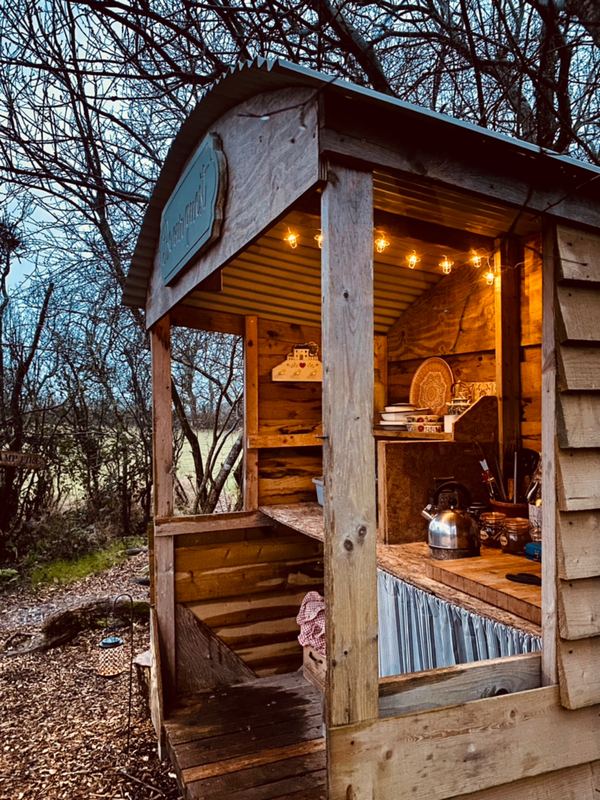
Flower Meadow Glamping
⭐ 5.0 · from £85/night
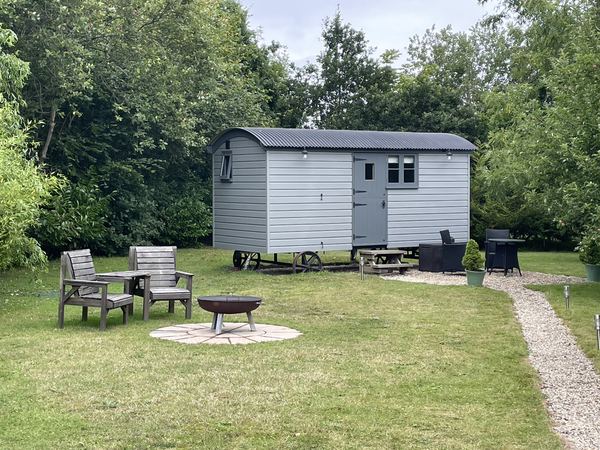
Greatwood Shepherd's Hut
⭐ 5.0
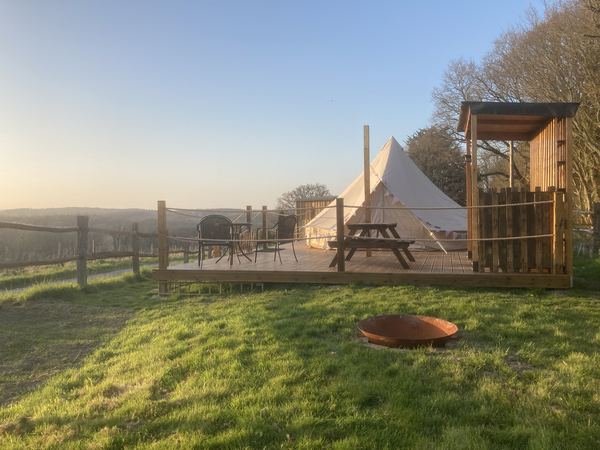
Lower Gate Glamping
⭐ 4.7 · from £260/night
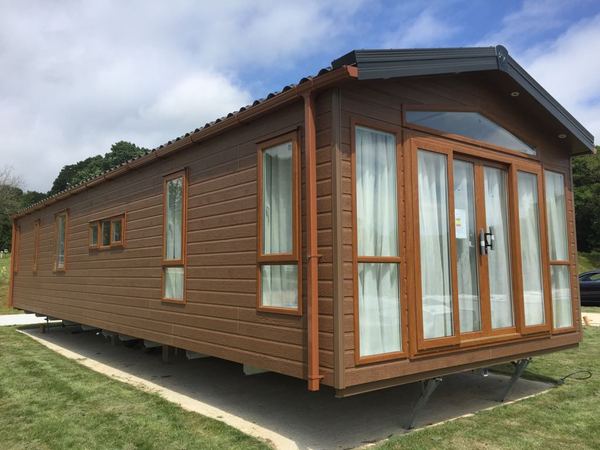
Meadowview Park
⭐ 4.1 · from £20/night
Self-Catering Cottages in Battle
All cottages in Battle →The Old Parlour
2 bed · sleeps 4 · from £443
Reeves Estate
2 cottages
Twisly North Lodge
4 bed · sleeps 8 · from £1,676
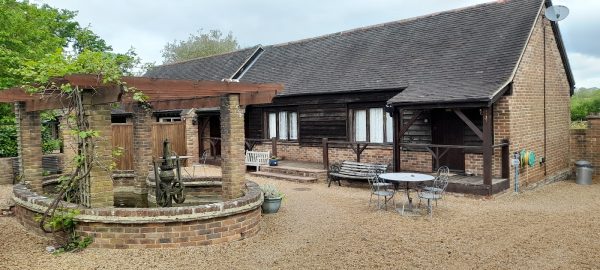
Lower Marley Farm
2 cottages · from £293
Spilstead Barn
2 bed · sleeps 4 · from £543
Castlemans Stables East
2 bed · sleeps 4 · from £581
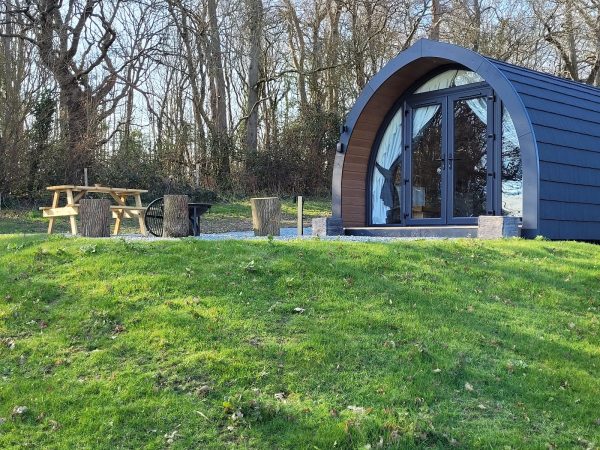
Hill Croft Farm Pods - Hayfield Haven
1 bed · sleeps 2 · from £688
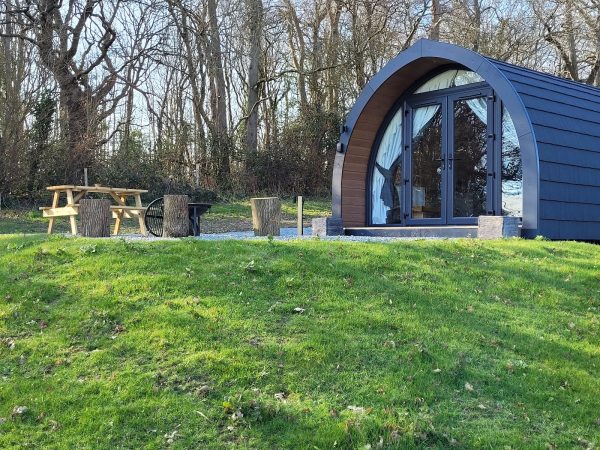
Hillcroft Farm Pods - Lakeview Lodge
2 bed · sleeps 5 · from £855
Common questions about Battle
How many campsites are there in Battle?
We list 13 campsites in and around Battle, of which 12 take tents and 10 offer glamping.
Are there dog-friendly campsites in Battle?
Yes — 3 of the 13 campsites we list in Battle accept dogs, including Seven Acre Woods and Bluebell Coppice Park.
Which campsites in Battle have electric hook-up?
6 of the 13 campsites we list in Battle offer an electric hook-up.
Where can I stay in Battle?
We list 8 hotels, B&Bs and guest houses in and around Battle.
What is there to do in Battle?
We list 2 attractions and things to do in and around Battle.