Cheddar
Britain's biggest gorge, a village, and the cheese that made it famous
Photo © karowys, Google Maps
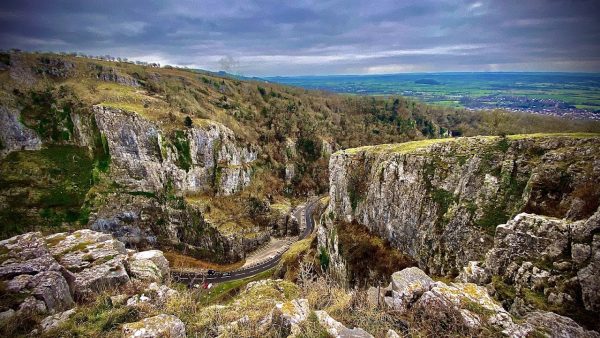
Cheddar sits where the Mendip Hills meet the Somerset Levels, a village that has lent its name to a cheese eaten the world over yet still feels like a proper working Somerset community. At its edge, the ground splits open into Cheddar Gorge, a limestone ravine with cliffs rising well over 100 metres, carved by meltwater at the end of the last Ice Age. It is the largest gorge in Britain, and the road that winds through it, the B3135, is one of the most dramatic drives in the South West.
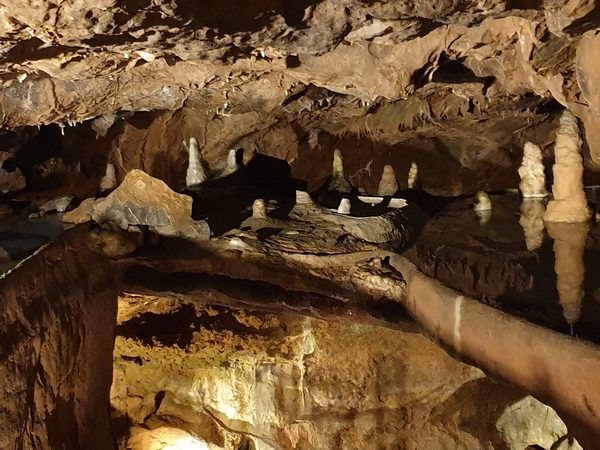
Below the cliffs, the village itself is compact and easy to explore on foot, with a market cross, a handful of independent shops and cafes, and Cheddar Reservoir a short walk to the south, popular with walkers, anglers and watersports fans. The caves beneath the gorge, particularly Gough's Cave, are where the 10,000-year-old skeleton known as Cheddar Man was discovered in 1903, and the area remains one of the most important prehistoric sites in the country. Between the natural spectacle above ground and the archaeology below it, Cheddar packs a lot into a small footprint, and makes an easy day trip or a relaxed short break base for exploring the wider Mendips.
Getting to Cheddar
Cheddar has no railway station of its own; the line through the village closed in the 1960s. The nearest mainline stations are Weston-super-Mare and Bristol Temple Meads, both served by CrossCountry and Great Western Railway, from where bus and taxi connections run to the village, typically taking around 45 minutes to an hour. By road, Cheddar sits just off the A371 between Wells and Axbridge, with the A38 and M5 (Junction 22) a short drive to the west, making it an easy detour for anyone travelling through Somerset. Bristol Airport is around 16 miles north, roughly a 30-minute drive.
Best time to visit Cheddar
Spring brings quieter caves and fresh growth on the gorge's slopes, good conditions for the clifftop walk before the summer crowds arrive. Summer is Cheddar's busiest season, when the gorge road and village can get very full with day-trippers, so an early start pays off. Autumn brings cooler air, fewer visitors and good colour on the wooded lower slopes of the gorge, while winter is quietest of all, with the caves maintaining a steady year-round temperature that makes them a good option even when the weather outside turns wet or cold.
Where to stay in Cheddar(3)
All hotels in Cheddar →About staying in Cheddar
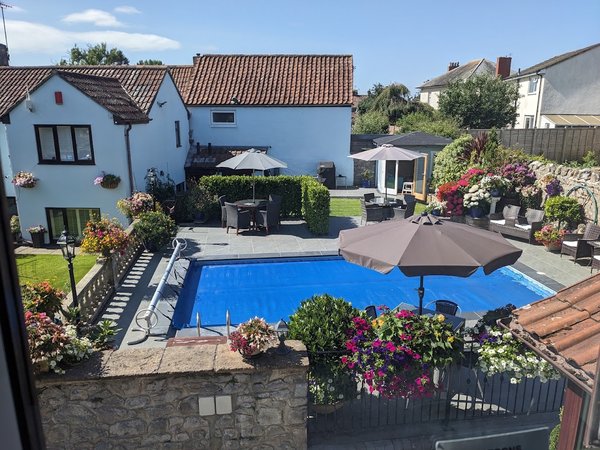
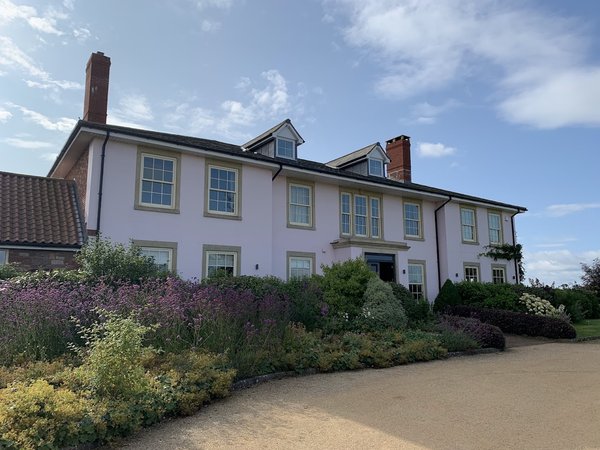
Cheddar works well as a short break base thanks to its mix of small hotels, guesthouses and B&Bs, most within easy walking distance of the village centre and a short drive or walk from the gorge itself. Options tend towards traditional Somerset inns and family-run guesthouses rather than large chain hotels, so booking ahead in summer is worthwhile as choice is limited compared with bigger towns nearby. Self-catering cottages are also available in and around the village, useful for longer stays or families wanting more space and flexibility with meals. For a wider choice of hotel rooms, Wells, Weston-super-Mare and Bristol are all within a 20 to 30-minute drive and offer considerably more options, making them worth considering as a base if you are also planning to explore further afield across Somerset and the Mendips.
Things to Do in Cheddar(5)
All attractions in Cheddar →Top things to do in Cheddar
Most visitors come for the gorge and caves, but there is more to Cheddar than its headline attraction.
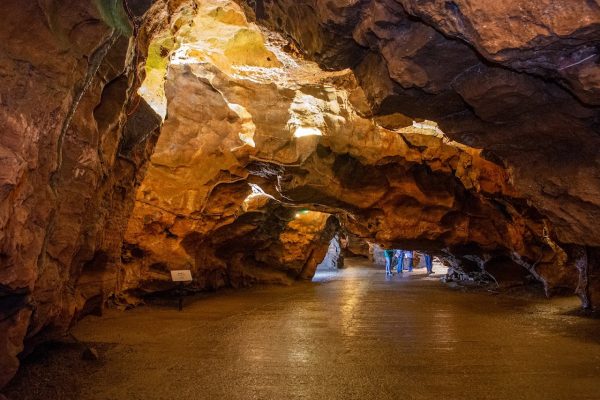
- Cheddar Gorge & Caves — a day ticket covers Gough's Cave, Cox's Cave, the Museum of Prehistory, Jacob's Ladder (274 steps up to a lookout tower) and the clifftop walk, with views across the Somerset Levels.
- Clifftop Walk — a roughly three-mile circular walk along the gorge's rim, steep in places, with some of the best views in Somerset and a good chance of spotting the resident feral goats and Soay sheep that graze the slopes to keep scrub down.
- Cheddar Man and the Museum of Prehistory — home to a facial reconstruction of Britain's oldest nearly complete human skeleton, found in Gough's Cave, alongside finds spanning thousands of years of occupation.
- Cheddar Gorge Cheese Co. — a working dairy in the gorge where you can watch cheddar being made by hand and matured, some of it in the caves themselves, using methods largely unchanged for generations.
- Cheddar Reservoir — a circular walking and cycling route around the reservoir, plus sailing, paddleboarding and fishing for those who want to get on the water.
- Cheddar Ales — a local brewery on Draycott Road with a tap room and shop pouring its own beers alongside sourdough pizza from a wood-fired oven.
- The Strawberry Line — a traffic-free cycling and walking trail built along a former railway line, running from Cheddar towards Yatton and Clevedon, popular with families.
Where to Eat in Cheddar(31)
All restaurants in Cheddar →Food and drink in Cheddar
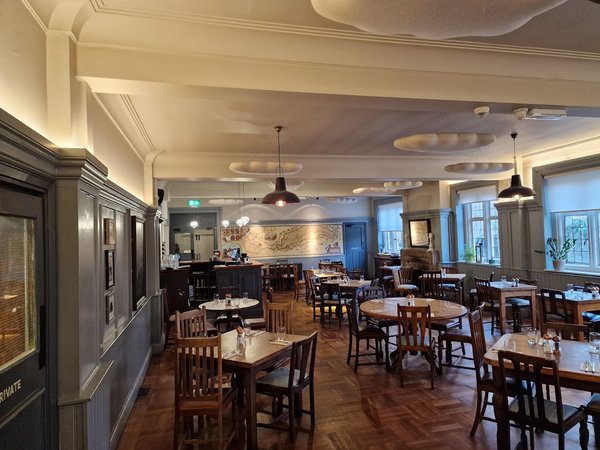
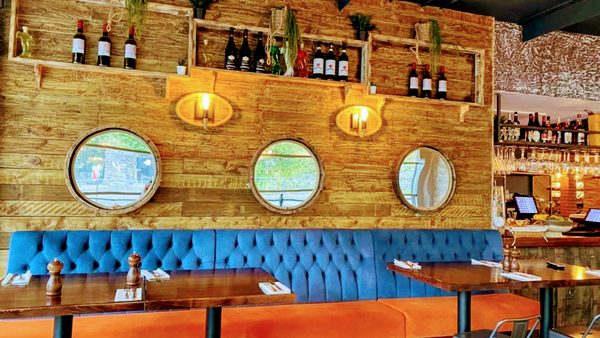
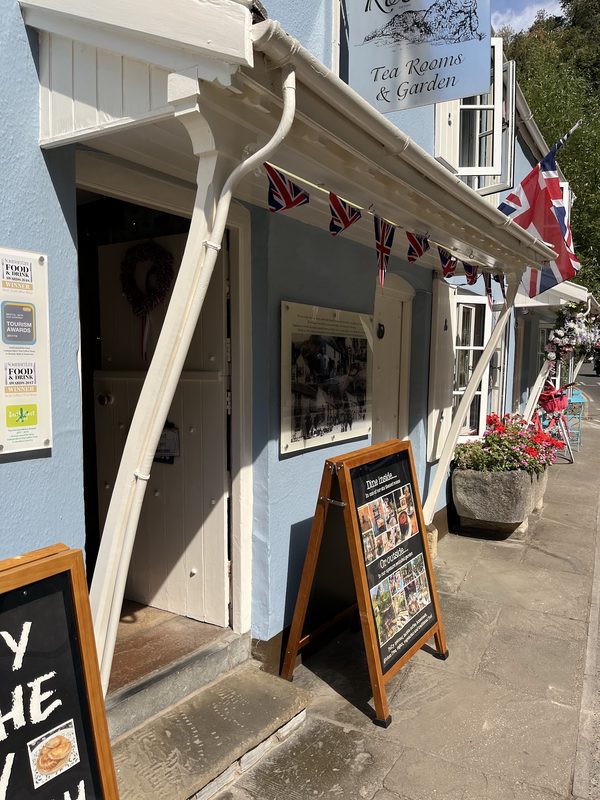
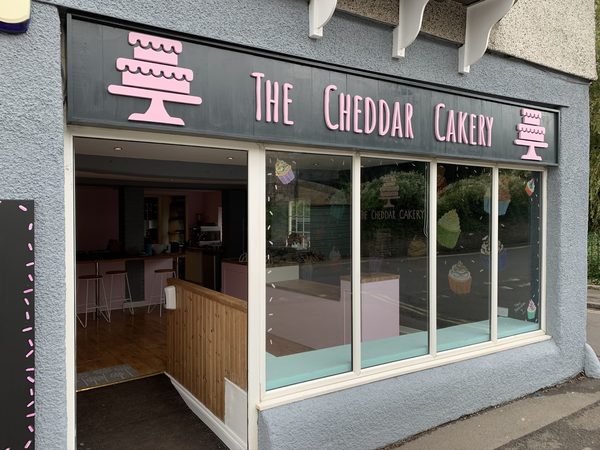
The village has a modest but decent spread of places to eat, including The Bath Arms and The White Hart pubs, and The Village Cafe & Bakery for a daytime stop. Cheddar Ales' tap room on Draycott Road is worth seeking out for its own beers and wood-fired pizza, and the Cheddar Gorge Cheese Co. shop is the obvious spot to pick up genuine local cheddar, some of it matured in the gorge's caves, to take home.
Attractions Near Cheddar
All attractions in Cheddar →Worth the trip — within 50 miles of Cheddar.
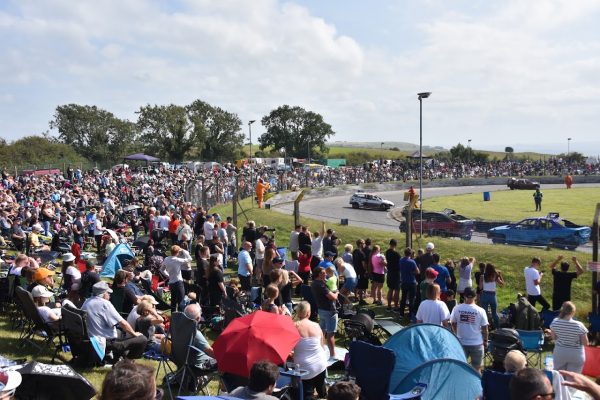 1 mi
1 mi
Mendips Raceway
Shipham · ⭐ 4.7
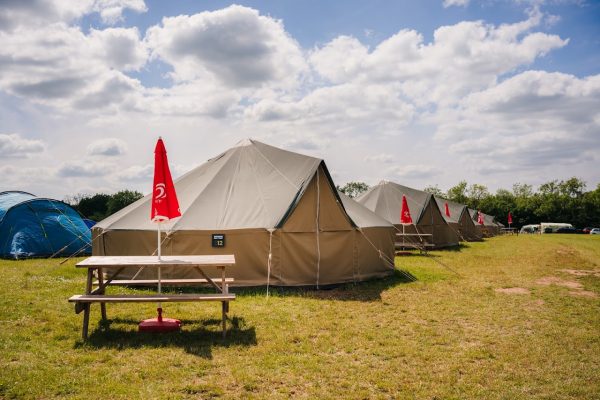 4 mi
4 mi
Mendip Basecamp
Winscombe · ⭐ 4.7
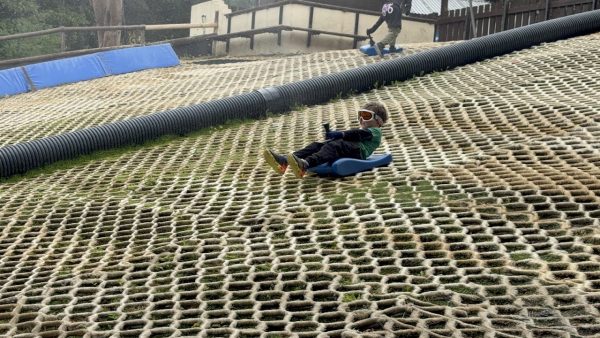 4 mi
4 mi
Mendip Activity Centre
Churchill · ⭐ 4.7
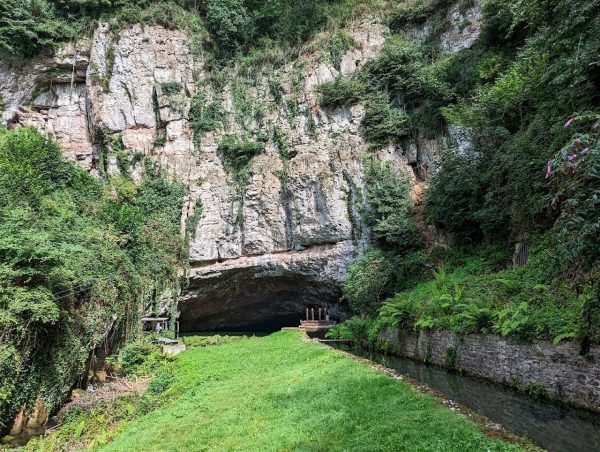 6 mi
6 mi
Wookey Hole Caves
Wells · ⭐ 4.4
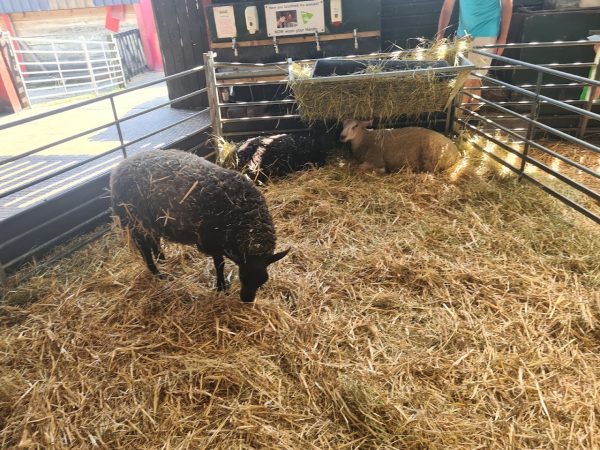 6 mi
6 mi
Court Farm Country Park
Weston-super-Mare · ⭐ 4.4
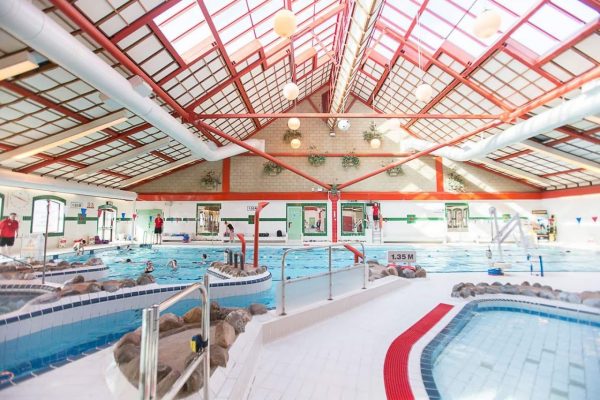 7 mi
7 mi
Wells Sport and Fitness
Wells · ⭐ 3.7
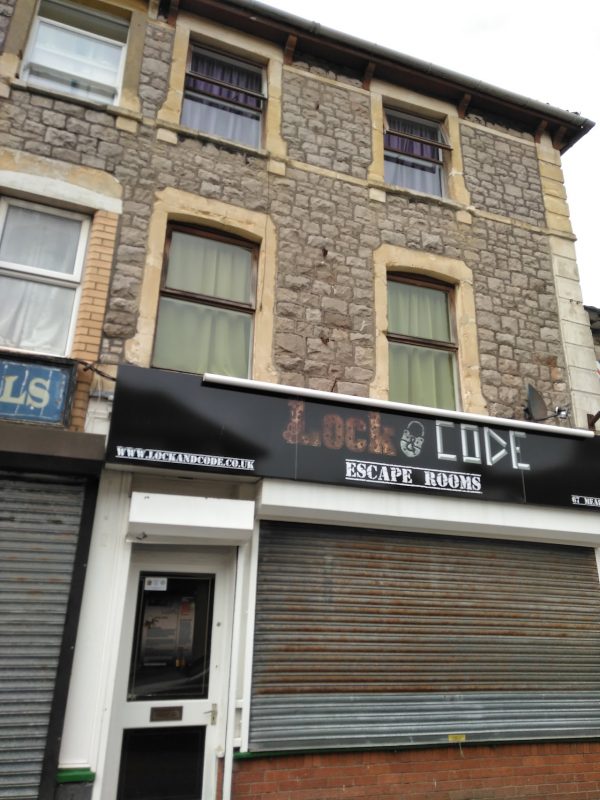 7 mi
7 mi
Lock and Code Escape Rooms Weston
Banwell · ⭐ 4.8
 7 mi
7 mi
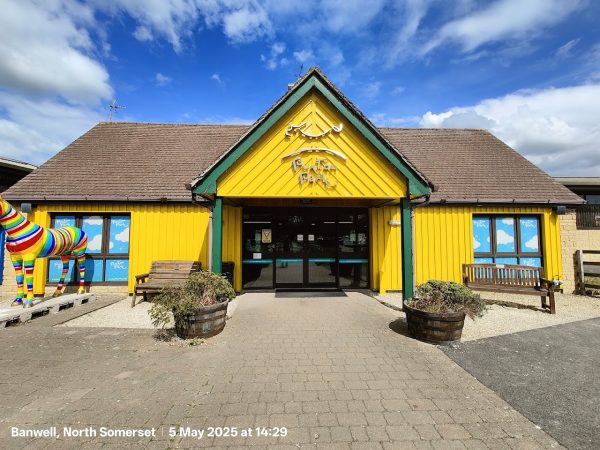
Puxton Park
Weston-super-Mare · ⭐ 4.5
Camping in Cheddar(9)
All campsites in Cheddar →About camping in Cheddar
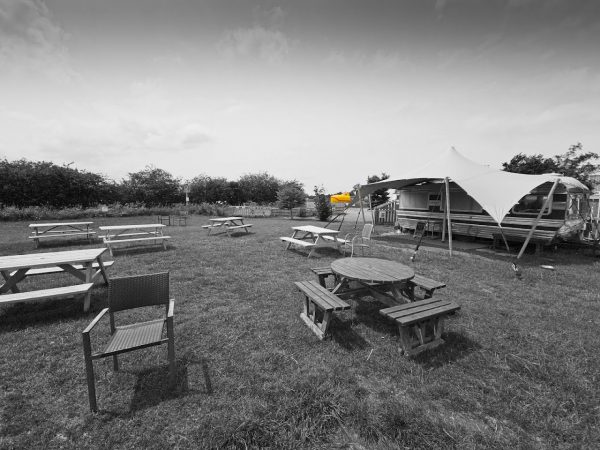
Camping around Cheddar means limestone hills, wide Somerset Levels views and easy access to one of the South West's best-known landmarks. The Mendip Hills rise steeply behind the village, so pitches on higher ground can be exposed to wind, while sites down towards the Levels are flatter and more sheltered, though the ground can be soft after heavy rain given the low-lying, historically marshy land nearby. Several campsites and touring parks sit within walking distance of Cheddar Gorge, making it possible to leave the car behind for a day of caving, walking and cheese-tasting.
Wild camping is not legally permitted in England, including in Somerset and the Mendip Hills, without the landowner's permission, so stick to registered campsites, certified sites or farms offering pitches with the owner's agreement. This is different from Scotland, where wild camping is generally allowed under the Scottish Outdoor Access Code; England has no equivalent right, and the National Trust and other landowners around the gorge do not permit informal camping on their land.
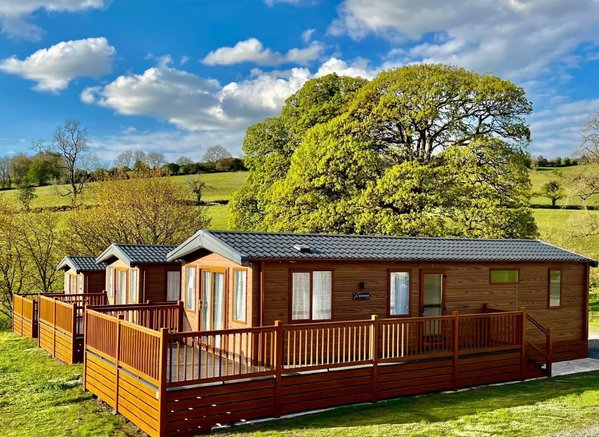
Late spring through early autumn is the most comfortable window, with drier ground and long evenings for exploring the clifftop walk, though this is also when the gorge and village are busiest with day visitors. Autumn brings cooler, quieter camping with good colour on the lower slopes, while winter camping is possible on well-drained sites but exposed to Mendip winds and short daylight hours. For those who prefer a roof, glamping options in the area range from bell tents and shepherd's huts to fixed-site pods, offering a comfortable alternative within reach of the gorge without needing to bring full camping kit.
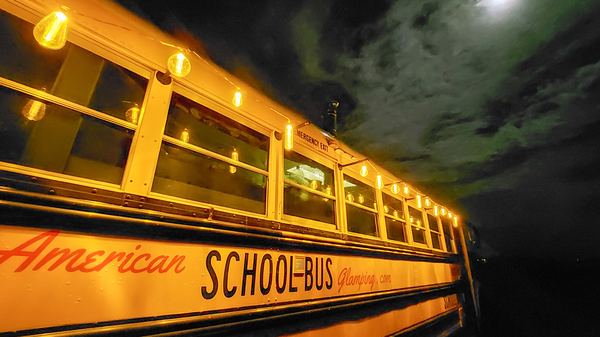
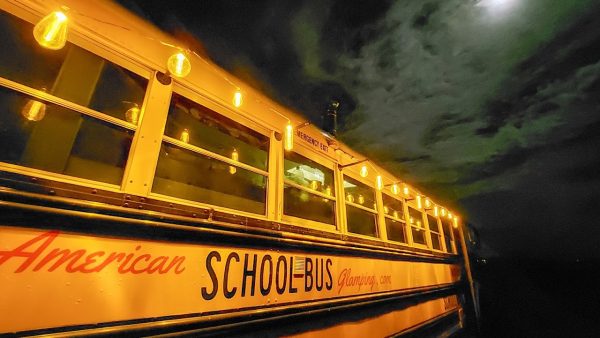
American School Bus Glamping at Petruth Paddocks
⭐ 3.5 · from £390/night
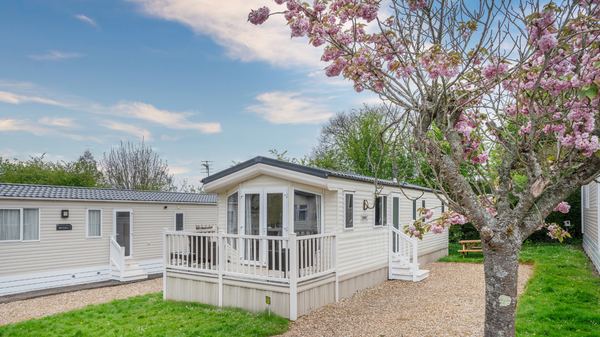
Bucklegrove Caravan and Camping Park
⭐ 4.3 · from £26/night
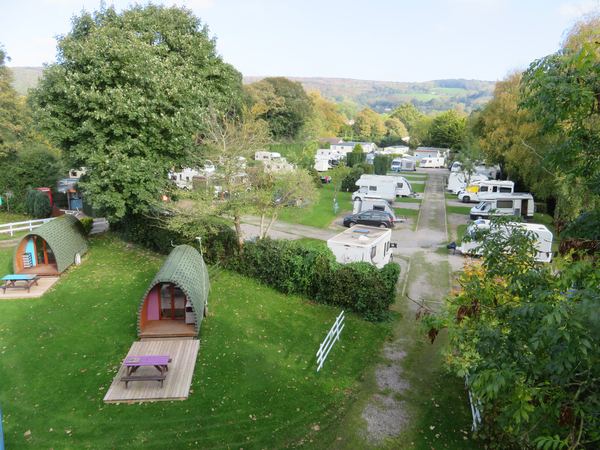
Cheddar Bridge Touring Park
⭐ 4.8 · from £26/night
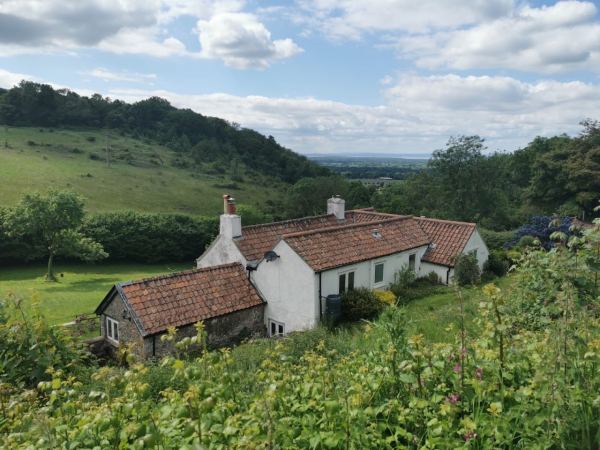
Gurt Yurts
⭐ 4.7 · from £265/night
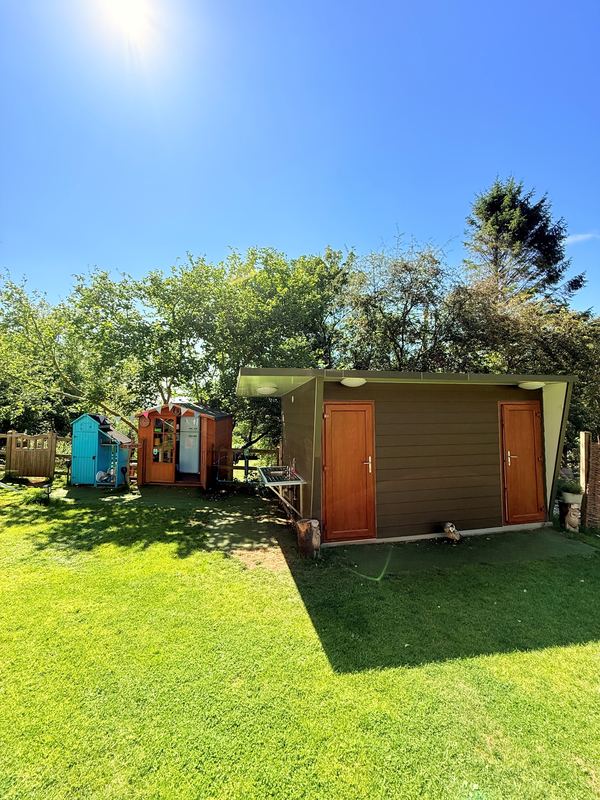
Owley Woods Glamping
⭐ 5.0 · from £260/night
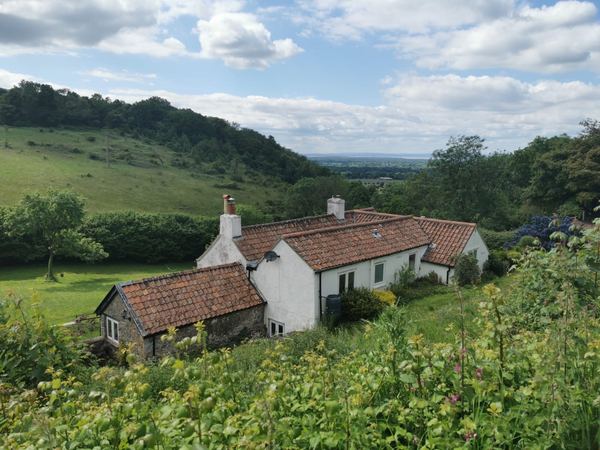
The Batch Campsite
⭐ 4.7 · from £24/night
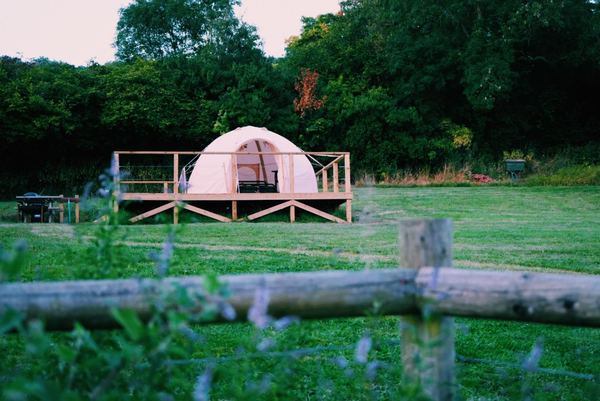
The Paddocks Glamping
⭐ 4.9
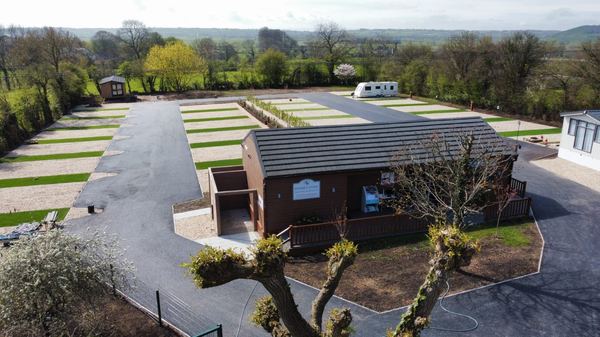
The Rodney Stoke Caravan and Camping Park
⭐ 4.6 · from £25/night
Self-Catering Cottages in Cheddar
All cottages in Cheddar →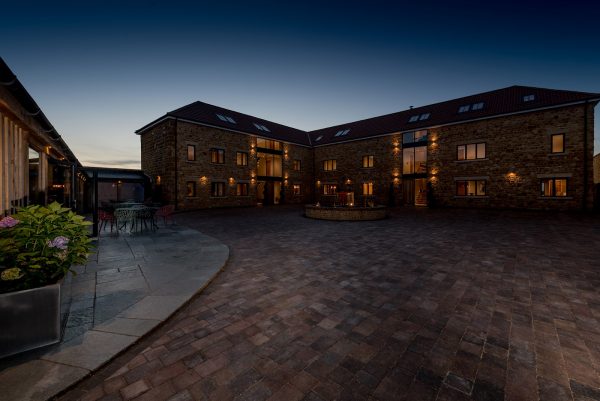
Robin View
4 bed · sleeps 8 · from £7,986
Christmas Cottage
3 bed · sleeps 5 · from £901
Lake View
1 bed · sleeps 2 · from £539
Meadow View
1 bed · sleeps 2 · from £539
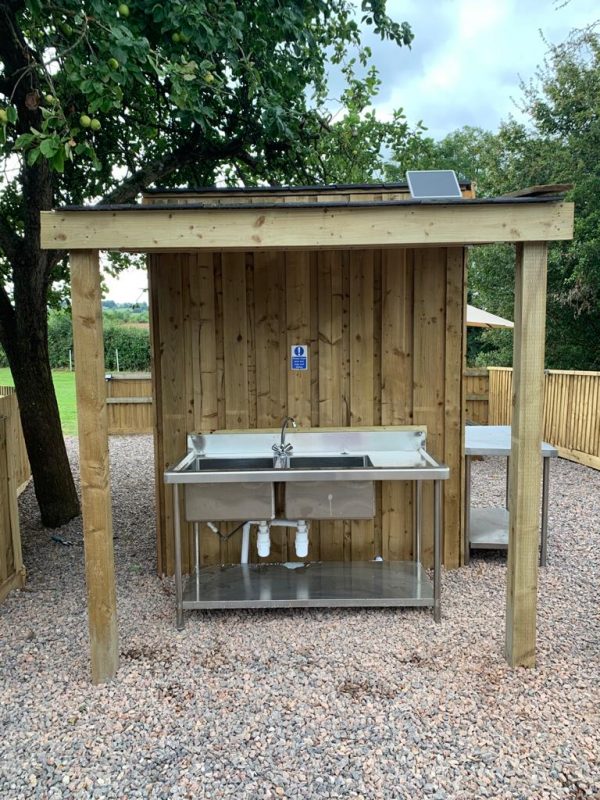
Orchard View
1 bed · sleeps 2 · from £539
Tor View
1 bed · sleeps 2 · from £539
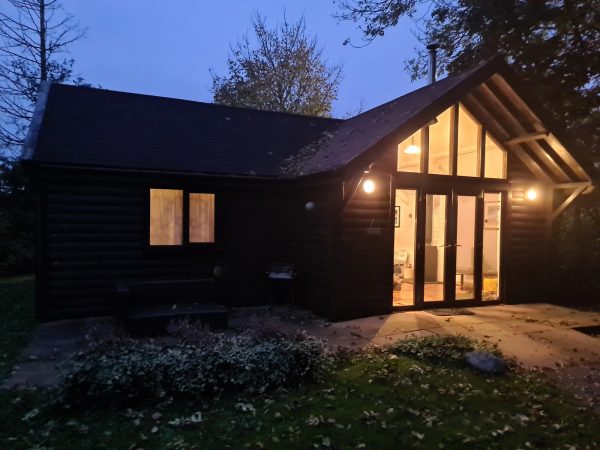
Barrowswood Cheddar - Strawberry Lodge
1 bed · sleeps 2 · from £393
Barrowswood Cheddar - Blackberry Lodge
1 bed · sleeps 2 · from £383
Common questions about Cheddar
How many campsites are there in Cheddar?
We list 9 campsites in and around Cheddar, of which 9 take tents and 8 offer glamping.
Are there dog-friendly campsites in Cheddar?
Yes — 3 of the 9 campsites we list in Cheddar accept dogs, including Owley Woods Glamping and The Rodney Stoke Caravan and Camping Park.
Which campsites in Cheddar have electric hook-up?
3 of the 9 campsites we list in Cheddar offer an electric hook-up.
Where can I stay in Cheddar?
We list 3 hotels, B&Bs and guest houses in and around Cheddar.
What is there to do in Cheddar?
We list 5 attractions and things to do in and around Cheddar.
Where can I eat in Cheddar?
We list 31 restaurants, pubs and cafes in and around Cheddar.