Dunbar
John Muir's birthplace on Scotland's dramatic east coast
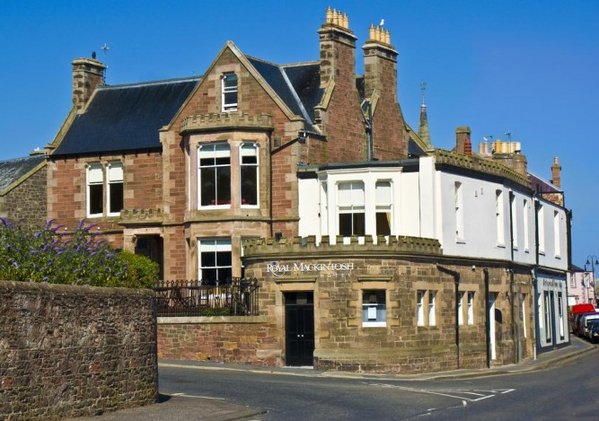
Photo © Elizabeth Wood, Google Maps
Dunbar sits on a stretch of the East Lothian coast where sandstone cliffs meet the North Sea, roughly thirty miles east of Edinburgh. It has always been a working town first and a tourist stop second, and that gives it a character quite different from the manicured seaside resorts further south. Fishing boats still work out of the harbour, the high street is lined with independent shops rather than chains, and the ruined castle above the water looks exactly as battered as its history suggests it should.
The town's biggest claim to fame is that it produced John Muir, the naturalist whose childhood scrambling over these cliffs and beaches later shaped the case for America's national parks. His birthplace on the High Street is now a small free museum, and the wider John Muir Way long-distance path, which runs 130 miles across Scotland from Dunbar to Helensburgh, starts right here. Beyond the Muir connection, Dunbar's appeal is straightforward: a dramatic coastline, a genuinely old harbour, and easy access to some of East Lothian's best beaches and golf courses, all without the crowds or prices of Edinburgh itself.
Getting to Dunbar
Dunbar has its own railway station on the East Coast Main Line, with regular direct trains to Edinburgh Waverley taking around 30 minutes, making it a realistic day trip or an easy base for exploring the capital without staying in it. Trains also run south towards Berwick-upon-Tweed and on to Newcastle, so it is a workable stop for anyone travelling the coast by rail. By road, Dunbar sits just off the A1, the main route between Edinburgh and the north-east of England, roughly 45 minutes to an hour from central Edinburgh depending on traffic. Edinburgh Airport is about an hour away by car. The town itself is small and walkable, with the harbour, castle, high street and station all within easy reach of each other on foot.
Best time to visit Dunbar
Summer, from June to August, brings the longest days and the best chance of fine weather for the beaches and coastal walks, along with Dunbar's lively programme of local events. Spring and autumn are quieter and often surprisingly good for walking the John Muir Way or the clifftop path, with fewer visitors and crisp coastal light. The country park and harbour are worth visiting at any time of year for birdwatchers, since the Tyne estuary and Belhaven Bay attract wading birds and wildfowl through the colder months too. Being on the exposed East Lothian coast, Dunbar can be windy and changeable whatever the season, so it pays to come prepared with layers regardless of when you visit.
Where to stay in Dunbar(6)
All hotels in Dunbar →About staying in Dunbar
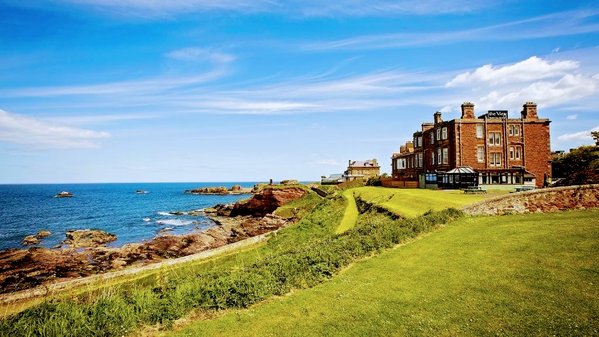
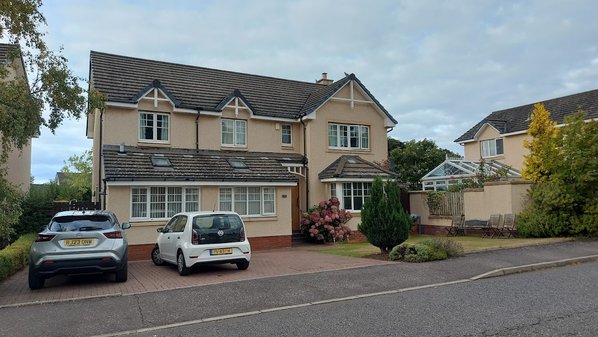
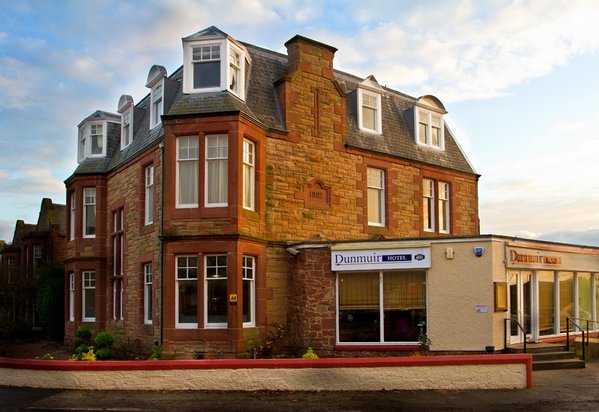
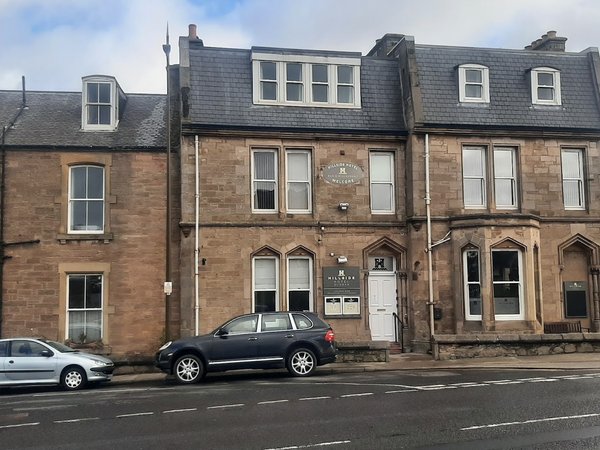
Dunbar makes a compact, affordable base on the East Lothian coast, with accommodation clustered around the harbour, castle and High Street, all within easy walking distance of each other. Harbourside guest houses and B&Bs are the classic choice, several with views straight across to the castle ruins and out to sea, while self-catering cottages in the older lanes near the town centre suit those wanting more independence. A short drive or bus ride out towards Belhaven and the country park brings a quieter, more rural feel, closer to the beach and the John Muir Way, and is popular with walkers and cyclists tackling the trail. Golfers are well served too, with Dunbar's own championship links course, one of Scotland's oldest, and several more nearby along the East Lothian coast, meaning golf-focused stays are common in the town's hotels and inns. Because Dunbar sits directly on the East Coast Main Line, with a roughly 30-minute train journey into Edinburgh Waverley, it works well as a lower-cost alternative to staying in the capital, particularly in summer when Edinburgh's own hotel prices climb sharply during the Festival. Rooms here tend to book up around major East Lothian events and in peak summer weekends, so it is worth planning ahead for a Friday or Saturday night stay. Whatever the budget, the appeal is the same: fall asleep to the sound of the harbour and wake up a short stroll from the castle ruins, the museum telling John Muir's story, and the start of the coastal path that carries his name across Scotland.
Things to Do in Dunbar(10)
All attractions in Dunbar →Top things to do in Dunbar
Dunbar rewards a slow wander more than a checklist, but there is plenty worth building a day, or a few, around.
- Dunbar Castle ruins — Perched on a rocky outcrop above the harbour, this was once one of Scotland's most important strongholds, besieged and fought over for centuries. Part of it collapsed into the sea in 1993 and it is unsafe to enter, but the ruins are dramatic viewed from the harbourside and come with information boards explaining the castle's turbulent past.
- Dunbar Harbour — Actually three linked harbours (the Old Harbour, Victoria Harbour and Broad Haven), dating back to the 1500s and still home to a working fishing fleet, a sailing club, and regular seal sightings in the clear water.
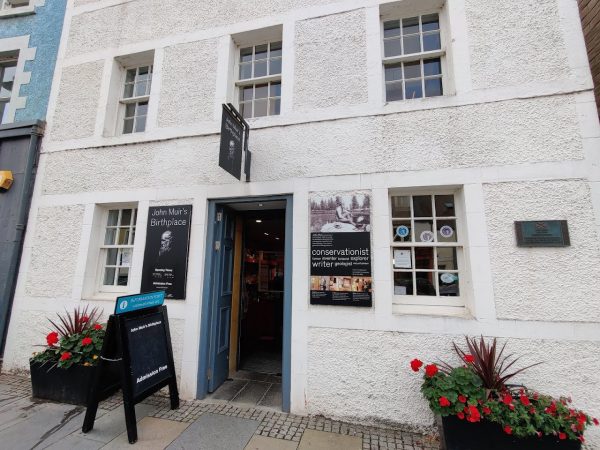
- John Muir's Birthplace — A small museum on the High Street in the house where Muir was born in 1838, telling the story of his childhood in Dunbar and his later life as the father of America's national parks system.
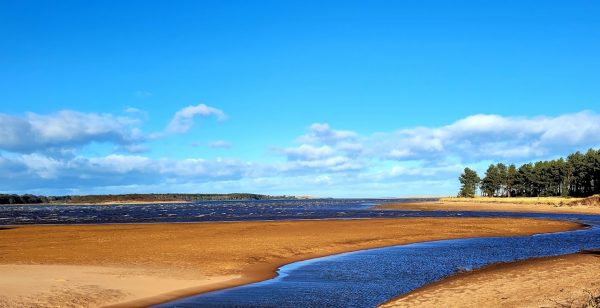
- John Muir Country Park — A large area of beach, dune, woodland and estuary just west of town around the Tyne estuary and Belhaven Bay, with 52 recorded historical and archaeological sites within its boundaries, from old wartime defences to shipwreck remains. It is a magnet for birdwatchers and walkers alike.
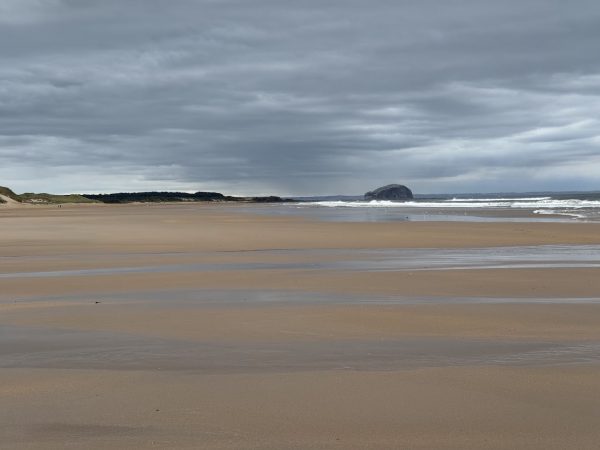
- John Muir Way — The coast-to-coast trail that starts (or finishes) in Dunbar, with a superb two-mile clifftop stretch running west from the castle towards Belhaven Bay taking in views out to Bass Rock.
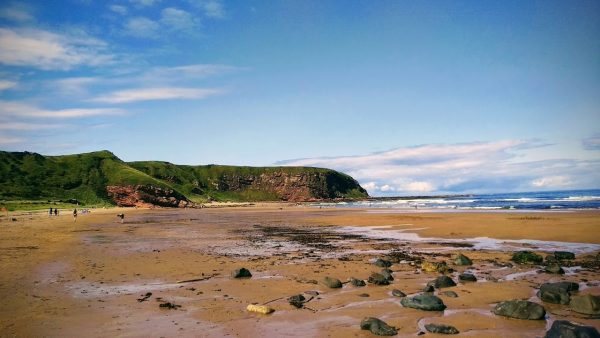
- Belhaven Bay — A long sweep of sand at the edge of the country park, backed by dunes, and a popular spot for a paddle, a kite, or just a walk with the castle ruins visible in the distance.
- Belhaven Brewery — Founded in 1719 and still brewing on the edge of town, this is Scotland's oldest working brewery and the producer of Belhaven Best, one of the country's best-selling ales.
Where to Eat in Dunbar
All restaurants in Dunbar →Food and drink in Dunbar
The High Street and harbour area have a decent spread of cafes, pubs and restaurants for a town this size. The Rocks Restaurant and adjoining Rocks Bar overlook the harbour and specialise in the fresh seafood landed just below them, including catches brought in by the town's own fishing boats. The Creel Restaurant is another long-standing spot for seafood and Scottish cooking near the harbourfront. For something more casual, Dunbar's bakeries and independent cafes along the High Street are well suited to a coffee and a bite between exploring the castle ruins and the museum. Beer drinkers should not miss the chance to try a pint of Belhaven Best close to where it has been brewed for well over 300 years, whether in a local pub or at the brewery's own visitor offerings.
Attractions Near Dunbar
All attractions in Dunbar →Worth the trip — within 50 miles of Dunbar.
 9 mi
9 mi
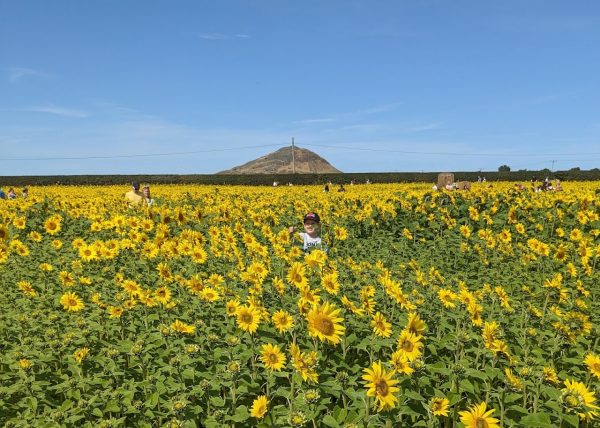
Balgone Pumpkins at Balgone Estate
North Berwick · ⭐ 4.8
 9 mi
9 mi
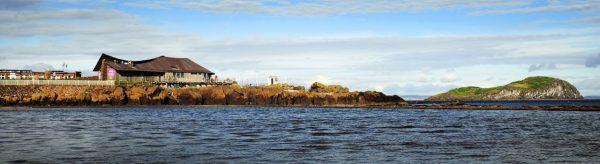
Scottish Seabird Centre
North Berwick · ⭐ 4.5
 9 mi
9 mi
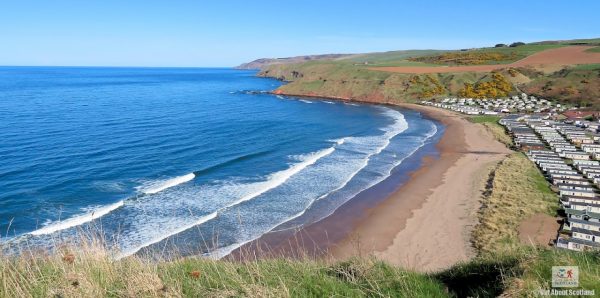
Pease Bay
Cockburnspath · ⭐ 4.6
 11 mi
11 mi
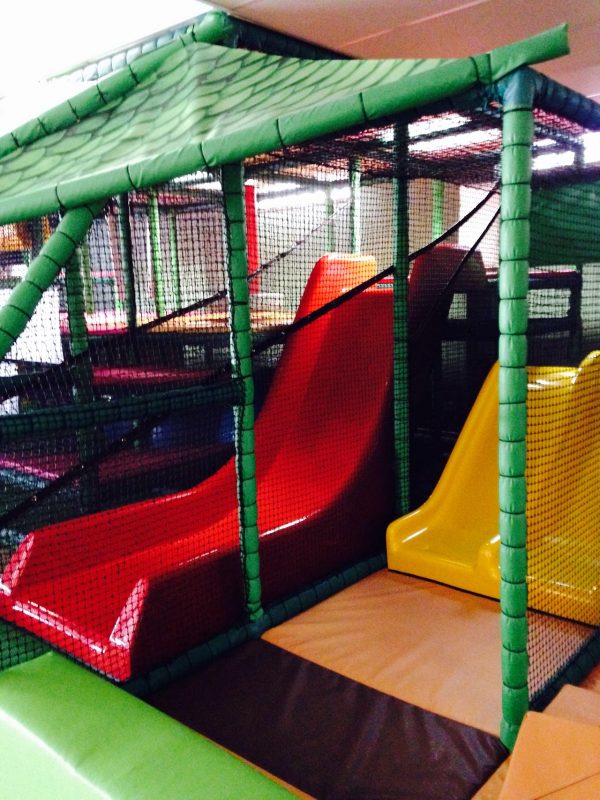
Jabberwocky Soft Play and Cafe
Haddington · ⭐ 4.2
 11 mi
11 mi
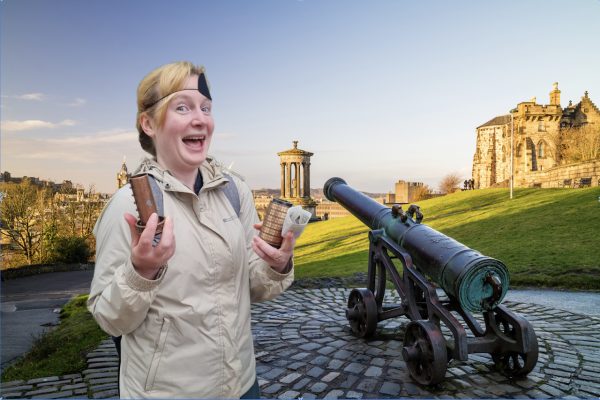
North Berwick Mystery Treasure Trail
North Berwick · ⭐ 4.7
 11 mi
11 mi
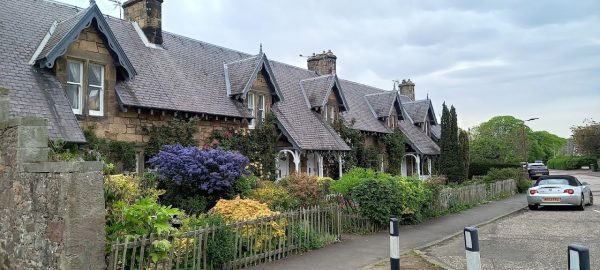
Yellowcraig
North Berwick · ⭐ 4.7
 11 mi
11 mi
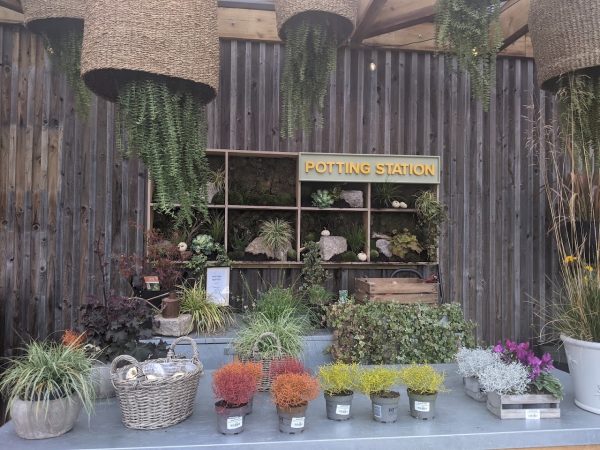
Archerfield Walled Garden
North Berwick · ⭐ 4.4
 13 mi
13 mi
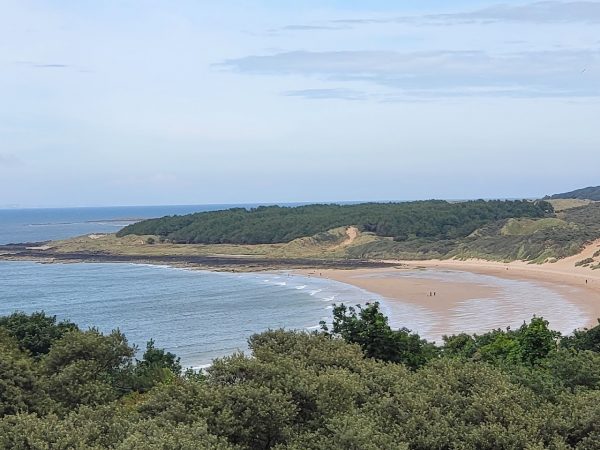
Gullane Beach
Gullane · ⭐ 4.8
Camping in Dunbar(6)
All campsites in Dunbar →About camping in Dunbar
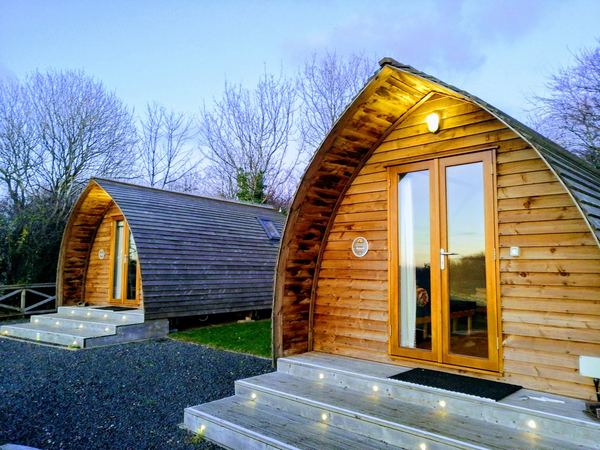
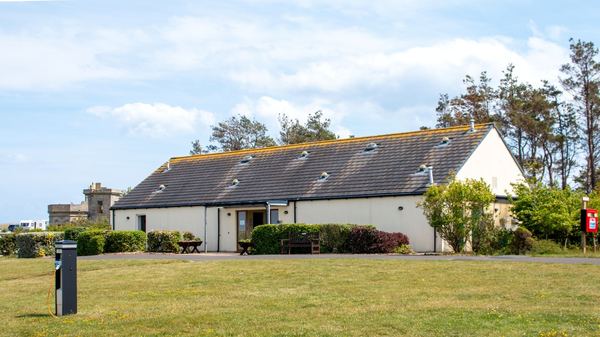
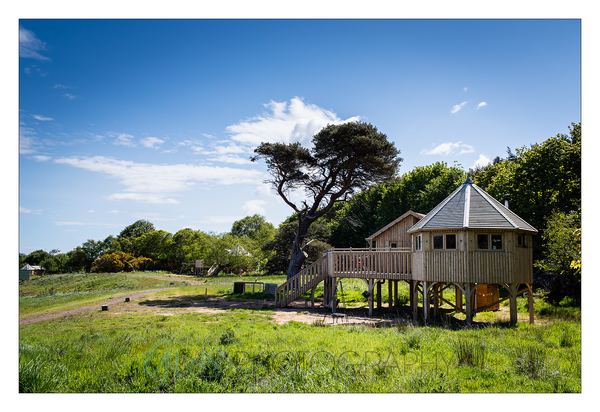
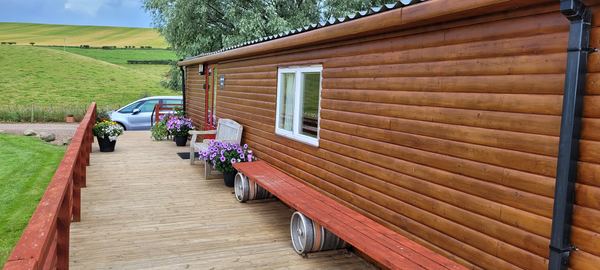
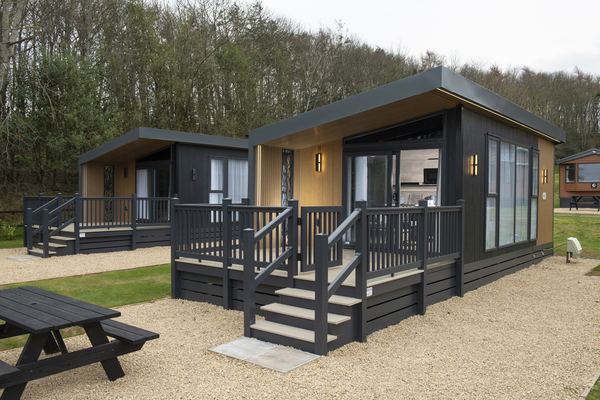
Dunbar sits on the Scottish coast, which means the legal position on camping here is more generous than in England: under the Scottish Outdoor Access Code, wild camping is generally permitted on most unenclosed land, including much of the coastline and countryside around the town, as long as campers follow the code's principles of leaving no trace, camping away from buildings and roads, and moving on after a night or two. That makes the coastline either side of Dunbar, including stretches near Belhaven Bay and the John Muir Country Park, a genuine draw for backpackers and wild campers walking the John Muir Way, though pitching within the country park itself is more restricted and it is worth checking current East Lothian Council guidance before setting up camp there. For a more straightforward option, there are established campsites and caravan parks around Belhaven and further along the coast offering pitches for tents, campervans and caravans, generally with better facilities and a more sheltered spot to weather the area's notoriously changeable coastal weather. The terrain here is a mix of dune grassland, clifftop path and open farmland, exposed to wind off the North Sea, so a sturdy tent and warm kit matter more here than in more sheltered inland spots. Late spring through early autumn, roughly May to September, is the most comfortable window for camping, with longer daylight and a better chance of dry, settled weather, though the coast can turn blustery with little warning at any time of year. For those who want the outdoors experience without the wild-camping logistics, glamping options including bell tents, pods and static caravans have grown around the East Lothian coast in recent years, offering a comfortable base for exploring the castle, harbour and the country park's birdlife without needing to carry a full camping kit.
Self-Catering Cottages in Dunbar
All cottages in Dunbar →Shepherds Cottage
3 bed · sleeps 6 · from £767
Glen View Lodge
2 bed · sleeps 6 · from £437
Cauldside West Cottage
2 bed · sleeps 4 · from £373
The Cart Barn
3 bed · sleeps 5 · from £575
Abbeymill Farm Cottage
2 bed · sleeps 4 · from £991
Eliza Cottage
3 bed · sleeps 5 · from £607
Holly Croft
4 bed · sleeps 7 · from £727
Whiteburn Cottage
2 bed · sleeps 3
Common questions about Dunbar
How many campsites are there in Dunbar?
We list 6 campsites in and around Dunbar, of which 5 take tents and 4 offer glamping.
Are there dog-friendly campsites in Dunbar?
Yes — 3 of the 6 campsites we list in Dunbar accept dogs, including Belhaven Bay and Thorntonloch Caravan Park.
Which campsites in Dunbar have electric hook-up?
4 of the 6 campsites we list in Dunbar offer an electric hook-up.
Where can I stay in Dunbar?
We list 6 hotels, B&Bs and guest houses in and around Dunbar.
What is there to do in Dunbar?
We list 10 attractions and things to do in and around Dunbar.