Fermanagh Lakelands
Islands, loughs and quiet water in the west
Photo © cheeky Monkey, Google Maps
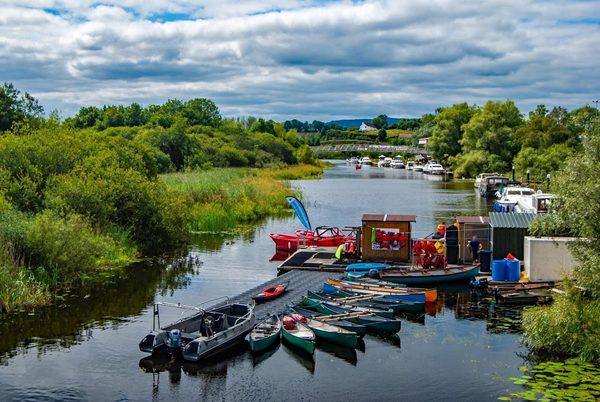
Fermanagh Lakelands sits in the far west of Northern Ireland, wrapped around Upper and Lower Lough Erne, two connected inland waterways that between them cover roughly a third of the county. Water is the constant here: over 150 islands break the surface of the loughs, ferries and cruisers replace some of the roads, and even the county town of Enniskillen occupies an island of its own, squeezed onto a strip of land between the two lakes' channels. It is one of the quietest corners of the UK, more likely to be crossed by a heron than a tour bus, and that scarcity of visitors is a large part of its appeal.
The landscape changes character as you move around the county. To the north and east, Lower Lough Erne opens out into wide, island-scattered water overlooked by wooded shores and the round tower of Devenish Island. To the south-west, the ground rises sharply into the Marble Arch Caves Global Geopark, a limestone plateau of caves, potholes and the exposed Cuilcagh Boardwalk, shared with County Cavan across the Irish border. In between sits Enniskillen itself, a compact working town of Georgian streets, a medieval castle and a busy shopping centre that still feels like the market town it has always been.
What Fermanagh lacks in crowds it makes up for in the density of things worth stopping for: National Trust estates, working potteries, monastic ruins reachable only by boat, and some of the darkest night skies left in Ireland. It rewards a slower pace of travel, ideally with a car and a willingness to take the odd single-track road down to a jetty or a viewpoint.
Getting to Fermanagh Lakelands
Enniskillen has no railway station of its own, the line having closed in 1957, so the nearest mainline connections are in Belfast. Direct trains from London do not run this far; travellers typically fly or take the Belfast to Enniskillen journey by road or coach after arriving into Northern Ireland.
From Belfast, Ulsterbus Goldline coaches run to Enniskillen in around two hours, with a change usually unnecessary on direct services from the Europa Buscentre. From Dublin, Bus Éireann and Ulsterbus services take roughly three hours via Cavan or Monaghan.
By road, Enniskillen sits at the junction of the A4 (from Belfast, via Dungannon) and the A32/N3 corridor south to Dublin, around 90 minutes from the border and just over two hours from Belfast in normal traffic. Parking in Enniskillen town centre is metered on-street and in several car parks, with free parking generally easier to find at the out-of-town attractions.
The closest airports are Belfast International and Belfast City (George Best), both around an hour to 75 minutes' drive, and City of Derry Airport, a similar distance to the north. Dublin Airport is roughly two and a half hours by road and has considerably more long-haul and international connections.
Best time to visit Fermanagh Lakelands
Spring brings returning bird life to the lough shores and wildflower meadows opening at Crom Estate, with far fewer visitors than summer and reliably quieter roads.
Summer is when the lough cruises, ferries to Devenish Island and watersports centres run their fullest timetables, and long evenings suit lakeside walks; it is also the busiest and priciest period for accommodation.
Autumn turns the oak woodland at Crom and Castle Coole into a strong reason to visit on its own, with the caves and indoor attractions remaining comfortable options if the weather turns.
Winter is quiet to the point of stillness on the water, though the shorter days and closures at some seasonal attractions and campsites mean it suits a more low-key trip built around Enniskillen's museums, pubs and Belleek Pottery rather than the outdoors.
Where to stay in Fermanagh Lakelands(8)
All hotels in Fermanagh Lakelands →About staying in Fermanagh Lakelands
Fermanagh Lakelands rewards a bit of thought about where you base yourself, because the county's attractions are spread around two large loughs rather than clustered in one place. Enniskillen is the obvious anchor: it has the largest concentration of restaurants, pubs and shops, sits at the junction of the main roads in and out of the county, and puts Castle Coole, Enniskillen Castle and the Marble Arch Caves all within a short drive. Staying in the town suits visitors who want to walk to dinner in the evening and who plan to explore outwards by car during the day.
Further out on Lower Lough Erne, around Killadeas, Kesh and Boa Island, the accommodation options trade convenience for scenery: several properties sit directly on the water, with private jetties, lake views from the bedroom window and, at the more elevated end, spa facilities built around that lakeside setting. These suit a slower trip, where the accommodation itself is part of the appeal rather than just a base, and where a hire car or the on-site ferry becomes the way you get about.
For a quieter, village-based stay, Belleek and Belcoo both offer a genuine sense of place: Belleek for its pottery and proximity to Donegal, Belcoo for its position at the gateway to the Marble Arch Caves and Cuilcagh Mountains. Guest houses and B&Bs in these areas tend to be smaller and more personal, often run by people who know the local walking and fishing intimately and can point you towards a stretch of water or a trail that isn't on the tourist board leaflets.
Whichever base you choose, book ahead for July and August, when the lough cruises and watersports centres are at their busiest and the better-known properties fill up well in advance, and expect a genuinely wide range of prices, from simple farmhouse B&Bs to five-star resort hotels with golf courses and spas attached.
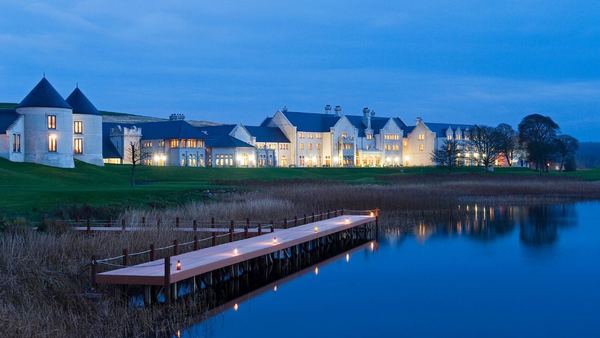 9.0
9.0
Lough Erne Resort
Castle Hume, Belleek Road, Enniskillen
from £210/night
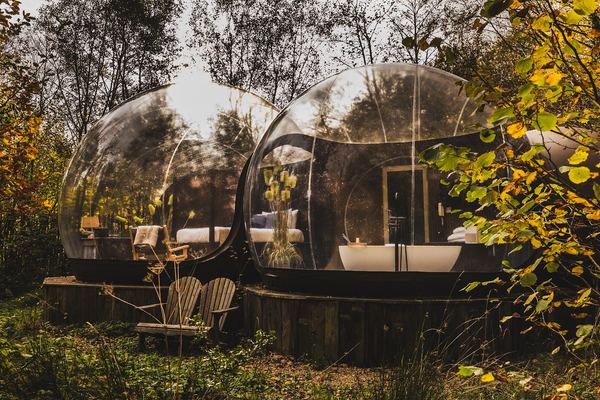 9.1
9.1
Finn Lough
Aghnablaney, near Enniskillen
from £175/night
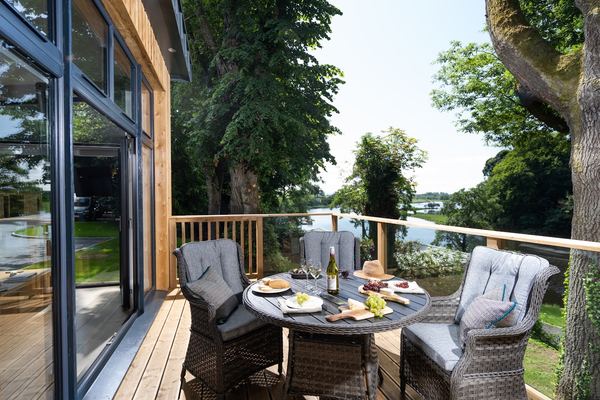 8.4
8.4
Killyhevlin Lakeside Hotel & Lodges
Dublin Road, Enniskillen
from £130/night
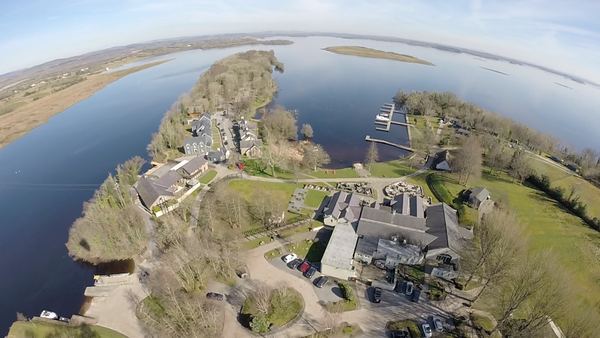 8.3
8.3
Lusty Beg Island Resort & Spa
Boa Island, Kesh, Lower Lough Erne
from £145/night
Manor House Country Hotel
Killadeas, Lower Lough Erne
from £155/night
Westville Hotel
Tempo Road, Enniskillen town centre
from £120/night
Belmore Court & Motel
Tempo Road, Enniskillen town centre
from £85/night
Willowbank House
Lisbellaw, near Enniskillen
from £90/night
Things to Do in Fermanagh Lakelands
All attractions in Fermanagh Lakelands →Top things to do in Fermanagh Lakelands
The county's attractions are spread widely around the two loughs, so allow driving time between them.
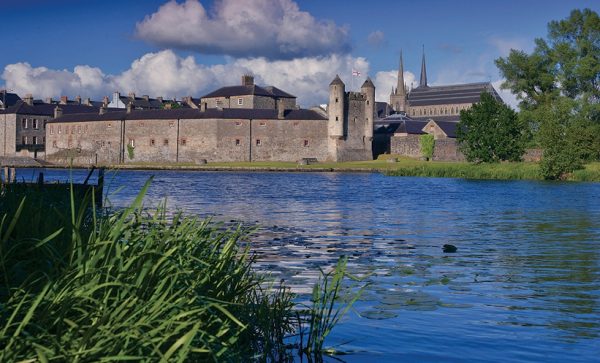
- Enniskillen Castle Museums combine a restored 15th-century castle with galleries covering local history and the regiments of the Royal Inniskilling Fusiliers, set on the bank of the River Erne.
- Marble Arch Caves Global Geopark offers guided boat and walking tours through a show cave system of stalactites, underground rivers and chambers carved from limestone over millions of years.
- Castle Coole, a neoclassical mansion in landscaped parkland just outside Enniskillen, is one of the finest 18th-century houses in Ireland, cared for by the National Trust.
- Florence Court, an 18th-century house beneath the Cuilcagh Mountains, pairs Rococo plasterwork interiors with walled gardens and woodland walks.
- Devenish Island, reached by ferry from Trory near Enniskillen, holds the remains of a sixth-century monastery, including one of Ireland's best-preserved round towers.
- Crom Estate on Upper Lough Erne protects ancient oak woodland, ruined castles and one of Ireland's largest surviving wildflower meadows, with boat trails through the reed beds.
- Belleek Pottery, on the border with County Donegal, is Ireland's oldest working pottery, producing delicate parian china since 1857 and offering factory tours.
- Lough Erne cruises run from Enniskillen and other jetties, giving access to islands and shorelines that are otherwise unreachable, with several operators offering scheduled sailings in summer.
Where to Eat in Fermanagh Lakelands
All restaurants in Fermanagh Lakelands →Food and drink in Fermanagh Lakelands
Fermanagh's food identity leans on what the loughs and surrounding farmland produce: wild and stocked brown trout, Erne pike, and beef and lamb from the drumlin farmland that rings the water. Fermanagh black bacon, a cure specific to the county, turns up on breakfast plates from B&Bs to hotel dining rooms.
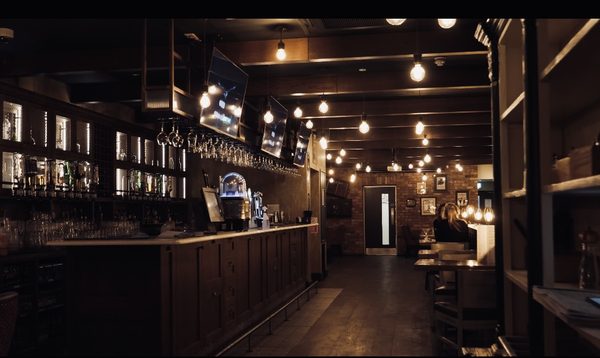
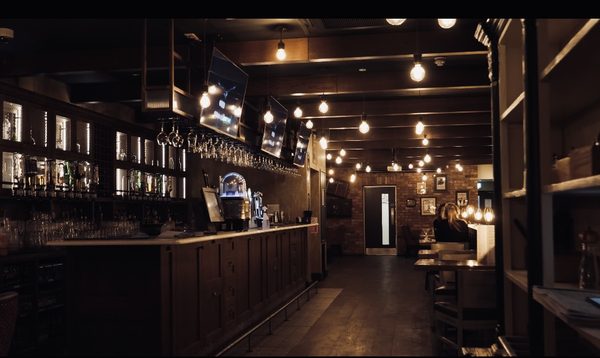
Enniskillen's Blake's of the Hollow, a Victorian bar largely unchanged for over a century, is one of Northern Ireland's most celebrated traditional pubs, and a starting point for a night out that typically continues to one of the town's other long-standing bars. The weekly Enniskillen Market and seasonal farmers' markets sell local produce, baked goods and preserves.
Belleek and the lakeside villages have a scattering of pubs doing solid, unfussy food built around local meat and fish, while the hotel restaurants around the loughs, particularly at the resort properties, put a more formal spin on the same ingredients. Fishing remains central to local life, and several pubs and guesthouses cater specifically to anglers staying for the coarse and game fishing the loughs are known for.
Attractions Near Fermanagh Lakelands
All attractions in Fermanagh Lakelands →Worth the trip — within 50 miles of Fermanagh Lakelands.
 0 mi
0 mi
The Inniskillings Museum
Enniskillen · ⭐ 4.8
 7 mi
7 mi
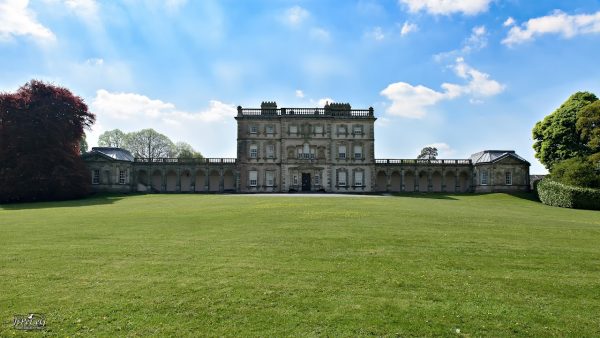
Florence Court
Enniskillen · ⭐ 4.6
 9 mi
9 mi
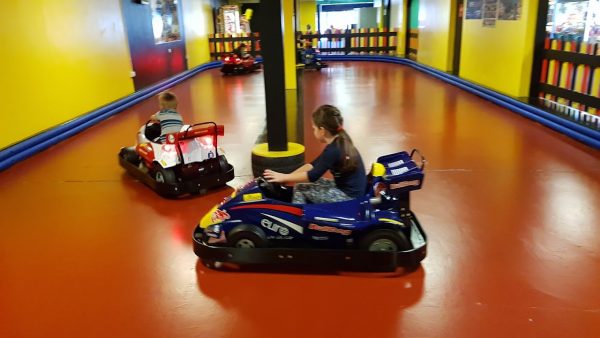
Johnny Rocko's
Enniskillen · ⭐ 4.3
 9 mi
9 mi
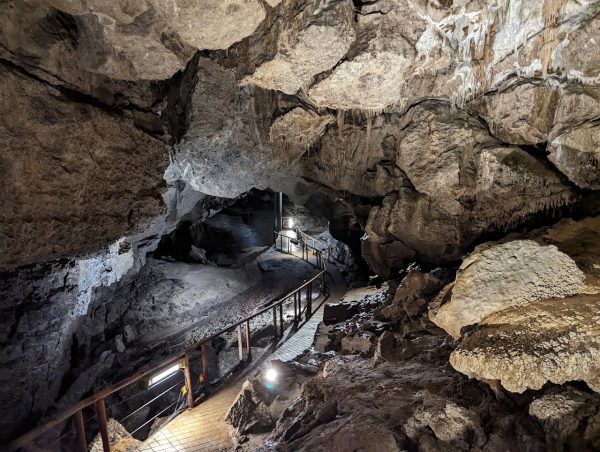
Marble Arch Caves
Florencecourt · ⭐ 4.8
 10 mi
10 mi
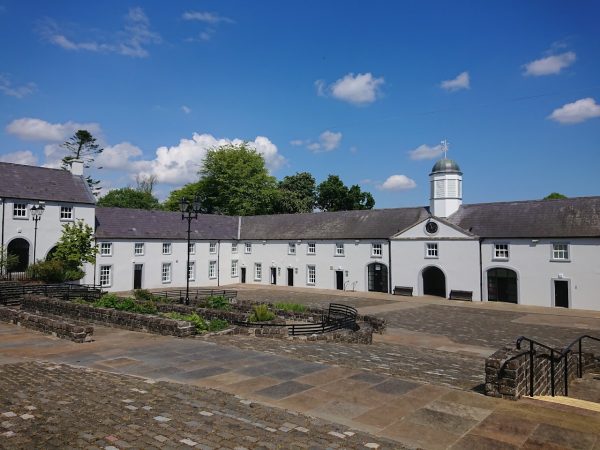
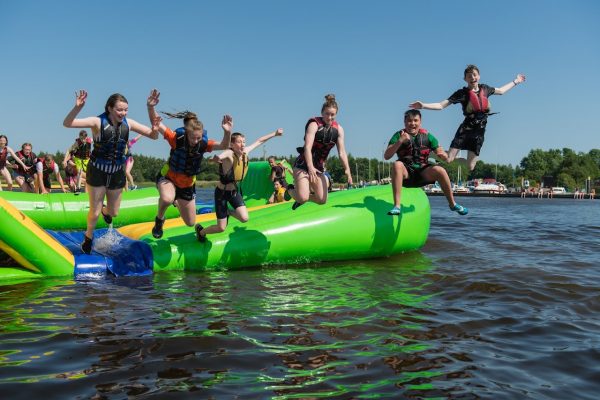
Castle Archdale Country Park
Enniskillen · ⭐ 4.5
 11 mi
11 mi
Share Discovery Village
Lisnaskea · ⭐ 4.5
 22 mi
22 mi
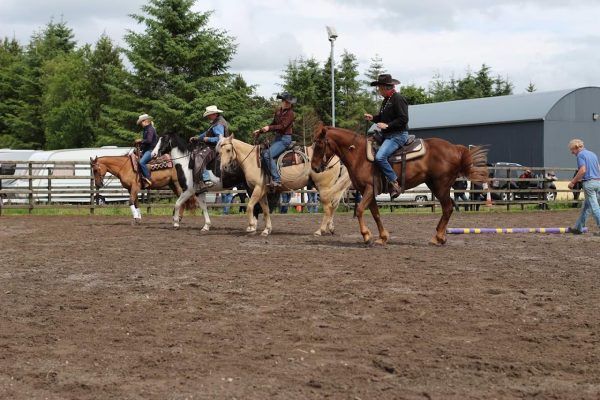
Drumcoura Equestrian Centre
Ballinamore · ⭐ 4.8
 22 mi
22 mi
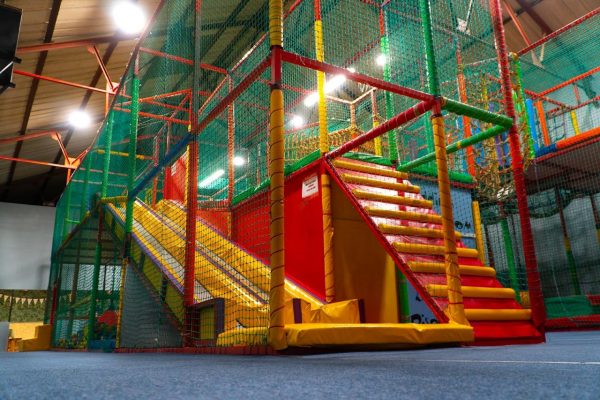
Aladdins Kingdom Play Centre
Omagh · ⭐ 4.5
Camping in Fermanagh Lakelands(3)
All campsites in Fermanagh Lakelands →About camping in Fermanagh Lakelands
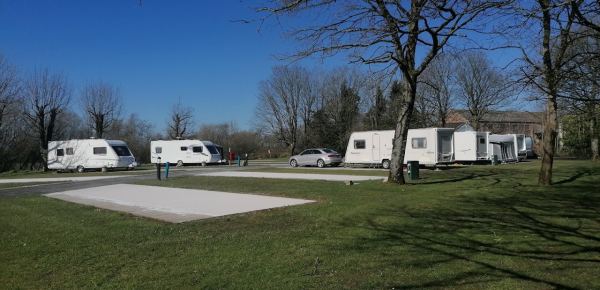
Camping in Fermanagh Lakelands means camping beside water almost by default. The established sites cluster around the shores of Lower and Upper Lough Erne, where the ground is generally flat, well-drained grassland running down to jetties, boat launches and swimming spots, a gentler terrain than the exposed hill camping found in the Marble Arch Caves Geopark to the south-west. Midges are a real consideration on still summer evenings by the water, so repellent and a well-sealed tent are worth packing regardless of the season.
Wild camping has no automatic legal right in Northern Ireland; almost all land, including lough shores and forest edges, is privately owned or managed by bodies such as the National Trust or the Forest Service, and pitching without permission is technically trespass even where enforcement is relaxed. In practice, this pushes most visitors towards the county's handful of licensed touring and camping parks, which are well established, reasonably priced by UK standards, and set in better locations than most improvised pitches would offer anyway.
The camping season runs roughly from St Patrick's Day in March to Halloween at the end of October, matching the opening dates of the main sites, with a short winter window at some for touring caravans only. May, June and September are the most comfortable months, combining decent weather with lighter midge activity and quieter pitches than the school-holiday peak of July and August, when the lakeside parks fill with family groups drawn by canoeing, boat hire and the watersports centres based on the loughs. Rain is a possibility in any month in this part of Ireland, so a pitch with good drainage and a solid awning matters more here than fighting for the sunniest spot.
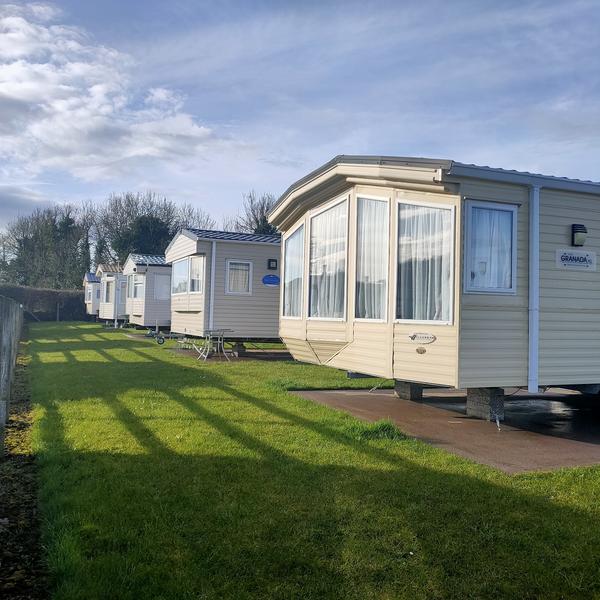
Blaney Caravan & Camping Park
⭐ 4.6 · from £20/night
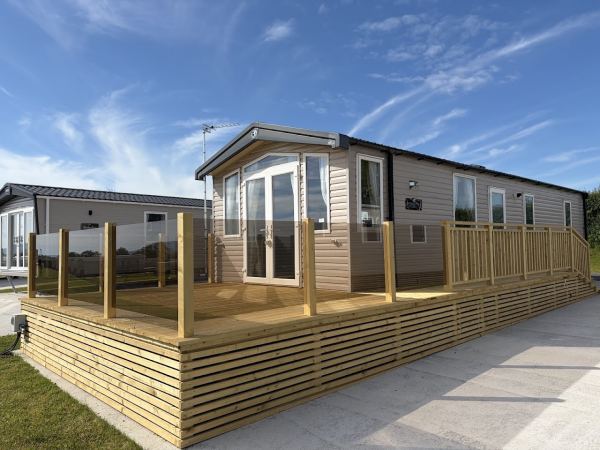
Mullynascarthy Holiday Park
⭐ 4.6
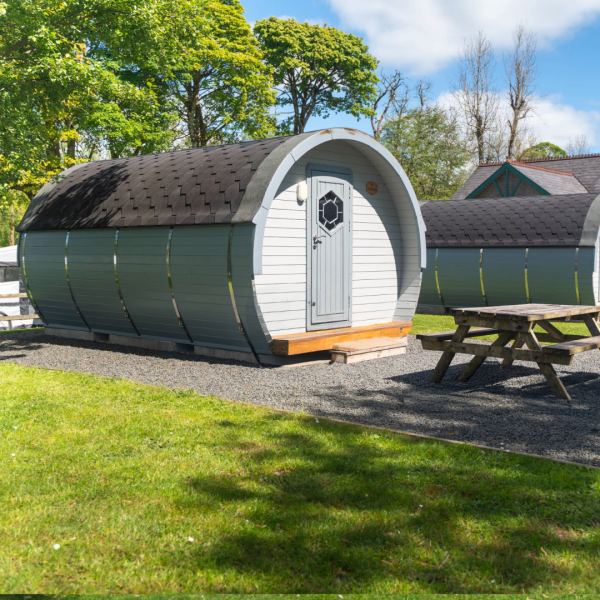
Drumhoney Holiday Park
⭐ 4.6
Castle Archdale Caravan Park
⭐ 4.5
Castle Archdale Caravan Park & Camping
⭐ 4.5 · from £22/night
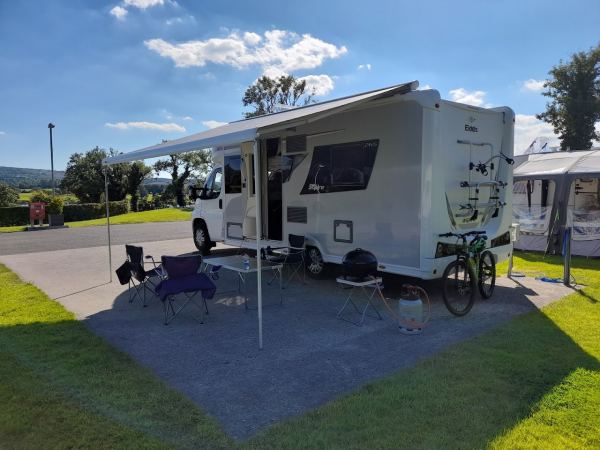
Rushin House Caravan Park
⭐ 4.8
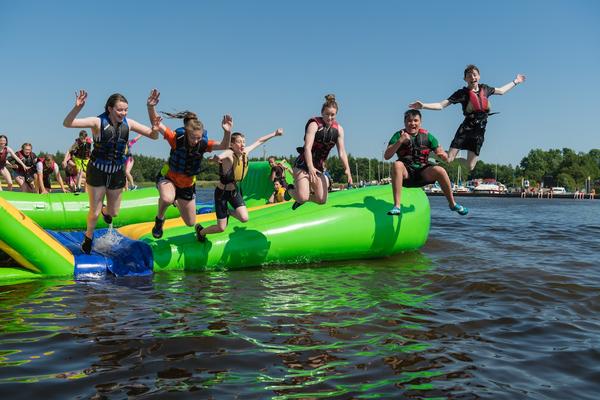
Share Discovery Village
⭐ 4.5 · from £18/night
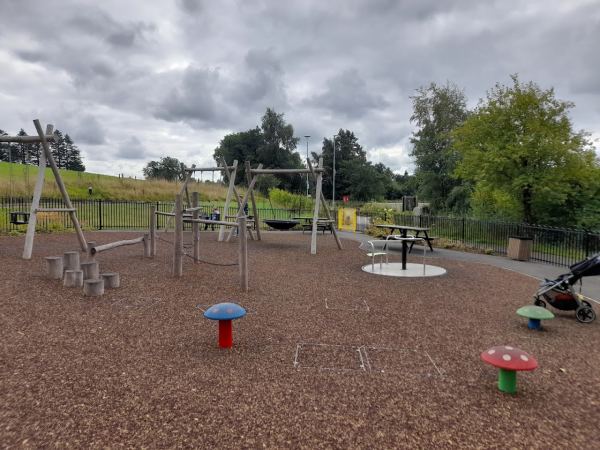
Round Lake Caravan Park
⭐ 4.3
Common questions about Fermanagh Lakelands
How many campsites are there in Fermanagh Lakelands?
We list 3 campsites in and around Fermanagh Lakelands, of which 3 take tents and 3 offer glamping.
Are there dog-friendly campsites in Fermanagh Lakelands?
Yes — 3 of the 3 campsites we list in Fermanagh Lakelands accept dogs, including Blaney Caravan & Camping Park and Castle Archdale Caravan Park & Camping.
Which campsites in Fermanagh Lakelands have electric hook-up?
3 of the 3 campsites we list in Fermanagh Lakelands offer an electric hook-up.
Where can I stay in Fermanagh Lakelands?
We list 8 hotels, B&Bs and guest houses in and around Fermanagh Lakelands. Prices start from around £85 a night.