Hurley
England's oldest inn, a ruined priory and the Thames at its quietest
Photo © Mark Feaviour, Google Maps
Hurley is one of the smallest and most charming villages on the River Thames, hidden away on a wooded bend between Marlow and Henley-on-Thames in eastern Berkshire. A cluster of brick and timber cottages, a Norman church and a scattering of houseboats sit where the high street simply runs out into water meadows, and the Thames Path threads straight through the middle of it. It is the kind of place with no traffic lights, one pub-hotel and a village shop, yet it draws walkers, cyclists and boaters all year round because of what survives here from the Middle Ages.
The village grew up around Hurley Priory, a Benedictine monastery founded in 1086 by Geoffrey de Mandeville as a daughter house of Westminster Abbey. For 450 years the priory shaped almost everything in Hurley, until Henry VIII's dissolution of the monasteries closed it in 1536. Remarkably, the priory's nave survives intact as the parish church of St Mary the Virgin, and the old monks' guesthouse now forms part of Ye Olde Bell, reputedly the oldest purpose-built hotel in England. Beyond the village, the surrounding countryside rises gently towards the Chiltern Hills, giving Hurley a rare double identity as both a riverside settlement and a gateway to chalk downland walking.
Getting to Hurley
Hurley lies just off the A4130 between Maidenhead and Henley-on-Thames, and is easily reached from the M4 (junction 8/9) or M40 (junction 4) in around 10-15 minutes by car. The village itself has limited parking, so many visitors leave a car at Hurley Riverside Park or in nearby Marlow and walk or cycle in along the Thames Path. The nearest railway stations are Maidenhead and Henley-on-Thames, both around 15-20 minutes away by taxi or bus, with Maidenhead also on the Elizabeth line giving direct trains into central London. Marlow, a mile or so upstream, has a branch-line station connecting via Maidenhead.
Best time to visit Hurley
Late spring through early autumn (May to September) is the classic time to visit, when the lock is busy with boats, the riverside pub gardens are in full swing and the towpath walking is at its best. June and July bring long evenings ideal for a walk to Henley or Marlow and back. Autumn has its own appeal, with mist over the water meadows and the Chiltern woods turning colour, while winter brings a quieter, atmospheric village with the priory church and Ye Olde Bell's log fires providing a cosy contrast to the bracing riverside walks.
Where to stay in Hurley
All hotels in Hurley →About staying in Hurley
Hurley may be one of the smallest villages on the Thames, but it punches well above its weight for a short break. At its centre is Ye Olde Bell, a timber-framed hotel built in 1135 as the guesthouse for Hurley Priory and reputed to be the oldest purpose-built hotel in England; its beamed rooms, log fires and walled gardens make it a memorable base for exploring the river. Its long history includes hosting Winston Churchill and Dwight D. Eisenhower during the Second World War, when they visited a secret Allied intelligence station nearby ahead of the Normandy landings.
Beyond the village, Marlow and Henley-on-Thames, both under fifteen minutes away, add a wider spread of hotels, from boutique townhouse conversions to larger riverside establishments with spa facilities, many overlooking the Thames itself. Maidenhead, on the edge of the Chilterns and served directly by the Elizabeth line, offers a broader choice of mid-range and business hotels for those who want fast access into London alongside a rural base.
Whichever option you choose, a stay around Hurley puts you within easy reach of the Thames Path, Chiltern Hills walking country and the historic market towns that line this stretch of the river, while still returning each evening to one of the quietest and prettiest villages on the whole waterway.
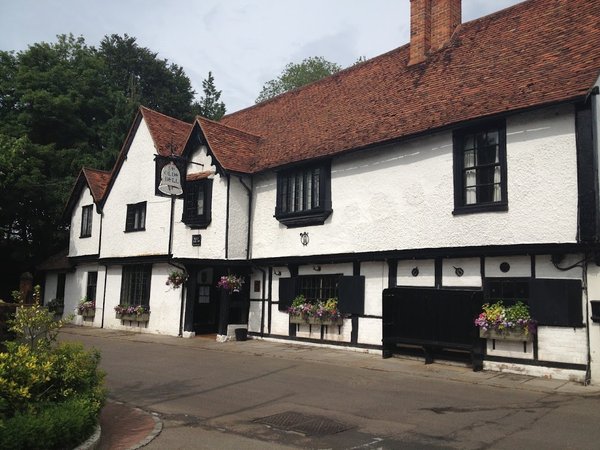
The Olde Bell, BW Signature Collection
High Street, Marlow
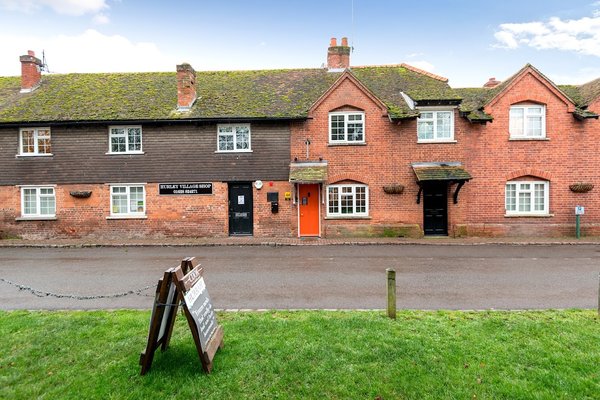
Crazy Fox Hurley Boutique Bed & Breakfast
High Street, Maidenhead
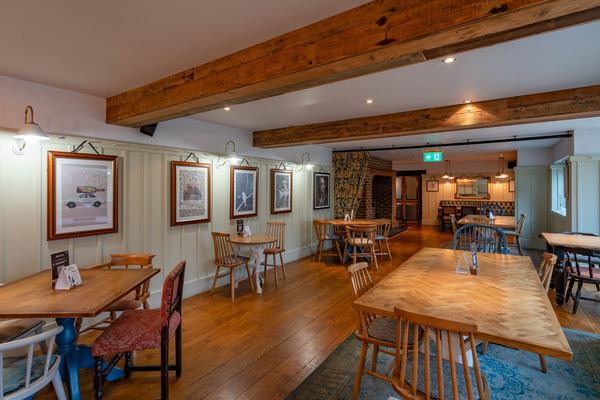
The Bird In Hand Country Inn
Bath Road, Reading
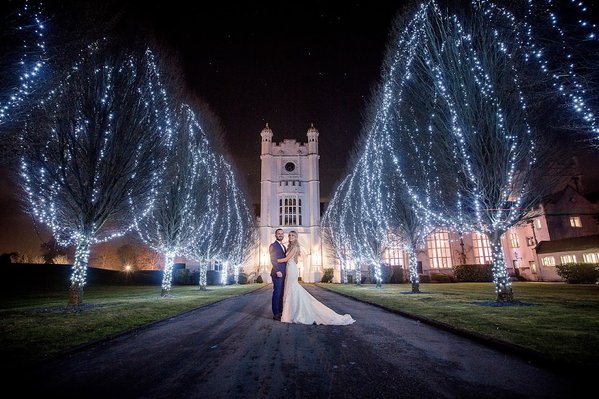
Danesfield House Hotel And Spa
Henley Road, Marlow
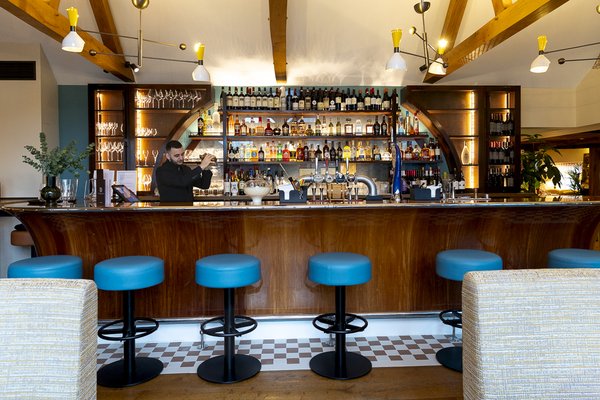
The Dog and Badger
Henley Road, Marlow
Ramblings
Ramblings, Basingstoke
Inverloddon Bed and Breakfast, Wargrave Near Reading
Ferry Lane, Reading
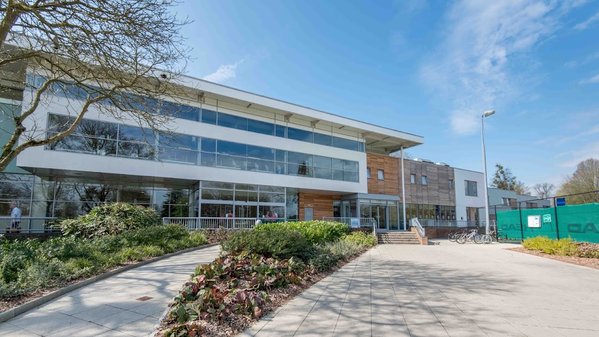
Bisham Abbey National Sports Centre
Bisham Village, Marlow
Things to Do in Hurley
All attractions in Hurley →Top things to do in Hurley
Hurley rewards slow exploration on foot, and most of its attractions sit within a short stroll of the high street.
- Hurley Lock and weir — Built in 1773 by the Thames Navigation Commissioners, the lock sits among a cluster of wooded islands and is one of the most photographed spots on this stretch of the river, with a footbridge crossing to the lock island itself.
- Hurley Priory and St Mary the Virgin Church — The former priory church, a Scheduled Monument, still holds services today and retains Norman arches and monastic stonework; the adjacent dovecote and cloister walls give a strong sense of the vanished monastery.
- Ye Olde Bell — Built in 1135 as the priory's guesthouse, this timber-framed inn is thought to be England's oldest hotel; Churchill and Eisenhower are both said to have stayed here during the Second World War while visiting the nearby secret OSS intelligence station.
- The Thames Path — Hurley sits directly on the National Trail, with an easy riverside walk downstream to Temple Lock and Bourne End or upstream to Medmenham and Henley-on-Thames.
- Hurley Riverside Park — A long-established, family-run park directly on the Thames with slipways for canoes and small boats, picnic meadows and access to the towpath for walkers.
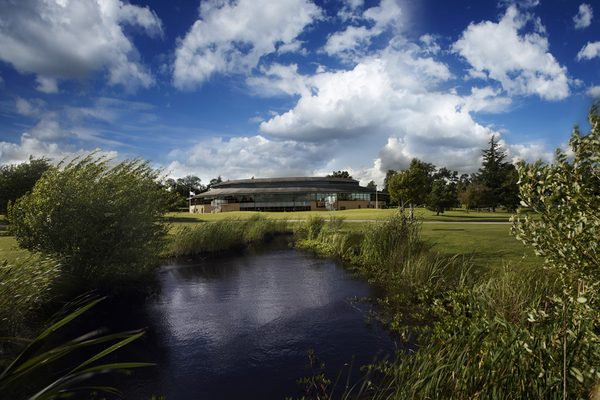
- Danesfield House and the Chiltern escarpment — A short drive or cycle along the river brings you to the wooded bluff at Danesfield, with sweeping views back down over the Hurley valley towards the Chilterns.
- Frogmill and Hurley backwaters — The braided channels and islands around the lock are popular with canoeists and paddleboarders exploring the quieter side channels away from the main navigation.
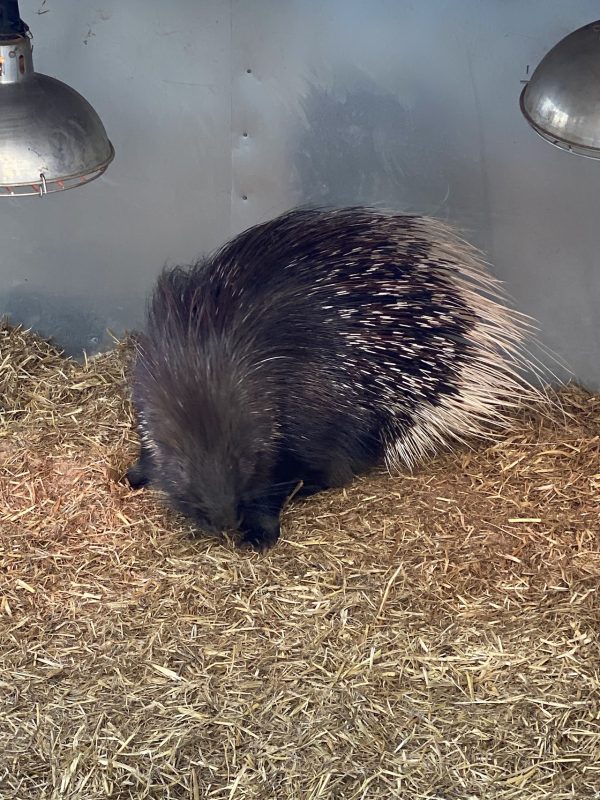
BCA Zoo
⭐ 4.7
The Outdoors Project - Wycombe & The Chilterns
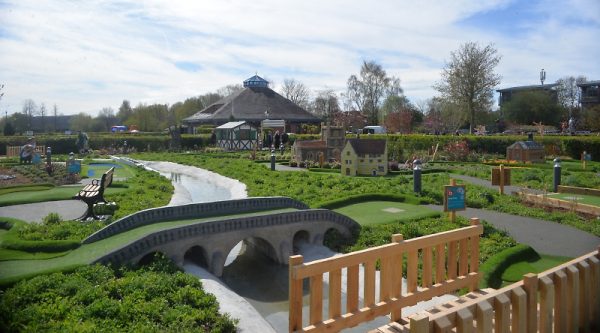
Henley Adventure Golf
⭐ 4.7
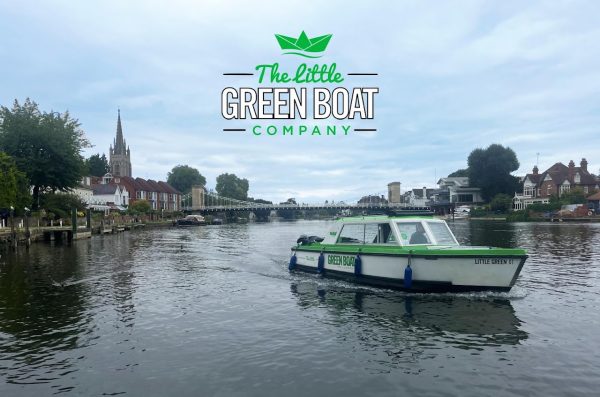
The Little Green Boat Company - Marlow
⭐ 4.1

Longridge Activity Centre
⭐ 4.2
Curious About Henley On Thames
⭐ 4.0
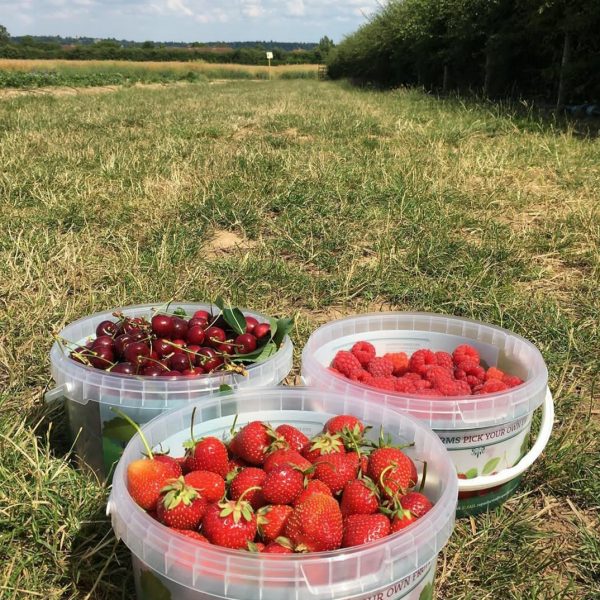
Copas Farm Cookham
⭐ 4.3
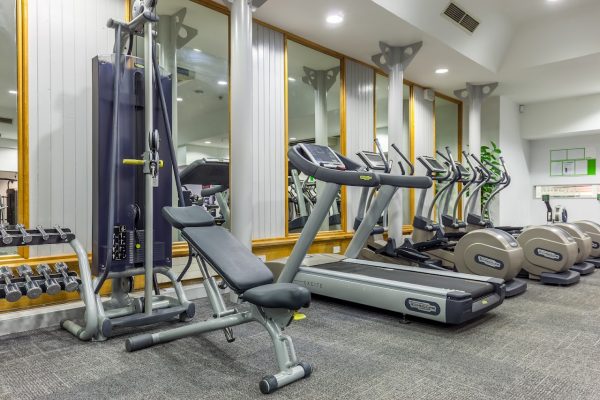
Henley Leisure Centre
⭐ 4.0
Where to Eat in Hurley
All restaurants in Hurley →Food and drink in Hurley
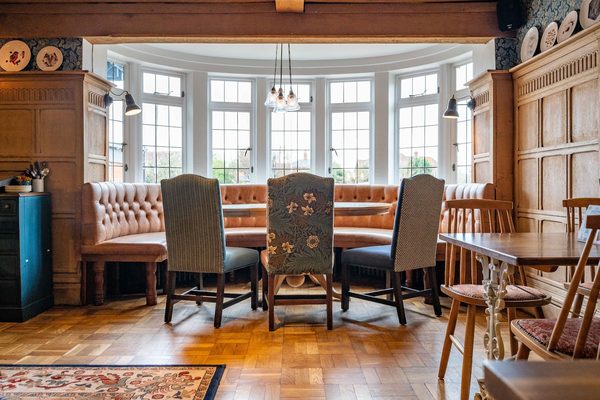
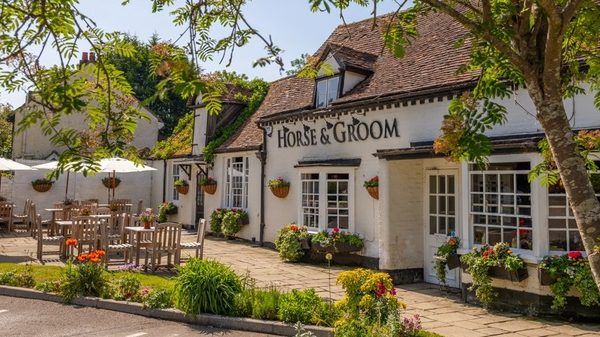
Ye Olde Bell remains the village's social hub, serving modern British food in a dining room built into the old monastic guesthouse, alongside a beer garden looking over the churchyard. The Rising Sun, a short walk along the lane towards Cookham Dean, is a popular country pub known for its Sunday roasts and garden. For a riverside pint with a view of the lock, the Olde Bell's terrace and the nearby towpath benches are the places locals head on a summer evening, while Marlow and Henley, both a short drive away, add a wider choice of restaurants, tea rooms and riverside brasseries.
Attractions Near Hurley
All attractions in Hurley →Worth the trip — within 50 miles of Hurley.
1 mi
BCA Zoo
Maidenhead · ⭐ 4.7
The Outdoors Project - Wycombe & The Chilterns
Marlow
3 mi
Henley Adventure Golf
Henley-on-Thames · ⭐ 4.7
3 mi
The Little Green Boat Company - Marlow
Marlow · ⭐ 4.1
4 mi
Longridge Activity Centre
Marlow · ⭐ 4.2
Curious About Henley On Thames
Henley-on-Thames · ⭐ 4.0
4 mi
Copas Farm Cookham
Cookham · ⭐ 4.3
4 mi
Henley Leisure Centre
Henley-on-Thames · ⭐ 4.0
Camping in Hurley
All campsites in Hurley →About camping in Hurley
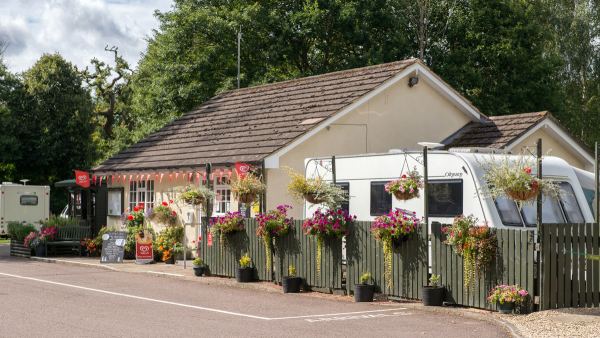
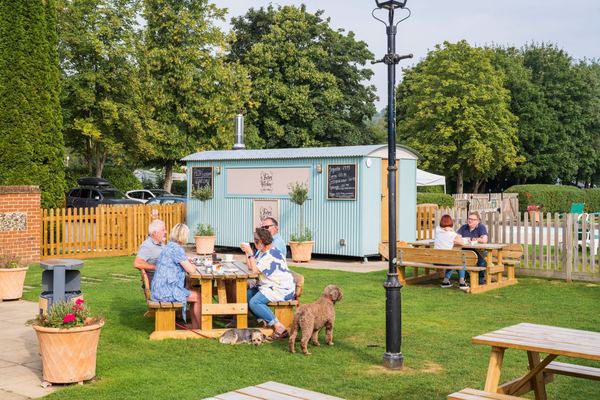
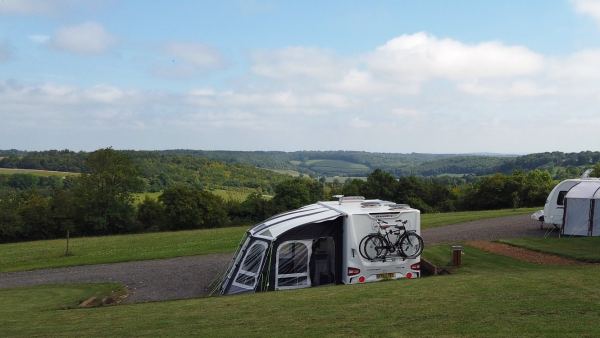
Hurley Riverside Park is the natural base for anyone wanting to camp in this part of the Thames Valley. Family-run since 1926 and set on fifteen acres of riverside meadow, it welcomes tents, touring caravans and motorhomes, with hard-standing, grass and premium pitches alongside static holiday homes for those who prefer a glamping-style stay without their own kit. The park has repeatedly been recognised in the Camping and Glamping Awards and holds a David Bellamy Gold Conservation Award, reflecting its wildlife-friendly meadows and mature riverside trees.
As with anywhere in England, wild camping is not permitted without the landowner's explicit permission, so a licensed site like this is the only legal option for pitching a tent in the area; the Thames-side commons and water meadows around Hurley are private or managed land. What the park lacks in wild remoteness it makes up for in setting: pitches run down almost to the Thames itself, with two slipways giving direct access for canoes, kayaks and small boats, and the Thames Path passing along the site boundary for walkers heading towards Henley or Marlow.
The terrain here is flat, low-lying Thames Valley meadow rather than hill country, so it suits family camping and gentle cycling more than rugged outdoor pursuits, though the Chiltern escarpment rises within easy reach for those wanting a proper day's walk. The best camping season runs from late April to September, when water levels are stable, evenings are long enough for a barbecue by the river, and the site's heated shower blocks and laundrette take the edge off any unpredictable British weather. Spring brings blossom and quieter pitches; high summer is understandably the busiest, especially around regatta season in nearby Henley; and a shoulder-season stay in September can mean a near-empty riverbank with autumn colour just starting on the far bank.




Self-Catering Cottages in Hurley
All cottages in Hurley →
Pheasants Hill Old Byre
1 bed · sleeps 2 · from £493
Nettleshade Cottage
2 bed · sleeps 4 · from £1,300
The Cart Shed
1 bed · sleeps 2 · from £981
Burwood Cottage
3 bed · sleeps 6 · from £487
Park Gate Apartment
1 bed · sleeps 2 · from £752
Brimfield House
6 bed · sleeps 14
Highmoor Park Cottage
1 bed · sleeps 2
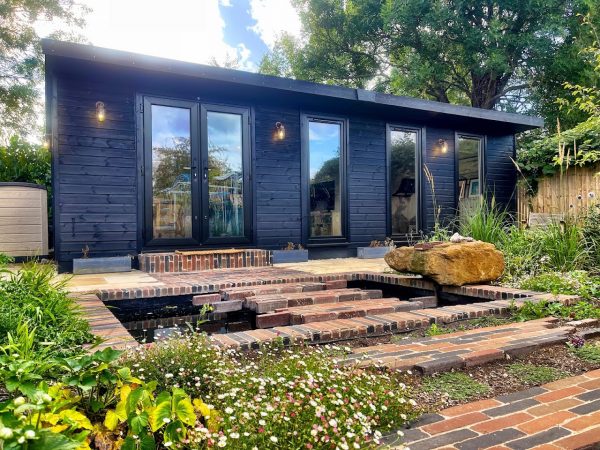
Timber Barn
2 bed · sleeps 4 · from £2,212