Pembrokeshire
Britain's only coastal national park, cliff to cliff
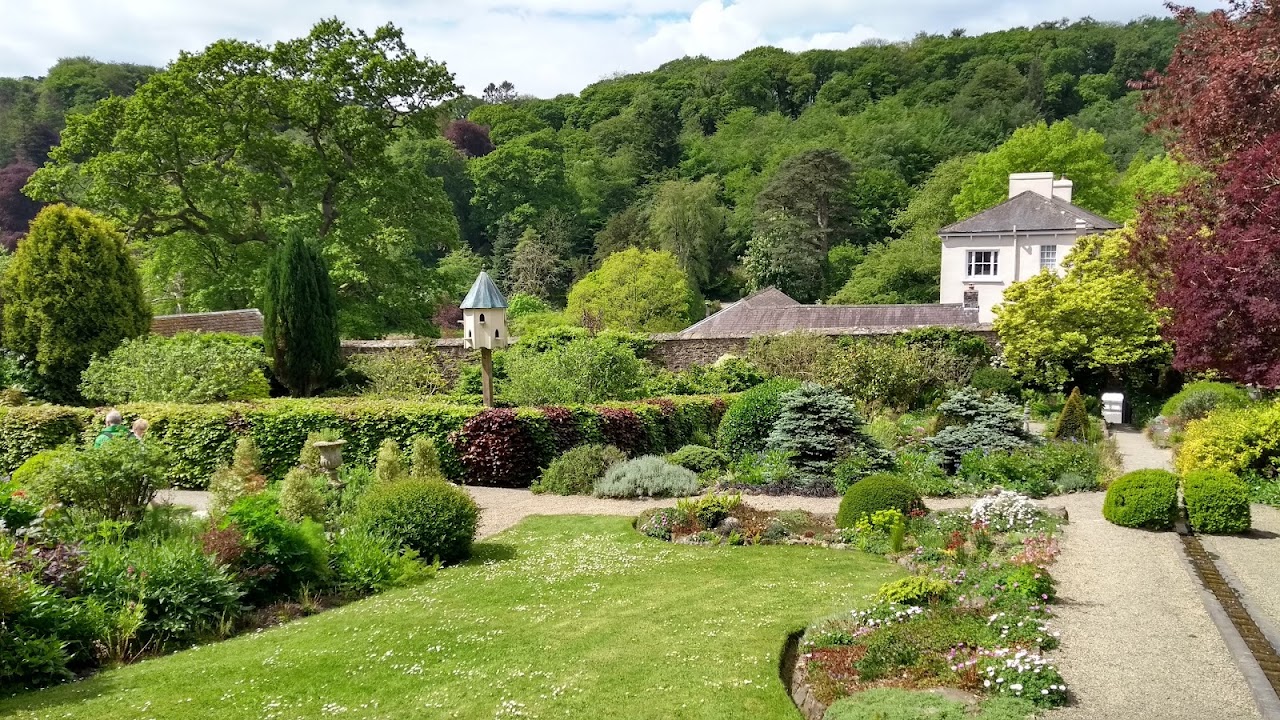
Photo © Billy Hazard, Google Maps
Pembrokeshire occupies the far south-western tip of Wales, a peninsula that pushes out into the Irish Sea and gets weather from three directions at once. Almost the entire coastline, plus the inland Preseli Hills and the upper reaches of the Daugleddau estuary, sits inside the Pembrokeshire Coast National Park — the only national park in Britain designated principally for its coast. That single fact shapes the whole county. Development is contained, the cliff tops are open, and the 186-mile Pembrokeshire Coast Path traces the entire edge from Amroth in the south-east round to St Dogmaels on the Teifi.
The geology changes as you walk it. The southern coast around Stackpole and Bosherston is old red sandstone and carboniferous limestone, giving vertical white cliffs, natural arches and sudden sheltered beaches reached only on foot. West of Milford Haven the rock turns older and harder, and by the time you reach St Davids Head you are on some of the most ancient stone in Britain, with volcanic outcrops standing up out of the heath like broken teeth. The north coast between Strumble Head and Newport is emptier again, a run of small coves, fishing hamlets and cliff paths that see a fraction of the traffic of the Tenby end.
Culturally, Pembrokeshire is split by an old and still visible line. North of a rough boundary known as the Landsker, Welsh is widely spoken and place names are Welsh throughout. South of it lies what has been called Little England Beyond Wales, a belt of Norman castles, English place names and a settlement pattern imposed after the twelfth-century conquest. You can drive across the divide in twenty minutes and hear the difference in the pubs. Milford Haven, meanwhile, is a deep-water port and energy terminal, and the industrial scale of it comes as a jolt against the rest — a useful reminder that this is a working county, not a preserved one.
Getting to Pembrokeshire
Pembrokeshire is a long way from most of England, and honesty about that helps. Trains from London Paddington run to Haverfordwest, Pembroke Dock and Tenby, with the quickest London to Haverfordwest services taking around four and a half hours, usually with a change at Swansea or Carmarthen. Many services take considerably longer, closer to six hours, so it pays to check the timetable rather than assume. From Cardiff the journey is roughly two and a half to three hours. The Pembroke Dock branch line serves Tenby, Saundersfoot and Manorbier and is genuinely useful for coast path walkers wanting to get back to their car.
By road, most drivers follow the M4 to its end at Pont Abraham, then the A48 and A40 through Carmarthen to Haverfordwest, or the A477 across the Cleddau Bridge for the Tenby and Pembroke side. From London reckon on around five hours without stops; from Birmingham roughly four; from Bristol about three. The last thirty miles are single carriageway and slow behind caravans in high summer, so allow more in July and August.
Parking is the practical constraint. Popular beaches such as Broad Haven South, Whitesands and Barafundle rely on a small number of car parks that fill by mid-morning in the school holidays. The seasonal Puffin Shuttle, Coastal Cruiser and Strumble Shuttle bus services run along the coast road network and are the sensible answer for linear walks. Cardiff Airport is roughly two hours away by car and is the nearest with scheduled flights; Bristol is around three hours. Irish Ferries and Stena Line sail into Pembroke Dock and Fishguard from Rosslare, which makes the county an easy first stop coming from Ireland.
Best time to visit Pembrokeshire
Spring is arguably the best season here. From late April the cliff tops turn yellow with gorse and then pink and white with thrift and sea campion, the seabird colonies are noisy, and the coast path is dry underfoot without being crowded. May and June are the driest months on average, and the puffins are on Skomer. Sea temperatures are still cold, so bring a wetsuit if you plan to swim.
Summer brings the warmest water, usually peaking in late August, and the fullest programme of boat trips, festivals and lifeguarded beaches. It also brings the crowds, particularly to Tenby, Saundersfoot and St Davids, and accommodation prices roughly double. If you visit in July or August, get to beaches before ten or after four and use the northern coast, which absorbs visitors far better than the south.
Autumn is underrated. September often holds warm settled weather with the sea at its warmest and the schools back, which is the best combination the county offers. Grey seal pups appear on the beaches below the cliffs from late August through October, and the coast path is at its quietest while the days are still long enough for serious walking. October brings the first Atlantic storms.
Winter is for people who like weather. Gales come in off the Atlantic, many seasonal cafes and boat operators close, and daylight is short. What you get in return is empty beaches, dramatic surf on the west-facing coast, and low winter light on the cliffs that photographers travel for. Book somewhere with a fire and treat walking as the main event.
Where to go
Popular destinations in Pembrokeshire
About Pembrokeshire’s towns and villages
Pembrokeshire's coastline draws most visitors, and Tenby is the obvious starting point, with its walled old town, harbour and sandy beaches. Saundersfoot and Amroth offer quieter seaside alternatives nearby, both popular for family holidays, while Broad Haven sits further west along the coast path with wide sands and a more relaxed pace. Newport, in the north, combines coastal and estuary scenery with easy access to the Preseli Hills.
Inland, villages such as Crymych, Eglwyswrw and Maenclochog make good bases for walking the hills and exploring rural Pembrokeshire away from the crowds. Clarbeston, Templeton and Abercych are smaller still, well suited to those wanting a peaceful stay. Pembroke Dock, with its maritime history and ferry connections, contrasts with the market town feel of Pembroke itself, and both provide a practical base for touring the wider county.
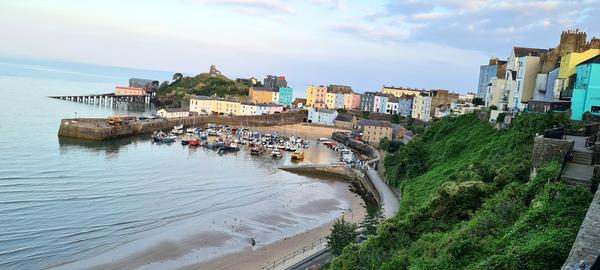
Tenby
40 stays · 36 campsites · 11 things to do
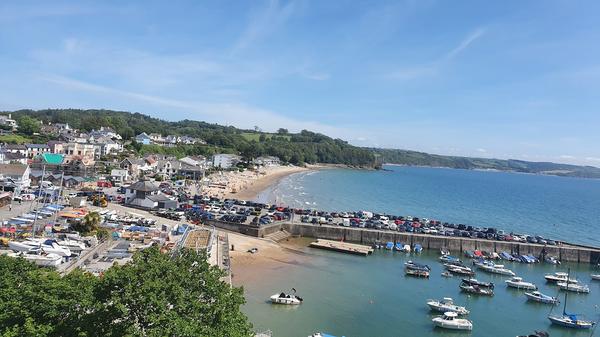
Saundersfoot
11 stays · 17 campsites · 3 things to do
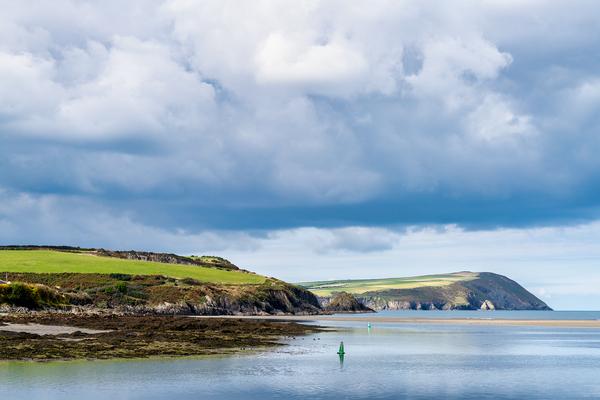
Newport, Pembrokeshire
7 stays · 2 campsites
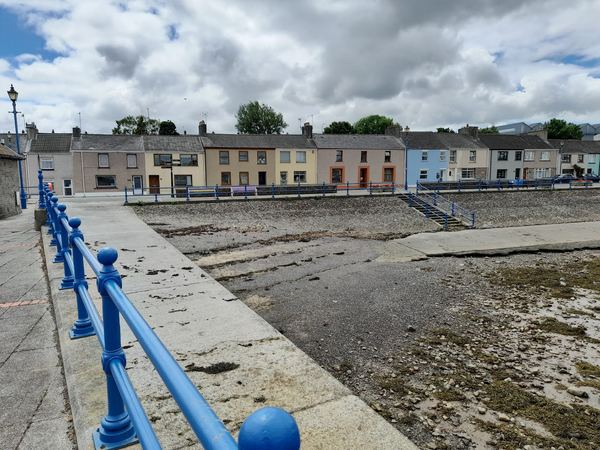
Pembroke Dock
8 stays
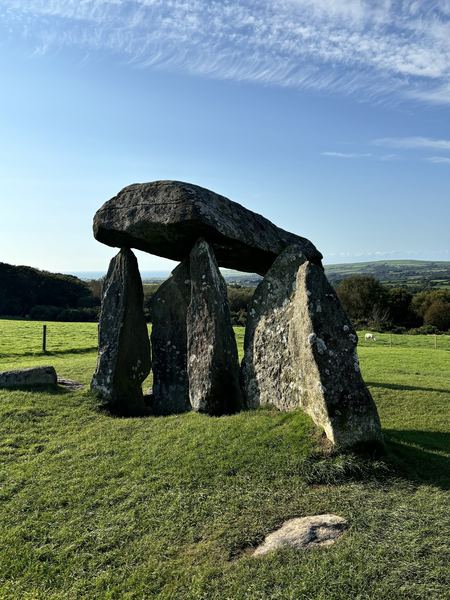
Crymych
1 stays · 1 campsites · 1 things to do
Eglwyswrw
2 stays · 1 things to do
Abercych
2 stays
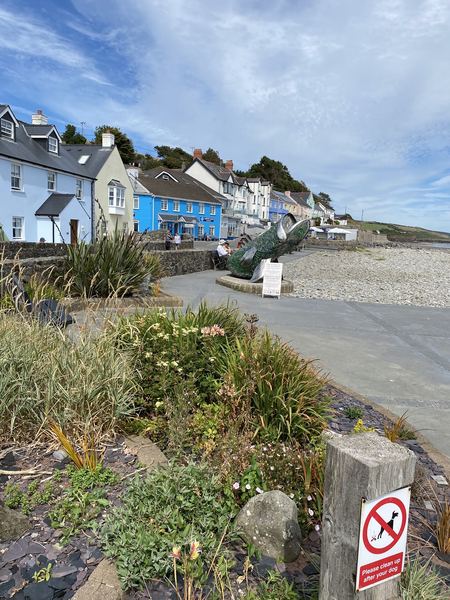
Amroth
1 stays · 1 things to do
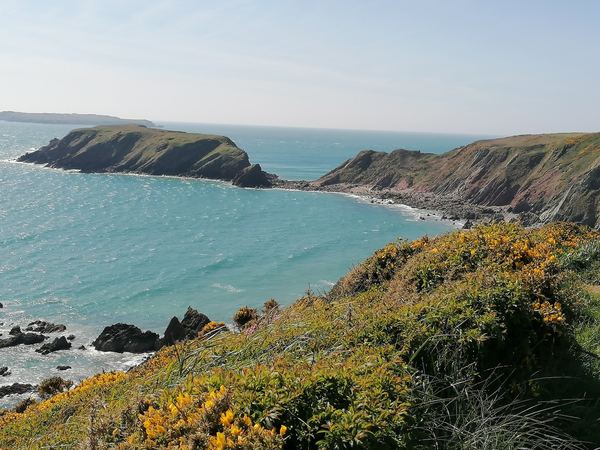
Marloes
1 stays · 1 campsites
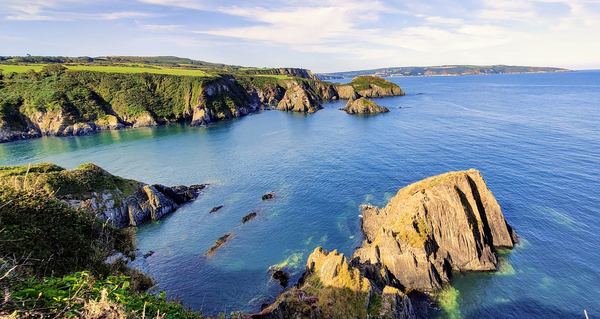
Dinas Cross
1 stays · 1 campsites
Clunderwen
2 campsites
Abercastle
1 campsites
Where to stay in Pembrokeshire(172)
All hotels in Pembrokeshire →About staying in Pembrokeshire
Pembrokeshire's coastline shapes where its hotels and B&Bs sit, and Saundersfoot is a good example - a cluster of guest houses within walking distance of the beach and harbour, useful for families who want to leave the car behind. Further along the coast path, Newport offers a quieter base with places like Cnapan Guest House and Ty Melin close to the estuary and the walk up to Carningli.
Inland and around Pembroke Dock, options such as Manor Town House and Nythfa Guesthouse suit visitors touring the castle or catching the ferry, while smaller villages like Eglwyswrw hold characterful stays such as Rhostwarch for those wanting proper countryside rather than seafront bustle. Penally Abbey and Ael y Bryn Luxury B&B represent the more indulgent end of things, worth booking ahead in summer when the coast path draws steady numbers.
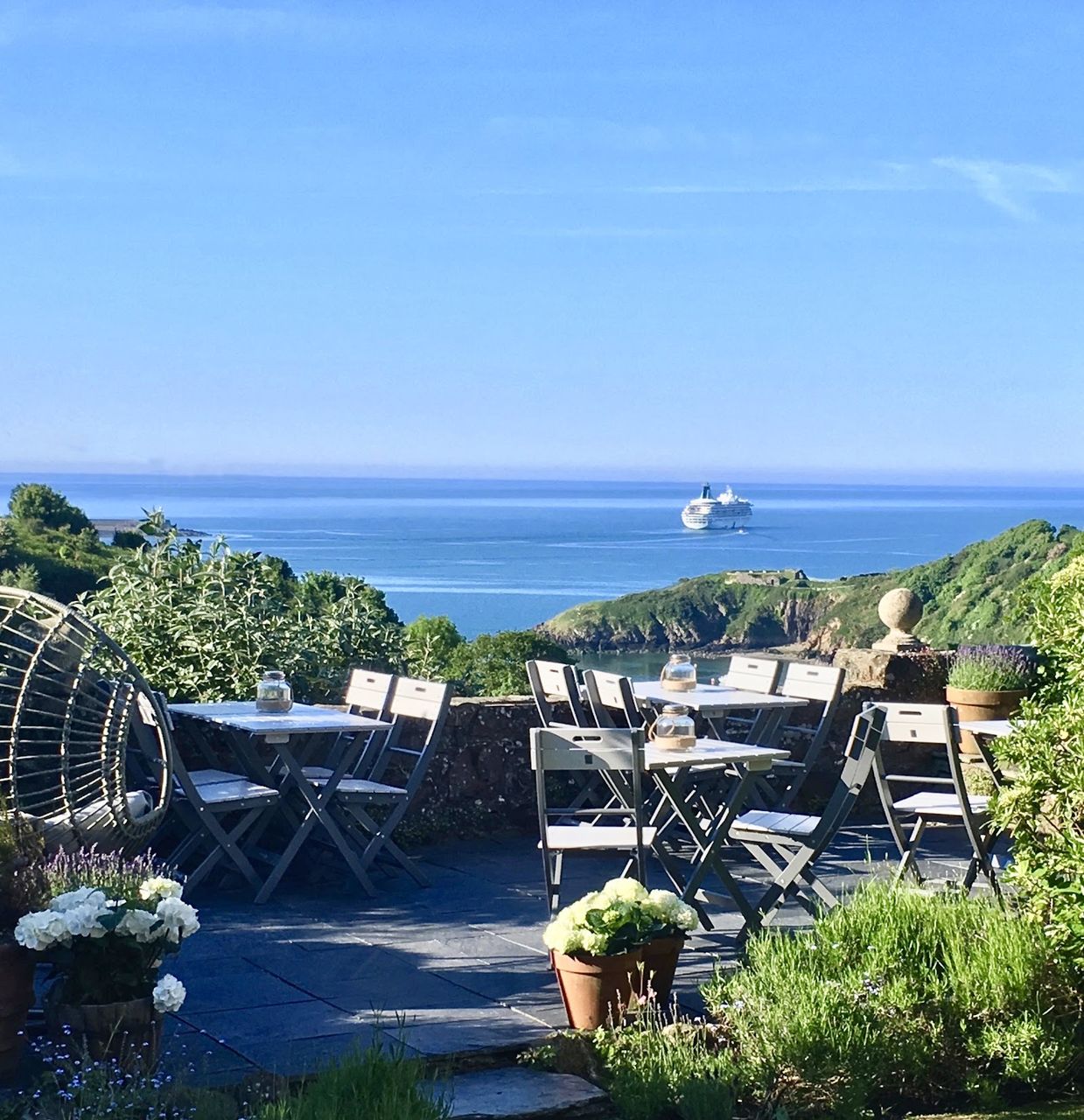 9.6
9.6
Manor Town House
Main Street, Fishguard, 7 miles from Newport
from £150/night
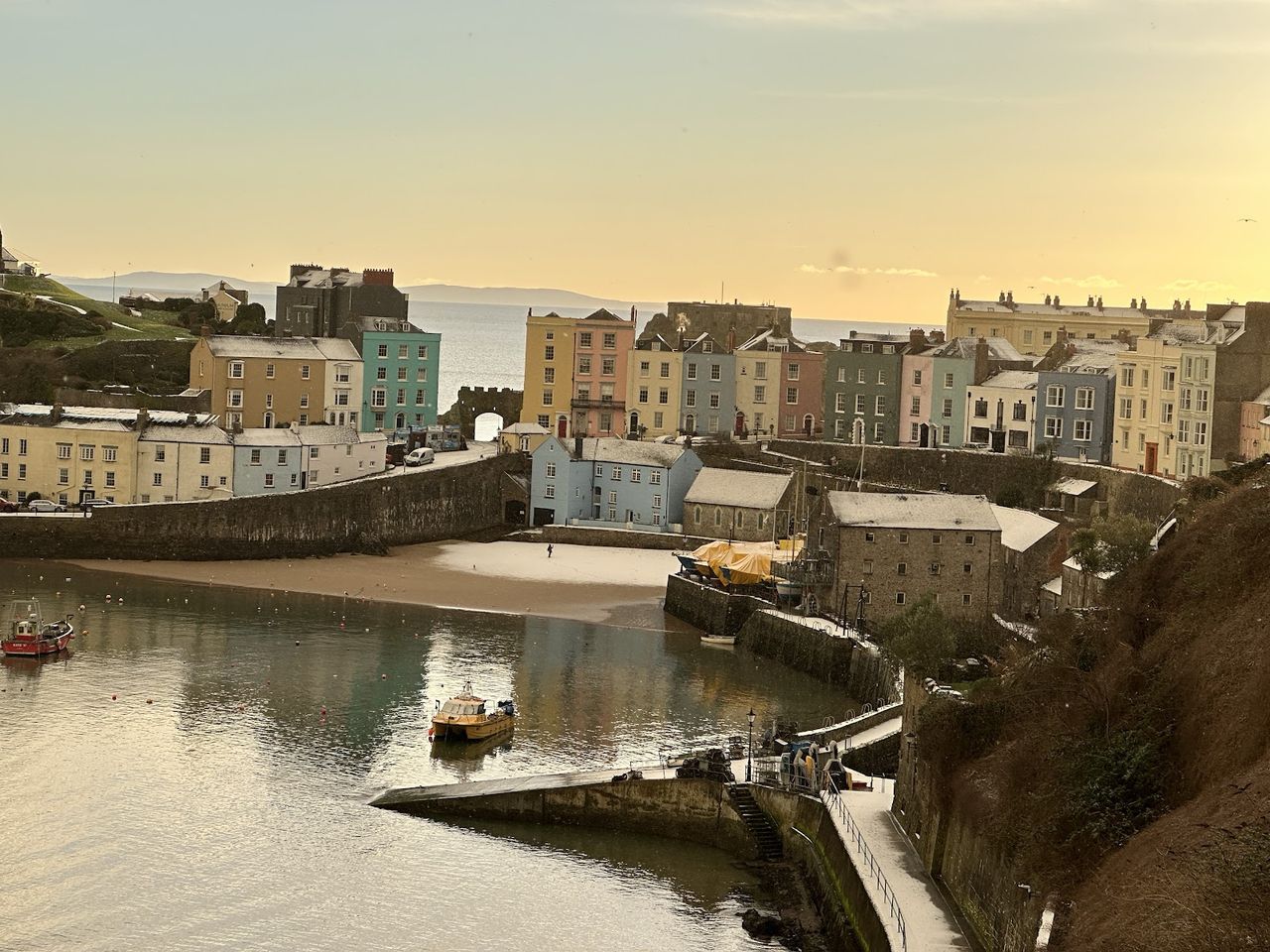 9.4
9.4
Sunny Bank Guest House
Central Tenby, two minutes from the beach
from £70/night
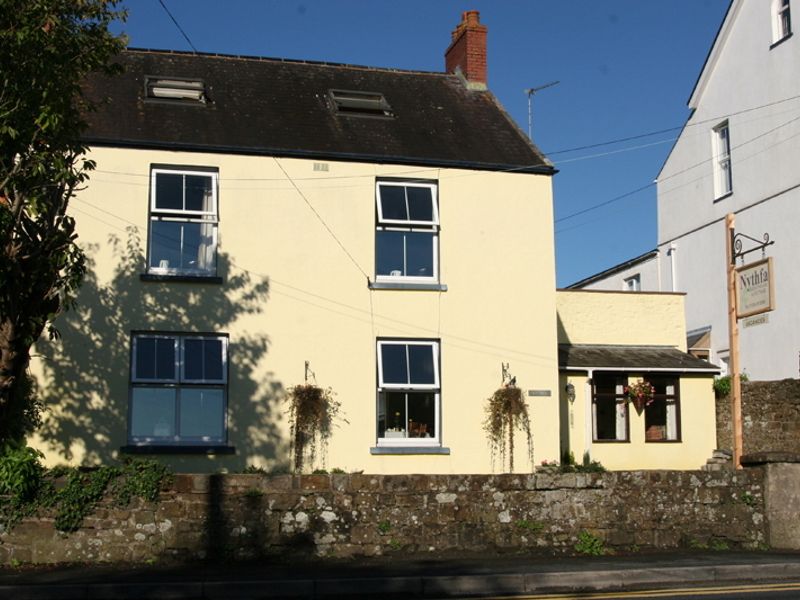 9.4
9.4
Nythfa Guesthouse
Two minutes' walk from Glen Beach, Saundersfoot
from £110/night
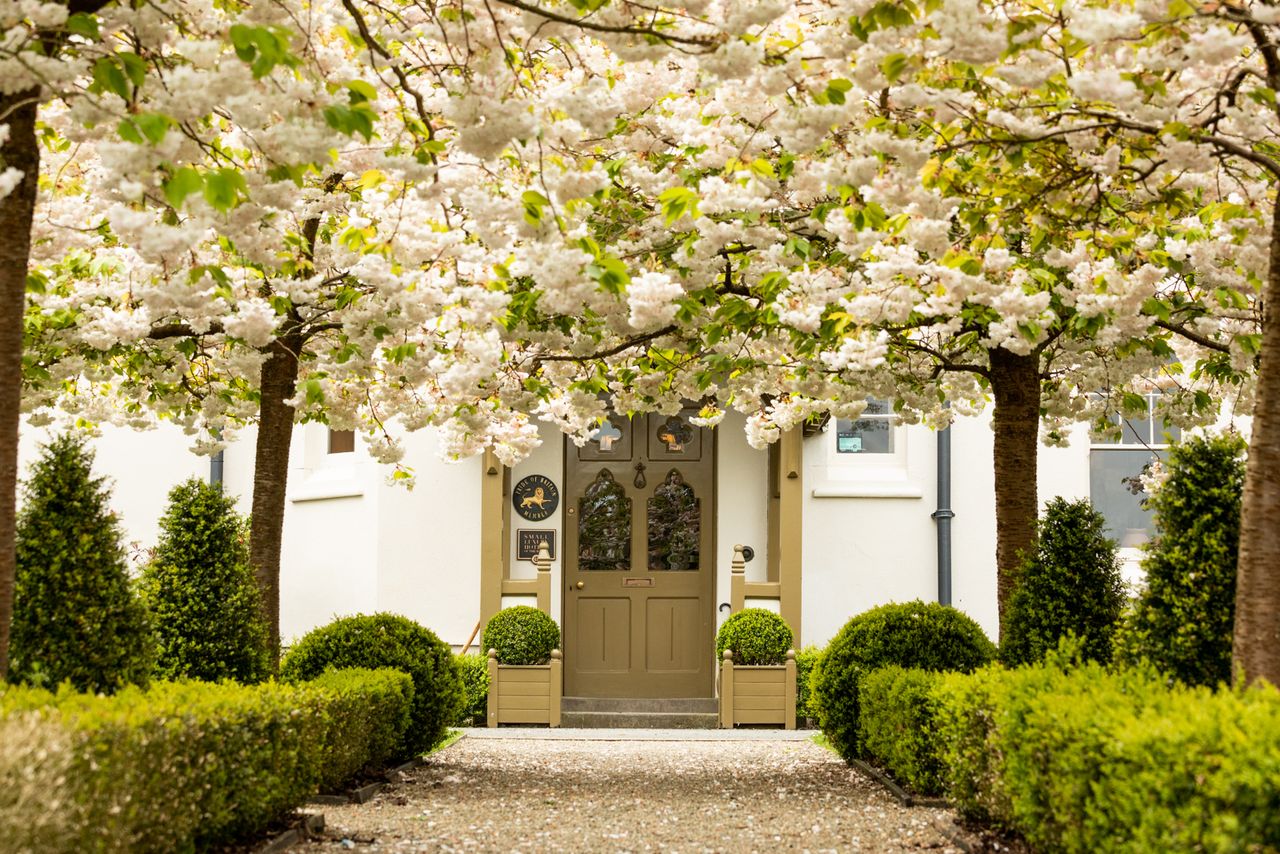 9.3
9.3
The Grove of Narberth
Molleston, near Narberth
from £295/night
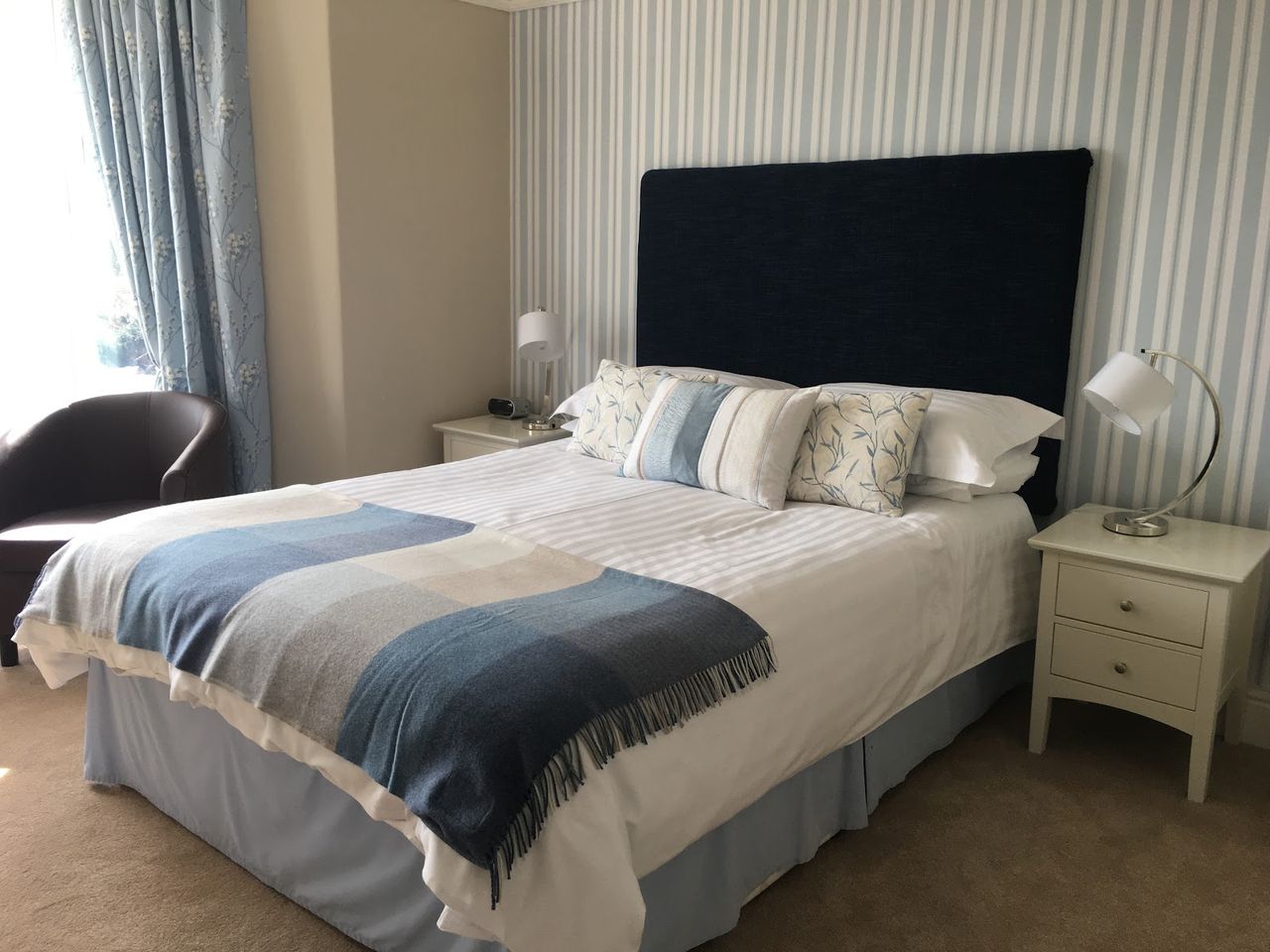 9.3
9.3
The Woodlands Guest House
St Brides Hill, near Glen Beach and the coast path
from £95/night
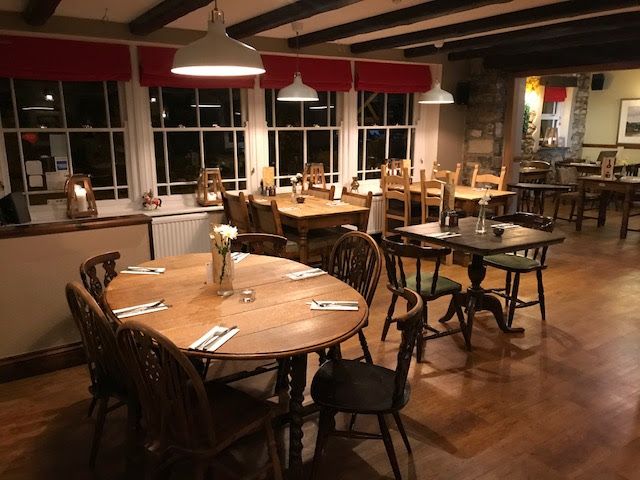 9.1
9.1
Castle Inn
Bridge Street, Newport town centre
from £100/night
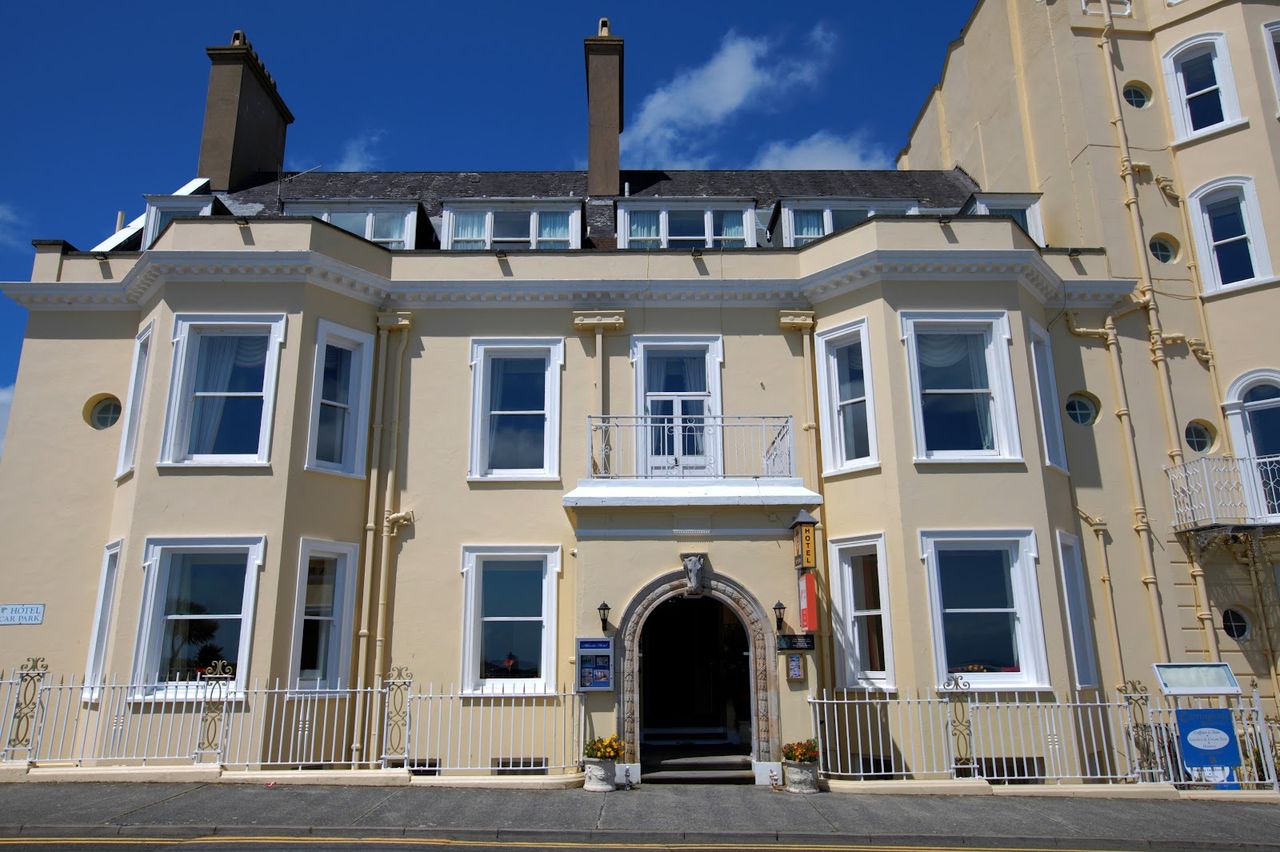 8.5
8.5
Atlantic Hotel
The Esplanade, overlooking Castle Beach and Caldey Island
from £150/night
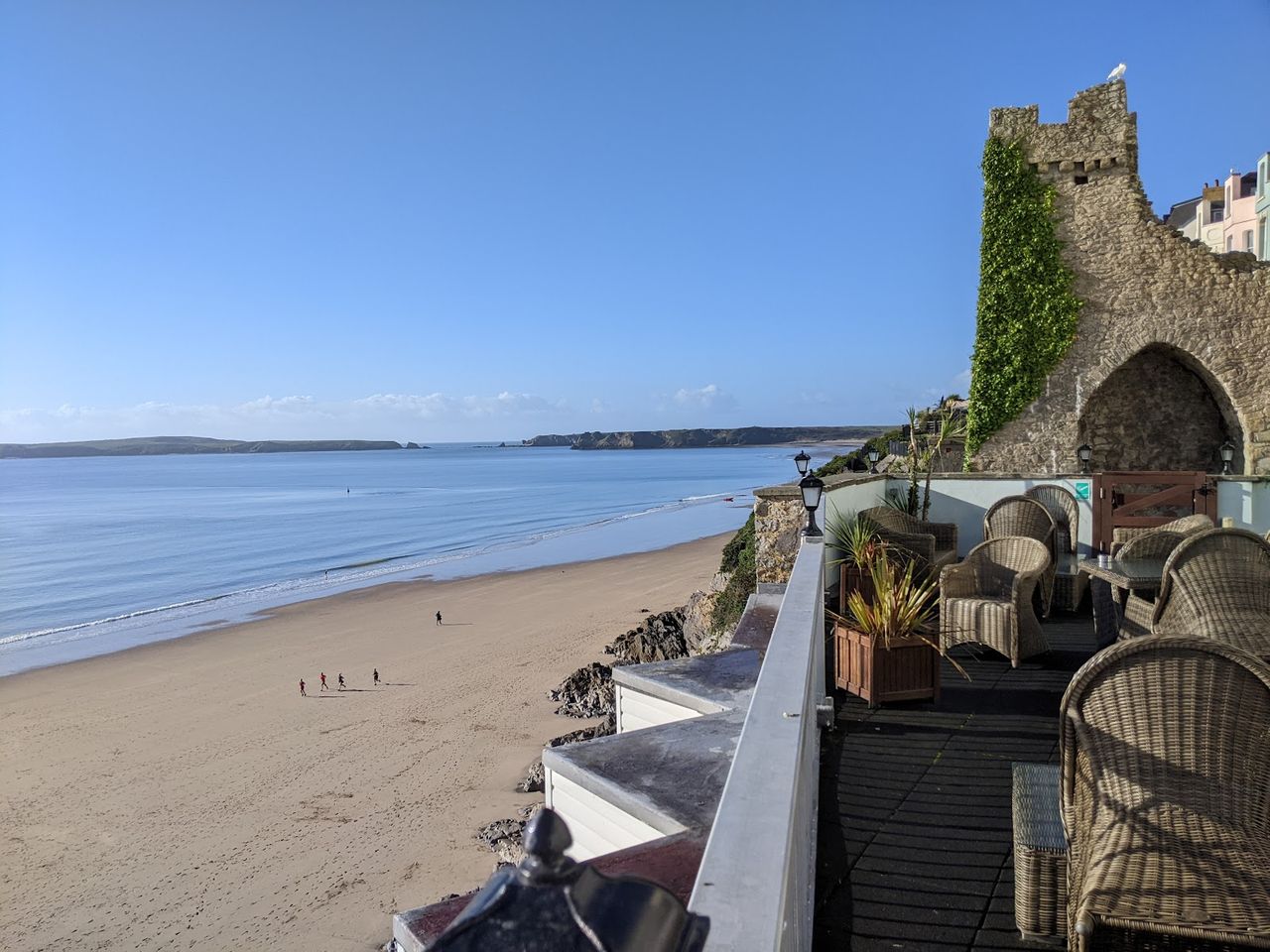 8.2
8.2
Imperial Hotel Tenby
The Esplanade, seafront above North Beach
from £140/night
Camping in Pembrokeshire(358)
All campsites in Pembrokeshire →About camping in Pembrokeshire
Pembrokeshire's coastline and green interior make it one of Wales's most popular places to camp, and the choice runs from simple farm pitches to well-equipped glamping. Around Dinas Cross and Goodwick you're close to the coast path and the cliffs of the north, while sites near Saundersfoot suit families wanting sandy beaches within easy reach.
Inland, places like Knock Farm, Ffynnonddewi and Trefechan Wen Camping offer quieter fields, often with views over farmland rather than sea, and tend to work well for those touring by car. For something more sheltered or characterful, Foxglove Camping and Glamping, Owl Barn Escapes and Tally Ho Farm show the range of shepherd's huts, bell tents and cabins now on offer alongside traditional pitches at spots such as Quarry Park Camping and The Paddock Camping.
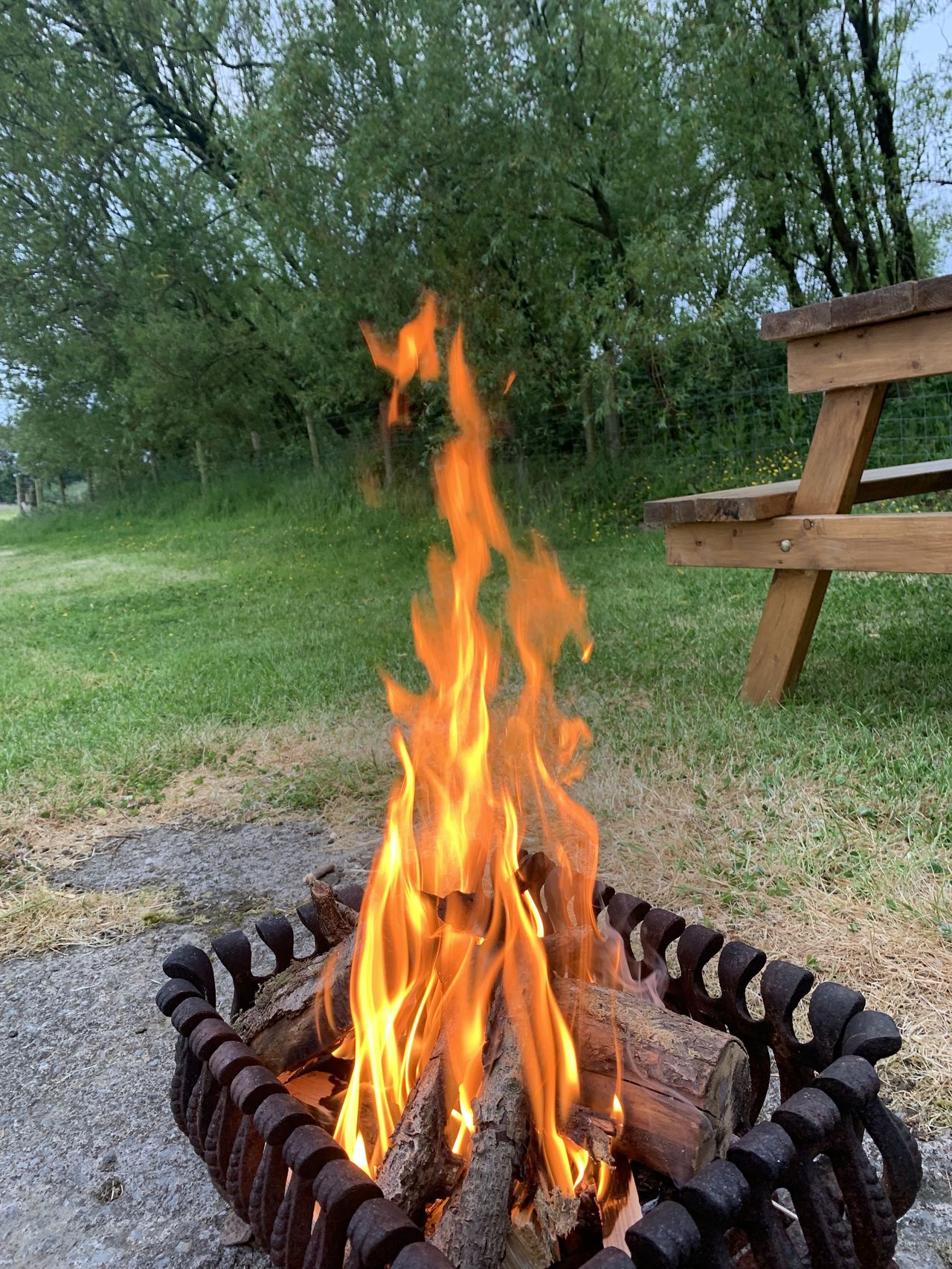
Green Sheep Camping
⭐ 5.0 · from £34/night
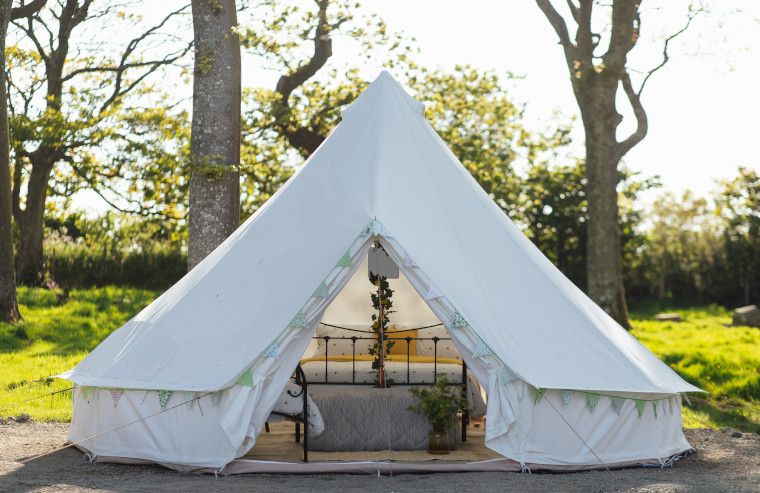
Little Welsh Wood
⭐ 5.0
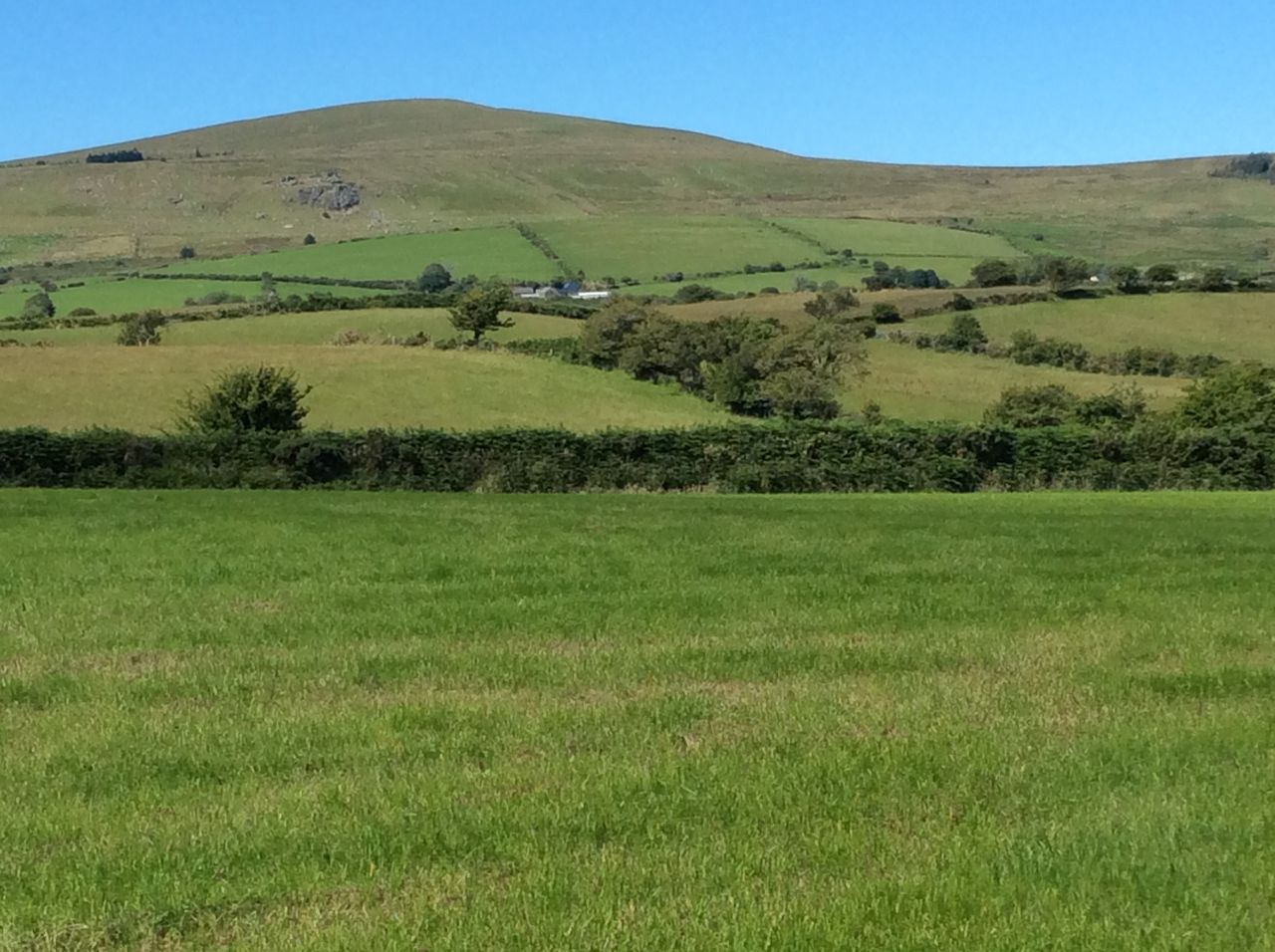
Tenby Shepherd's Huts
Tenby · ⭐ 5.0 · from £242/night
Park Wall Farm
Tenby · ⭐ 5.0 · from £15/night
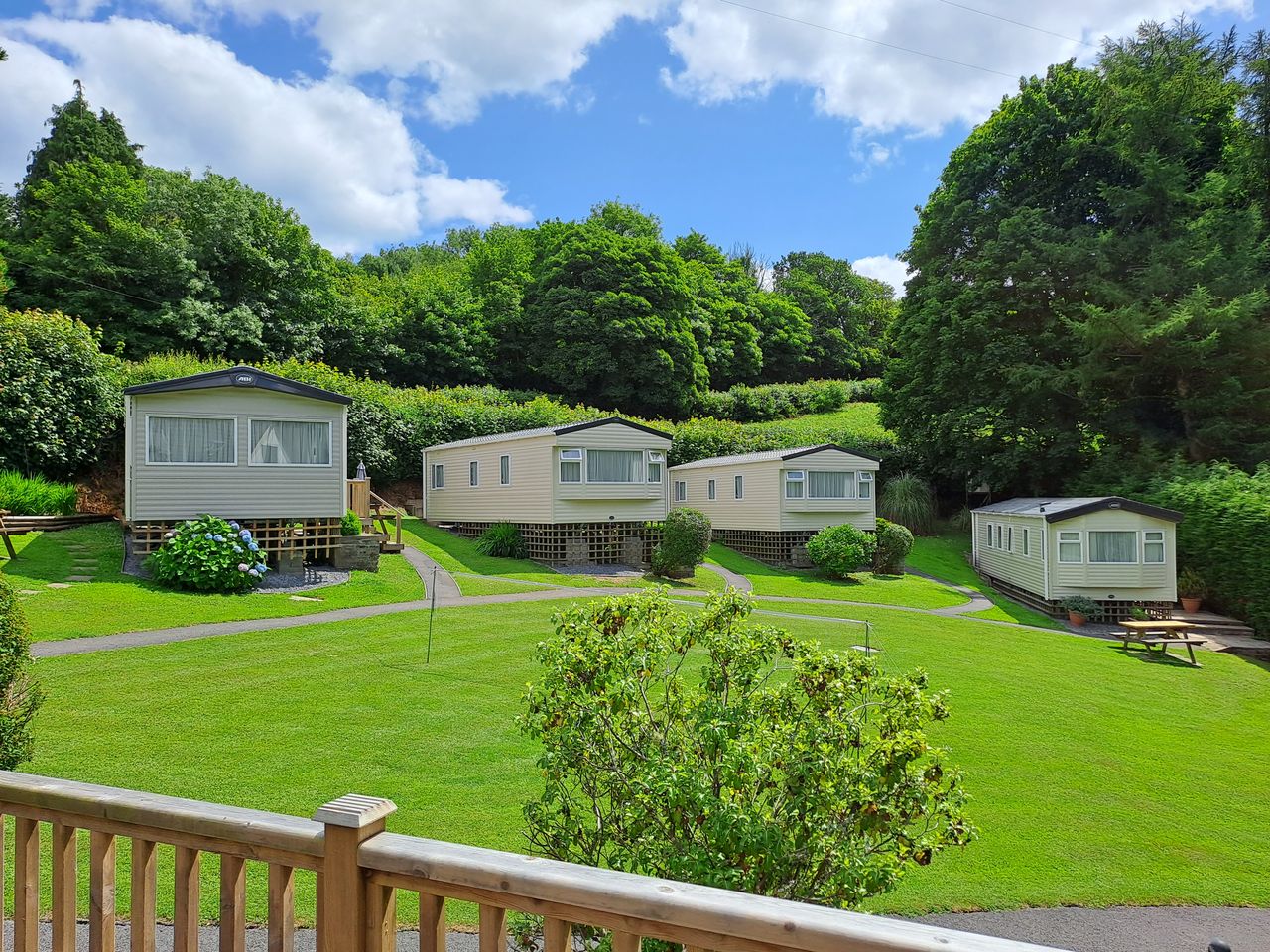
Trees Caravan Park
Saundersfoot · ⭐ 5.0 · from £158/night
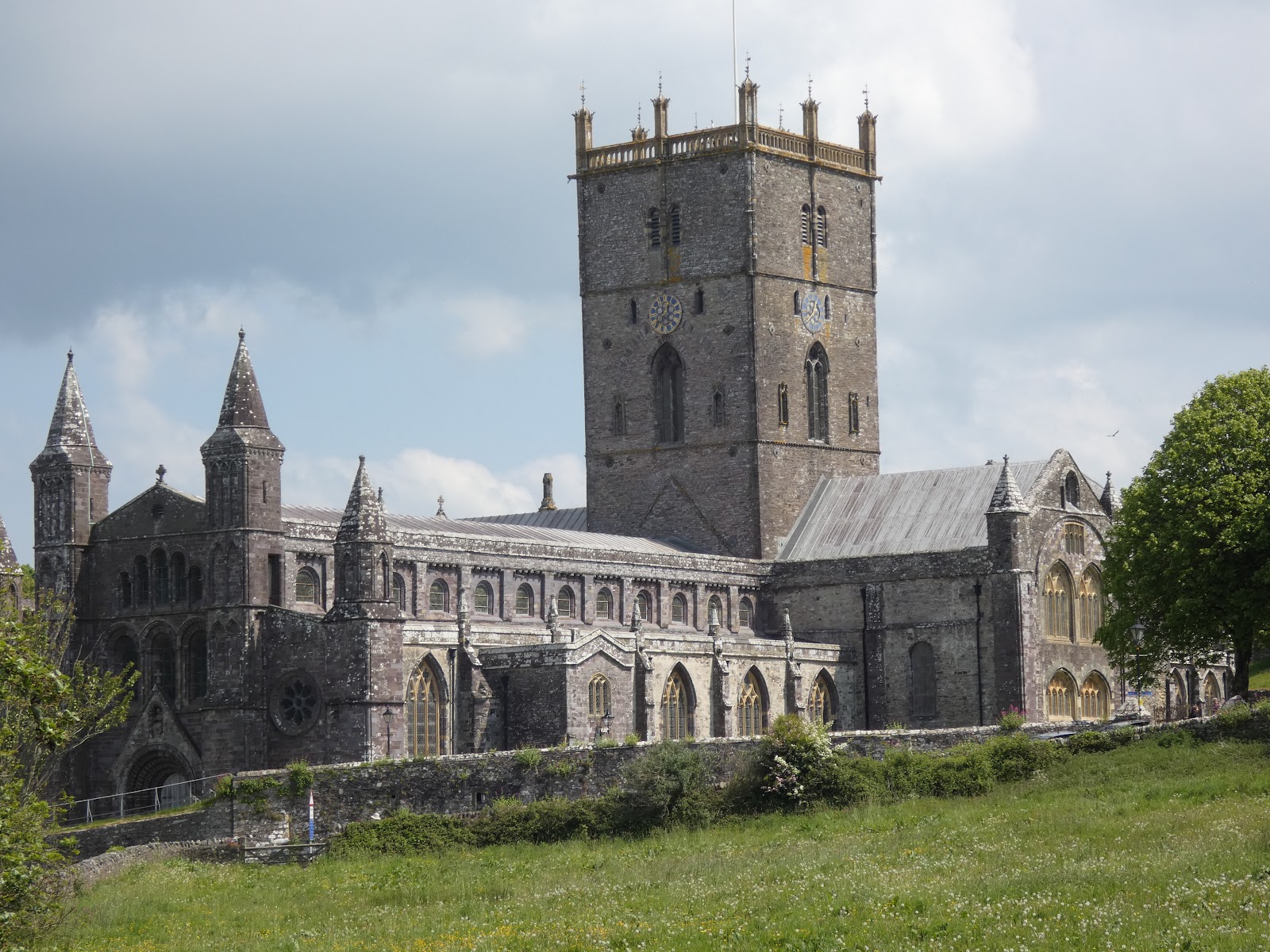
Dunes at Whitesands
St Davids · ⭐ 5.0
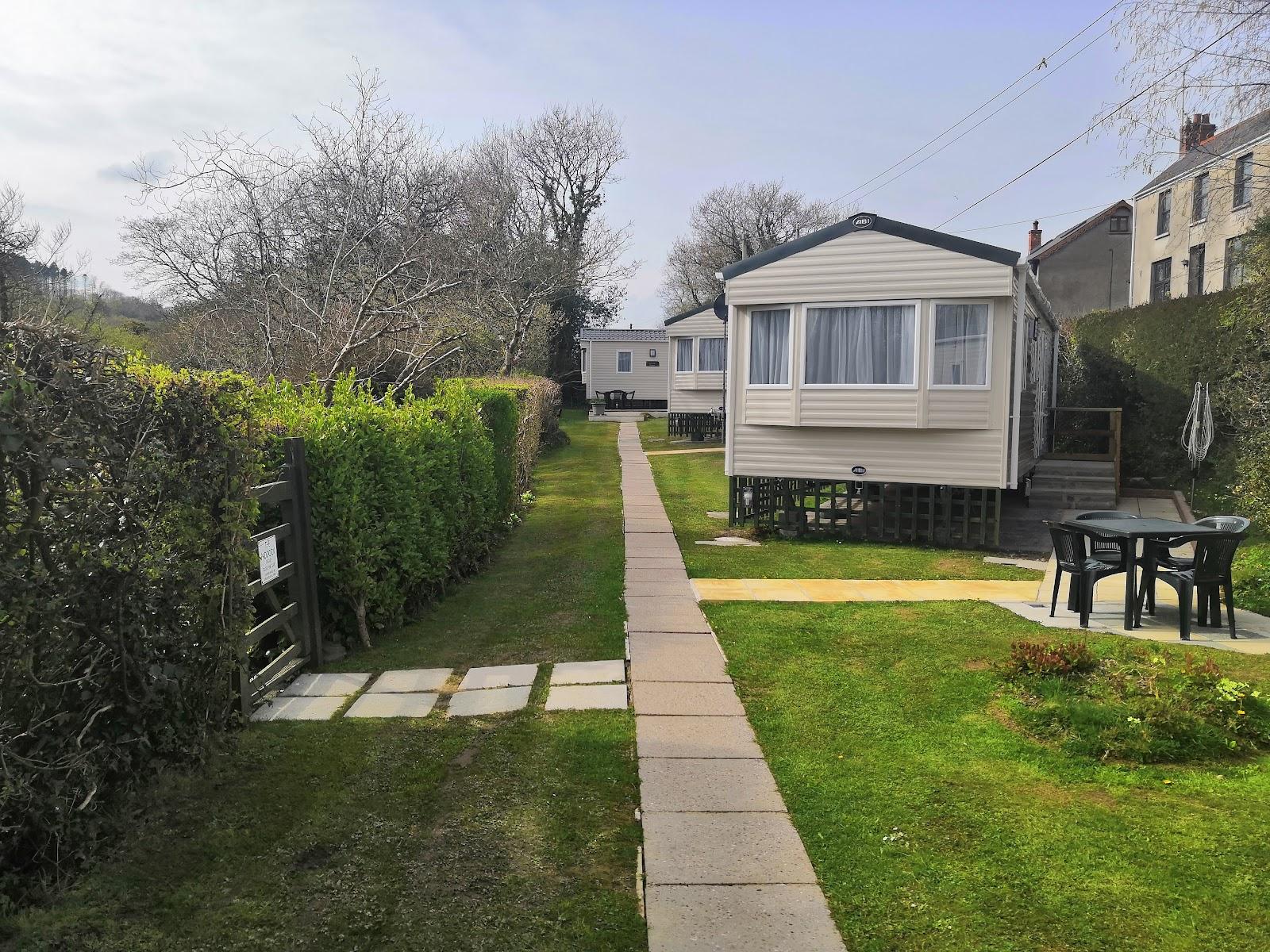
White Gate Caravan Park
Saundersfoot · ⭐ 4.9 · from £24/night
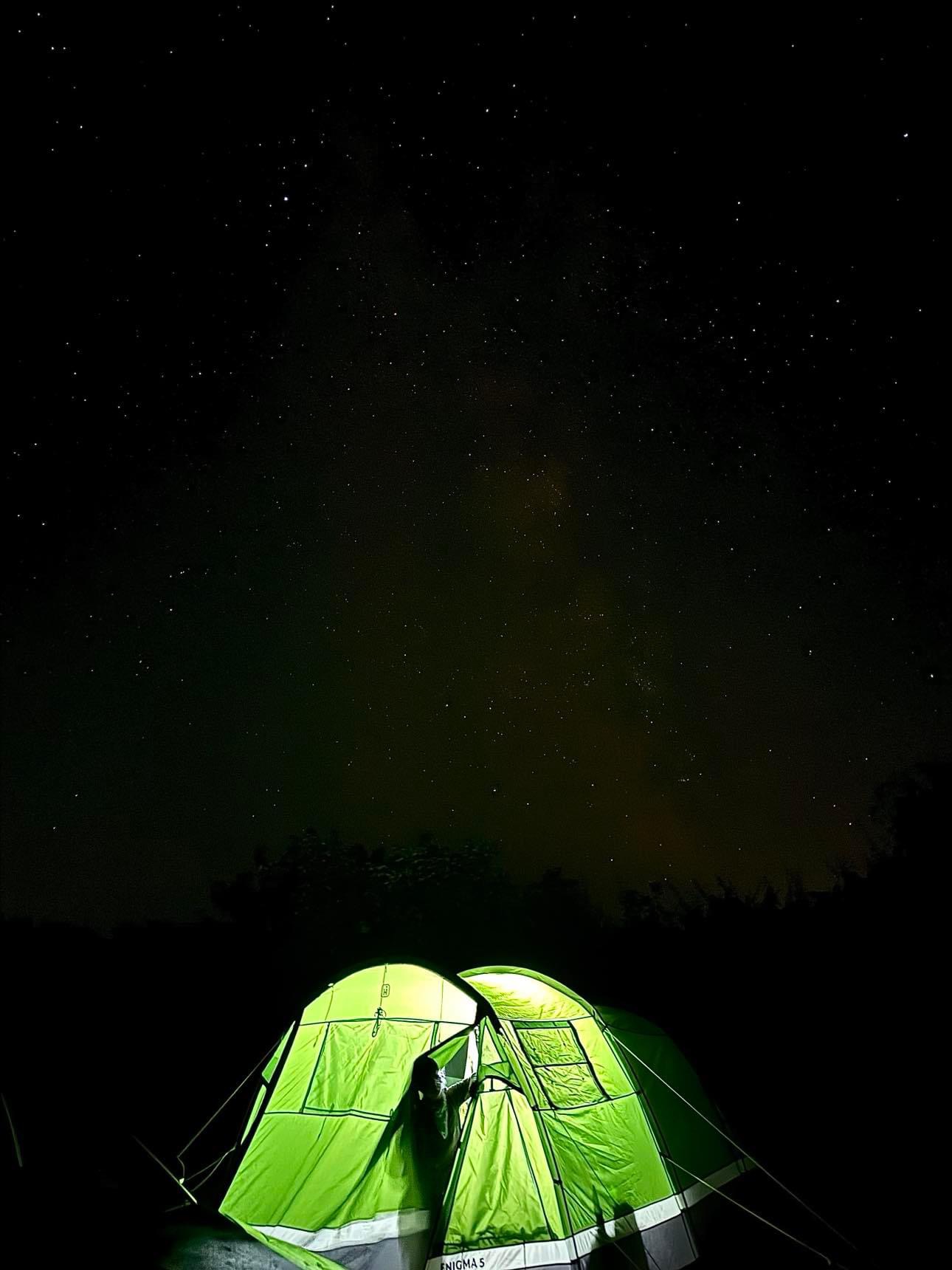
Hendre Eynon Caravan & Camping Park
St Davids · ⭐ 4.9
Self-Catering Cottages in Pembrokeshire(439)
All cottages in Pembrokeshire →About cottages in Pembrokeshire
Pembrokeshire's coastline and farmland have made it one of Wales's strongest areas for self-catering, and the range on offer reflects that. Converted farm buildings turn up again and again, from Croft Farm Cottages' Hayloft Cottage to Longlands Farm Cottages, where the Cart Shed and Corn Loft sit alongside working land rather than a village high street.
Choosing between them often comes down to how close you want to be to the coast path and beaches versus the quieter inland valleys around places like Llwyncelyn Farmhouse or Bryn Olwyn. Farmhouses and barn conversions tend to suit longer stays and families wanting space and a garden, while smaller cottages such as Ty Dewi or Springfield work well for couples or short breaks.
With so many properties spread across the county, it is worth thinking about which coast or town you want as a base first, then narrowing down by style and setting from there.

Croft Farm Cottages - Hayloft Cottage
Cardigan · 1 bed · sleeps 2 · from £327

Farm House Cottages - Ty Dewi
Haverfordwest · 5 bed · sleeps 9 · from £737

Harbour Heights - Beachy View
Fishguard · 3 bed · sleeps 6 · from £901

Llwynbedw
Cardigan · 1 bed · sleeps 2 · from £347

Longlands Farm Cottages - The Cart Shed
Haverfordwest · 2 bed · sleeps 5 · from £453

Penfeidr Cottages - Bluebell Cottage
Newport · 1 bed · sleeps 2 · from £333

Penfeidr Cottages - Snowdrop Cottage
Newport · 1 bed · sleeps 2 · from £333

Penpistyll Rural Retreats - East Barn
Fishguard · 2 bed · sleeps 4
Things to Do in Pembrokeshire(47)
All attractions in Pembrokeshire →About things to do in Pembrokeshire
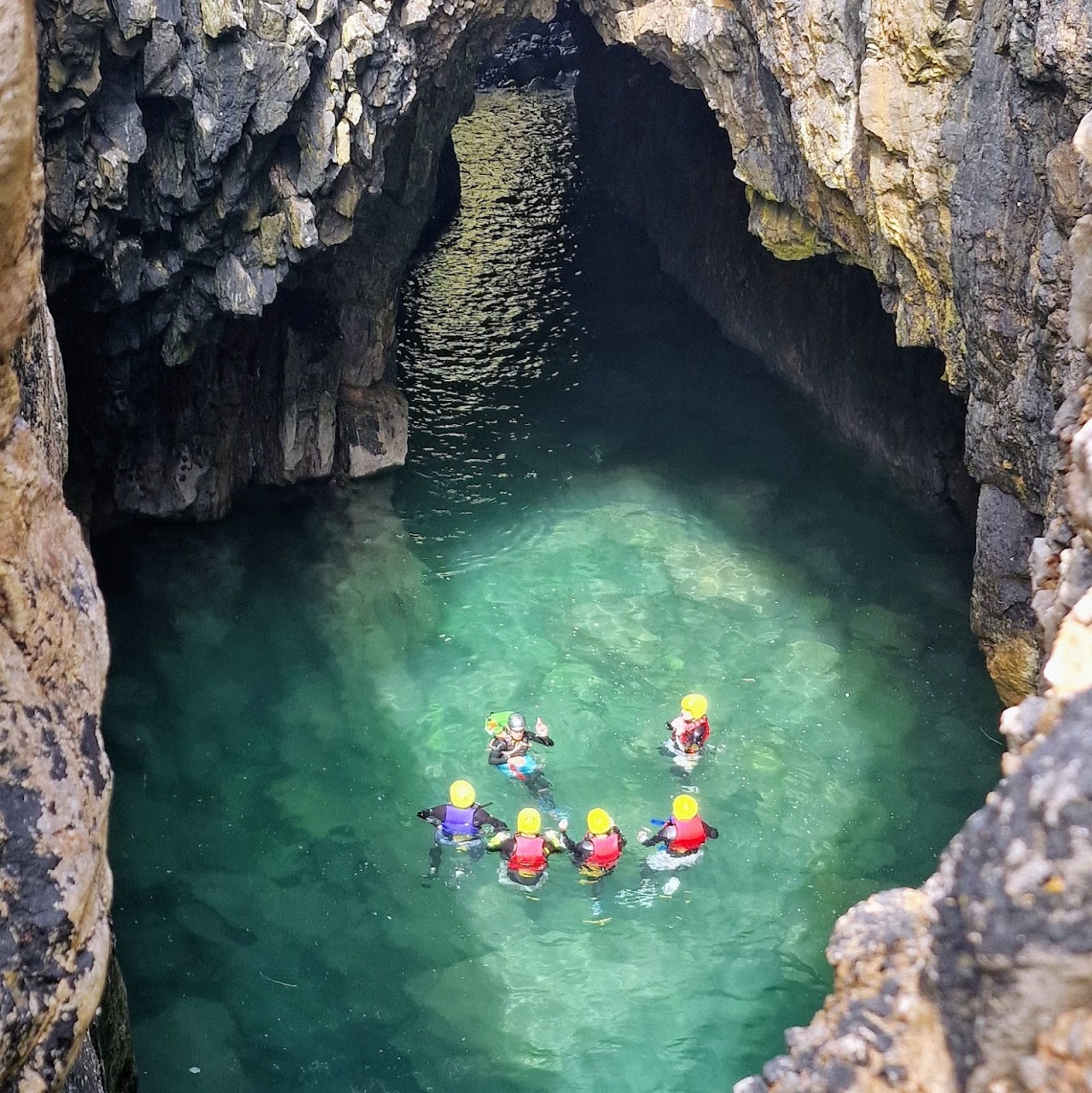
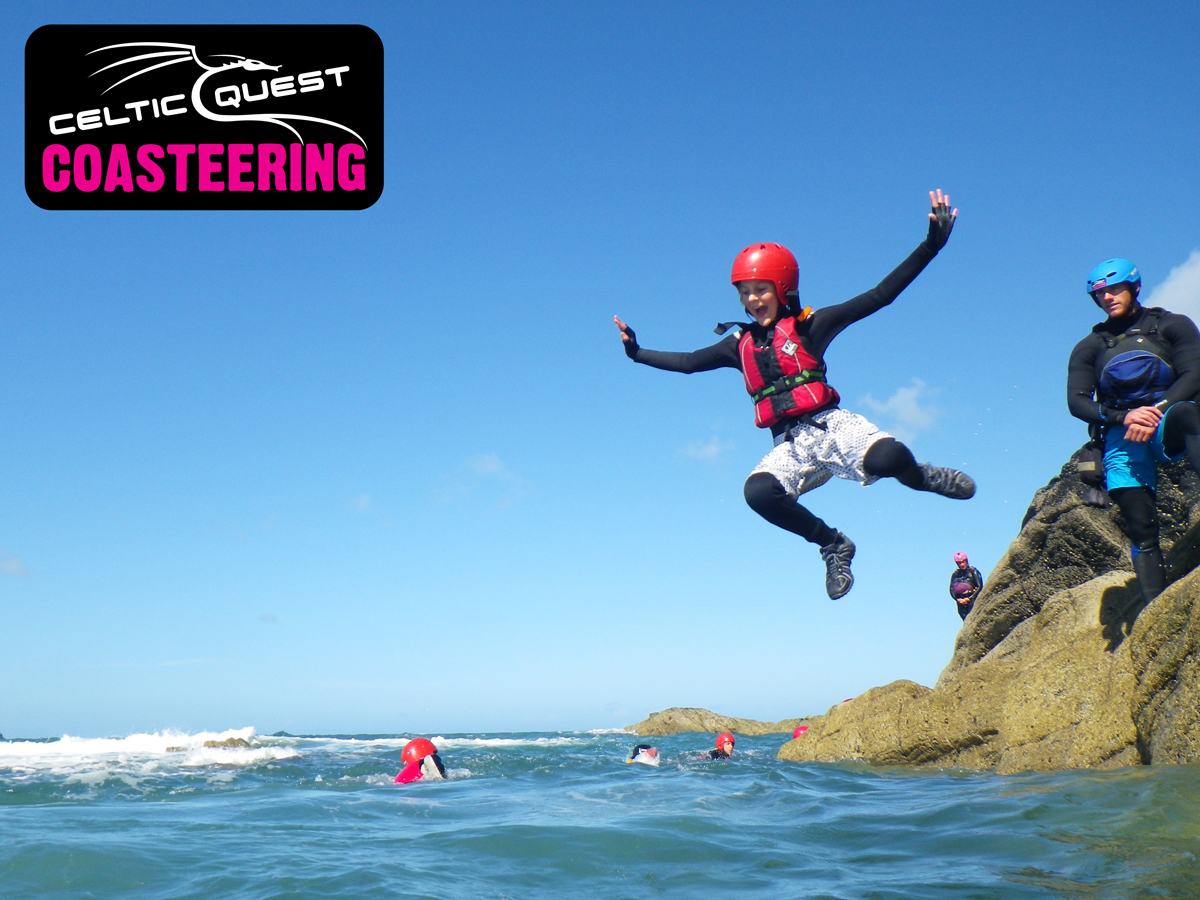
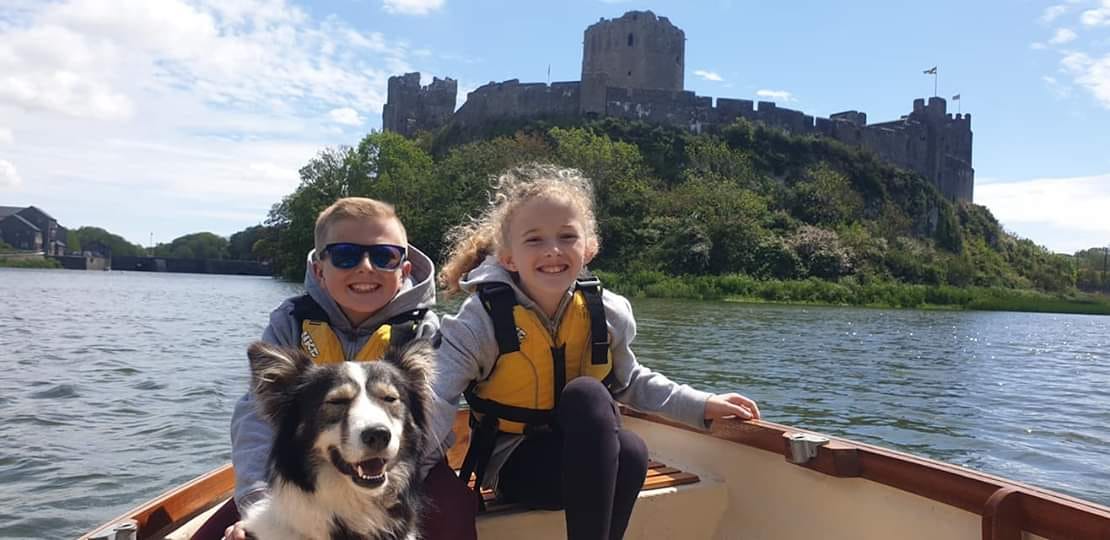
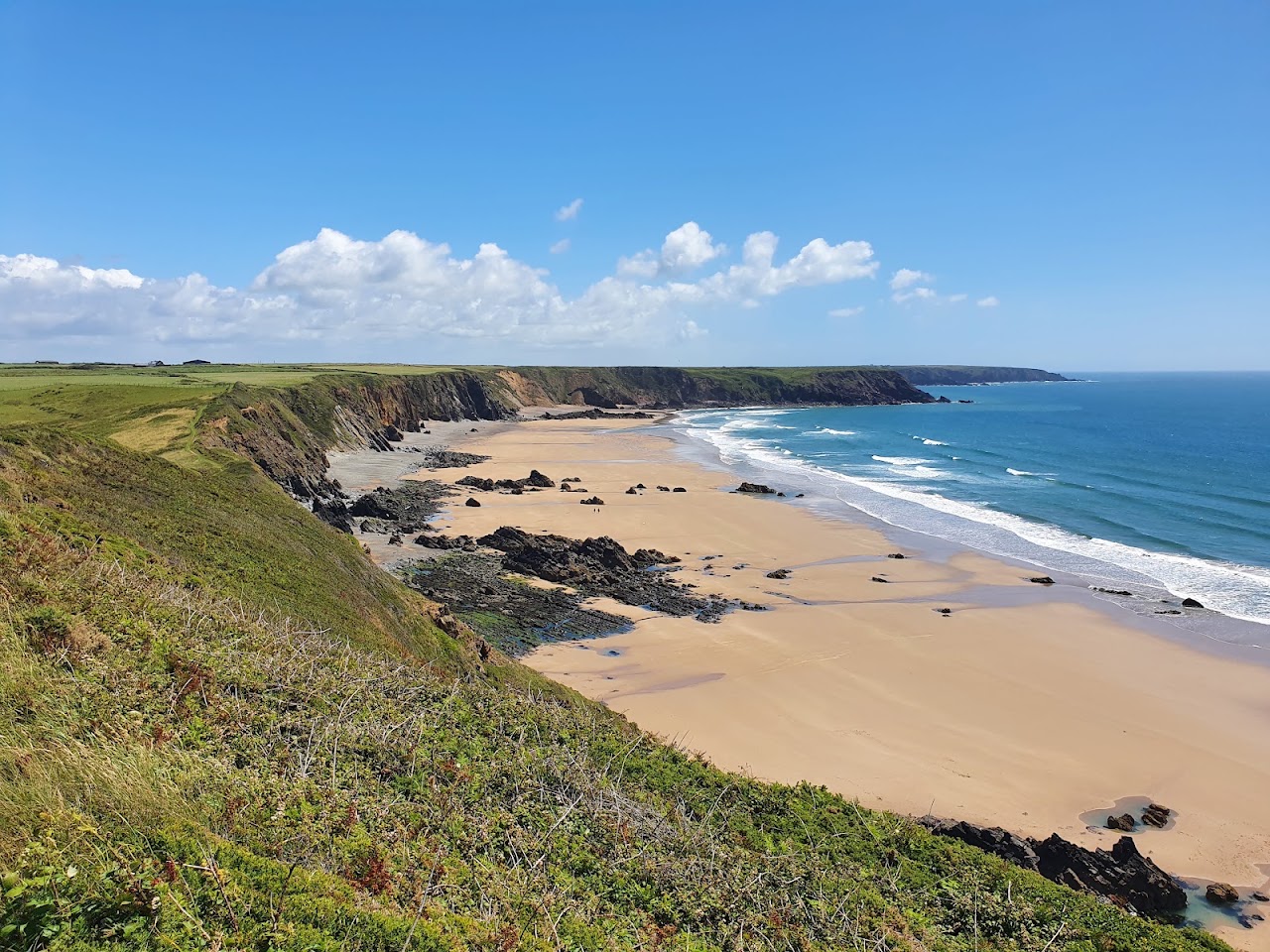
Pembrokeshire's coast shapes much of what there is to do here, and the days out on offer reflect that. Around St Davids and the western headlands, coasteering outfits like Celtic Quest make the most of the cliffs and caves, while Marloes Sands draws walkers and beachcombers to some of the county's finest stretches of sand. Tenby and Saundersfoot lean towards family activities, with adventure centres, boat trips and lifeboat station visits alongside the usual seaside amusements.
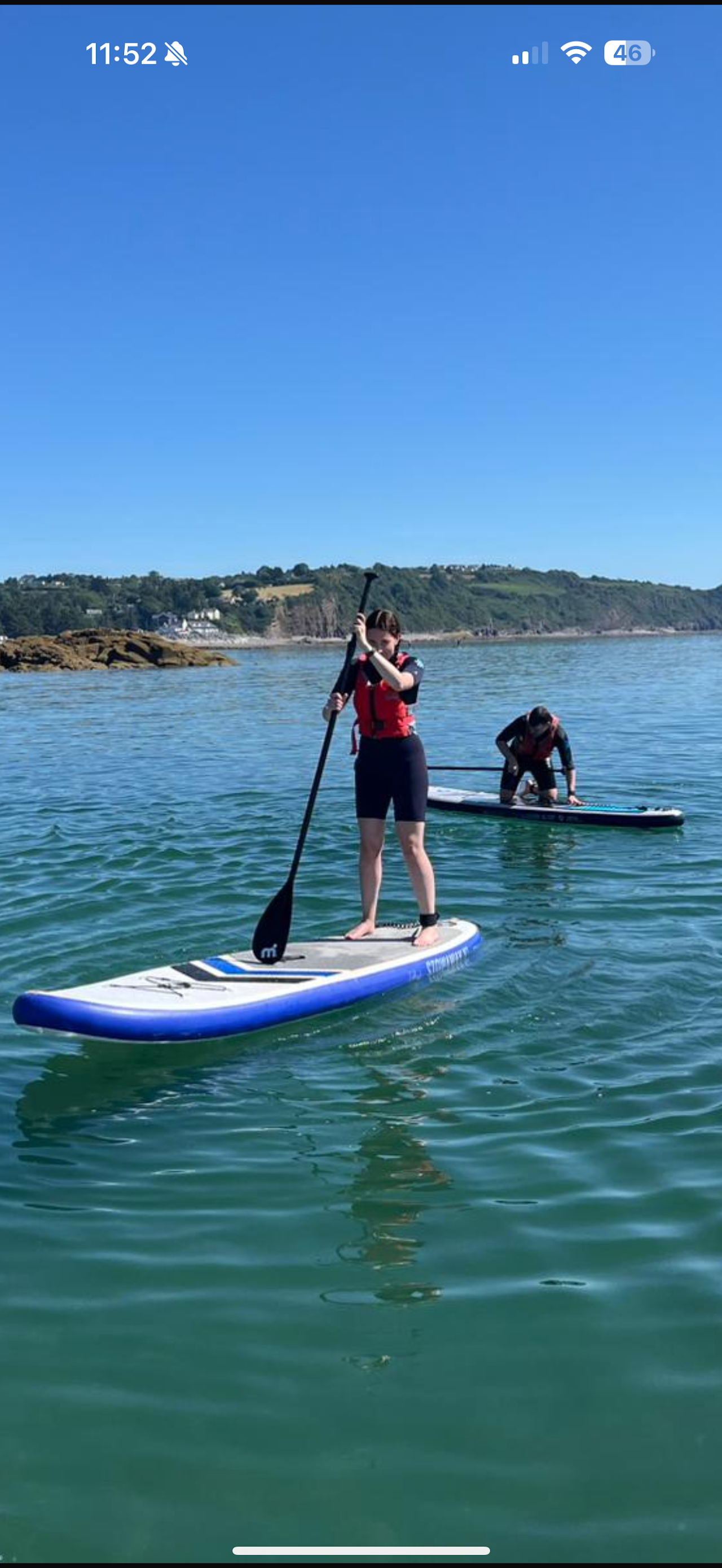
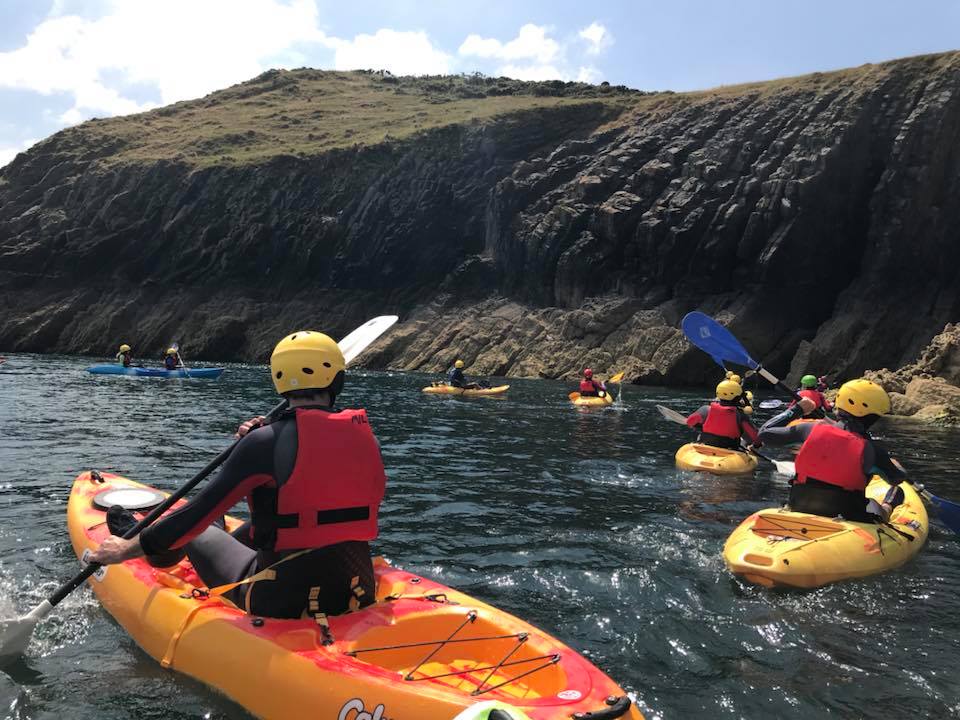
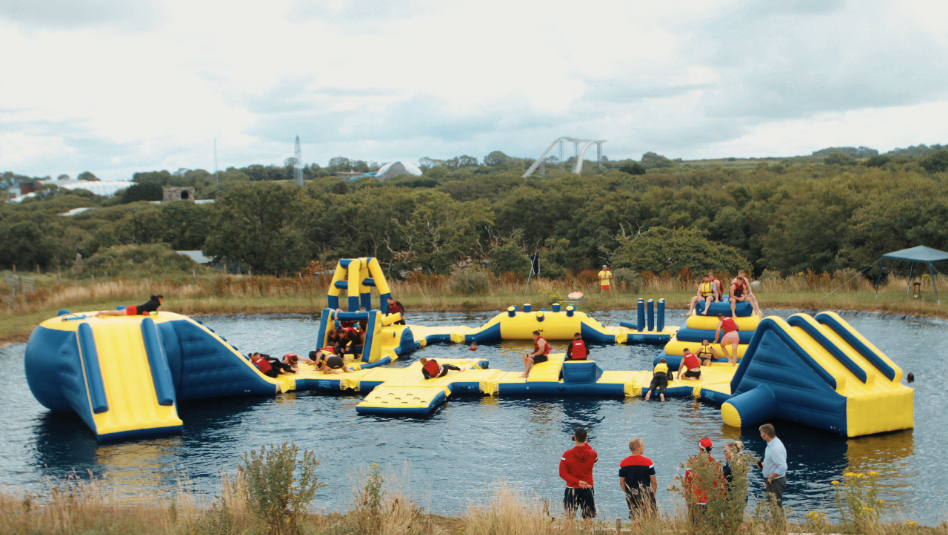
Inland, the choices change character. Narberth and Kilgetty area attractions such as Green Lane Maize Maze and Dr Beynon's Bug Farm suit younger children, and Wild Lakes Wales gives older ones something more physical to do. Around Haverfordwest, Milford Haven and Pembroke, activity providers and paddling outfits make use of the estuary and river, a quieter alternative to the open coast further west.


Where to Eat in Pembrokeshire(374)
All restaurants in Pembrokeshire →About eating out in Pembrokeshire
Pembrokeshire's dining scene follows its coastline, with harbourside pubs and cafes doing a brisk trade wherever boats come in. The Ship Inn and The Old Sailors have the kind of settled, salty character you want after a day on the coast path, while Top Joe's and The Cove suit a simpler stop for something to eat before heading back out to the beach.
Away from the water, places like Propellers Cafe & Takeaway, Icebreakers Community Cafe and The Barn Kitchen serve the everyday trade in and around towns such as Pembroke Dock, useful for breakfast or a lunch that doesn't need booking. Black Pool Mill and Nicci's Yard show the rural side of the county, tucked into farm buildings and old mill settings where the food is often as local as the setting.
With so many options scattered across the county, it pays to think about what kind of day you're having: a coastal walk calls for a pub with a view, while a wet-weather day is better spent somewhere like Cross Park Holiday Village, where food and shelter come together.
Attractions Near Pembrokeshire
All attractions in Pembrokeshire →Worth the trip — within 50 miles of Pembrokeshire.
 0 mi
0 mi
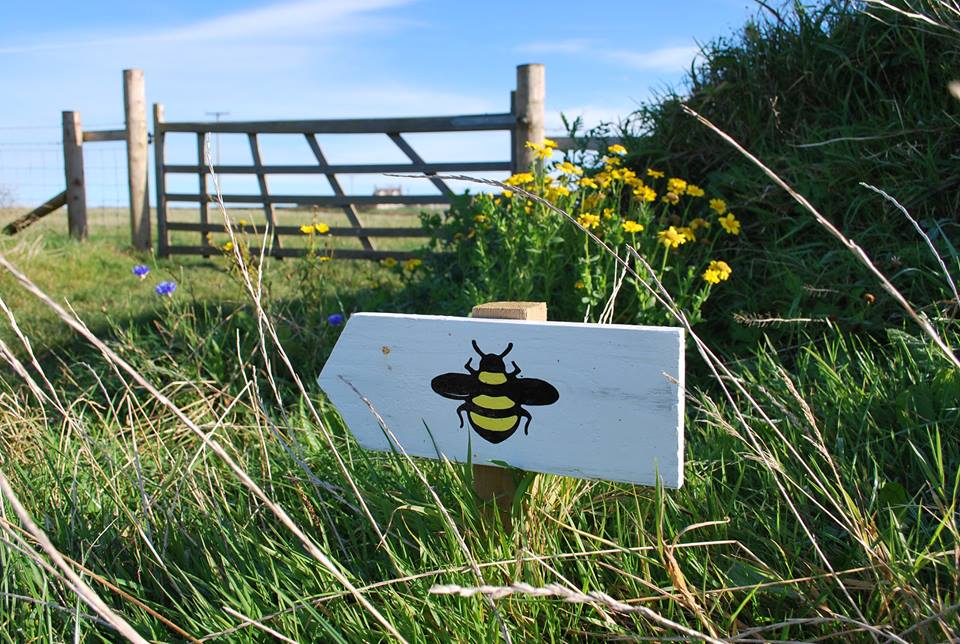
Dr Beynon's Bug Farm
St Davids · ⭐ 4.9
 0 mi
0 mi
Marloes Sands
Milford Haven · ⭐ 4.9
 0 mi
0 mi
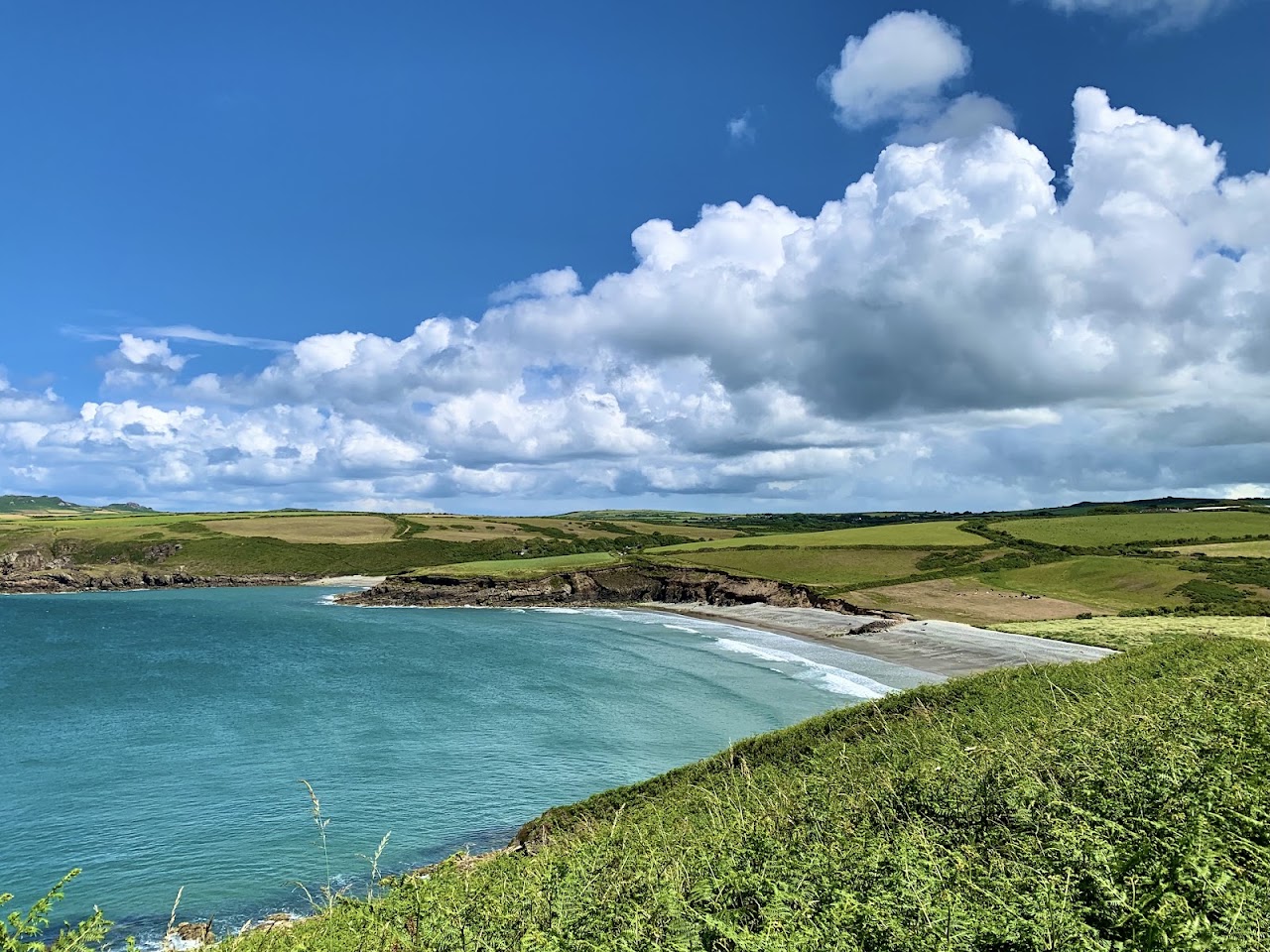
Abermawr Beach
Haverfordwest · ⭐ 4.8
 0 mi
0 mi
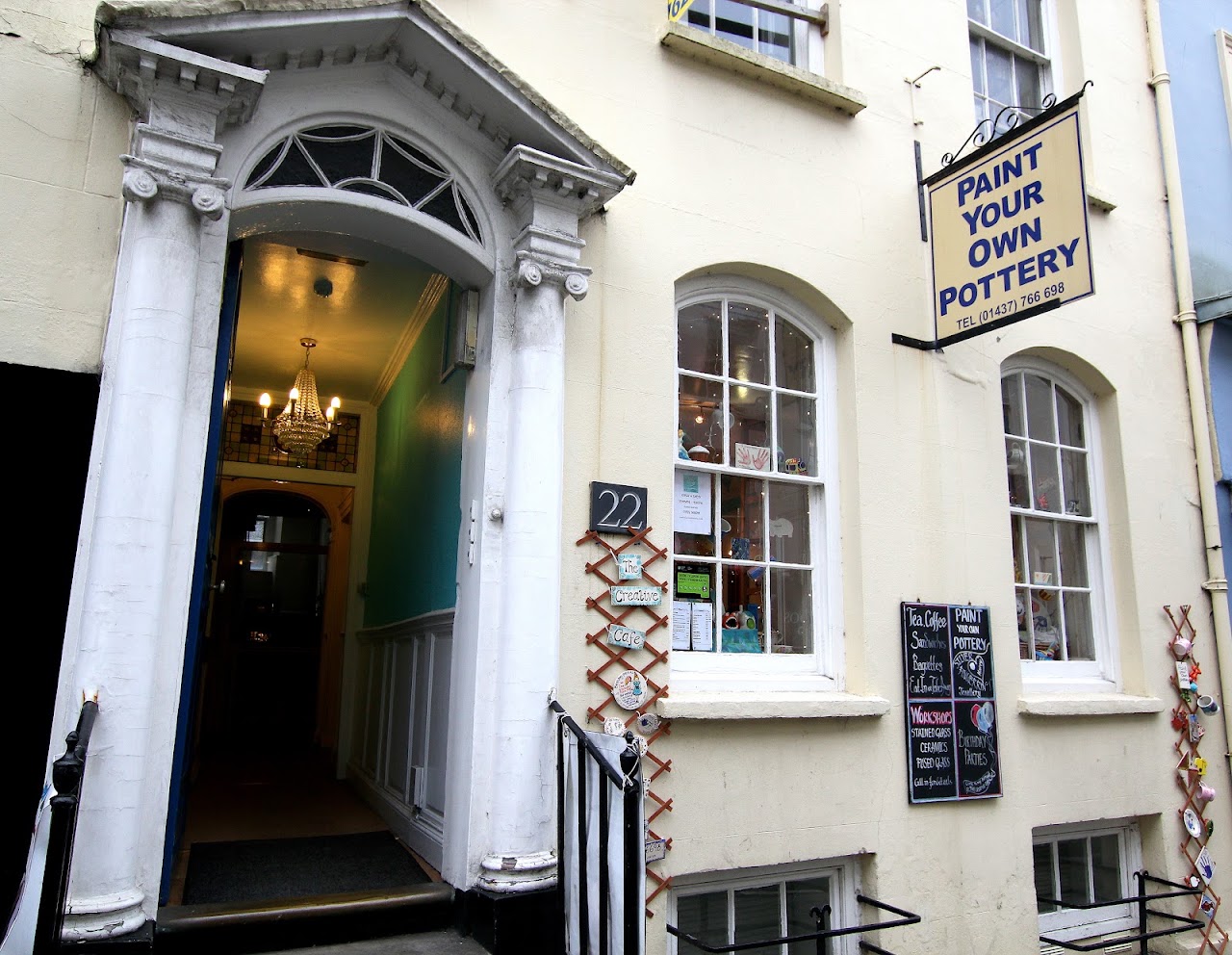
The Creative Cafe
Narberth · ⭐ 4.8
 0 mi
0 mi
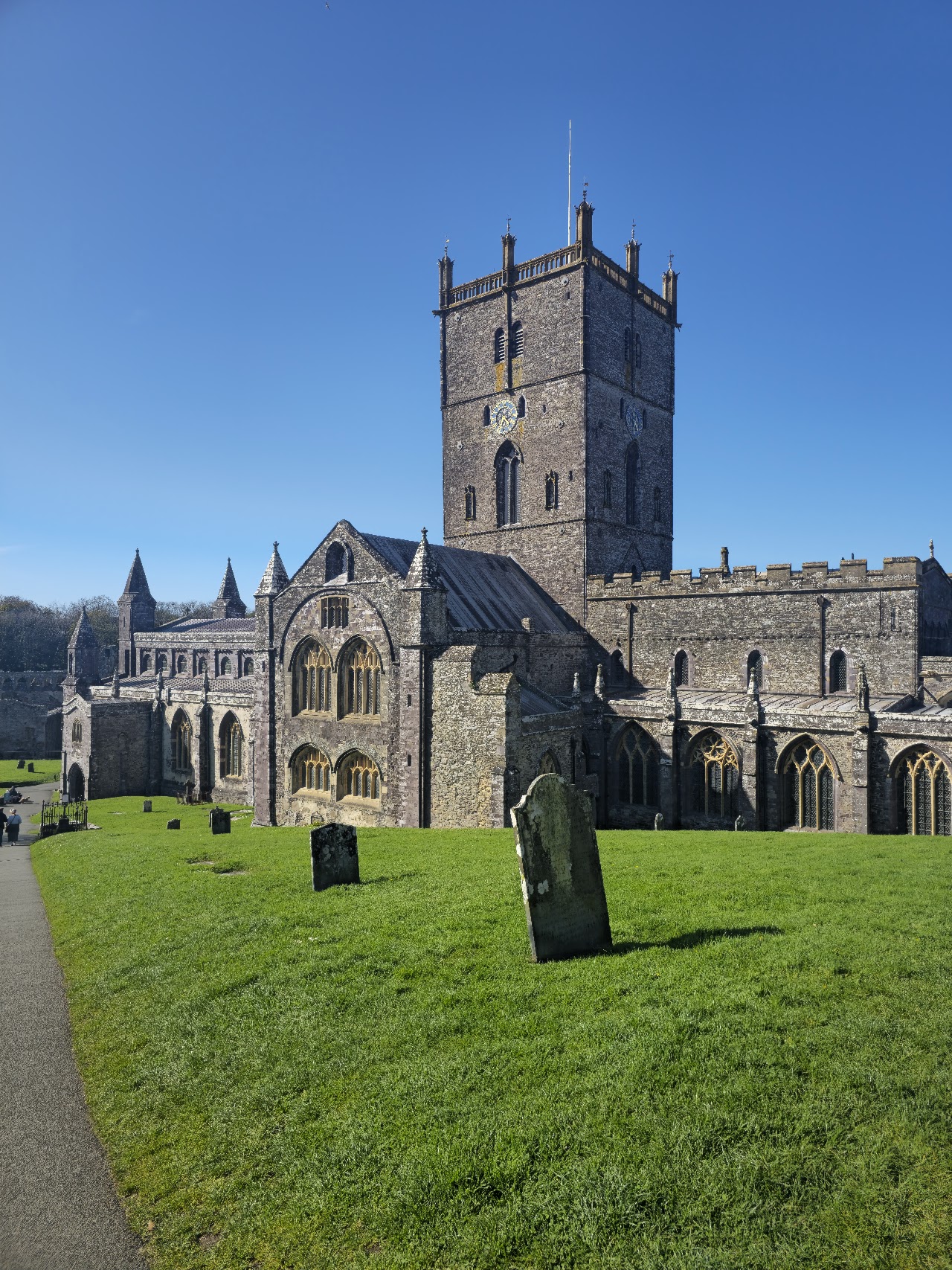
The St Davids Treasure Trail
St Davids · ⭐ 4.8
 0 mi
0 mi
Folly Farm Adventure Park and Zoo
Kilgetty · ⭐ 4.8
 0 mi
0 mi
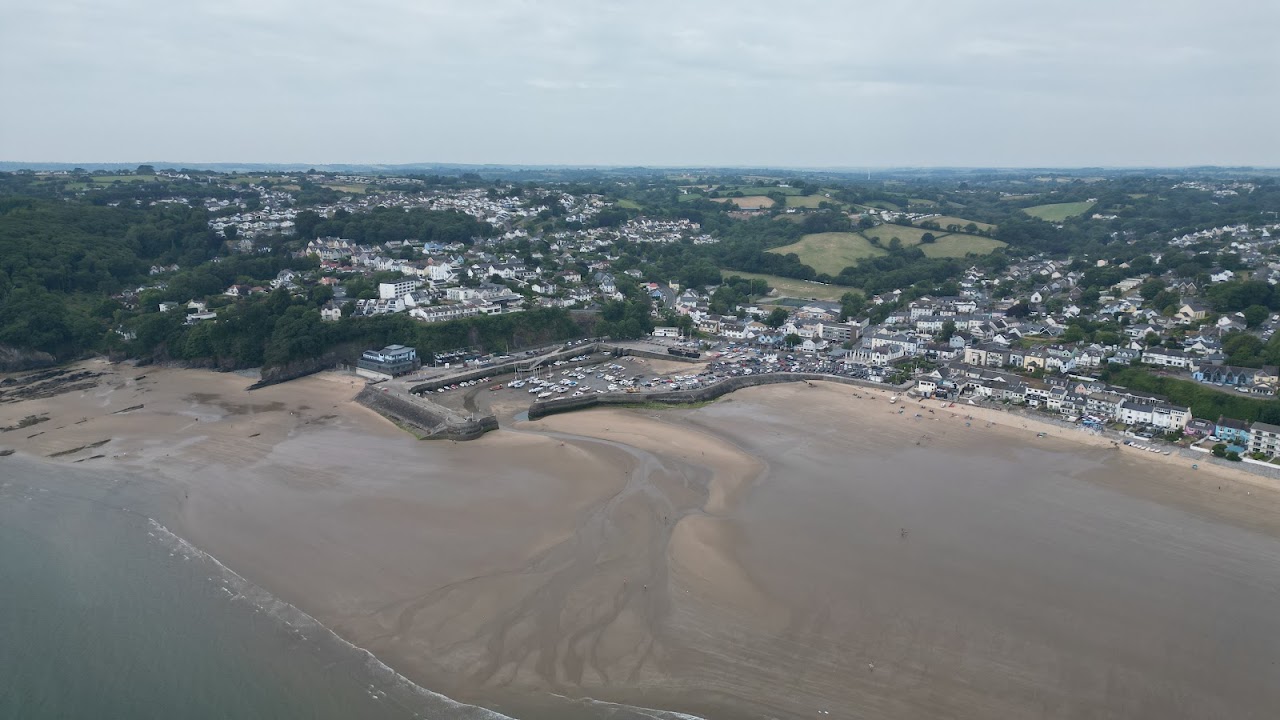
Saundersfoot Beach
Saundersfoot · ⭐ 4.7
 0 mi
0 mi
Colby Woodland Garden
Amroth · ⭐ 4.7
Common questions about Pembrokeshire
How many campsites are there in Pembrokeshire?
We list 274 campsites in and around Pembrokeshire, of which 247 take tents and 88 offer glamping.
Are there dog-friendly campsites in Pembrokeshire?
Yes — 85 of the 274 campsites we list in Pembrokeshire accept dogs, including Digs in the Wig Certificated Site and Mountain Park Farm.
Which campsites in Pembrokeshire have electric hook-up?
88 of the 274 campsites we list in Pembrokeshire offer an electric hook-up.
How many holiday cottages are there in Pembrokeshire?
We list 439 self-catering cottages in and around Pembrokeshire.
Can I take a dog to a holiday cottage in Pembrokeshire?
Yes — 302 of the 439 Pembrokeshire cottages we list allow pets.
Are there large holiday cottages in Pembrokeshire for groups?
Yes — the largest cottage we list in Pembrokeshire sleeps 24.
Where can I stay in Pembrokeshire?
We list 8 hotels, B&Bs and guest houses in and around Pembrokeshire. Prices start from around £70 a night.
Where can I eat in Pembrokeshire?
We list 368 restaurants, pubs and cafes in and around Pembrokeshire.