Betws-y-Coed
Snowdonia's village of rivers, bridges and forest trails
Photo © Google Maps contributors, Google Maps
Betws-y-Coed sits where the rivers Conwy, Llugwy and Lledr converge in a steep, wooded valley on the eastern edge of Snowdonia (Eryri) National Park, and for well over a century it has been the natural stopping point for anyone heading into the mountains. The village grew up around its station on the Conwy Valley line, and the Victorian artists and anglers who arrived by train left behind a run of stone hotels, a handsome church and a reputation as a beauty spot that has never really faded. Today it remains compact enough to explore on foot in an afternoon, yet it is surrounded on every side by forest, waterfalls and high ground that can occupy a week.
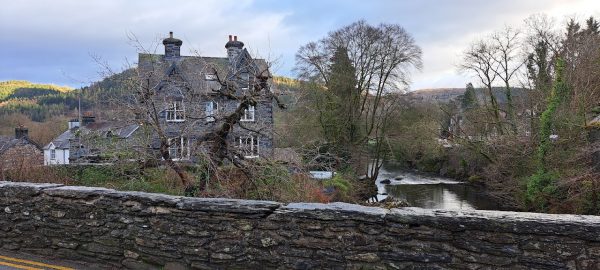
The character of the place is set by water and trees as much as by buildings. The Gwydir Forest wraps around the village in dense stands of oak, larch and pine, threaded with old mining paths and dotted with small lakes left over from the lead-mining era. The Afon Llugwy tumbles through the centre under the famous Pont-y-Pair rocks, while the elegant cast-iron Waterloo Bridge, built in 1815 to carry the London to Holyhead road, still carries traffic over the Conwy at the village's southern edge. Shops selling outdoor gear, local crafts and Welsh produce line the main street, and there is a steady flow of walkers, cyclists and day-trippers throughout the year, busiest in the school holidays and quieter, but still very much open, out of season.
Despite the crowds that can gather on a fine summer weekend, Betws-y-Coed has never become a theme park. It is a working village with a permanent population, a primary school and a church that has stood since the fourteenth century, and that everyday feel sits comfortably alongside its role as one of the busiest tourist villages in Wales. For visitors it offers a rare combination: genuine mountain scenery within a short walk of a kettle and a pub, and enough variety in the surrounding hills, forests and rivers to suit a lazy long weekend or a serious week of hillwalking.
Getting to Betws-y-Coed
Betws-y-Coed has its own station on the Conwy Valley line, which runs between Llandudno and Blaenau Ffestiniog. There is no direct service from London; the usual route is a train from London Euston to Chester or Crewe on Avanti West Coast, changing there for services to Llandudno Junction, then a further change onto the Conwy Valley line for the short run up the valley to Betws-y-Coed. Journey times from London, including connections, generally run from around three and a half to four and a half hours depending on how the connections line up, and it is worth checking the Conwy Valley line's more limited timetable in advance since services can be less frequent than on the main lines. Travellers coming from Manchester or Liverpool have a more direct run via Llandudno Junction, typically under two and a half hours.
By road, the village sits directly on the A5, the historic London to Holyhead route, making it an easy stop for anyone driving across North Wales, and the A470 north-south road also passes through, linking it to Llandudno on the coast and Dolgellau to the south. From the M56/A55 expressway along the North Wales coast, it is roughly a forty-minute drive inland via Llandudno Junction and the Conwy valley. There is pay-and-display parking in the centre of the village and at the station, which fills up quickly on sunny weekends and bank holidays, so arriving early or using the park-and-stride options on the outskirts is sensible in peak season. There is no ferry connection relevant to Betws-y-Coed itself, though Holyhead, around an hour and a half further west, has regular sailings to Dublin for visitors combining a Welsh and Irish trip.
Best time to visit Betws-y-Coed
Spring brings bluebells to the Gwydir Forest floor and rising water levels that make the waterfalls at their most dramatic, along with noticeably thinner crowds than summer. Days are cool but walking conditions on the lower forest paths are generally good, though the higher Snowdonia peaks can still hold snow into April.
Summer is the busiest season, with long daylight hours ideal for tackling Snowdon and the other big mountains from a Betws-y-Coed base, plus swimming spots on the rivers and full opening hours at Zip World and the village's attractions. Weekends and school holidays bring heavy traffic and full car parks, so weekday visits are markedly more relaxed.
Autumn is arguably the village's finest season, when the deciduous woodland along the valley turns gold and red and the waterfalls run high again after summer's low water, all while visitor numbers drop off after the school holidays end. Photographers in particular favour late October for the forest colour.
Winter is quiet and atmospheric, with many walking trails still accessible even when the high mountains are under snow, log fires burning in the village's pubs and hotels, and some of the best value accommodation rates of the year, though a few smaller attractions reduce their hours or close for short periods.
Where to stay in Betws-y-Coed(35)
All hotels in Betws-y-Coed →About staying in Betws-y-Coed
Betws-y-Coed's accommodation has been shaped by more than a century of visitors arriving by train and road to explore Snowdonia, and the result is an unusually good spread of options for a village of its size. At the top end sit a handful of country house hotels set in their own grounds along the Conwy, built originally as Victorian retreats and now offering proper restaurants, gardens and a level of comfort that belies the surrounding wilderness. These suit anyone treating the visit as a proper break rather than just a base camp, and several hold AA Rosettes or similar recognition for their kitchens.
In the middle of the market are the village's historic coaching inns, many dating from the era when this stretch of the A5 was the main coach road between London and Holyhead. They tend to combine straightforward, comfortable rooms with lively bars and dining rooms that double as the social centre of the village in the evenings, and they are usually the most convenient choice for walkers who want to fall into bed after a day on the hills without much fuss. Prices here sit well below the country house hotels while still including a proper cooked breakfast and, in most cases, private parking.
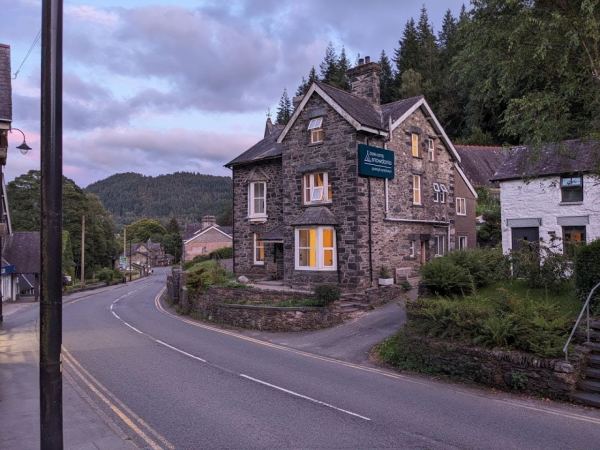
The bed and breakfast sector is where Betws-y-Coed particularly excels, with a run of well-established Victorian guest houses on the hillsides above the village offering some of the best views in the area along with genuinely personal service from long-standing owner-operators. Several have built strong reputations over decades for their breakfasts and for local knowledge of walking routes, and they typically represent the best value in the village. Whichever category suits your trip, book ahead for weekends between April and October, when the village's modest number of rooms fills quickly.
 8.7
8.7
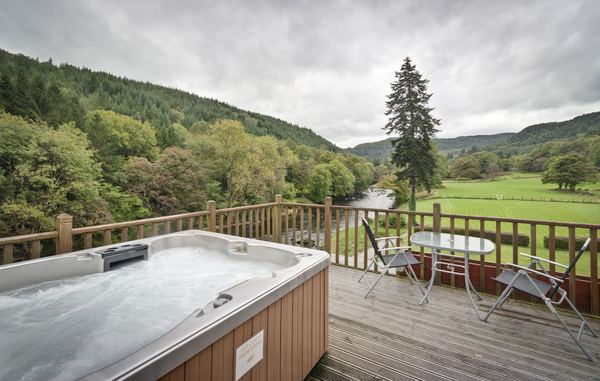
Craig-y-Dderwen Riverside Hotel
Riverside grounds beside the Conwy, edge of the village
from £140/night
 8.4
8.4
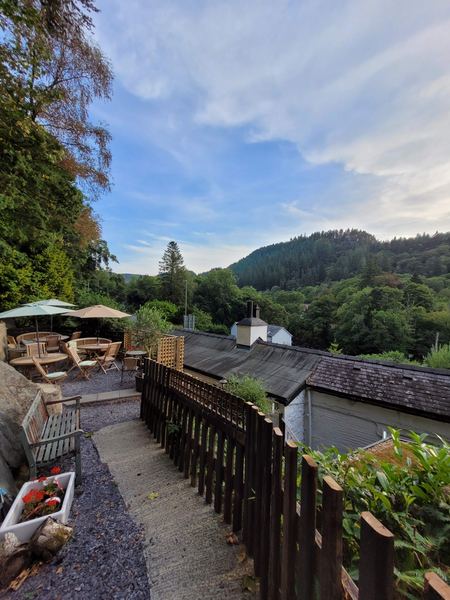
Ty Gwyn Hotel
16th-century coaching inn beside Waterloo Bridge
from £110/night
 7.8
7.8
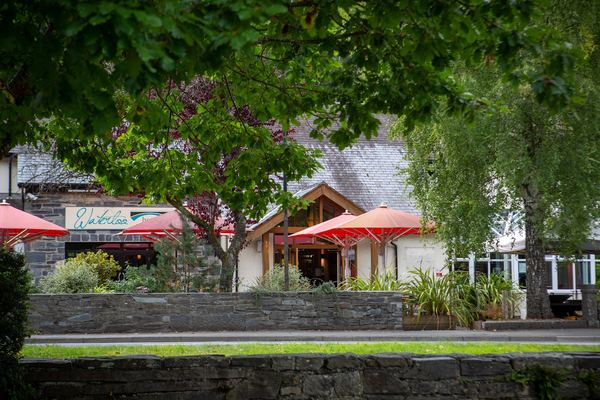
Waterloo Hotel and Lodge
Leisure hotel with pool at the village's southern edge
from £95/night
 7.9
7.9
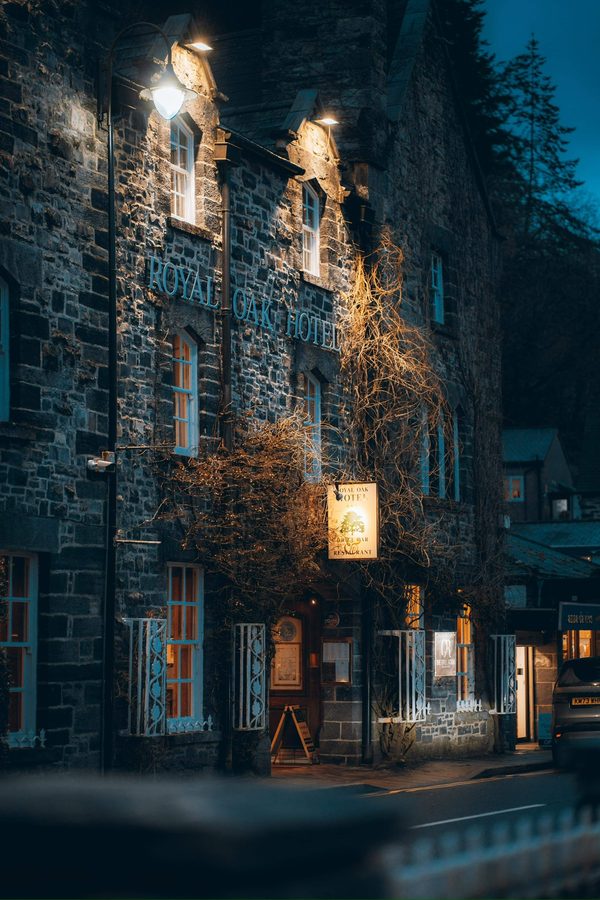
Royal Oak Hotel
Former coaching inn in the centre of the village
from £90/night
 7.6
7.6
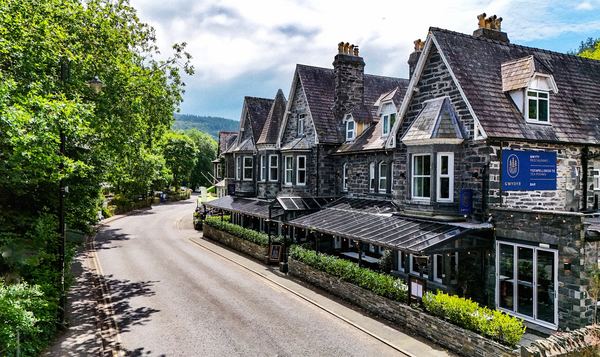
Gwydyr Hotel
Victorian-era hotel with bar and cocktail lounge in the village
from £85/night
 9.1
9.1
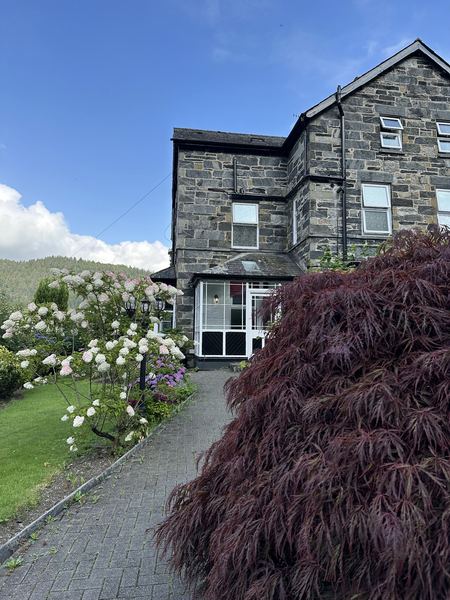
Coed-y-Fron Guest House
Victorian guest house overlooking the village and valley
from £70/night
 8.6
8.6
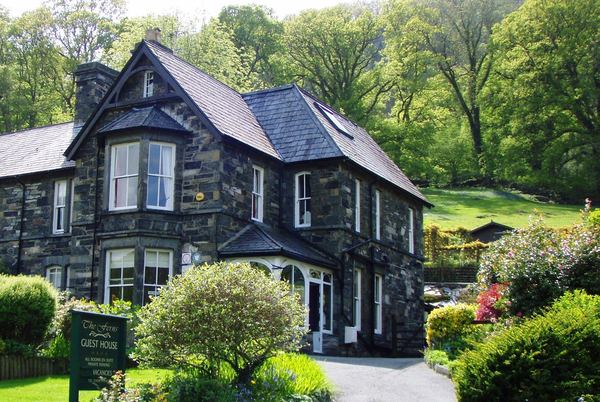
The Ferns Guesthouse
Guest house close to the village centre
from £68/night
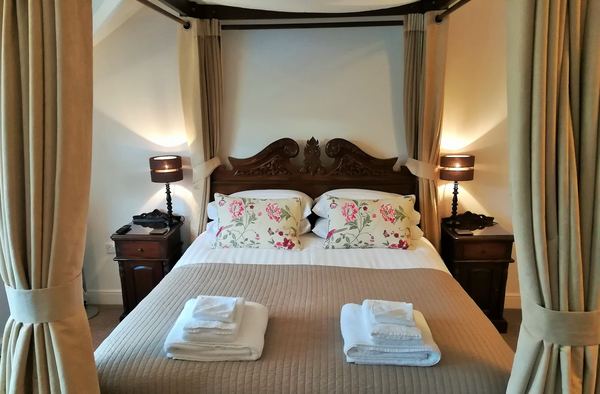
Aberconwy House B&B
Lon Muriau, Betws-y-Coed
Things to Do in Betws-y-Coed(4)
All attractions in Betws-y-Coed →Top things to do in Betws-y-Coed
The village and its immediate surroundings pack in an unusual amount for such a small place, from thundering waterfalls to narrow-gauge railways.
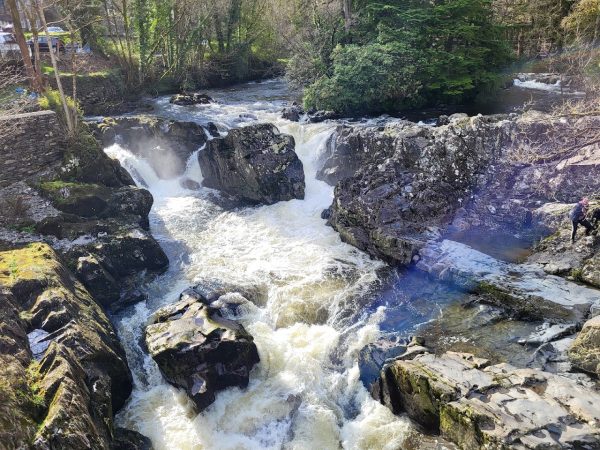
- Swallow Falls is the best-known waterfall in Wales, a series of cascades on the Afon Llugwy just outside the village, reached via a short paid path or viewed from the roadside layby above.
- The Fairy Glen and Conwy Falls lie a couple of miles south near Penmachno, a dramatic wooded gorge and a broad waterfall on the Conwy that are far quieter than Swallow Falls but just as striking.
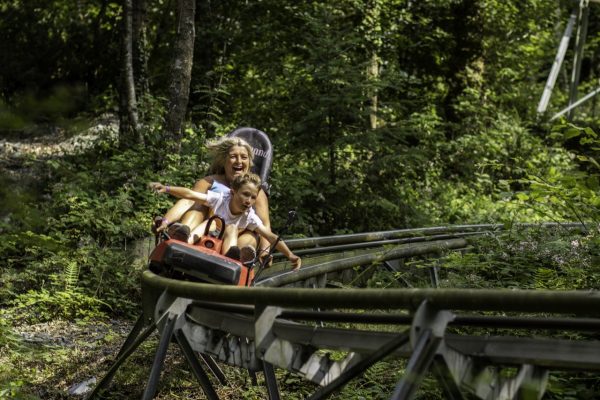
- Zip World Fforest at nearby Betws-y-Coed forest offers the Fforest Coaster, an alpine-style toboggan run through the trees, alongside ziplines and treetop courses for families and thrill-seekers.
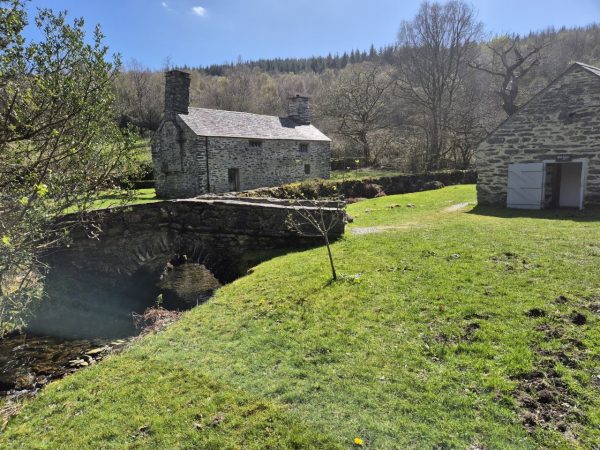
- St Michael's Church (Yr Hen Eglwys), the oldest building in the village, dates to the fourteenth century and stands in a peaceful riverside churchyard containing the grave of the local landowner credited with putting Betws-y-Coed on the tourist map.
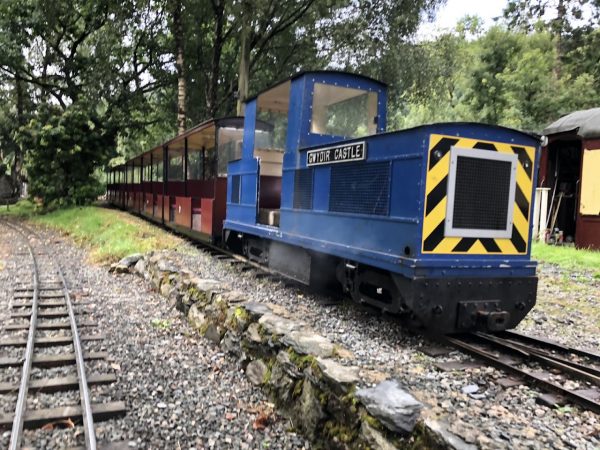
- The Conwy Valley Railway Museum, next to the main station, has a collection of railway memorabilia, model layouts and a miniature steam and diesel railway giving short rides around the site.
- Pont-y-Pair and the river rocks in the centre of the village are a natural gathering spot in summer, where the Llugwy splits around smooth boulders below a fifteenth-century packhorse bridge.
- Gwydir Forest Park spreads across the hillsides around the village with way-marked trails past old mine workings and a string of small lakes, including the popular circuit around Llyn Elsi.
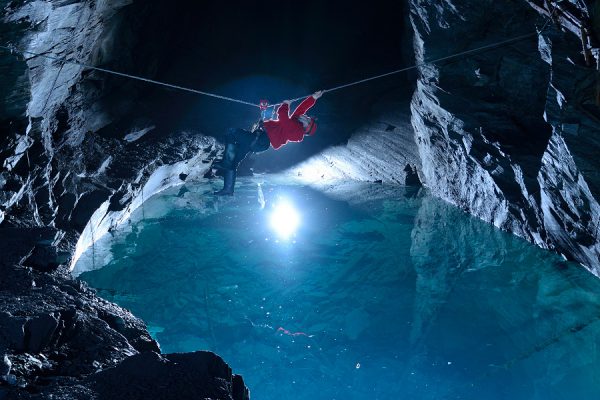
- Zip World Betws-y-Coed's mountain biking trails and the wider Marin Trail through Gwydir Forest give experienced riders a genuine Snowdonia off-road route without leaving the valley.
Where to Eat in Betws-y-Coed
All restaurants in Betws-y-Coed →Food and drink in Betws-y-Coed
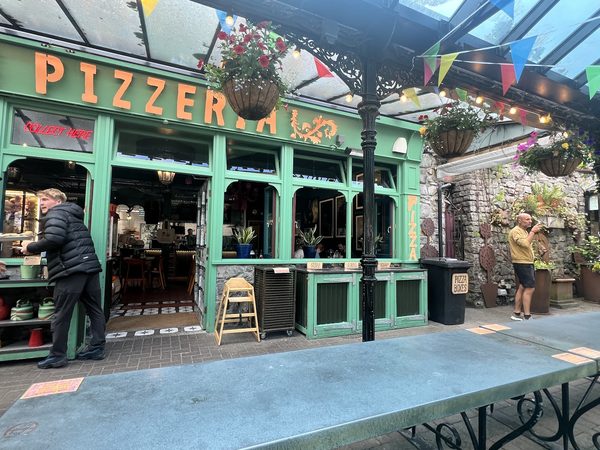
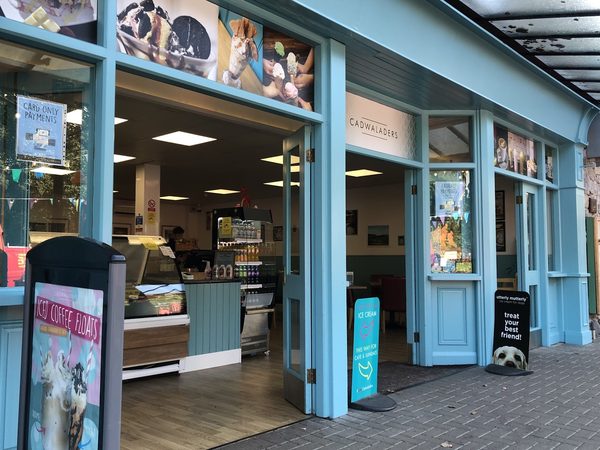
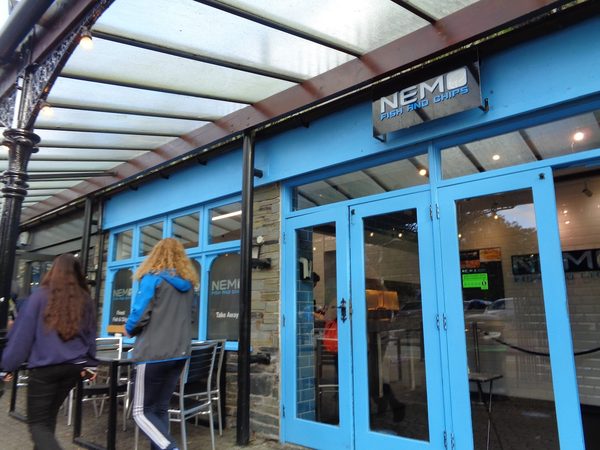
Welsh lamb and beef feature heavily on menus around the village, often served in the wood-panelled dining rooms of its older coaching inns, alongside trout and salmon from the local rivers when in season. The Royal Oak and Ty Gwyn both keep restaurants built around hearty, traditional cooking suited to walkers coming in from the hills, while Craig-y-Dderwen's riverside restaurant has held an AA Rosette for its more refined take on modern British food. For a quicker bite, the village has several cafes serving Welsh cakes, bara brith and strong tea to walkers refuelling between trails, and a fish and chip shop popular with families in summer. A small selection of outdoor shops doubles as places to pick up local produce, and the Saturday stalls that occasionally set up near the station sell Welsh cheeses, preserves and baked goods. Several of the village pubs, including the Royal Oak, pour Welsh ales from breweries such as Purple Moose and Great Orme alongside the more familiar national brands, and most kitchens serve food well into the evening to catch visitors returning from a long day on Snowdon or in Gwydir Forest.

Attractions Near Betws-y-Coed
All attractions in Betws-y-Coed →Worth the trip — within 50 miles of Betws-y-Coed.
 0 mi
0 mi
Conwy Valley Railway Museum
Conwy · ⭐ 4.1
Zip World Llechwedd
Blaenau Ffestiniog · ⭐ 4.7
 10 mi
10 mi
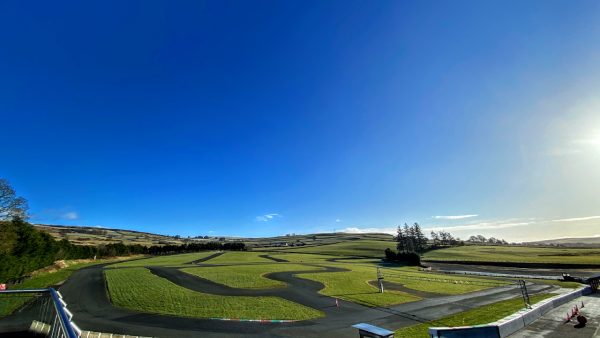
Glan Y Gors Park Karting
Corwen · ⭐ 4.8
 10 mi
10 mi
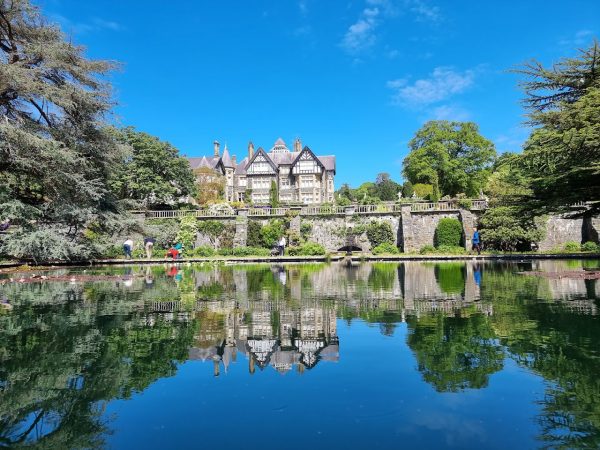
Bodnant Garden - National Trust
Tal-y-cafn · ⭐ 4.8
Conwy Water Gardens
Conwy · ⭐ 4.0
Mynydd Sleddog Adventures Ltd
Corwen · ⭐ 5.0
 12 mi
12 mi
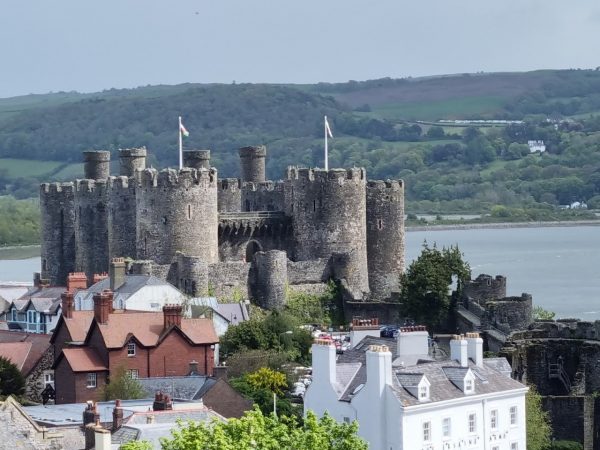
Conwy Castle
Conwy · ⭐ 4.1
 12 mi
12 mi
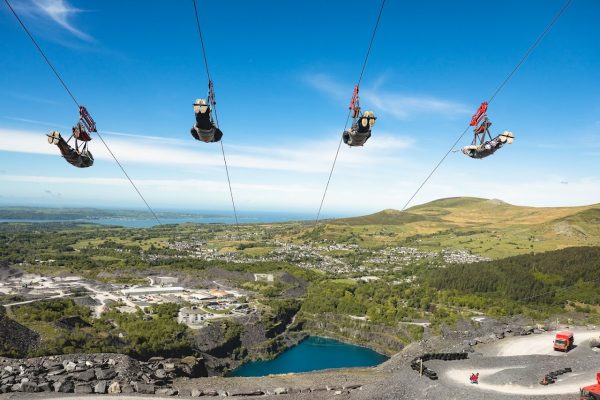
Zip World Penrhyn Quarry
Bethesda · ⭐ 4.8
Camping in Betws-y-Coed(14)
All campsites in Betws-y-Coed →About camping in Betws-y-Coed
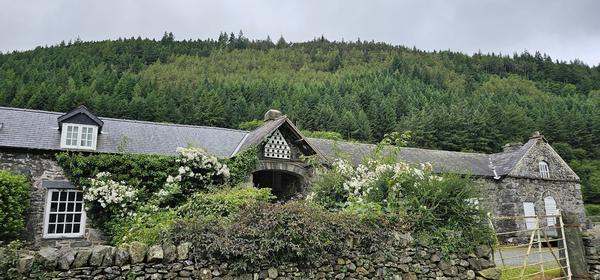
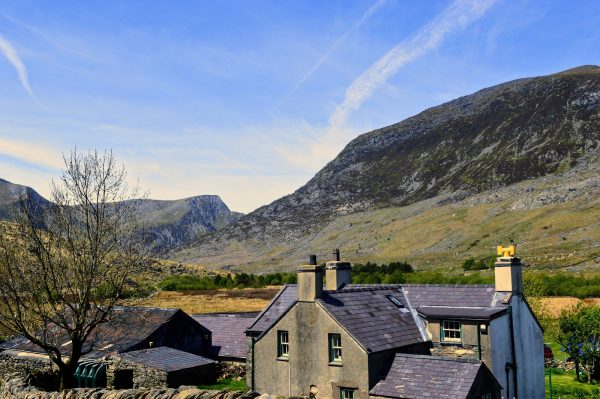
Camping around Betws-y-Coed means pitching among some of the most photographed scenery in Wales, with the Conwy and Llugwy rivers, the Gwydir Forest and the wider Snowdonia mountains all within easy reach of the tent flap. The sites closest to the village are generally small, family-run operations rather than large holiday parks, reflecting the tight, wooded valley the village sits in, and most fill up well in advance for the peak summer weeks and bank holidays.
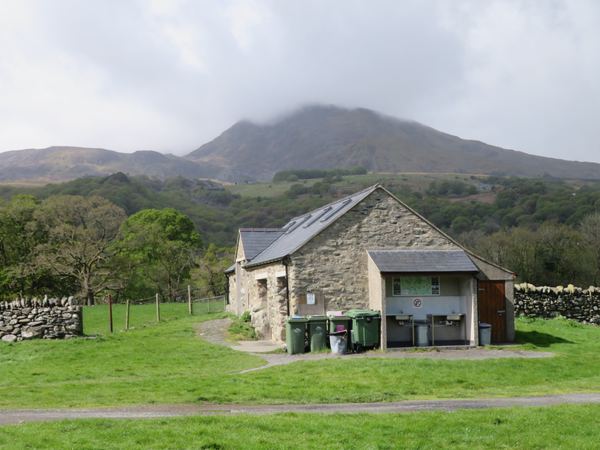
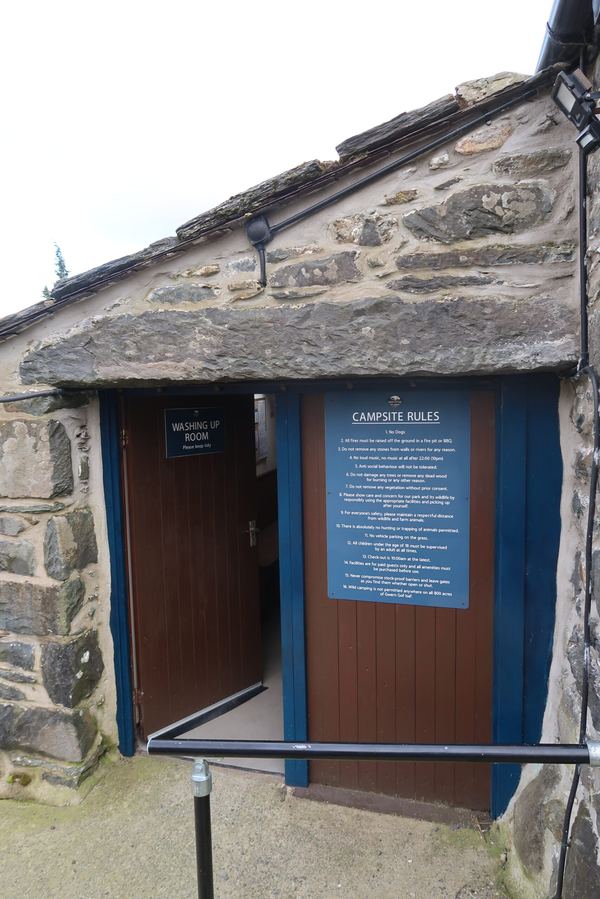
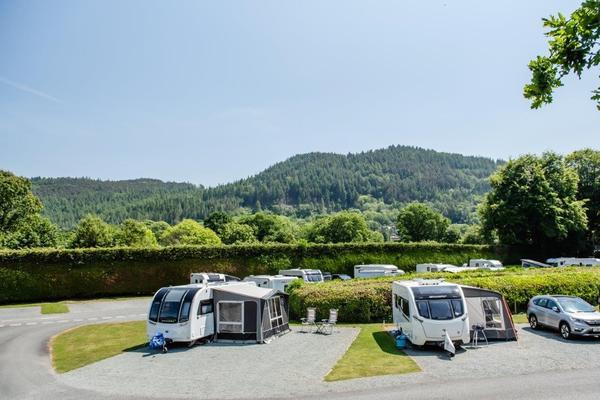
Facilities vary considerably by design rather than by neglect: some of the simpler farm sites deliberately keep things basic, with metered showers and a stone toilet block, to preserve a quiet, back-to-nature feel, while the larger touring parks closer to the village offer full hook-ups, laundry facilities and on-site shops geared towards caravans and motorhomes on a longer North Wales tour. Dogs are welcome at some sites and excluded at others, so it is worth checking current policies directly before booking, particularly as several sites have changed their rules in recent seasons.
All three sites listed below are within a couple of miles of Betws-y-Coed and make a sound base for walking in Gwydir Forest, exploring the waterfalls at Swallow Falls and the Fairy Glen, or driving further into Snowdonia for Snowdon itself. Given the region's rainfall, a pitch with reasonable drainage and a nearby drying facility is worth prioritising outside the height of summer, and it is sensible to book directly with the smaller sites by phone, since availability is not always kept fully up to date online.
Self-Catering Cottages in Betws-y-Coed
All cottages in Betws-y-Coed →Glanllyn
2 bed · sleeps 4 · from £691
Rose Cottage
3 bed · sleeps 6 · from £697
Smithy House
2 bed · sleeps 4 · from £397
Smithy Cottage
1 bed · sleeps 2 · from £447
Dyffryn Fach
sleeps 6 · from £943
Trem Yr Ynys
4 bed · sleeps 8 · from £687
Banc Llugwy Cottages - 4 Banc Llugwy
2 bed · sleeps 4 · from £497
Fellwater Outlook
3 bed · sleeps 5 · from £517
Common questions about Betws-y-Coed
How many campsites are there in Betws-y-Coed?
We list 14 campsites in and around Betws-y-Coed, of which 12 take tents and 5 offer glamping.
Are there dog-friendly campsites in Betws-y-Coed?
Yes — 5 of the 14 campsites we list in Betws-y-Coed accept dogs, including Ty’n Rhos Caravan Park and Llwyn Onn Glamping.
Which campsites in Betws-y-Coed have electric hook-up?
6 of the 14 campsites we list in Betws-y-Coed offer an electric hook-up.
Where can I stay in Betws-y-Coed?
We list 35 hotels, B&Bs and guest houses in and around Betws-y-Coed. Prices start from around £68 a night.
What is there to do in Betws-y-Coed?
We list 4 attractions and things to do in and around Betws-y-Coed.