Cirencester
Roman roots and Cotswold charm in one market town
Photo © Mallgosia Mocek, Google Maps
Cirencester has worn the title 'Capital of the Cotswolds' for so long that most visitors assume it is official. It is not, but the nickname fits. This is the biggest town in the Cotswolds Area of Outstanding Natural Beauty, a working market town with a genuine high street rather than a museum-piece village, yet it is built almost entirely from the same warm limestone as its smaller, more photographed neighbours. Wool merchants' wealth built the town from the medieval period onwards, and that money paid for the enormous parish church that still dominates the market square today.
Beneath the current town lies Corinium, the second-largest town in Roman Britain after London, and that Roman past is not just a footnote here. Mosaic pavements, an amphitheatre earthwork and one of the country's best regional museums all sit within walking distance of the modern shops. To the south-east, the private but publicly-walkable Cirencester Park unrolls for thousands of acres behind a famous yew hedge, while further out the flooded gravel pits of the Cotswold Water Park have become one of the region's more unexpected outdoor playgrounds. Cirencester makes a practical, well-connected base for exploring the whole southern Cotswolds.
Getting to Cirencester
Cirencester sits just off the A417 and A419, which connect it to the M4 and M5 respectively, making it an easy drive from Bristol, Gloucester, Swindon and the wider South West. The town itself has no railway station; the nearest mainline stations are Kemble, about four miles away on the Golden Valley line to Swindon and London Paddington, and Stroud or Swindon, both reachable by a short onward bus or taxi journey. Regular bus services connect Cirencester to Cheltenham, Gloucester and Swindon, and the town centre is compact enough to explore entirely on foot once you arrive.
Best time to visit Cirencester
Late spring through early autumn is the most popular window, when the parkland walks, market stalls and Water Park lakes are all at their best and the town's pavement cafes fill up. May and June bring long daylight hours without the peak summer crowds of the more famous Cotswold villages, while September and October add golden autumn colour to Cirencester Park's avenues. Winter has its own appeal too, with a quieter town centre, a Christmas market around the Corn Hall, and roaring fires in the older pubs, though some rural attractions reduce their opening hours out of season.
Where to stay in Cirencester(27)
All hotels in Cirencester →About staying in Cirencester
Cirencester's hotels and inns lean heavily on the town's history, with several occupying converted coaching houses right on the market square, a short stroll from the Corinium Museum and the parish church. The Kings Head Hotel is the standout historic option in the centre, combining period character with modern comfort and its own restaurants and deli. Beyond the town, a wider choice of country house hotels, farmhouse B&Bs and boutique stays is scattered through the surrounding villages, many set within walking distance of Cirencester Park or a short drive from the Cotswold Water Park. Families visiting the Cotswold Wildlife Park or the Water Park's beaches and watersports centres often prefer to base themselves slightly out of town, trading a little convenience for larger rooms, parking and gardens. Whichever you choose, Cirencester's central position on the A417 and A419 means everywhere in town is within easy reach of the wider southern Cotswolds, from Bibury and the Ampneys to Tetbury and Malmesbury. Book ahead for market days and during the summer polo season at Cirencester Park, when the town's more central hotels fill up quickly.
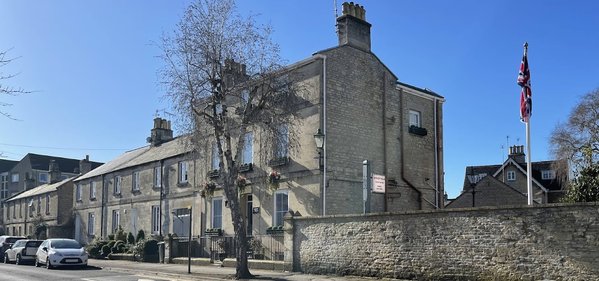
Apsley Villa Guest House
16 Victoria Road, Cirencester
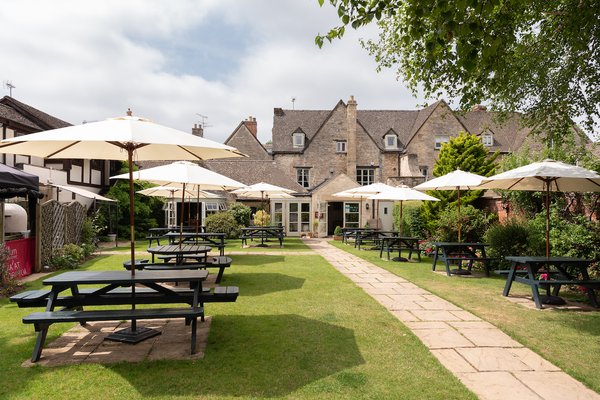
Corinium Hotel & Restaurant
12 Gloucester Street, Cirencester
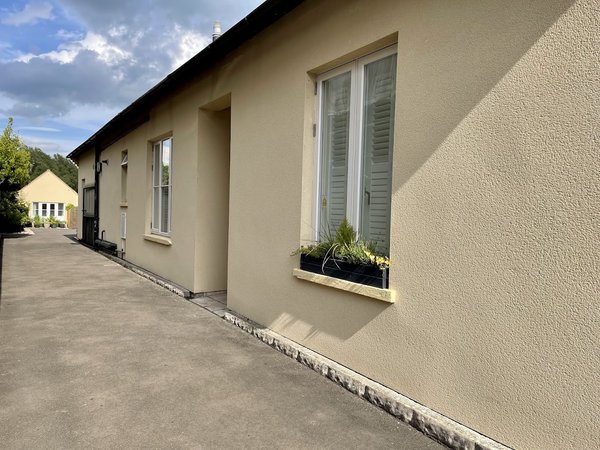
Cotswold Hare
93 Victoria Road, Cirencester
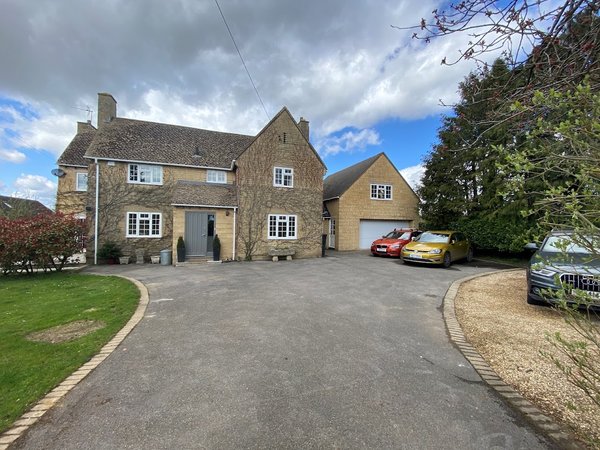
Cotswold Lodge
Baunton Lane, Cirencester
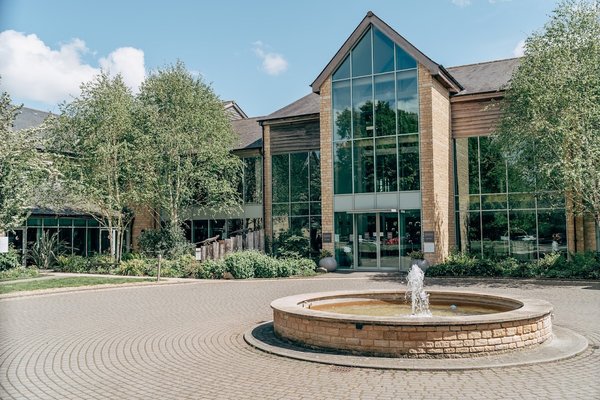
De Vere Cotswold Water Park
Lake 6 Spine Road East, Cirencester
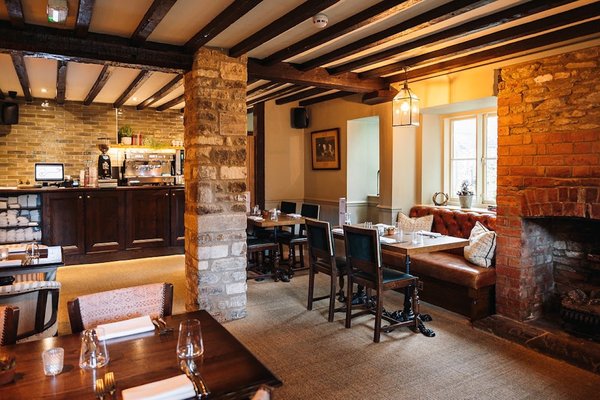
Eliot Arms
Clarks Hay, Cirencester
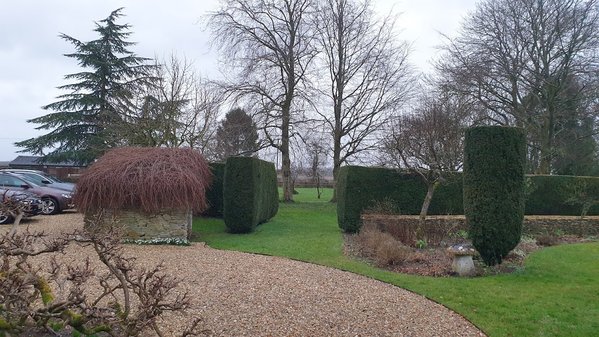
Field End House
Strawberry Lane, Cirencester
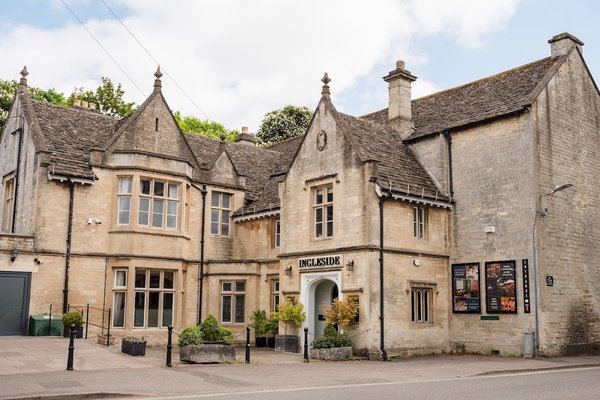
Ingleside House
5 Beeches Road, Cirencester
Things to Do in Cirencester(9)
All attractions in Cirencester →Top things to do in Cirencester
Cirencester rewards a slow wander as much as a planned itinerary, but a handful of sights are genuinely worth building a day around.
- Corinium Museum — an award-winning museum built around Cirencester's Roman heritage, with mosaics, tombstones and reconstructed rooms tracing the town from Corinium through Anglo-Saxon, medieval and Victorian Cirencester.
- Cirencester Parish Church of St John the Baptist — one of the largest parish churches in England, funded by the medieval wool trade and dominating the market square with its three-storey south porch.
- Cirencester Park — the private estate of Earl Bathurst, whose parkland and famous mile-long avenue are open to walkers, joggers and cyclists on foot, right from the edge of town.
- Cirencester Amphitheatre — the grassed-over earthwork remains of one of the largest Roman amphitheatres in Britain, a short walk from the town centre and free to visit.
- Cotswold Water Park — around 180 flooded former gravel pits spread across Gloucestershire and Wiltshire just south of the town, offering watersports, birdwatching and lakeside walking trails.
- Cotswold Wildlife Park and Gardens — a family-run zoo and garden set around a Victorian manor house a short drive from Cirencester, home to giraffes, rhinos and a narrow-gauge railway.
- Cirencester market and the Corn Hall — a twice-weekly outdoor market in the historic market place, alongside the Victorian Corn Hall, which now hosts an indoor market, theatre and events.
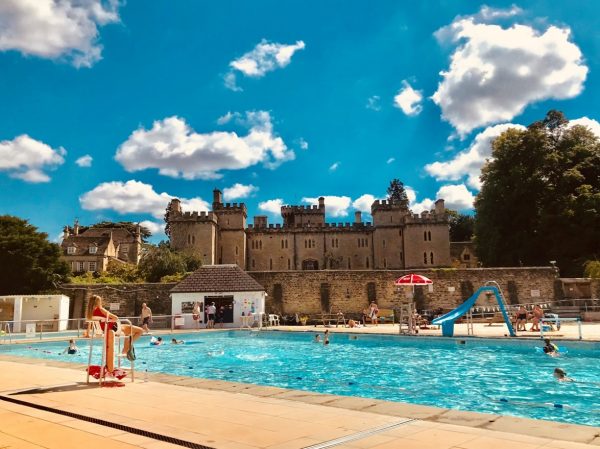
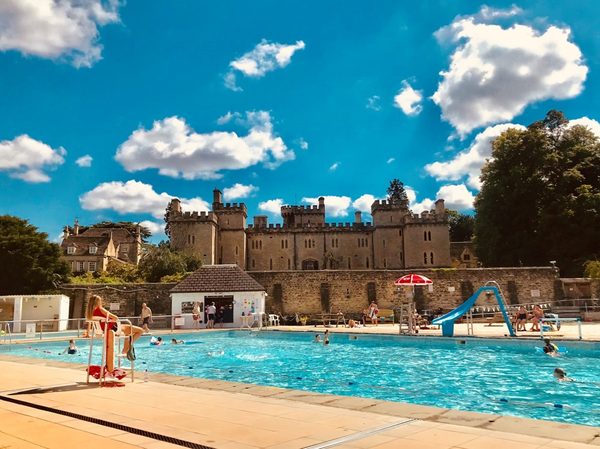
Cirencester Open Air Swimming Pool
⭐ 4.6
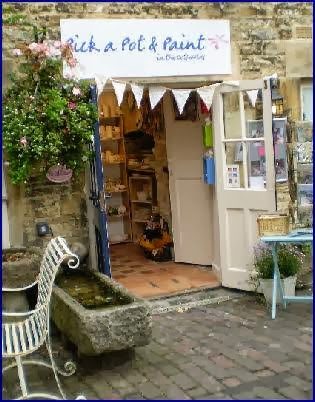
Pick a Pot and Paint in the Cotswolds
⭐ 4.6
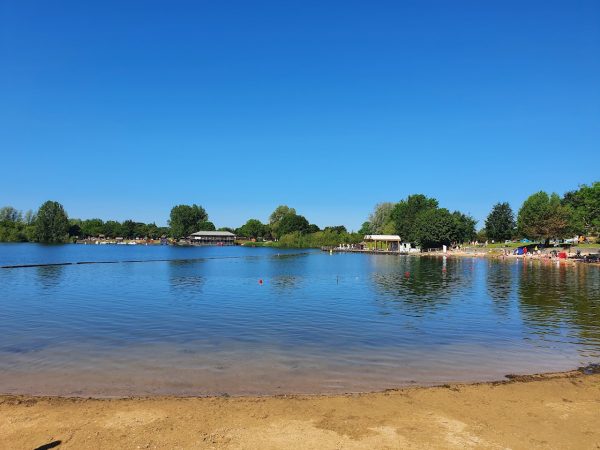
Cotswold Country Park and Beach
⭐ 4.2
Cotswold Water Park & Beach
⭐ 4.2

The Gateway Ice Rink
⭐ 4.1
Corinium Museum
⭐ 4.7
Thames Path National Trail
The Adventure Zone
Where to Eat in Cirencester(23)
All restaurants in Cirencester →Food and drink in Cirencester
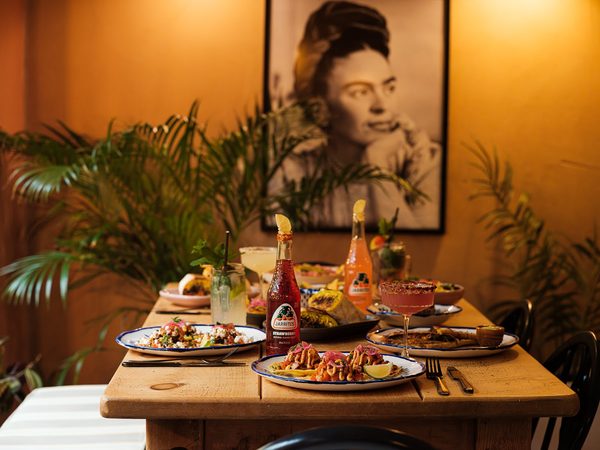
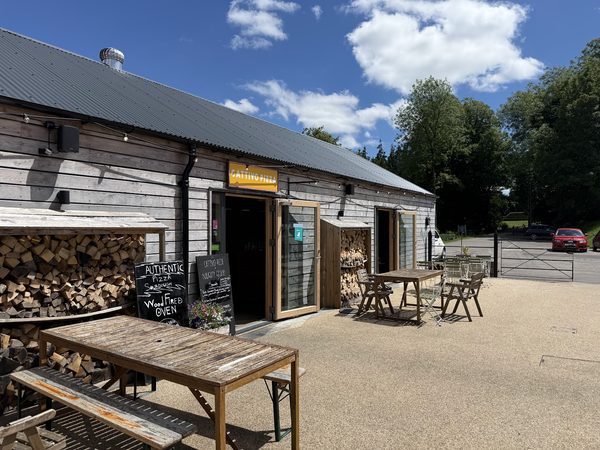
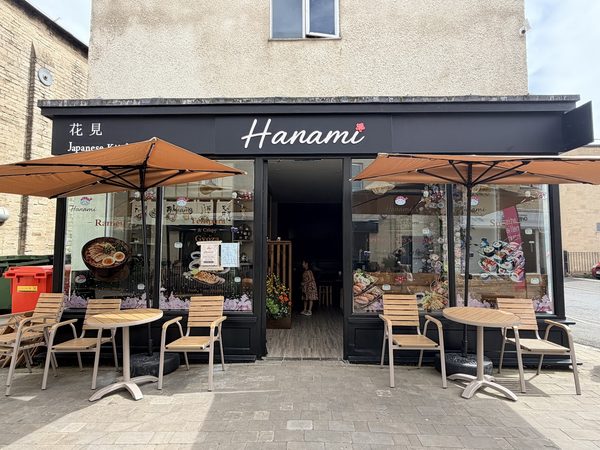
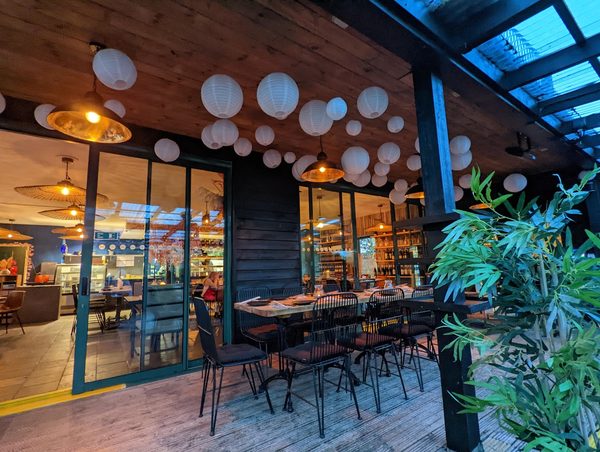
The Kings Head Hotel, a former coaching inn on Market Place, houses two restaurants along with a deli and wine cellar showcasing produce from the surrounding Cotswolds. Jacks Brunch Kitchen is a popular spot for daytime dining in the town centre, while a good spread of independent cafes, bakeries and pubs line the streets around the market square and Cricklade Street. Out towards the Cotswold Water Park, lakeside venues such as the Waterside Kitchen & Bar add a different setting for a meal after a day on or around the water.
Attractions Near Cirencester
All attractions in Cirencester →Worth the trip — within 50 miles of Cirencester.
 7 mi
7 mi
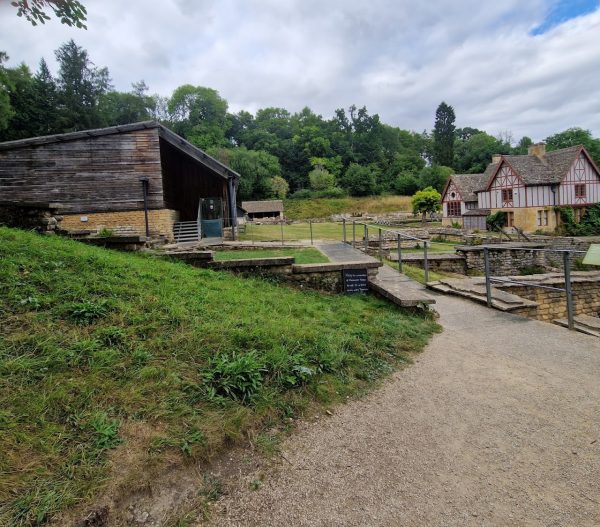
Chedworth Roman Villa
Cheltenham · ⭐ 4.6
 8 mi
8 mi
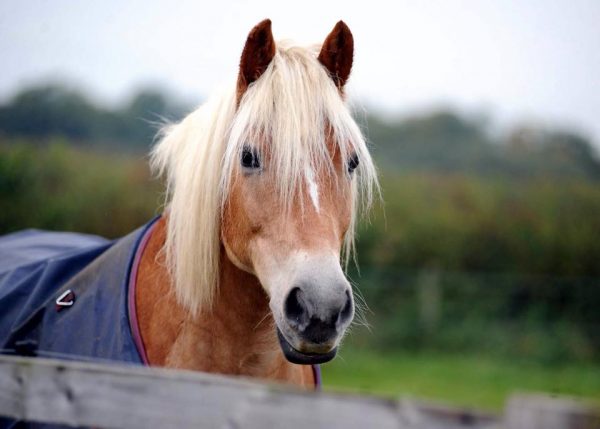
Rein and Shine
Braydon · ⭐ 4.5
 8 mi
8 mi
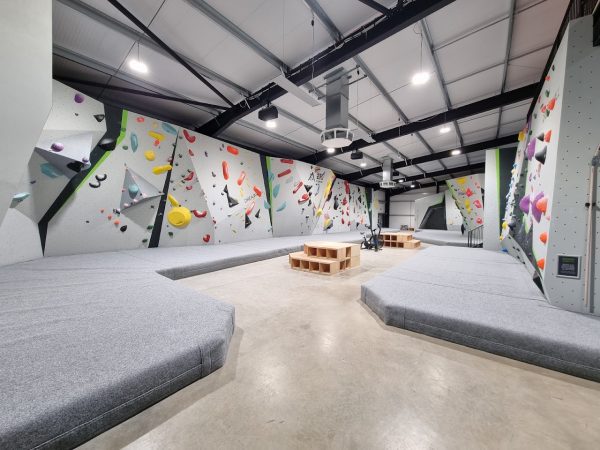
The Warehouse Climbing Centre
Gloucester · ⭐ 4.6
 9 mi
9 mi
Gloucester Apollo
Stroud · ⭐ 4.6
 9 mi
9 mi
Hocus Pocus Play
Fairford · ⭐ 4.7
 9 mi
9 mi
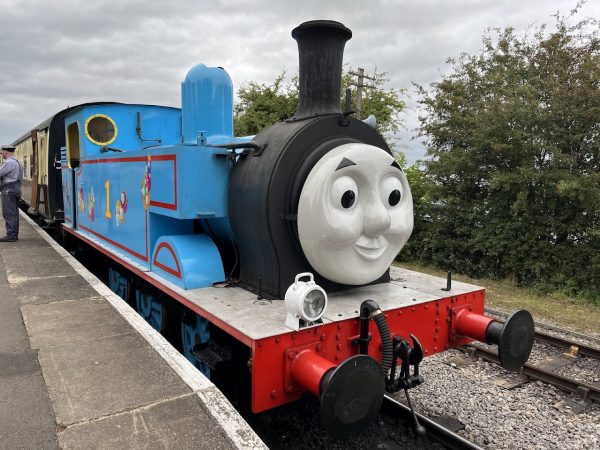
Swindon and Cricklade Steam Railway
Swindon · ⭐ 4.4
 10 mi
10 mi
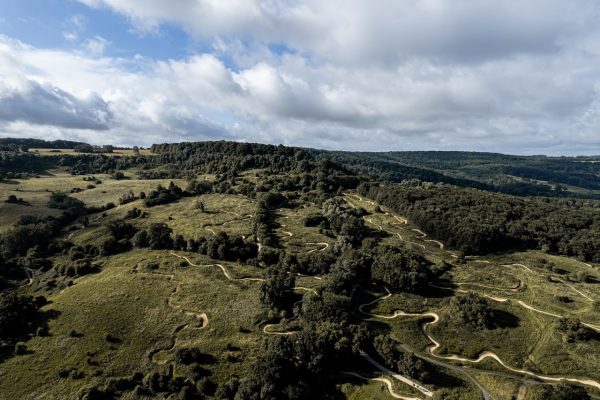
Flyup 417 Bike Park
Gloucester · ⭐ 4.7
 11 mi
11 mi
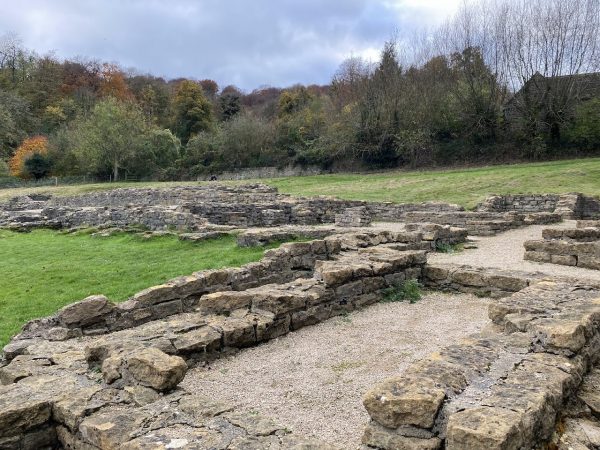
Great Witcombe Roman Villa
Great Witcombe · ⭐ 4.3
Camping in Cirencester(7)
All campsites in Cirencester →About camping in Cirencester
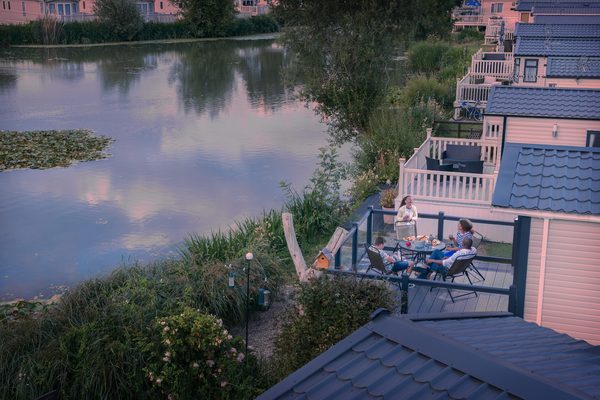
Cirencester itself is not a camping destination in its own right, but it sits within easy striking distance of some of the best camping and glamping country in the Cotswolds, and the Cotswold Water Park just to the south is a particular draw for tents, touring caravans and static lodges alike. As in the rest of England, wild camping is illegal without the landowner's permission, so any stay here means booking into a proper campsite, caravan park or glamping site rather than pitching up on open land. The Water Park's network of lakes brings a handful of sites offering lakeside pitches, some with their own beaches, watersports centres and fishing access, making it popular with families and paddleboarders as much as traditional campers.
The gently rolling limestone countryside around Cirencester itself suits campsites set within working farms and small estates, often within a short drive of Cirencester Park, the Wildlife Park or the town centre for supplies and a meal out. Given the varied terrain, from flat lakeside ground around the Water Park to the more undulating fields further into the Cotswolds, it is worth checking a site's exact setting before booking if you have a preference for one over the other. Glamping has grown quickly in this part of Gloucestershire, with shepherd's huts, bell tents and safari-style lodges offering a more comfortable alternative to a traditional tent while keeping the same rural setting.
April to September is the most reliable stretch for camping here, with long daylight hours and the best chance of dry weather for lakeside days at the Water Park. Many sites open only for this core season and close over winter, so it is worth checking opening dates in advance if you are planning a visit outside the summer months. Weekends around the Cirencester Park polo season and the summer school holidays are the busiest times, so early booking is recommended if you want a pitch close to the water or within easy reach of the town.
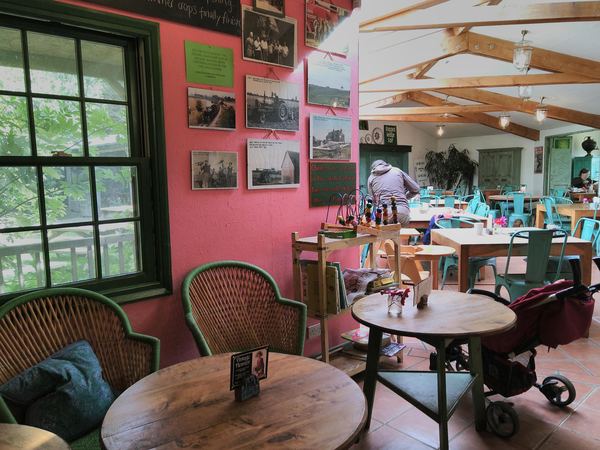
Abbey Home Farm
⭐ 4.6 · from £18/night
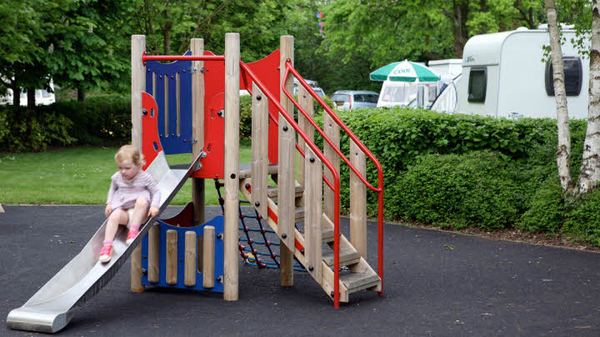
Cirencester Park Caravan and Motorhome Club Campsite
⭐ 4.5 · from £35/night
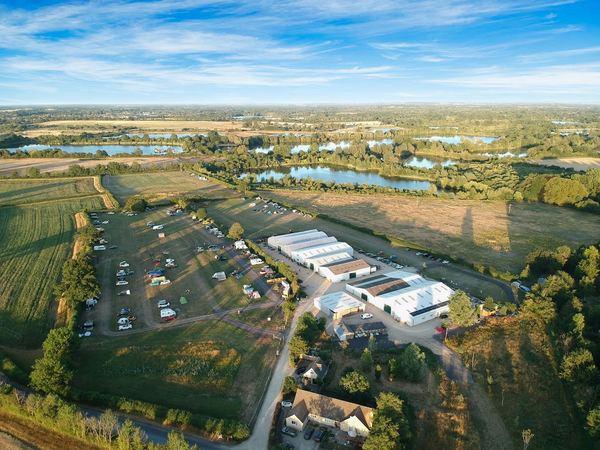
Cotswold Lakes Camping
⭐ 3.6 · from £40/night
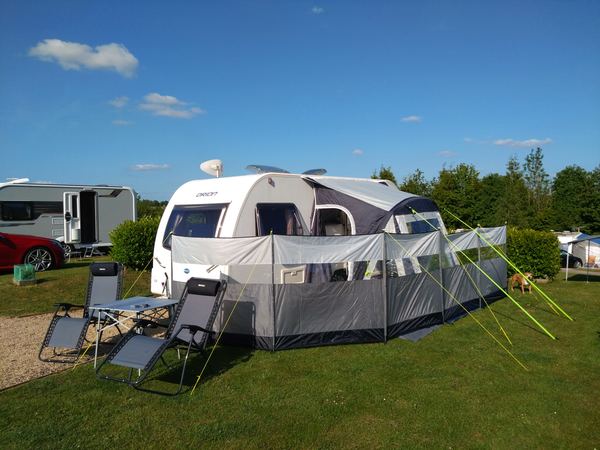
Mayfield Park
⭐ 4.3 · from £20/night
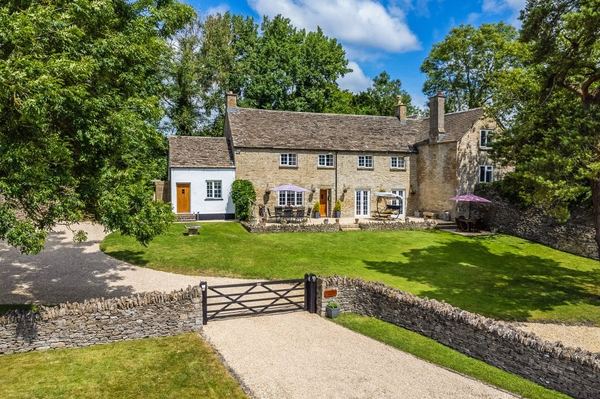
Thames Head Wharf
⭐ 4.9 · from £30/night
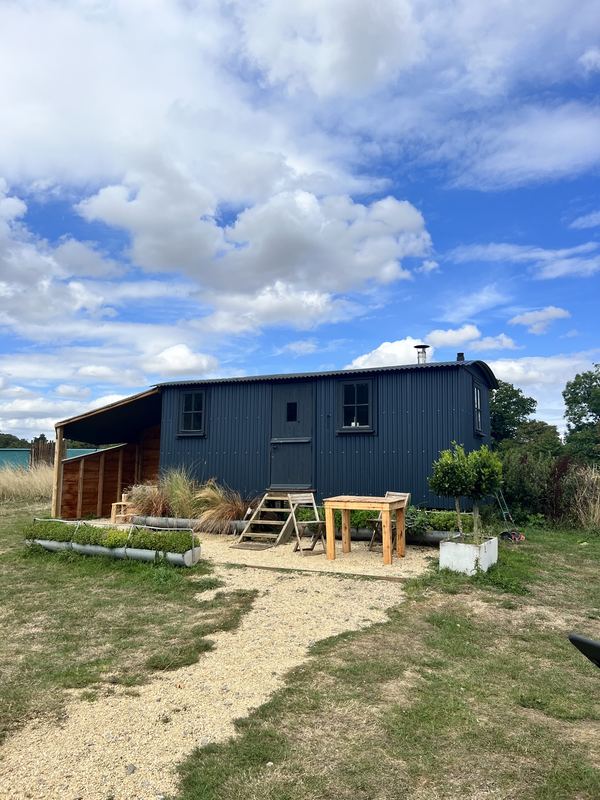
The T Barn
⭐ 4.9 · from £29/night
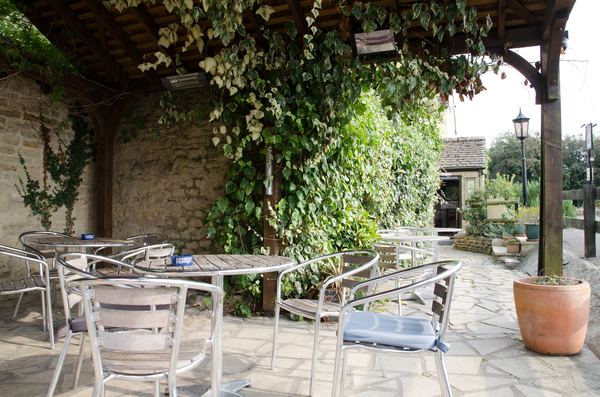
The Thames Head Inn
⭐ 4.6 · from £28/night
Self-Catering Cottages in Cirencester
All cottages in Cirencester →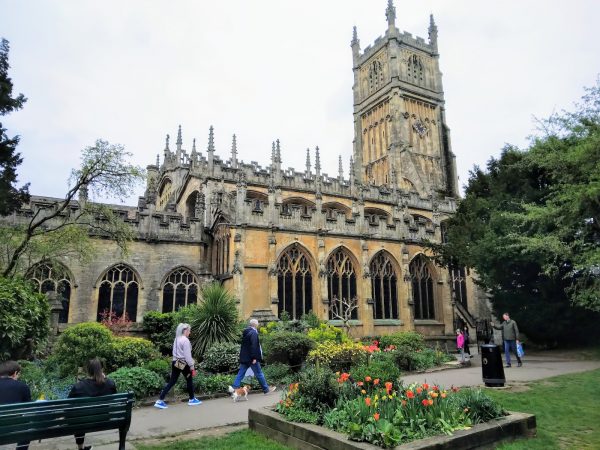
Cirencester Place
2 bed · sleeps 3 · from £587
Barton Court Cottage
1 bed · sleeps 2 · from £557
The Corner Barn
2 bed · sleeps 4
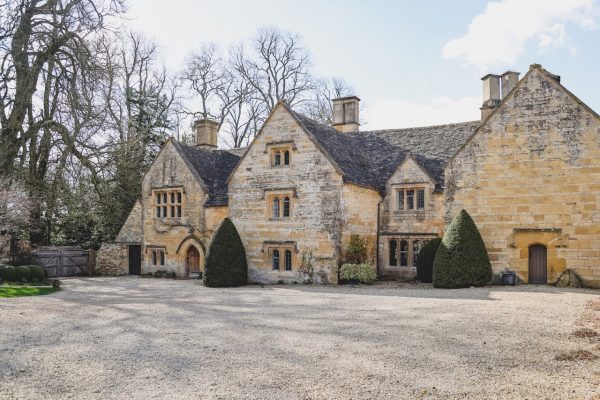
Manor Farm Barns - La Caleche
2 bed · sleeps 4 · from £621
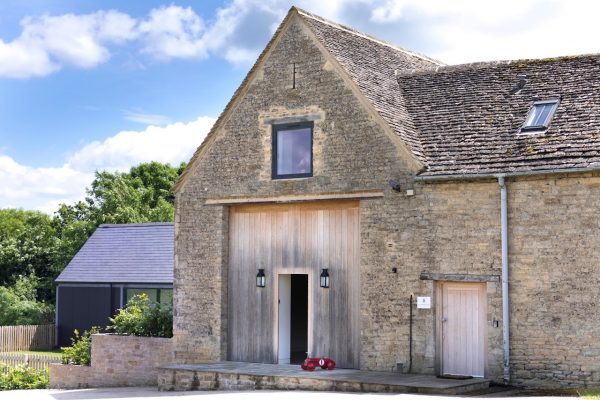
Crucis - The Cotswolds Barn
4 bed · sleeps 8 · from £2,756
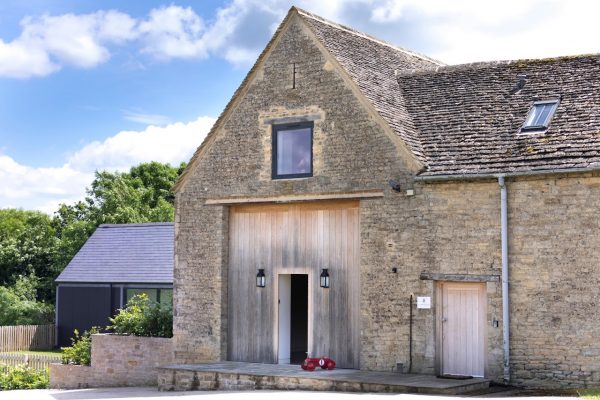
Crucis - The Long Barn
4 bed · sleeps 7 · from £3,914
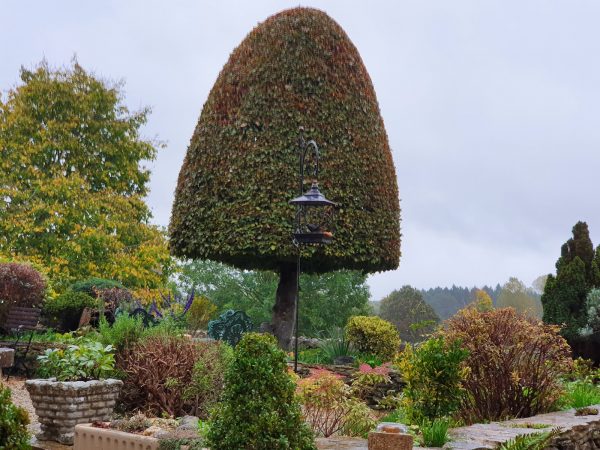
Bakery Cottage
1 bed · sleeps 3 · from £373
Harvest Barn
2 bed · sleeps 4 · from £3,861
Common questions about Cirencester
How many campsites are there in Cirencester?
We list 7 campsites in and around Cirencester, of which 7 take tents and 2 offer glamping.
Which campsites in Cirencester have electric hook-up?
6 of the 7 campsites we list in Cirencester offer an electric hook-up.
Where can I stay in Cirencester?
We list 27 hotels, B&Bs and guest houses in and around Cirencester.
What is there to do in Cirencester?
We list 9 attractions and things to do in and around Cirencester.
Where can I eat in Cirencester?
We list 23 restaurants, pubs and cafes in and around Cirencester.