Dover
Gateway to England beneath the White Cliffs
Photo © Asad Ziar, Google Maps
Dover sits at the narrowest crossing of the English Channel, just 21 miles from France, and its history has been shaped entirely by that fact. For two thousand years this has been the frontline port: Romans built a lighthouse here, Henry II raised the great castle that still dominates the skyline, and Winston Churchill watched the Battle of Britain unfold from tunnels cut deep into the chalk. Few English towns carry quite so much layered history in such a compact space.
The town itself is modest and workmanlike, built around a busy ferry terminal that keeps lorries and foot passengers moving between Kent and Calais around the clock. But climb out of the harbour basin in any direction and the landscape changes completely. To the east and west rise the White Cliffs, chalk faces streaked with flint that have signalled home to generations of sailors and served as Britain's unofficial symbol of coastal defiance. Behind the town, the North Downs roll away into quiet farmland, orchards and the villages of the Elham Valley.
Dover rewards visitors who come for more than a quick look at the cliffs from a car park. The castle alone can absorb the best part of a day, the secret wartime tunnels beneath it another, and the town's museums quietly hold some remarkable finds, including a Bronze Age boat older than the pyramids of Giza in places. Add in bracing clifftop walks, a working harbour that still moves millions of passengers a year, and easy access to the wider Kent coast, and Dover makes a solid, if underrated, base for exploring this corner of England.
Getting to Dover
Dover Priory station has direct high-speed services from London St Pancras International, taking around one hour, with additional slower services from London Charing Cross and Victoria via Ashford or Canterbury taking closer to two hours. By road, the town sits at the end of the M20 and A2, roughly 20 minutes from the M25 via the A20, and around two hours' drive from central London depending on traffic through Kent. Dover is, of course, best known as a ferry port, with regular sailings to Calais and Dunkirk run by P&O Ferries and DFDS, making it a natural stopping point for anyone driving to or from the Continent. Long-stay and short-stay car parks operate around the town centre and harbour, and the Eastern Docks are well signposted from the main approach roads. The nearest airports are London Gatwick and London City, both roughly ninety minutes away by car, though most visitors arrive by train, car or ferry rather than air.
Best time to visit Dover
Spring brings mild weather and clearer skies for cliff walks, with the added draw of daffodils and early blossom in Kearsney Abbey's riverside gardens on the edge of town. Summer is Dover's busiest season, when the harbour and ferry terminal see the heaviest traffic and the castle grounds and White Cliffs paths are at their most popular, so early starts pay off. Autumn thins the crowds considerably while still offering reasonable weather for walking, and the changing light on the chalk cliffs is particularly photogenic. Winter is quiet and can be blustery, with the Channel visibly rougher and coastal paths occasionally closed in high winds, but the castle's indoor exhibits and tunnels remain comfortably open year-round, making it a good option for an off-season history break.
Where to stay in Dover(27)
All hotels in Dover →About staying in Dover
Where you base yourself in Dover depends largely on whether you are here for the castle, the cliffs, or simply passing through on the way to or from the ferry. Staying in the town centre or along the seafront puts you within walking distance of Dover Priory station, the harbour and the main shops and restaurants, which suits anyone without a car or catching an early crossing. Properties closer to Castle Hill and Maison Dieu Road offer a quieter setting with the castle itself just up the road, a good compromise for visitors splitting their time between sightseeing and simply resting after a day of walking the ramparts and tunnels.
For a slower pace, St Margaret's at Cliffe and St Margaret's Bay sit a short drive east of town, right among the White Cliffs scenery that draws most visitors to this stretch of coast in the first place, with a village pub and shingle beach on the doorstep. Inland, villages in the Elham Valley and around Alkham give access to open Kent countryside, working farms and orchards, and tend to house some of the area's better restaurants, at the cost of needing a car to reach Dover itself. Budget matters too: Dover has a healthy spread of straightforward B&Bs and guest houses in and around the town, several upmarket country properties with restaurants attached a short drive out, and a couple of mid-range hotels directly on the seafront that make sense for ferry travellers wanting a night either side of a crossing. None of the options here are more than fifteen or twenty minutes from the castle or the cliffs, so the choice really comes down to whether you want harbour views, castle proximity, or rural quiet.
 8.9
8.9
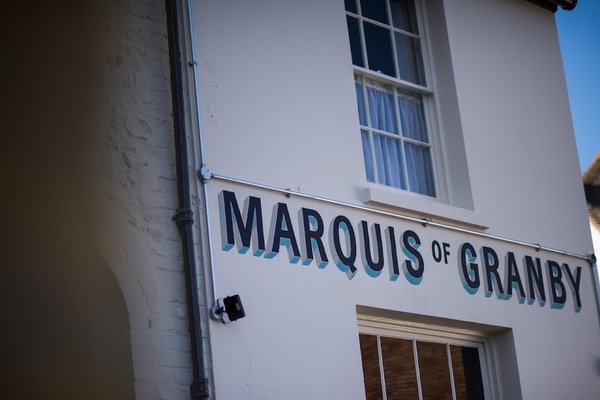
The Marquis at Alkham
Alkham Valley, five miles from Dover
from £155/night
 8.1
8.1
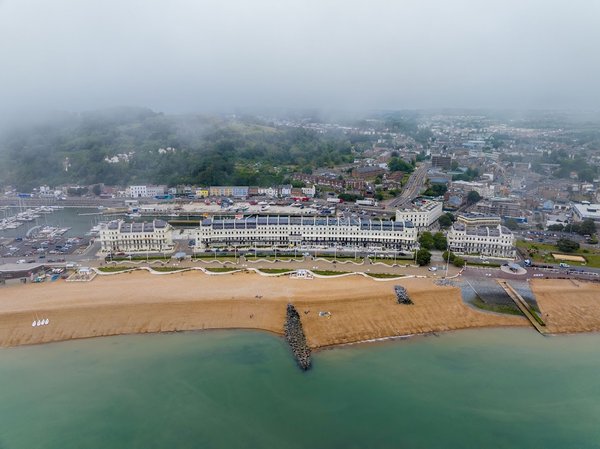
Best Western Plus Dover Marina Hotel & Spa
Dover seafront, opposite the harbour
from £110/night
 7.6
7.6
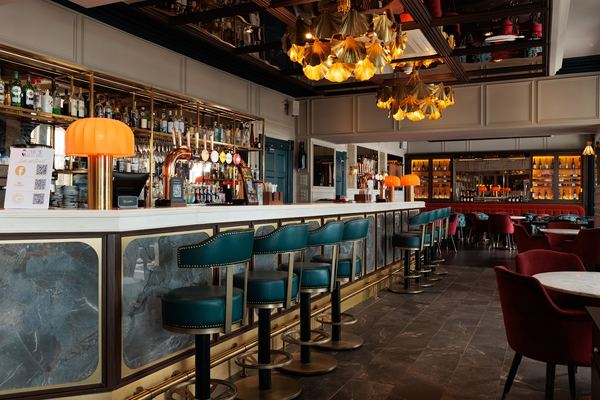
The Churchill Hotel Dover
Dover seafront, Waterloo Crescent
from £89/night
 8.4
8.4
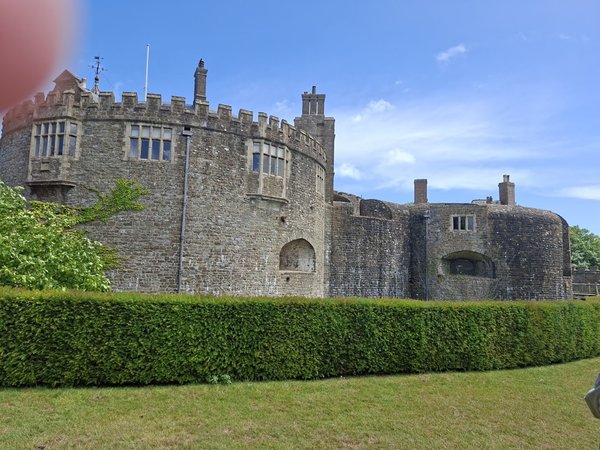
The White Cliffs Hotel
St Margaret's Bay, four miles east of Dover
from £105/night
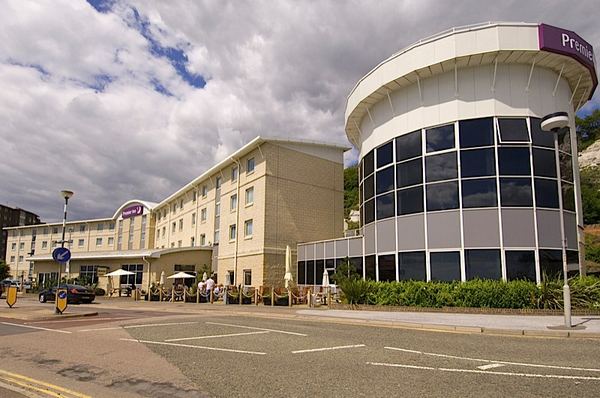 8.2
8.2
Premier Inn Dover Central
Dover town centre, near the seafront
from £69/night
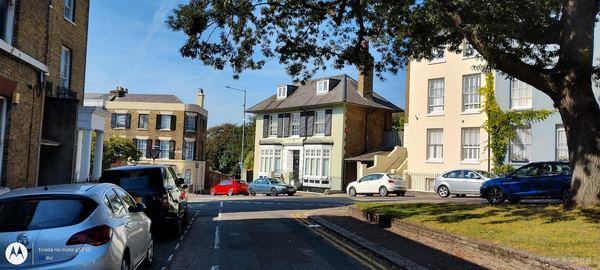 9.3
9.3
Number One Guest House
Castle Street, below Dover Castle
from £95/night
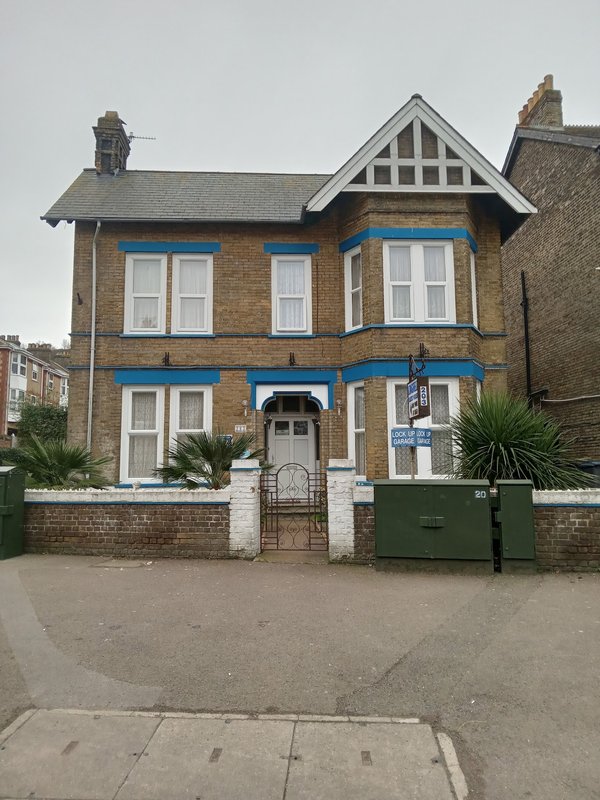 9.1
9.1
East Lee Guest House
Widred Road, near Dover Priory station
from £90/night
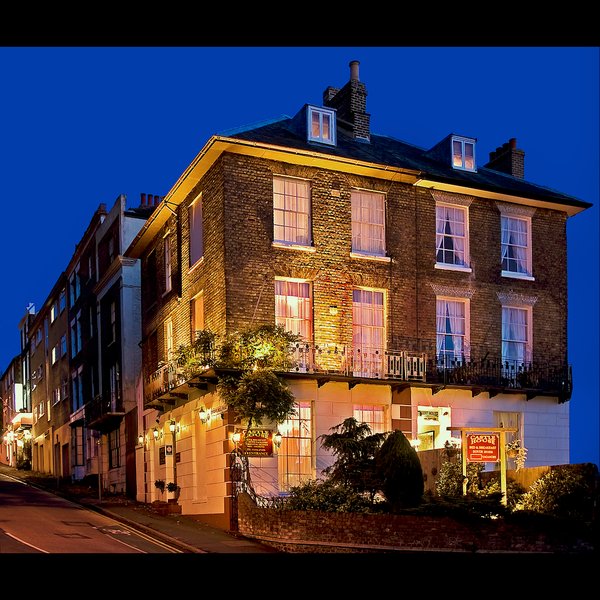
Castle House Guest House
10 Castle Hill Road, Dover
Things to Do in Dover(11)
All attractions in Dover →Top things to do in Dover
Dover's attractions range from Roman remains to Cold War bunkers, with the White Cliffs providing a dramatic backdrop to almost everything.
- Dover Castle is one of the largest fortresses in England, begun by Henry II in the 1180s and expanded continuously into the twentieth century, with a Great Tower, medieval tunnels and Second World War operations rooms all open to visitors.
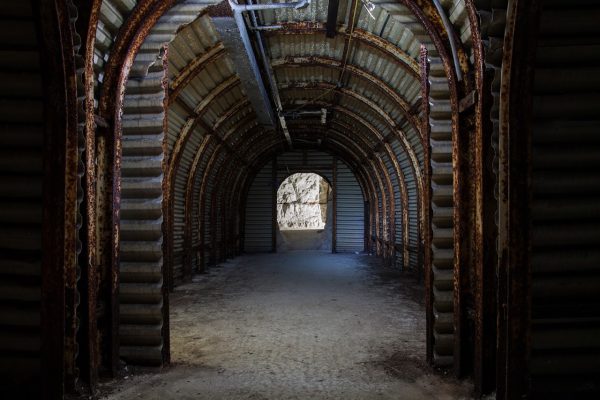
- The Secret Wartime Tunnels beneath the castle were used to plan the Dunkirk evacuation and later as a Cold War command centre, and guided tours bring the cramped, atmospheric passages to life.
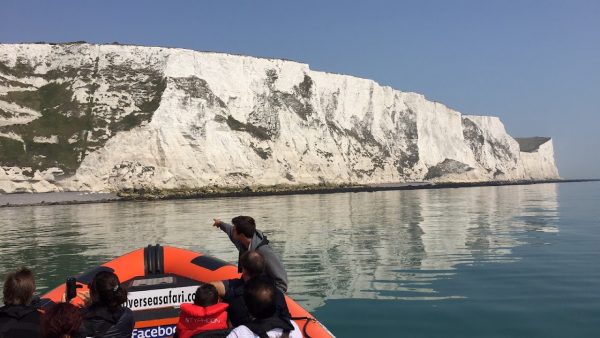
- The White Cliffs of Dover, managed by the National Trust, offer several miles of clifftop paths with views across the Channel to France on a clear day, along with the restored South Foreland Lighthouse.
- Dover Museum houses the Dover Bronze Age Boat, a 3,500-year-old sewn-plank vessel discovered during roadworks in the town centre, thought to be the oldest known seagoing boat in the world.
- The Roman Painted House shelters the best-preserved Roman wall paintings north of the Alps, part of a large third-century mansion built to accommodate travellers using the Channel port.
- Western Heights is a vast network of Napoleonic-era fortifications, dry moats and tunnels on the hill above the town, quieter than the castle but just as striking for anyone interested in military history.
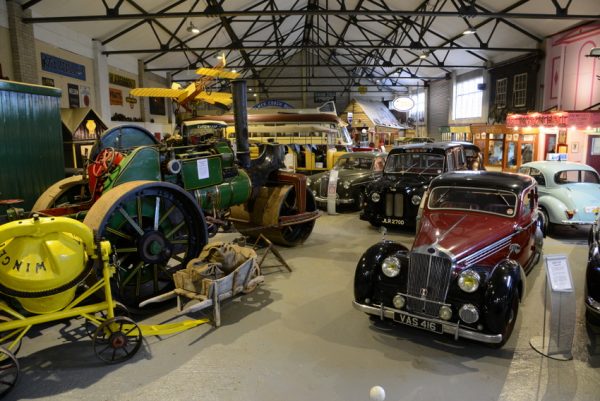
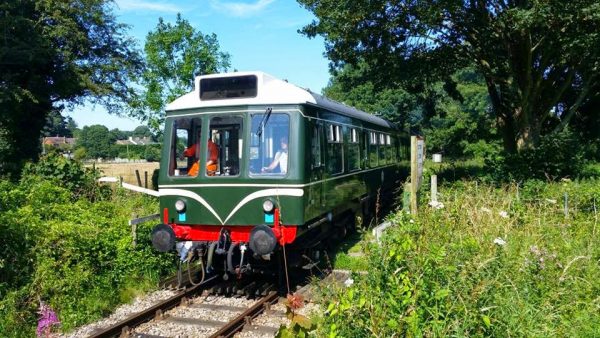
- Dover Transport Museum traces the town's long relationship with cross-Channel travel through vintage vehicles, models and railway memorabilia in a volunteer-run collection.
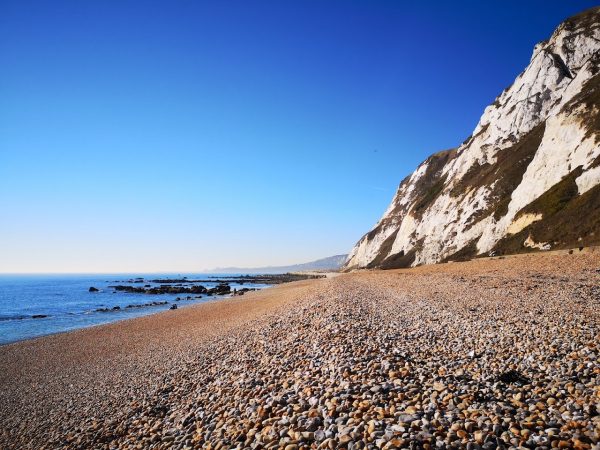
- Samphire Hoe, a nature reserve created from the chalk excavated during construction of the Channel Tunnel, sits beneath the cliffs west of town and is a favourite spot for walking, fishing and birdwatching.

Where to Eat in Dover(23)
All restaurants in Dover →Food and drink in Dover
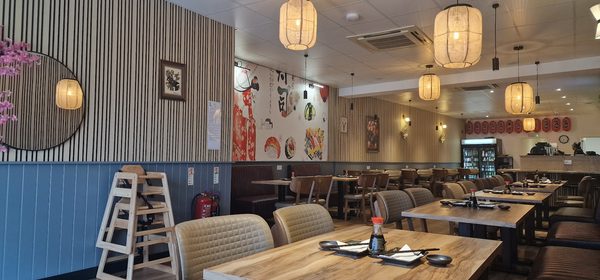
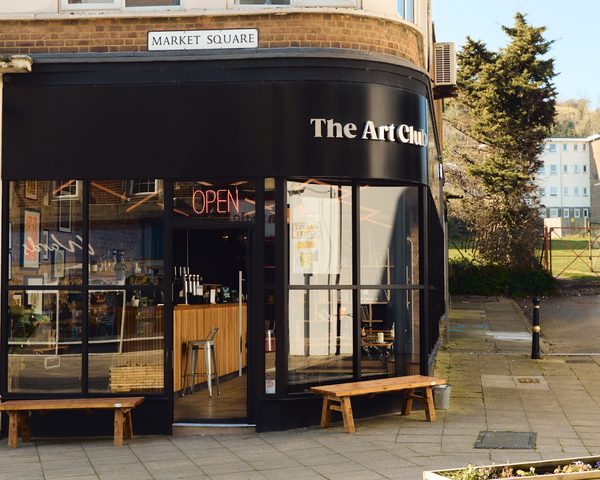
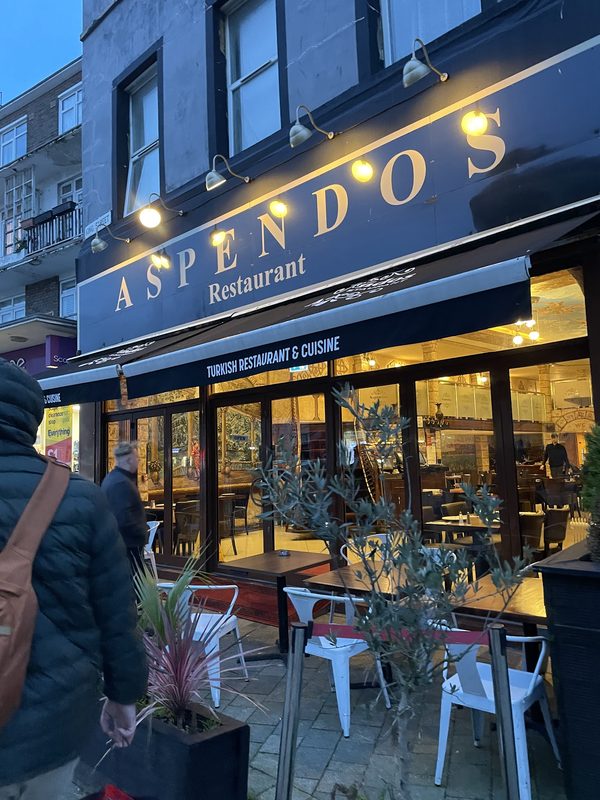
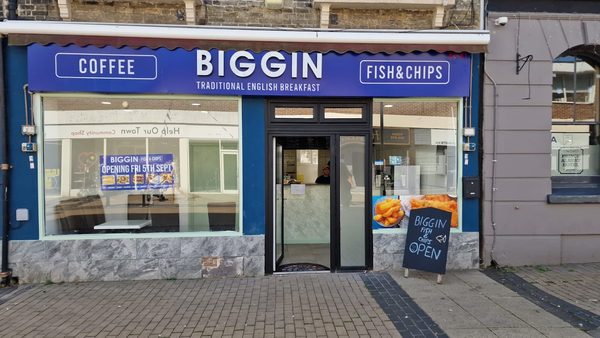
As a working Channel port, Dover has a strong tradition of simple, well-made seafood, with fresh catch landed locally and served in harbourside cafes and fish and chip shops along the seafront. The town's markets and independent butchers make the most of Kent's reputation as the garden of England, drawing on local orchards for cider and apple-based dishes, and on nearby farms for lamb and game in season. In the surrounding villages, several gastropubs have built strong reputations well beyond Dover itself, pairing seasonal Kentish produce with modern British cooking and thoughtful wine lists. Cafes around the Market Square and pedestrianised Biggin Street offer a good range of casual lunch options, while the harbourside gives visitors the chance to eat with views out towards the ferries and, on a clear day, the coast of France beyond.


Attractions Near Dover
All attractions in Dover →Worth the trip — within 50 miles of Dover.
 6 mi
6 mi
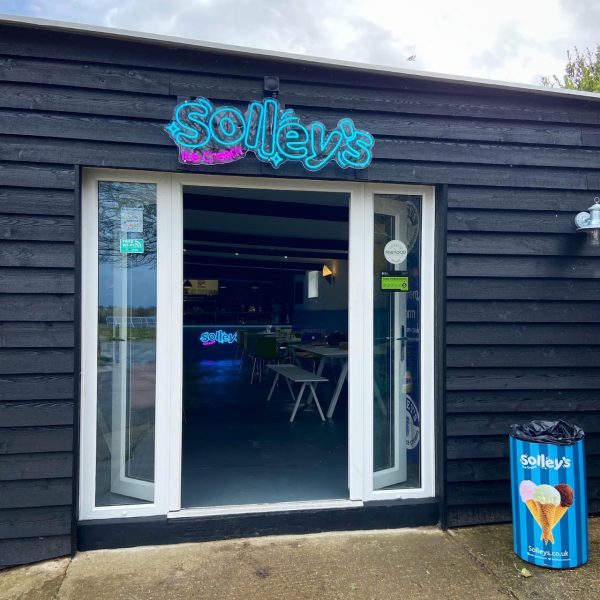
Solley's Ice Cream Parlour
Deal · ⭐ 5.0
 6 mi
6 mi
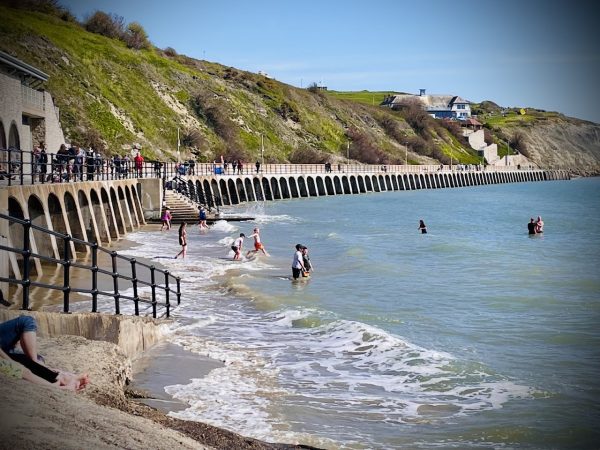
Sunny Sands Beach
Folkestone · ⭐ 4.6
 6 mi
6 mi
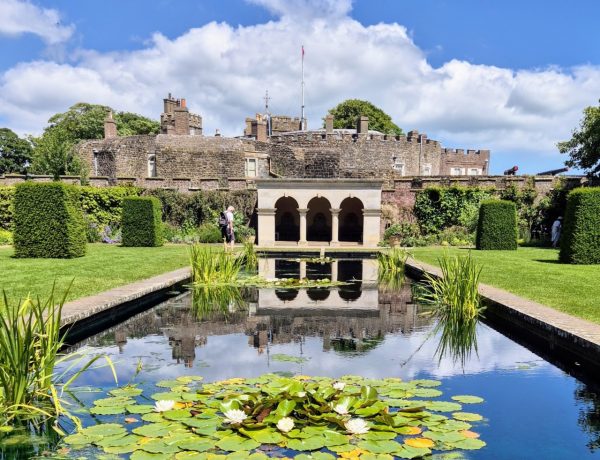
Walmer Castle and Gardens
Deal · ⭐ 4.7
 7 mi
7 mi
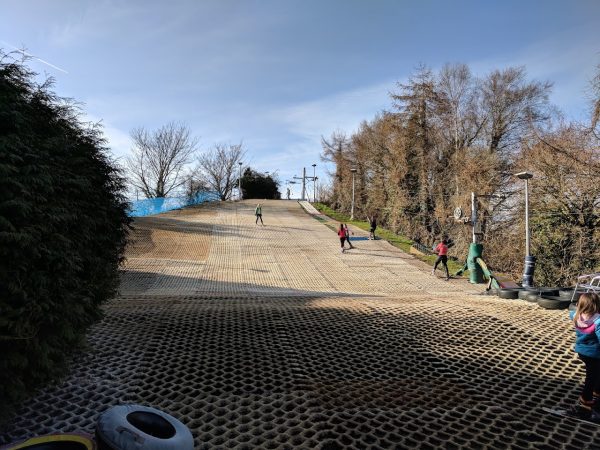
Folkestone Ski Centre
Folkestone · ⭐ 4.1
 7 mi
7 mi
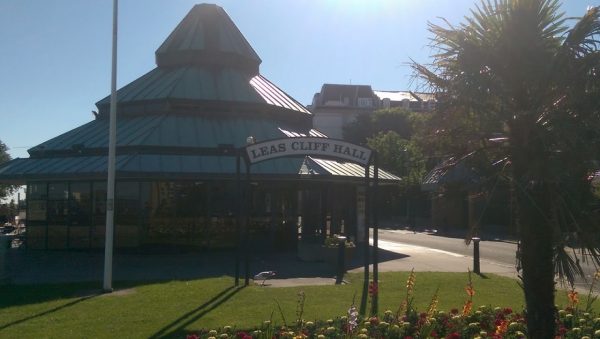
Leas Cliff Hall
Folkestone · ⭐ 4.4
 7 mi
7 mi
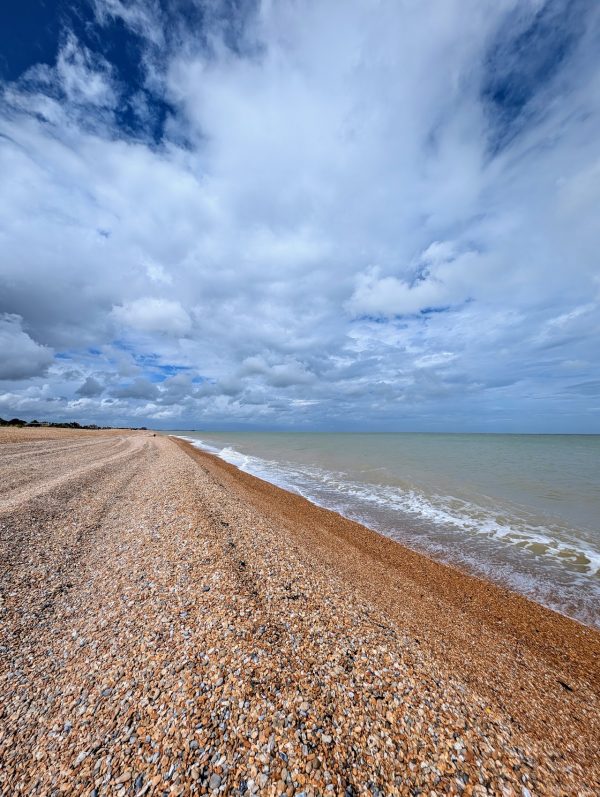
Walmer Beach
Deal · ⭐ 4.8
 7 mi
7 mi
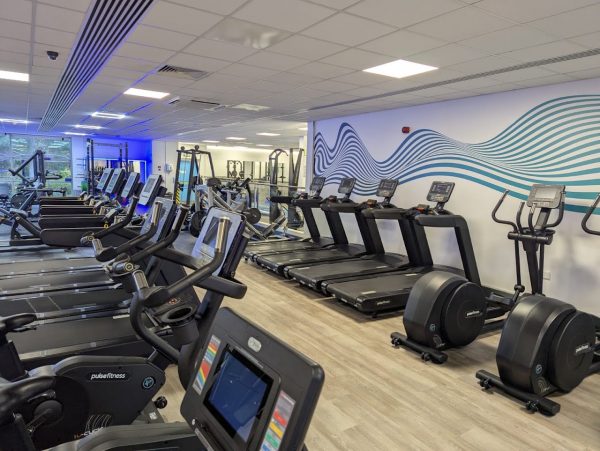
Tides Leisure Centre
Deal · ⭐ 3.7
 7 mi
7 mi
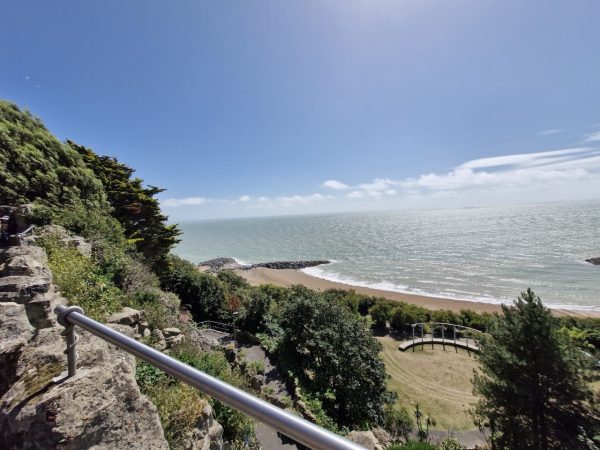
Lower Leas Coastal Park
Folkestone · ⭐ 4.7
Camping in Dover(5)
All campsites in Dover →About camping in Dover
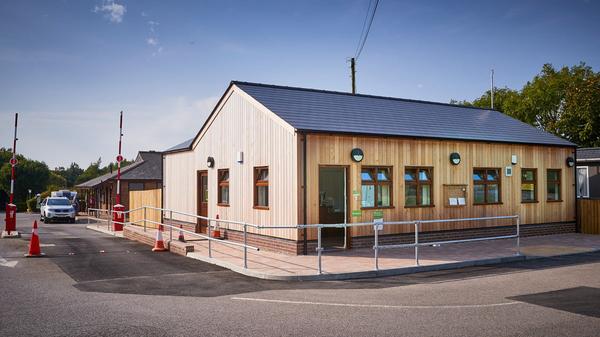
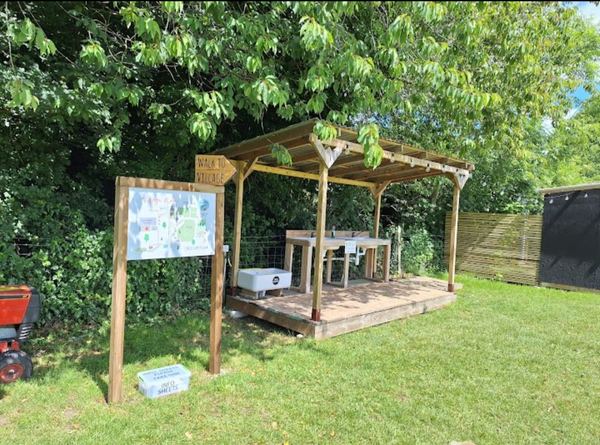
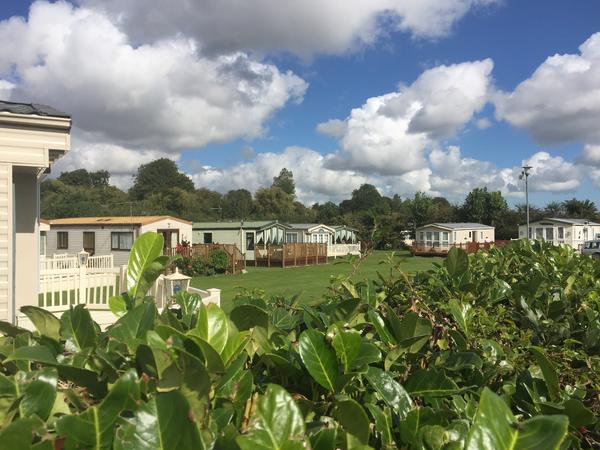
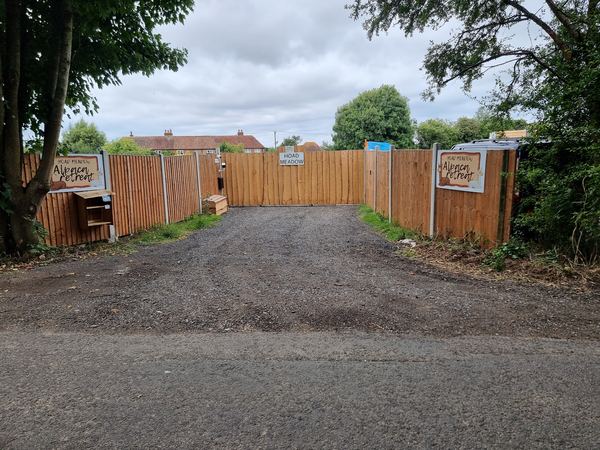
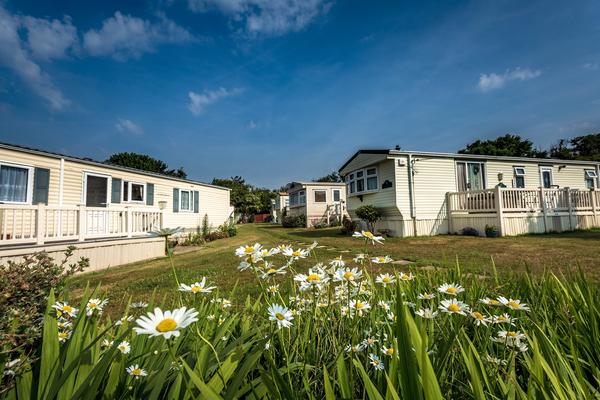
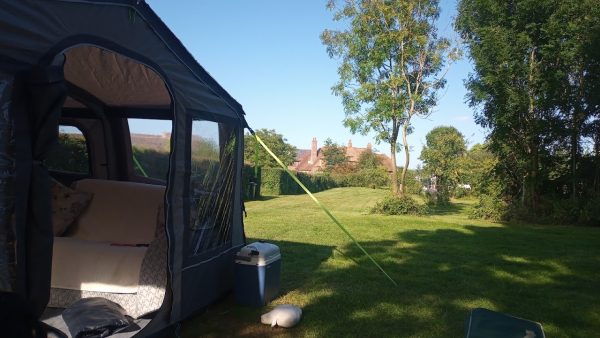
Dover itself has no campsites within the town, but the surrounding countryside and coast make up for it within a short drive. The land here is a mix of open chalk downland, arable fields and small wooded valleys, giving campsites in the area a noticeably different character depending on whether they sit inland or close to the cliffs. Sites just outside Dover, around Martin Mill, Whitfield and Capel-le-Ferne, tend to be well sheltered by hedgerows and trees, useful given how exposed the clifftop itself can be to Channel winds. Ground conditions are generally good for tents through spring and summer, though the chalk downland can turn slippery and the exposed coastal sites distinctly breezy once autumn winds set in.
Wild camping is not legally permitted anywhere in England, including on National Trust land such as the White Cliffs, without the landowner's explicit permission, so campers should stick to licensed sites rather than pitching informally on the clifftop paths. The best months to camp near Dover run from late April through to September, when daytime temperatures are mild, rainfall is at its lowest for the year, and the long summer evenings make the most of the coastal light. July and August bring the heaviest demand, driven partly by ferry traffic and Channel crossings, so early booking is worthwhile in peak season, while May, June and September tend to offer a quieter, calmer experience with the cliffs and countryside largely to yourself.
Self-Catering Cottages in Dover(43)
All cottages in Dover →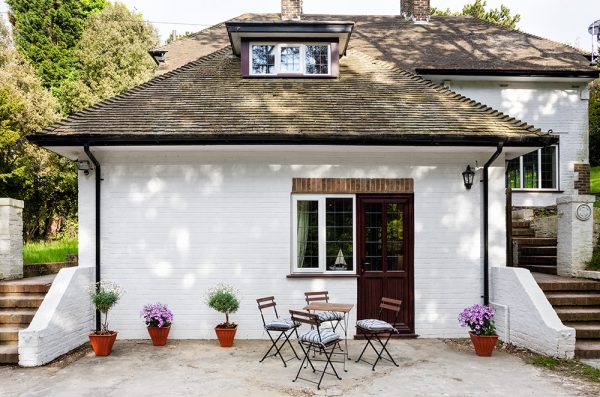
Headland
2 bed · sleeps 4 · from £891
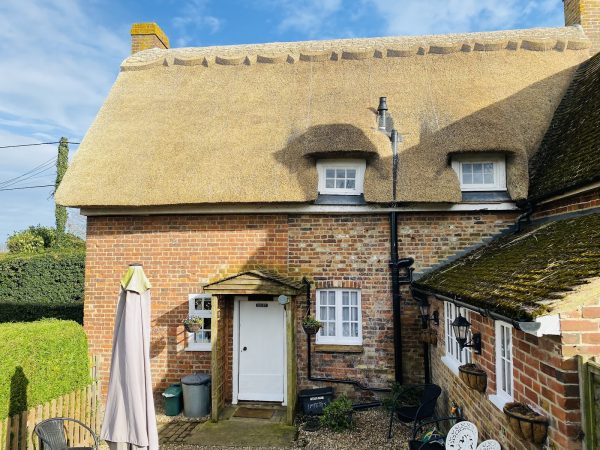
Little Impetts
2 bed · sleeps 5 · from £691

Mambo 95
3 bed · sleeps 6
Maple Cottage
5 bed · sleeps 12 · from £4,667
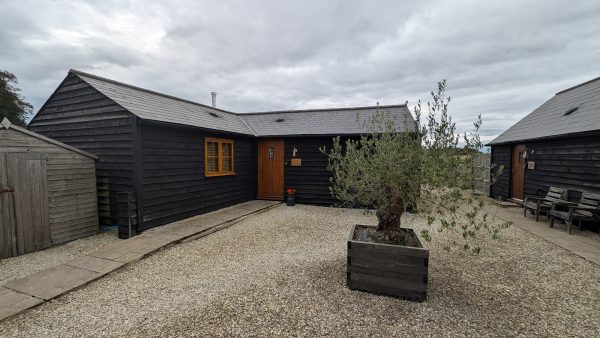
Old Chalksole Cottages
3 cottages · from £921
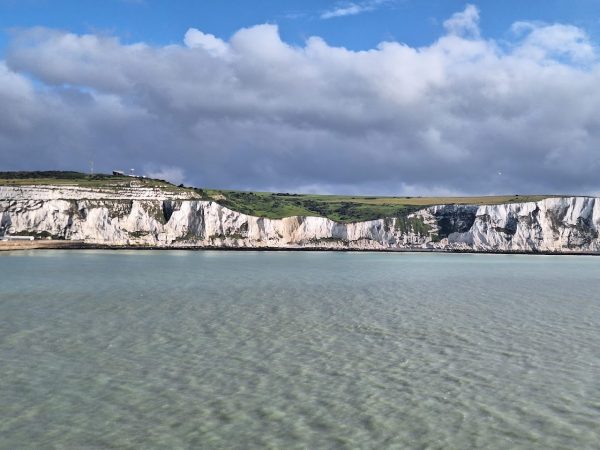
Pax
2 bed · sleeps 4 · from £427
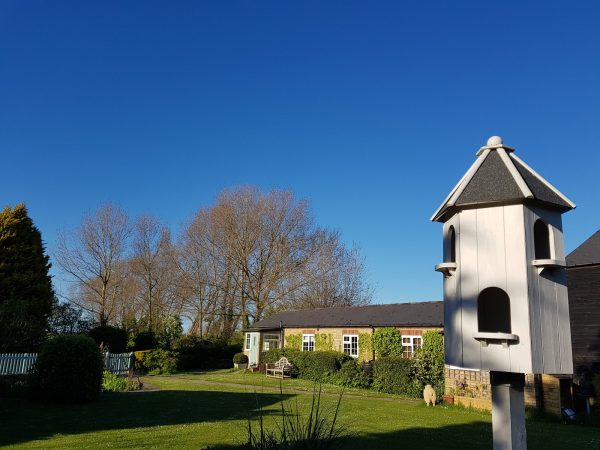
Santon Farm Cottages - Hawthorne Cottage
3 bed · sleeps 6 · from £561
Santon Farm Cottages
2 cottages · from £587
Common questions about Dover
How many campsites are there in Dover?
We list 5 campsites in and around Dover, of which 5 take tents and 1 offer glamping.
Are there dog-friendly campsites in Dover?
Yes — 4 of the 5 campsites we list in Dover accept dogs, including Coxhill Camping and Hawthorn Farm Caravan Park.
Which campsites in Dover have electric hook-up?
5 of the 5 campsites we list in Dover offer an electric hook-up.
How many holiday cottages are there in Dover?
We list 43 self-catering cottages in and around Dover.
Can I take a dog to a holiday cottage in Dover?
Yes — 23 of the 43 Dover cottages we list allow pets.
Are there large holiday cottages in Dover for groups?
Yes — the largest cottage we list in Dover sleeps 14.
Where can I stay in Dover?
We list 27 hotels, B&Bs and guest houses in and around Dover. Prices start from around £69 a night.
What is there to do in Dover?
We list 11 attractions and things to do in and around Dover.
Where can I eat in Dover?
We list 23 restaurants, pubs and cafes in and around Dover.