Drigg
Dunes, toads and a quiet corner of the Cumbrian coast
Photo © Joe Johnson, Google Maps
Drigg is a small village on the low-lying west Cumbrian coast, tucked between the Esk estuary at Ravenglass and the neighbouring village of Seascale, on the boundary of the Lake District National Park in the Borough of Copeland. It has none of the crowds of the central fells a few miles inland, and that is rather the point: this stretch of coast is flat, open and quietly dramatic, with the Irish Sea on one side and views inland to Scafell and the western fells on the other.
What sets Drigg apart is what lies just beyond the village: Cumbria's largest sand dune system, protected as a Site of Special Scientific Interest and known locally as Drigg Dunes. It is one of the least-visited wild corners of the county, and one of the most ecologically important, holding 300 recorded species of wildflower and one of England's largest breeding colonies of the rare natterjack toad. For anyone who wants a coastal walk without another soul in sight, or a base for exploring Eskdale and the western Lakes without the traffic of Windermere or Keswick, Drigg is a good, understated choice.
Getting to Drigg
Drigg has its own railway station on the Cumbrian Coast Line, with Northern services running between Carlisle and Barrow-in-Furness, calling at Ravenglass, Seascale and St Bees along the way — a scenic if slow route that hugs the coast for much of its length. By road, the village sits just off the A595, the main route down the west Cumbrian coast, roughly 35–40 minutes from Whitehaven and about an hour from the M6 at Penrith via minor roads through the fells, so most visitors allow a bit longer than the map distance suggests.
Best time to visit Drigg
Late spring and early summer (May to July) are best for the dunes, when the natterjack toads are most active after dark and the wildflowers are at their peak; this is also nesting season for the seabird colonies, so dogs need to be kept under close control and away from marked areas. Summer gives the longest days for exploring Eskdale and the fells, while early autumn brings quieter paths and good light along the coast. Winters here are mild by Lake District standards but can be wet and windy off the Irish Sea, so it suits a cosy stay near a fire more than an active one.
Where to stay in Drigg
All hotels in Drigg →About staying in Drigg
Drigg makes a peaceful, low-key base for exploring the west Cumbrian coast, with accommodation concentrated in the surrounding villages rather than in Drigg itself. Ravenglass, a short walk away along the estuary, has small guesthouses and inns with views over the harbour, while Seascale and the villages up the Eskdale valley offer a further scattering of B&Bs and traditional pubs with rooms. Staying in this pocket of coast puts you within easy reach of the Ravenglass and Eskdale Railway, Muncaster Castle and the quieter western approaches to Scafell Pike, without the queues and premium prices of the central Lake District. It suits visitors who want walking, wildlife and steam trains over nightlife, and who don't mind a short drive or train ride for a wider choice of restaurants.
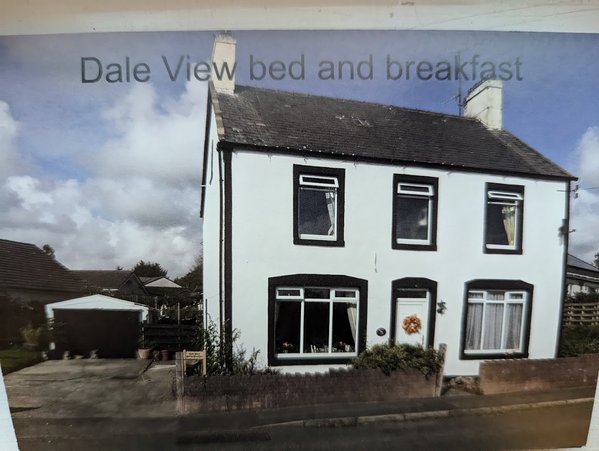
Dale View Bed and Breakfast
Dale View, Holmrook
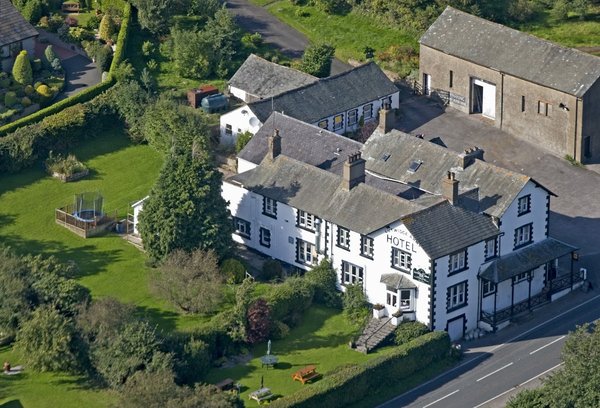
Lutwidge Arms
Main A595, Holmrook
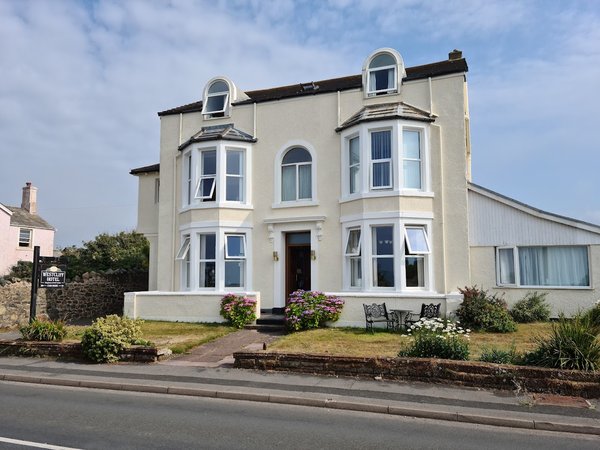
Westcliff
Drigg Road, Seascale
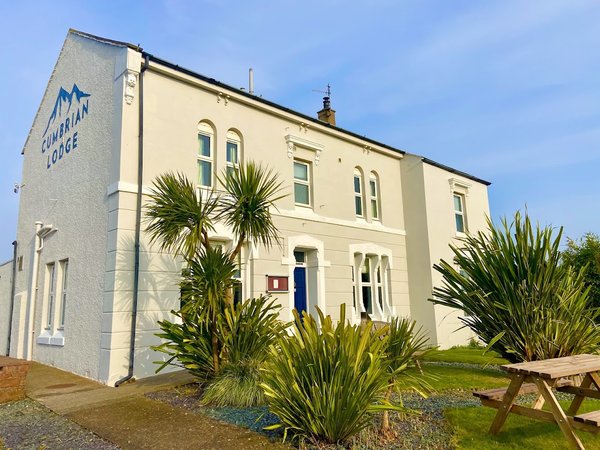
Cumbrian Lodge
8 Gosforth Road, Seascale
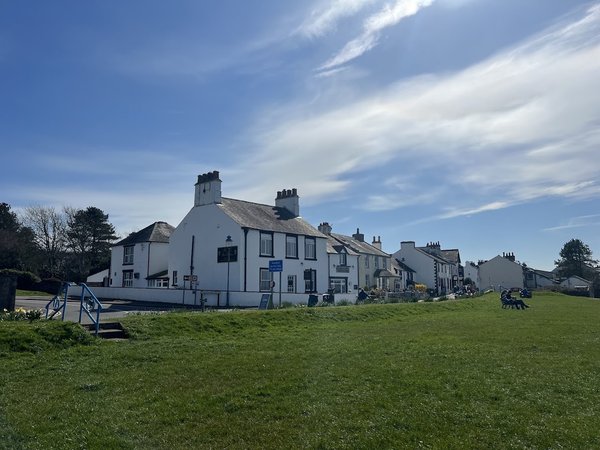
The Inn at Ravenglass
Main Street Ravenglass, Ravenglass
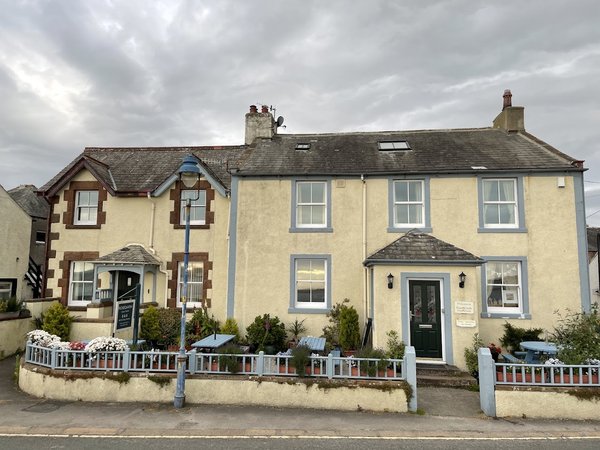
Rosegarth Guest House
Rosegarth, Ravenglass
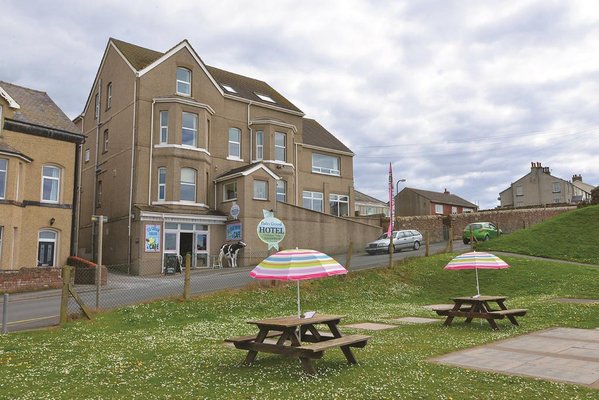
Bailey Ground Hotel
Rigg Road, Seascale
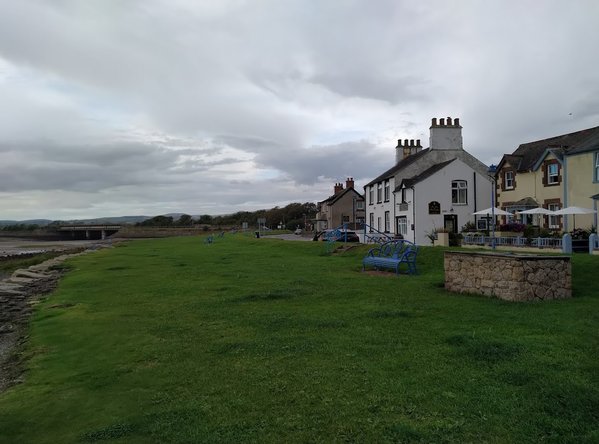
The Pennington Hotel
Main Street, Ravenglass
Things to Do in Drigg
All attractions in Drigg →Top things to do near Drigg
Drigg itself is tiny, but it sits right at the edge of some of Cumbria's best-kept secrets, with Ravenglass and the Eskdale valley a short walk or drive away.
- Drigg Dunes and Gullery — Cumbria's largest dune system and a Site of Special Scientific Interest, home to natterjack toads, great crested newts, adders and swathes of sea holly, sea lavender and pyramidal orchids. Footpaths run out from the village towards the shore.
- Ravenglass — the only coastal village within the Lake District National Park, a short walk south along the shore or estuary path, with a working harbour, Roman bath house remains and views over the Esk, Mite and Irt estuaries.
- Ravenglass and Eskdale Railway — the narrow-gauge steam line, nicknamed "La'al Ratty", runs seven miles inland from Ravenglass up the Eskdale valley towards Boot and the foot of Scafell, one of the most scenic short rail trips in the Lake District.
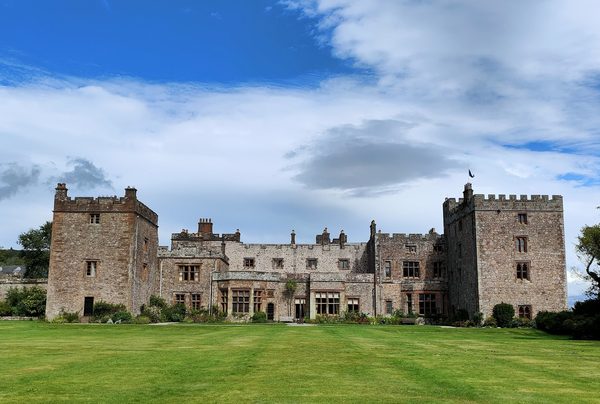
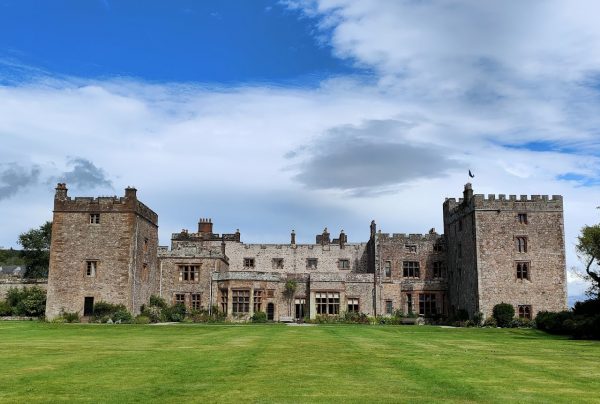
- Muncaster Castle — a centuries-old castle and gardens near Ravenglass, with owl centre, woodland walks and views towards the fells.
- Eskdale and the western fells — the valley served by the railway gives quiet access to Scafell Pike, Bowfell and the Hardknott Pass, well away from the busier eastern approaches to the Lakes.
- Sellafield Visitor Experience — a short drive up the coast, an unusual but genuinely informative stop covering the site's history and the science of the nuclear industry that has shaped this coastline.
Where to Eat in Drigg
All restaurants in Drigg →Food and drink near Drigg
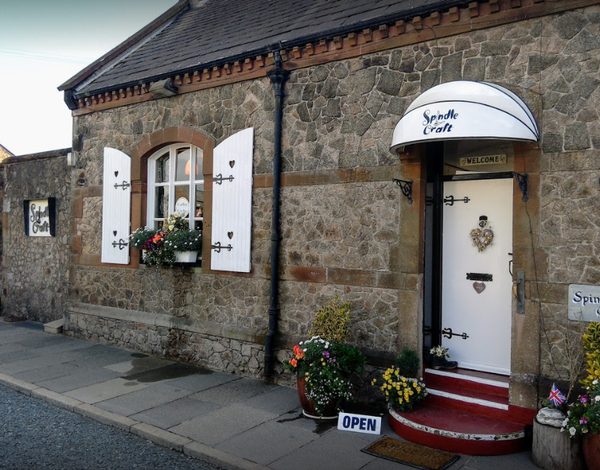
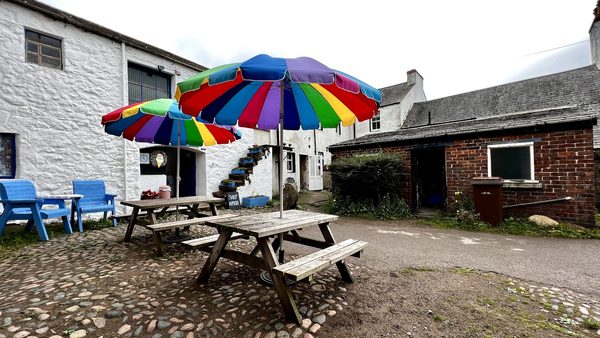
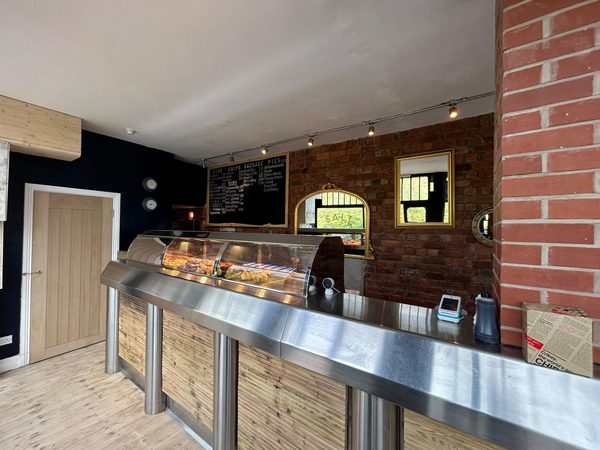
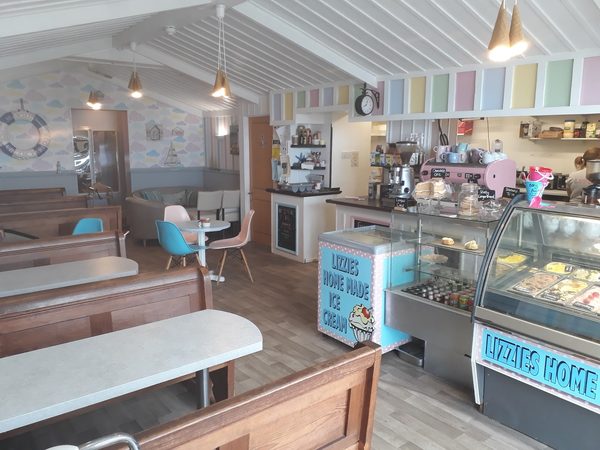
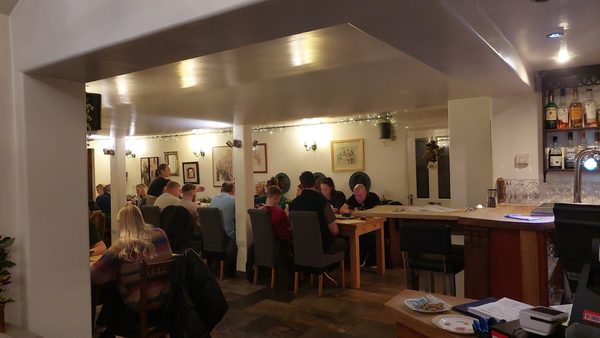
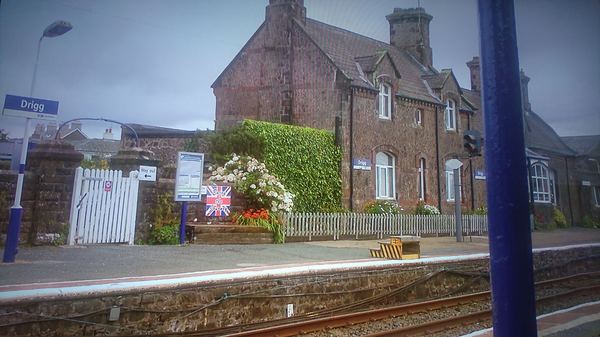
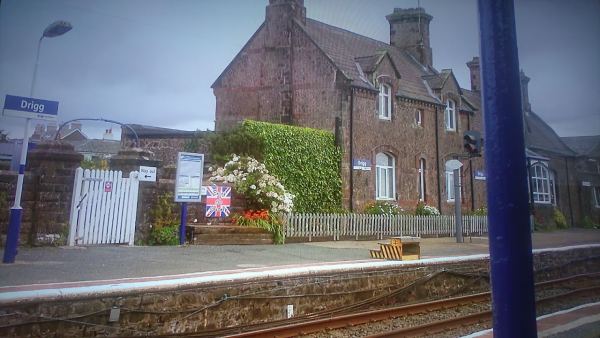
The Victoria Hotel, a former coaching inn built soon after the railway reached Drigg in 1849, has been serving travellers since 1885 and remains the village's long-standing pub. The old station building itself has found a second life as a café and craft shop. For more choice, Ravenglass and the villages up the Eskdale valley have a small spread of pubs and cafés serving walkers off the fells and passengers from the steam railway.
Attractions Near Drigg
All attractions in Drigg →Worth the trip — within 50 miles of Drigg.
 2 mi
2 mi
Muncaster Castle
Ravenglass · ⭐ 4.6
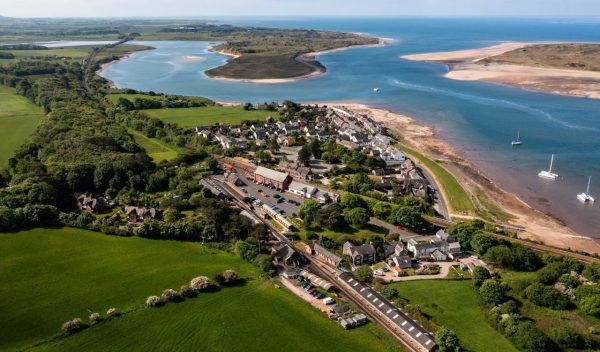 2 mi
2 mi
Ravenglass and Eskdale Railway
Ravenglass · ⭐ 4.6
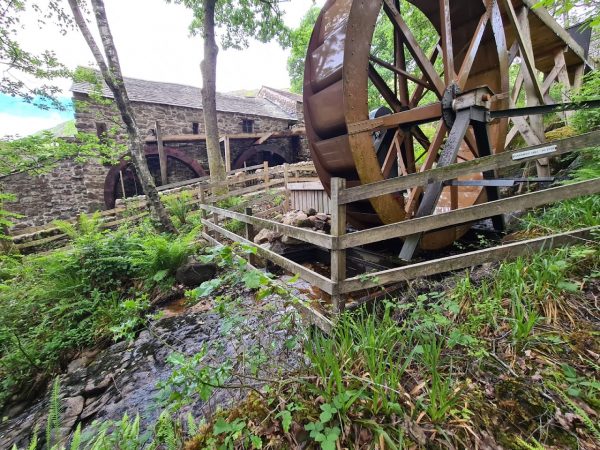 7 mi
7 mi
Eskdale Mill
Holmrook · ⭐ 4.8
 10 mi
10 mi
Ennerdale Water Lake District
Cleator · ⭐ 4.9
St Bees Beach
St Bees · ⭐ 4.7
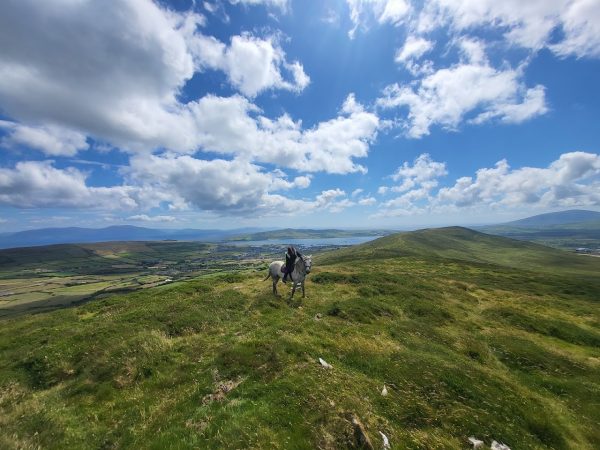 11 mi
11 mi
Dingle Horse Riding
Dingle · ⭐ 4.9
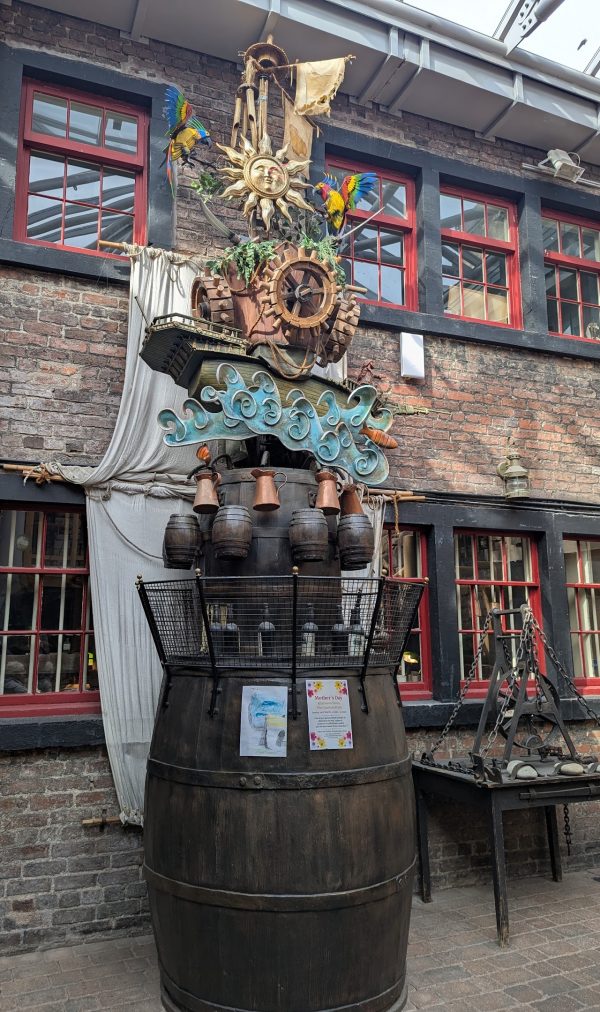 13 mi
13 mi
The Rum Story
Whitehaven · ⭐ 4.5
 13 mi
13 mi
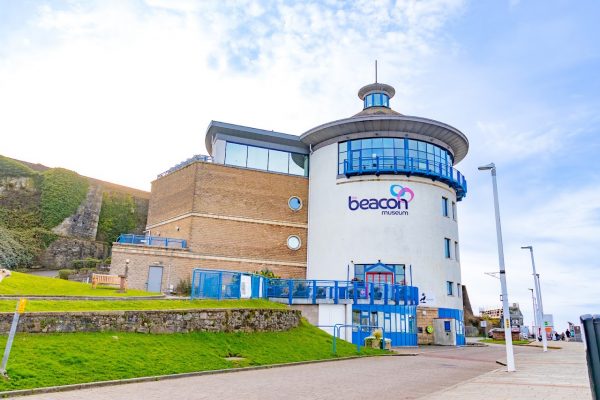
The Beacon
Whitehaven · ⭐ 4.6
Camping in Drigg
All campsites in Drigg →About camping in Drigg
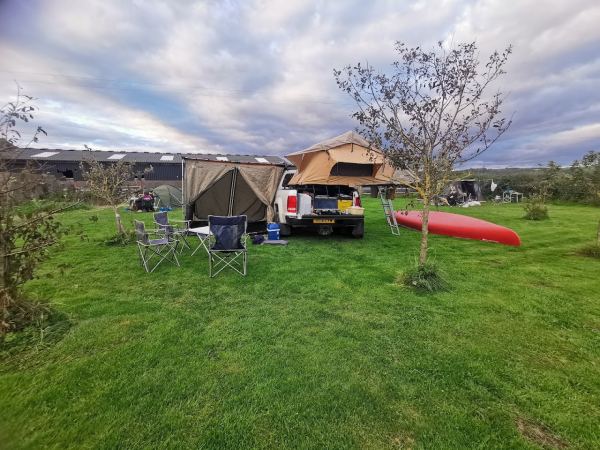
Drigg's big draw for campers is its setting: the village backs directly onto Cumbria's largest dune system, a Site of Special Scientific Interest that gives a genuinely wild, big-sky feel rare on this part of the coast. As with the rest of England, wild camping is not legal here without the landowner's permission, so pitch at one of the established sites along this stretch of coast rather than on the dunes or reserve land, which is protected for its natterjack toads, ground-nesting birds and rare wildflowers. Several campsites and touring caravan parks are dotted between Drigg, Seascale and Ravenglass, making the most of the flat coastal ground, sea views and easy access to the beach.
Late spring through summer is the best window, when the dunes are at their most colourful with sea holly, thrift and orchids, evenings stay light for walks along the shore, and the toads and seabird colonies are most active — though this also means keeping to marked paths and campsite grounds rather than wandering the reserve itself. The coast here catches the full force of Irish Sea weather, so a well-pegged tent or a campervan is a safer bet than an exposed pitch, and shoulder-season stays can be blustery. For a softer landing, a handful of glamping pods and static caravans in the area offer heating and proper beds while keeping the same dune-backed, away-from-it-all setting, useful if the forecast turns or you simply want a warm base after a day on the Eskdale fells.
Partfield Park
from £23/night
Shepherds Views Holidays
⭐ 4.3 · from £62/night
Shepherds Views Holidays
⭐ 4.3
Carleton Hall Farm Certificated Location
⭐ 4.6
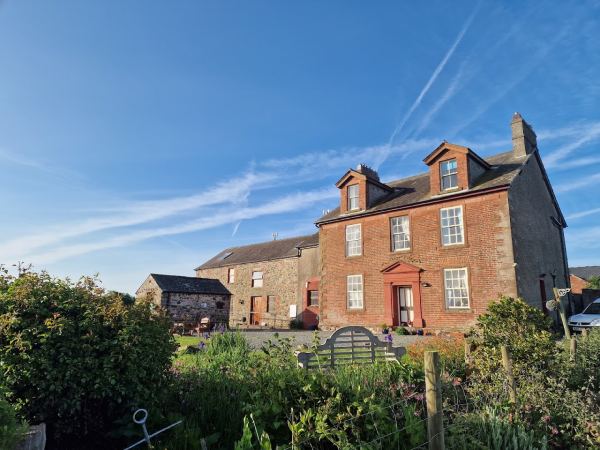
Cumblands Farm Caravan Site
⭐ 4.7 · from £22/night
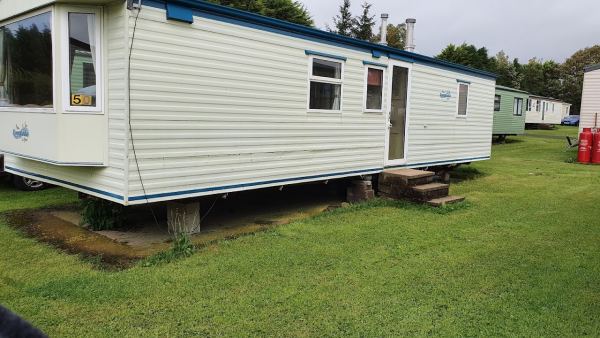
Seven Acres Caravan Park
⭐ 4.3
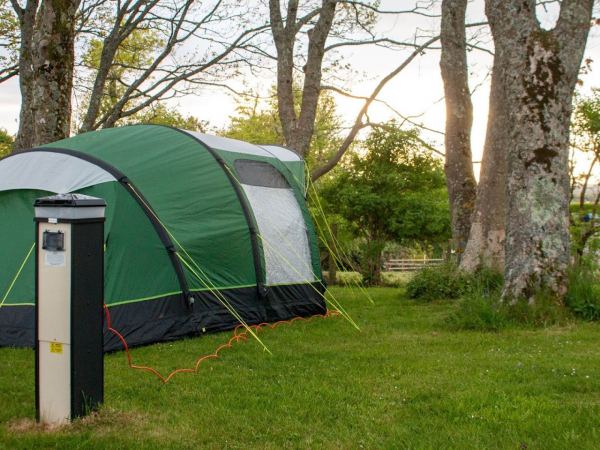
Ravenglass Camping and Caravanning Club Site
⭐ 4.6 · from £34/night
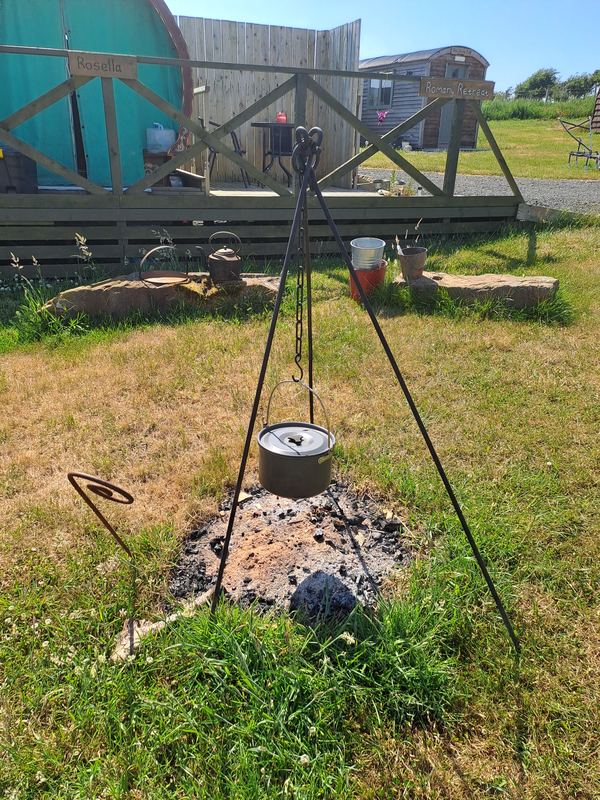
Harebeck Holidays at Thornbank Farm
⭐ 4.6 · from £30/night
Self-Catering Cottages in Drigg
All cottages in Drigg →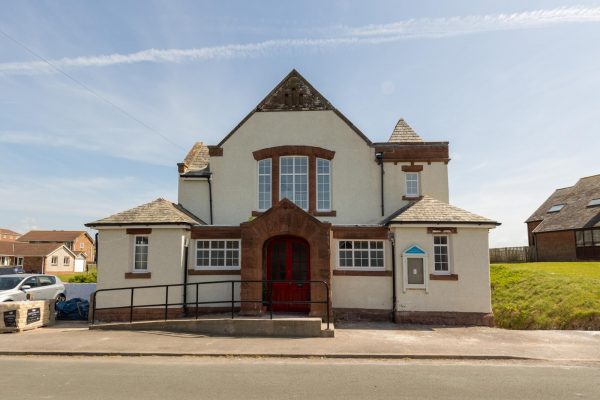
The Old Church Hall
5 bed · sleeps 14 · from £3,004
The Beach House at Whinthwaite
9 bed · sleeps 18 · from £6,330
The Cottage
3 bed · sleeps 6 · from £393
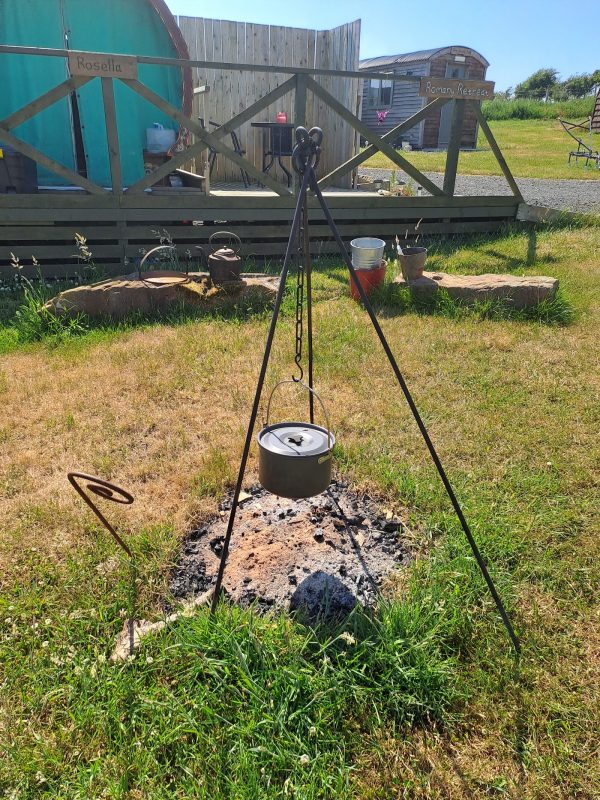
Harebeck Cottage
2 bed · sleeps 6 · from £323
Roses Cottage
2 bed · sleeps 4 · from £671
Mill Cottage
2 bed · sleeps 4 · from £671
Wind Hall Log Cabin
2 bed · sleeps 4 · from £567
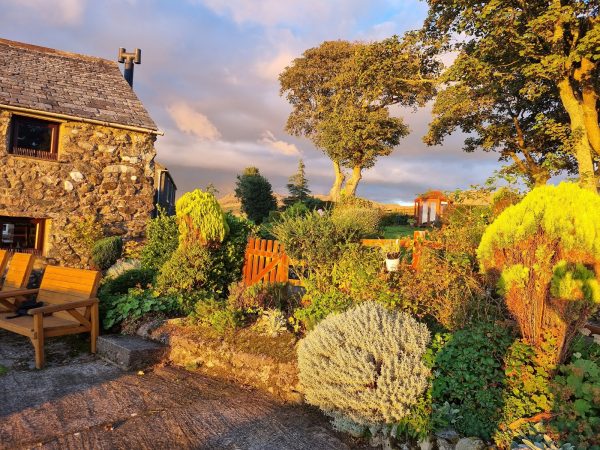
Stonefold Cottage
3 bed · sleeps 6 · from £457