Irton
Ancient crosses and quiet fells on the Lakeland coast
Photo © Rob Steele, Google Maps
Irton is a small village and civil parish in Cumbria, sitting on the western edge of the Lake District National Park between the Eskdale valley and the coastal village of Ravenglass. It lies close to Holmrook, with the River Irt running nearby on its short course from Wast Water down to the Irish Sea, and Muncaster Fell rising to the south. This is a much quieter corner of Lakeland than the honeypot valleys further east; the landscape here is a patchwork of small fields, drystone walls and woodland giving way quickly to open fell.
The village is best known for St Paul's Church, rebuilt in Victorian times but home to the Irton Cross, a 9th-century Anglo-Saxon cross carved from a single block of red sandstone and thought to pre-date the Viking era, making it one of the oldest and best-preserved crosses in Cumbria. Nearby Irton Hall, a country house set at the foot of the western fells between Wasdale and Eskdale, adds to a settlement with a genuinely old story to tell despite its small size today. For visitors, Irton's real appeal is its position: a peaceful base within easy reach of some of the best-loved attractions on the western side of the Lake District.
Getting to Irton
Irton is reached via minor roads off the A595 coast road, close to Holmrook, roughly midway between Ravenglass and Eskdale. The nearest railway stations on the national network are at Ravenglass and Drigg, both on the Cumbrian Coast Line linking Carlisle and Barrow-in-Furness; from Ravenglass, the Ravenglass and Eskdale narrow-gauge railway continues inland, with a stop at Irton Road. The wider Lake District road network is narrow and winding in places, so journeys from the M6 or the central Lakes can take longer than the map distance suggests.
Best time to visit Irton
Late spring through early autumn is the most reliable period for walking the surrounding fells and riding the Ravenglass and Eskdale Railway, which runs a fuller timetable in summer. Spring brings bluebells and fresh growth to the valley woodlands, while autumn colours the fellsides around Eskdale. Winter can be atmospheric but is quieter, with shorter days and the possibility of closed fell paths in poor weather; this corner of Cumbria takes a good deal of rain year-round, so it pays to come prepared regardless of season.
Where to stay in Irton
All hotels in Irton →About staying in Irton
Hotels in and around Irton are few, reflecting the size of the village, but the wider Eskdale and Ravenglass area offers a good spread of small hotels, coaching inns and guesthouses suited to walkers, railway enthusiasts and those touring the western Lake District. Irton Hall, set at the foot of the fells between Wasdale and Eskdale, has long been associated with accommodation in the immediate area, while nearby Ravenglass and Boot have inns geared towards travellers on the Ravenglass and Eskdale Railway. Expect a more traditional, low-key style of hospitality here than in the busier central Lakes towns such as Windermere or Ambleside; many properties are converted farmhouses or historic buildings rather than purpose-built hotels.
Booking ahead is worthwhile in summer, when the railway and the fells draw steady numbers of visitors, and rooms in the smaller inns can fill quickly. Staying near Irton gives easy access to both the coast at Ravenglass and the higher fells around Eskdale and Wasdale, making it a practical base for exploring this quieter side of the National Park without the crowds found further east.
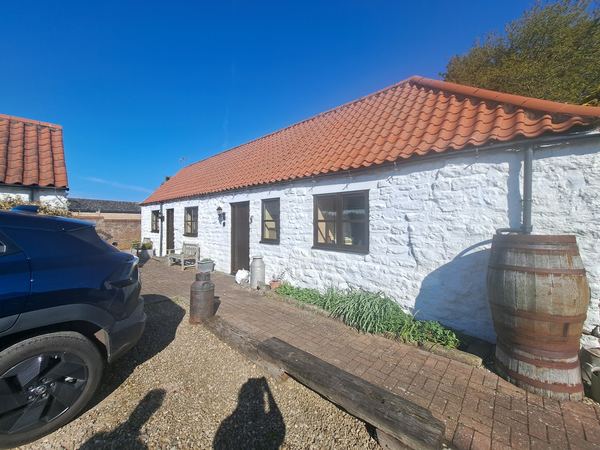
North End Farm Country Guest House
88 Main Street, Scarborough
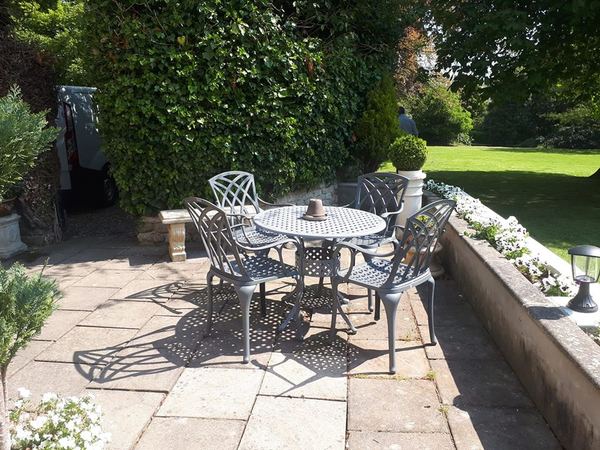
East Ayton Country House Hotel
Moor Lane, Scarborough
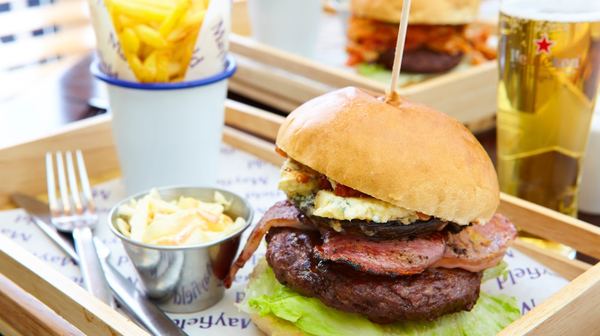
The Mayfield
Seamer, Scarborough
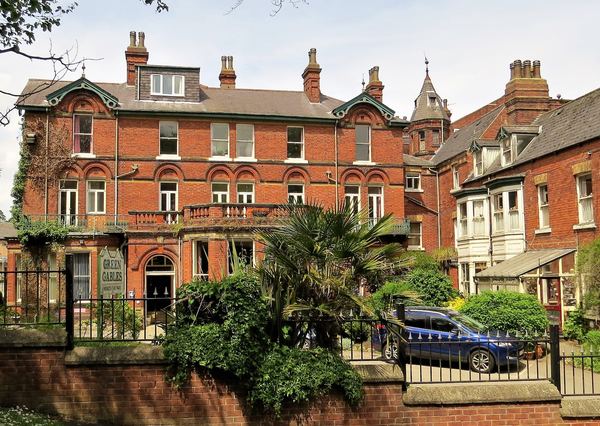
Green Gables Hotel
West Bank, Scarborough
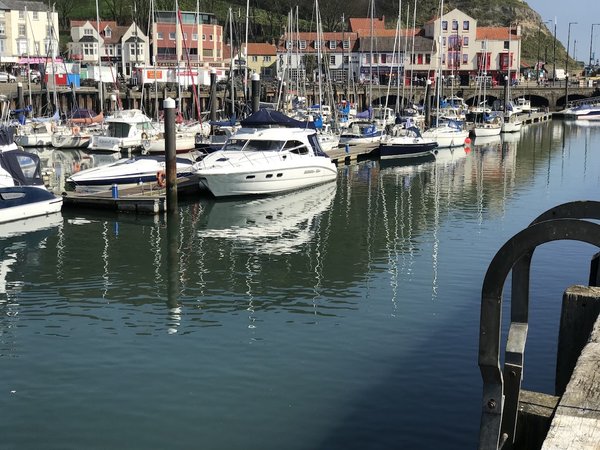
The Mount House Hotel
33 Trinity Road, Scarborough
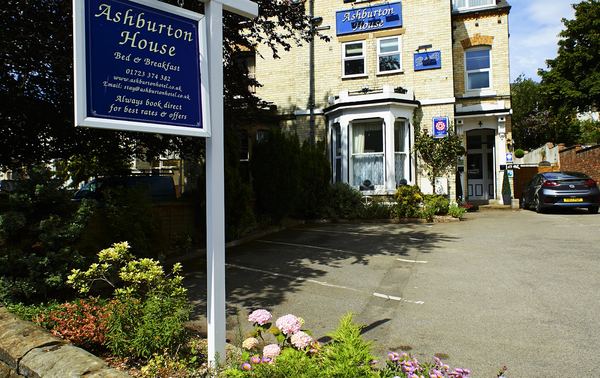
Ashburton House - B&B
43 Valley Rd, Scarborough
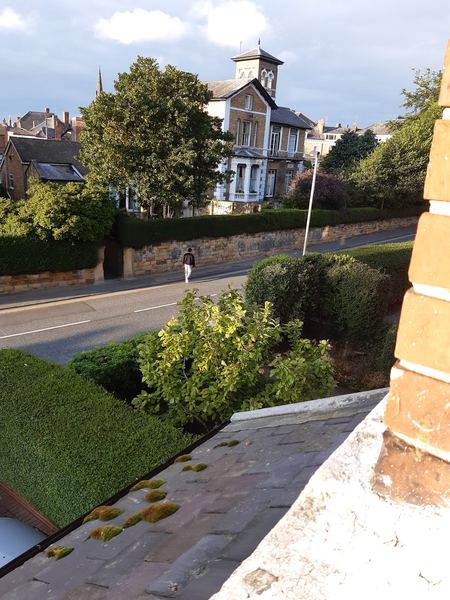
Powys Lodge - Guest House
2 Westbourne Road, Scarborough
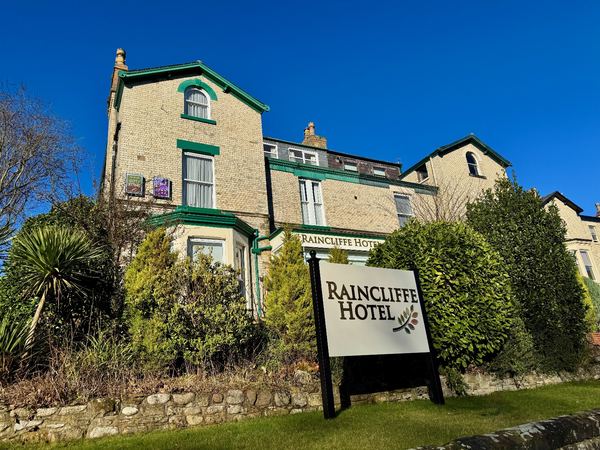
The Raincliffe Hotel
21 Valley Road, Scarborough
Things to Do in Irton
All attractions in Irton →Top things to do near Irton
Irton itself is tiny, but it sits at the centre of some of the most rewarding sights in western Lakeland.
- Irton Cross, St Paul's Church — a 9th-century Anglo-Saxon cross, around 10 feet tall and carved from a single piece of red sandstone, standing in the churchyard of the Victorian parish church.
- Ravenglass and Eskdale Railway — the narrow-gauge steam railway (known locally as "La'al Ratty") runs seven miles from the coast at Ravenglass up to Dalegarth near Boot, with Irton Road station serving the village itself.
- Muncaster Castle — a historic castle and gardens near Ravenglass, with owl centre, extensive grounds and views back towards the fells, a short drive from Irton.
- Irton Pike — a modest fell above the village offering views over the Eskdale valley and out towards the coast, a good option for a shorter walk than the higher peaks further inland.
- Ravenglass village and harbour — the only coastal village within the Lake District National Park, at the point where the rivers Irt, Mite and Esk meet the sea.
- Wasdale and Wast Water — England's deepest lake and the approach to Scafell Pike, England's highest mountain, a scenic drive away to the north.
Where to Eat in Irton
All restaurants in Irton →Food and drink near Irton
For food and drink, the Eskdale valley is the nearest hub, with the Brook House Inn at Boot a long-standing favourite among railway passengers and walkers, known for its real ales and hearty menu. Ravenglass has pubs and cafes serving the coastal end of the line, including options overlooking the estuary. Options directly in Irton itself are limited, so most visitors head the short distance to Boot or Ravenglass for a meal.
Attractions Near Irton
All attractions in Irton →Worth the trip — within 50 miles of Irton.
 1 mi
1 mi
Betton Farm Visitor Centre
Scarborough · ⭐ 4.5
The Scarborough Spa Express
Carnforth · ⭐ 4.5
 3 mi
3 mi
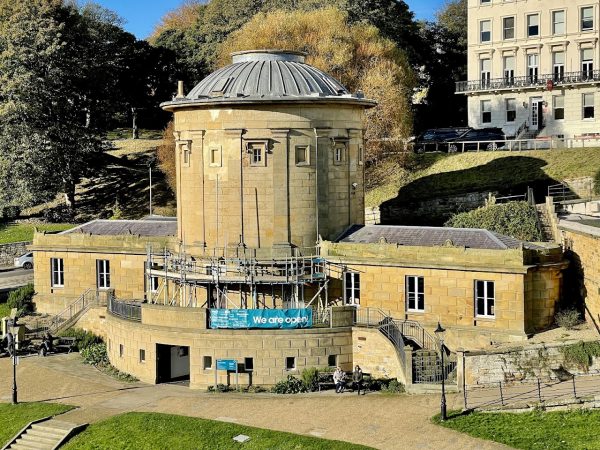
Rotunda Museum
Scarborough · ⭐ 4.2
 3 mi
3 mi
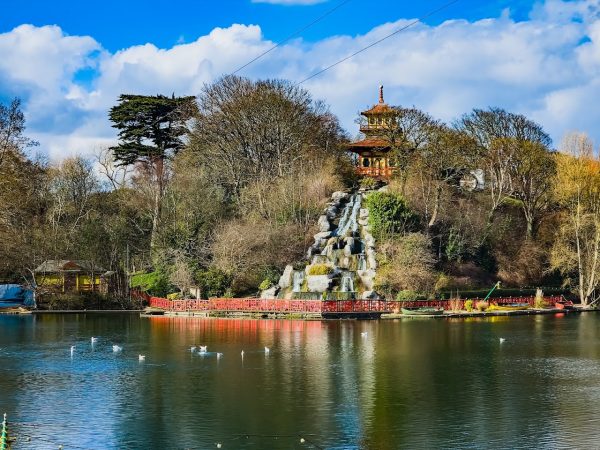
Peasholm Park
Scarborough · ⭐ 4.6
 3 mi
3 mi
Olympia Bowl and Softplay
Scarborough · ⭐ 4.3
Pot 2 Doodle Do
Scarborough
 3 mi
3 mi
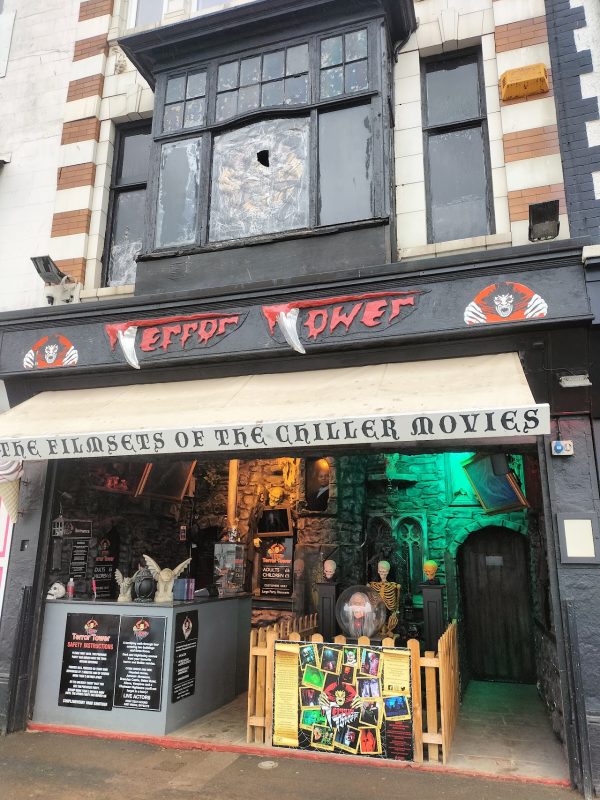
Terror Tower
Scarborough · ⭐ 4.0
 3 mi
3 mi
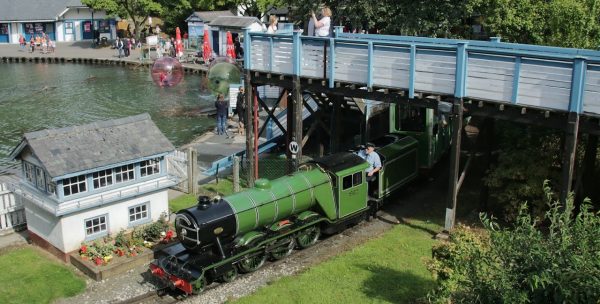
North Bay Railway Scarborough
Scarborough · ⭐ 4.6
Camping in Irton
All campsites in Irton →About camping in Irton
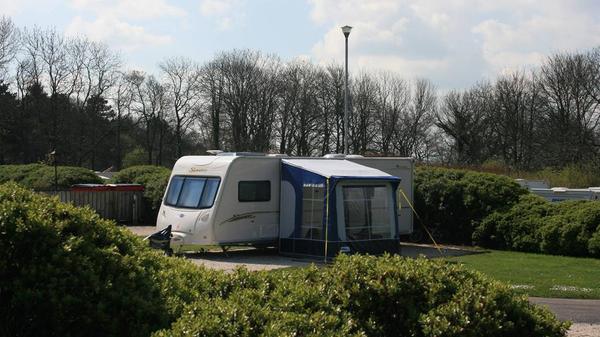
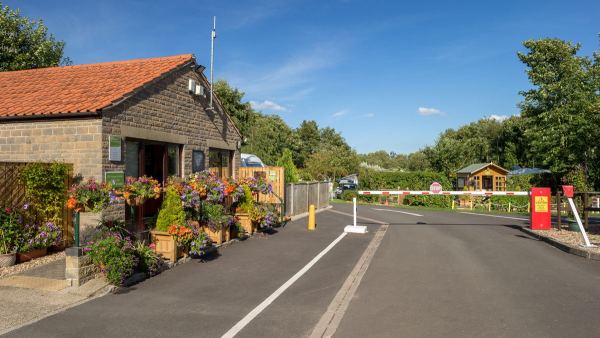
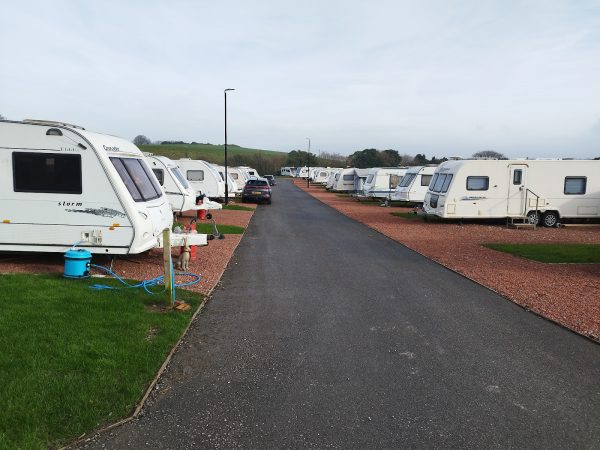
The fells above Irton and the wider Eskdale valley offer some genuinely wild-feeling country, but wild camping without the landowner's permission remains illegal in England, including here in Cumbria — unlike Dartmoor, there is no general right to pitch a tent on the open fell. Visitors wanting to camp should use one of the established campsites in the area, several of which sit within the Eskdale valley and around Ravenglass, offering pitches within walking distance of the fells and the narrow-gauge railway.
The terrain around Irton is a mix of low-lying farmland near the River Irt and steeper fell ground rising towards Irton Pike and the wider Eskdale fells, with Scafell Pike and Wasdale within reach for more serious hill walking. Ground can be wet underfoot for much of the year, and this western side of the Lake District catches a good deal of rainfall off the Irish Sea, so a well-pitched, weatherproof tent and decent waterproofs are worth the investment whatever the forecast promises.
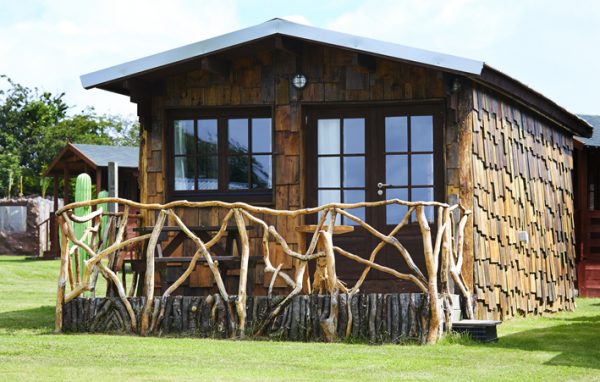
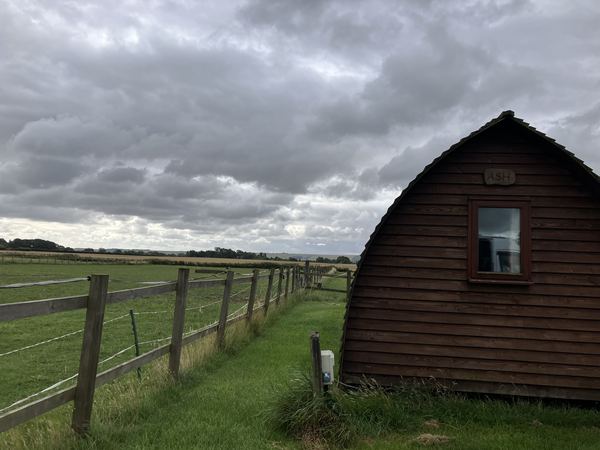
Late spring to early autumn is the most comfortable window for camping here, with longer daylight hours for exploring and a better chance of settled weather, though conditions can still turn quickly at altitude. Midges can be a nuisance on still summer evenings near the becks and woodland. For those who prefer a roof over their head without giving up the outdoor feel, glamping options such as pods, yurts and safari tents have become more common across Cumbria in recent years, offering a warmer alternative during the cooler shoulder seasons while keeping campers close to the fells and the coast.
Self-Catering Cottages in Irton
All cottages in Irton →Squirrel Cottage
2 bed · sleeps 3 · from £303
Milly’s Cottage
1 bed · sleeps 2 · from £247
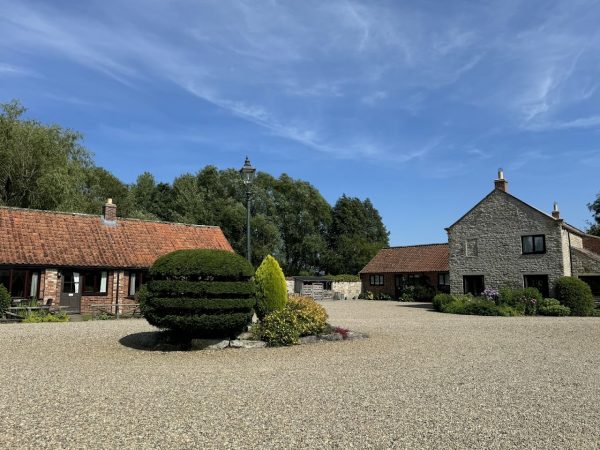
Low Mill Farm Cottages
2 cottages · from £927
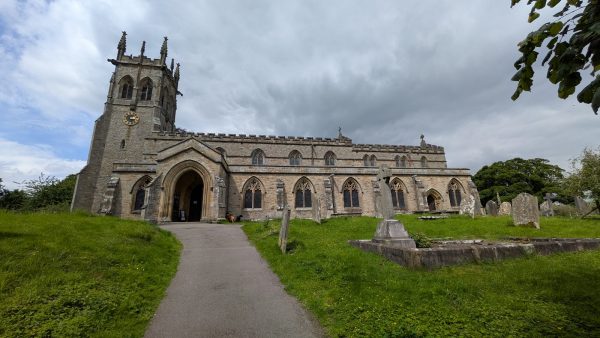
Aysgarth Lodge
2 bed · sleeps 4 · from £707
Low Hall Barn
3 bed · sleeps 6 · from £807
Lady Edith’s Duo
2 cottages · from £641
Jenny Spring
1 bed · sleeps 3 · from £507
Number 42
4 bed · sleeps 8