Lewes
Sussex history, bonfires and brewery ale beneath the Downs
Photo © Google Maps contributors, Google Maps
Lewes is the county town of East Sussex, built up the side of a chalk ridge where the River Ouse cuts through the South Downs on its way to the sea at Newhaven. The steep, twisting streets of the town centre still follow their medieval pattern, climbing from the river up past timber-framed houses, flint-walled cottages and Georgian townhouses to the ruined keep of Lewes Castle at the summit. It is a town that wears its history openly: Saxon street names, a Norman motte, a dissolved Cluniac priory and a Tudor merchant's house all sit within a few minutes' walk of one another, and most of it can still be explored on foot in an afternoon.
What sets Lewes apart from other pretty market towns in the South East is that it has never quite settled into being a museum piece. Harveys, the family-run brewery on the banks of the Ouse, has been producing Sussex Best Bitter on the same site since 1790 and still supplies the pubs of the town directly. Independent bookshops, antique dealers and record shops line Cliffe High Street and School Hill, and the town famously operates its own local currency, the Lewes Pound, alongside sterling, in a nod to its long-standing reputation for civic independence and mild eccentricity. That character reaches its peak every 5 November, when Lewes stages the largest and most elaborate Bonfire Night celebrations in the country, an event that has as much to do with the town's own history of religious dissent as it does with Guy Fawkes.
Beyond the town itself, Lewes sits at the edge of the South Downs National Park, with chalk grassland, ancient hillforts and long-distance walking routes starting almost from the railway station. Brighton is a fifteen-minute train ride away, making Lewes a genuine alternative base for visitors who want downland scenery and a quieter, more historic town without giving up fast connections to the coast and to London.
Getting to Lewes
Lewes railway station sits on the main line between London and Brighton and is served by regular direct trains from London Victoria and London Bridge, with a typical journey time of around 65 to 80 minutes depending on the service and operator. Brighton is only 10 to 15 minutes away by train, making Lewes an easy day trip or an alternative base for visitors focused on the wider Sussex coast. By road, Lewes lies just off the A27, which links Brighton to Eastbourne and continues towards Chichester and Southampton to the west, while the A26 and A275 connect the town north towards Uckfield and the Ashdown Forest area. Parking in the town centre is limited on steep, narrow streets, so most visitors use the pay-and-display car parks near the railway station or at the Cattle Market, both within easy walking distance of the High Street. Gatwick Airport is roughly an hour away by car or by train with a change at Three Bridges or via Brighton, making Lewes a realistic first or last night option for travellers using the airport.
Best time to visit Lewes
Spring brings snowdrops and daffodils to the water meadows along the Ouse and the first good walking weather on the South Downs Way, which passes within a few miles of the town at Southease and Kingston. Summer is the liveliest season, coinciding with the Glyndebourne opera festival a short drive away at Ringmer and with open-air swimming at Pells Pool, though the town can feel busy with day-trippers on fine weekends. Autumn is Lewes at its most distinctive: the town builds towards 5 November for weeks in advance, and visitors who want to see Bonfire Night itself should book accommodation many months ahead, since the town effectively closes its centre to traffic and fills to capacity for the evening. Winter is the quietest and often most atmospheric time to visit, with log fires in the pubs, fewer crowds around the castle and priory, and Harveys ales on peak form after the autumn brewing season.
Where to stay in Lewes(15)
All hotels in Lewes →About staying in Lewes
Lewes rewards visitors who base themselves within walking distance of its steep central streets, since much of the appeal of the town lies in wandering between the castle, the antique shops and the brewery without needing a car. The historic core around the High Street and Cliffe holds the widest choice, from a Georgian townhouse hotel with its own event gardens to small owner-run guest houses tucked into quiet side streets, and staying here puts Bonfire Night, the Saturday market and the evening pubs all within a few minutes on foot. Southover, just south of the centre near Anne of Cleves House, offers a quieter alternative with the same easy access to the sights, while a short walk from the railway station puts visitors within a couple of minutes of direct trains to London and Brighton.
Anyone happy to widen the search slightly will find some of the most characterful places to stay are actually just outside Lewes itself, in villages such as Ditchling, Firle and East Chiltington on the fringes of the South Downs. These are working pubs with a handful of rooms above the bar rather than large hotels, and they suit visitors who want a rural evening and a proper Sussex pint before heading back into town the next morning. Booking well ahead matters more here than in most English market towns: Lewes fills completely for Bonfire Night on 5 November, when the town effectively closes its centre for a parade watched by tens of thousands of people, and rooms across the whole area are typically taken months in advance of that date. The Glyndebourne opera season through the summer has a similar, smaller effect on availability in the villages closest to Ringmer. Outside those two peaks, Lewes is a manageable size and a comfortable base for exploring the wider Sussex coast and Downs, with Brighton only a quarter of an hour away by train for visitors who want to combine a quieter stay with easy access to the seafront.
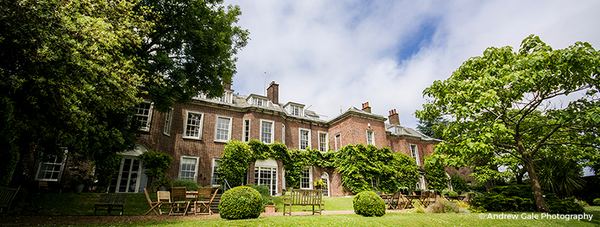 8.9
8.9
Pelham House
St Andrews Lane, town centre, below the castle
from £175/night
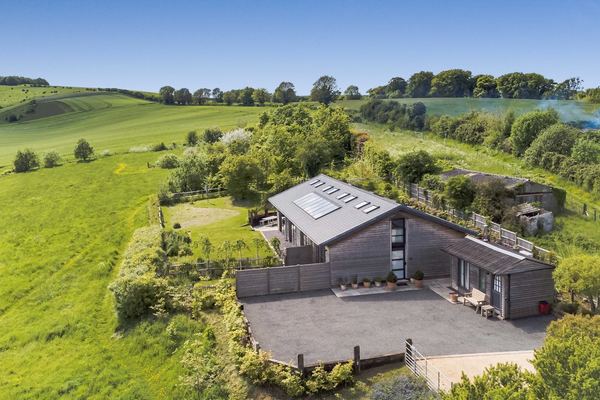 9.2
9.2
The Grain Store Lewes
Old Brighton Road, edge of town on the South Downs Way
from £350/night
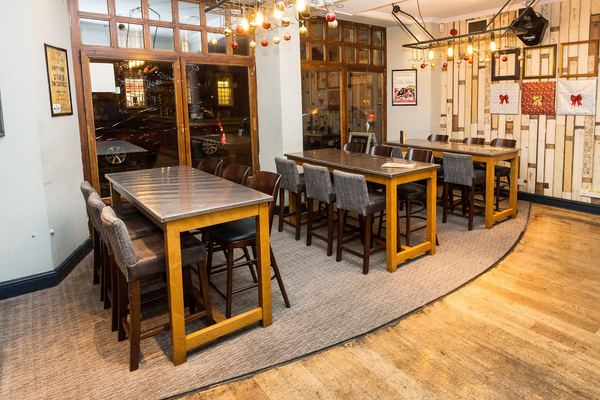 8.7
8.7
The White Hart
High Street, town centre
from £130/night
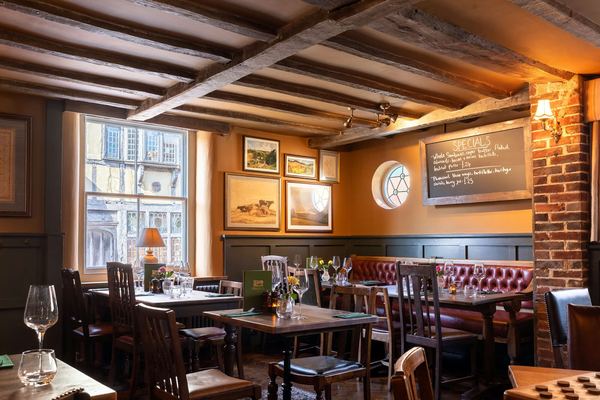 8.5
8.5
The Bull
High Street, Ditchling, six miles from Lewes
from £115/night
 8.2
8.2
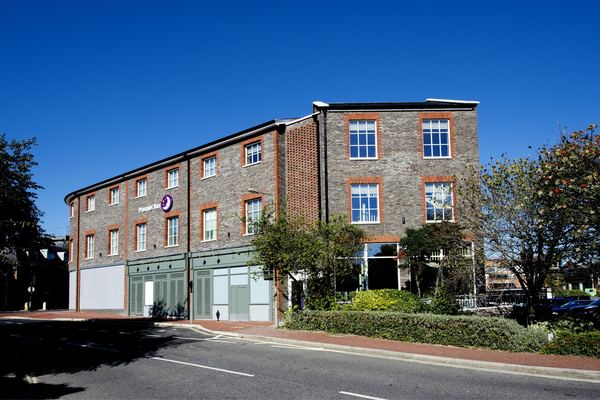
Premier Inn Lewes Town Centre
Court Road, near the railway station
from £75/night
 8.9
8.9
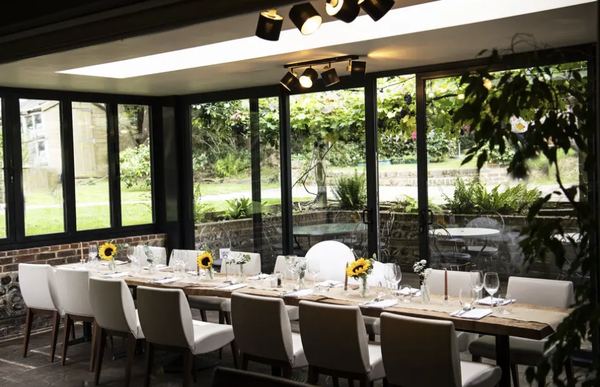
The Jolly Sportsman
Chapel Lane, East Chiltington, four miles from Lewes
from £110/night
 9.4
9.4
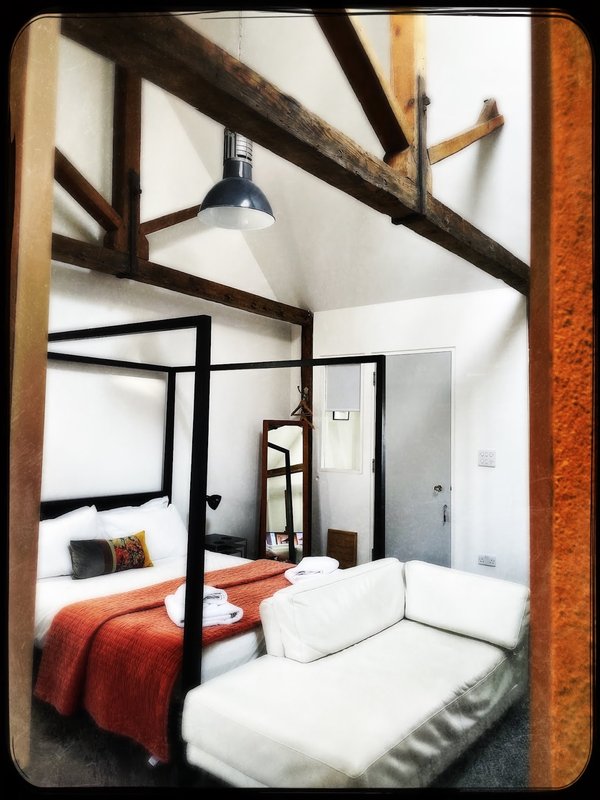
Monty's Accommodation
Town centre, historic Lewes
from £100/night
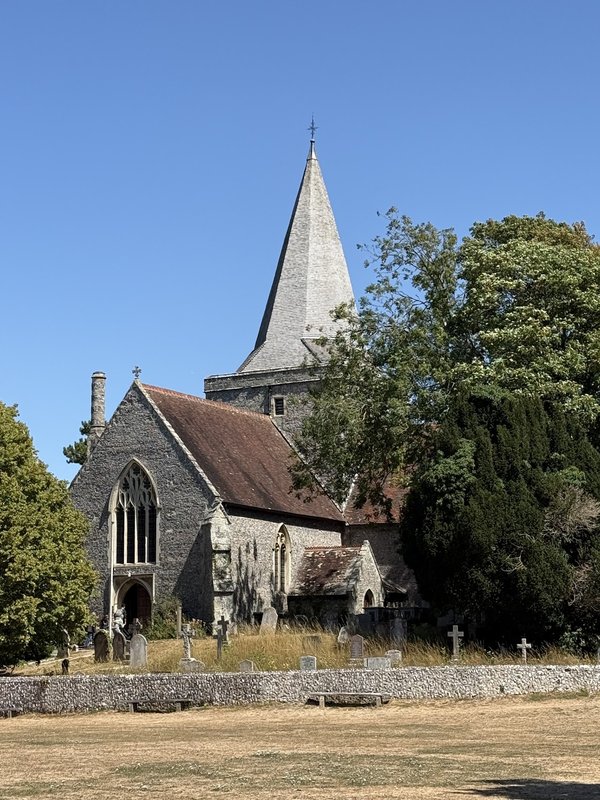
Beechwood B&B
Eastbourne Road, Lewes
Things to Do in Lewes(7)
All attractions in Lewes →Top things to do in Lewes
Lewes rewards slow exploration, but these are the sights and experiences most visitors build a trip around.
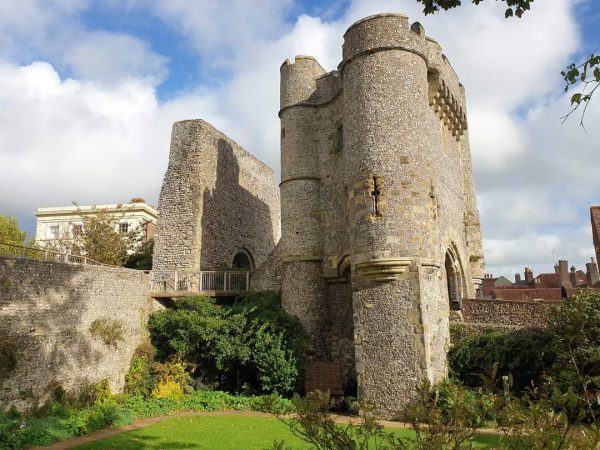
- Lewes Castle is an 11th-century Norman fortress built by William de Warenne, with two mottes (a rare feature in England) and views from the keep across the rooftops to the Downs beyond.
- Anne of Cleves House, a timber-framed Wealden hall house given to Henry VIII's fourth wife as part of their divorce settlement, is now a museum of Tudor life and Sussex crafts run by the Sussex Archaeological Society.
- Harveys Brewery occupies a Victorian tower brewery on Cliffe Bridge, and its tap room and the pubs it supplies across town offer the most direct way to taste Sussex brewing tradition.
- Lewes Priory, the ruined remains of a once-vast Cluniac monastery founded shortly after the Norman Conquest, stands in open parkland near the site of the 1264 Battle of Lewes between Henry III and Simon de Montfort.
- Southover Grange Gardens, a walled Elizabethan garden behind a handsome flint mansion, is a favourite spot for a picnic and sits a short walk from Anne of Cleves House.
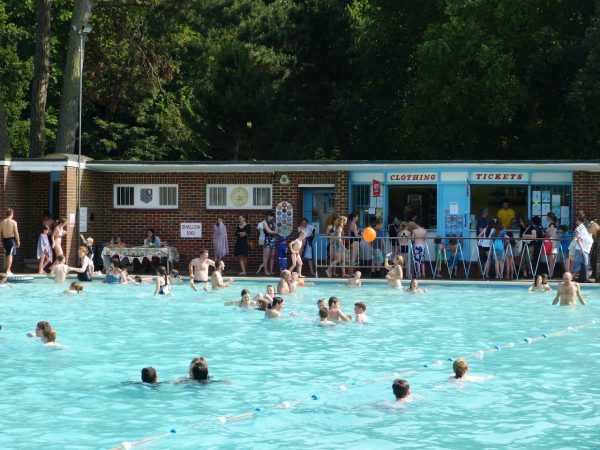
- Pells Pool, opened in 1861, is reputed to be the oldest freshwater open-air public swimming pool in Britain and remains a much-loved summer spot for locals.
- Cliffe High Street and the Twittens, the narrow alleyways connecting the town's parallel streets, hold most of the antique shops, independent bookshops and galleries that give Lewes its browsing appeal.
- Bonfire Night on 5 November sees seven bonfire societies parade through the town in costume with flaming torches and burning barrels, drawing tens of thousands of visitors to what is widely regarded as the country's biggest and most theatrical Bonfire celebration.
Where to Eat in Lewes
All restaurants in Lewes →Food and drink in Lewes
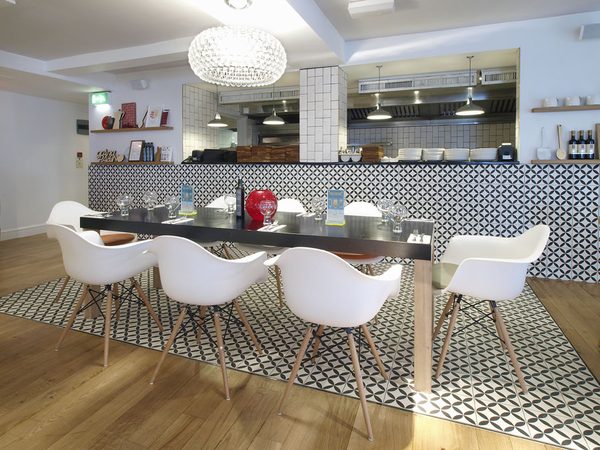
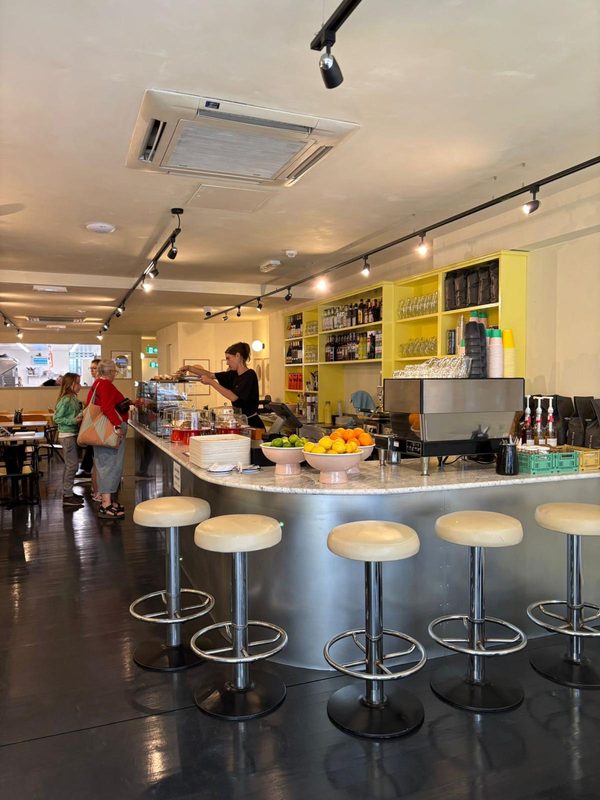
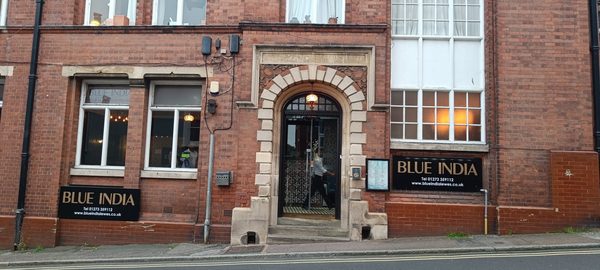
Harveys remains the town's defining culinary export, and its cask ales, particularly Sussex Best Bitter, are on tap in most of the traditional pubs along the High Street and down towards the bridge. The Saturday farmers' market in the Cliffe precinct and the town's independent food shops make the most of produce from the surrounding Sussex farmland, including Southdown lamb, local cheeses and orchard fruit from the Weald. Lewes has also long punched above its weight for casual dining, having been the birthplace of the Bill's restaurant chain, which started as a greengrocer and café on Cliffe High Street before expanding nationally. The gastropubs in the villages just outside town, several of which also offer rooms, are worth the short trip for anyone keen on modern British cooking built around Sussex ingredients, while the town centre itself has a good spread of cafés, delis and small independent restaurants tucked along the twittens between the main streets.
Attractions Near Lewes
All attractions in Lewes →Worth the trip — within 50 miles of Lewes.
 4 mi
4 mi
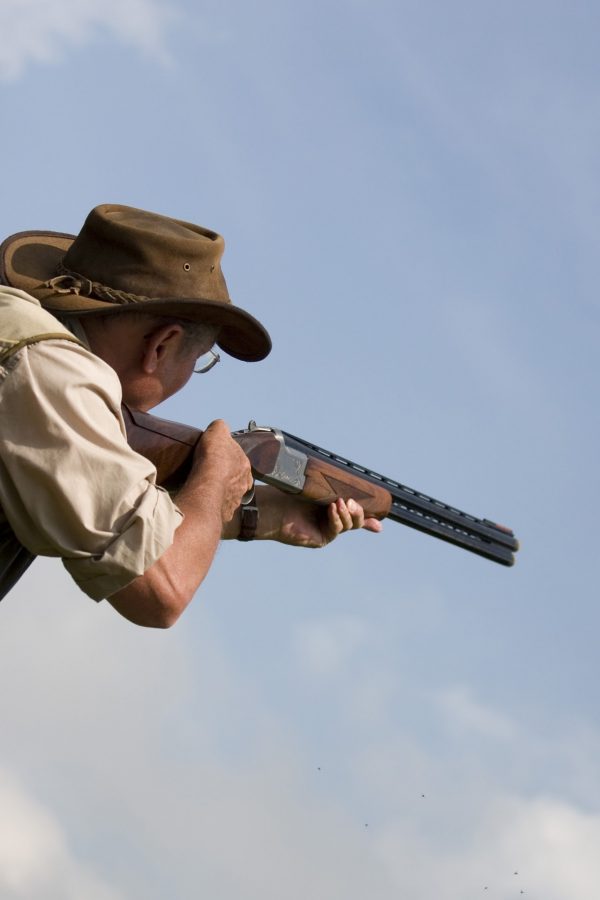
Polowood Shooting Ground & Corporate Entertainment Ltd.
Brighton · ⭐ 4.9
 5 mi
5 mi
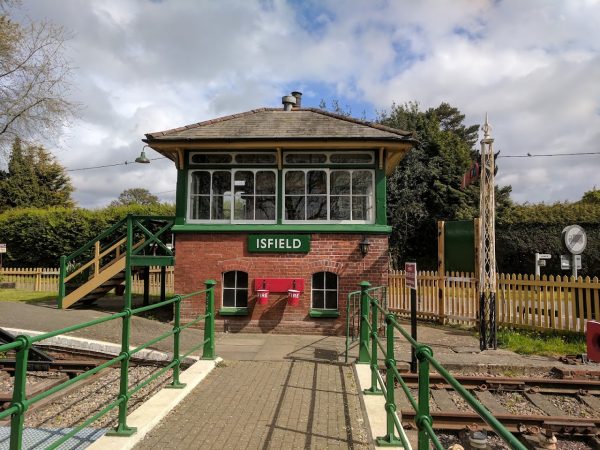
The Lavender Line
Uckfield · ⭐ 4.5
 5 mi
5 mi
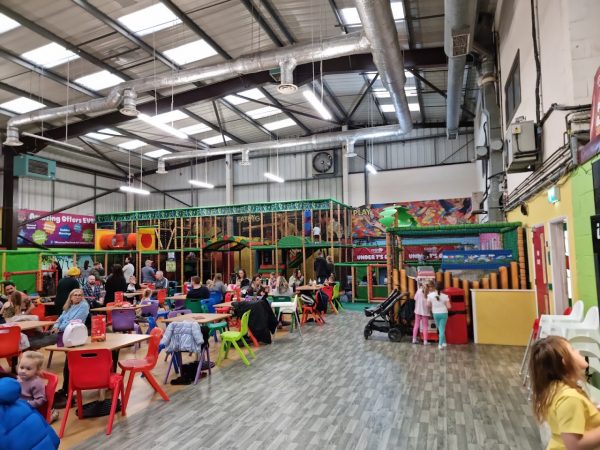
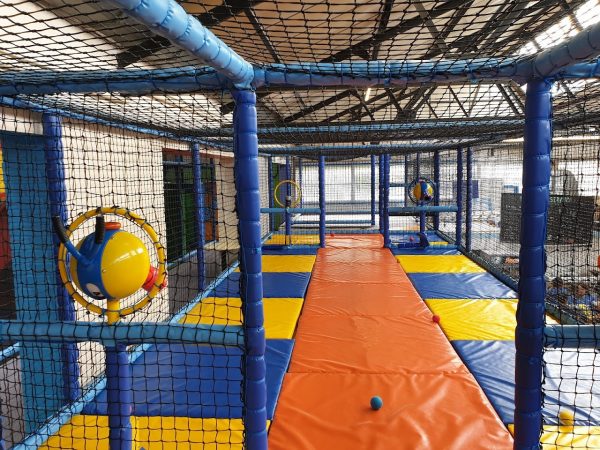
Funplex
Brighton · ⭐ 3.8
 6 mi
6 mi
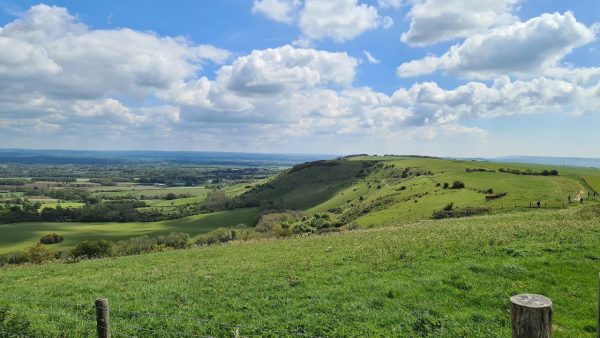
Ditchling Beacon-National Trust
Ditchling · ⭐ 4.7
 6 mi
6 mi
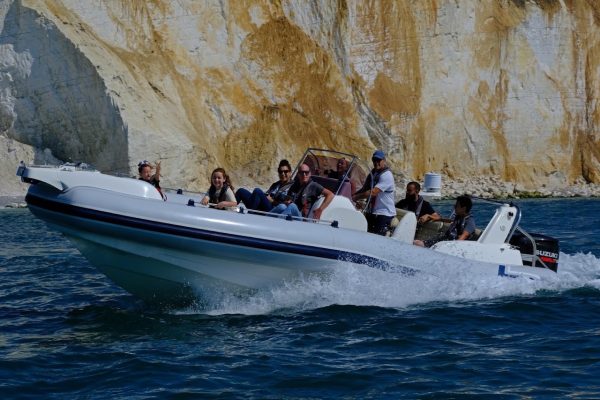
Maverick Boat Adventures
Newhaven · ⭐ 5.0
Brighton Marina
Brighton
 6 mi
6 mi
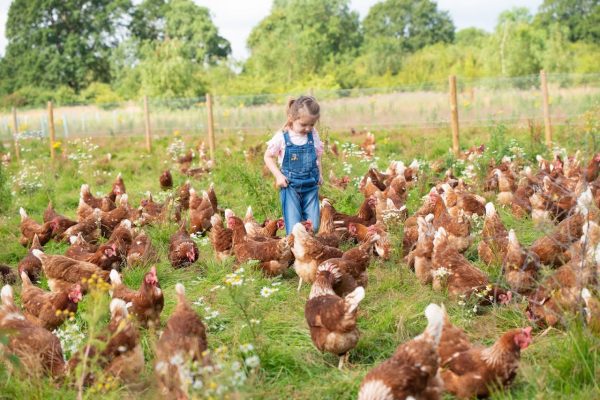
The Macs Farm
Ditchling · ⭐ 4.9
 6 mi
6 mi
GLOBALLS Brighton
Brighton · ⭐ 4.3
Camping in Lewes(12)
All campsites in Lewes →About camping in Lewes
Lewes itself has no campsite within the town, but the chalk downland and river valleys on its doorstep hold a good spread of sites within a few miles, from farm campsites on the South Downs Way to woodland glamping a short drive towards Ditchling. The terrain is typical South Downs country: close-cropped chalk grassland on the high ground, giving big skies and long views but also exposure to wind and weather with very little tree cover, and river meadows in the valleys around the Ouse and the Glynde Reach that are lush and sheltered but can be damp underfoot after wet weather. Most of the established sites sit just off the A27 or in the villages to the east and north of Lewes, close enough for an evening in town but properly rural once you are back at the tent.
Sussex weather follows the same broad pattern as the rest of southern England: a changeable spring, a warm but not guaranteed-dry summer, and a real risk of the Downs turning wet, windy and muddy from October onwards, which is worth bearing in mind given how many visitors specifically want to combine camping with Bonfire Night in early November. Wild camping is not legally permitted anywhere in Sussex without landowner consent, South Downs National Park status notwithstanding, so visitors should stick to the region's licensed sites and farm campsites rather than pitching informally on the Downs. The best months for camping around Lewes are May to September, when the chalk grassland is at its driest and the long summer evenings make the most of the views from the higher sites; a well-equipped autumn stay timed around Bonfire Night is popular but should be booked early and packed for wind and rain.
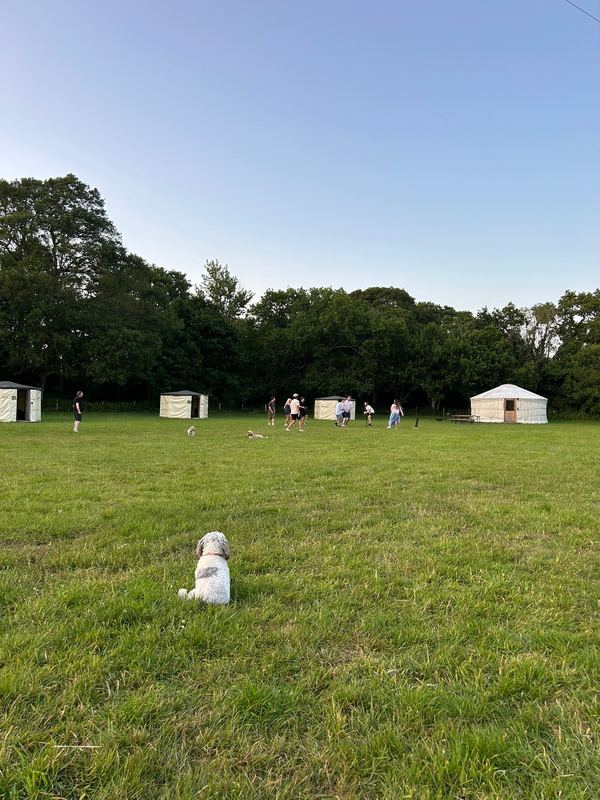
Barcombe Yurts
⭐ 4.0 · from £120/night
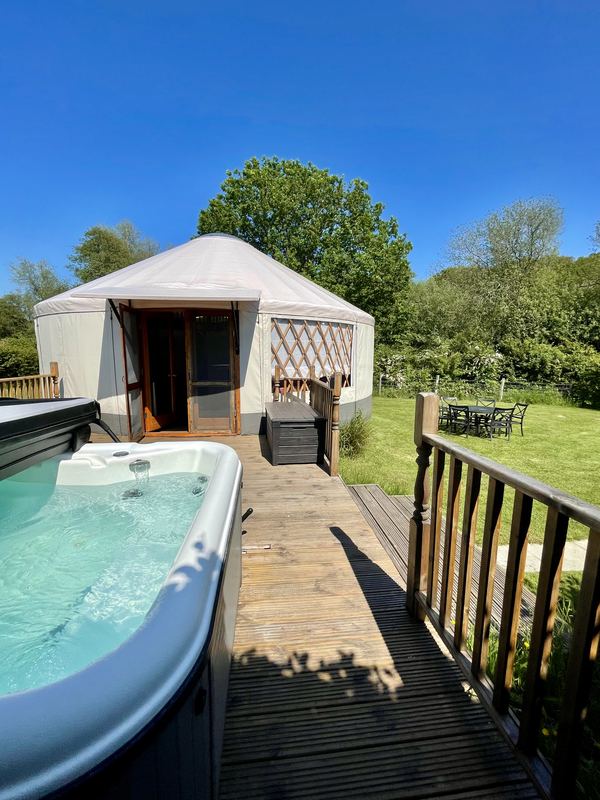
Graywood Canvas Cottages
⭐ 4.8 · from £636/night
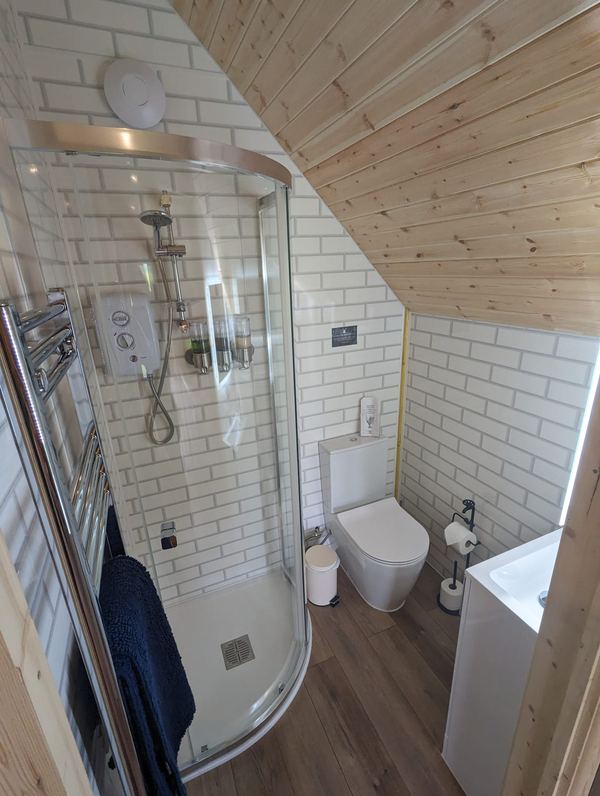
Light Farm Cabins
⭐ 5.0
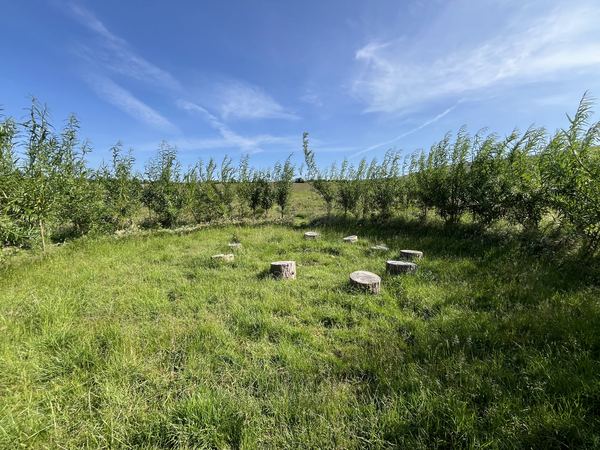
Lovebrook
⭐ 4.8 · from £30/night
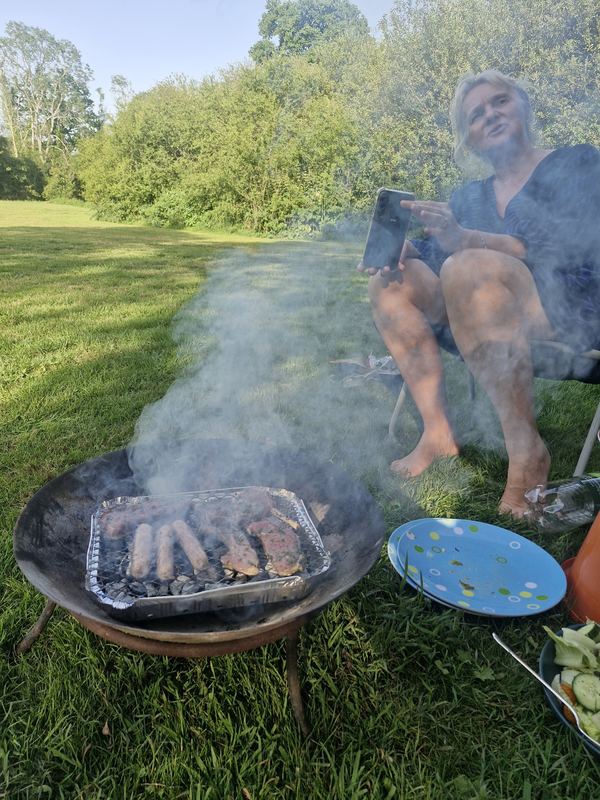
Ouse Meadow Campsite
⭐ 4.6 · from £24/night
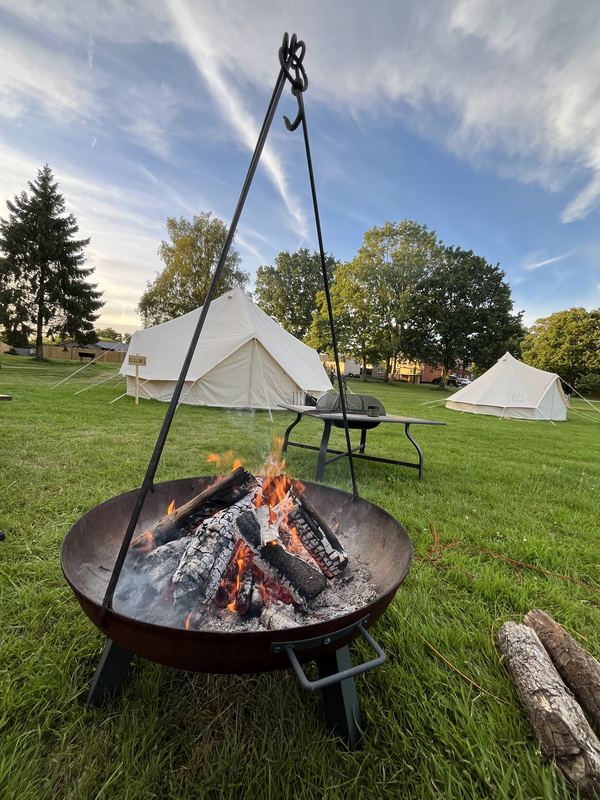
Rock House Glamping
⭐ 4.7 · from £300/night
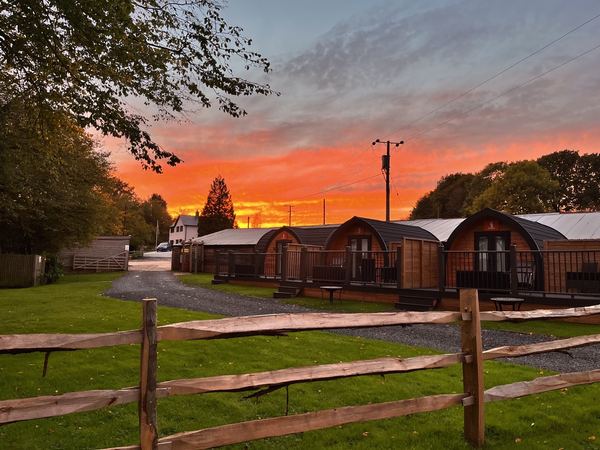
Scallow Campsite
⭐ 4.9 · from £25/night
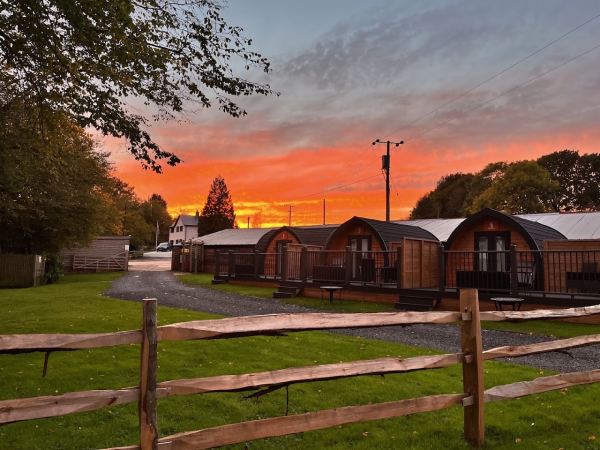
Scallow Glamping, Caravan and Campsite
⭐ 4.9
Self-Catering Cottages in Lewes(18)
All cottages in Lewes →
Silvergrove Cottage
1 bed · sleeps 2 · from £781

The Old Surgery
1 bed · sleeps 2 · from £681
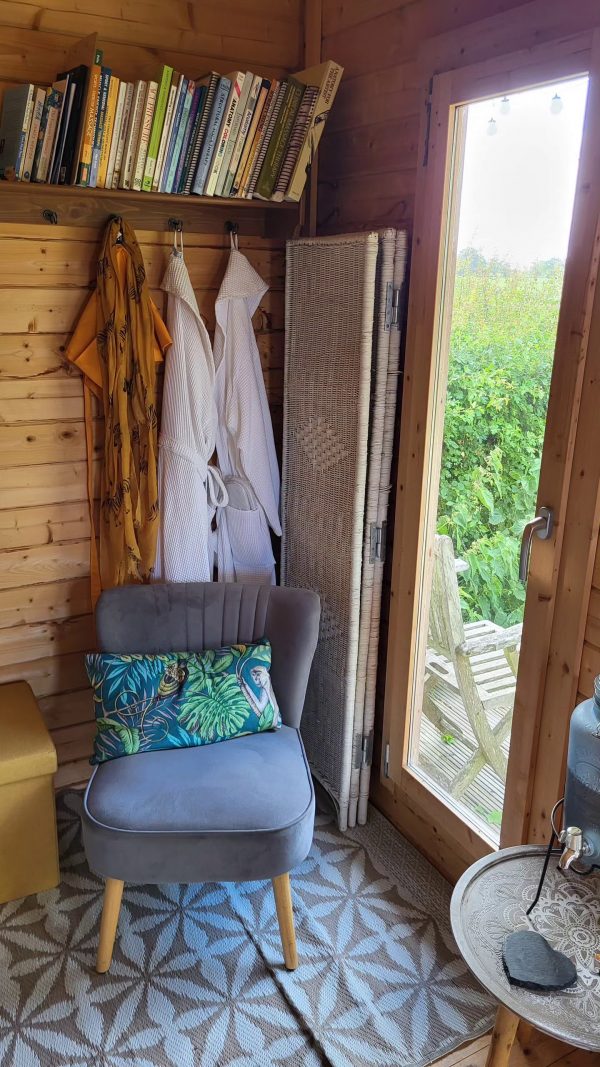
Tidal Retreat
3 bed · sleeps 7 · from £1,021
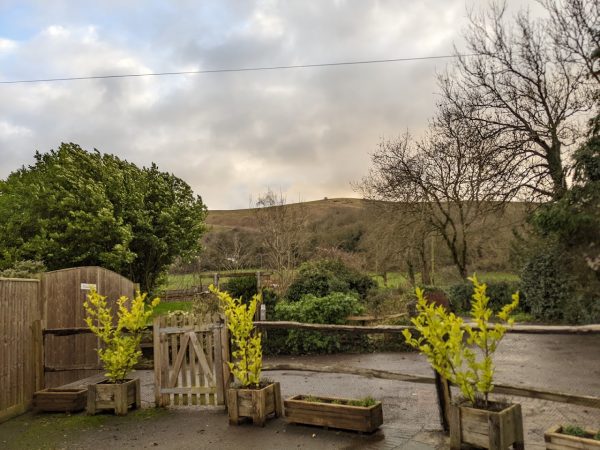
Tovey Lodge
1 bed · sleeps 4 · from £383
Beach House
2 bed · sleeps 5 · from £771
Fairwind
3 bed · sleeps 6 · from £621
Jasmine Cottage
2 bed · sleeps 4 · from £407
Kingsway Court
3 bed · sleeps 5 · from £537
Common questions about Lewes
How many campsites are there in Lewes?
We list 12 campsites in and around Lewes, of which 12 take tents and 9 offer glamping.
Are there dog-friendly campsites in Lewes?
Yes — 5 of the 12 campsites we list in Lewes accept dogs, including Wyld Wood Campsite and Ouse Meadow Campsite.
Which campsites in Lewes have electric hook-up?
3 of the 12 campsites we list in Lewes offer an electric hook-up.
How many holiday cottages are there in Lewes?
We list 18 self-catering cottages in and around Lewes.
Can I take a dog to a holiday cottage in Lewes?
Yes — 10 of the 18 Lewes cottages we list allow pets.
Where can I stay in Lewes?
We list 15 hotels, B&Bs and guest houses in and around Lewes. Prices start from around £75 a night.
What is there to do in Lewes?
We list 7 attractions and things to do in and around Lewes.