Norfolk
Big skies, wide beaches and slow water
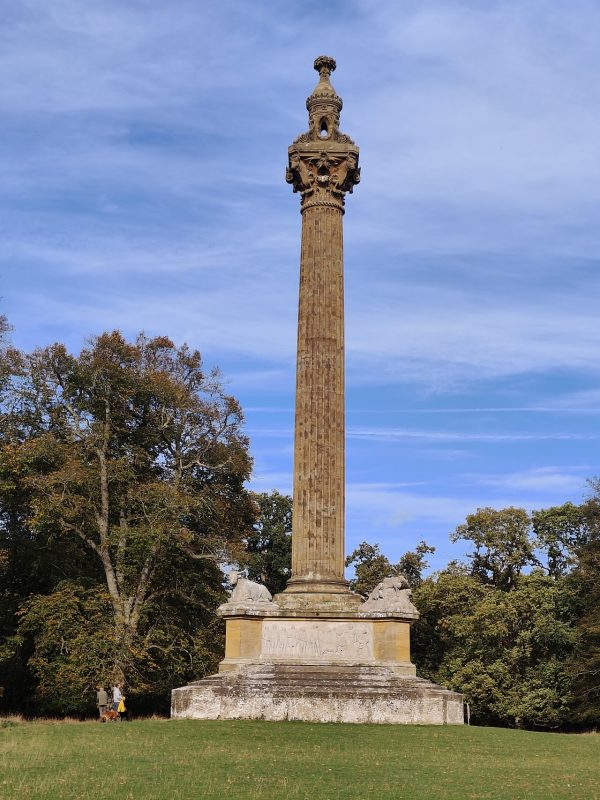
Photo © Tony B, Google Maps
Norfolk occupies the bulge of England that pushes east into the North Sea, bounded by The Wash to the west, Suffolk to the south and roughly ninety miles of coastline everywhere else. It is the flattest county in the country and makes no apology for it. The absence of hills means the sky does most of the work here, and light behaves differently over the salt marshes at Blakeney and Brancaster than it does almost anywhere else in England. Landscape painters noticed this two centuries ago and the county has been drawing people east for the same reason ever since.
The county divides fairly cleanly into four. The north coast is a designated National Landscape of creeks, dunes, pine belts and flint-and-brick villages, with a run of beaches at Holkham, Wells and Brancaster that are wide enough to swallow a bank holiday crowd without feeling busy. Inland to the east lie the Broads, a network of shallow lakes and connected rivers created by medieval peat digging and now the largest protected wetland in Britain. West Norfolk runs to farmland, the royal estate at Sandringham and the old port town of King's Lynn. And at the centre sits Norwich, which was England's second city in the Middle Ages and still has the cathedral, castle and thirty-odd medieval churches to show for it.
What Norfolk does not have is motorways, tourist coach fleets or much in the way of crowds outside July and August. Getting around means single-carriageway A-roads and lanes, which slows the pace whether you want it slowed or not. That is broadly the point. People come here for birdwatching, sailing, seal-spotting, long empty walks and lunch, and the county is unusually well set up for all five.
Getting to Norfolk
Norwich is the obvious rail gateway. Greater Anglia runs direct trains from London Liverpool Street roughly every half hour, with the fastest services taking about 1 hour 33 minutes and the typical journey closer to 1 hour 50. Advance fares start around £12 one way if booked early. From Norwich, branch lines run east to Great Yarmouth and north to Sheringham via Cromer, and the Bittern Line in particular is a genuinely useful way to reach the coast without a car.
From the Midlands and the north, trains run to Norwich via Peterborough and Ely on the cross-country route, and King's Lynn is served directly from London King's Cross via Cambridge, which is the better approach for west Norfolk and Sandringham.
By road, most drivers arrive on the A11 from Cambridge and the M11, which is dual carriageway all the way to Norwich. The A47 crosses the county east to west, linking King's Lynn, Norwich and Great Yarmouth, though stretches remain single carriageway and traffic backs up in summer. The north coast is reached on the A149 coast road, a narrow route through a string of villages where parking is the real constraint — Holkham, Wells and Brancaster all charge for car parks and fill by mid-morning in August. Arrive before ten or after three.
Norwich Airport handles flights to Amsterdam Schiphol and a handful of UK and holiday destinations, and sits about four miles north of the city. For most visitors, though, Stansted is the more practical airport, roughly two hours by road.
Best time to visit Norfolk
Spring is arguably the best-kept part of the Norfolk year. April and May bring migrating birds to the coastal reserves, samphire appears on the marshes from May, and the beaches are empty on weekdays. Temperatures are modest and the wind off the North Sea has teeth well into May, so pack more layers than the calendar suggests.
Summer is when the county is busiest, and July and August genuinely do fill the coastal car parks and boatyards. Norfolk is among the driest and sunniest counties in Britain, which helps, and the beaches are large enough to absorb the numbers. Book accommodation and boat hire months ahead for this window, and expect the Burnhams and Wells to be at full stretch.
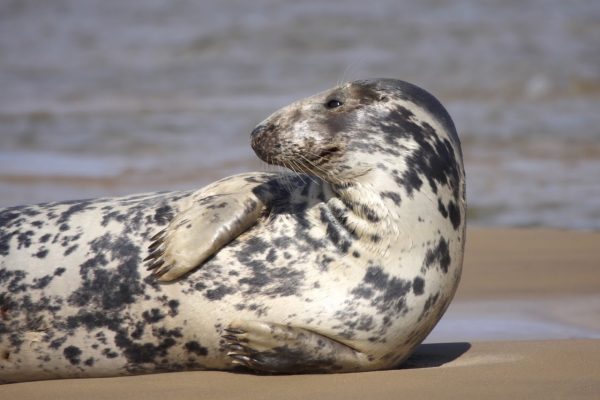
Autumn is the connoisseur's season. September still carries summer warmth, the sea is at its warmest of the year, prices drop and the light on the marshes is at its best. October and November bring the grey seal pupping season at Blakeney and Horsey, along with big flocks of pink-footed geese arriving from Iceland — the dawn flights over the north coast are a real spectacle.
Winter is quiet, exposed and cold, with a strong easterly wind that has nothing between it and the Urals. Plenty of coastal pubs and hotels stay open and do good business with walkers and birdwatchers, and Norwich has a decent Christmas market season, but some smaller attractions and boat operators close from November to March.
Where to go
Popular destinations in Norfolk
About Norfolk’s towns and villages
Norfolk stretches from the busy county city of Norwich, with its shops, cathedral and lively markets, out to a coastline and countryside that move at a gentler pace. Coastal towns and villages dominate the north: Cromer and Sheringham offer traditional seaside charm with piers, crab fishing and clifftop walks, while Hunstanton looks west across the Wash. Wells-next-the-Sea and Blakeney are quieter, with harbours, salt marshes and boat trips to see seals, and Bacton offers a more low-key stretch of coast.
Inland, Holt and Aylsham are handsome market towns good for browsing independent shops and pausing for tea, while Swaffham and Attleborough suit those wanting a slower, everyday feel away from the crowds. Wroxham, gateway to the Norfolk Broads, is ideal for boating holidays and riverside pubs. Together these places suit both lively short breaks and quiet countryside escapes.
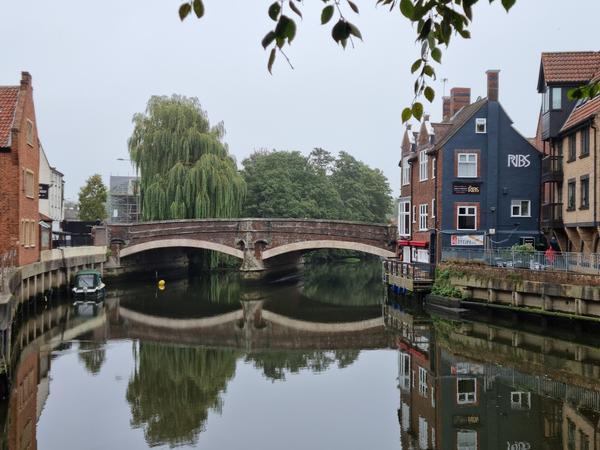
Norwich
81 stays · 1 cottages · 19 campsites
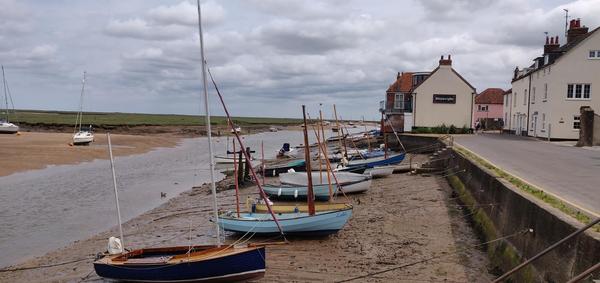
Wells-next-the-Sea
28 stays · 5 campsites · 4 things to do
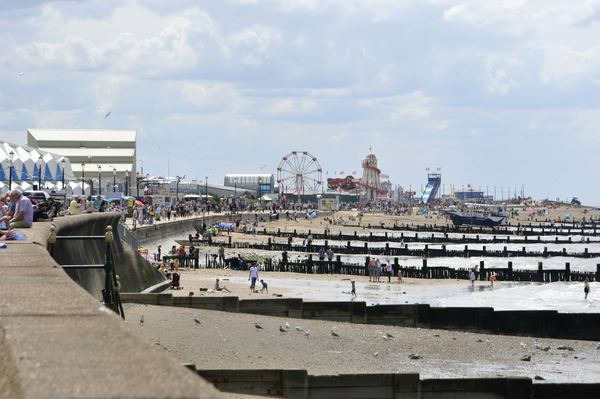
Hunstanton
19 stays · 9 things to do
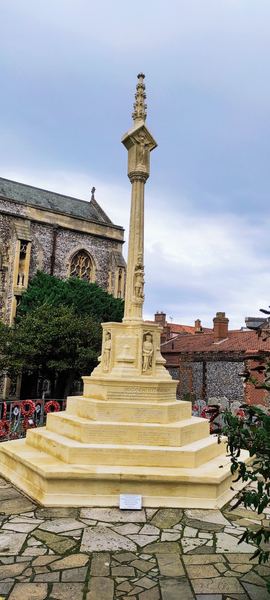
Cromer
15 stays · 8 things to do
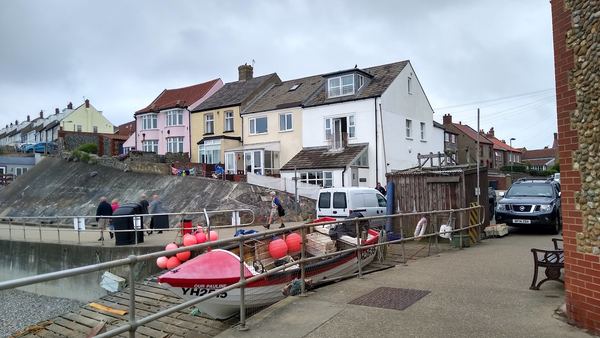
Sheringham
12 stays · 7 things to do
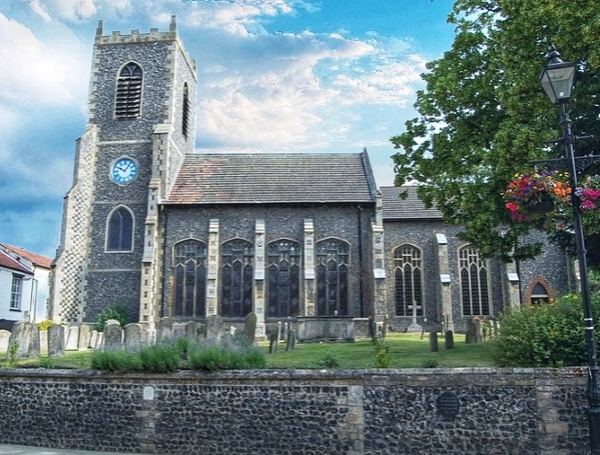
Thetford
10 stays · 7 things to do
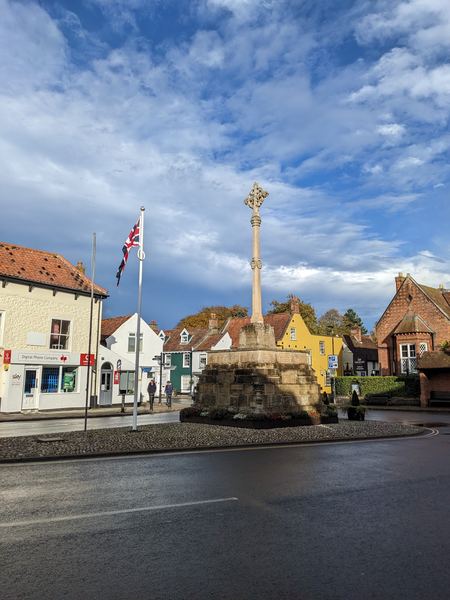
Holt
13 stays · 3 things to do
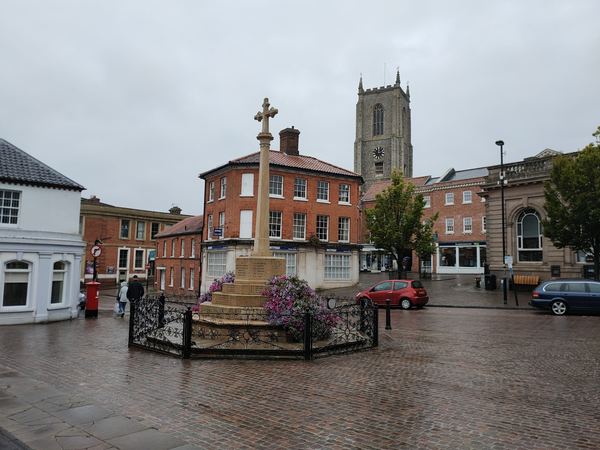
Fakenham
8 stays · 4 things to do
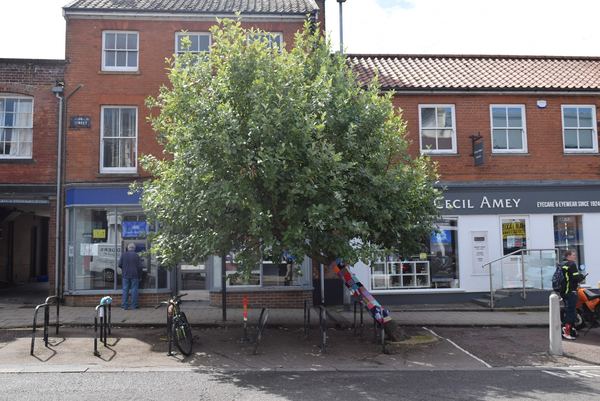
Dereham
7 stays · 3 things to do
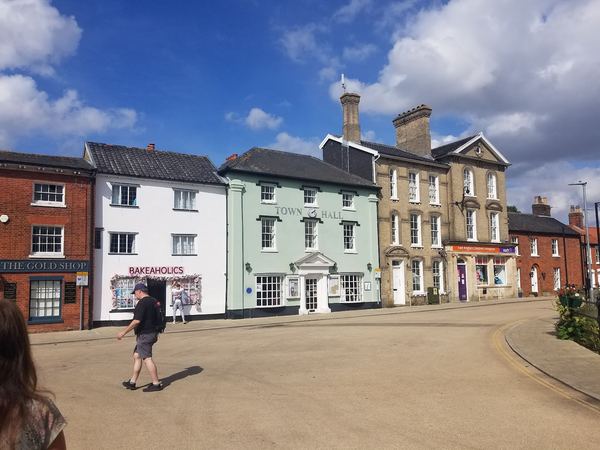
Attleborough
6 stays · 1 things to do
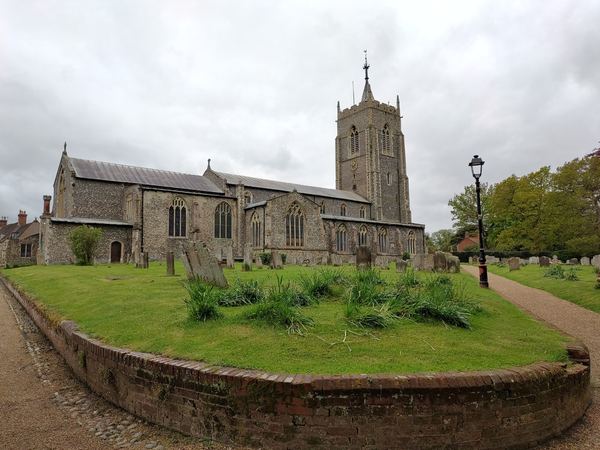
Aylsham
4 stays · 3 things to do
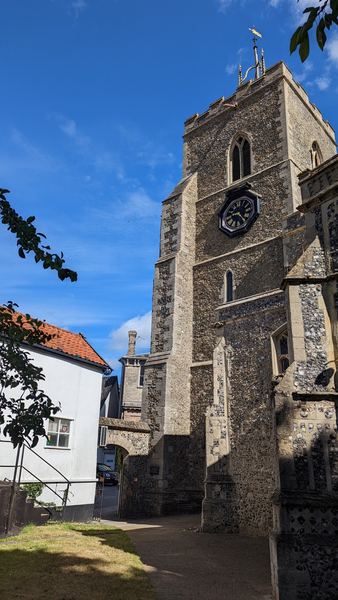
Diss
6 stays · 1 things to do
Where to stay in Norfolk(350)
All hotels in Norfolk →About staying in Norfolk
Norfolk offers plenty of choice, from city-centre hotels in Norwich to small B&Bs along the coast. Norwich has the widest spread, taking in everything from budget options such as Premier Inn Norwich City Centre to boutique addresses like 38 St Giles, useful for exploring the cathedral quarter and Lanes without needing a car.
On the coast, Cromer, Sheringham and Wells-next-the-Sea are geared towards seaside breaks, with guesthouses and B&Bs such as Little Regent Hall, Ogilvy House and Harbour View Cottage often within walking distance of the beach and town centre. Inland towns like Attleborough tend to suit those breaking a journey or visiting the surrounding countryside.
For something more country-house in feel, places such as Caistor Hall Hotel or Dairy Cottage Luxury B&B make a good base for touring the Broads or the coastline at a slower pace. Deciding where to stay largely comes down to whether you want Norwich on your doorstep or the sea.
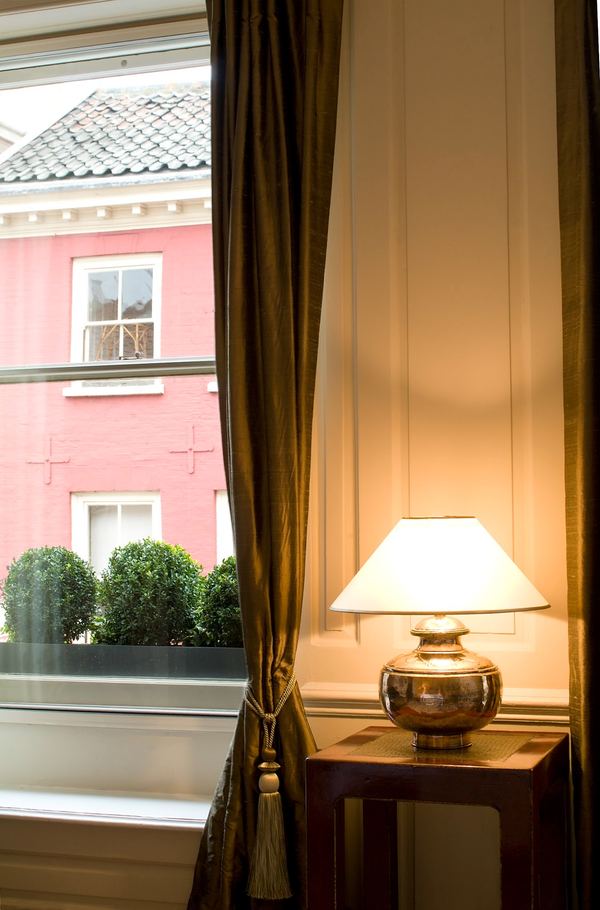 9.3
9.3
38 St Giles
St Giles Street, city centre
from £140/night
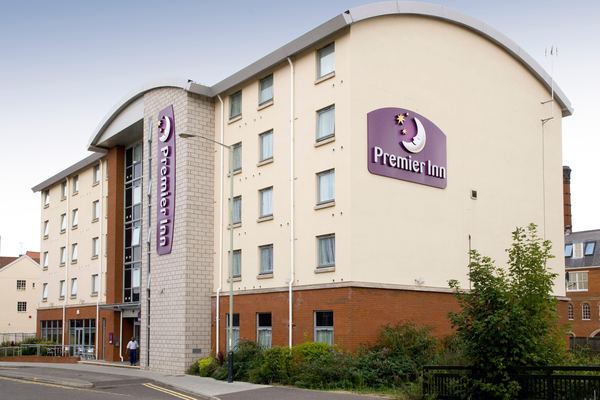 8.4
8.4
Premier Inn Norwich City Centre (Duke Street)
Duke Street, near the castle and market
from £75/night
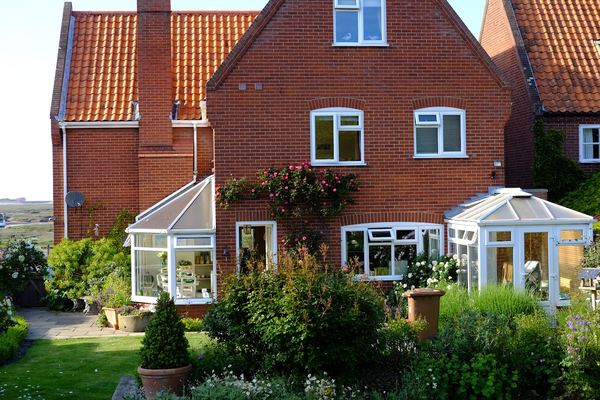 9.6
9.6
The Waterfront Bed & Breakfast
Near the quay, Wells-next-the-Sea
from £145/night
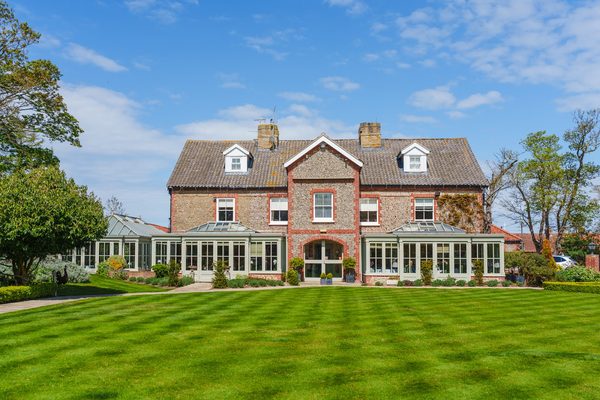 9.4
9.4
Morston Hall
Morston, near Blakeney, North Norfolk
from £380/night
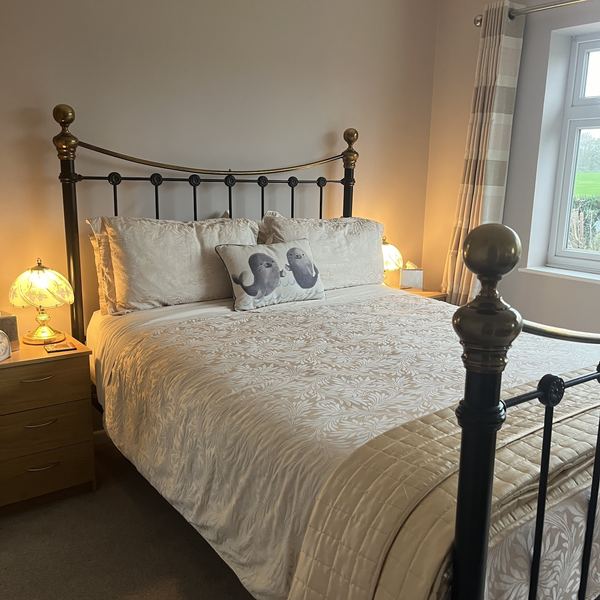 9.3
9.3
Waveney House B&B
Waveney Close, Wells-next-the-Sea
from £130/night
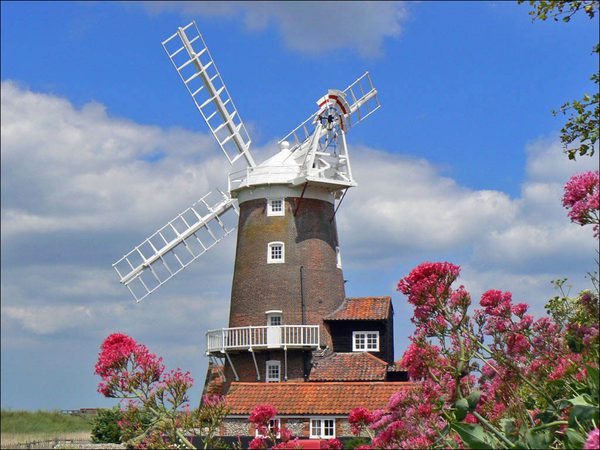 9.2
9.2
Cley Windmill
Cley next the Sea, North Norfolk
from £195/night
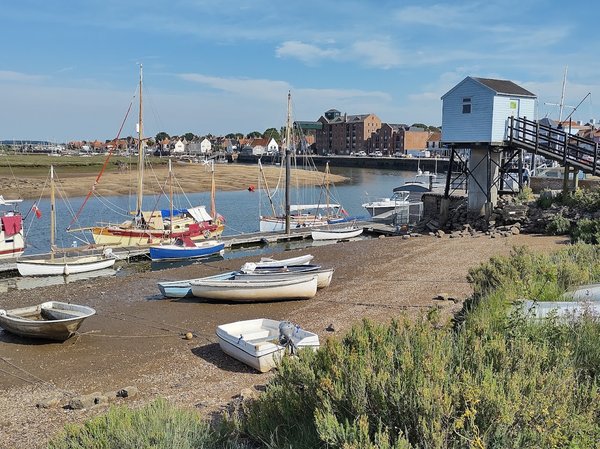 9.0
9.0
The Quay Bed and Breakfast
Freeman Street, Wells-next-the-Sea
from £100/night
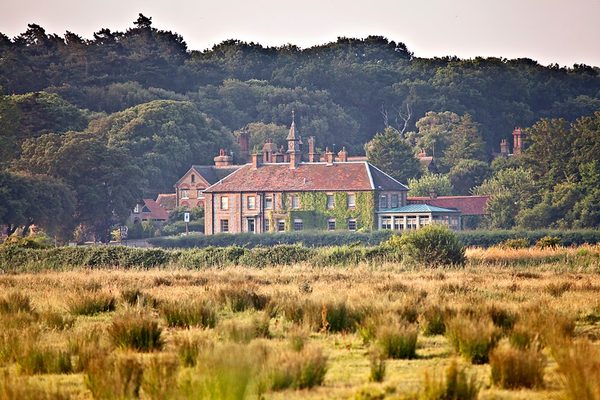 8.8
8.8
The Victoria Inn
Holkham, two miles west of Wells-next-the-Sea
from £195/night
Things to Do in Norfolk(129)
All attractions in Norfolk →About things to do in Norfolk
Norfolk's flat, open landscape and long coastline shape a wide spread of days out, from seal-spotting boat trips at Blakeney to woodland archery near Holt. The coast towns handle most of the wildlife and water-based outings, with operators like Curlew Coastal Charters and Bishops Boats running trips out to the sandbanks and marshes around Blakeney and Wells-next-the-Sea, while Hunstanton adds a more traditional seaside dimension.
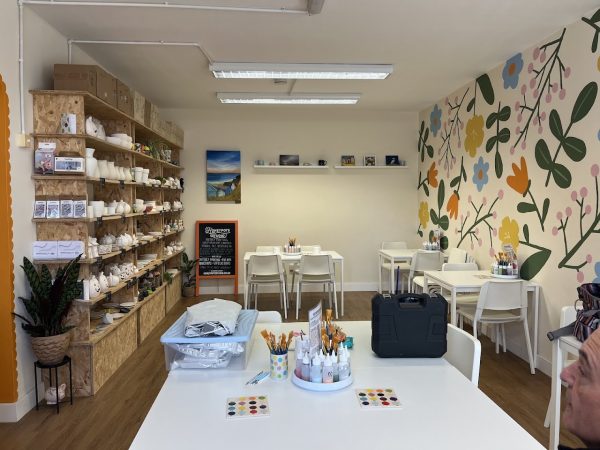
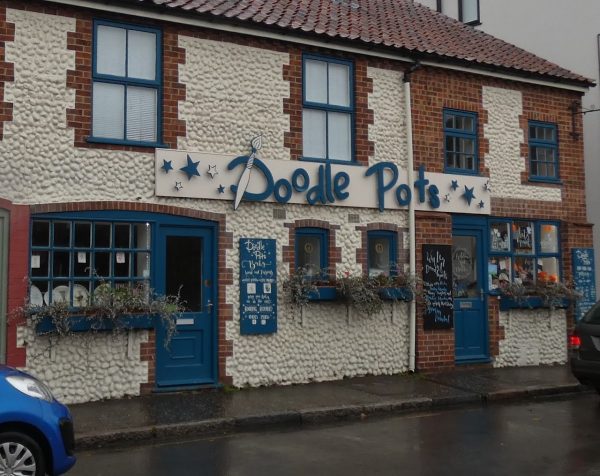
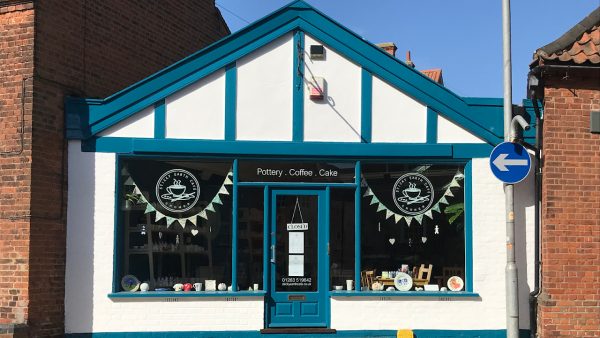
Inland, Norwich carries the bulk of the county's indoor and family-friendly options, including guided tours such as the City Sightseeing hop on hop off bus, treasure trails and craft cafes like Doodle Pots. Little Walsingham's pilgrimage heritage gives it a different, quieter character, and Dereham sits well for those wanting a base between the coast and the countryside. Farms, studios and activity centres fill out the rest, so it is worth deciding whether you want coast, city or country before picking a cluster.


Where to Eat in Norfolk(1,475)
All restaurants in Norfolk →About eating out in Norfolk
Norfolk's dining scene runs from Norwich's tightly packed lanes, where cafés, curry houses and independent kitchens sit close together, out to market towns and coastal villages with their own pubs and chip shops. Norwich carries the greatest concentration and variety, useful for an evening when you want options within walking distance, while smaller places like Sutton tend to offer a single reliable pub or café at the heart of the community.
Choosing where to eat often comes down to what kind of day you're having: a proper sit-down meal, a quick bite by the sea, or something to grab between stops. Fish and chips remain a strong feature near the coast, while inland towns lean more towards pub dining and casual cafés. Given the sheer number of listings across the county, it helps to think first about area and mood rather than trying to compare everything at once.
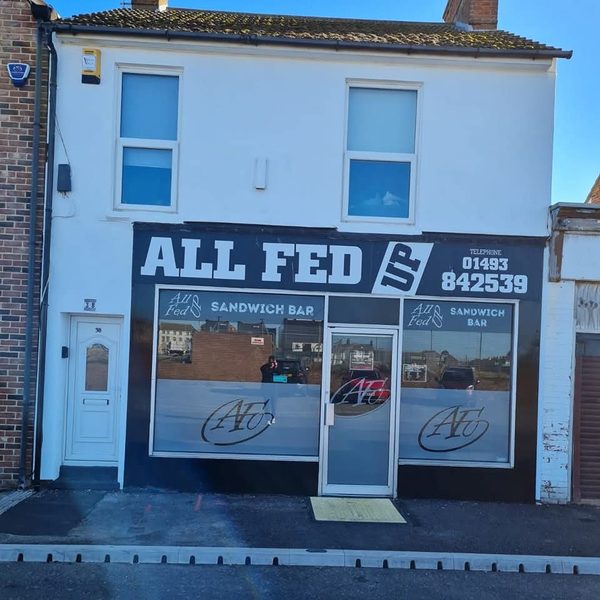
All Fed Up
Great Yarmouth · ⭐ 5.0
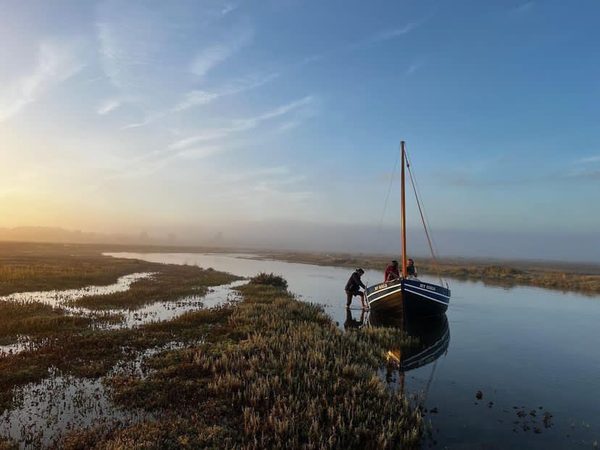
Coastal Exploration Company
Wells-next-the-Sea · ⭐ 5.0
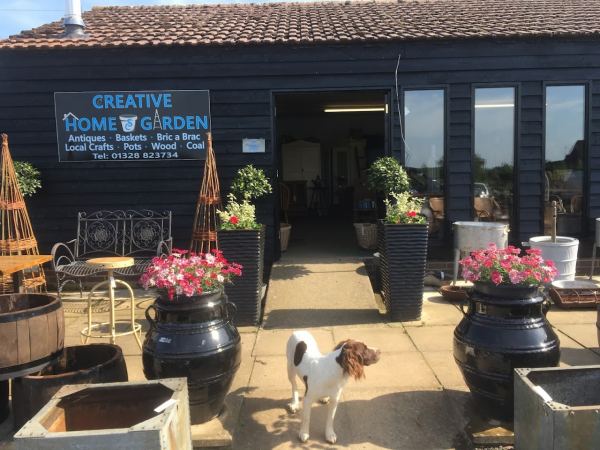
Creative Home And Garden
Fakenham · ⭐ 5.0
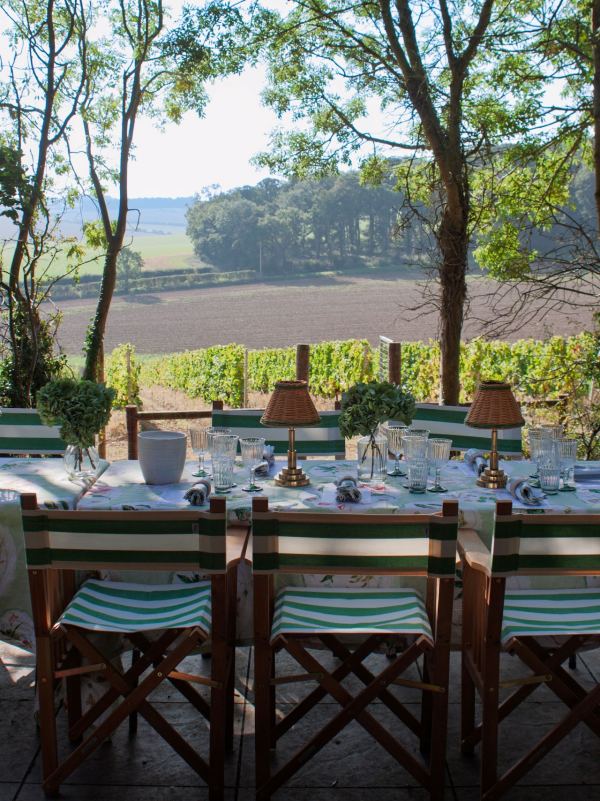
Hyll House
King's Lynn · ⭐ 5.0
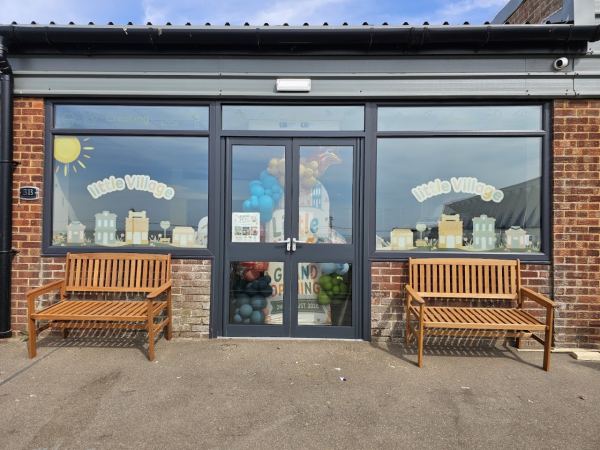
Little Village Creating Curious Minds
Hunstanton · ⭐ 5.0
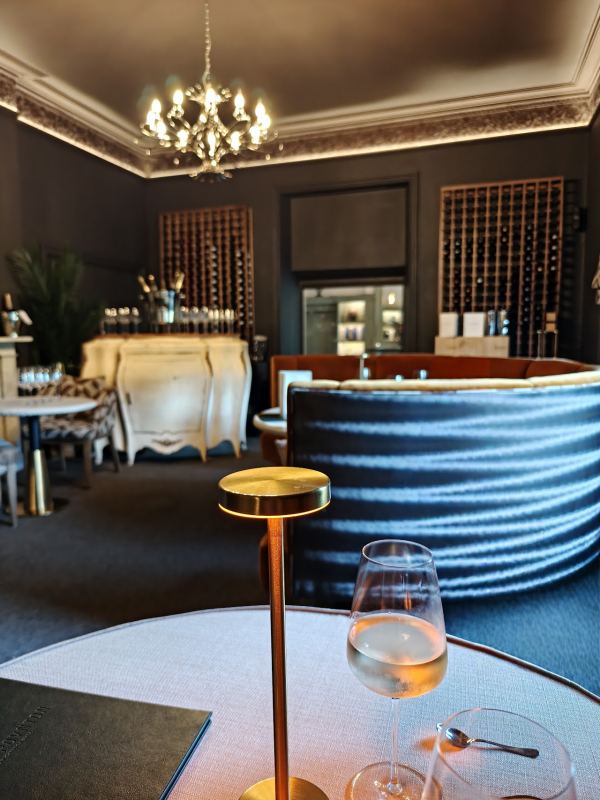
Mark Poynton At Caistor Hall
Norwich · ⭐ 5.0

O Cantinho Da Zela
Great Yarmouth · ⭐ 5.0

Hylete Fit
Swaffham · ⭐ 5.0
Attractions Near Norfolk
All attractions in Norfolk →Worth the trip — within 50 miles of Norfolk.
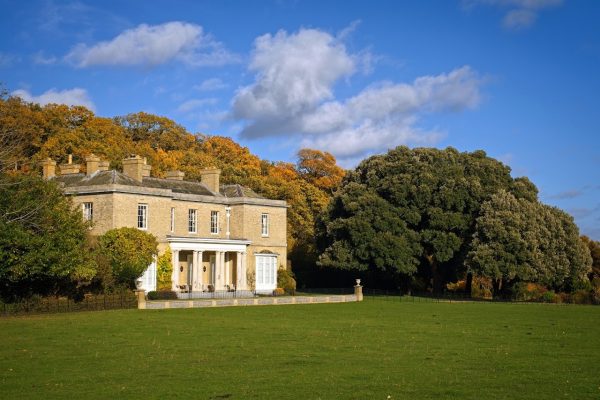
Sheringham Treasure Trail
Sheringham · ⭐ 4.8
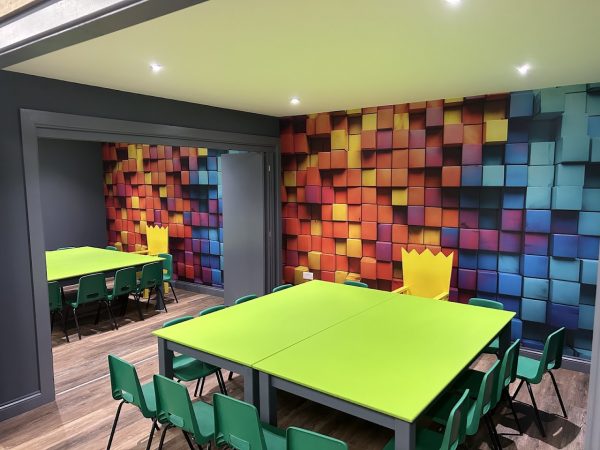
Fun 2 Play
Thetford · ⭐ 4.8
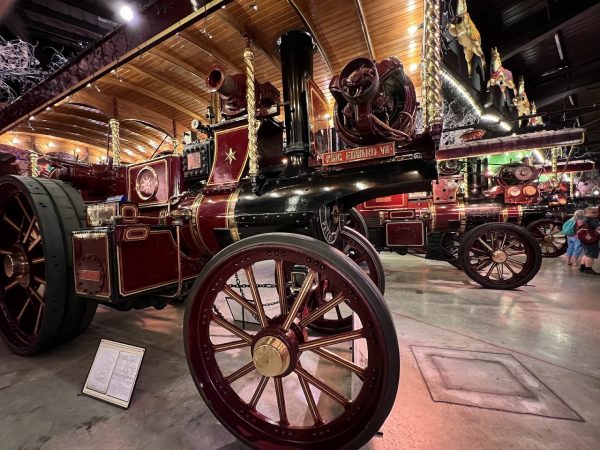
Thursford Collection
Fakenham · ⭐ 4.8
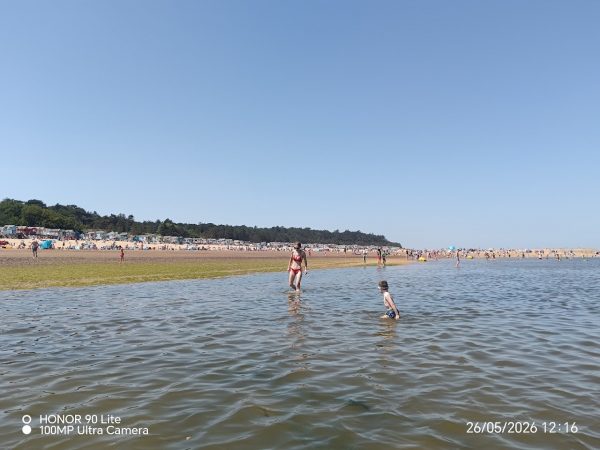
Wells Next The Sea Beach
Wells-next-the-Sea · ⭐ 4.7
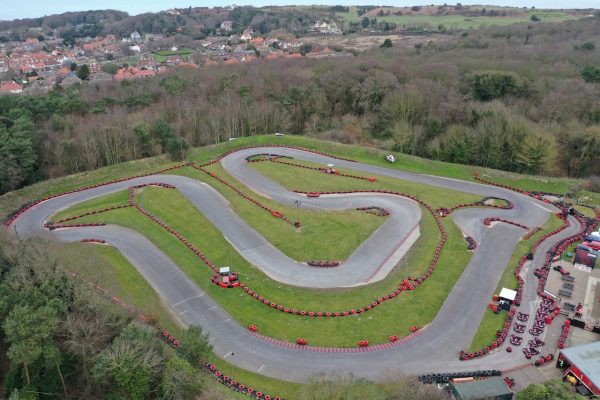
Karttrak Cromer
Cromer · ⭐ 4.7

RNLI Lifeboat Station Cromer Pier
Cromer · ⭐ 4.7
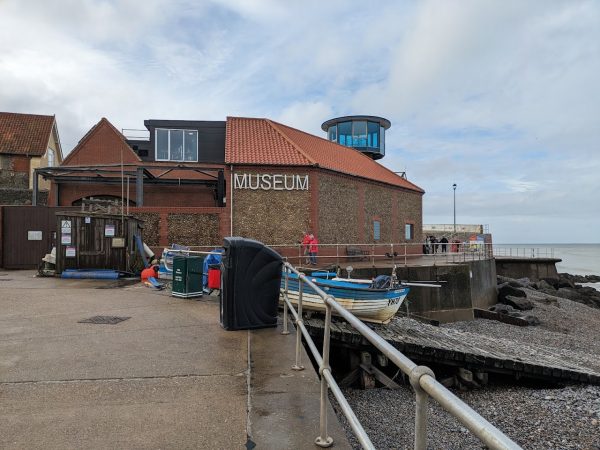
The Mo Sheringham Museum
Sheringham · ⭐ 4.7
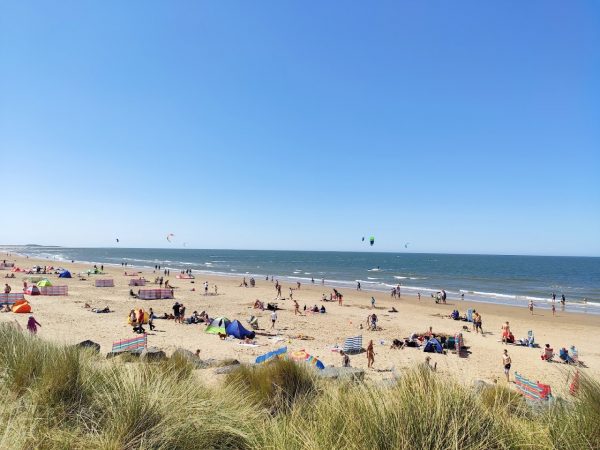
Brancaster Beach
Brancaster · ⭐ 4.7
Camping in Norfolk(237)
All campsites in Norfolk →About camping in Norfolk
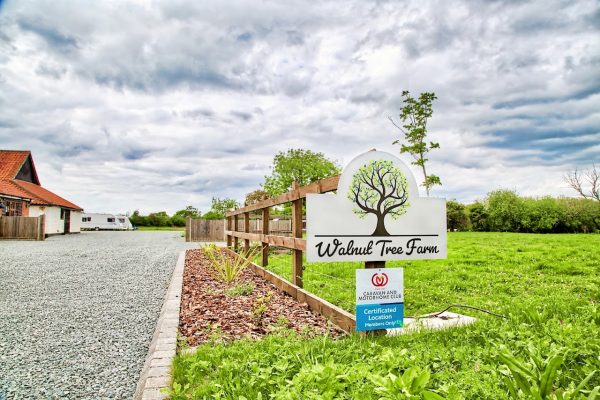
Norfolk's flat, uncrowded landscape and long coastline make it one of the easiest counties to camp or glamp in, with sites scattered from the Broads around Norwich out to the coast near Sandringham. Farm diversification has brought a huge variety of options, from simple grazing meadows to shepherd's huts and safari tents dressed up for a comfortable few nights under canvas.
Sites like Pensthorpe Summer Camping and Glamping sit close to nature reserves and birdlife, while the Sandringham Estate Experience Freedom Glamping trades on royal parkland and open skies. Elsewhere, small family-run pitches such as Archer's Field, Henri's Paddock and Meadows Edge offer quieter, low-key stays away from the main tourist routes.
Choosing often comes down to what sort of Norfolk you want: coastal sites suit those chasing beaches and seal trips, while inland options around Acorn Meadow or Friends Farm Shepherds Huts put you closer to market towns, cycling routes and the Broads waterways.
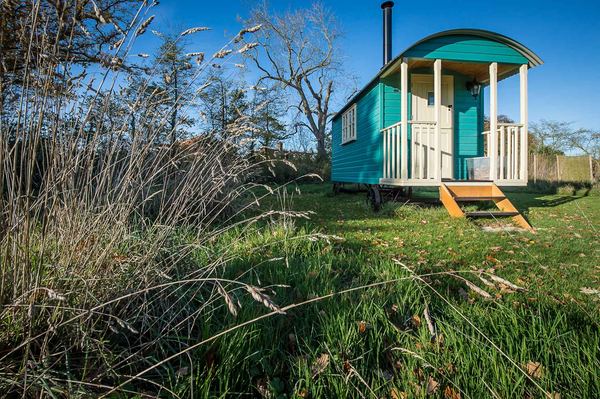
The Wildings Elms Meadow
⭐ 5.0 · from £20/night
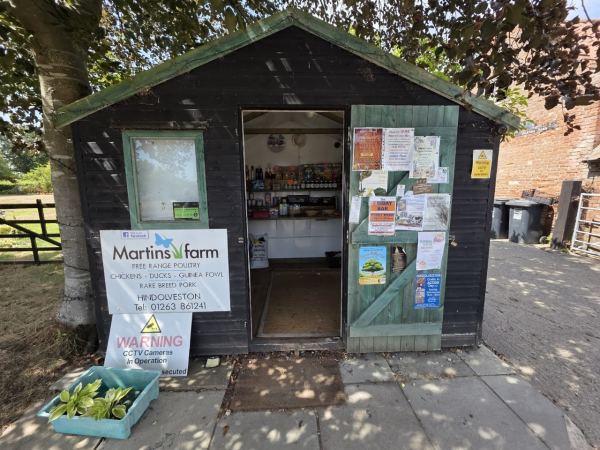
Martins Farm Shop Certificated Location
Dereham · ⭐ 5.0 · from £20/night
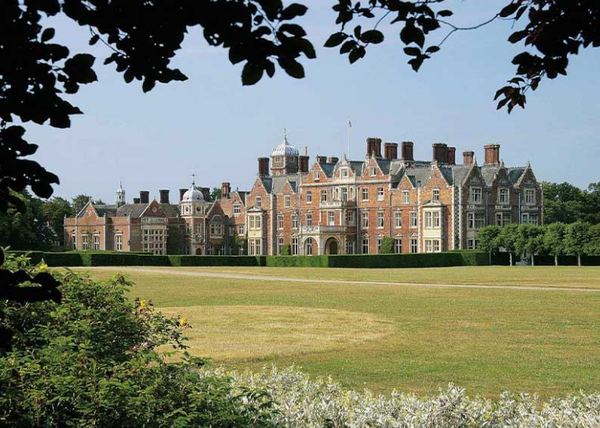
The Sandringham Estate Experience Freedom Glamping
⭐ 5.0 · from £158/night
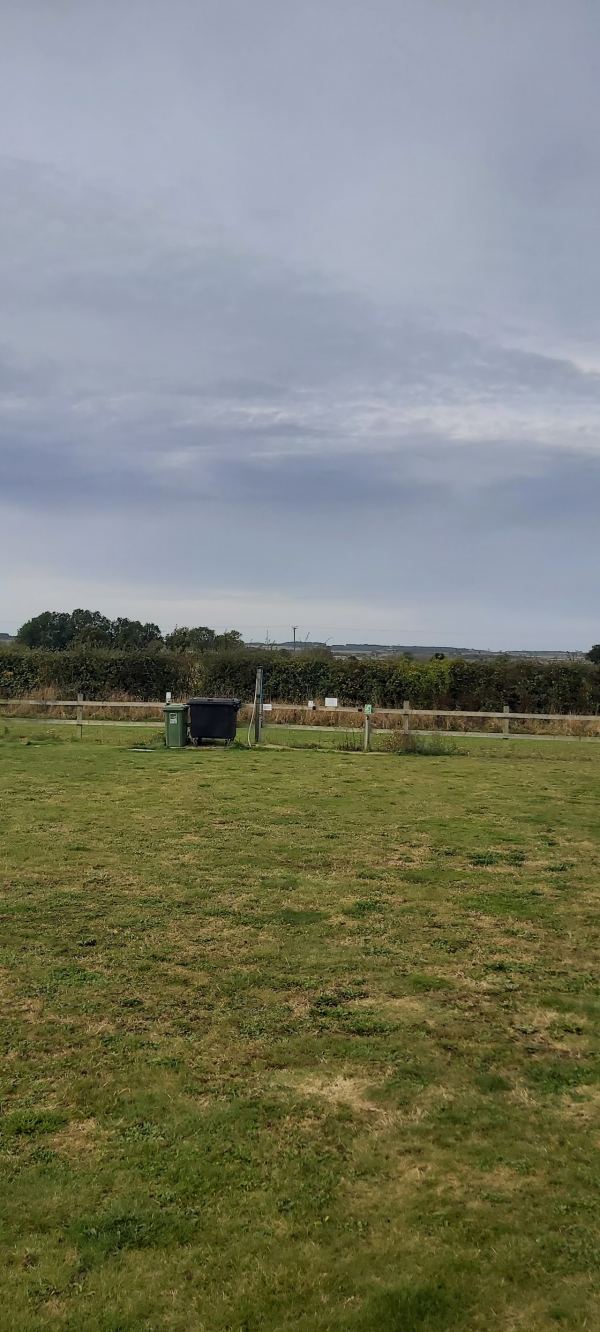
Row Hill Farm Certificated Location
Fakenham · ⭐ 5.0 · from £22/night
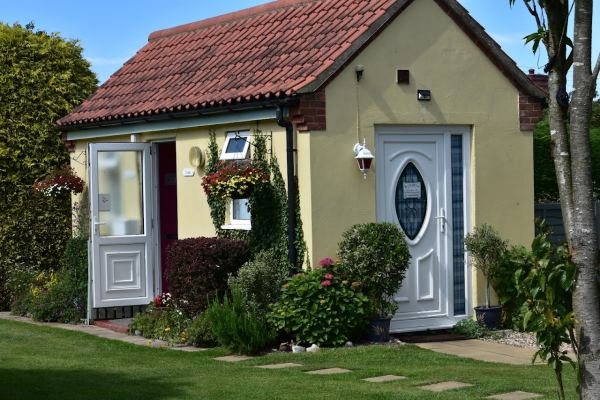
Poppyland Touring Park
Norwich · ⭐ 5.0
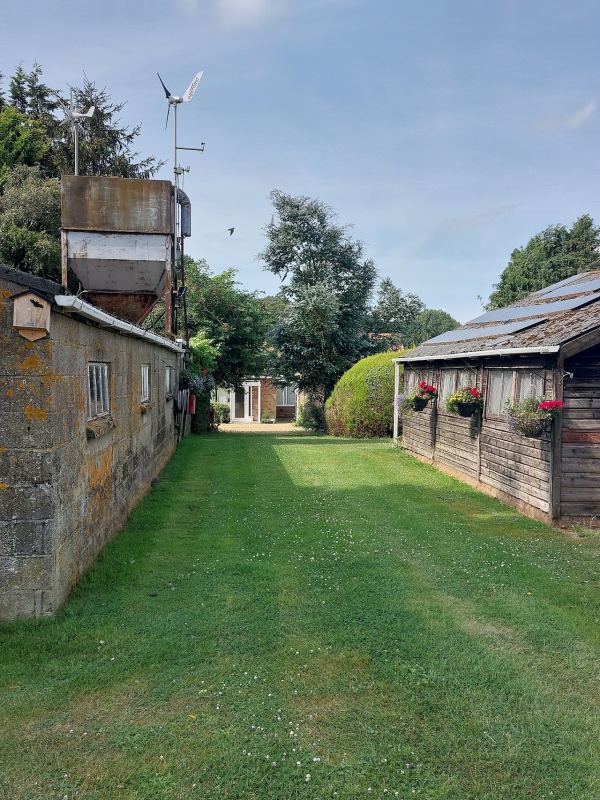
South View Farm Certificated Site
Fakenham · ⭐ 5.0
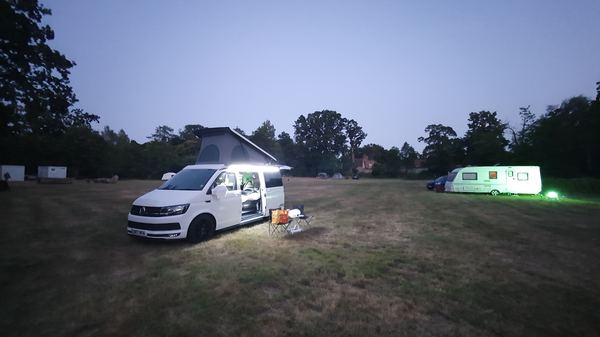
Archer's Field
Norwich · ⭐ 5.0 · from £26/night
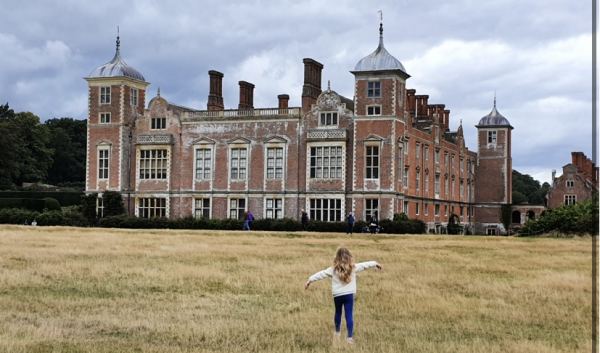
Shepherd's Hut at North Farm Cottages
Norwich · ⭐ 5.0 · from £150/night
Self-Catering Cottages in Norfolk(1)
All cottages in Norfolk →Common questions about Norfolk
How many campsites are there in Norfolk?
We list 202 campsites in and around Norfolk, of which 132 take tents and 58 offer glamping.
Are there dog-friendly campsites in Norfolk?
Yes — 81 of the 202 campsites we list in Norfolk accept dogs, including Pensthorpe Summer Camping and Glamping and The Sandringham Estate Experience Freedom Glamping.
Which campsites in Norfolk have electric hook-up?
87 of the 202 campsites we list in Norfolk offer an electric hook-up.
Where can I stay in Norfolk?
We list 10 hotels, B&Bs and guest houses in and around Norfolk. Prices start from around £110 a night.
What is there to do in Norfolk?
We list 8 attractions and things to do in and around Norfolk.
Where can I eat in Norfolk?
We list 893 restaurants, pubs and cafes in and around Norfolk.