North Chailey
Heathland, windmills and steam trains on the edge of the Weald
North Chailey sits where the High Weald begins to soften into the rolling farmland north of Lewes, a small East Sussex village strung along the busy A272 at its junction with the A275. It has none of the postcard fame of its Downland neighbours, but that is rather the point: this is a working slice of rural Sussex, built around scattered farmsteads, a windmill, a scout camp and a scattering of clay-built cottages that once supplied the local brick and pottery works. The name Chailey appears in Domesday Book records, and the wider parish still carries the marks of centuries of small-scale farming and common land management.
What makes North Chailey worth a detour is what surrounds it rather than what sits within it. Chailey Common, a 169-hectare Site of Special Scientific Interest, spreads out immediately to the south and east, its lowland heath a rare and increasingly precious habitat in the crowded south-east. A few miles further on, the grand parkland of Sheffield Park and the steam locomotives of the Bluebell Railway pull in visitors from across the region, while the market towns of Lewes and Haywards Heath are both a short drive away for anyone wanting shops, restaurants or a train to London. It is a good base for slow days: heathland walks, garden visits, and pub lunches, rather than headline attractions on the doorstep.
Getting to North Chailey
North Chailey sits directly on the A272, close to its junction with the A275, making it an easy stop for anyone driving between Haywards Heath and Lewes, or exploring the wider Sussex Weald. The A23 and A26 corridors connect within a few miles for routes further afield to Brighton, Crawley or the M25. There is no railway station in the village itself; the nearest mainline stops are Haywards Heath and Wivelsfield, both around seven miles away on the Brighton Main Line with fast, frequent services to London Victoria, London Bridge and Brighton. Lewes station, a little further south, offers an alternative with connections towards Eastbourne and along the coast. From any of these stations a taxi or pre-arranged transfer covers the final few miles into the village.
Best time to visit North Chailey
Late spring and early summer bring the heathland at Chailey Common to life, with gorse and broom in flower and butterflies including the silver-studded blue on the wing. High summer is warm and settled enough for walking the commons and visiting Sheffield Park's gardens, though the Bluebell Railway and National Trust car parks can get busy on fine weekends. Autumn is arguably the best season for a visit: Sheffield Park's planting was designed with autumn colour in mind, and the display of reds and golds around the lakes in October is one of the most photographed sights in Sussex. Winter is quiet and often muddy underfoot on the commons, but it suits a brisk walk followed by a pub fire, and steam trains still run on the Bluebell line through much of the colder months on a reduced timetable.
Where to stay in North Chailey
All hotels in North Chailey →About staying in North Chailey
Hotel choice directly in North Chailey is limited given the village's small size, so most visitors treat it as a rural base and look to nearby Lewes or Haywards Heath for a broader range of hotels, inns and guesthouses. What the immediate area does offer is a good spread of bed and breakfasts and farm stays, many run from working farms and period cottages that reflect the parish's long agricultural history. These tend to suit visitors who want a quiet, countryside stay within easy striking distance of Sheffield Park and Garden, the Bluebell Railway and the heathland walking on Chailey Common, without needing to be in a town centre.
For those who prefer a wider choice of dining, bars and evening options alongside their accommodation, Lewes is around eight miles south and offers a proper range of independent hotels and inns set within its historic streets, along with a direct rail link to Brighton and London. Haywards Heath, roughly seven miles north, is a more functional market town base with chain and boutique hotel options close to a mainline station on the Brighton line, useful for visitors arriving without a car or wanting fast access to London. Wherever you base yourself, North Chailey's position on the A272/A275 crossroads means the surrounding attractions, from Ashdown Forest to the Ouse Valley, are all within a short drive, so it is worth weighing a quieter rural stay against the convenience of a larger town nearby.
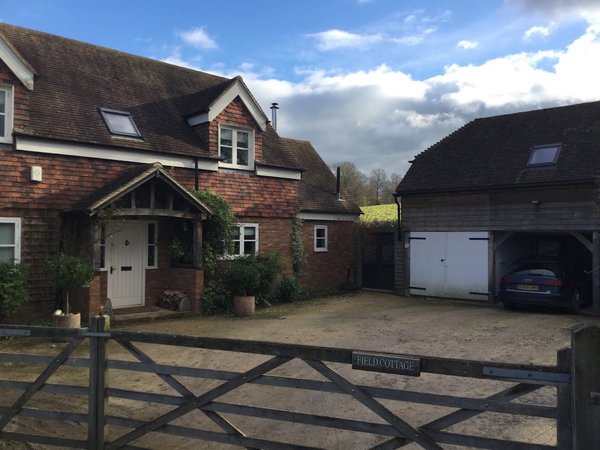
Field Cottage B&B
Field Cottage, Haywards Heath
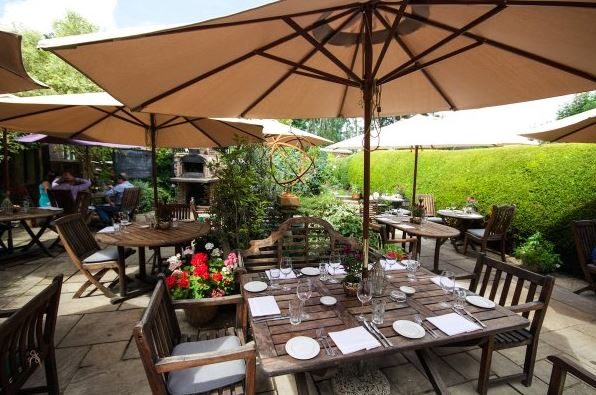
The Griffin Inn
Fletching, Fletching
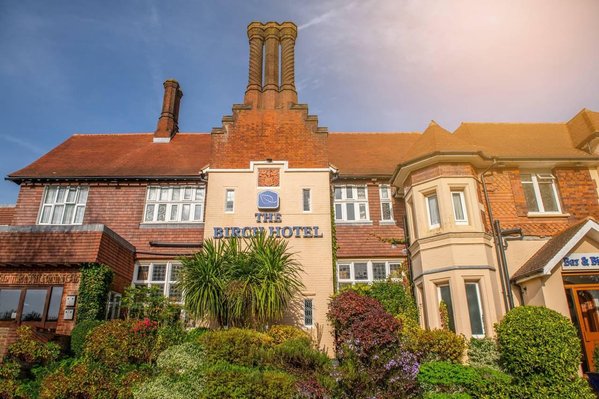
The Birch Hotel
Lewes Road, Haywards Heath
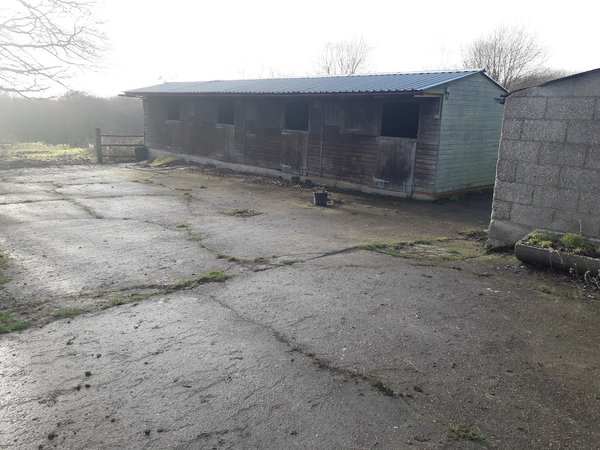
Moaps Farm Bed and Breakfast
Moaps Farm, Danehill
 8.9
8.9
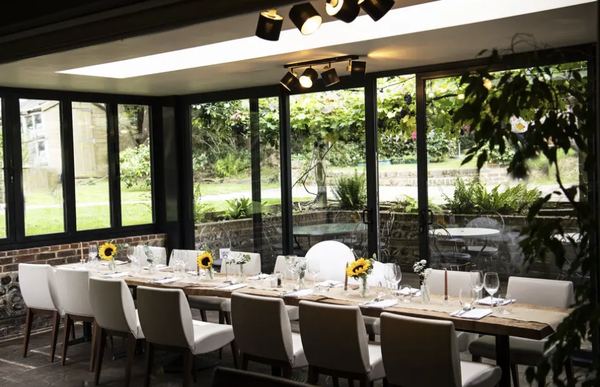
The Jolly Sportsman
Chapel Lane, East Chiltington, four miles from Lewes
from £110/night
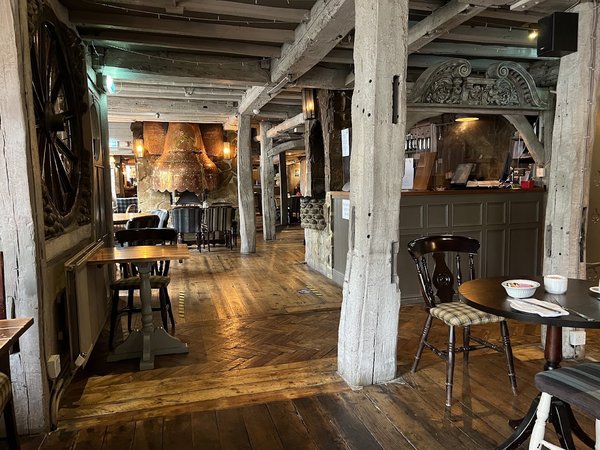
The Bent Arms - B&B
98 High Street, Haywards Heath
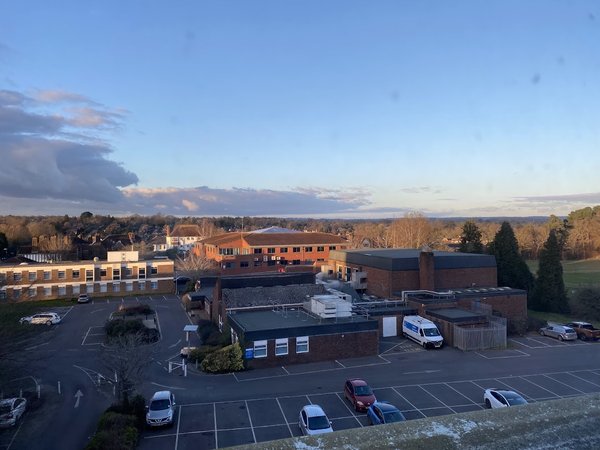
Premier Inn Haywards Heath
Perrymount Heath, Haywards Heath
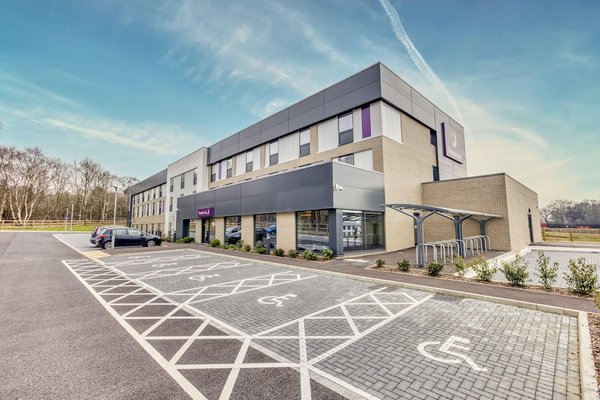
Premier Inn Uckfield
Ashdown Business Park, Uckfield
Things to Do in North Chailey
All attractions in North Chailey →Top things to do in North Chailey
North Chailey itself is tiny, but it is ringed by some genuinely worthwhile places, most within a ten-minute drive.
- Chailey Common Local Nature Reserve — a sprawling SSSI heathland made up of five linked commons (including Romany Ridge, Red House and Memorial Common), grazed by Hebridean sheep and Exmoor ponies to keep the heather and gorse in check. Look out for silver-studded blue butterflies in summer and nightjars at dusk.
- Chailey Windmill — a Victorian smock mill built in 1864 on Red House Common, a distinctive landmark visible across the heath and one of the few surviving windmills in this part of Sussex.
- Sheffield Park and Garden (National Trust) — around four miles north, this is one of the great English landscape gardens, laid out with a series of linked lakes and a famous run of autumn colour, originally shaped by Capability Brown and later planted up by the Earls of Sheffield.
- Bluebell Railway — the preserved steam line's southern terminus at Sheffield Park station sits right beside the garden, running vintage steam trains up through the Sussex Weald to Kingscote and East Grinstead.
- Lewes — the county town of East Sussex, roughly eight miles south, with its Norman castle, antiques shops, independent bookshops and a lively market town atmosphere, plus a direct rail line to Brighton and London.
- Ashdown Forest — a short drive north-east into the neighbouring High Weald, this expanse of heath and woodland inspired A.A. Milne's Winnie-the-Pooh stories and offers some of the best open-country walking in the region.
- Haywards Heath — a useful market town for shops, cafes and a mainline station on the Brighton to London route, handy if you are staying nearby without a car.
Where to Eat in North Chailey
All restaurants in North Chailey →Food and drink in North Chailey
North Chailey is served by a handful of village pubs typical of this part of the Weald, along with farm shops trading on the area's long agricultural history; the wider Chailey parish has traditionally supported several traditional Sussex pubs offering the kind of straightforward, locally sourced food expected of a rural crossroads village. For a wider choice of restaurants, cafes and independent food shops, Lewes and Haywards Heath are both within easy reach and offer everything from Sussex-brewed real ales to the county's growing reputation for vineyard restaurants, several of which are dotted through the surrounding Ouse Valley countryside.
Attractions Near North Chailey
All attractions in North Chailey →Worth the trip — within 50 miles of North Chailey.
 2 mi
2 mi
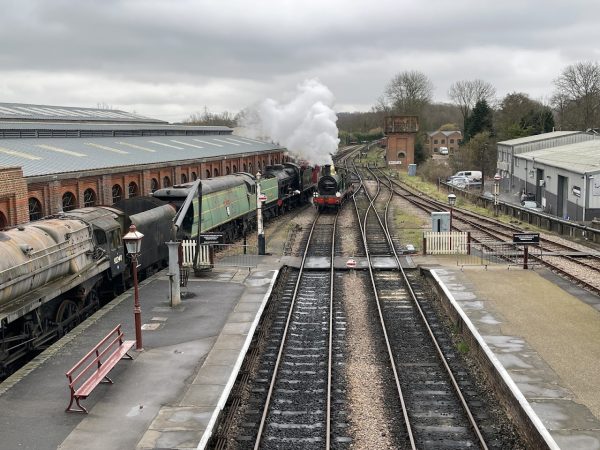
Bluebell Railway
Uckfield · ⭐ 4.7
 4 mi
4 mi
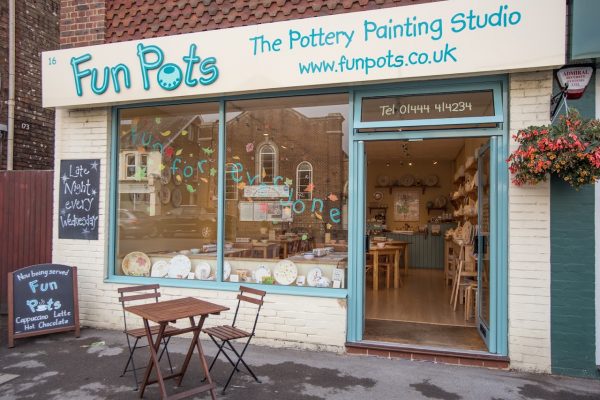
Fun Pots
Haywards Heath · ⭐ 4.6
 4 mi
4 mi
Victoria Park Splashpad
Haywards Heath · ⭐ 4.4
 4 mi
4 mi
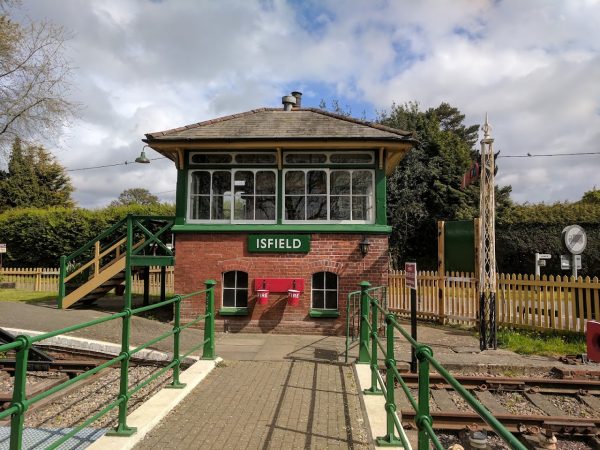
The Lavender Line
Uckfield · ⭐ 4.5
 5 mi
5 mi
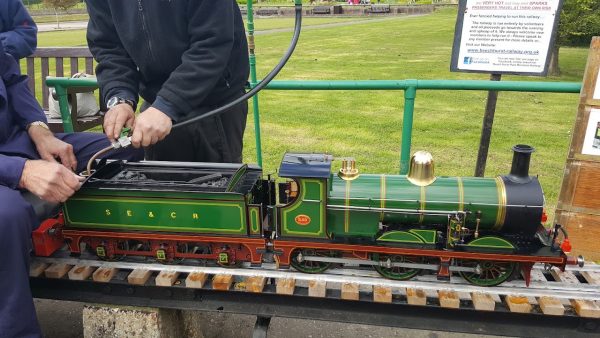
Beech Hurst Park Miniature Railway
Haywards Heath · ⭐ 4.7
Bedelands Farm Nature Reserve
Burgess Hill · ⭐ 4.6
 5 mi
5 mi
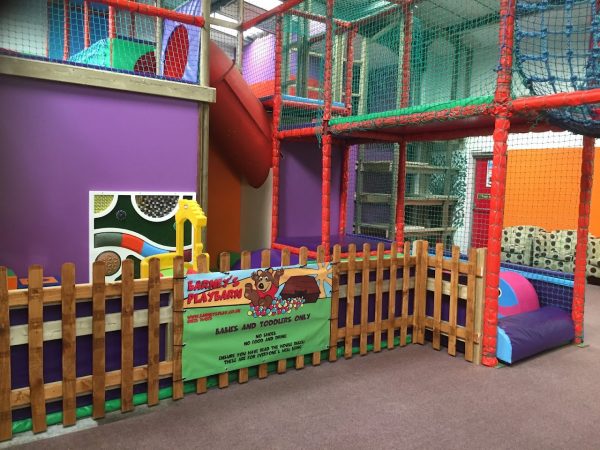
Barneys Playbarn
Uckfield · ⭐ 4.3
 5 mi
5 mi
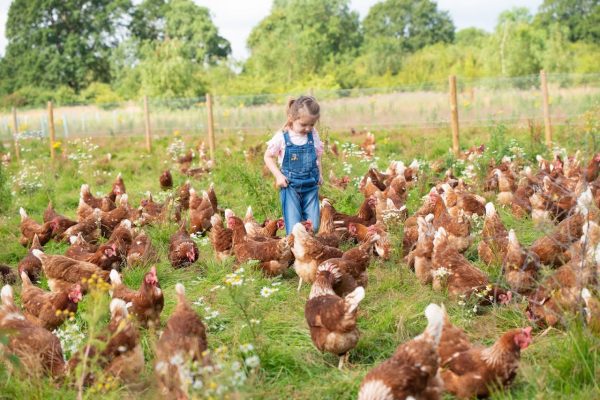
The Macs Farm
Ditchling · ⭐ 4.9
Camping in North Chailey(2)
All campsites in North Chailey →About camping in North Chailey
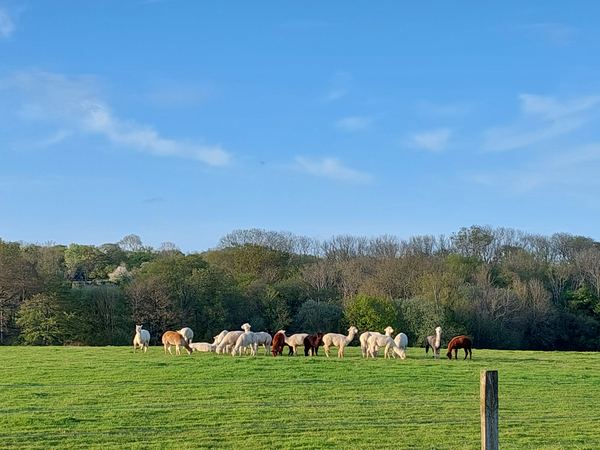
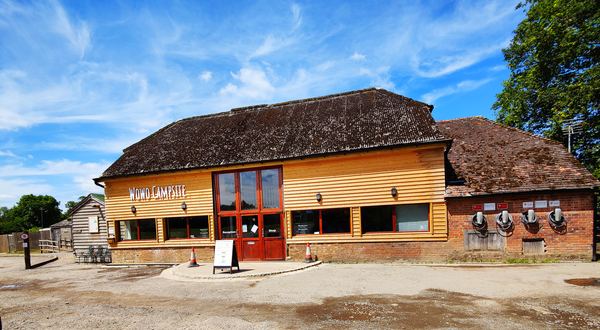
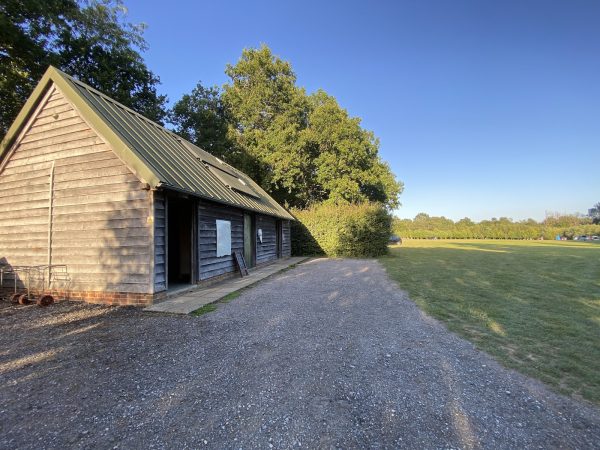
Wild camping without the landowner's permission is illegal in England, and that applies as much to the heathland commons around North Chailey as anywhere else, however inviting the open ground at Chailey Common might look. The reserve itself is managed conservation land grazed by sheep and ponies, not a place to pitch a tent, so anyone wanting to camp near North Chailey needs a proper licensed site. The good news is that the wider Sussex Weald and Ouse Valley have a reasonable spread of options, from simple certificated touring sites tucked behind farms to more established campsites with better facilities, generally within a fifteen to twenty minute drive of the village.
The terrain here is gently undulating Weald clay country rather than dramatic hills, mixing pasture, woodland and pockets of heath, which makes for pleasant rather than strenuous camping: good for family stays, dog walking and cycling rather than serious hill-walking. Ground can turn heavy after wet weather, particularly on clay soils away from the sandier heathland, so late spring through early autumn is the most reliable camping season, with July and August the busiest months around the Sheffield Park and Bluebell Railway attractions. Autumn has its own appeal for campers happy to wrap up, coinciding with the celebrated colour change in Sheffield Park's gardens just up the road.
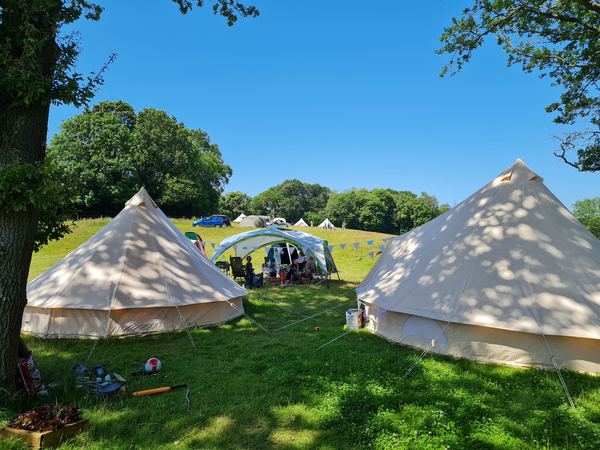
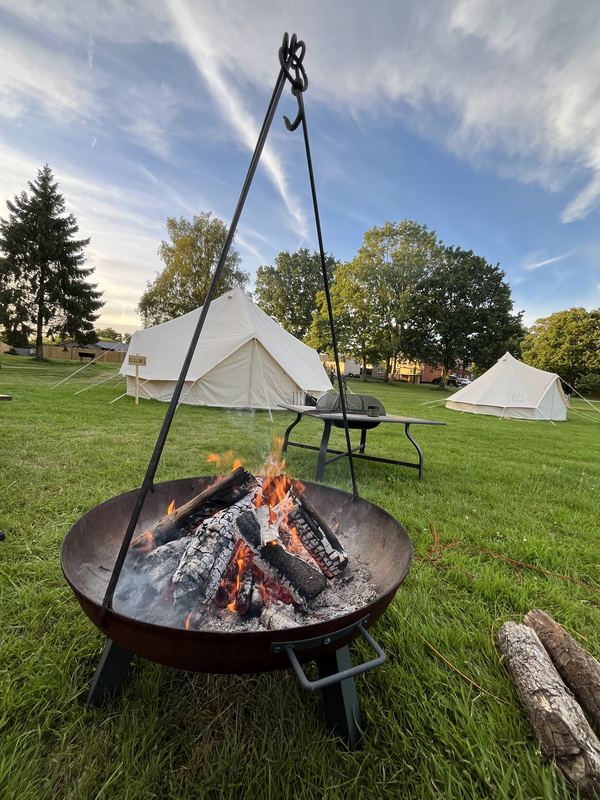
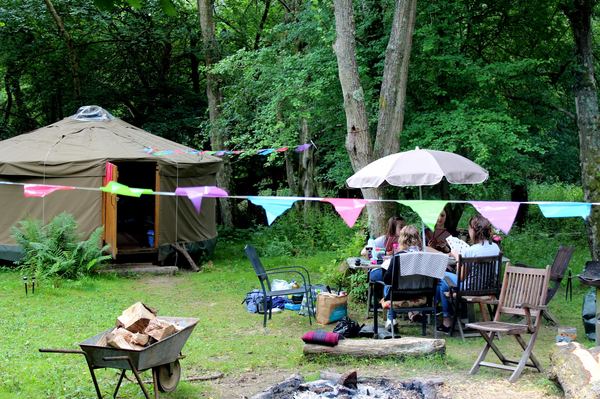
For those who would rather skip the tent-pitching altogether, glamping has taken hold across this part of Sussex in recent years, with shepherd's huts, bell tents and safari-style lodges appearing on farms throughout the Weald and Ouse Valley, several within easy reach of North Chailey. These sites typically trade the full camping experience for proper beds, wood-burners and covered outdoor space, while keeping the same rural, star-lit setting and easy access to Chailey Common, Ashdown Forest and the Bluebell line. Whichever route you choose, booking ahead is sensible in peak season, since this corner of Sussex draws steady weekend traffic from London and the wider south-east.
Self-Catering Cottages in North Chailey
All cottages in North Chailey →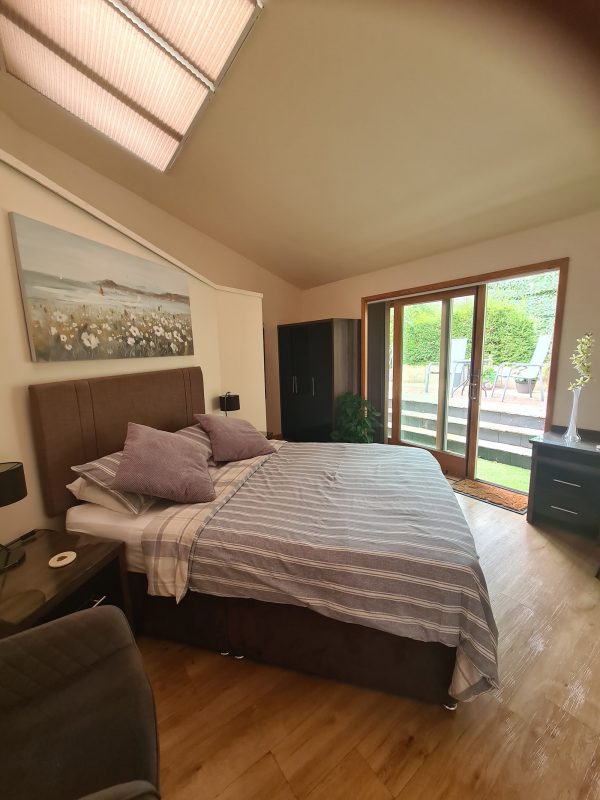
Silvergrove Cottage
1 bed · sleeps 2 · from £781
The Old Sawmill One
2 bed · sleeps 4 · from £671
The Old Sawmill Two
2 bed · sleeps 2
Polecat Barn
2 bed · sleeps 4 · from £897
The Old Dairy At Wootton
1 bed · sleeps 2 · from £575
Mallingdown Farm
2 bed · sleeps 4 · from £433
Honeypot Cottage
1 bed · sleeps 4 · from £367
Heath Ridge
1 bed · sleeps 2 · from £529
Common questions about North Chailey
How many campsites are there in North Chailey?
We list 2 campsites in and around North Chailey, of which 2 take tents and 2 offer glamping.
Are there dog-friendly campsites in North Chailey?
Yes — 1 of the 2 campsites we list in North Chailey accept dogs, including Camping at Tomkins Farm.