Shetland
Wild islands where Norse history meets the North Atlantic
Photo © Google Maps contributors, Google Maps
Shetland lies closer to Bergen than to Edinburgh, a windswept archipelago of more than a hundred islands scattered across the North Atlantic where Scotland finally gives way to open sea. Fifteen of these islands are inhabited, linked by a network of inter-island ferries and two subsea road tunnels, and together they hold barely 23,000 people spread across a landscape of heather moor, sea cliffs and voes, the long sheltered sea inlets that cut deep into the mainland and give almost every township a harbour of its own.
This is a place shaped as much by Norway as by Scotland. Six centuries of Norse rule left Shetland with its own dialect, its own place names, and its own midwinter fire festival, and islanders still talk of a trip south to the Scottish mainland as going "to Scotland", as though it were a separate country. The result is a culture that feels genuinely distinct: fiddle music learned in front rooms, fine lace knitting passed down through generations, and a deep attachment to the sea that has sustained islanders for a thousand years, whether through fishing, the oil terminal at Sullom Voe, or the salmon farms that now ring the voes.
Visitors come for the wildlife above all else, with puffins, gannets and skuas crowding cliff-top colonies each summer, otters working the tideline at dawn and dusk, and orcas occasionally cruising past the ferry routes, but many stay for the emptiness. Shetland has more prehistoric and Norse archaeology per square mile than almost anywhere in Europe, sweeping beaches that are usually deserted, and simmer dim, the pale half-light of the midsummer nights, when the sun barely sets at all.
Getting to Shetland
Most visitors fly into Sumburgh Airport, around 25 miles south of Lerwick, with regular services from Aberdeen, Edinburgh, Glasgow and Inverness, taking a little over an hour from Aberdeen. Loganair operates the majority of these routes, and its inter-island flights also connect Sumburgh to Fair Isle, Foula and other outlying isles.
The overnight ferry from Aberdeen, run by NorthLink Ferries, is the classic approach for anyone bringing a car, taking around 12 to 13 hours and docking at Lerwick each morning; a summer service also calls at Kirkwall in Orkney en route. Cabins should be booked well ahead for the peak summer season. There is no rail line to Shetland: the nearest station is Aberdeen, itself around seven hours from London King's Cross by train, from where the ferry or a connecting flight completes the journey.
Once on the islands, a car is close to essential, since public transport exists but is limited, and much of Shetland's appeal lies along remote single-track roads. Two free subsea tunnels link the mainland to Whalsay and Yell without a ferry crossing, while other islands, including Unst, Bressay and Fetlar, are reached by short car ferries running frequently through the day. Parking is free and plentiful across the islands, including in Lerwick itself.
Best time to visit Shetland
Summer, from May to July, is by far the busiest and most rewarding season, bringing seabird colonies to their peak, wildflowers into bloom along the cliffs, and simmer dim, the light that barely fades before dawn returns. This is also when inter-island ferries, boat trips and visitor attractions run to their fullest timetables.
Spring, through April, sees the first puffins and terns arrive and the islands turn green after a long winter, with fewer visitors and lower accommodation prices than high summer. Autumn, from September, brings migrating birds passing through in huge numbers, drawing birdwatchers to spots like Fair Isle and Sumburgh, along with the first aurora sightings of the season on clear nights.
Winter is short on daylight, as little as six hours in December, but is the best time to see the Northern Lights from a dark, largely light-pollution-free sky. Late January brings Up Helly Aa, Lerwick's spectacular fire festival marking the end of Yule, when squads of torch-bearing guizers drag a replica Viking longship through the streets before setting it ablaze.
Where to stay in Shetland(8)
All hotels in Shetland →About staying in Shetland
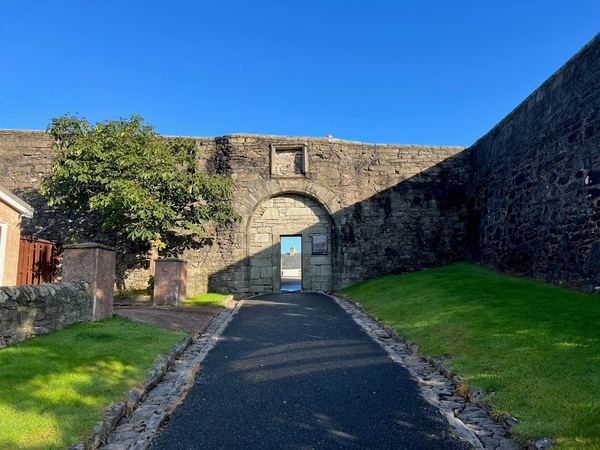
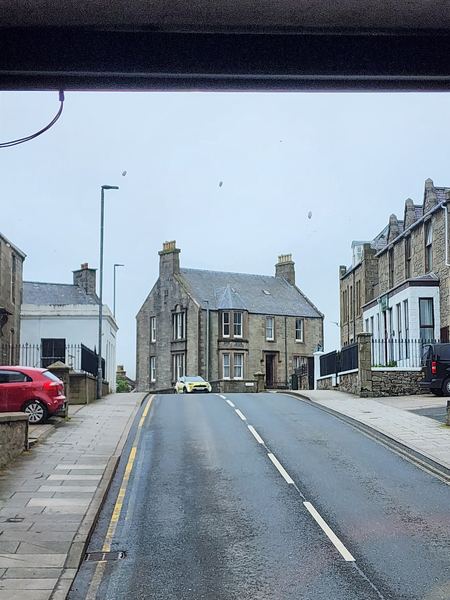
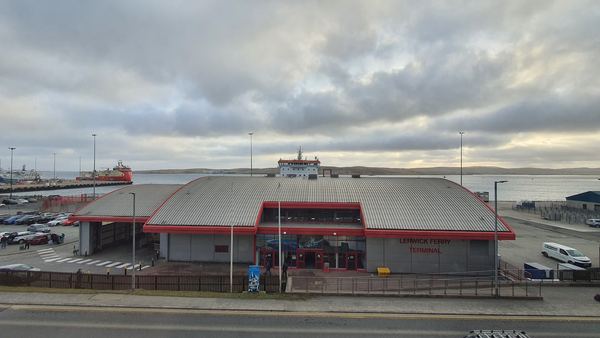
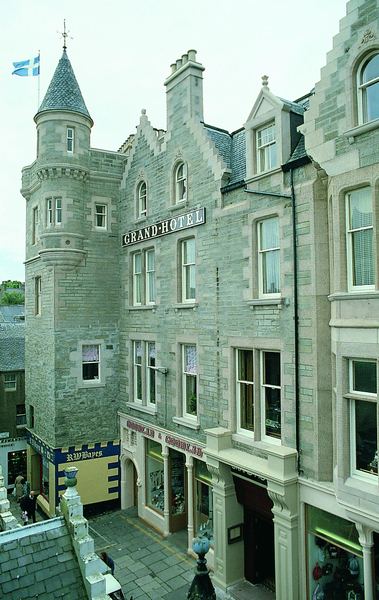
Most beds in Shetland are found in and around Lerwick, where the Grand Hotel, The Shetland Hotel and Kveldsro House Hotel put you within walking distance of the harbour, shops and ferry terminal. Fort Charlotte Guest House and Alder Lodge Guest House offer a quieter, more personal alternative if you would rather avoid a larger hotel.
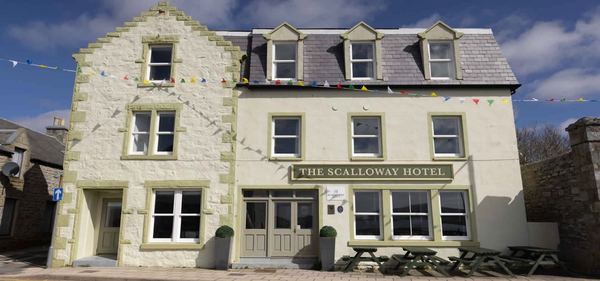
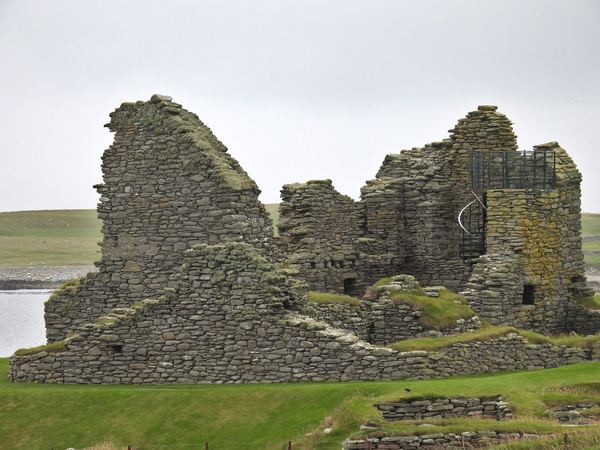
Beyond the capital, the choice thins out but the character grows. Busta House Hotel, a 16th-century laird's house near Brae, suits those exploring the north mainland, while Scalloway Hotel puts you close to the old capital and its castle on the west side. Down at the southern tip, Sumburgh Hotel is the obvious base for early flights or ferries and for visiting Jarlshof and the cliffs at Sumburgh Head.
With distances between settlements often considerable, it is worth picking a base near whichever part of Shetland you plan to spend most time in rather than trying to cover the islands from one spot.
 9.5
9.5
Fort Charlotte Guest House
Charlotte Street, Lerwick
from £95/night
 9.0
9.0
Alder Lodge Guest House
Clairmont Place, Lerwick Old Town
from £90/night
 8.4
8.4
Scalloway Hotel
Main Street, Scalloway
from £110/night
 8.2
8.2
The Shetland Hotel
Opposite the ferry terminal, Lerwick
from £145/night
 8.0
8.0
Sumburgh Hotel
Sumburgh, South Mainland
from £120/night
 7.8
7.8
Grand Hotel Lerwick
Commercial Street, Lerwick
from £95/night
Busta House Hotel
Brae, North Mainland
from £160/night
Kveldsro House Hotel
Lerwick town centre
from £140/night
Where to Eat in Shetland(26)
All restaurants in Shetland →About eating out in Shetland
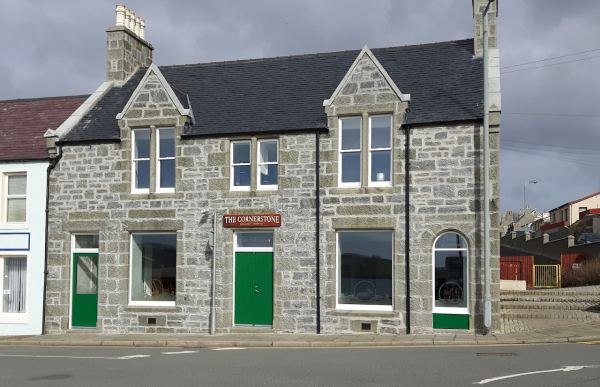
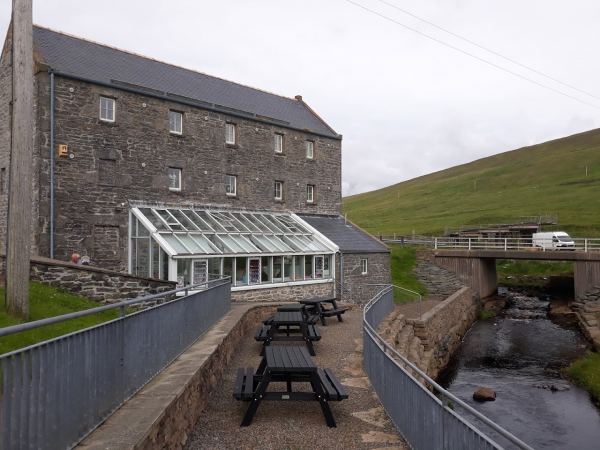
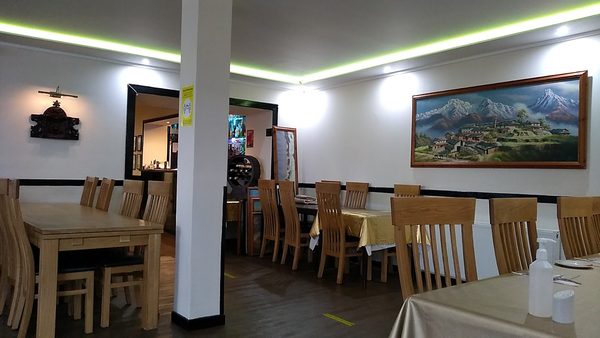
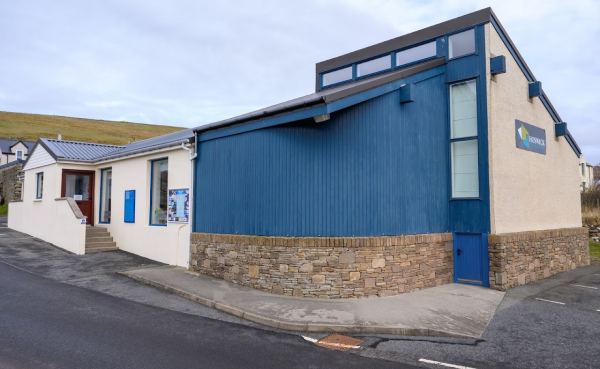
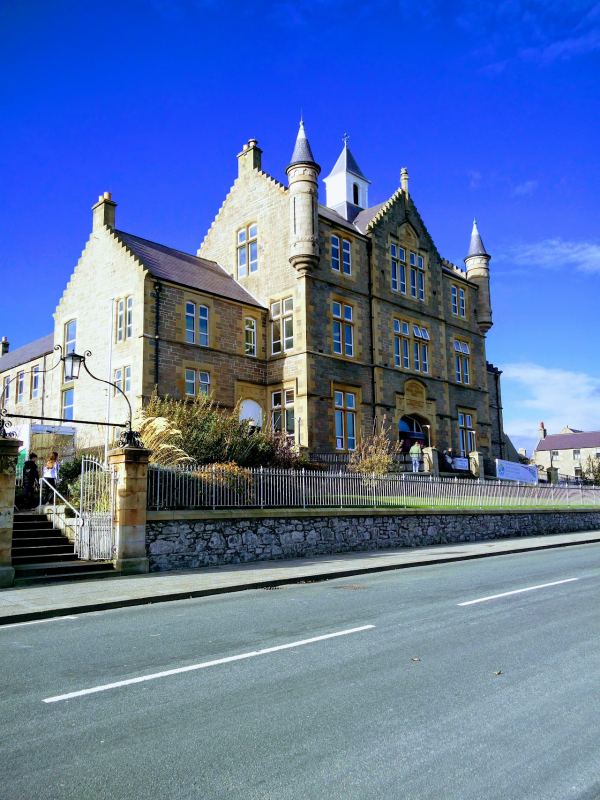
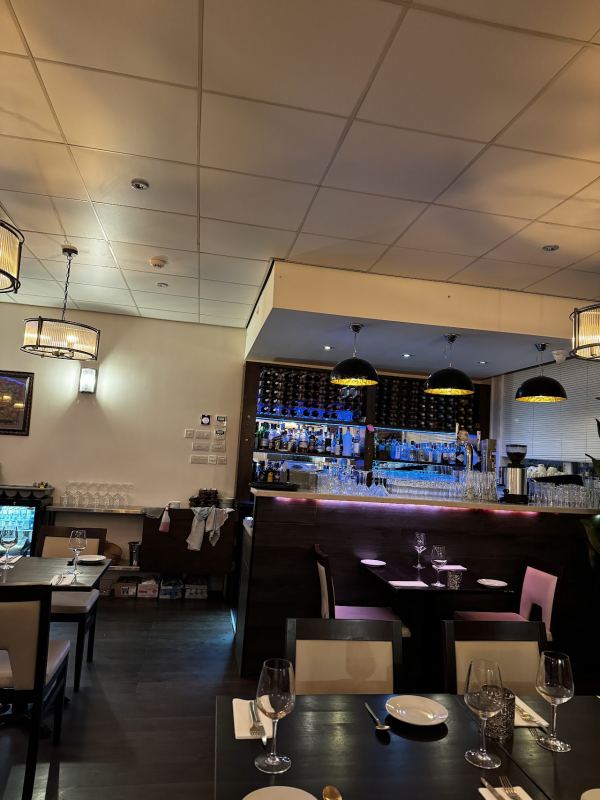
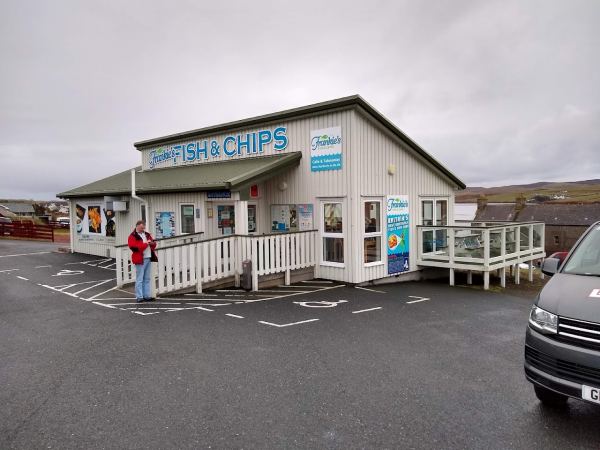
Eating out in Shetland tends to mean cafes and gallery restaurants rather than formal dining, and the best of them make a virtue of it. Lerwick has the highest concentration, with the Peerie Shop Cafe and Fjara Cafe Bar Ltd. good for a coffee or a proper meal between ferry crossings, while Bonhoga Gallery combines food with art out at Weisdale.
Further afield, places like Da Moors Cafe, Hoswick Visitor Centre and Speldiburn Cafe reflect Shetland's spread-out geography, each serving as a welcome stop while touring the isles rather than a destination in its own right. Braewick Cafe and Caravan Park and Stakkadale suit those exploring the coastline, with views often as much the draw as the menu.
Choosing between them usually comes down to what else is on your route that day, since Shetland's restaurants and pubs sit close to visitor centres, harbours and heritage sites rather than in one obvious food quarter.
Camping in Shetland(12)
All campsites in Shetland →About camping in Shetland
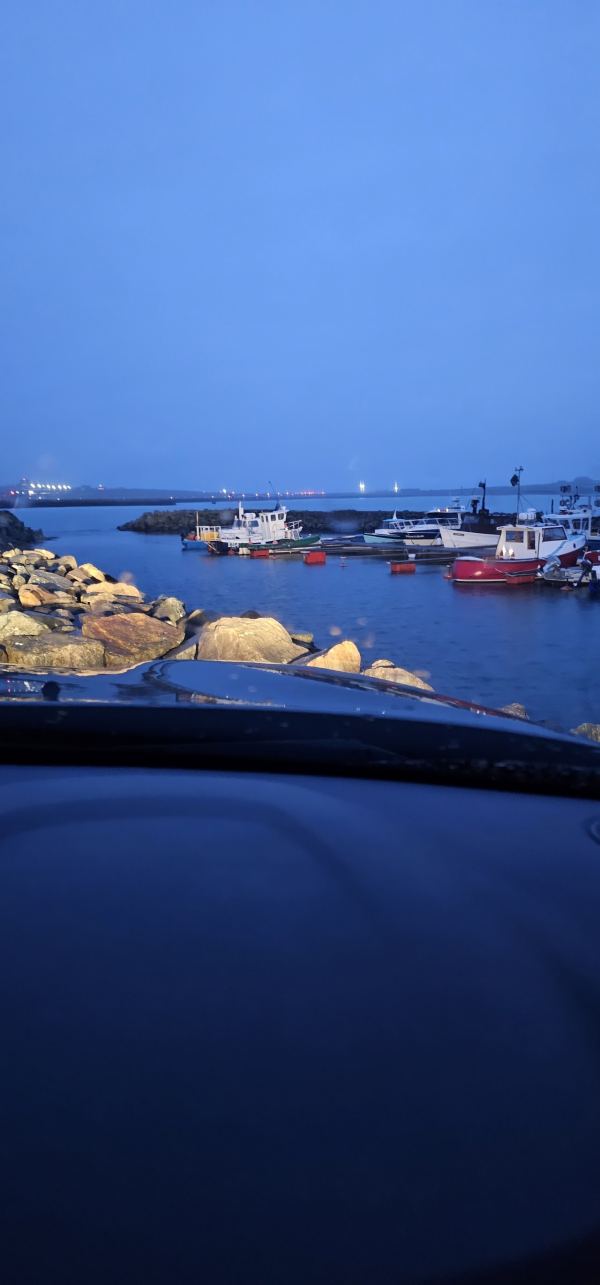
Shetland's campsites tend to be small and low-key, often no more than a field with hookups run by a community trust, boating club or farm. Levenwick Campsite and Cunningsburgh Touring Park sit on the Mainland within easy reach of Lerwick, while Skeld Caravan Park and Braewick Cafe and Caravan Park look out towards the west side's cliffs and stacks, including Braewick's proximity to Eshaness.
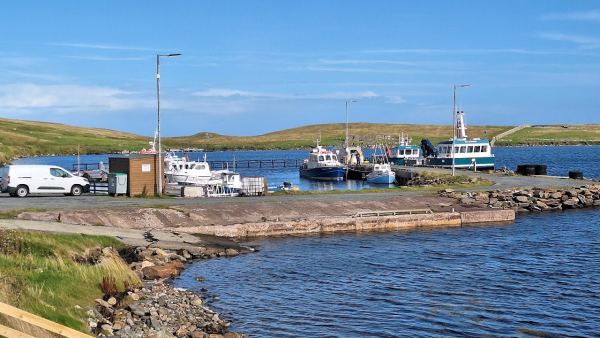
Further afield, sites like Burravoe Pier Trust Campsite on Yell and Gardiesfauld Hostel And Campsite in Unst extend a trip north through the isles, useful if you're touring by ferry rather than basing yourself in one spot. Bridge End Outdoor Centre and Ness Boating Club offer simple, practical pitches near the water, and Pool Farmhouse Certificated Location and Delting Boating Club Caravan Park add further options for those wanting a quieter, more rural stop between crossings.
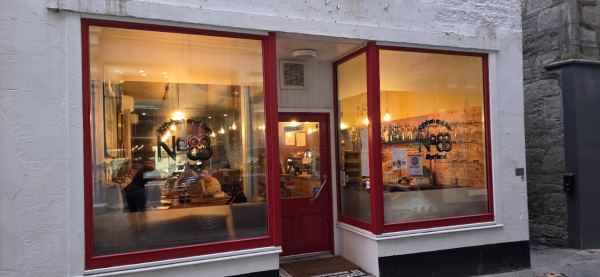
Ness Boating Club
⭐ 5.0
Burravoe Pier Trust Campsite
⭐ 4.8
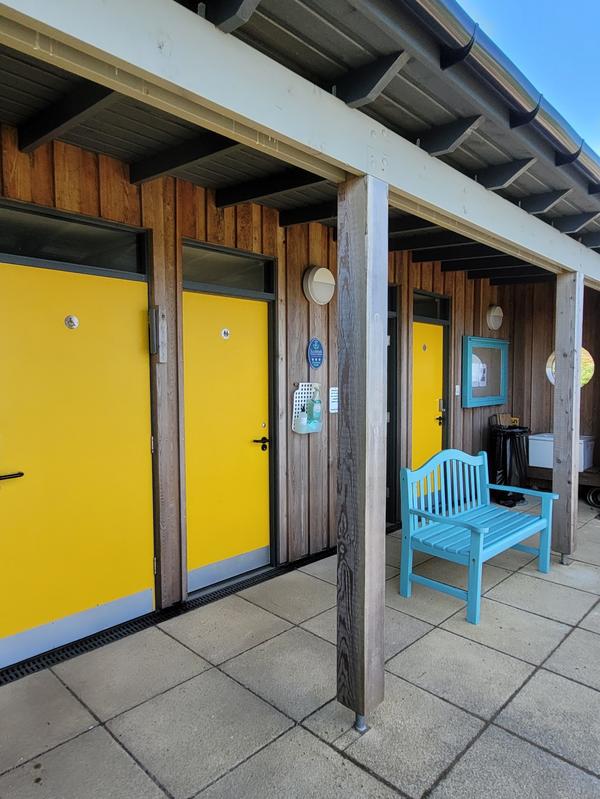
Levenwick Campsite
⭐ 4.6 · from £13/night
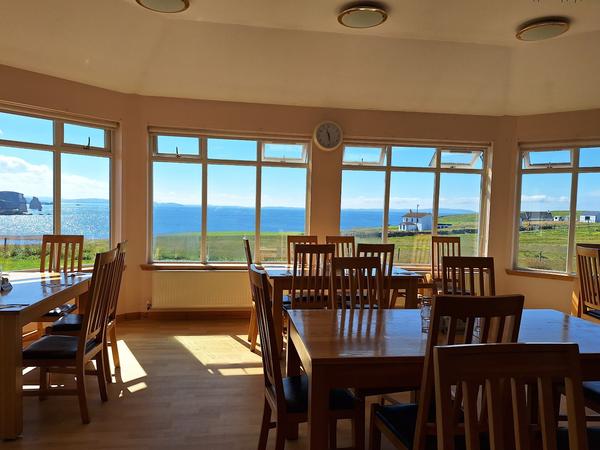
Braewick Cafe and Caravan Park
⭐ 4.6 · from £15/night
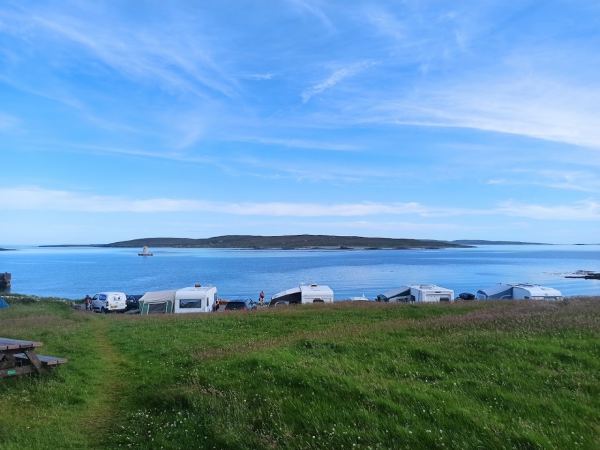
Gardiesfauld Hostel And Campsite
⭐ 4.7
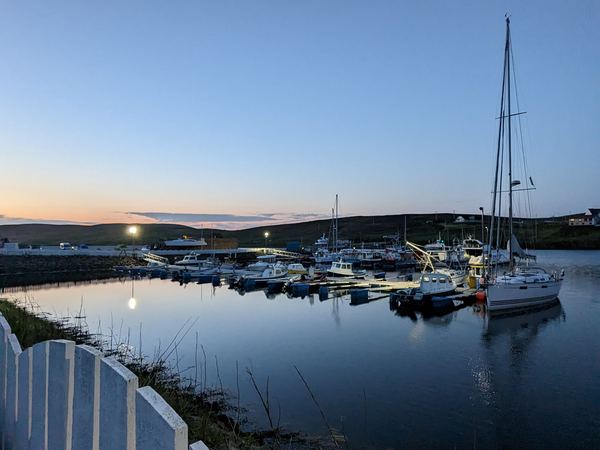
Skeld Caravan Park and Campsite
⭐ 4.6 · from £16/night
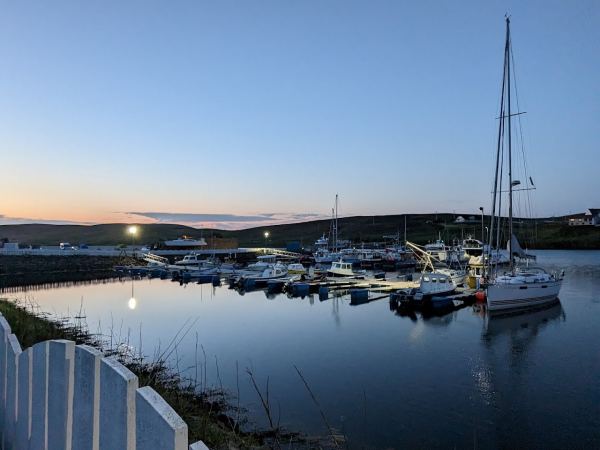
Pool Farmhouse Certificated Location
⭐ 4.6
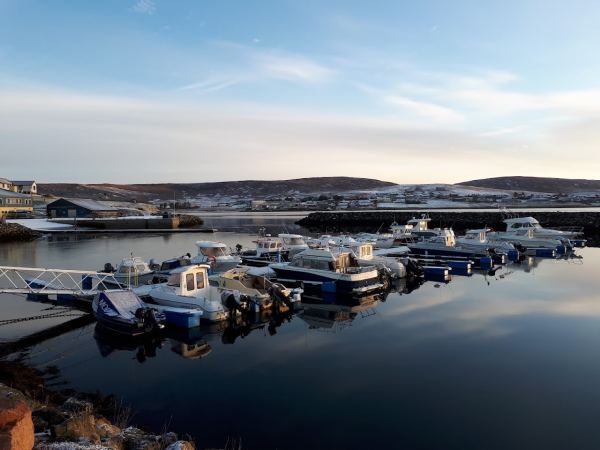
Delting Boating Club Caravan Park
⭐ 4.6
Self-Catering Cottages in Shetland(9)
All cottages in Shetland →About cottages in Shetland
Shetland's self-catering cottages tend to sit right on the coast, and the names alone give a sense of the geography: Fethaland and Norwick look out towards the northern isles, while Spiggie, Tresta and West Voe face the softer, sandy stretches of the south mainland. Reawick and Voe House offer a more sheltered base if you want quick access to Lerwick and the ferry terminals without giving up sea views.
Most properties work well for walkers, birdwatchers and anyone chasing long summer light, with St. Ninian's putting you close to the tombolo beach that draws visitors year round. Sands of Breckon, further north, suits those wanting quiet and open skies over convenience. Distances across Shetland are greater than they look on a map, so it is worth choosing a cottage near the parts of the islands you most want to explore rather than trying to cover everything from one base.
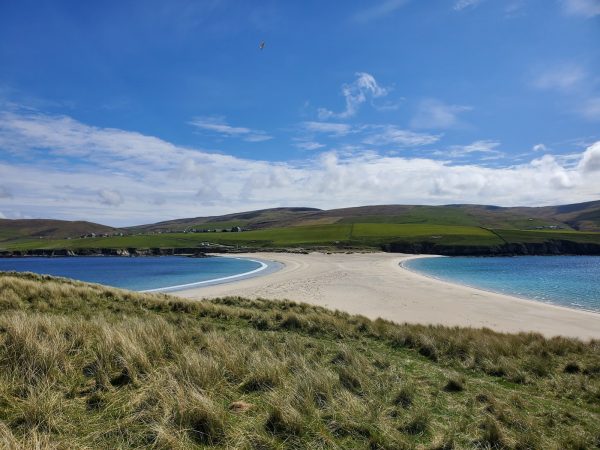
St. Ninian’s
1 bed · sleeps 2 · from £867
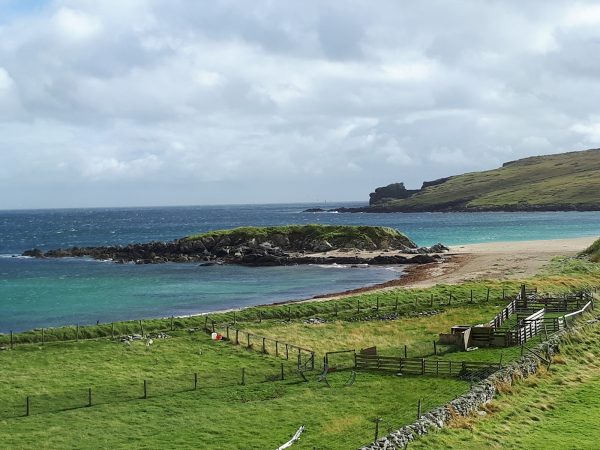
Norwick
2 bed · sleeps 4 · from £1,114
West Voe
1 bed · sleeps 2 · from £988
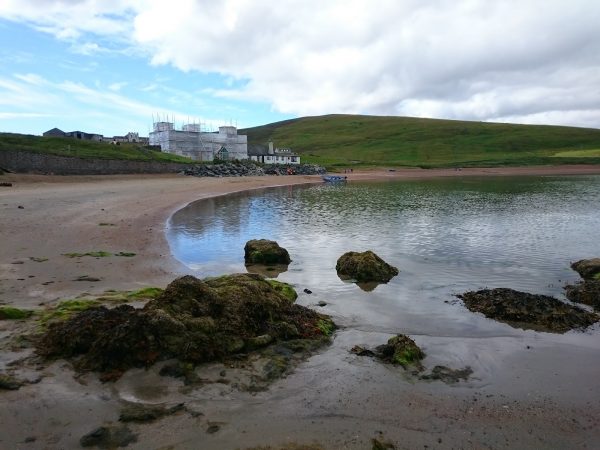
Reawick
1 bed · sleeps 2 · from £948
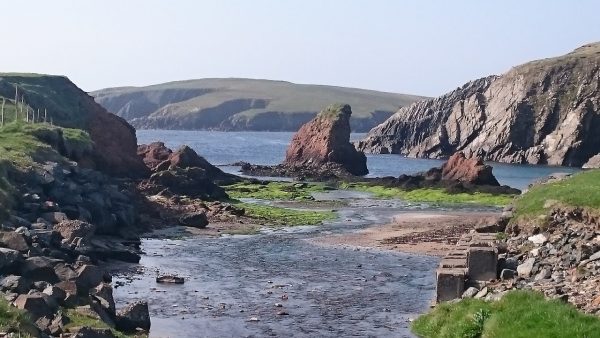
Spiggie
1 bed · sleeps 2 · from £948
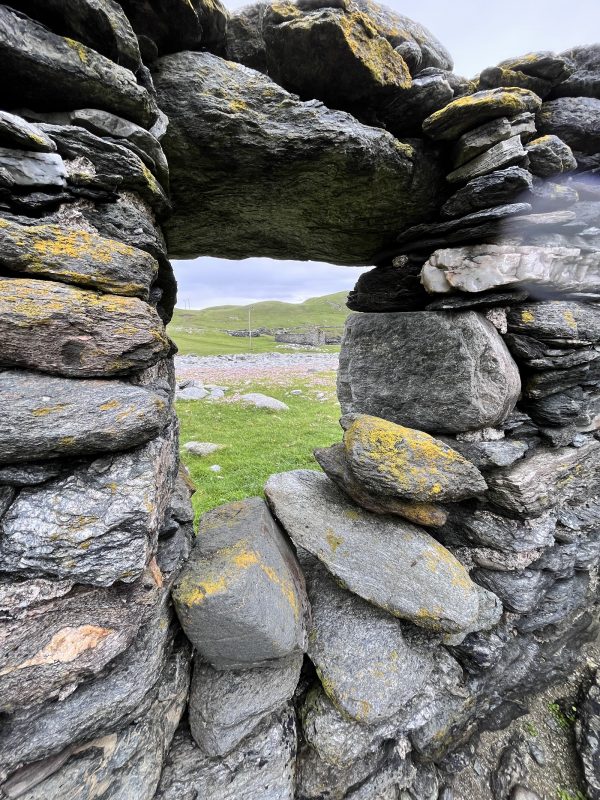
Fethaland
1 bed · sleeps 2 · from £948
Sands of Breckon
1 bed · sleeps 2 · from £948
Tresta
2 bed · sleeps 4 · from £1,114
Common questions about Shetland
How many campsites are there in Shetland?
We list 12 campsites in and around Shetland, of which 3 take tents and 1 offer glamping.
Are there dog-friendly campsites in Shetland?
Yes — 3 of the 12 campsites we list in Shetland accept dogs, including Levenwick Campsite and Skeld Caravan Park and Campsite.
Which campsites in Shetland have electric hook-up?
3 of the 12 campsites we list in Shetland offer an electric hook-up.
How many holiday cottages are there in Shetland?
We list 9 self-catering cottages in and around Shetland.
Are there large holiday cottages in Shetland for groups?
Yes — the largest cottage we list in Shetland sleeps 15.
Where can I stay in Shetland?
We list 8 hotels, B&Bs and guest houses in and around Shetland. Prices start from around £90 a night.
Where can I eat in Shetland?
We list 26 restaurants, pubs and cafes in and around Shetland.