Caernarfon
A UNESCO fortress town where Snowdonia meets the sea
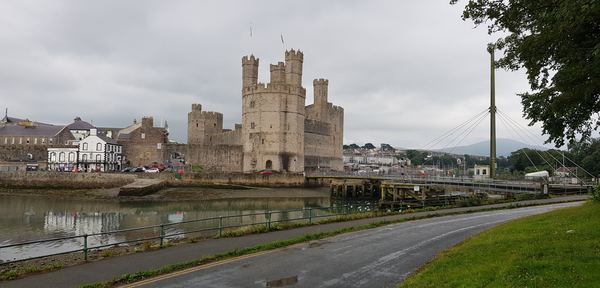
Caernarfon sits where the River Seiont meets the Menai Strait, a compact walled town built almost entirely around one extraordinary building. Edward I's castle, begun in 1283 and still unfinished when work stopped in 1330, dominates the skyline with polygonal towers and banded limestone and sandstone that architects modelled on the walls of Constantinople. It's the centrepiece of a UNESCO World Heritage Site that also takes in the town's intact medieval walls, one of the few sets in Britain you can still walk almost the full circuit of.
But Caernarfon isn't a museum piece frozen around its castle. It's a proper working Welsh town, still the administrative and cultural heart of Gwynedd, with one of the highest proportions of Welsh speakers anywhere in the country audible in its streets, shops and pubs. The quay (Cei Llechi) looks out over the Strait to Anglesey, boats still work out of the harbour, and the narrow lanes inside the walls mix independent cafes and old pubs with the seagulls and slate roofs you'd expect of a North Wales port.
Its real advantage is position. Eryri (Snowdonia) National Park starts more or less at the edge of town, with Yr Wyddfa (Snowdon) itself under half an hour's drive away, while the Llŷn Peninsula's beaches and the Menai Strait's sailing waters are equally close. Few bases in North Wales put mountains, coast and a genuinely historic town within such a tight radius.
Getting to Caernarfon
Caernarfon lost its own passenger rail line decades ago, so the nearest mainline station is Bangor, about nine miles away on the North Wales Main Line, served by Transport for Wales and occasional Avanti West Coast services from London Euston (around three and a half hours). From Bangor, buses run regularly to Caernarfon in around half an hour, or a taxi takes roughly 15-20 minutes.
By road, the town sits just off the A55 North Wales Expressway: leave at the Britannia Bridge junction and follow the A487 south-west into Caernarfon, a route that also serves as the main approach from Chester and the motorway network to the east. From mid and south Wales, the A487 runs the length of the coast via Porthmadog and Dolgellau. Drivers heading in from Snowdonia's interior typically arrive via Llanberis and the A4086/A487.
The nearest airports are Liverpool John Lennon (around two hours by car) and Manchester (roughly two and a half hours), both with wider flight networks than the small regional Anglesey Airport at Valley, which mainly serves the Cardiff route. Parking within the walls is limited and metered; the main long-stay options are the car park behind the castle and Balaclafa Road, both a short walk from the centre, and it's worth booking ahead for Welsh Highland Railway departures in peak season as the station car park fills early.
Best time to visit Caernarfon
Summer (June to August) is when the castle, railway and harbour are at their liveliest, with the longest daylight for mountain days in Eryri, though this is also when Caernarfon and nearby Llanberis see the heaviest coach and day-tripper traffic, and accommodation books up fastest.
Spring, particularly May, brings reliably drier weather than autumn, quieter streets, and Eryri's lower slopes turning green before the summer crowds arrive; it's a good window for walking without the queues at the castle ticket office.
Autumn holds decent weather into September and rewards visitors with a livelier, more local town as day-trippers thin out, though October onward brings the unpredictable rain that North Wales is known for, and hill weather turns serious fast.
Winter is quiet and often atmospheric, with the castle floodlit against short days and the possibility of snow on Yr Wyddfa visible from the town walls, but many smaller attractions and the Welsh Highland Railway reduce services or close entirely, so it suits a short town-and-food break rather than a walking holiday.
Where to stay in Caernarfon(17)
All hotels in Caernarfon →About staying in Caernarfon
Where to base yourself in Caernarfon largely comes down to whether you want the town on your doorstep or the mountains. Staying inside or just outside the walls means the castle, quay, pubs and restaurants are all a short walk away, which suits couples and anyone without a car who wants to explore on foot and treat Eryri as day trips rather than a base. It's the most atmospheric option, in converted Georgian townhouses and small independent hotels, but also the busiest and priciest in peak season, and parking can mean a walk from your car to your door.
Along the Menai Strait, in Y Felinheli or towards Menai Bridge, you trade a few minutes' extra drive into Caernarfon for water views, easier parking and a quieter evening, which tends to suit couples and older travellers with a car who still want easy reach of the town and Bangor.
Push inland towards Llanberis, Waunfawr or the villages along the Welsh Highland Railway line and you're in walking country proper, with more self-catering cottages, farmhouse B&Bs and family-friendly options, generally better value than the coast but meaning a short drive back into Caernarfon for a proper night out.
Prices swing hard with the season: expect £90-£140 a night for a decent B&B or small hotel double in July and August, dropping by a third or more outside school holidays. Dogs are welcomed at a good number of the area's B&Bs and cottages given how popular Eryri is with walkers, but it's always worth checking before booking. Book three to four months ahead for summer weekends, especially anything clashing with a major castle event; outside peak season, a few weeks' notice is usually plenty, and winter midweek stays can often be arranged at short notice.
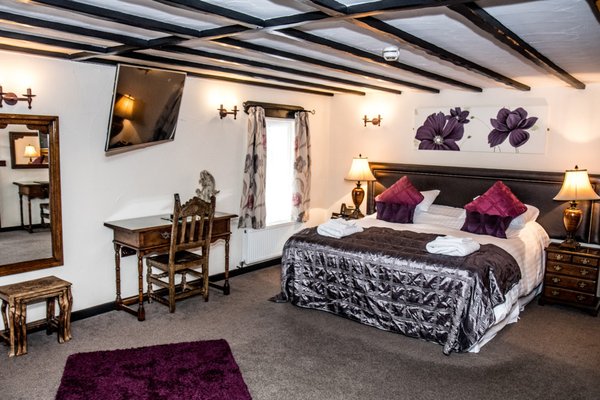
Black Boy Inn
Northgate Street, Caernarfon
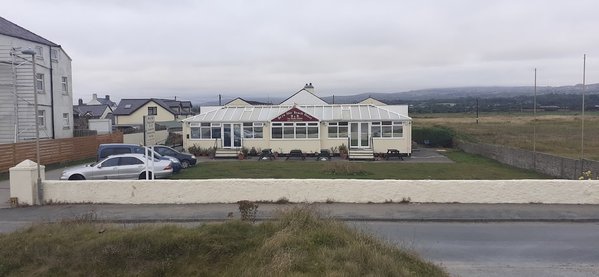
Bryn Mor Beach Hotel
Dinas Dinlle, Caernarfon
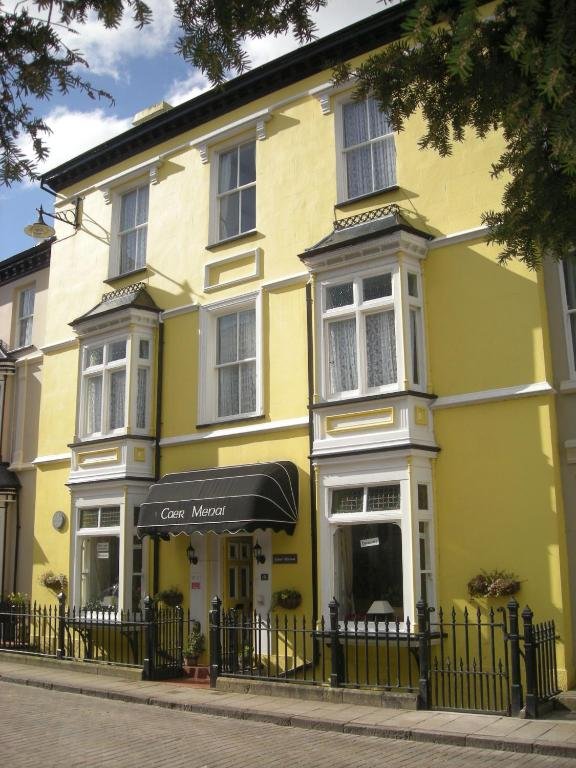
Caer Menai
15 Church Street, Caernarfon
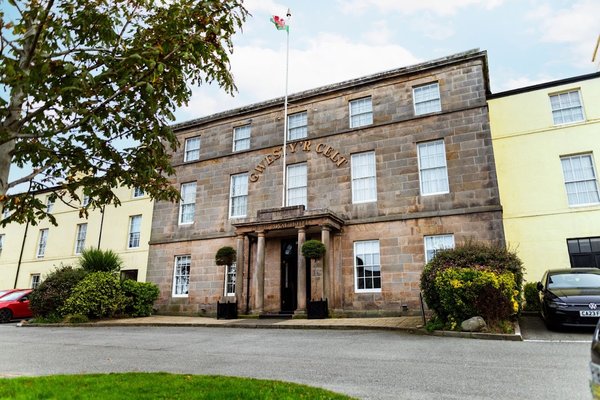
Celtic Royal Hotel
Bangor Street, Caernarfon
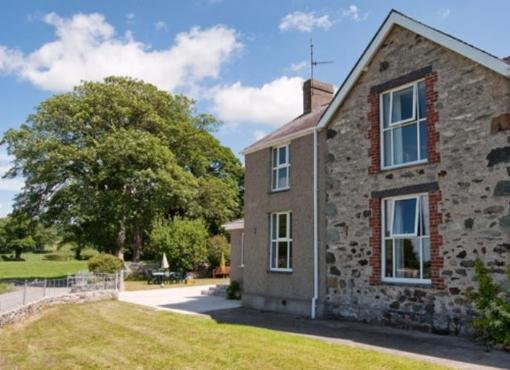
Dinas Farm Annex
Dinas Bontnewydd, Caernarfon
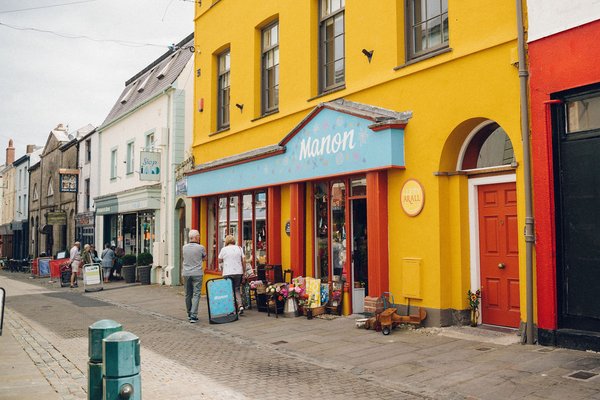
Llety Arall
9 Stryd Y Plas, Caernarfon
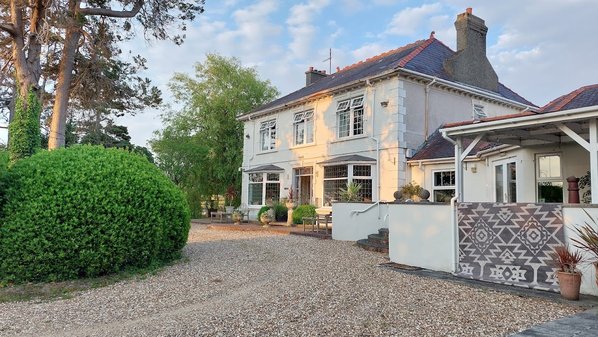
Meifod Country House Hotel
Bontnewydd, Caernarfon
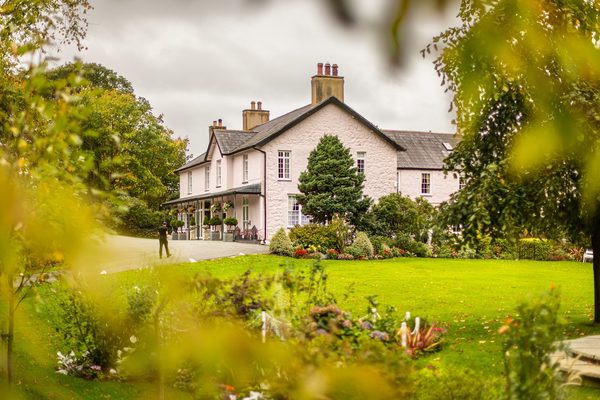
Plas Dinas Country House
Plas Dinas, Caernarfon
Things to Do in Caernarfon(14)
All attractions in Caernarfon →Top things to do in Caernarfon
Caernarfon rewards a slow wander as much as a checklist, but these are the names worth knowing.
- Caernarfon Castle — the UNESCO-listed fortress built by Edward I and his master mason James of St George; climb the Eagle Tower for views over the Strait and don't miss the Royal Welch Fusiliers Museum housed inside the Queen's Tower.
- Caernarfon Town Walls — nearly 800 metres of 13th-century walls with eight towers and two twin-towered gates, among the most complete surviving town defences in Britain and free to walk much of the circuit.
- Welsh Highland Railway — Britain's longest heritage railway, running steam trains 25 miles from beneath the castle walls up through the foothills of Yr Wyddfa, over the Aberglaslyn Pass, to Porthmadog; a full return trip takes the best part of a day.
- Segontium Roman Fort — the remains of a Roman garrison fort established around AD 77 on the edge of town, one of the longest-occupied Roman military sites in Wales, free to visit and looked after by Cadw.
- Cei Llechi (the Slate Quay) — the harbourfront promenade for views across the Menai Strait to Anglesey, boat trips, and the start point for coastal and cycle paths.
- Menai Suspension Bridge and Britannia Bridge — Thomas Telford's 1826 suspension bridge and Robert Stephenson's later rail crossing, both a short drive or cycle from town, linking the mainland to Anglesey across the Strait.
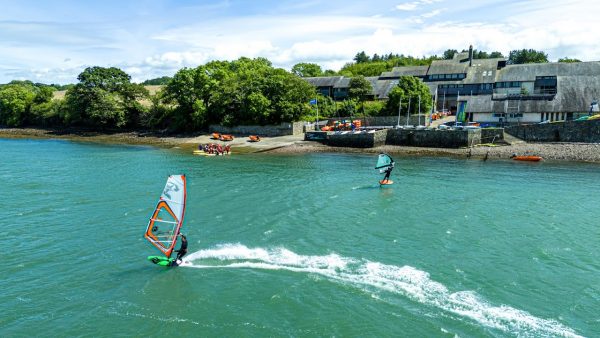
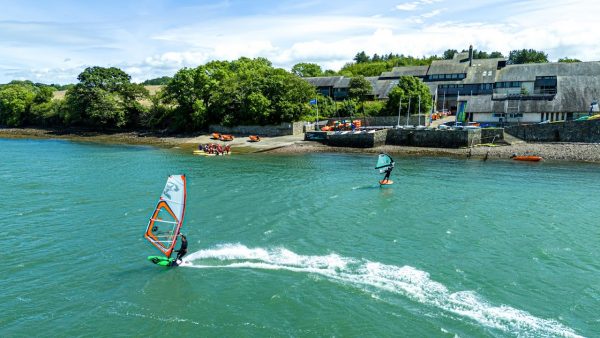
- Plas Menai and Menai Strait watersports — the National Outdoor Centre on the Strait for sailing, windsurfing and kayaking on some of the most sheltered tidal water in Wales.
- Twthill — a short, sharp climb above the town for a panorama that takes in the castle, the Strait, Anglesey and the mountains of Eryri in one sweep.
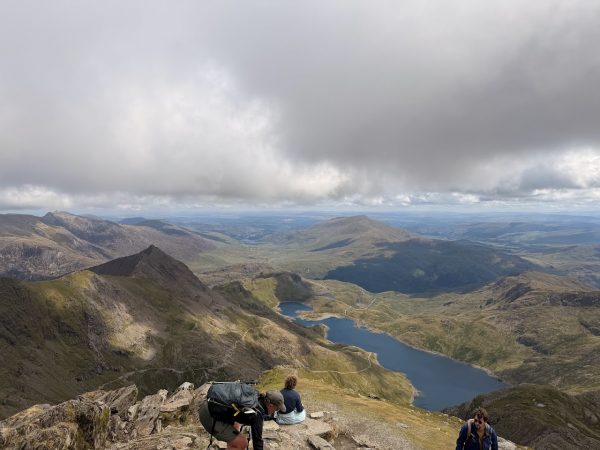
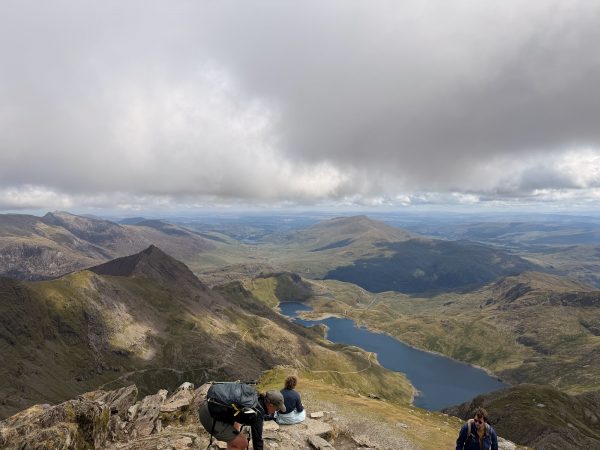
- Yr Wyddfa (Snowdon) — Wales's highest peak is around a 25-minute drive away via Llanberis or Rhyd Ddu, making Caernarfon a realistic base for a mountain day without staying in the busier honeypot villages.

Where to Eat in Caernarfon
All restaurants in Caernarfon →Food and drink in Caernarfon
The Black Boy Inn, dating to 1522 and one of the oldest pubs in Wales, anchors the food scene inside the walls with hearty, locally sourced pub food and a proper range of Welsh ales. Down on the waterfront, Y Wal has built a reputation for modern Welsh cooking using seasonal, local ingredients, while La Marina on Cei Llechi runs as a daytime coffee and brunch spot that shifts into small plates with a Mediterranean lean come evening.
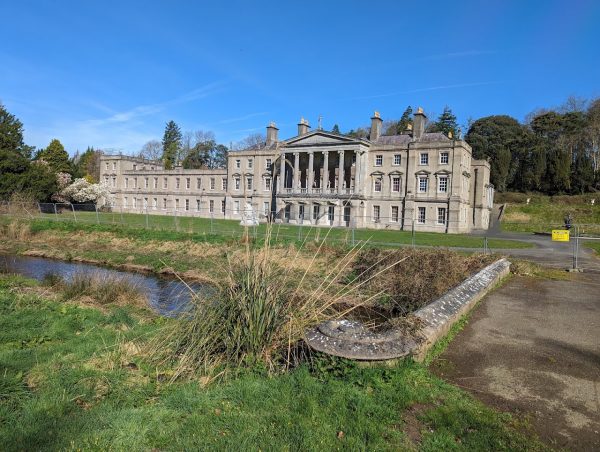
Villa Marina offers Mediterranean dining with views straight across to the castle walls, and a little further out, The Gunroom at Plas Dinas Country House (former home of the Armstrong-Jones family, Earl Snowdon's line) is the destination choice for a special-occasion dinner in a genuinely historic country house setting.
Expect plenty of Welsh lamb, Menai Strait mussels and local cheeses on menus around town, alongside the fish and chip shops and cafes that keep a working harbour town ticking over day to day. For a pint with a view, the pubs and cafes along the quay and around Castle Square are the obvious choice, particularly on a clear evening when the castle catches the light.
Attractions Near Caernarfon
All attractions in Caernarfon →Worth the trip — within 50 miles of Caernarfon.
 1 mi
1 mi
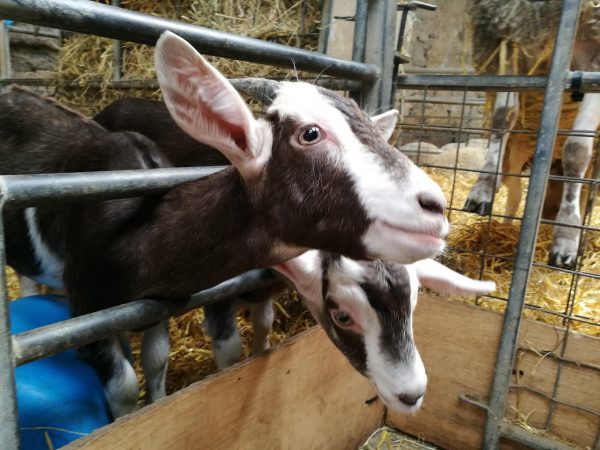
Foel Farm Park
Brynsiencyn · ⭐ 4.7
 2 mi
2 mi
Anglesey Sea Zoo
Llanfairpwllgwyngyll · ⭐ 4.1
 3 mi
3 mi
Plas Menai Beach
Y Felinheli · ⭐ 4.7
 4 mi
4 mi
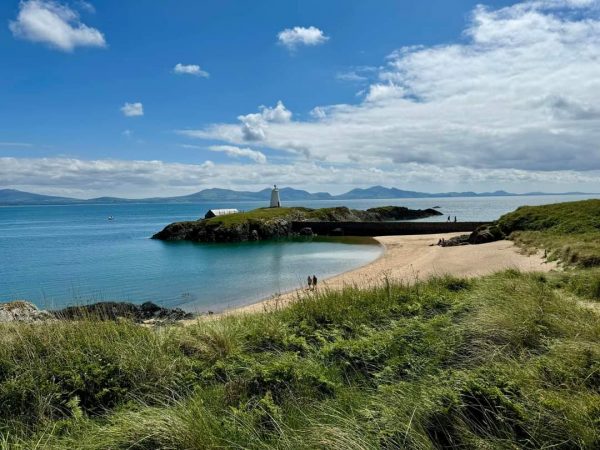
Llanddwyn Bay
Anglesey · ⭐ 4.5
GreenWood Family Park
Y Felinheli · ⭐ 4.6
 5 mi
5 mi
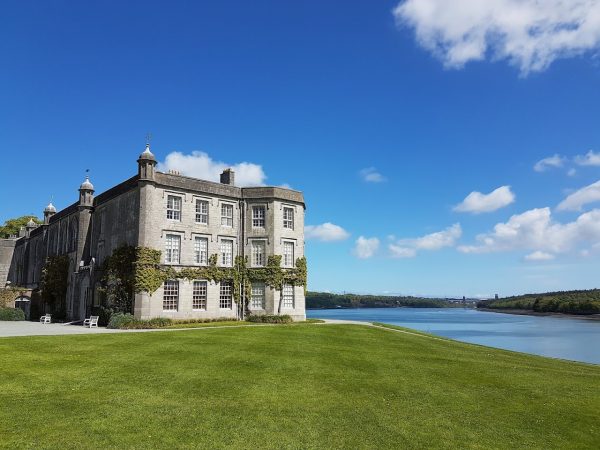
Plas Newydd House and Garden - National Trust
Llanfairpwllgwyngyll · ⭐ 4.6
 6 mi
6 mi
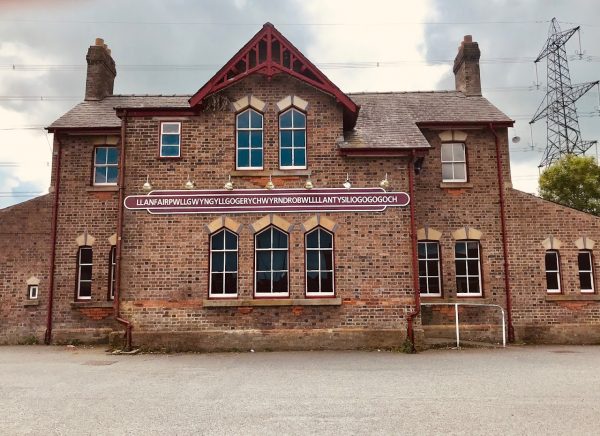
LlanfairPG Station
Llanfairpwllgwyngyll · ⭐ 4.6
 7 mi
7 mi
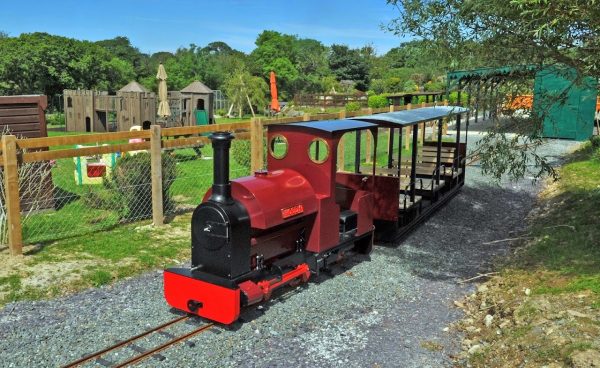
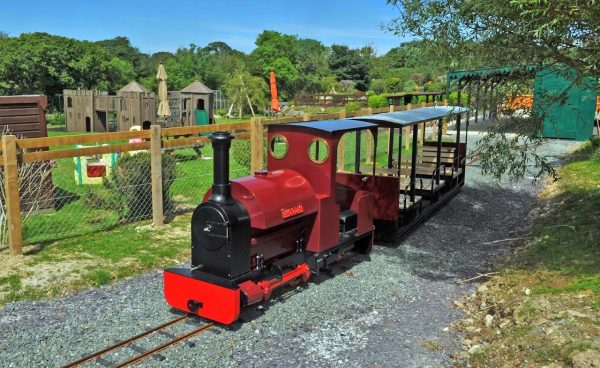
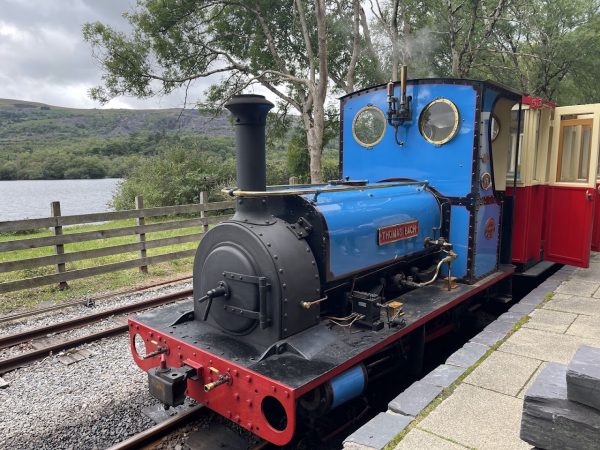
The Llanberis Lake Railway
Llanberis · ⭐ 4.5
Camping in Caernarfon(42)
All campsites in Caernarfon →About camping in Caernarfon
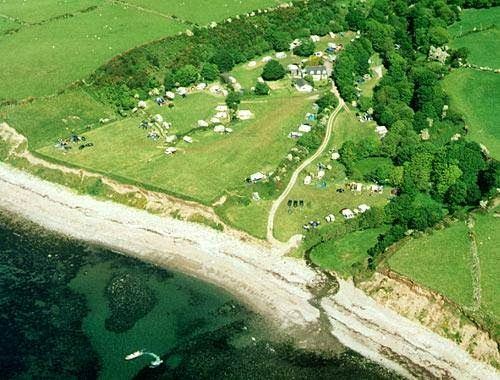
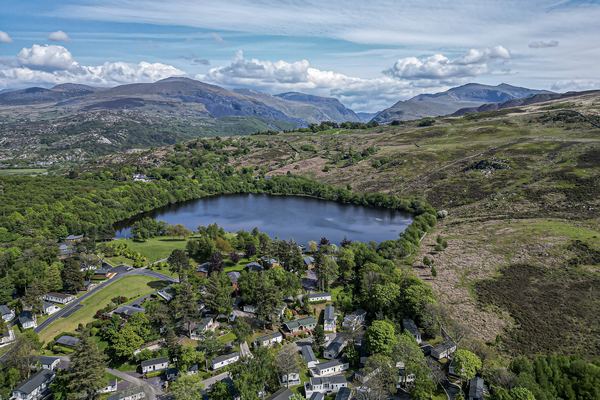
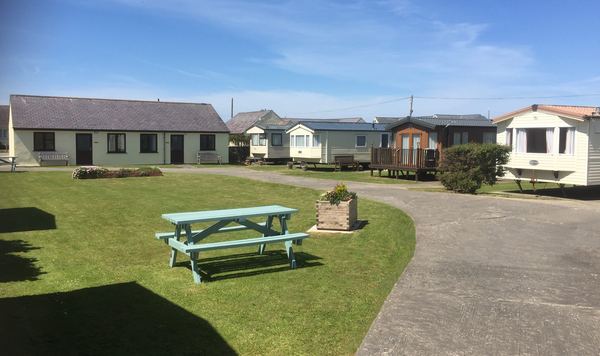
Camping around Caernarfon means choosing between the sheltered lowland sites near the Strait and the wilder, more exposed pitches up into Eryri, and the terrain shifts fast between the two. Down towards the coast and along the Menai Strait, ground tends to be flatter and better drained, with established campsites offering easy access to the town, the water and gentle cycling on routes like Lôn Las Menai. Head inland towards Llanberis, Waunfawr or Beddgelert and you're into proper mountain country: steeper, rockier ground, thinner soil that holds water badly after rain, and a climate that can turn from bright to driving rain within an hour, even in summer.
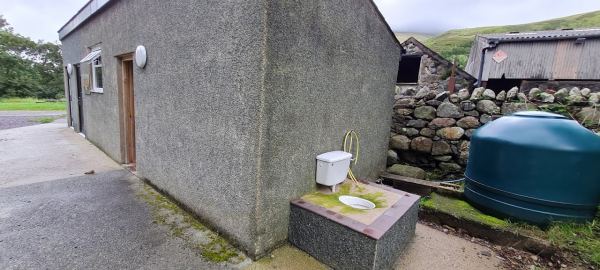
It's worth being clear on the law before planning anything ambitious: wild camping in Wales is not a legal right, unlike in Scotland. Pitching a tent on open land without the landowner's permission is technically trespass, a civil rather than criminal matter, but landowners can and do ask campers to move on. In practice, there's a long-standing informal tolerance of quiet, no-trace overnight camping high on the open mountain above the enclosed farmland of Eryri, roughly above 450-500 metres, provided you arrive late, leave early, take everything with you and cause no damage. That tolerance is not the same as permission, and camping lower down on farmland, in valleys, or anywhere near roads and villages should be assumed to require asking first. Several farms and landowners around Snowdon and Beddgelert do grant permission for a small fee if you contact them in advance.
Weather is the other planning factor. Eryri's peaks generate their own microclimate, and rain, wind and low cloud can arrive with little warning regardless of the forecast down in Caernarfon itself, so anyone camping high needs a genuinely weatherproof setup and a realistic view of conditions, not just what the town looks like at pitch time. May, June and September tend to offer the best balance of settled weather and manageable midge and crowd levels; July and August are warmest but busiest, especially around Llanberis and the main Snowdon paths, and results in more competition for informal pitches.
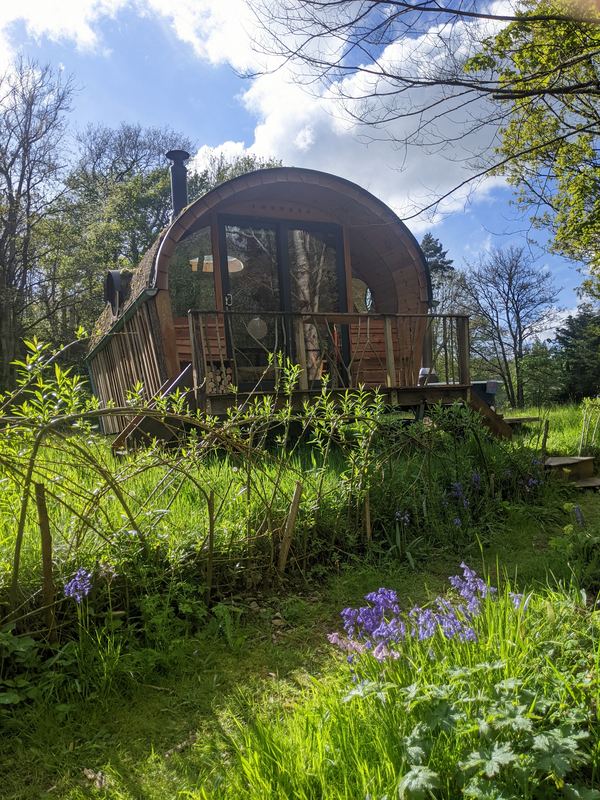
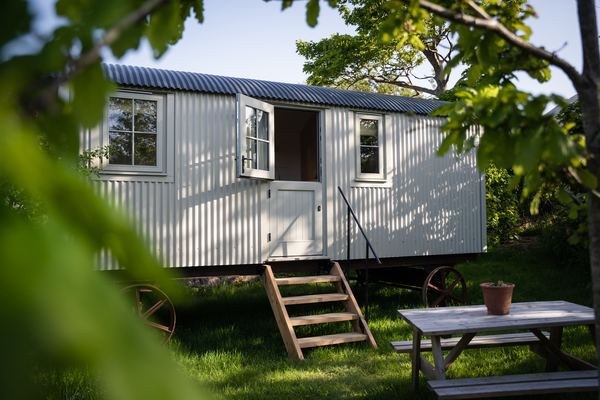
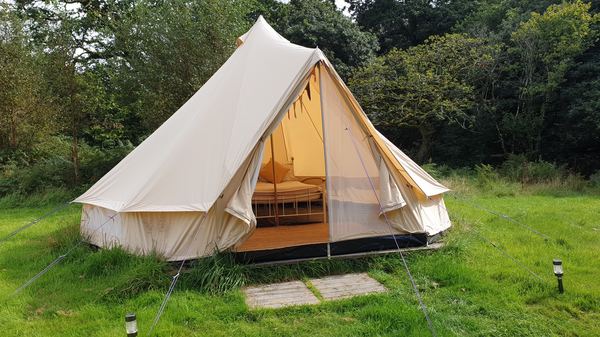
For anyone who'd rather not gamble on the weather or the legal grey area, glamping is well established in the area, with shepherd's huts, pods and yurts at sites scattered between the Strait and the mountains, offering a proper bed and some shelter while keeping the same easy access to both Caernarfon's castle and Eryri's peaks.
Self-Catering Cottages in Caernarfon
All cottages in Caernarfon →Ysgol Jos Bach
3 bed · sleeps 6
Bath Cottage
3 bed · sleeps 8
Cwm Cadnant - Cae Garw
4 bed · sleeps 10 · from £901
CWM Cadnant
5 cottages · from £417
Is-Helen Cottage
3 bed · sleeps 6 · from £457
Rhyddallt Ganol Cottages
3 cottages · from £417
Yr Wyddfa
3 bed · sleeps 6 · from £517
Snowdon
2 bed · sleeps 4 · from £507
Common questions about Caernarfon
How many campsites are there in Caernarfon?
We list 42 campsites in and around Caernarfon, of which 39 take tents and 19 offer glamping.
Are there dog-friendly campsites in Caernarfon?
Yes — 13 of the 42 campsites we list in Caernarfon accept dogs, including Talymignedd Campsite and Riverside Camping.
Which campsites in Caernarfon have electric hook-up?
14 of the 42 campsites we list in Caernarfon offer an electric hook-up.
Where can I stay in Caernarfon?
We list 17 hotels, B&Bs and guest houses in and around Caernarfon.
What is there to do in Caernarfon?
We list 14 attractions and things to do in and around Caernarfon.