Killin
Where the Falls of Dochart meet the shores of Loch Tay
Photo © Pablo Savva, Google Maps
Killin sits at the wild western tip of Loch Tay, in the old district of Breadalbane, where the Rivers Dochart and Lochay meet and tumble together through the village as the Falls of Dochart. It is a place defined by water and mountains: the loch stretches east for fourteen miles towards Aberfeldy, while to the north the Ben Lawers range rises to over 1,200 metres, one of the richest stretches of high ground for rare alpine plants in Britain. Historically part of Perthshire and now within Stirling council area, Killin has long been a crossroads settlement, a resting point for drovers and travellers moving between the Trossachs and the Central Highlands.
The village itself is small and unhurried, a cluster of stone cottages, a handful of shops, and the ever-present roar of the falls beneath the old bridge. It sits just outside the Loch Lomond and Trossachs National Park boundary in places and within it in others, giving Killin the feel of a gateway settlement, close enough to the busier tourist routes around Loch Lomond to be easily reached, yet remote enough that red deer, golden eagles and pine martens are all recorded in the surrounding hills. For walkers, anglers and anyone who wants a Highland base without the crowds of Fort William or Aviemore, Killin has quietly built a reputation as one of Perthshire's best-kept secrets.
Getting to Killin
Killin lies on the A827, roughly midway between Crianlarich (about 10 miles west, on the A82) and Aberfeldy (around 20 miles east). Driving from Glasgow takes about an hour and a half via Loch Lomond and Crianlarich; from Edinburgh, allow around two hours via Stirling and Callander, or via Perth and Aberfeldy. Killin has no railway station of its own; the nearest mainline stations are Crianlarich and Upper Tyndrum on the West Highland Line, from where onward travel is by road. Scottish Citylink coaches and local Stagecoach buses connect Killin to Callander, Stirling and Crianlarich, though services are infrequent, so a car is by far the easiest way to explore the surrounding glens and lochside roads at your own pace.
Best time to visit Killin
Late spring through early autumn (May to September) is the classic window for Killin, when the days are long, the hills are walkable, and the Falls of Dochart are framed by greenery rather than bare branches. May and June bring the best chance of dry weather and the alpine flora on Ben Lawers at its best, while September and early October reward visitors with autumn colour along Glen Dochart and quieter roads once the school holidays end. Winter can be atmospheric, with snow on the surrounding Munros and the falls in full spate after rain, but some attractions reduce their hours and the high routes demand proper winter hillwalking experience. Whenever you visit, pack for changeable Highland weather; conditions on the loch and hills can shift quickly regardless of the season.
Where to stay in Killin(6)
All hotels in Killin →About staying in Killin
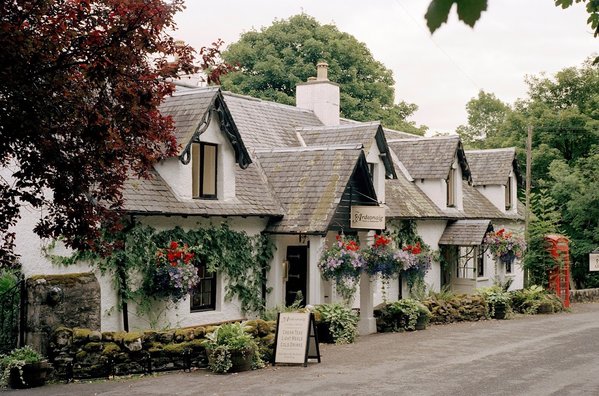
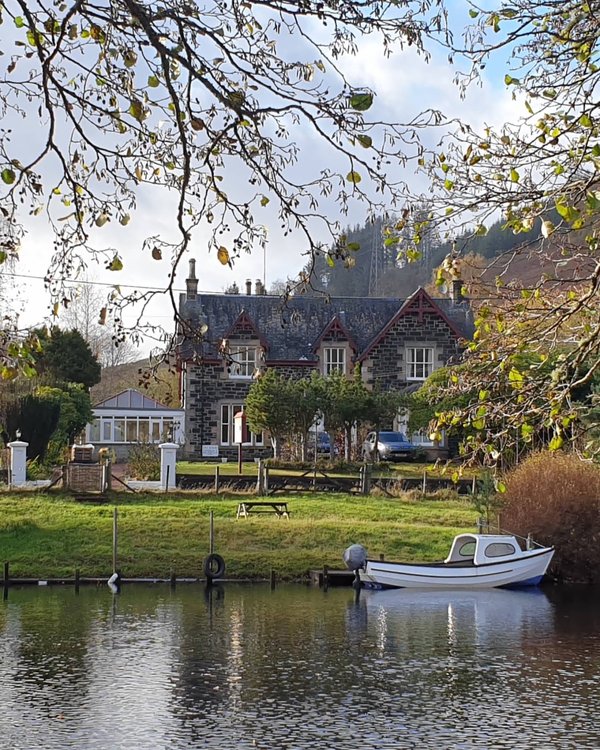
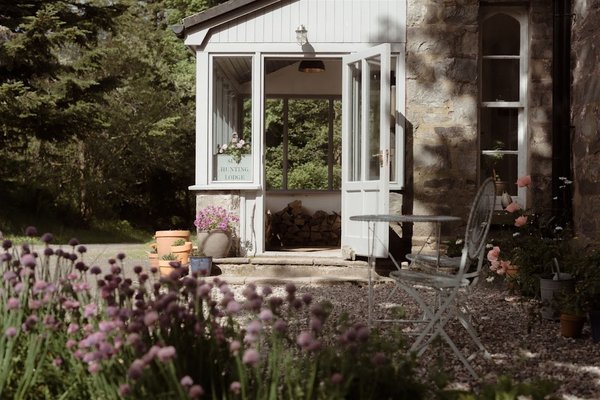
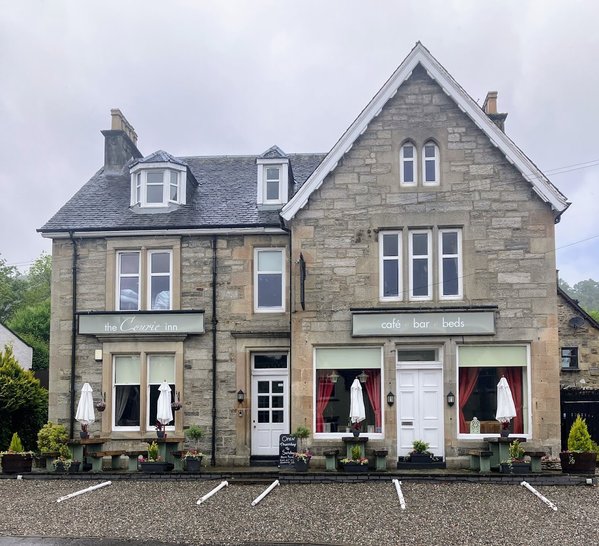
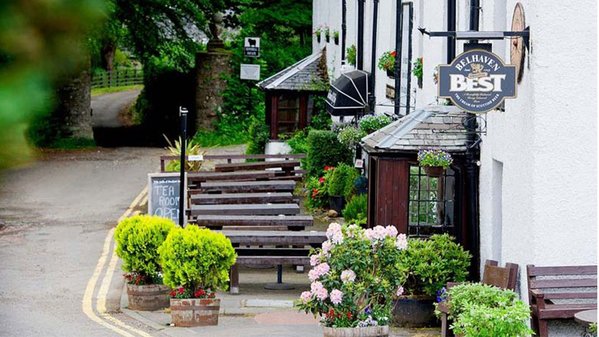
Killin's accommodation is compact but well suited to a Highland base, ranging from a traditional village hotel to guest houses, self-catering cottages and lodges dotted along the shores of Loch Tay and the banks of the River Lochay. Many properties make a feature of their views, whether that is the water tumbling past at the Falls of Dochart or the long sightline down the loch towards Ben Lawers. Because Killin sits at a natural crossroads between Loch Lomond, the Trossachs and the wider Perthshire glens, it works well both as a short walking weekend and as a longer touring base, with day trips possible to Glencoe, Pitlochry or Stirling without an excessive drive.
Booking ahead is worthwhile in the peak summer months and around the autumn colour season, since the village's total room count is small compared with larger Highland towns, and popular cottages and the village hotel can fill quickly for weekends. Outside peak season, availability opens up considerably and rates tend to soften, making late spring and early autumn a good compromise between good weather and easier booking. Self-catering options are especially popular here, appealing to walkers and anglers who want flexibility around early starts on the hills or long days out on Loch Tay, while the handful of B&Bs and guest houses suit those who prefer a cooked breakfast and local recommendations before heading out. Whatever you choose, Killin's small scale means nothing in the village is more than a short walk away, so location matters less here than in bigger towns.
Things to Do in Killin
All attractions in Killin →Top things to do in Killin
Killin rewards visitors who like their scenery dramatic and their days active. Here are some of the best things to see and do in and around the village.
- Falls of Dochart — the cascading rapids that crash directly through the centre of the village beneath the old stone bridge, arguably Scotland's most accessible waterfall and a striking sight after heavy rain.
- Breadalbane Folklore Centre — housed in a restored 1840s mill (originally St Fillan's Mill) right beside the falls, with displays on clan history, local folklore and St Fillan's healing stones, plus a working mill wheel and the village tourist information point.
- Loch Tay — Scotland's sixth-largest freshwater loch begins right at Killin, offering fishing, kayaking, paddleboarding and gentle lochside walks with views towards Ben Lawers.
- Ben Lawers National Nature Reserve — a short drive along the loch, this NTS reserve protects one of the UK's most important upland habitats and offers a testing but rewarding Munro walk to the 1,214-metre summit.
- Finlarig Castle — the atmospheric ruined stronghold of the Campbells of Breadalbane, tucked in woodland north of the village, complete with a rare beheading pit.
- Killin Stone Circle — a Bronze Age circle in the grounds of Kinnell House, one of several prehistoric remains around the village that hint at Killin's long history as a settled place.
- Rob Roy's Grave region and Glen Dochart — the wider glen west of Killin offers quiet single-track roads and walking routes through classic Perthshire scenery towards Crianlarich.
Where to Eat in Killin(1)
All restaurants in Killin →Food and drink in Killin
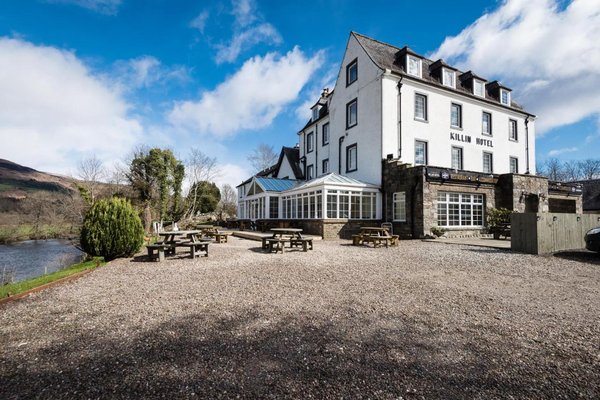
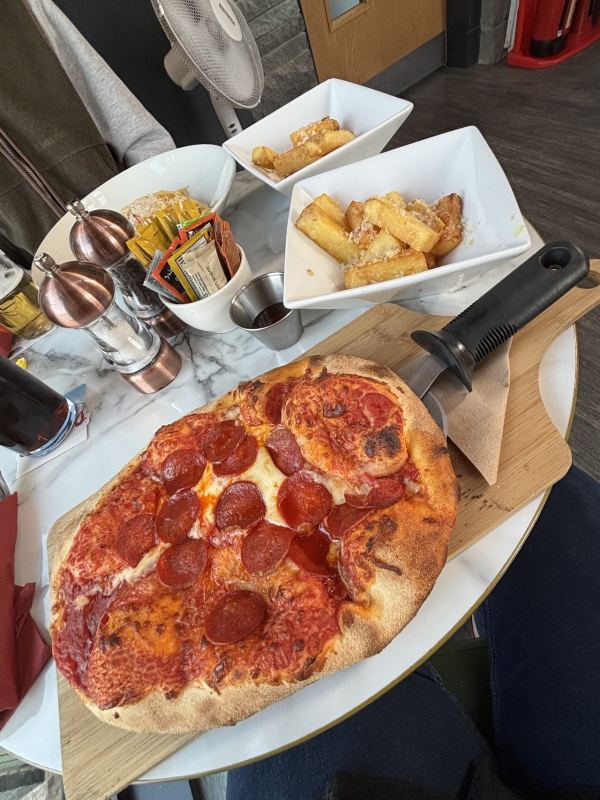
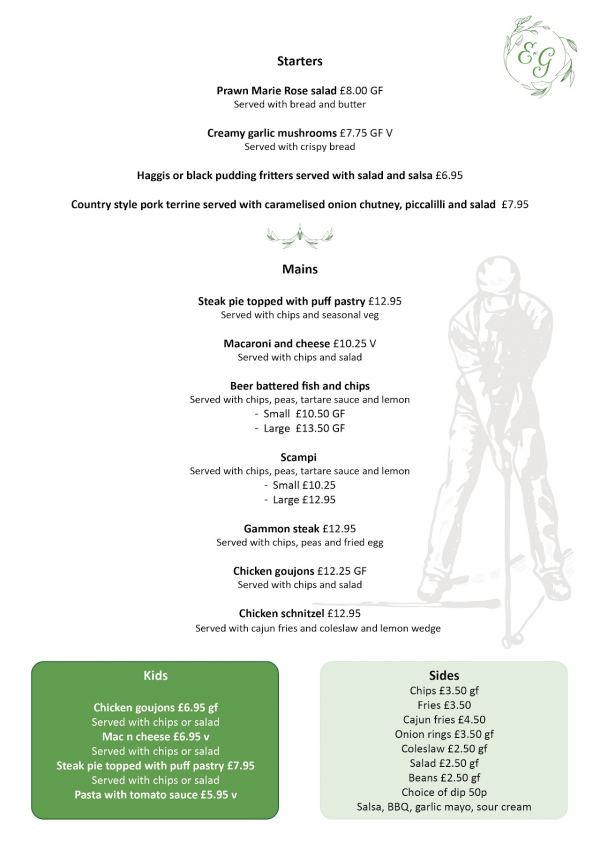
The Killin Hotel, overlooking the River Lochay, is the village's long-standing dining hub, with its Riverview Restaurant and a bar stocking dozens of malt whiskies alongside local ales. The Courie Inn offers a cosy, home-cooked alternative in the heart of the village, while a village bakery, tea rooms and a small Co-op cover day-to-day essentials and packed-lunch supplies for hill days. It is a modest but reliable selection, well matched to a village whose visitors are usually more interested in getting out onto the hills and the loch than in a long restaurant list.
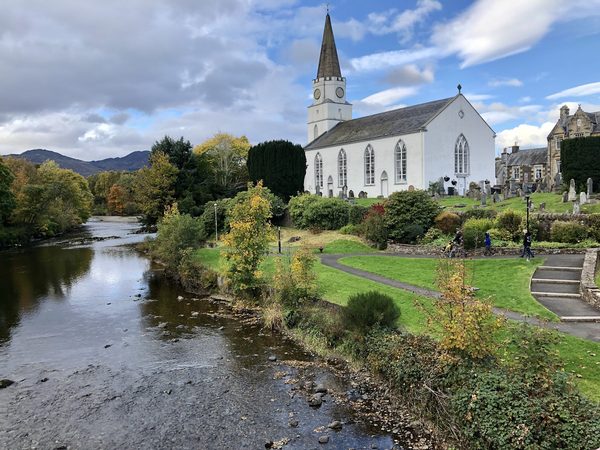
Attractions Near Killin
All attractions in Killin →Worth the trip — within 50 miles of Killin.
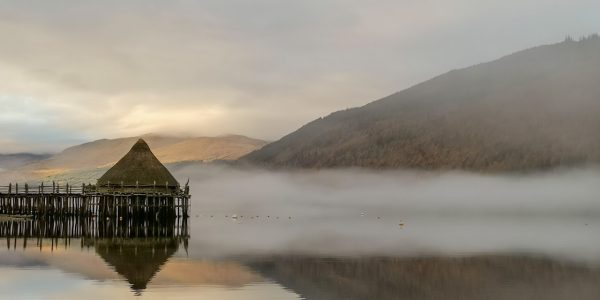 14 mi
14 mi
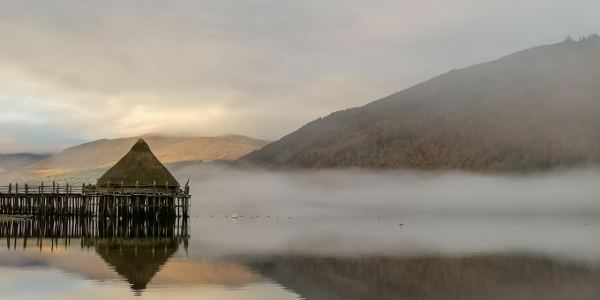
The Scottish Crannog Centre
Aberfeldy · ⭐ 4.8
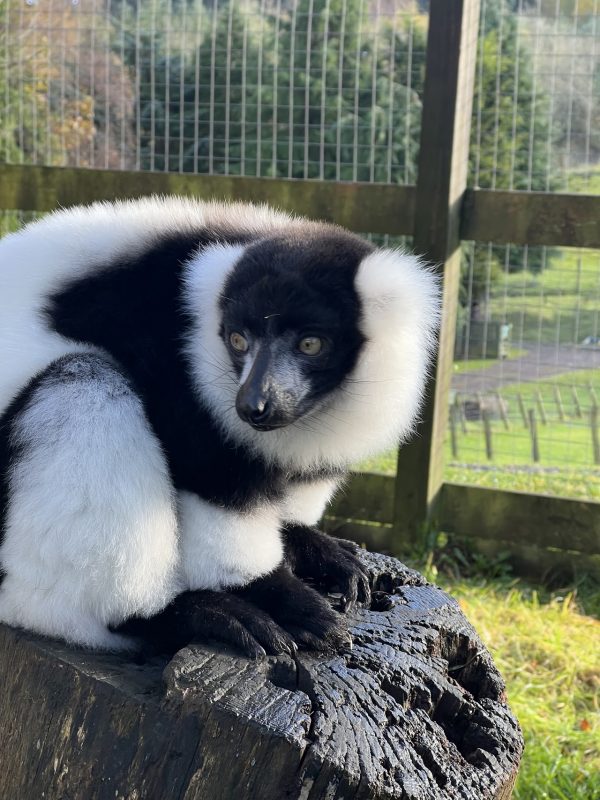 15 mi
15 mi
Auchingarrich Wildlife Centre
Comrie · ⭐ 4.6
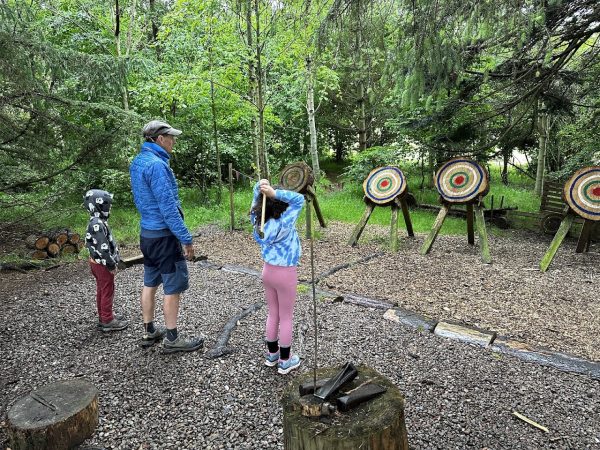 16 mi
16 mi
Do It Outdoors
Comrie · ⭐ 4.8
 17 mi
17 mi
McLaren Leisure Centre
Stirling · ⭐ 4.5
 17 mi
17 mi
Loch Katrine
Stirling · ⭐ 4.6
 18 mi
18 mi
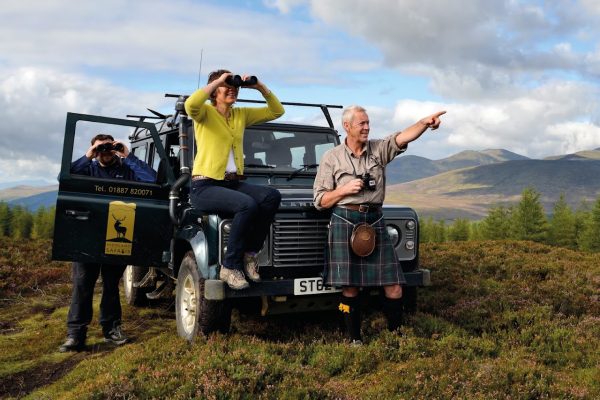
Highland Safaris
Aberfeldy · ⭐ 4.7
 19 mi
19 mi
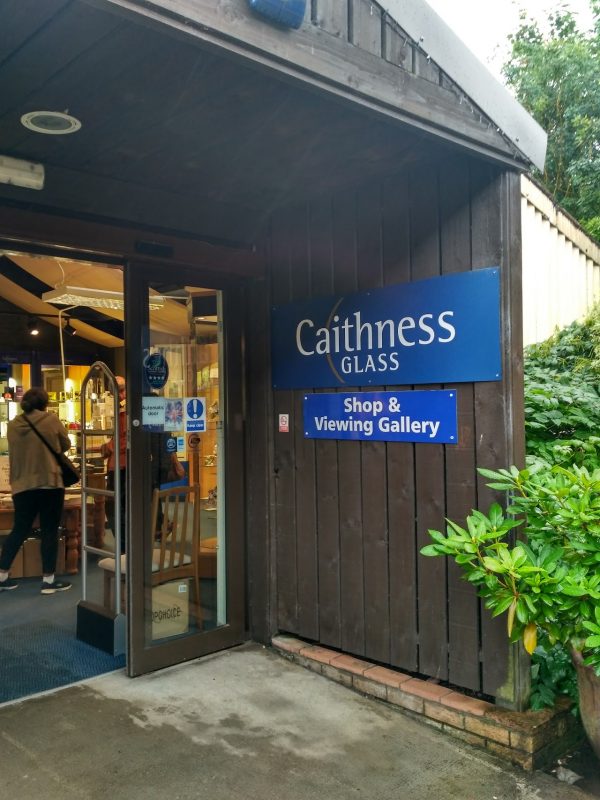
Caithness Glass & Crieff Visitor Centre
Crieff · ⭐ 4.4
 20 mi
20 mi
Go Ape Aberfoyle
Aberfoyle · ⭐ 4.8
Camping in Killin(7)
All campsites in Killin →About camping in Killin
Killin sits right on the edge of prime wild camping country, with Glen Dochart, Glen Lochay and the slopes below Ben Lawers all offering classic Scottish backcountry pitches. Under the Scottish Outdoor Access Code, wild camping is generally permitted on most unenclosed land, provided you camp well away from buildings and roads, keep to small numbers, stay no more than two or three nights in one spot, and leave no trace. It is worth noting that the Loch Lomond and Trossachs National Park operates seasonal Camping Management Byelaws (1 March to 30 September) requiring a permit within specific Camping Management Zones around Loch Lomond, Loch Earn and Loch Chon; Killin itself and the Loch Tay shoreline lie outside these designated zones, so the standard Access Code rules apply here, though it is always sensible to check current signage locally.
The terrain around Killin is proper Highland-edge country: steep glens, fast-flowing rivers and exposed high ground on Ben Lawers and its neighbouring peaks, so a good tent, weatherproof layers and basic navigation skills are essential rather than optional. The most reliable camping season runs from May to September, when daylight is longest and the hills are at their most forgiving, though even midsummer nights can turn cold at altitude. Midges are a genuine consideration in the glens from June to August, particularly in still, damp weather near the rivers and lochside woodland, so repellent and a head net are worth packing alongside the usual camping kit.
For those who prefer facilities to a rucksack pitch, Killin has established caravan and camping parks along the River Lochay and near Loch Tay, offering serviced pitches, showers and easy access to the village. Glamping has also taken hold in the area, with wooden pods, safari tents and shepherd's huts available on sites around Loch Tay and further along Glen Dochart, giving a comfortable middle ground between a full wild camp and a hotel stay, and a good option for families or first-time visitors to the Highlands.


Self-Catering Cottages in Killin
All cottages in Killin →Duran Holiday Cottages
2 cottages · from £477
Gracedieu
2 bed · sleeps 4 · from £433

Crianlarich Retreats - The Crannog
2 bed · sleeps 4 · from £1,262
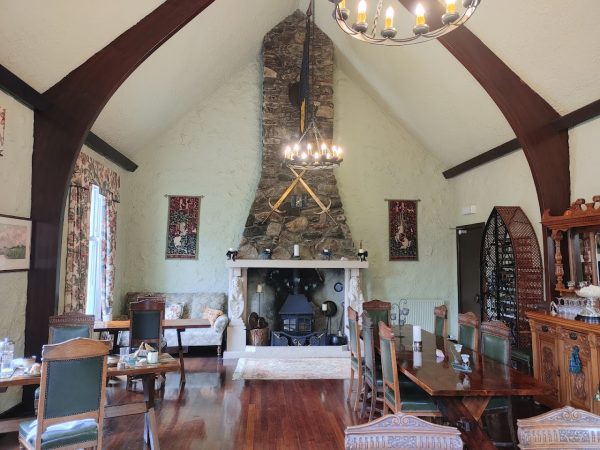
Crianlarich Retreats - Almond Cottage - Riverside Hideaway
1 bed · sleeps 2 · from £957

Crianlarich Retreats - Garth Cottage
1 bed · sleeps 2 · from £907
Crianlarich Retreats - Ghillie’s Cottage
2 bed · sleeps 4 · from £1,312
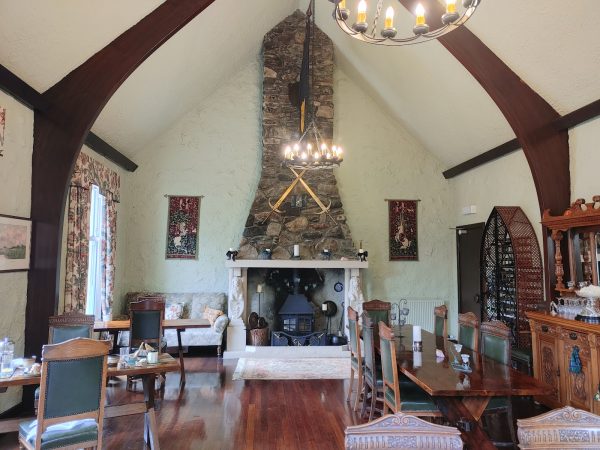
Crianlarich Retreats - Yew Tree
2 bed · sleeps 4 · from £1,362
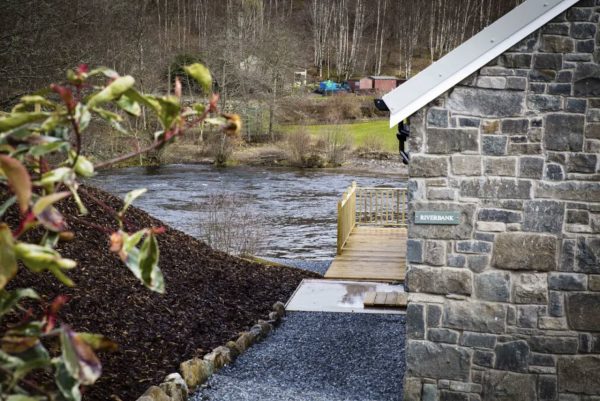
Crianlarich Retreats - Riverbank Cottage
2 bed · sleeps 4 · from £1,312
Common questions about Killin
How many campsites are there in Killin?
We list 7 campsites in and around Killin, of which 6 take tents and 4 offer glamping.
Are there dog-friendly campsites in Killin?
Yes — 2 of the 7 campsites we list in Killin accept dogs, including Loch Tay Highland Lodges and Cruachan Farm Caravan and Camping Park.
Which campsites in Killin have electric hook-up?
1 of the 7 campsites we list in Killin offer an electric hook-up.
Where can I stay in Killin?
We list 6 hotels, B&Bs and guest houses in and around Killin.
Where can I eat in Killin?
We list 1 restaurants, pubs and cafes in and around Killin.