Poole
Harbour sands, sailing and an ancient quay
Photo © Google Maps contributors, Google Maps
Poole sits on the Dorset coast around one of the largest natural harbours in the world, a sprawling stretch of water dotted with low wooded islands and worked by chain ferries, motor cruisers, dinghies and the lifeboats of the RNLI, whose training college looks out over the harbour mouth. It is a town of two very different characters. On one side lies the Old Town and Poole Quay, a knot of narrow streets and Georgian merchants' houses built on the wealth of the Newfoundland cod trade, still busy with fishing boats, café tables and the comings and goings of the Brownsea Island ferries. On the other lies Sandbanks, a narrow spit of golden sand and expensive villas that regularly tops lists of the world's priciest residential land, with a beach that has collected more Blue Flag awards than anywhere else in Britain.
Between these two poles is a town that works rather than performs for visitors, and that is part of its appeal. Poole Park's Victorian lake and bandstand, the ordinary residential streets of Parkstone and Hamworthy, and the container cranes visible from the quay all sit alongside the postcard scenery, giving the place a groundedness that neighbouring Bournemouth, built almost entirely around tourism, doesn't have. Families come for the safe, shallow swimming and watersports of the harbour and open beaches; sailors come for one of the best natural harbours in Europe; and day-trippers come for Brownsea Island, a short crossing away, where Baden-Powell held the first experimental camp that led to the founding of the Scout movement in 1907.
Poole also makes an excellent base for exploring further afield. The Isle of Purbeck, Corfe Castle and the Jurassic Coast are all within easy reach by road or via the Sandbanks chain ferry, while the New Forest lies around half an hour's drive to the east. For a short break or a longer family holiday, Poole offers beach, harbour and history within a compact and genuinely lived-in town.
Getting to Poole
Poole has its own railway station on the South Western Railway line between London Waterloo and Weymouth, with direct trains taking around two hours and fifteen minutes, and connections at Southampton or Bournemouth for faster or more frequent services. Bournemouth Airport, roughly nine miles away, has a handful of domestic and European routes and is a useful option for shorter transfers.
By road, Poole is reached via the M27 and A31 from the east, or the A35 and A350 from Dorchester and the west, with the journey from central London taking around two to two and a half hours outside peak traffic. Poole Quay, the Dolphin Centre and the seafront all have pay-and-display or multi-storey car parks, though spaces fill quickly on summer weekends, and Sandbanks itself has a metered car park that gets busy from late morning. The Sandbanks chain ferry links the peninsula to Studland and the Isle of Purbeck for foot passengers and vehicles, avoiding a long detour by road.
Best time to visit Poole
Spring brings quieter beaches, blossom in Poole Park and mild enough weather for harbour walks and the first outdoor café tables on the quay, without the crowds or prices of high summer. It is a good time for exploring Brownsea Island before its bird colonies get busy.
Summer is Poole at its most sociable, with warm, sheltered swimming at Sandbanks and Canford Cliffs, watersports schools in full swing, and the harbour full of sails. It is also the busiest and most expensive season, with popular beaches and car parks filling early in the day.
Autumn sees the crowds thin while the water often stays warm enough for swimming into September, and the surrounding countryside and Purbeck hills are at their most atmospheric for walking. Half-term weeks bring a brief return of family visitors.
Winter is quiet and distinctly maritime, with bracing walks along the quay, storm-watching from the harbour front, and a good chance of having Brownsea Island's winter wildlife largely to yourself, though many seasonal attractions and boat services reduce their hours or close.
Where to stay in Poole(32)
All hotels in Poole →About staying in Poole
Poole's hotels fall into a few distinct clusters, shaped by the town's split personality. On the Sandbanks peninsula, a handful of long-established hotels make the most of direct beach access and harbour views, ranging from grand, spa-equipped properties to more relaxed, family-oriented beachfront stays. These are the places to book for a proper seaside holiday, with watersports schools, sea-view restaurants and, in most cases, a private stretch of that famously clean sand right outside the door. Several have been run by the same family hotel groups for decades, which tends to show in the level of service and the loyalty of returning guests.
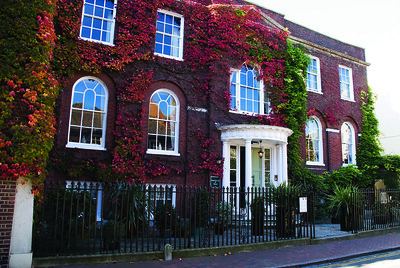
In the Old Town and around Poole Quay, a smaller number of boutique hotels occupy converted Georgian townhouses and former merchants' mansions, trading sea views for walkable access to the museum, harbourside restaurants and the Brownsea Island ferry. This is generally the better choice for visitors without a car, or anyone who wants an evening stroll along the quay to be part of the holiday rather than a drive away from it, and the architecture of the buildings themselves is often as much of a draw as the rooms.
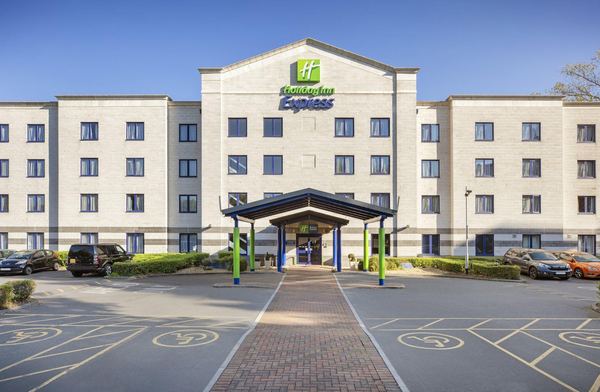
Away from the water, Poole's town centre and surrounding suburbs offer more straightforward, better-value options, including branded hotels aimed at business travellers and families on a budget, useful as a base for exploring the wider area or for shorter, practical stays where proximity to the beach matters less than convenience and price. Prices across all of these categories rise sharply in July and August and around Bank Holiday weekends, particularly at Sandbanks, so early booking pays off for a summer visit. Outside peak season, Poole's hotels offer good value relative to nearby Bournemouth, with the added appeal of harbour views and a quieter, more local atmosphere that the bigger resort simply can't match.
 8.6
8.6
Hotel du Vin & Bistro Poole
Poole Quay, Old Town
from £165/night
 8.5
8.5
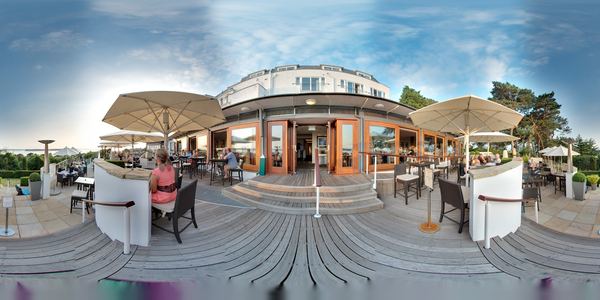
Harbour Heights Hotel
Sandbanks, above Poole Harbour
from £155/night
 8.0
8.0
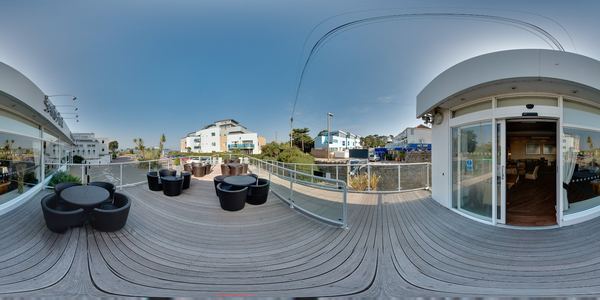
Sandbanks Hotel
Sandbanks Beach
from £135/night
 8.2
8.2
Holiday Inn Express Poole
Poole town centre
from £89/night
 8.7
8.7
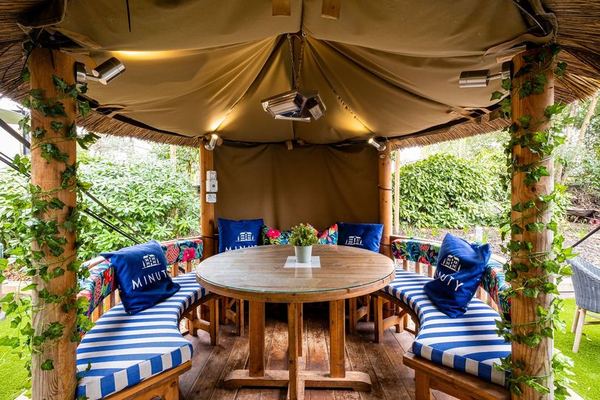
The Canford
Canford Cliffs
from £145/night
 9.3
9.3
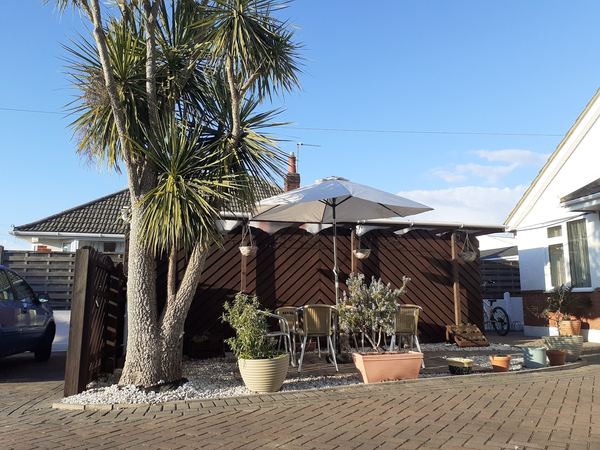
Coast 77
Near Poole town centre
from £95/night
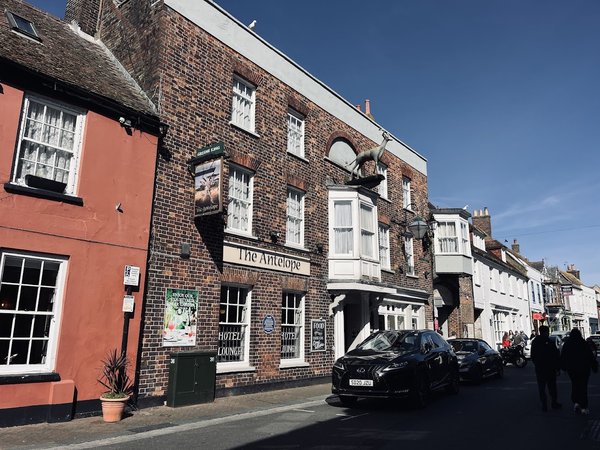
Antelope Hotel by Greene King Inns
High Street, Poole
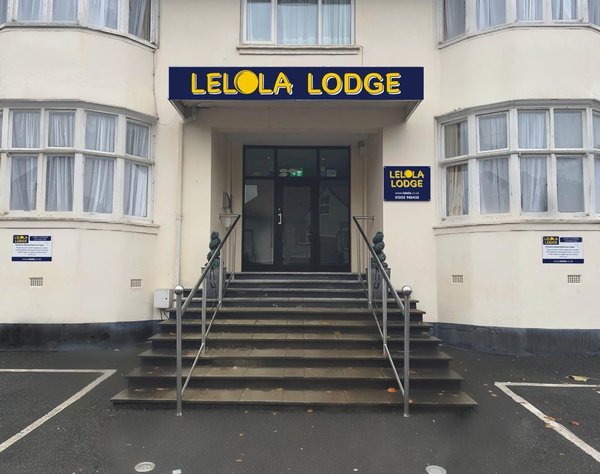
April Lodge
23 Woodlands Avenue, Poole
Things to Do in Poole(17)
All attractions in Poole →Top things to do in Poole
Poole rewards a slow pace as much as a packed itinerary. Highlights include:
- Brownsea Island is a National Trust nature reserve reached by ferry from Poole Quay, home to one of the last mainland colonies of red squirrels, peacocks that roam freely, and the site of the first Scout camp.
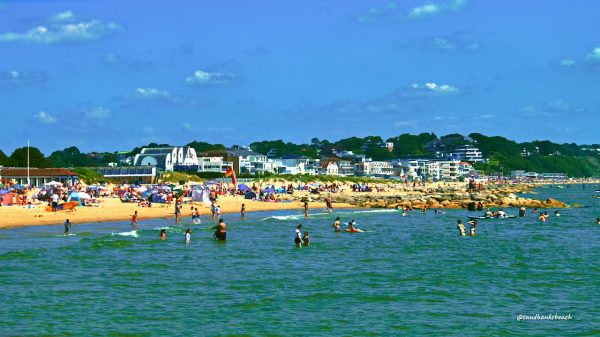
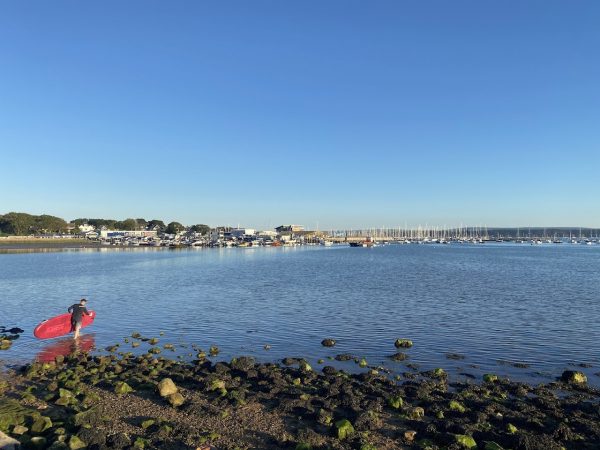
- Sandbanks Beach offers seven miles of golden sand with some of the cleanest, safest water on the south coast, plus watersports schools for sailing, paddleboarding and kayaking.
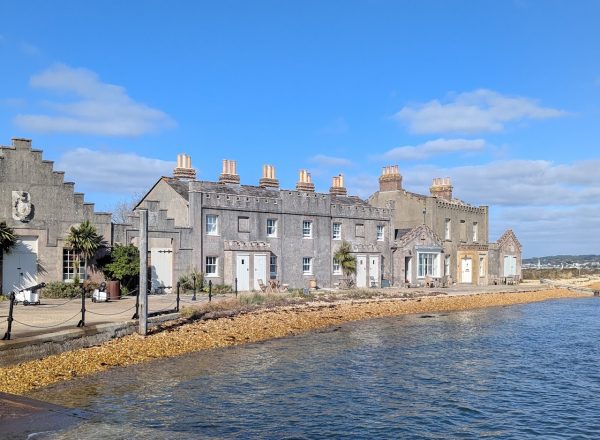
- Poole Old Town and Quay is worth an unhurried wander, taking in the 15th-century Scaplen's Court, the Guildhall, and the working harbourside with its fishing boats and seafood stalls.
- Poole Museum, housed in a Victorian quayside warehouse, tells the story of the town's maritime and trading past across several floors, including finds from the Poole Logboat, one of the oldest boats found in Britain.
- Poole Park is a Victorian public park with a boating lake, miniature railway, tennis courts and a wildlife-friendly lagoon, popular with families and joggers alike.
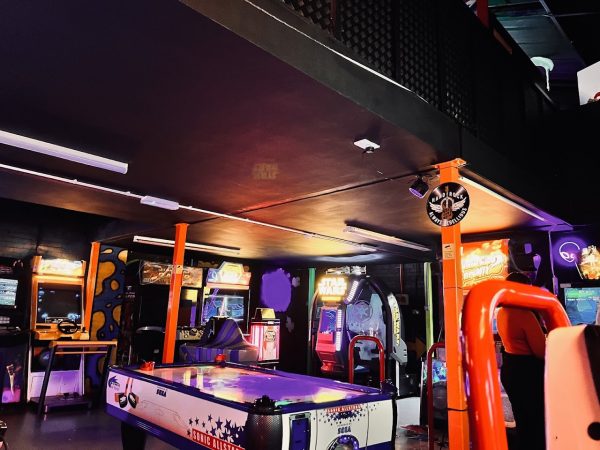
- Tower Park brings together ten-pin bowling, an indoor waterpark at Splashdown, cinema and soft play, making it a reliable wet-weather option.
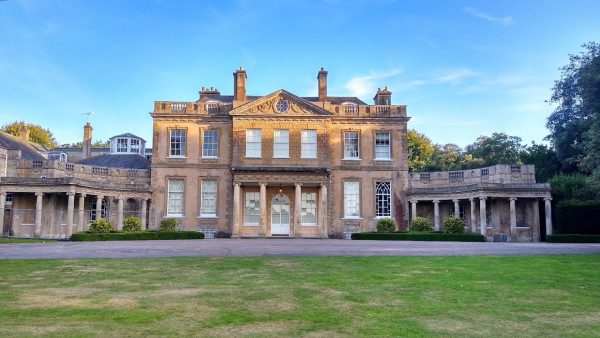
- Upton Country Park combines an 18th-century house and walled garden with woodland and shoreline walks along Holes Bay.
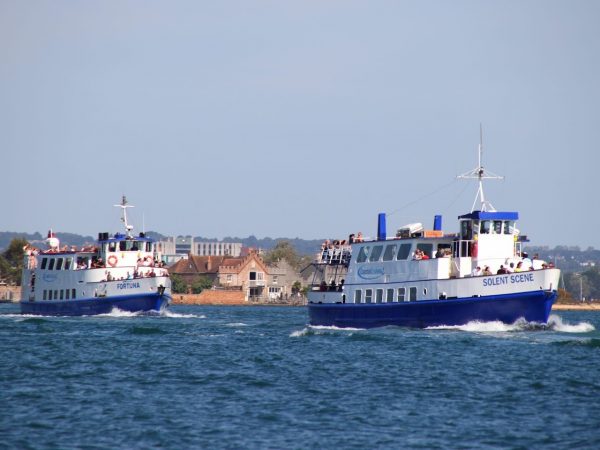
- Poole Harbour boat trips, whether a short City Cruises sightseeing loop or a longer charter, are the best way to appreciate the scale of the harbour and its islands.
Where to Eat in Poole(227)
All restaurants in Poole →Food and drink in Poole
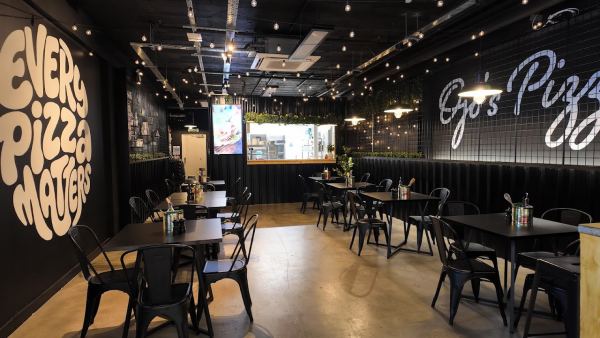
Poole's cooking leans heavily on what comes out of the harbour and the bay beyond it, with oysters, crab, lobster and daily catches of bass and mackerel appearing on menus across the town, particularly along the quay where several restaurants and seafood shacks serve straight from the boats. The Guildhall Tavern and other long-established quayside restaurants have built reputations on this local seafood, while newer arrivals bring more contemporary, bistro-style cooking to the same raw materials.
For a more informal meal, the harbourside is lined with fish and chip shops and casual cafés, many with outdoor seating looking over the water towards Brownsea Island. Sandbanks and Canford Cliffs add a scattering of upmarket beach cafés and restaurants that trade on their views as much as their menus, popular for breakfast after an early swim.
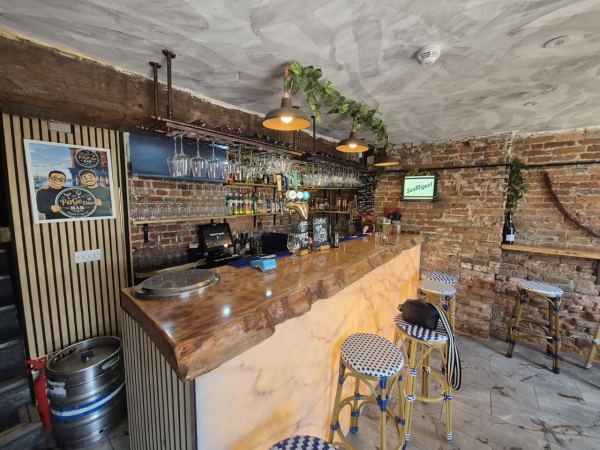
Poole Farmers' Market, held regularly in the town centre, brings together Dorset producers selling cheese, cured meats, baked goods and seasonal vegetables, and is a good place to put together a picnic for the beach or Poole Park. A handful of traditional pubs around the Old Town and Hamworthy round out the picture, several with riverside or harbour-view gardens that make the most of Poole's setting on the water.
Attractions Near Poole
All attractions in Poole →Worth the trip — within 50 miles of Poole.
 4 mi
4 mi
TeamSport Indoor Karting Bournemouth
Bournemouth · ⭐ 4.6
 4 mi
4 mi
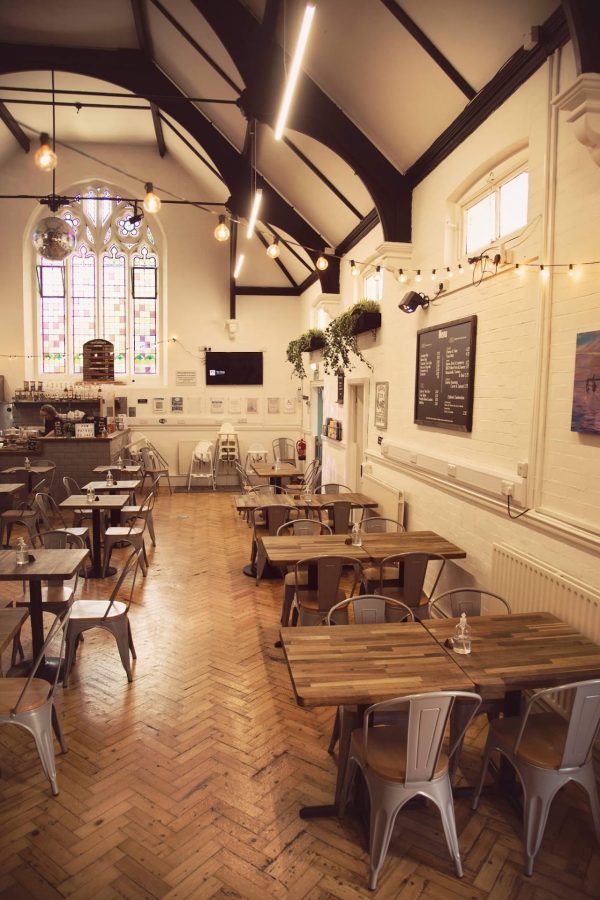
Lollipops Soft Play Cafe Bournemouth
Bournemouth · ⭐ 4.5
 4 mi
4 mi
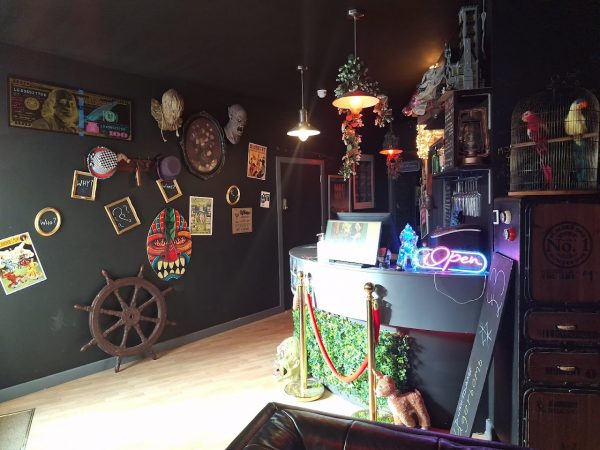
Arcadia Escape Room
Bournemouth · ⭐ 4.8
 4 mi
4 mi
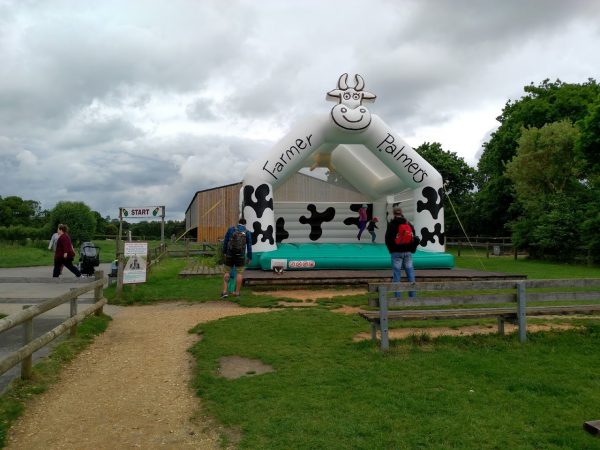
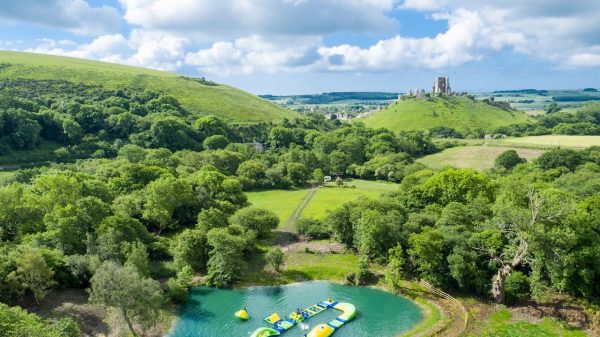
The Corfe 4 Kids Treasure Trail
Corfe · ⭐ 4.5
 5 mi
5 mi
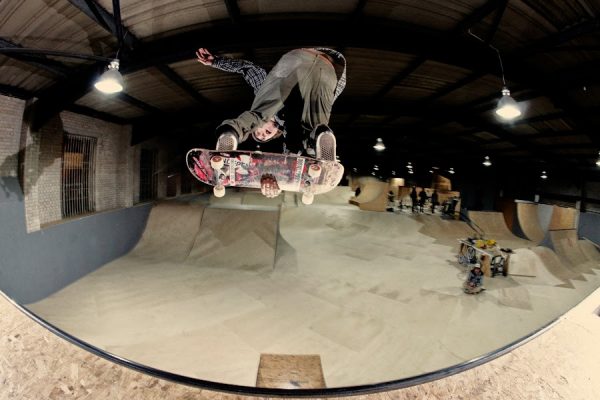
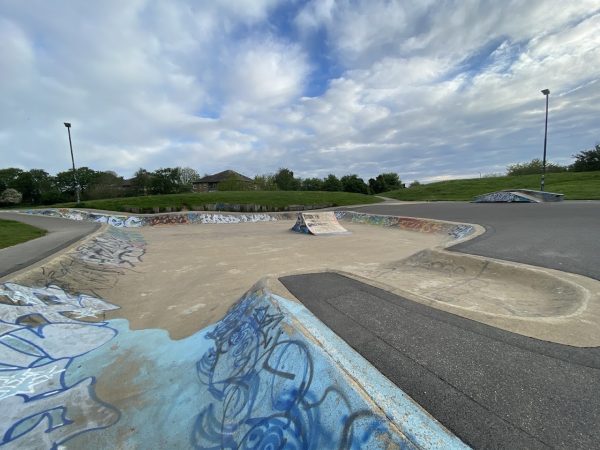
Slades Farm Skate Park
Bournemouth · ⭐ 4.3
 5 mi
5 mi
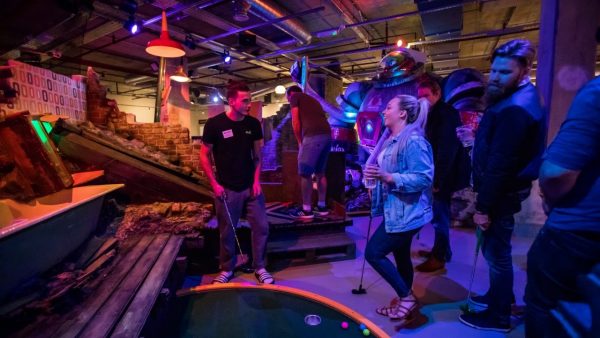
Mulligans Bournemouth
Bournemouth · ⭐ 4.4
 5 mi
5 mi
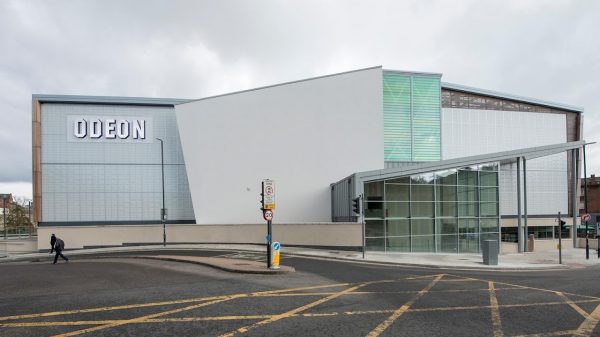
ODEON Bournemouth
Bournemouth · ⭐ 4.5
Boom Battle Bar
Bournemouth · ⭐ 4.9
Camping in Poole(3)
All campsites in Poole →About camping in Poole
Poole itself has little space for tents and touring vans, but a short drive inland brings a good spread of well-established campsites set among Dorset's heathland, forest and farmland, all within easy reach of the harbour and beaches. Most combine grass and hardstanding touring pitches with camping fields and, increasingly, glamping options such as pods, yurts or safari tents for those without their own kit, and several have grown up around genuinely attractive settings rather than simply filling a field with hookups.
Lytchett Minster and the countryside around Wareham and Holton Heath are the main hubs, offering sites set in woodland or open parkland just a few miles from Poole's centre, with regular bus links into town for visitors without a car. Facilities at the larger sites typically run to heated pools, on-site shops, laundry and play areas, making them a practical option for families combining a beach holiday with a more relaxed, outdoor base, while smaller touring pitches suit those simply looking for a quiet spot to park up between exploring the coast and the Purbeck countryside.
Booking ahead is strongly advised for July and August, when the best pitches at the more popular sites go quickly, and many campsites operate a shorter season running from spring to early autumn, with some closing entirely over winter. Dogs are welcome at most, though it is worth checking individual site rules and any breed or number restrictions, and electric hook-up is available on the majority of touring pitches for those relying on it. Wild or informal camping is not permitted on the heathland and forest around Poole, both for conservation reasons and because of the fire risk on dry heath, so sticking to an established site is both the practical and the legal choice.
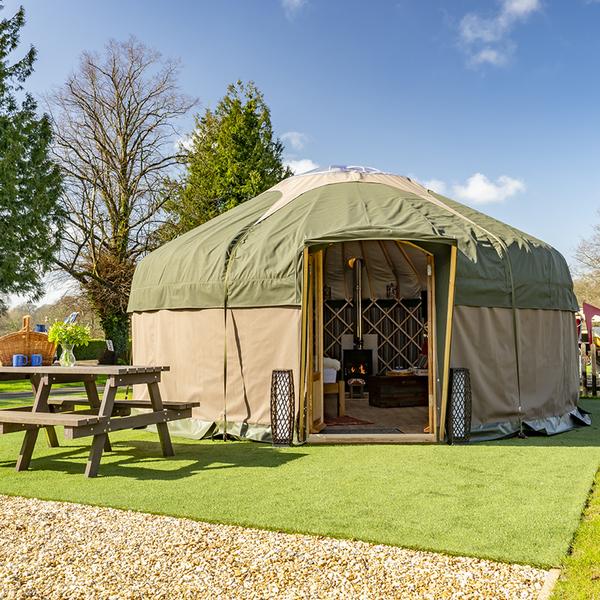
South Lytchett Manor Caravan and Camping Park
⭐ 4.7 · from £28/night
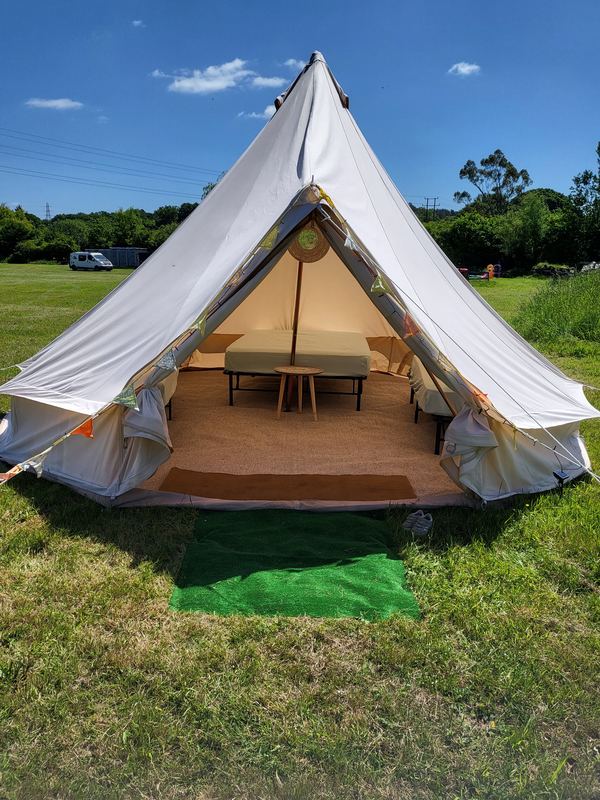
Dorset Glamping Fields
⭐ 4.7 · from £65/night
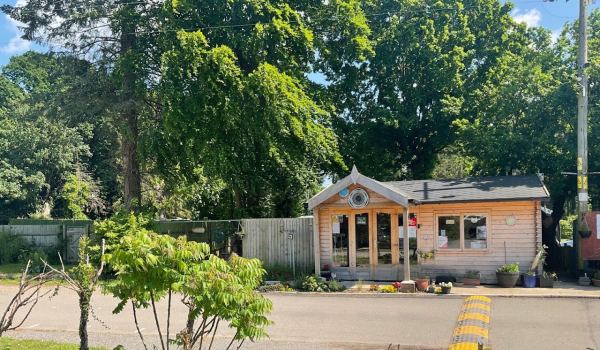
Adventure Pirate
⭐ 4.9 · from £30/night
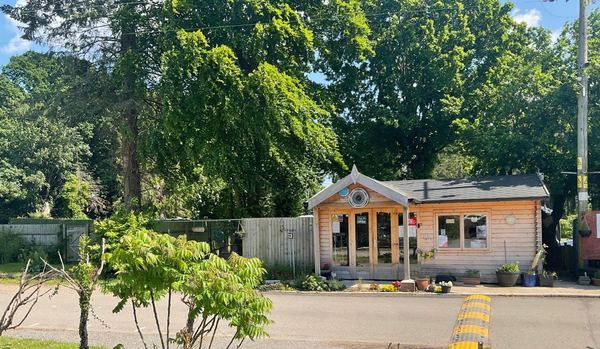
Huntick Farm Caravans
⭐ 4.5
Huntick Retreat
⭐ 4.5 · from £27/night
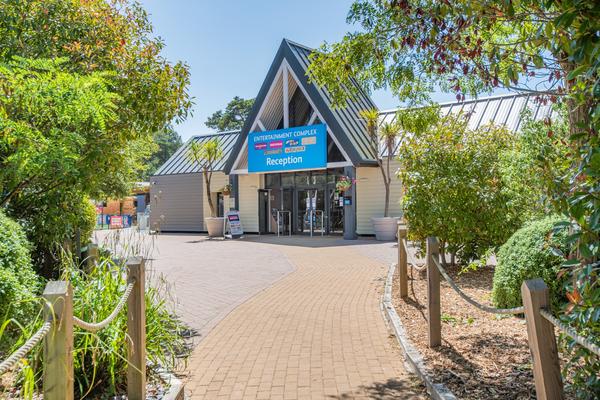
Sandford Holiday Park
⭐ 3.9 · from £15/night
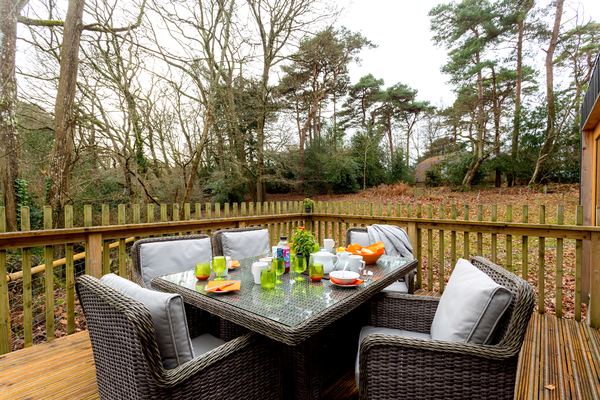
Burnbake Campsite Corfe Castle
⭐ 4.5 · from £30/night
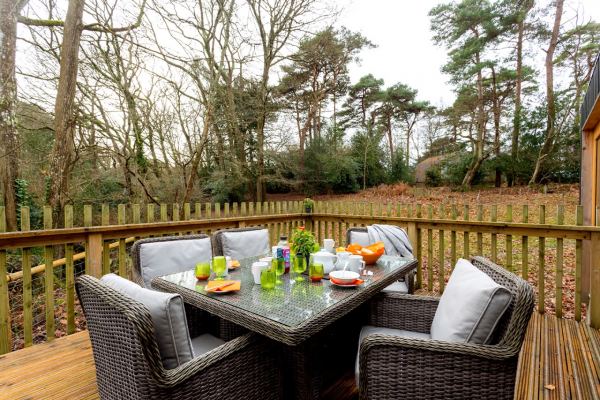
Burnbake Campsite
⭐ 4.5
Self-Catering Cottages in Poole
All cottages in Poole →Camellia House
3 bed · sleeps 6
Market Cottage
2 bed · sleeps 4 · from £1,282
Hakuna Matata
2 bed · sleeps 4
Vista
1 bed · sleeps 2
Bumble Bay
2 bed · sleeps 3 · from £973

Horizon
2 bed · sleeps 4
Iberian Coast
2 bed · sleeps 3 · from £930
Mistral
2 bed · sleeps 4 · from £973
Common questions about Poole
How many campsites are there in Poole?
We list 3 campsites in and around Poole, of which 3 take tents and 1 offer glamping.
Are there dog-friendly campsites in Poole?
Yes — 2 of the 3 campsites we list in Poole accept dogs, including South Lytchett Manor Caravan and Camping Park and Wareham Forest Tourist Park.
Which campsites in Poole have electric hook-up?
2 of the 3 campsites we list in Poole offer an electric hook-up.
Where can I stay in Poole?
We list 32 hotels, B&Bs and guest houses in and around Poole. Prices start from around £75 a night.
What is there to do in Poole?
We list 17 attractions and things to do in and around Poole.
Where can I eat in Poole?
We list 227 restaurants, pubs and cafes in and around Poole.