Dorset
Fossil cliffs, chalk downs and a coast worth walking
Photo © Hilo, Google Maps
Dorset occupies a broad slice of England's south coast between Devon and Hampshire, running roughly ninety miles from the Somerset border down to the Channel. It has no motorway, no big city and no airport of its own, and that absence shapes the whole county. Traffic thins the moment you leave the Bournemouth and Poole conurbation at the eastern end, and what follows is a landscape of chalk ridges, sunken lanes, heathland and a coastline so geologically distinctive that it carries UNESCO World Heritage status.
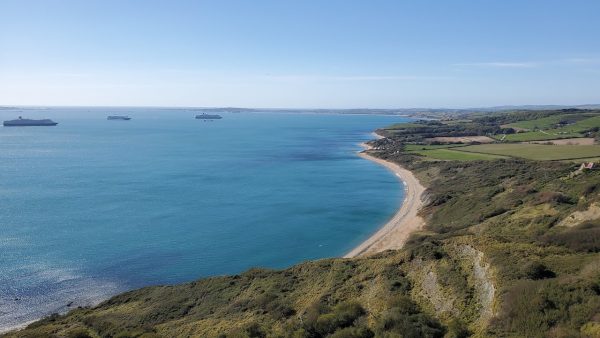
That coastline, the Jurassic Coast, is the reason most people come. It runs 95 miles from Exmouth in East Devon to Old Harry Rocks near Swanage, and the rock beneath your feet gets steadily younger as you walk east, laying out roughly 185 million years of Earth's history in cliff form. The practical upshot is that Lyme Regis and Charmouth shed fossils onto their beaches after every winter storm, while further east the cliffs turn to hard Portland limestone and white chalk, carved into arches, coves and stacks.
Inland, Dorset is quieter and less photographed but arguably more characterful. This is Thomas Hardy's Wessex, and the villages of the Blackmore Vale and the Piddle and Frome valleys still look broadly as he described them: thatch, flint and banded stone, with a church, a pub and not much else. Between them run the chalk downs, cut through with ancient tracks and topped with Iron Age hillforts. It is walking country of the unshowy sort, and much of it sits within the Dorset National Landscape.
Getting to Dorset
By rail, South Western Railway runs direct services from London Waterloo down the eastern side of the county. Bournemouth takes around two hours on the faster trains and closer to two and a half on stopping services, with the line continuing to Poole, Wareham, Dorchester South and Weymouth. Weymouth is roughly two hours forty minutes from Waterloo on a direct train. West Dorset is served by a separate line from Waterloo through Salisbury and Yeovil to Sherborne, while Great Western services from Bristol and Bath reach Dorchester West and Weymouth via Yeovil.
Public transport within the county is patchy once you leave the main line. The Jurassic Coaster bus service, run by First, links Poole, Wareham, Weymouth, Bridport and Lyme Regis and is genuinely useful if you want to walk a section of the South West Coast Path in one direction and ride back. The Swanage Railway steam line connects Swanage, Corfe Castle and Norden park-and-ride.
By road, most drivers come off the M3 and A31 for the east of the county, or the A303 and A37 for the centre and west. The A35 runs the length of Dorset from Honiton through Bridport and Dorchester to Poole and is the main artery, though it is single carriageway for long stretches and slow in August. Parking at coastal honeypots is the main practical headache: Lulworth, Durdle Door, Studland and West Bay all fill by mid-morning in summer, and most charge by the hour with card or app payment. The Sandbanks to Studland chain ferry runs continuously through the day and takes cars, cyclists and foot passengers.
There is no airport in Dorset itself. Bournemouth Airport, just outside Christchurch, handles mainly seasonal European routes. Southampton Airport is about an hour from the eastern county boundary and sits on the same rail line, while Bristol Airport is around ninety minutes from west Dorset. Poole has ferry links to Cherbourg and the Channel Islands.
Best time to visit Dorset
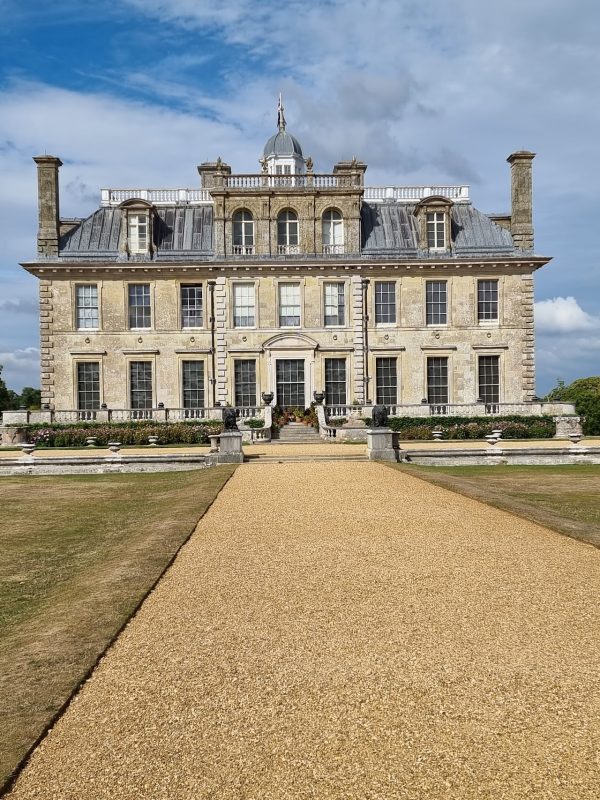
Spring is arguably the best-value season. April and May bring bluebells to the woods around Kingston Lacy and Thorncombe, wildflowers to the chalk downs, and coast paths that are dry underfoot without being crowded. Sea temperatures are still cold, so this is a season for walking rather than swimming, but accommodation is cheaper and the coastal car parks are manageable.
Summer is the busiest and warmest stretch, and Dorset is one of the sunniest parts of the UK. July and August bring reliable beach weather, full opening hours at every attraction and a run of events including the Great Dorset Steam Fair and Camp Bestival at Lulworth Castle. It also brings queues on the A35, full campsites and coastal car parks closed by ten in the morning. If you visit then, book accommodation months ahead and plan to be at the coast early.
Autumn suits fossil hunters and walkers. September often holds warm, settled weather with the crowds gone, and the sea is at its warmest of the year. From October the first storms begin cutting into the cliffs at Charmouth and Lyme Regis, which is exactly what exposes new fossils. Take care near cliff bases; landslips are frequent and genuinely dangerous.
Winter is quiet, and many smaller coastal businesses close from November to February. What remains is bracing: empty beaches, dramatic seas at Portland Bill and Chesil, and good pub fires inland. Christmas markets in Dorchester, Sherborne and Shaftesbury are the main draw, and the walking is fine if you accept mud.
Where to go
Popular destinations in Dorset
About Dorset’s towns and villages
Dorset's coastline draws most visitors first, and rightly so. Bournemouth offers wide sandy beaches and a lively town centre, while neighbouring Poole combines a working harbour with quieter stretches of shore. Christchurch sits where two rivers meet the sea, calmer than its larger neighbours, and Swanage further along the Jurassic Coast feels like a traditional seaside town frozen pleasantly in time. Weymouth balances a Georgian seafront with plenty of family attractions, and Lyme Regis, famous for fossils, remains one of the county's most charming coastal spots.
Inland, Dorset slows down considerably. Dorchester, the county town, mixes history with everyday market-town life, and nearby Sherborne is known for its abbey and honey-coloured stone streets. Blandford Forum offers handsome Georgian architecture and a peaceful pace, while Bridport, close to the coast but distinctly its own, suits those after independent shops and a creative atmosphere. The village of Burton makes a quiet base near Bridport, and Abbotsbury, with its swannery and thatched cottages, rewards those willing to explore beyond the main towns.
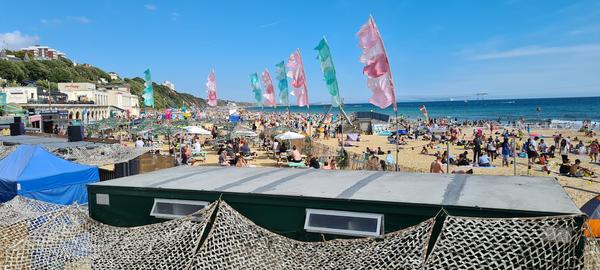
Bournemouth
129 stays · 3 campsites · 26 things to do
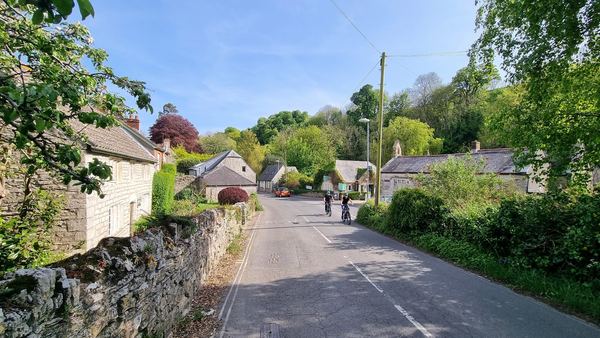
Weymouth
99 stays · 17 things to do
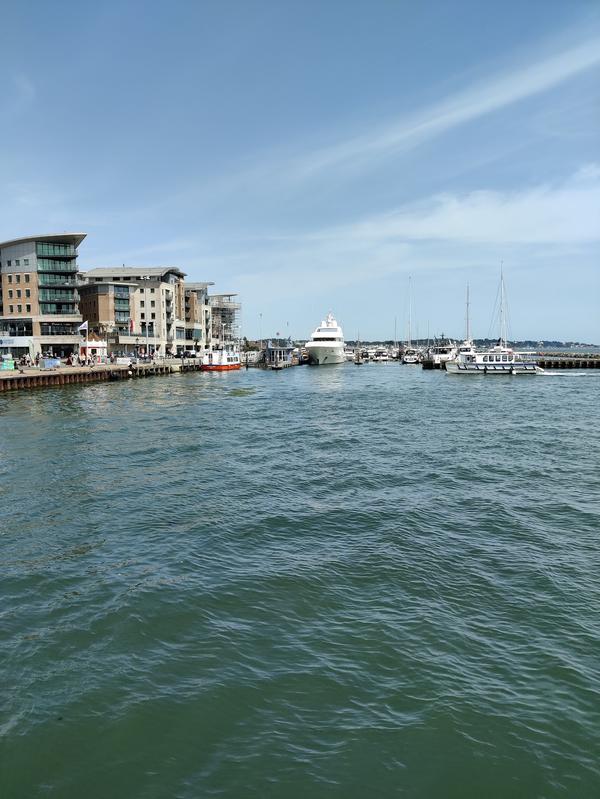
Poole
32 stays · 3 campsites · 17 things to do
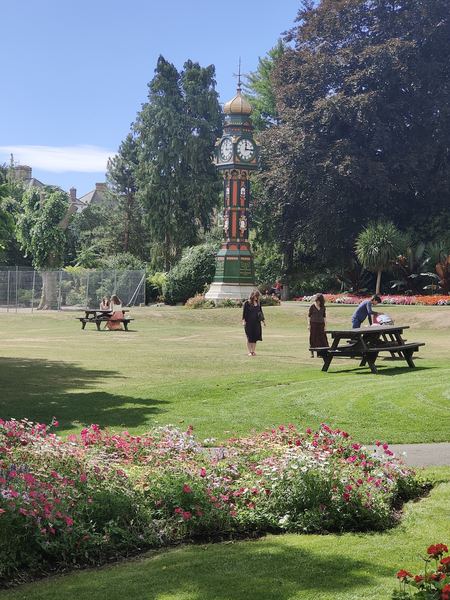
Dorchester
34 stays · 1 campsites · 14 things to do
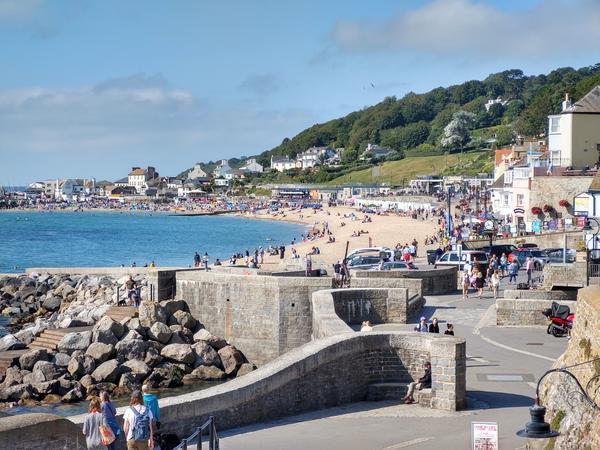
Lyme Regis
22 stays · 8 campsites · 7 things to do
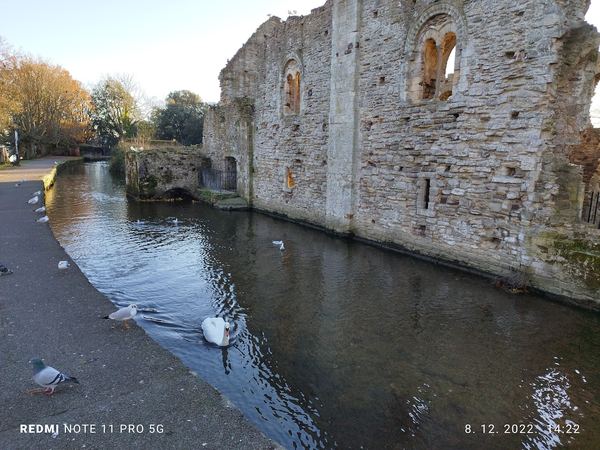
Christchurch
20 stays · 11 things to do
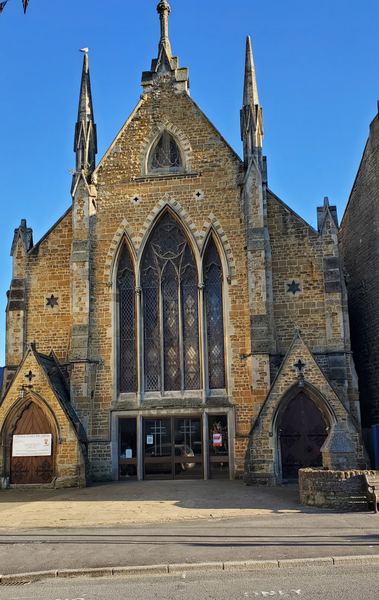
Bridport
15 stays · 1 campsites · 6 things to do
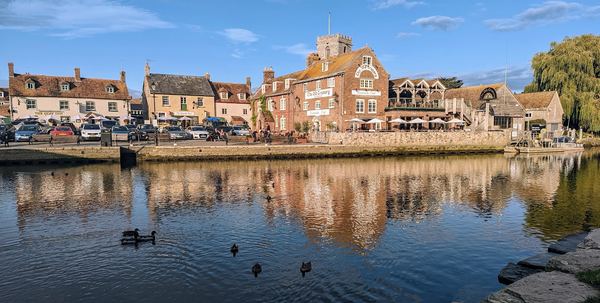
Wareham
8 stays · 1 campsites · 12 things to do
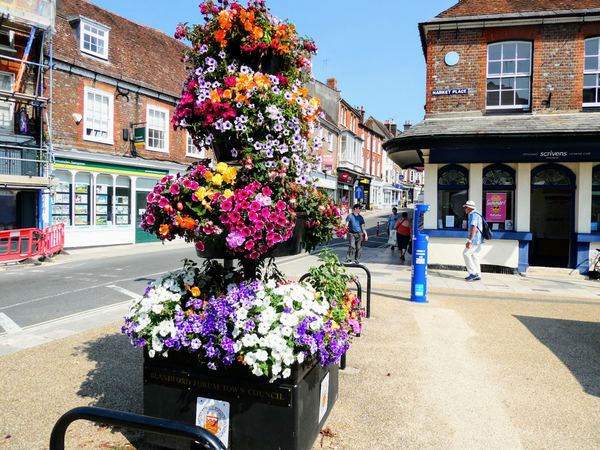
Blandford Forum
14 stays · 5 things to do
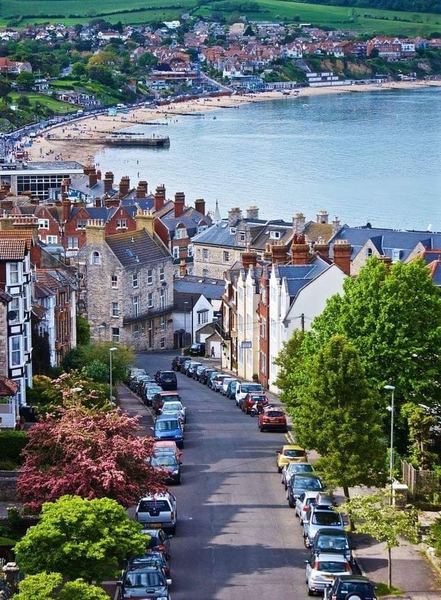
Swanage
13 stays · 1 campsites · 5 things to do
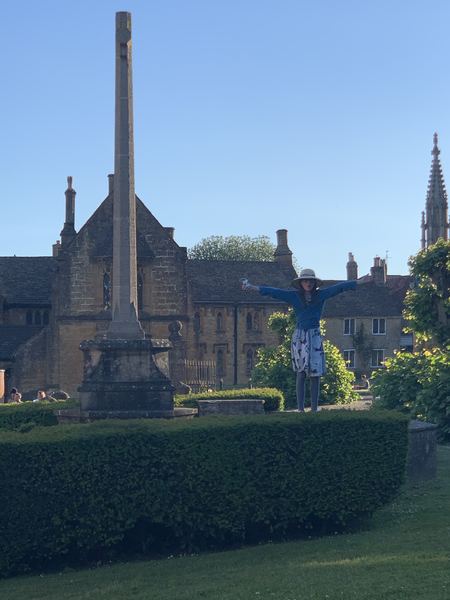
Sherborne
17 stays · 1 things to do
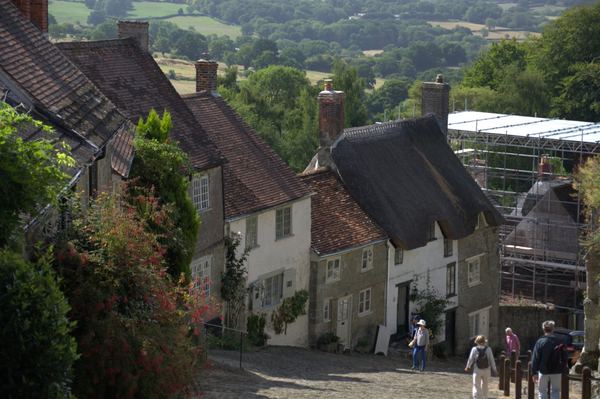
Shaftesbury
13 stays · 1 things to do
Where to stay in Dorset(497)
All hotels in Dorset →About staying in Dorset
Dorset's coastline shapes where you'll want to stay. Bournemouth and Poole offer the widest spread of hotels, from seafront terraces to smaller guest houses tucked back from the beach, and suit those who want nightlife and sandy shores close at hand. Weymouth and Portland lean more towards family-run B&Bs, many within walking distance of the harbour, while Swanage keeps a quieter, old-fashioned seaside feel.
Further west, Lyme Regis has a good cluster of guest houses like Blue Shutters and Dorset House, popular with walkers tackling the Jurassic Coast and those after fossil-hunting weekends. Inland Dorset trades sea views for countryside quiet, with places such as Pump Cottage suiting a slower pace.
Budgets and styles vary widely, from simple rooms at places like Millbrook Guest House to more particular stays such as Weymouth Vegan B&B. Booking ahead matters most in summer, when coastal towns fill quickly.
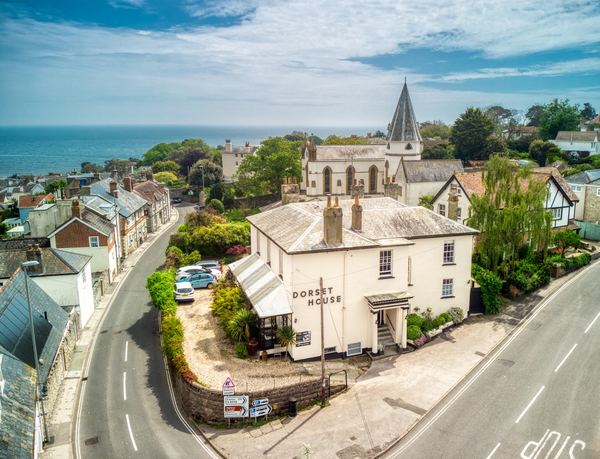 9.6
9.6
Dorset House
Pound Road, Lyme Regis
from £165/night
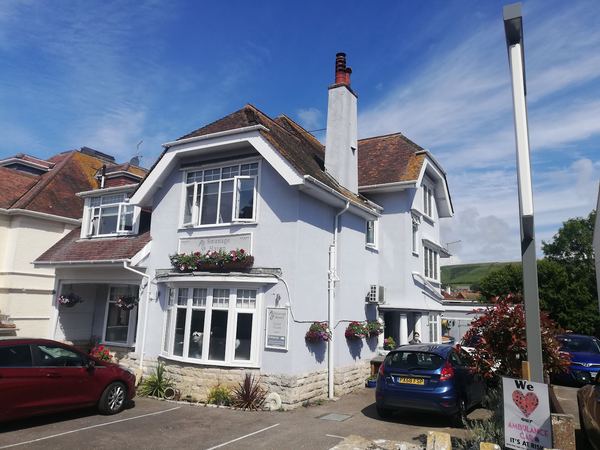 9.4
9.4
The Swanage Haven
Victoria Road, Swanage
from £130/night
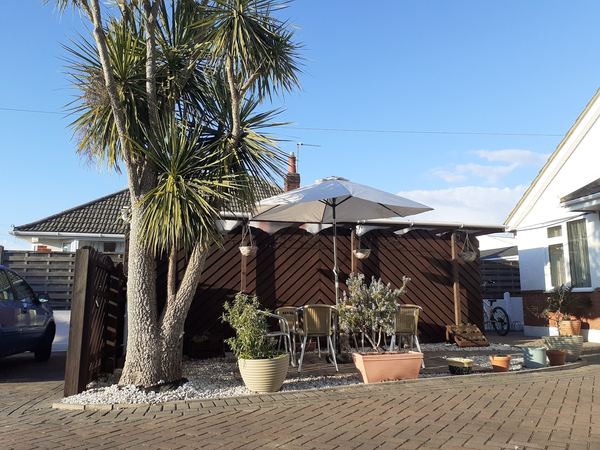 9.3
9.3
Coast 77
Near Poole town centre
from £95/night
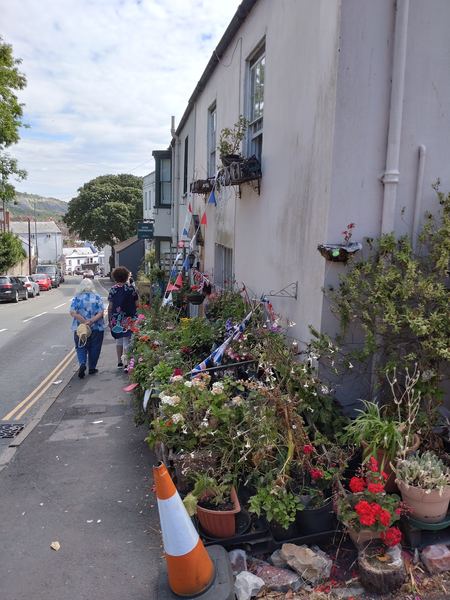 9.2
9.2
Lyme Townhouse
Pound Street, town centre
from £165/night
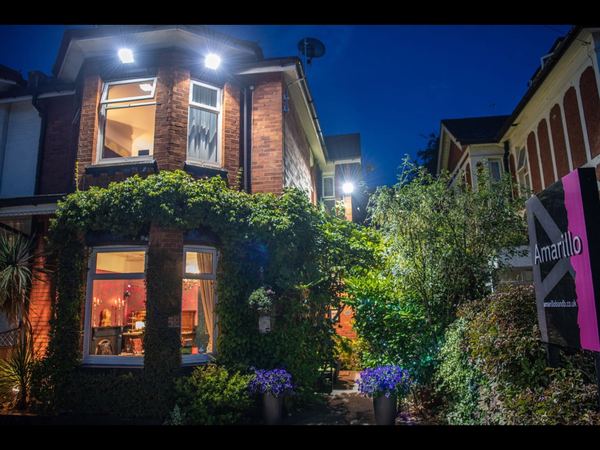 9.1
9.1
Amarillo Bed & Breakfast
Between Bournemouth and Boscombe piers
from £85/night
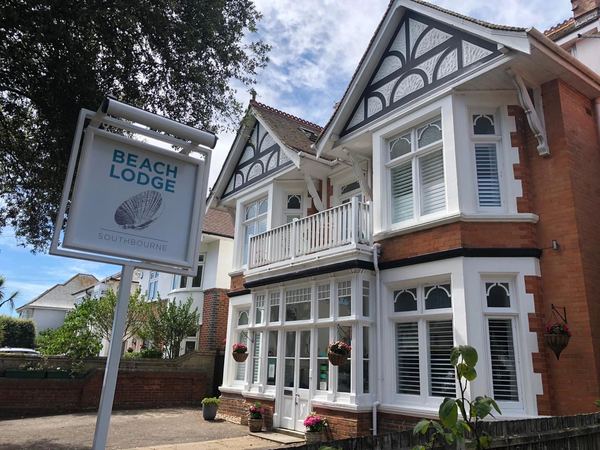 9.0
9.0
Beach Lodge
Southbourne, east Bournemouth seafront
from £90/night
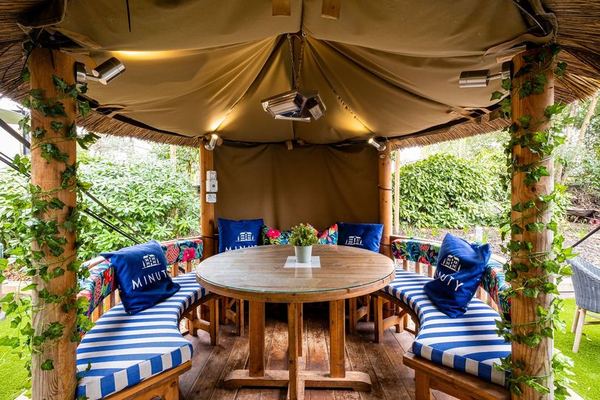 8.7
8.7
The Canford
Canford Cliffs
from £145/night
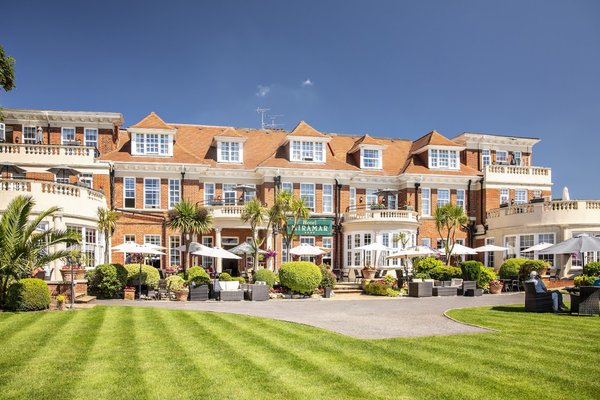 8.6
8.6
Miramar Hotel Bournemouth
East Overcliff Drive, East Cliff
from £135/night
Things to Do in Dorset(132)
All attractions in Dorset →About things to do in Dorset
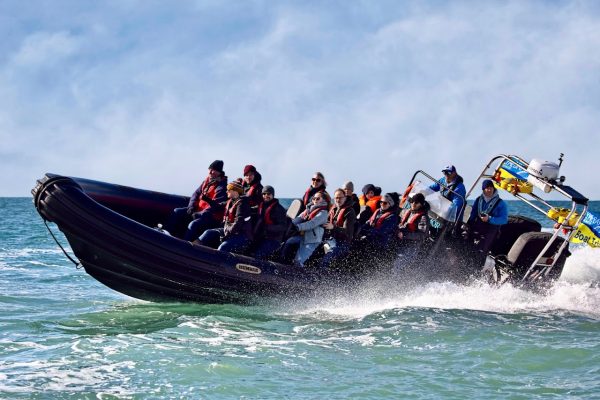
Dorset's coast and countryside give it an unusually wide spread of days out, from fossil-hunting on the beach at Charmouth to boat trips along the water at Lyme Regis. Bournemouth and Poole cover the bigger family attractions and indoor activities, useful for wet afternoons or school holidays, while smaller towns like Wareham and Bridport tend towards farms, pottery studios and local trails.
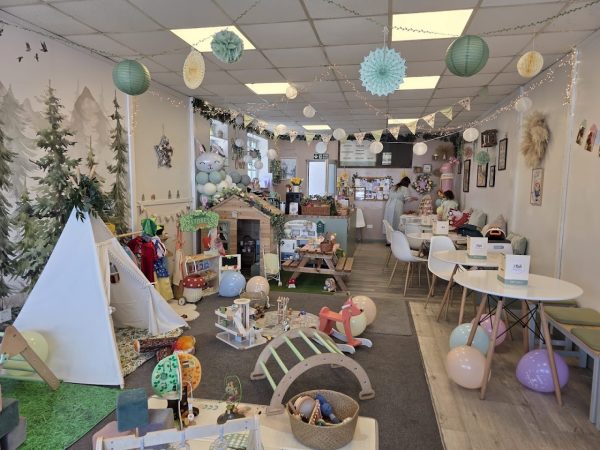
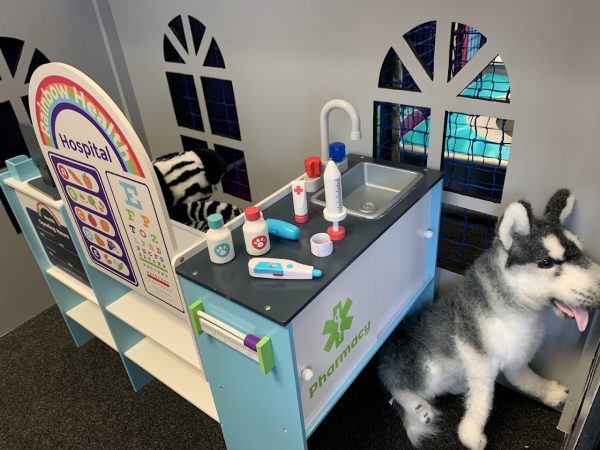
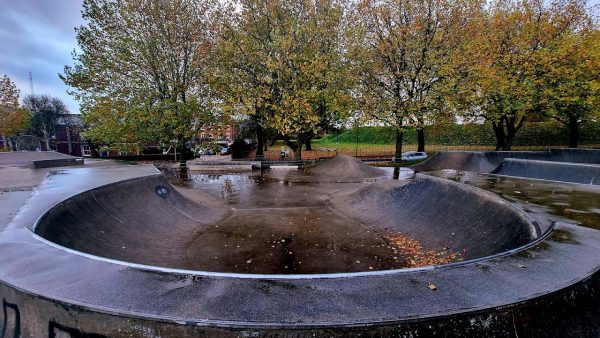
Families with younger children will find soft play, animal encounters at places such as Foxdown Childrens Farm, and craft sessions like Hot Pot Pottery scattered across the county rather than in one spot, so it's worth checking which town suits your base. Older kids and groups are better served by laser tag, treasure trails and skateparks around Dorchester and Poole, while seasonal outings such as pumpkin picking add another reason to explore beyond the coast.

Where to Eat in Dorset(1,617)
All restaurants in Dorset →About eating out in Dorset
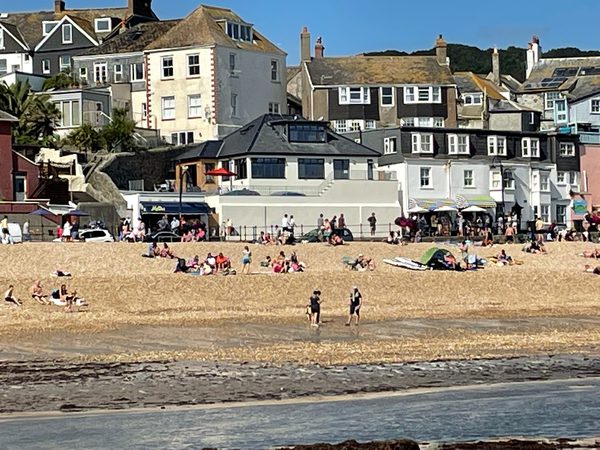
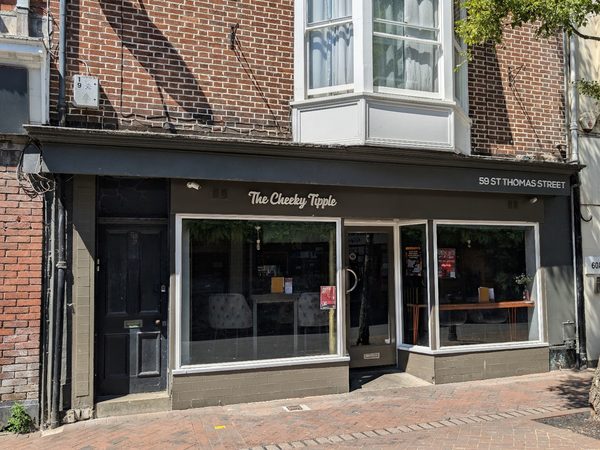
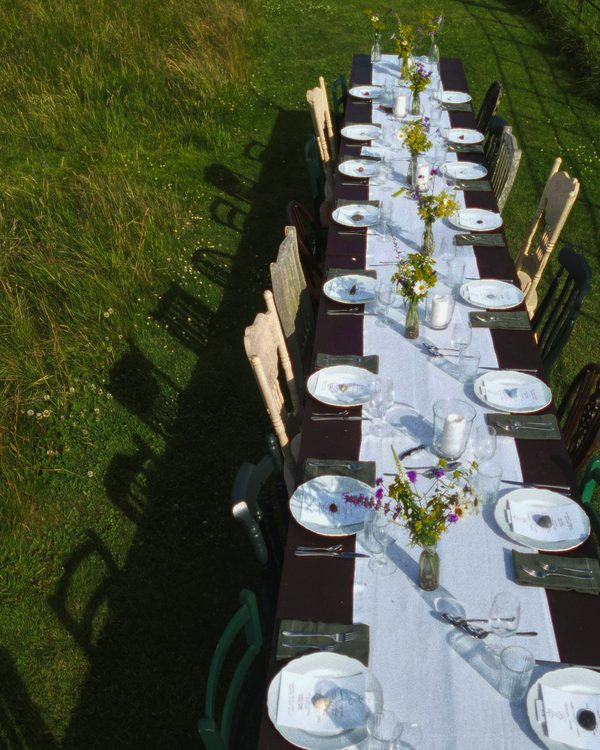
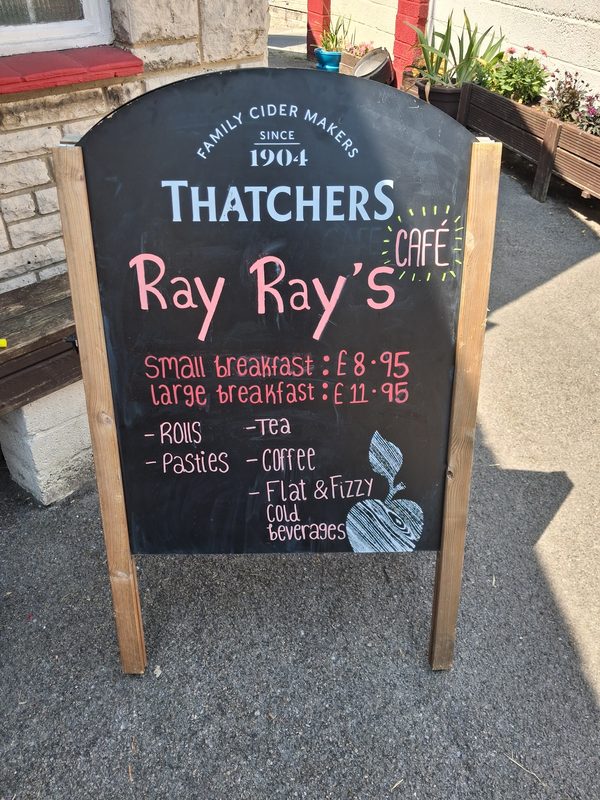
Dorset's dining scene runs from harbourside chippies to smart restaurants making the most of the day's catch, with Poole Quay and Bournemouth's seafront and town centre offering the heaviest concentration of places to eat. Christchurch adds a quieter, more villagey mix of cafés and gastropubs along the Stour, while inland Dorset favours traditional pubs with proper Sunday roasts and log fires.
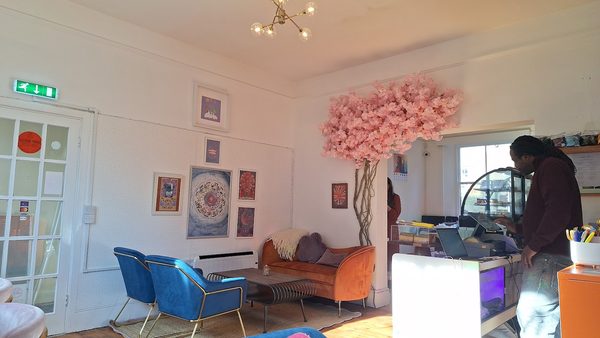
Seafood is the county's strong suit, given its fishing ports, but you'll also find curry houses, coffee shops and casual bistros filling the gaps between meals. Choosing often comes down to setting: a pub with a beer garden for a lazy afternoon, or a coastal café for something quick between beach visits.

Attractions Near Dorset
All attractions in Dorset →Worth the trip — within 50 miles of Dorset.
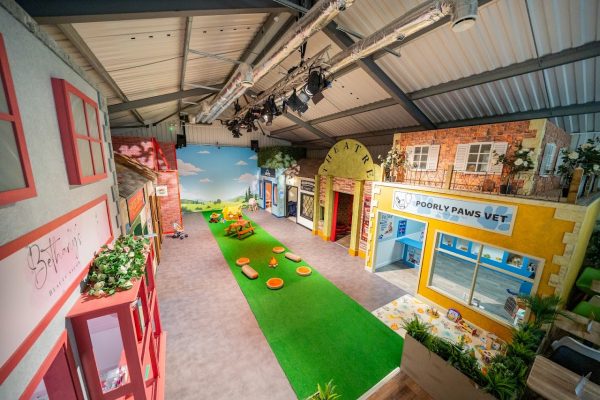
Discovery Village
Christchurch · ⭐ 4.9

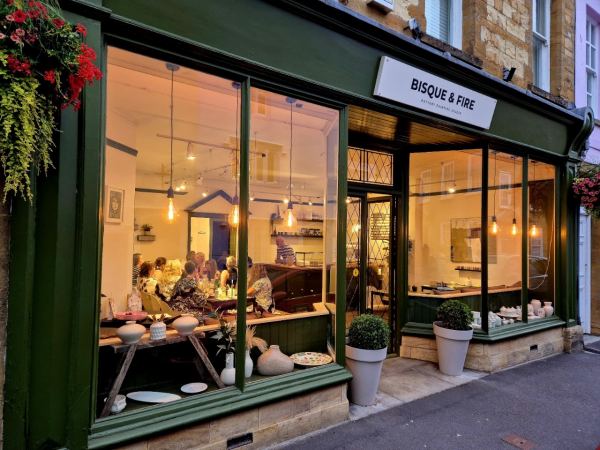
Hot Pot Pottery
Christchurch · ⭐ 4.9

Foxdown Childrens Farm
Bridport · ⭐ 4.9
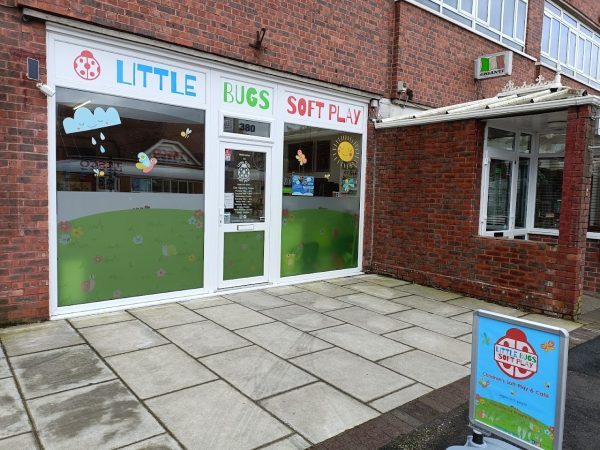
Little Bugs Soft Play
Ferndown · ⭐ 4.9
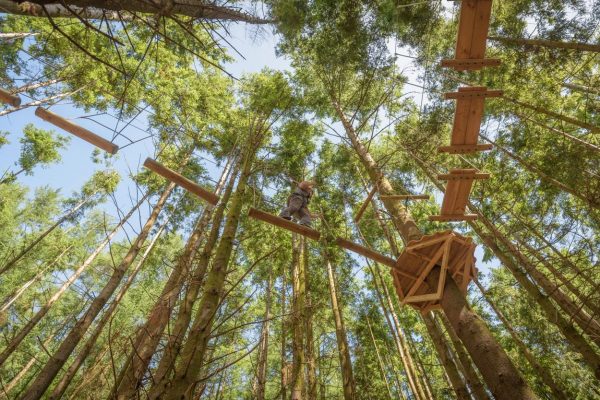
The Tunnel Tree Tops
Charmouth · ⭐ 4.9
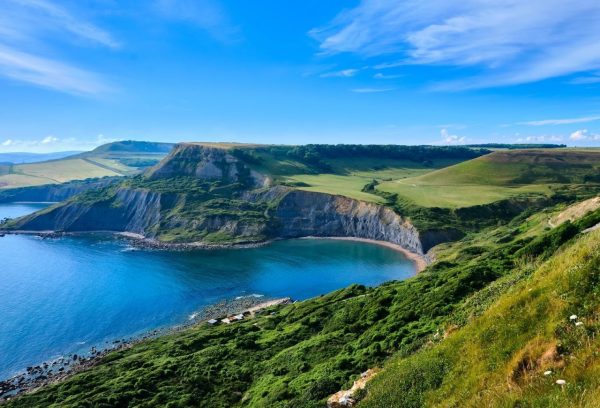
Chapmans Pool Beach
Swanage · ⭐ 4.8
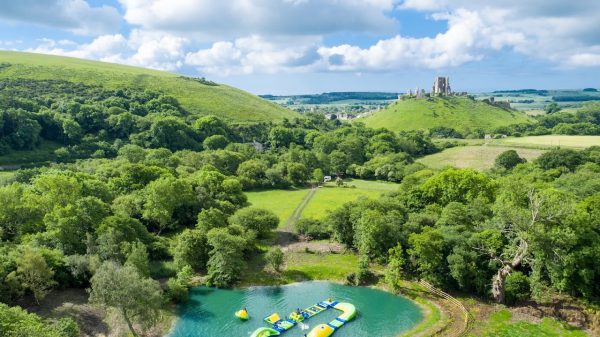
Dorset Adventure Park
Wareham · ⭐ 4.8
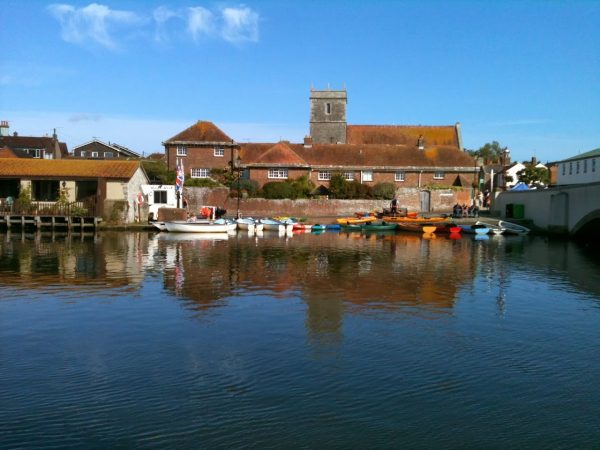
Wareham Boat Hire
Wareham · ⭐ 4.8
Camping in Dorset(236)
All campsites in Dorset →About camping in Dorset
Dorset's mix of rolling farmland, chalk downs and Jurassic coastline makes it well suited to camping and glamping, and the choice runs from simple farm pitches to well-appointed shepherd's huts. Places such as Barkhill Shepherd's Huts and Tokenhill Dorset Shepherd's Huts suit those wanting comfort without giving up the outdoor feel, while sites like Fred's Field Campsite and Lower Bridge Farm Camping keep things closer to traditional tent camping.
Inland spots such as Hilltop Farm Camping, Frome View Camping and Hincknowle Cider Apple Farm Camping tend towards quiet, working countryside settings, good for walkers and those happy with a low-key stay. Others, including The Daggles and Threshold Farm, offer a bit more space to spread out. With so many small, independent sites across the county, it's worth thinking about how close you want to be to the coast versus the inland hills before booking.
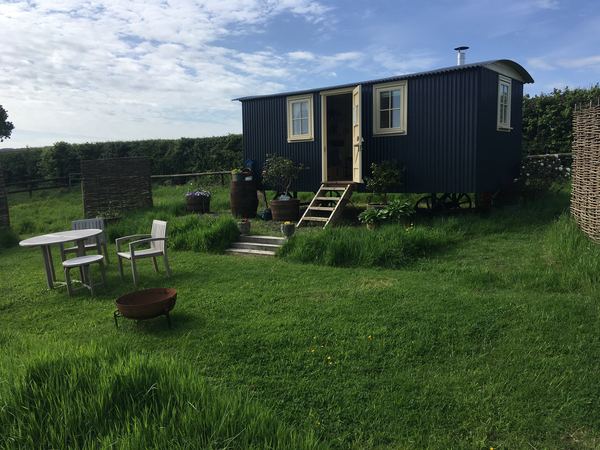
Barkhill Shepherd's Huts
⭐ 5.0 · from £190/night
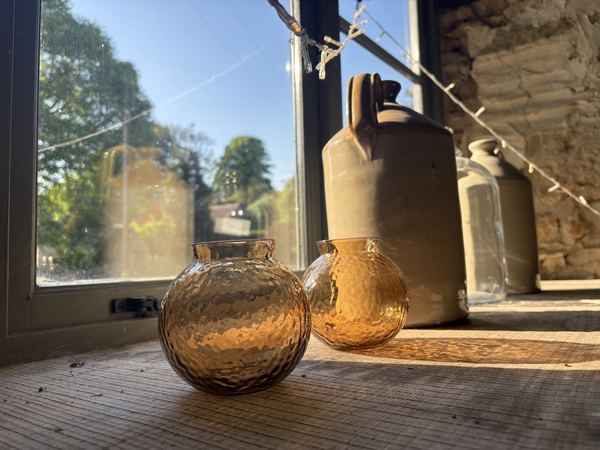
Hincknowle Cider Apple Farm Camping
⭐ 5.0 · from £30/night
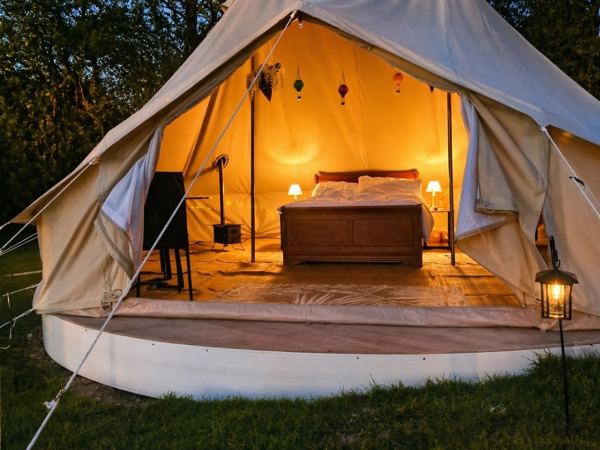
Palemead House Certificated Site
Shaftesbury · ⭐ 5.0
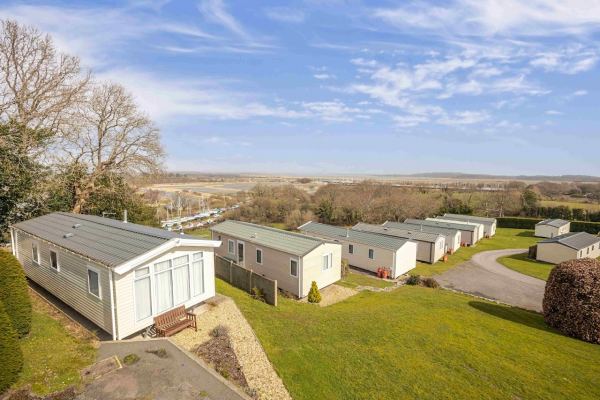
Treetops Caravan Park
Wareham · ⭐ 5.0
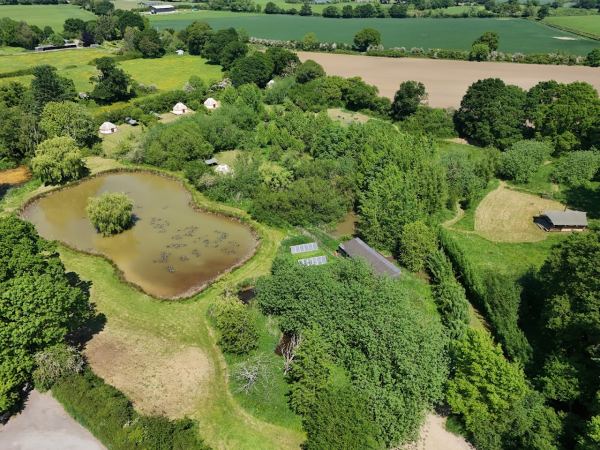
Delightful Dandys
Fluxmere · ⭐ 5.0
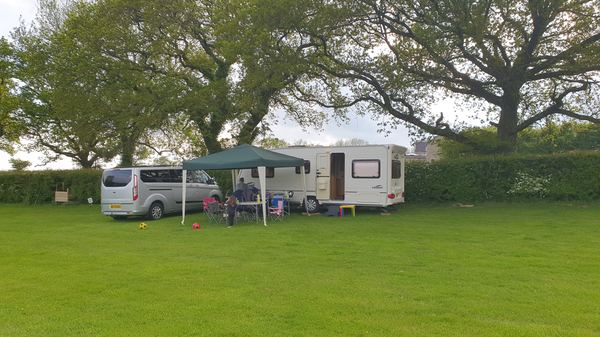
Winters Farm Certificated Site
Lyme Regis · ⭐ 5.0
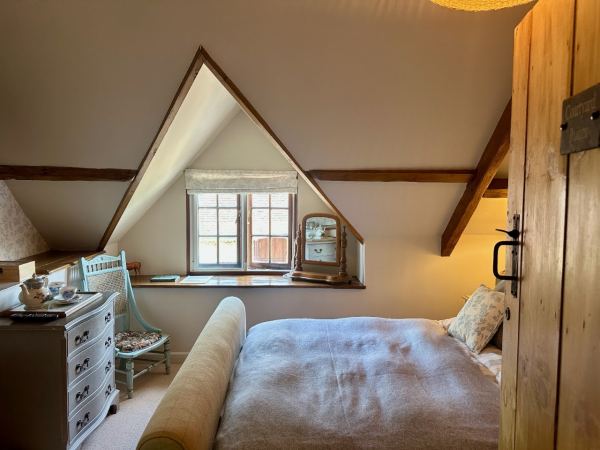
The Old Forge
Shaftesbury · ⭐ 4.9
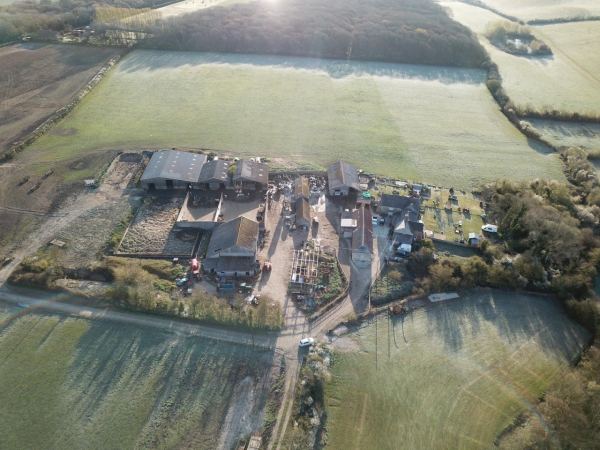
Washingpool Farm Caravan Site
Weymouth · ⭐ 4.9
Self-Catering Cottages in Dorset(391)
All cottages in Dorset →About cottages in Dorset
Dorset's self-catering choices run from converted farm buildings to seaside retreats, with Admirals Rest and Bookham Court's Little Coombe showing the range of rural conversions on offer. Properties such as The Tack Room and Sunray Cottages' Milk Parlour make good use of old farmyard buildings, while Walnut Farm's Russet Yurt suits those after something a little different from a standard cottage stay.
Inland spots near the Blackmore Vale and the Purbeck hills tend to suit walkers and families wanting a quiet base, while cottages closer to the coast put Lyme Regis, Weymouth and the Jurassic Coast within easy reach. Places like The New Inn Farm's farmhouse or Hurst Cottage work well for larger groups, and smaller bolt-holes such as Our House or Coach House suit couples or short breaks.
With such a wide spread across the county, it is worth deciding first whether you want coast, countryside or somewhere in between, as Dorset offers convincing options for all three.
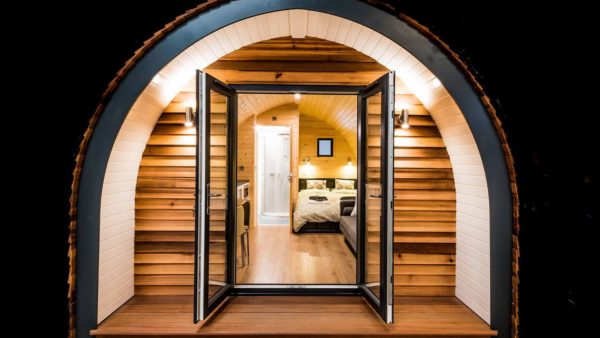
Dudsbury Lodge
Ferndown · 1 bed · sleeps 4 · from £1,092
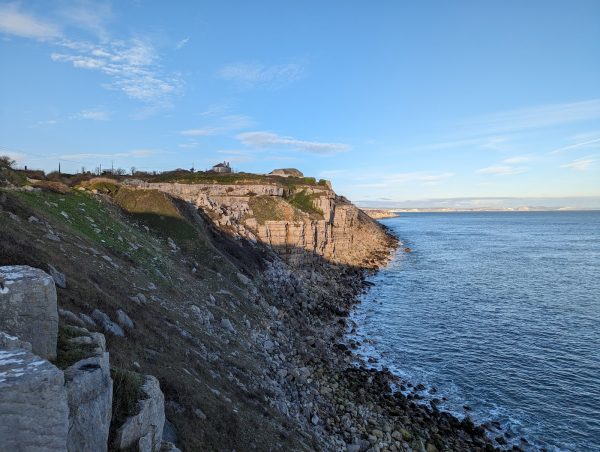
Freshwater Bay View
Portland · 1 bed · sleeps 2 · from £577
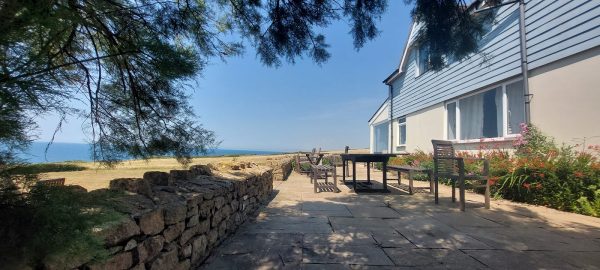
Greenbanks
Weymouth · 4 bed · sleeps 9 · from £2,592
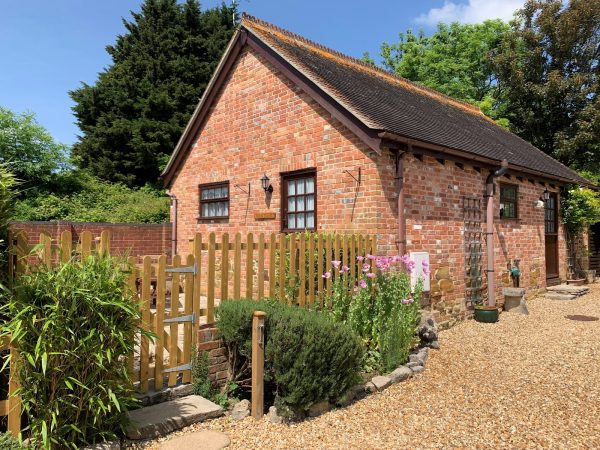
Holly Hedge Farm - Holly Lodge
Poole · 2 bed · sleeps 5 · from £607
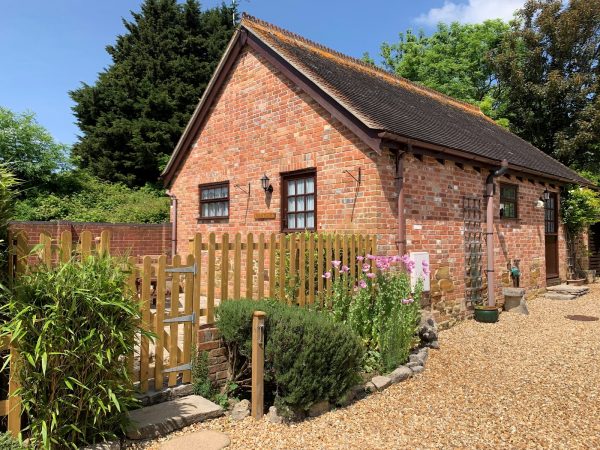
Holly Hedge Farm - Owl’s Roost
Poole · 1 bed · sleeps 2 · from £473
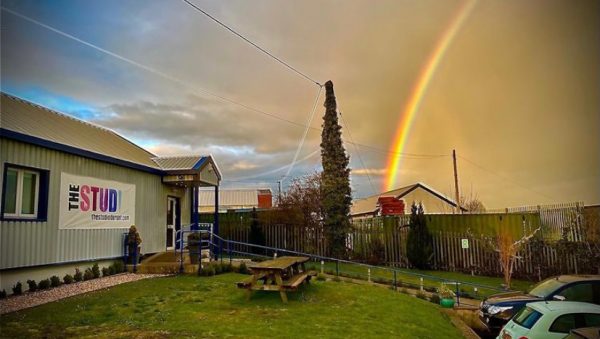
The Studio
Dorchester · 1 bed · sleeps 2 · from £353
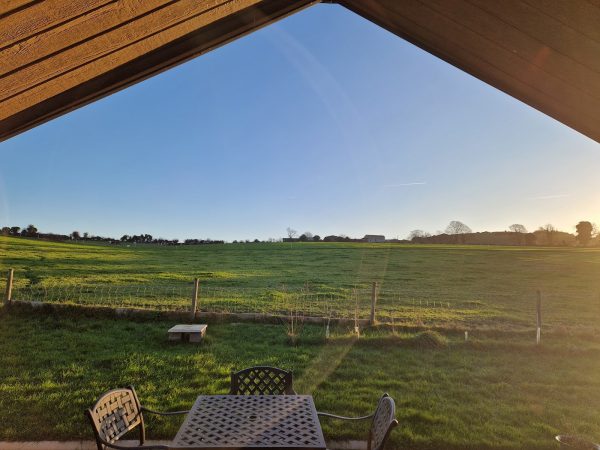
Whitey Top Lodges - Whitey Top Country Lodge
Salisbury · 2 bed · sleeps 4 · from £751
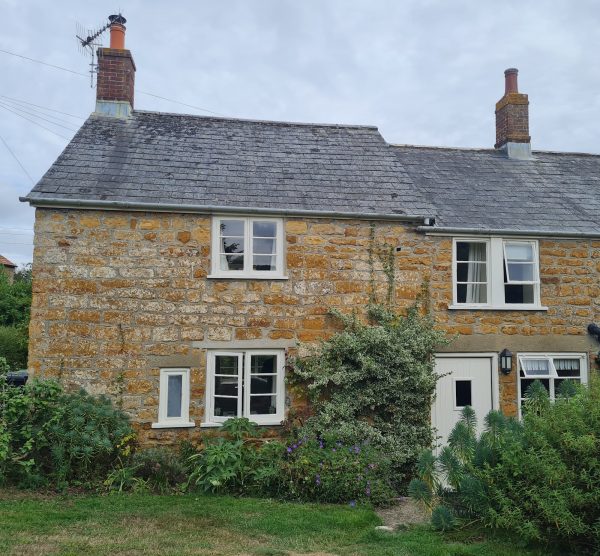
Barters Cottage
2 bed · sleeps 4 · from £433
Common questions about Dorset
How many campsites are there in Dorset?
We list 217 campsites in and around Dorset, of which 170 take tents and 73 offer glamping.
Are there dog-friendly campsites in Dorset?
Yes — 87 of the 217 campsites we list in Dorset accept dogs, including Stubbs Bridge Woodland and High Cross Camping Coach and Living Van.
Which campsites in Dorset have electric hook-up?
94 of the 217 campsites we list in Dorset offer an electric hook-up.
How many holiday cottages are there in Dorset?
We list 391 self-catering cottages in and around Dorset.
Can I take a dog to a holiday cottage in Dorset?
Yes — 256 of the 391 Dorset cottages we list allow pets.
Are there large holiday cottages in Dorset for groups?
Yes — the largest cottage we list in Dorset sleeps 23.
Where can I stay in Dorset?
We list 9 hotels, B&Bs and guest houses in and around Dorset. Prices start from around £125 a night.
Where can I eat in Dorset?
We list 742 restaurants, pubs and cafes in and around Dorset.