Winchester
Ancient capital, cathedral city, chalk stream walks
Photo © Tony Johnson, Google Maps
Tucked into a gap in the Hampshire chalk downs, Winchester was already old news by the time the Normans arrived. It served as the capital of Wessex under Alfred the Great and, for a time, as the effective capital of England itself, and that thousand-year head start still shapes the place today. The city centre is compact and largely pedestrianised, so the cathedral close, the old High Street and the water meadows along the River Itchen all sit within easy walking distance of one another, threaded together by narrow lanes, chalk streams and the remains of the medieval city walls.
What makes Winchester unusual is how much of its history is still doing something rather than simply being preserved behind glass. The cathedral holds daily services, Winchester College still teaches boys nearly six and a half centuries after its founding, and the water meadows Keats once walked through are still grazed and open to the public. Add a genuinely good market, a run of independent shops on the High Street, and easy rail links to London and the south coast, and Winchester works equally well as a day trip, a weekend break, or a base for exploring the wider Hampshire countryside.
Getting to Winchester
Winchester sits just off the M3, roughly an hour from central London and around 20 minutes from Southampton by car, with several central car parks and a park-and-ride service on the edge of the city. Winchester railway station has frequent direct trains to London Waterloo, taking around an hour, as well as services along the south coast to Southampton, Portsmouth and Bournemouth via the South Western Railway network. Southampton Airport is the nearest airport, about 20 minutes away by car or train.
Best time to visit Winchester
Winchester suits a visit at any time of year, since its main attractions are almost all indoors or under cover. Spring and early summer bring the water meadows and cathedral close to life, with wisteria along the High Street and long evenings for riverside walks. Late autumn brings a well-regarded Christmas market in the cathedral grounds, one of the longest-running and most popular in the country, though it's worth booking accommodation well ahead if visiting then. Summer is busiest with day-trippers from London, so weekday visits tend to be calmer.
Where to stay in Winchester(24)
All hotels in Winchester →About staying in Winchester
Winchester's compact, walkable centre makes it an easy city break, and the accommodation on offer reflects that: historic coaching inns and pubs with rooms sit alongside boutique guesthouses within a few minutes of the cathedral, so most visitors don't need a car once they've arrived. The High Street and the streets around Jewry Street and the Square hold the highest concentration of places to stay, putting the cathedral, the Great Hall and the river within easy walking distance of your door. Expect period buildings, low beams and the odd creaking staircase in the older inns, alongside a smaller number of more contemporary hotels near the railway station for those arriving by train.
For a quieter stay, the villages just outside Winchester along the Itchen valley or towards the South Downs offer country inns and farmhouse B&Bs with easy access back into the city by car or a short taxi ride, and make a good base for combining a Winchester visit with wider exploring of the Hampshire countryside, the South Downs National Park or the Jane Austen sites around Chawton and Alton. Booking ahead is strongly advised for the weeks around the Winchester Cathedral Christmas market in November and December, when the city's accommodation fills up quickly, and for the summer months when day-trip crowds turn into overnight stays. Outside those peaks, Winchester's size means availability is generally good even at short notice.
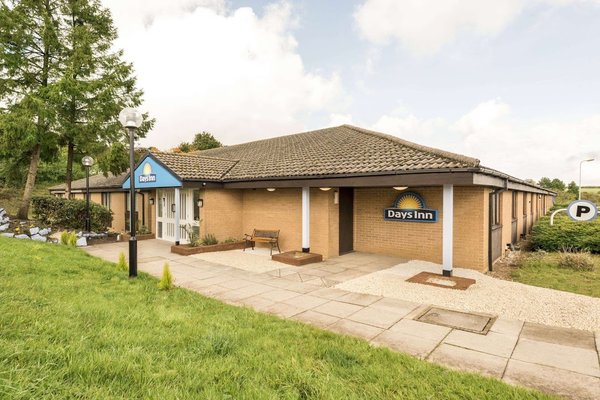
Days Inn Sutton Scotney North
Sutton Scotney Motorways Service, Winchester
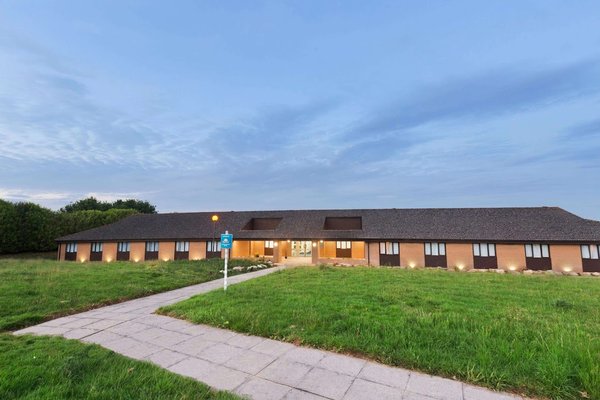
Days Inn Sutton Scotney South
A34 By-pass Roadchef Motorway Services, Winchester
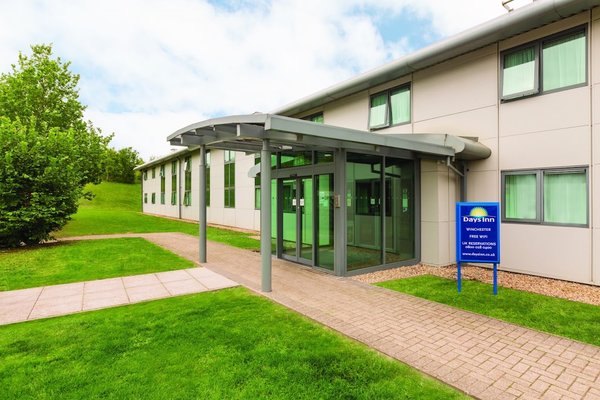
Days Inn Winchester M3
Moto Motorway Service Area, Winchester
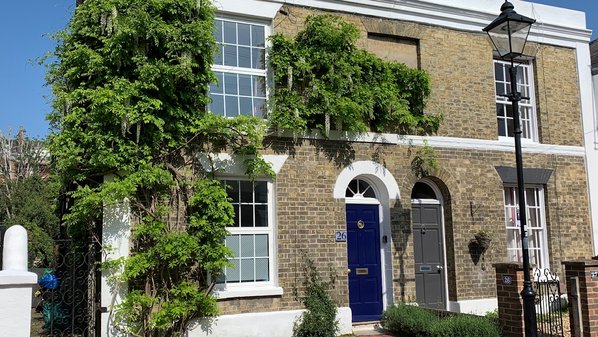
Esmes
26 Parchment Street, Winchester
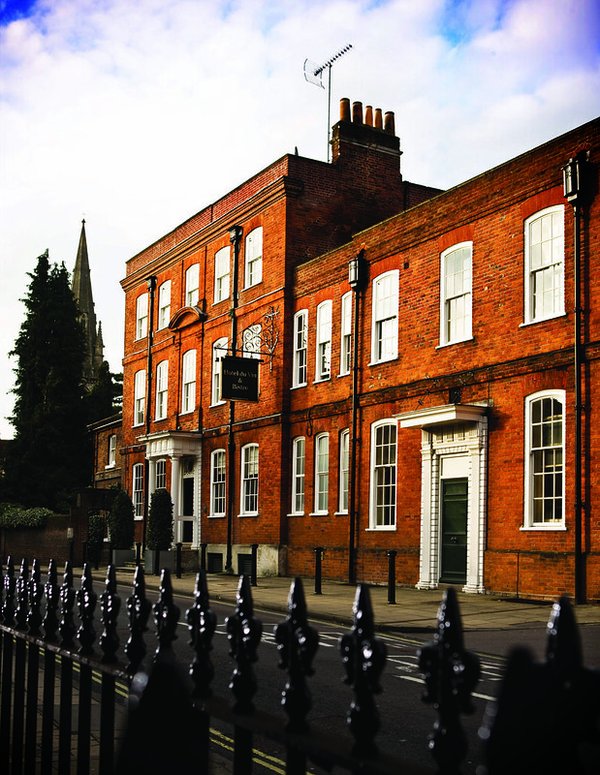
Hotel du Vin Winchester
Southgate Street, Winchester
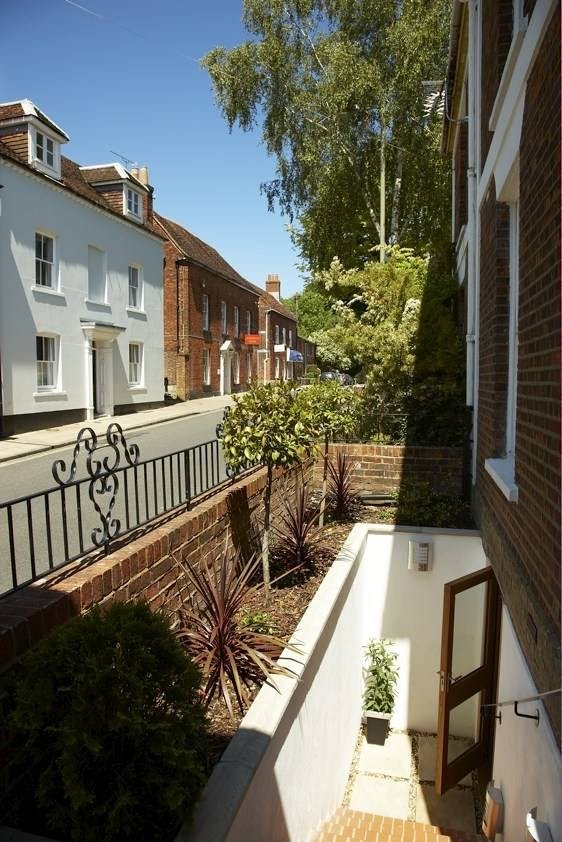
Just a B
67 Hyde Street, Winchester
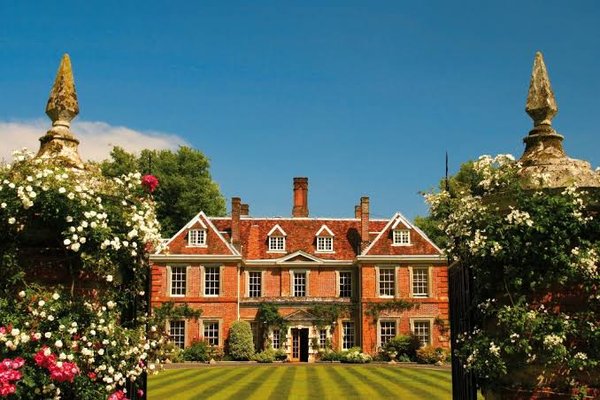
Lainston House Hotel
Woodman Lane, Winchester
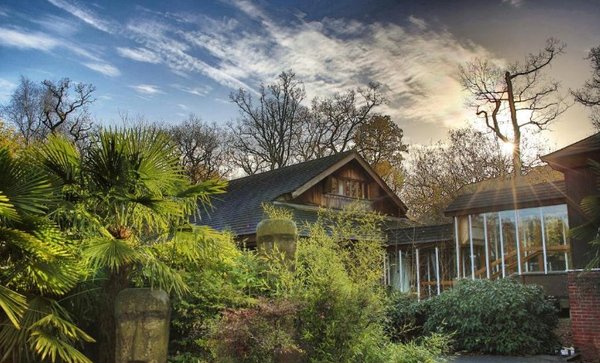
Marwell Hotel - A Bespoke Hotel
Thompson Lane, Winchester
Things to Do in Winchester(12)
All attractions in Winchester →Top things to do in Winchester
Winchester rewards slow, on-foot exploring more than a checklist of sights, but a handful of places are genuinely essential.
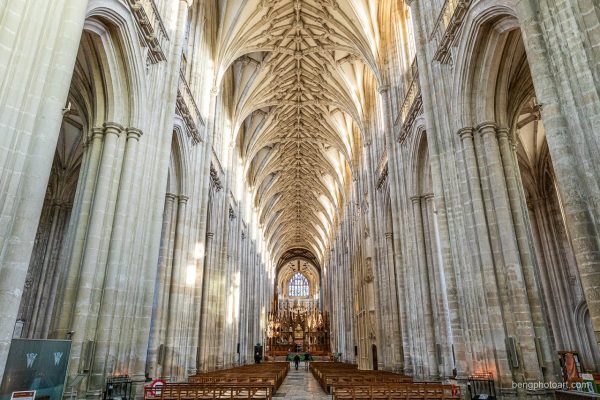
- Winchester Cathedral — One of the largest cathedrals in Europe, begun by the Normans in 1079 on the site of an earlier Saxon minster. Inside are the Winchester Bible, a magnificently illuminated 12th-century manuscript, mortuary chests said to hold the bones of Saxon and early Norman kings, and the grave of Jane Austen in the north aisle. The tower and roof spaces can be climbed on a guided tour for views across the city.
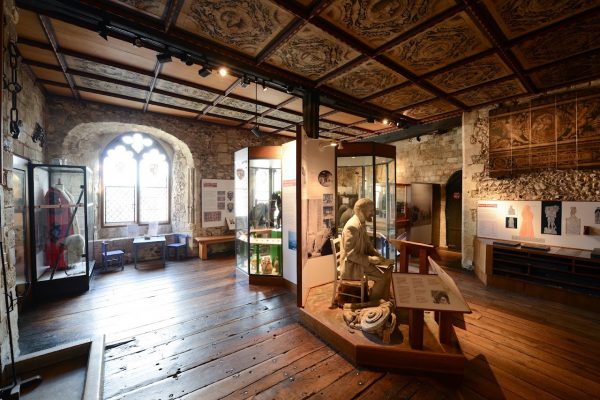
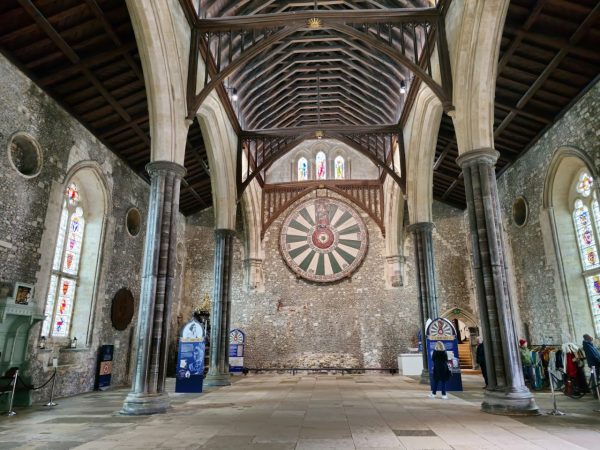
- The Great Hall and King Arthur's Round Table — The sole surviving part of Winchester Castle, built for Henry III in the 13th century. It houses the huge painted Round Table hanging on the end wall, made around 1290 and later repainted for Henry VIII with a Tudor rose and a portrait of the king as King Arthur.
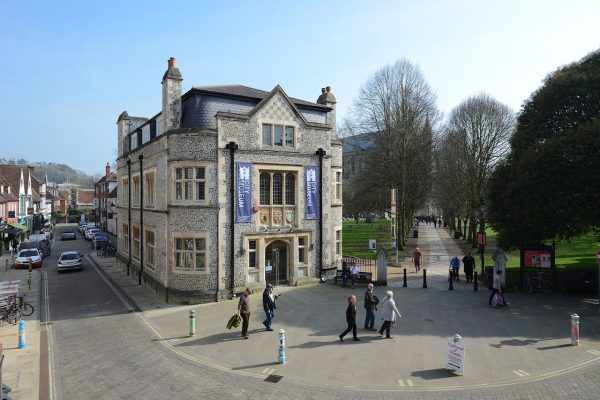
- Winchester's Anglo-Saxon royal past — Long before Westminster, Winchester was the seat of the Kings of Wessex and, under Alfred the Great and his successors, effectively England's capital. A statue of Alfred stands at the eastern end of the High Street, and the Anglo-Saxon origins of the city are traced at the Winchester City Museum.
- Winchester College — Founded in 1382 by Bishop William of Wykeham, it's one of the oldest schools in England still on its original site. Guided tours run seasonally and take in the medieval Chamber Court and chapel.
- Jane Austen's final home and grave — Austen spent the last weeks of her life at 8 College Street, close to the cathedral, before her death in 1817. The house opened to the public for the first time in 2025 as part of the 250th anniversary of her birth, and her memorial can be visited inside the cathedral itself.
- Winchester City Mill — A National Trust-run working watermill on the River Itchen, with a mill race that still turns and flour ground on site, plus a garden that opens onto the water meadows.
- The water meadows and St Cross — A gentle riverside walk from the cathedral leads through open meadows to the Hospital of St Cross, an almshouse founded in 1136 and one of the oldest charitable institutions in the country, where visitors can still claim the traditional Wayfarer's Dole of bread and ale.
- Winchester Market and the High Street — A weekly outdoor market alongside a High Street of independent bookshops, cafes and the elegant Buttercross monument make for good browsing between the bigger sights.

Where to Eat in Winchester(28)
All restaurants in Winchester →Food and drink in Winchester
Winchester's dining scene punches above its size. The Wykeham Arms, a historic pub tucked behind the cathedral close, has been serving for over two centuries and remains a local institution. The Chesil Rectory, housed in one of the city's oldest surviving buildings, offers a more formal dining experience, while the Winchester Cathedral refectory serves lunches with a cathedral-close view of its own. The weekly farmers' market on the High Street is one of the largest and longest-running in the country, and independent cafes around Jewry Street and the Square are good for a slower morning between sights.

Attractions Near Winchester
All attractions in Winchester →Worth the trip — within 50 miles of Winchester.
 6 mi
6 mi
Flip Out Southampton
Southampton · ⭐ 3.4
 6 mi
6 mi
TeamSport Indoor Karting Southampton
Eastleigh · ⭐ 4.6
 7 mi
7 mi
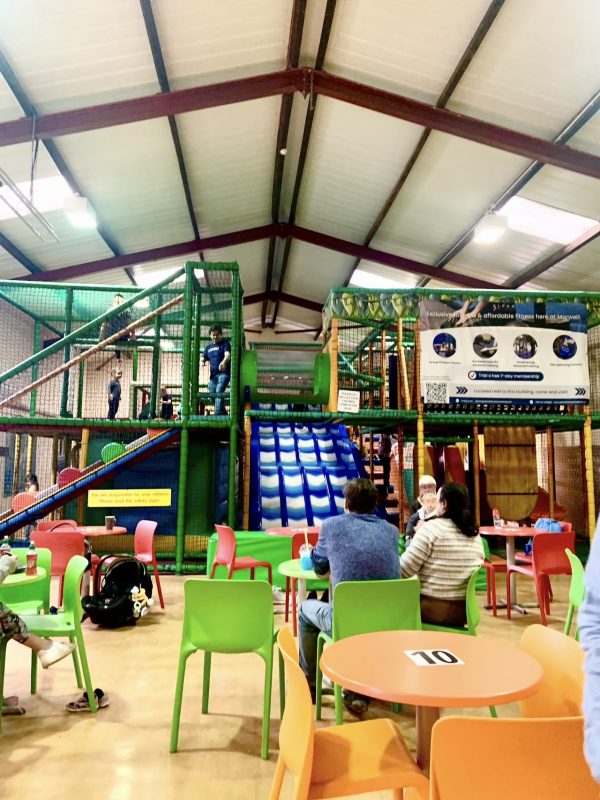
Kids2day Indoor Soft Play Centre
Eastleigh · ⭐ 4.3
Ampfield Riding Stables
Romsey · ⭐ 4.4
 7 mi
7 mi
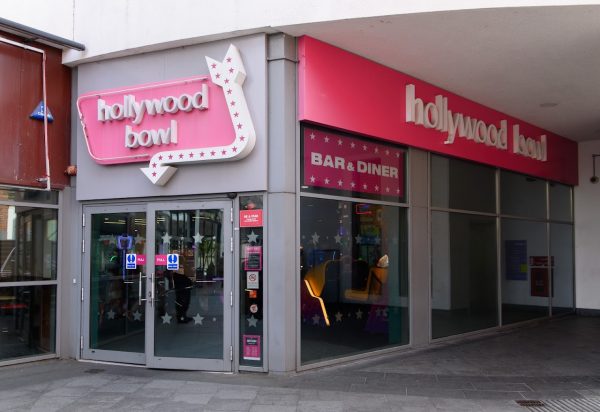
Hollywood Bowl Eastleigh
Eastleigh · ⭐ 4.1
 7 mi
7 mi
Vue Eastleigh
Eastleigh · ⭐ 4.1
 7 mi
7 mi
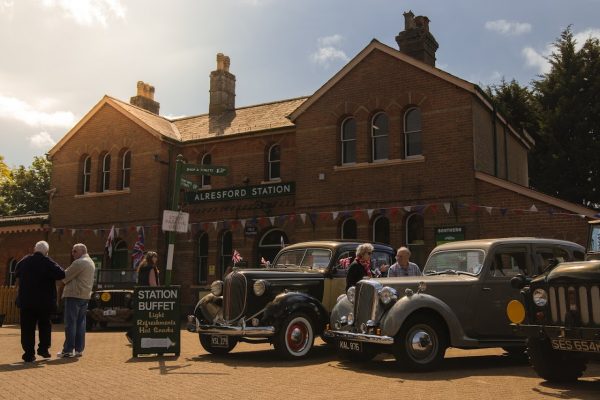
Mid Hants Railway Watercress Line
New Alresford · ⭐ 4.7
 7 mi
7 mi
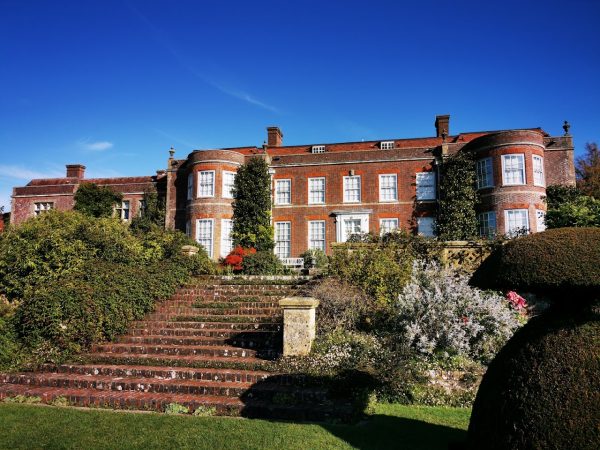
Hinton Ampner
New Alresford · ⭐ 4.5
Camping in Winchester(2)
All campsites in Winchester →About camping in Winchester
Hampshire's chalk downland around Winchester is gentle, rolling country, cut through by the clear waters of the River Itchen, one of England's classic chalk streams, and it makes for good walking and cycling rather than a wild camping destination. As in the rest of England, camping on open land without the landowner's permission is against the law, so campers should stick to licensed sites, of which the area around Winchester and the wider Hampshire countryside has a reasonable spread, from simple farm campsites to more established touring parks with electric hook-ups. The South Downs National Park, whose western edge lies just south and east of the city, has a particular concentration of small, well-run sites set among the downs.
The camping season around Winchester runs from roughly Easter through to late September, with the driest and warmest stretch typically May to August; the chalk downland drains quickly after rain, which helps keep pitches usable even after wet spells, but exposed hilltop sites can be breezy, so a spot with some tree or hedge shelter is worth seeking out. Spring brings bluebells to the beech woods on the downs and lively riverside walks along the Itchen, while a late-summer stay coincides with the harvest in the surrounding farmland and generally quieter, drier ground.
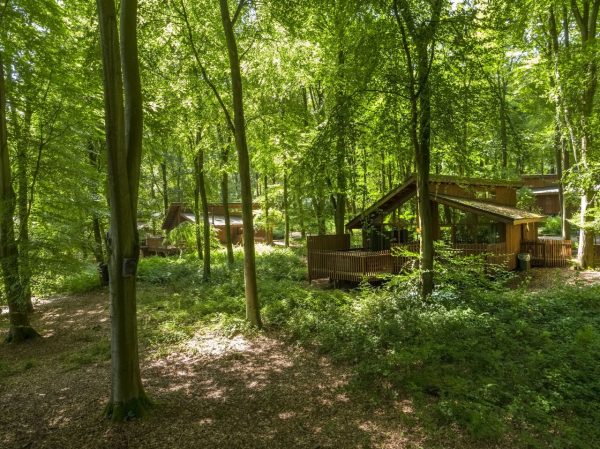
For those who prefer a roof over their heads without giving up the outdoor feel, glamping has taken hold across Hampshire in recent years, with shepherd's huts, safari tents and yurts appearing on farms and small estates within easy reach of Winchester, many aimed at exactly the kind of visitor who wants to combine cathedral-close sightseeing by day with a night under canvas a short drive into the surrounding downland. Sites closer to the South Downs tend to offer the best combination of stargazing, walking routes from the door and easy access back into Winchester itself.
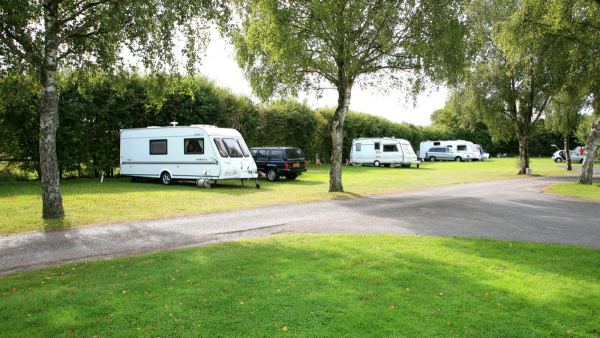
Morn Hill Caravan and Motorhome Club Site
⭐ 4.4
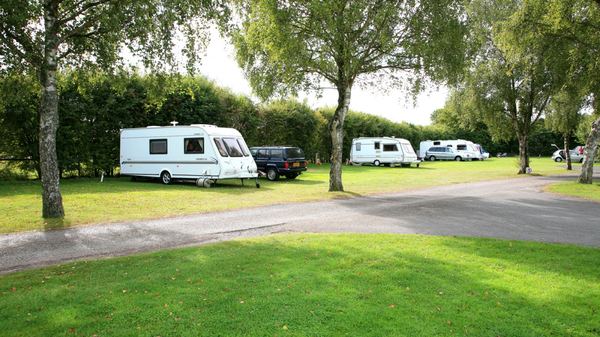
Winchester Morn Hill Caravan and Motorhome Club Campsite
⭐ 4.4 · from £35/night
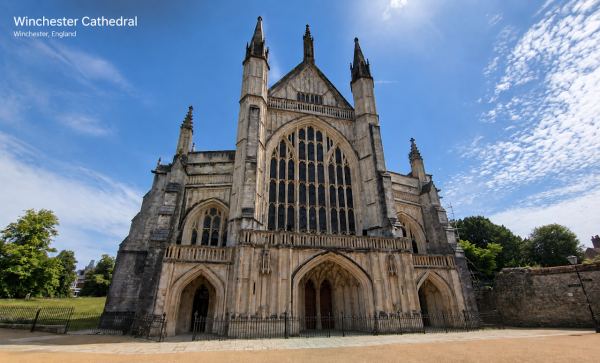
Cummock Caravan Park
⭐ 4.8

Morelands Copse Camping
⭐ 4.3 · from £25/night
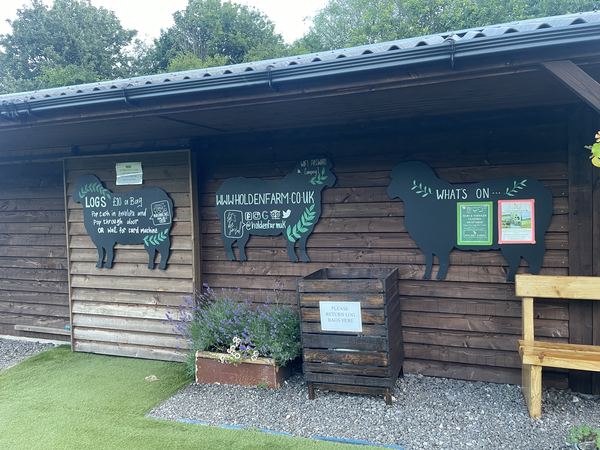
Holden Farm Camping
⭐ 4.7
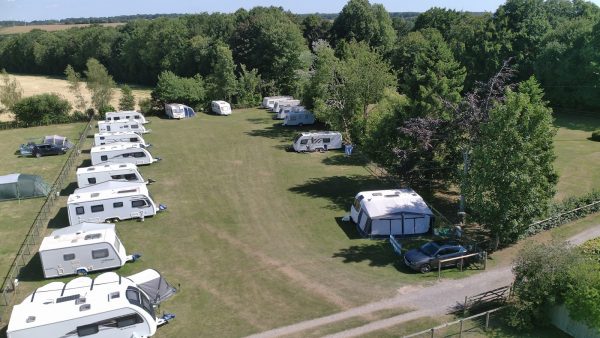
Folly Farm Caravan and Camping Park
⭐ 4.2 · from £20/night

Marwell Resort
⭐ 4.4 · from £30/night
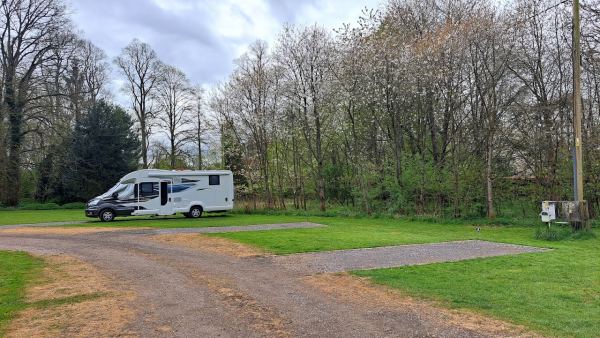
Sycamore End Caravan Park
⭐ 4.5
Self-Catering Cottages in Winchester(17)
All cottages in Winchester →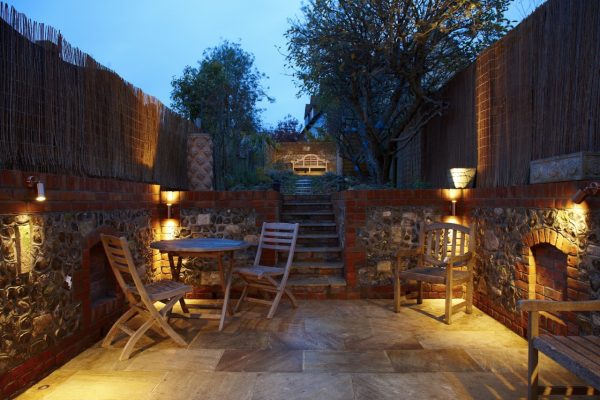
Lay Your Hat In Winchester
1 bed · sleeps 3 · from £1,267
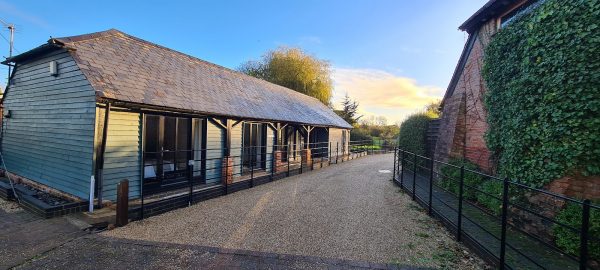
The Cart House
3 bed · sleeps 6 · from £987
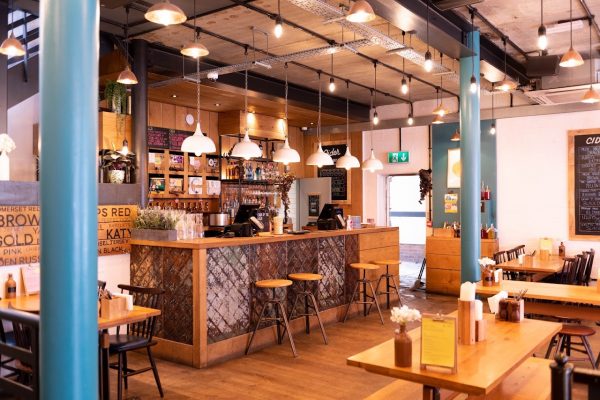
The Stables
3 bed · sleeps 6 · from £797
Brickwood Farmhouse
5 bed · sleeps 10 · from £3,690
Brookvale House
2 bed · sleeps 4 · from £825
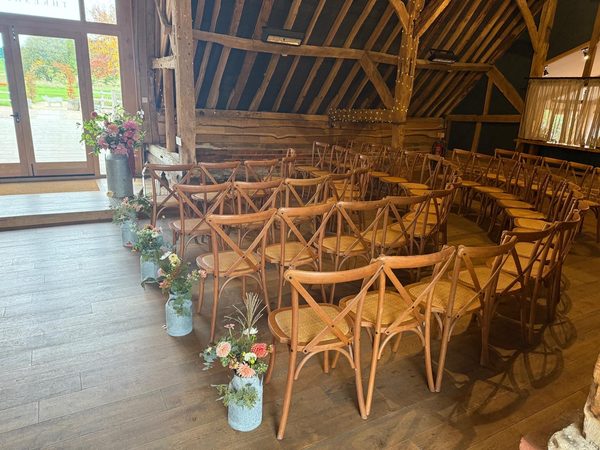
Lovington Barn
3 bed · sleeps 6 · from £2,122
Lower Whiteflood Farm Cottage
2 bed · sleeps 2 · from £867
Mallard Cottage
2 bed · sleeps 4 · from £881
Common questions about Winchester
How many campsites are there in Winchester?
We list 2 campsites in and around Winchester, of which 2 take tents.
Which campsites in Winchester have electric hook-up?
2 of the 2 campsites we list in Winchester offer an electric hook-up.
How many holiday cottages are there in Winchester?
We list 17 self-catering cottages in and around Winchester.
Can I take a dog to a holiday cottage in Winchester?
Yes — 10 of the 17 Winchester cottages we list allow pets.
Are there large holiday cottages in Winchester for groups?
Yes — the largest cottage we list in Winchester sleeps 10.
Where can I stay in Winchester?
We list 24 hotels, B&Bs and guest houses in and around Winchester.
What is there to do in Winchester?
We list 12 attractions and things to do in and around Winchester.
Where can I eat in Winchester?
We list 28 restaurants, pubs and cafes in and around Winchester.