Cambridge
Colleges, chapels and the slow green river
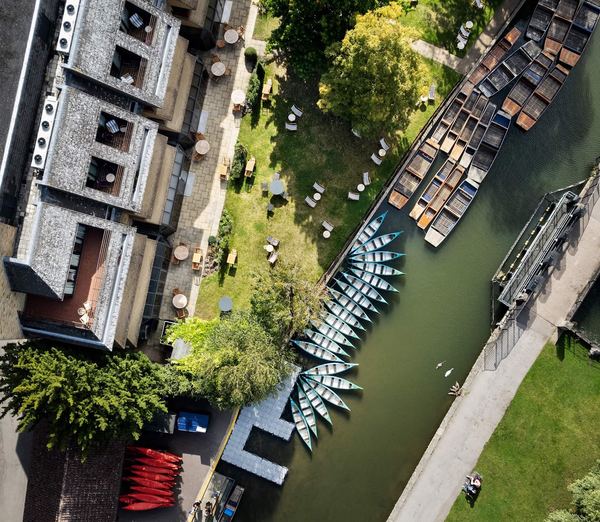
Photo © Tsung Ming C, Google Maps
Cambridge is a small city that behaves like a much larger one. Fewer than 150,000 people live here, and you can walk from the railway station to the far side of the historic centre in half an hour, yet within that short distance sit thirty-one colleges, eight university museums, a botanic garden, a working market that has traded on the same square since the Middle Ages, and a river that has been the city's front garden for eight centuries. The scale is the point. Cambridge rewards walking and cycling rather than driving, and the pleasure of it lies in turning off a busy street through an unremarkable gateway and finding a silent grass court with a chapel at one end.
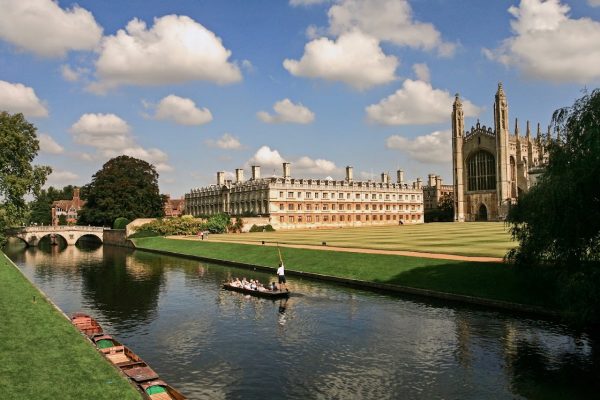
The university was founded in 1209 by scholars who left Oxford after a dispute with the townspeople, and the colleges spread westwards from the old town towards the River Cam. That accident of geography produced the Backs, the ribbon of lawn, willow and water behind King's, Clare, Trinity and St John's that is the single most photographed stretch of the city. In front of the colleges the streets are narrow, medieval in plan and busy with bicycles; behind them there are cattle grazing on common land within sight of a Gothic chapel. Few English cities hold countryside and architecture so close together.
Modern Cambridge is not simply a museum of learning. The land north and south of the city has filled with laboratories, biotech companies and software firms, and the resulting money has given the centre a food and drink scene far better than a city this size would normally sustain. Term time brings a particular energy of gowns, bike lights and choral evensong; the summer vacation opens up college rooms and courts to visitors. Either way, the city is easily seen in two or three days, which makes it one of the most rewarding short breaks in eastern England.
Getting to Cambridge
Trains are the obvious way in. Fast services from London King's Cross reach Cambridge in about 48 minutes, with Thameslink trains running through central London from St Pancras, Farringdon and London Bridge in around 75 to 90 minutes. Greater Anglia services from London Liverpool Street take roughly 80 minutes and stop at more stations along the way. From the north and the Midlands, cross-country services connect via Peterborough and Ely, with Birmingham around two and a half to three hours. Cambridge has two stations: the main one about a mile south of the centre, and Cambridge North, useful for the science parks. Both have frequent buses into town, and bicycle hire is easy at either.
By road, the M11 runs up the western side of the city from London, with junction 11 for the south and the Trumpington park and ride, junction 12 for the west, and junction 13 for the north-west. The A14 crosses east to west linking the M11 with Huntingdon, the A1 and Newmarket, and the A10 comes up from Royston and down from Ely and King's Lynn. Driving into the historic centre is genuinely difficult - much of it is pedestrianised, bus-gated or permit-only, and car parks fill early. Use one of the five park and ride sites at Trumpington, Madingley Road, Milton, Newmarket Road and Babraham Road, park for a modest daily charge and take the bus in.
For air travel, London Stansted is the closest airport at about 30 minutes by direct train, which makes Cambridge unusually easy to reach from continental Europe. Luton is around an hour by road, Heathrow about two hours by coach, and Gatwick roughly two and a half. National Express coaches run to Parkside in the city centre.
Best time to visit Cambridge
Spring is arguably the best of it. The Backs fill with crocuses and daffodils in late February and March, the magnolias in the college courts follow, and the river is quiet before the summer crowds. April and May bring long light evenings and the beginning of the rowing season, though this is also exam term, so parts of some colleges close to visitors.
Summer is the busiest period. June brings the May Bumps races and the college May Balls at the end of the month, and the city is at its most theatrical. July and August see the Cambridge Folk Festival at Cherry Hinton Hall and the free Shakespeare Festival in the college gardens, and this is when many colleges open their rooms to paying guests. It is also when punt touts are thickest on the ground at Magdalene Bridge and when accommodation is dearest.
Autumn suits people who want the city rather than the queues. October and November bring students back, the Backs turn copper, and the museums and evensong services are at their best with barely any competition for space. Cambridge sits in the driest corner of England, so autumn here is often clearer than further west.
Winter is cold and can be bleak on the exposed fen edge, with sharp east winds, but the city compensates. Advent carol services, lit college windows, an ice rink and Christmas markets make December worthwhile, and hotel rates in January and February are the lowest of the year.
Where to stay in Cambridge(81)
All hotels in Cambridge →About staying in Cambridge
Cambridge is small enough that no part of it is genuinely far from the colleges, so choosing where to stay is really a question of what you are willing to trade. Stay inside the historic core, within the triangle formed by the market, Parker's Piece and the Backs, and you can walk out of the door into King's Parade in three minutes, come back for an afternoon rest, and never once think about buses or parking. That convenience is priced accordingly, and the buildings tend to be old, which means charm alongside narrow stairs, uneven floors and occasional street noise from a city that stays lively until late.
North of the river, the run of Victorian villas along Chesterton Road and the streets behind Castle Hill is where most of the city's independent guest houses and family-run hotels sit. The walk into the centre crosses Jesus Green or Midsummer Common and takes ten to fifteen minutes through parkland rather than traffic, which is no hardship at all. Rooms here are commonly a third cheaper than the equivalent in town, breakfasts are cooked to order rather than laid out in a buffet, and - crucially in a city where a central car park can cost more than a pub lunch - free parking is often part of the deal.
Arriving by train changes the calculation again. The station sits a mile south of the centre, and the CB1 development around it has filled with modern hotels aimed at people down from London for a day of meetings. They suit late arrivals from Stansted and early departures.
If you are driving and want space, look at the villages. Grantchester, Madingley, Comberton and Great Shelford all lie within twenty minutes and give you a country pub on the doorstep and easy access to a park and ride site. Whatever you choose, book early for late June, when the May Balls and graduation ceremonies fill every room in the city, and for the Folk Festival weekend in late July. January and February are the cheapest months by a wide margin.
 9.0
9.0
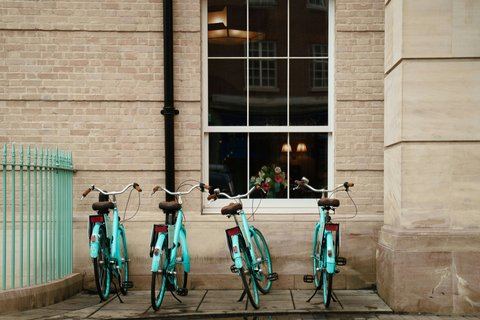
University Arms
Regent Street, overlooking Parker's Piece
from £210/night
 8.8
8.8
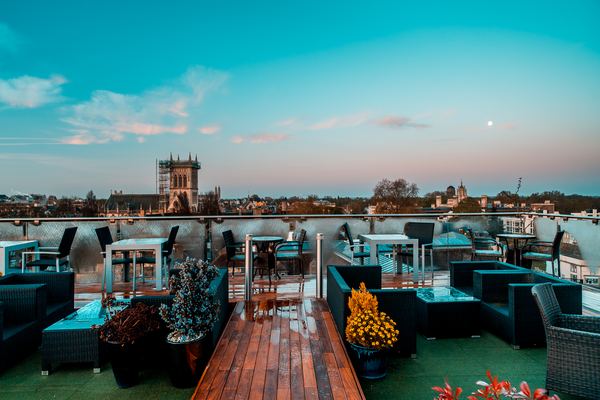
The Varsity Hotel & Spa
Thompson's Lane, beside the River Cam
from £180/night
 8.4
8.4
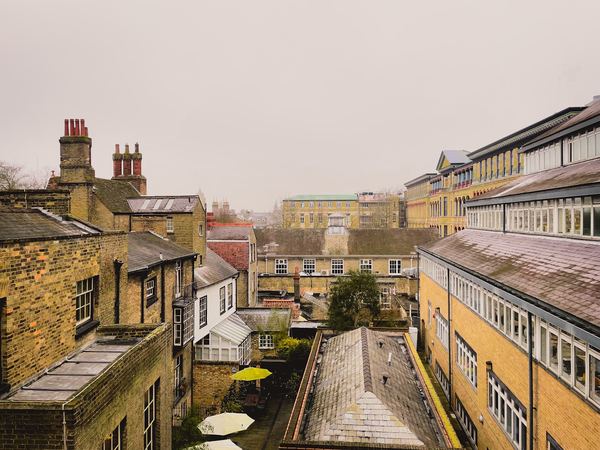
Hotel du Vin & Bistro Cambridge
Trumpington Street, near the Fitzwilliam
from £155/night
 8.6
8.6
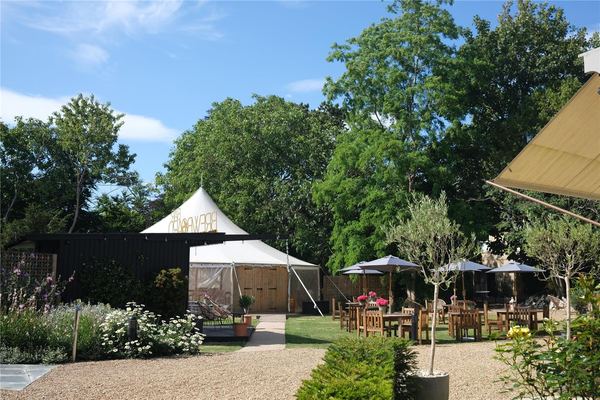
The Gonville Hotel
Gonville Place, facing Parker's Piece
from £135/night
 8.5
8.5
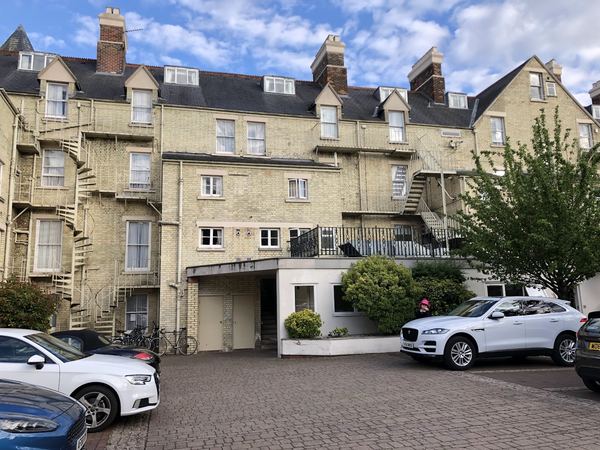
Graduate by Hilton Cambridge
Chesterton Road, on the River Cam
from £165/night
 8.3
8.3
Arundel House Hotel
Chesterton Road, overlooking the Cam
from £95/night
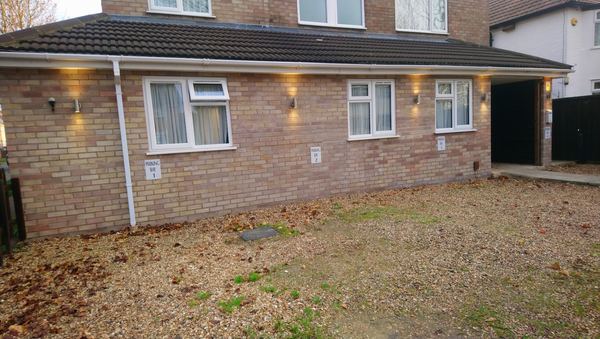
Alder Lodge
116 Kings Hedges Road, Cambridge
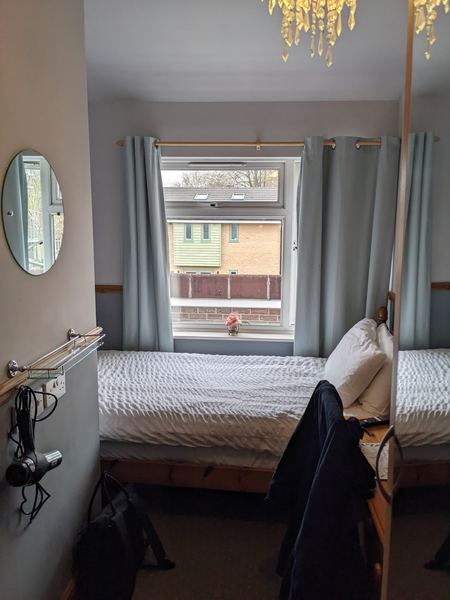
Alington House
293 Cherry Hinton Road, Cambridge
Things to Do in Cambridge(41)
All attractions in Cambridge →Top things to do in Cambridge
Much of what you will want to see sits within a square mile, so plan by mood rather than by map.
- King's College Chapel - the finest late Perpendicular building in England, with the largest fan vault in the world and Rubens' Adoration of the Magi above the altar. Time a visit for choral evensong to hear the choir that sings the Christmas Eve service broadcast worldwide.
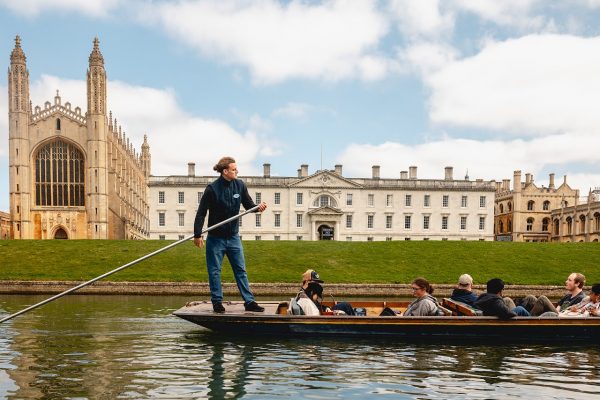
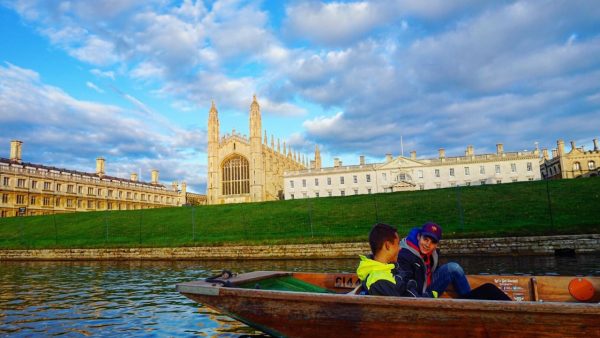
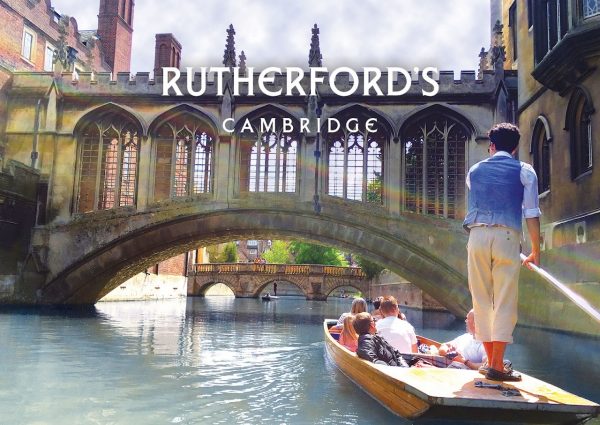
- Punting on the Cam - either take a chauffeured trip along the Backs, gliding under the Bridge of Sighs and the wooden Mathematical Bridge, or hire your own punt and learn the hard way. The quieter upstream route towards Grantchester is the more rural of the two.
- The Fitzwilliam Museum - the university's principal art museum, free to enter, holding antiquities, illuminated manuscripts and paintings by Titian, Monet and Constable behind a colossal classical portico on Trumpington Street.
- Cambridge University Botanic Garden - forty acres of systematic beds, glasshouses, a limestone rock garden and a winter garden planted for scent and bark, created under the influence of John Stevens Henslow, who taught Charles Darwin.
- The Round Church - one of only four surviving round churches in England, built around 1130 and now used to explain the city's history to visitors.
- Great St Mary's tower - climb the 123 steps of the university church for the best rooftop view of the colleges, the market square directly below and the flat country beyond.
- The Polar Museum - the Scott Polar Research Institute's collection of sledges, letters and relics from the Antarctic expeditions of Scott and Shackleton, quietly one of the most affecting small museums in the country.
- A walk to Grantchester - two miles of meadow path along the river to a village of thatched cottages, ending with tea and cake under the apple trees at the Orchard, where Rupert Brooke and his circle sat a century ago.

Where to Eat in Cambridge(6)
All restaurants in Cambridge →Food and drink in Cambridge
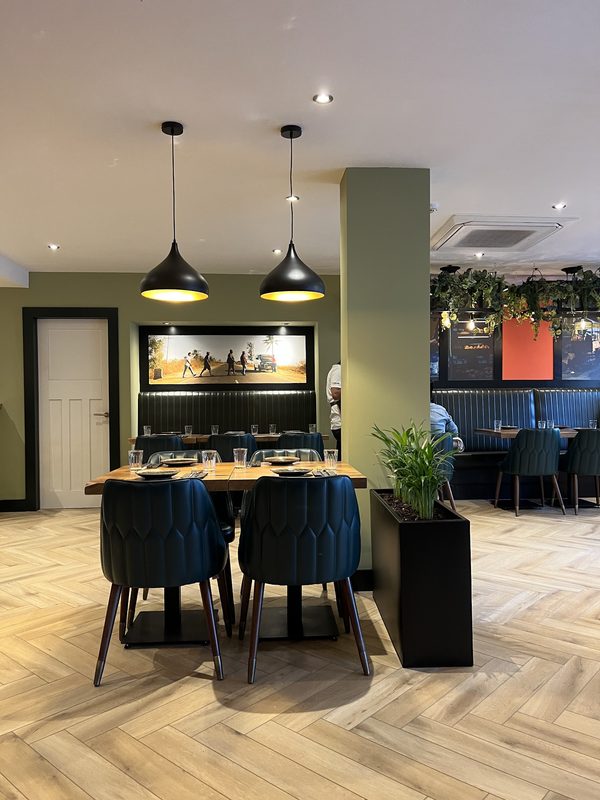
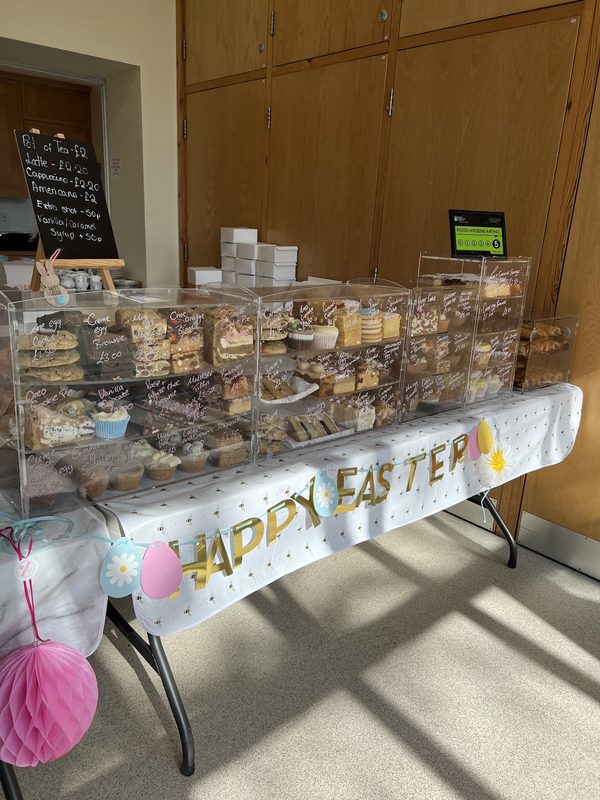
The city's own speciality is the Chelsea bun as made at Fitzbillies on Trumpington Street since 1920 - sticky, heavy with syrup, and worth queueing for. The other local sweet is Cambridge burnt cream, the caramelised custard said to have been served at Trinity College long before the French version became fashionable. For everything else, start at the market on Market Square, open daily, where street food stalls sit alongside cheese, bread, fruit and secondhand books.
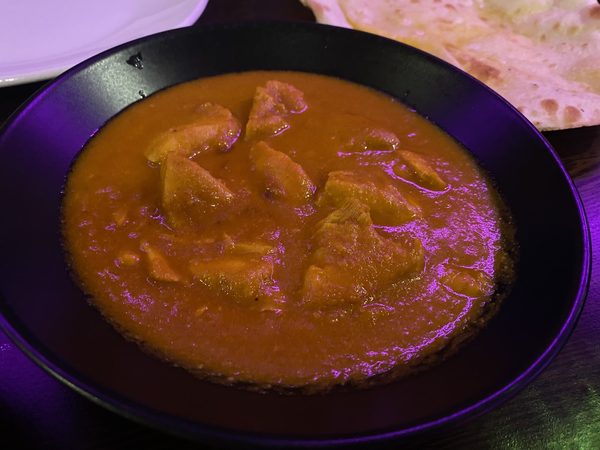
At the top end, Midsummer House sits in a Victorian villa on Midsummer Common and has held two Michelin stars under Daniel Clifford for many years. Restaurant Twenty-Two on Chesterton Road and the vegetarian tasting menus at Vanderlyle are both serious cooking on a smaller scale. Parker's Tavern, in the University Arms, does confident British food in a room modelled on a college hall, and Bistro du Vin on Trumpington Street is reliable for French classics.
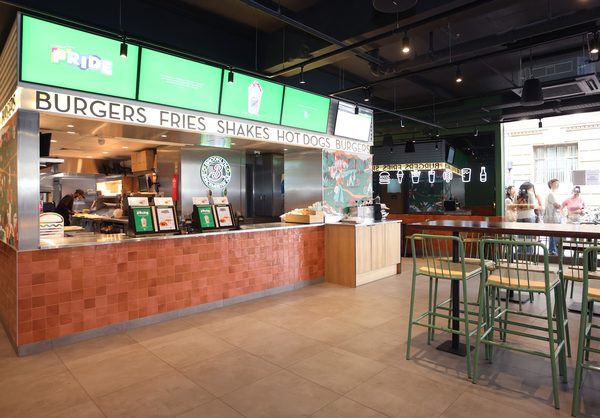
For informal eating, Aromi bakes Sicilian sourdough pizza by the slice and good arancini on Bene't Street, Steak and Honour grills the best burgers in town, and the Cambridge Chop House looks straight at King's while serving pies, chops and suet puddings. Pub-wise, the Eagle on Bene't Street is where Crick and Watson announced the structure of DNA in 1953 and still keeps the RAF bar ceiling signed by wartime airmen; the Free Press near Jesus Green is tiny, quiet and mobile-free by tradition; and the Cambridge Blue on Gwydir Street pours an unusually long list of real ales in a large garden. Out at Grantchester, the Green Man and the Rupert Brooke make good ends to a riverside walk.

Attractions Near Cambridge
All attractions in Cambridge →Worth the trip — within 50 miles of Cambridge.
 3 mi
3 mi
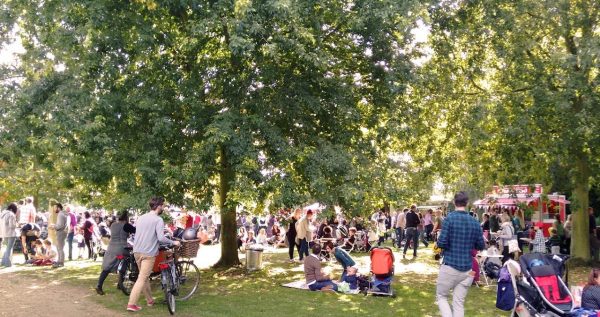
Milton Country Park
Milton · ⭐ 4.4
 4 mi
4 mi
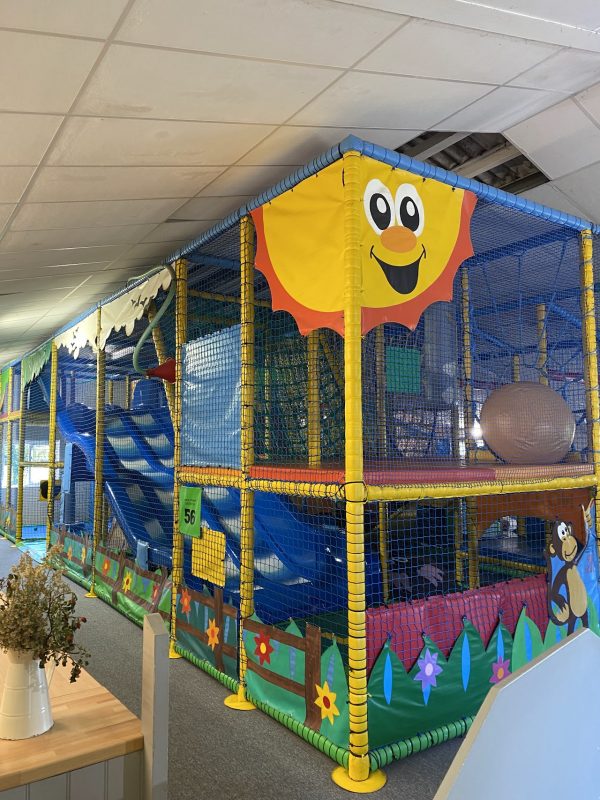
Cheeky Monkeys Play Barn
Fulbourn · ⭐ 4.1
 6 mi
6 mi
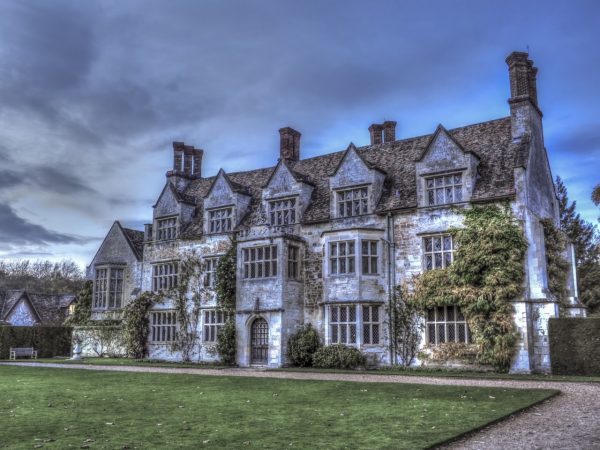
Anglesey Abbey
Lode · ⭐ 4.7
 7 mi
7 mi
Shepreth Wildlife Park
Royston · ⭐ 4.5
 8 mi
8 mi
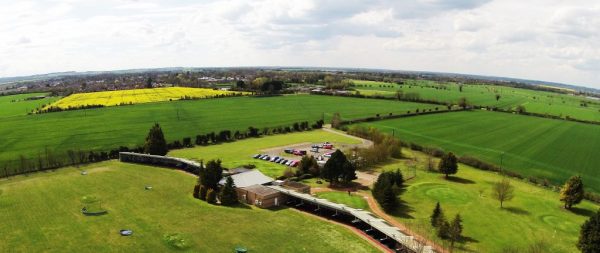
Kingsway Royston
Robroyston · ⭐ 4.5
Wimpole Estate
Royston · ⭐ 4.6
 10 mi
10 mi
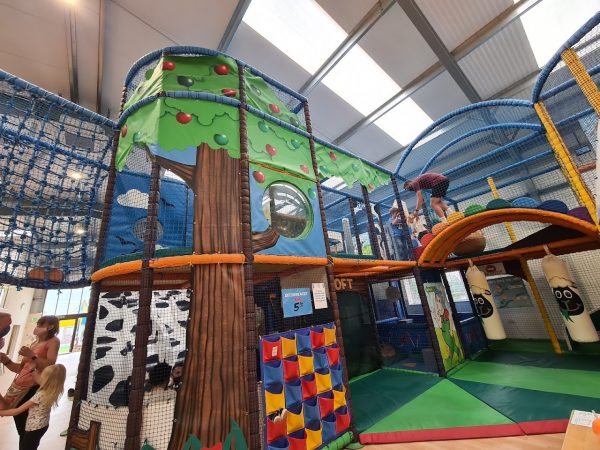
Bury Lane Fun Barn
Royston · ⭐ 4.5
 10 mi
10 mi
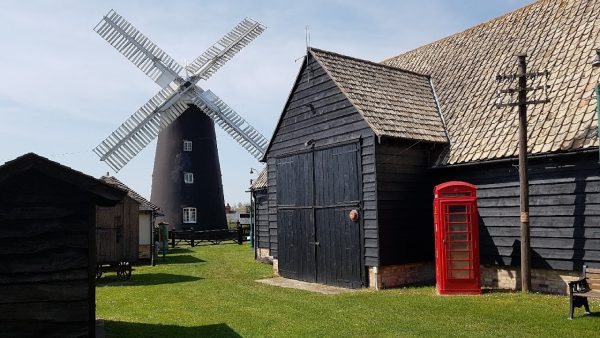
Burwell Museum
Burwell · ⭐ 4.8
Camping in Cambridge(10)
All campsites in Cambridge →About camping in Cambridge
Cambridge itself has no campsite - the city is too compact and too built up for one - so camping here means basing yourself in the surrounding countryside and travelling in. That is less of a compromise than it sounds. The villages west and north of the city sit five to fifteen miles out on flat, easy roads, several have a bus route or a park and ride site within reach, and the cycling is exceptionally good: this is some of the flattest terrain in England, with quiet lanes and traffic-free paths such as the guided busway track from St Ives.
The land around Cambridge is gently undulating chalk to the south and west, giving way to true fenland to the north, where the ground is black peat and sits at or below sea level. Pitches are almost always level and drain reasonably, but the fen edge is open country with very few hedges or trees, so wind matters more than rain when you are choosing a spot. Ask for a pitch with some shelter if the forecast is breezy.
The weather is otherwise kind. Cambridgeshire is the driest county in England, with annual rainfall around 550 to 600mm, and summer temperatures here are regularly the highest recorded in the country. That makes for excellent camping in July and August but also for genuinely hot tents in the afternoon, so shade is worth having. The trade-off comes in winter and early spring, when the same lack of shelter and the proximity of the North Sea bring hard easterly winds and cold clear nights.
Wild camping is not legal in England without the landowner's permission, and there is no equivalent of the Scottish right to roam, so all camping around Cambridge must be on a proper site or with explicit consent. Most parks in the area open from March or April to October, though one or two of the hardstanding sites stay open all year for caravans and motorhomes. May, June and September are the best months: long days, warm ground, and no competition for pitches from the summer festival crowds.
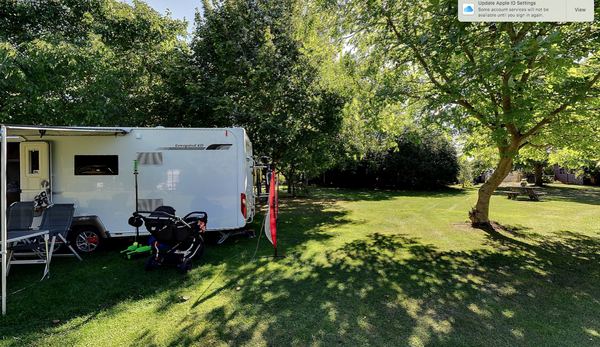
Bounds Certificated Site
⭐ 4.8
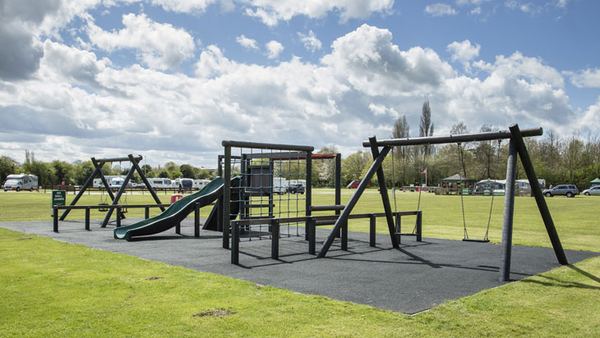
Cambridge Camping and Caravanning Club Site
⭐ 4.5 · from £33/night
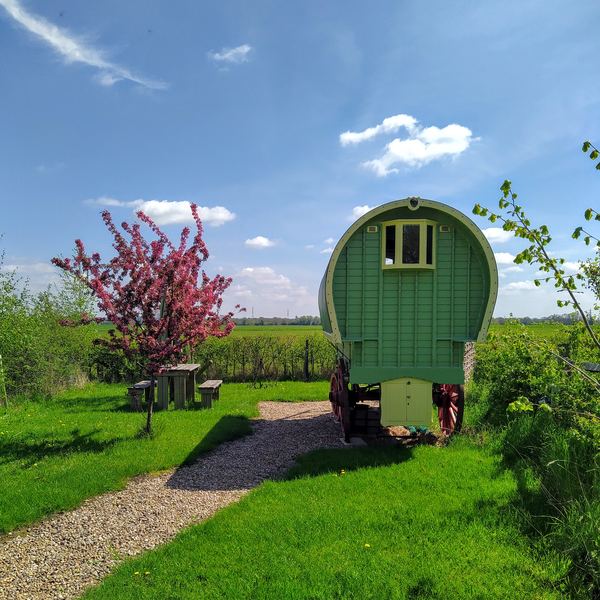
Gayton Farm
⭐ 4.9 · from £150/night
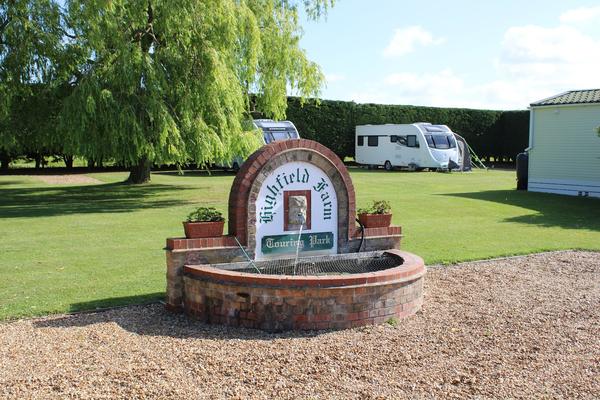
Highfield Farm Touring Park
⭐ 4.7 · from £24/night
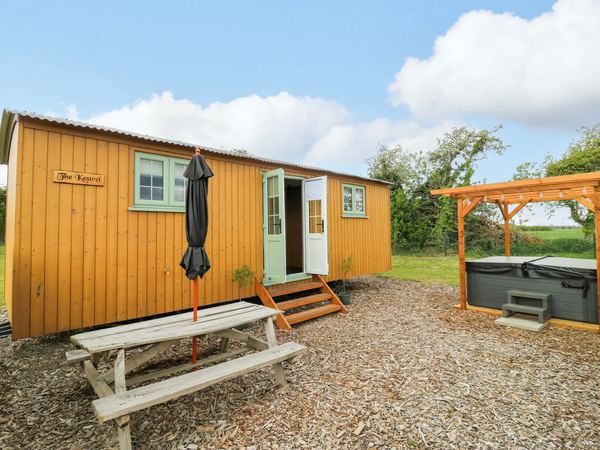
Lodeside Glamping
⭐ 5.0
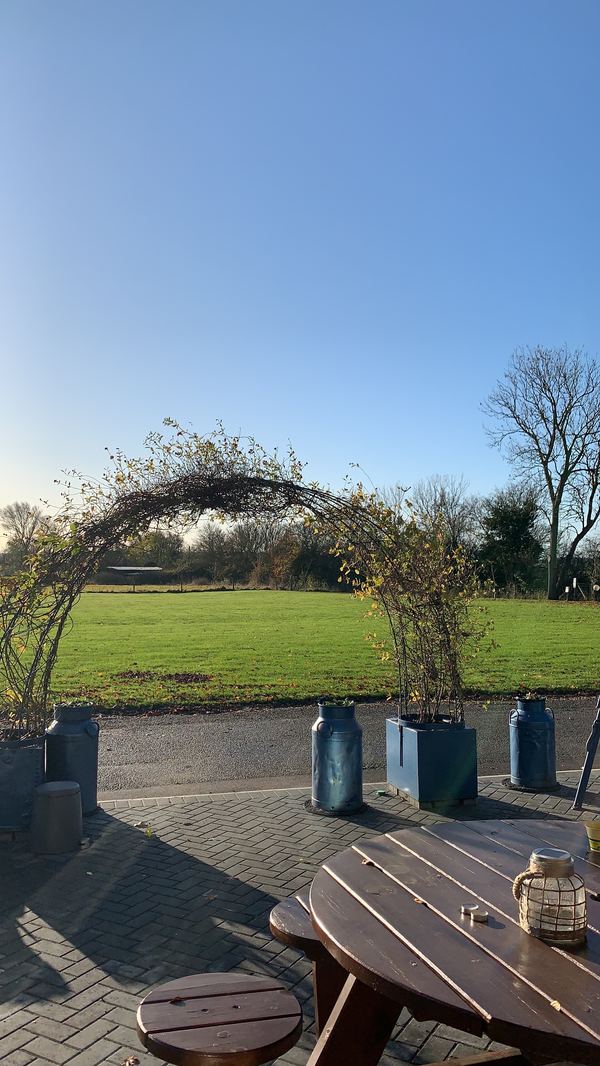
Orchard Farm Certificated Site
⭐ 4.3
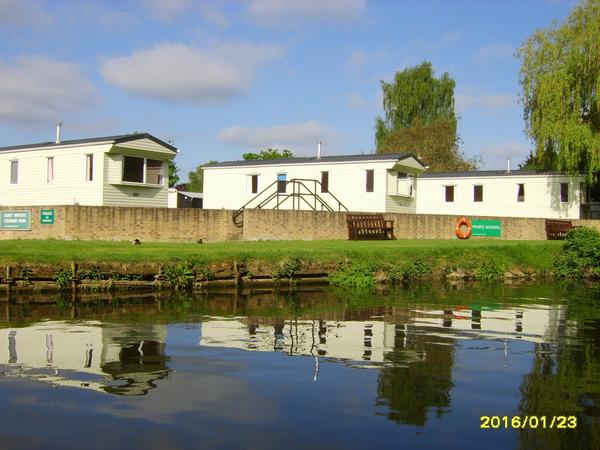
Quiet Waters Caravan Park
⭐ 4.6 · from £30/night
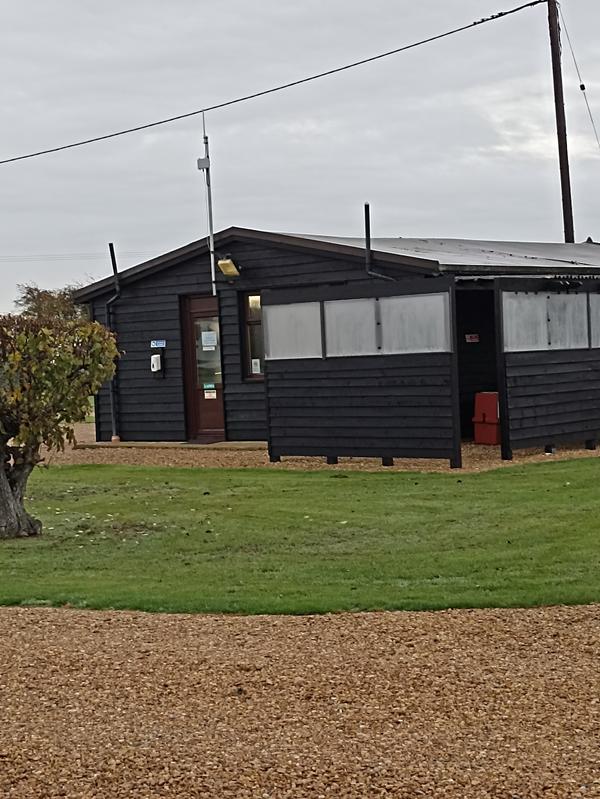
Roseberry Tourist Park
⭐ 4.6 · from £24/night
Self-Catering Cottages in Cambridge
All cottages in Cambridge →The Pink Cottage
3 bed · sleeps 6 · from £637
The Old Smithy
3 bed · sleeps 6 · from £1,218
Sunnyfields
2 bed · sleeps 4 · from £747
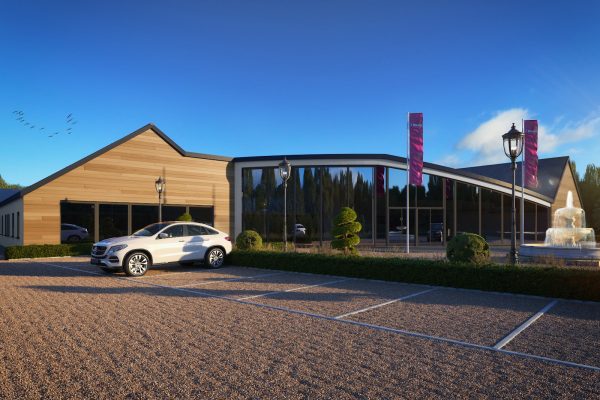
Bourn Luxury Lodge
2 bed · sleeps 4
The Lodge
2 bed · sleeps 4 · from £884
Hill Farm Cottage
2 bed · sleeps 4 · from £581
Millers Rest
1 bed · sleeps 2 · from £523
Bluebell Lodge
1 bed · sleeps 2 · from £752
Common questions about Cambridge
How many campsites are there in Cambridge?
We list 10 campsites in and around Cambridge, of which 9 take tents and 4 offer glamping.
Are there dog-friendly campsites in Cambridge?
Yes — 8 of the 10 campsites we list in Cambridge accept dogs, including Lodeside Glamping and Gayton Farm.
Which campsites in Cambridge have electric hook-up?
6 of the 10 campsites we list in Cambridge offer an electric hook-up.
Where can I stay in Cambridge?
We list 81 hotels, B&Bs and guest houses in and around Cambridge. Prices start from around £95 a night.
What is there to do in Cambridge?
We list 41 attractions and things to do in and around Cambridge.
Where can I eat in Cambridge?
We list 6 restaurants, pubs and cafes in and around Cambridge.