Cheltenham
Regency elegance on the edge of the Cotswolds
Photo © EWA Stanska, Google Maps
Cheltenham sits where the flat Severn Vale meets the western scarp of the Cotswolds, and that position has shaped almost everything about it. The town grew rich in the eighteenth century on the strength of a mineral spring discovered in a field, and the spa boom that followed left it with the widest, most consistently handsome collection of Regency architecture in England: cream stucco terraces, wrought-iron balconies, and squares laid out around ordered gardens. Unlike many spa towns that have since faded, Cheltenham kept its confidence, and today the same streets hold independent boutiques, festival crowds and a working racecourse alongside the listed buildings.
The town has a habit of doing one thing very well at a time. In March it is horse racing, when the Cheltenham Festival brings hundreds of thousands of visitors for the Gold Cup and the pubs run out of stout by lunchtime. In spring and autumn it is the Cheltenham Jazz Festival, Science Festival and Literature Festival, each drawing a different crowd into the same Regency squares. Outside festival weeks, Cheltenham settles into a quieter rhythm of morning coffee on the Promenade, gallery visits and walks up onto the hills, which is when its Regency bones are easiest to appreciate.
Just beyond the last terraced street, the ground tilts upward into Cotswold beech woods and open grassland, and the contrast is part of the appeal: a town built for taking the waters with genuine hill country on its doorstep. Cheltenham makes a sensible base for exploring the northern Cotswolds without the tourist density of Bourton-on-the-Water or Stow-on-the-Wold, while still offering a proper choice of restaurants, theatres and shops of its own.
Getting to Cheltenham
Cheltenham Spa station has direct Great Western Railway services from London Paddington, with the fastest journeys taking around two hours; CrossCountry services also connect the town north to Birmingham and south to Bristol and beyond. By road, Cheltenham sits just off the M5 at Junction 10 or 11, with the A40 running east towards Oxford and west towards the Forest of Dean. There is no dedicated Cheltenham airport for scheduled flights; the nearest options are Birmingham and Bristol, both around an hour's drive, with Gloucestershire Airport on the town's own doorstep handling private and charter traffic. Parking in the centre is limited during festival weeks, so several car parks operate park-and-ride arrangements at those times, and it is worth booking ahead if visiting during the Festival or Literature Festival.
Best time to visit Cheltenham
Spring is festival season: the Cheltenham Festival in March fills the town with racing crowds, and the Jazz Festival and Science Festival follow in April and June, so accommodation books up early and prices rise accordingly. Summer brings warm, generally quieter weeks well suited to walking on Cleeve Hill and the surrounding Cotswold escarpment, plus outdoor events in Pittville and Montpellier Gardens. Autumn is a strong choice for anyone wanting Cheltenham without the crowds, with the Literature Festival in October adding a cultural focus and the beech woods above the town turning colour. Winter is quieter still, useful for those chasing off-season hotel rates, though some attractions reduce their hours and the racecourse's biggest meeting does not arrive until the following March.
Where to stay in Cheltenham(62)
All hotels in Cheltenham →About staying in Cheltenham
Cheltenham splits neatly into a handful of areas, and where you stay shapes the trip more than in most towns its size. Base yourself around Montpellier or the Suffolks if walking to restaurants and boutiques matters most, since both sit within a few minutes of the Promenade's shops and wine bars. The town centre, closer to Cheltenham Spa station and the main theatres, suits anyone arriving by train or planning late evenings out, while the quieter streets around Pittville Park offer a greener, more residential base a short walk from the centre. Visitors coming for the Cheltenham Festival in March should book well ahead and expect to look slightly further out, since demand for anything near the racecourse spikes hard that week and prices follow.
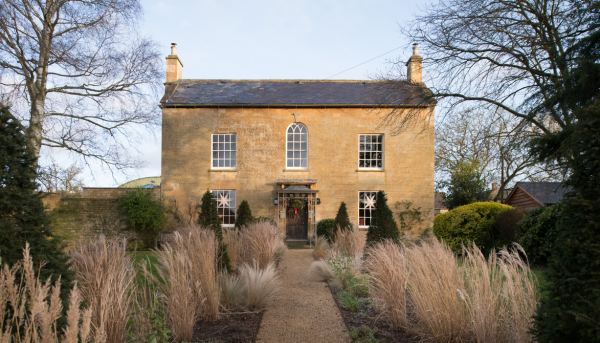
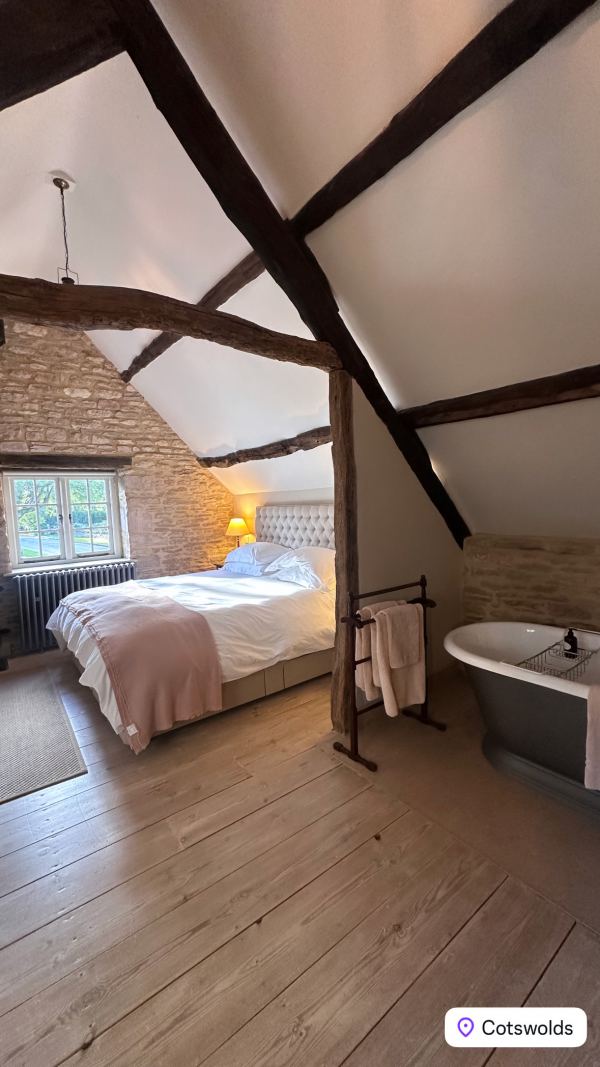
Cheltenham's Regency terraces have given rise to a good number of boutique hotels and characterful guest houses converted from the same townhouses that make the town worth visiting, so a period building is easy to find at most budgets. Those wanting a full-service hotel with spa and dining on site have a reasonable choice on the edge of town, including properties set in their own grounds near the racecourse, while self-catering options are more limited than in the surrounding Cotswold villages. Anyone touring the wider Cotswolds by car may prefer to treat Cheltenham as one stop among several rather than a single base, given how close Winchcombe, Bourton-on-the-Water and the Cotswold escarpment villages all sit.
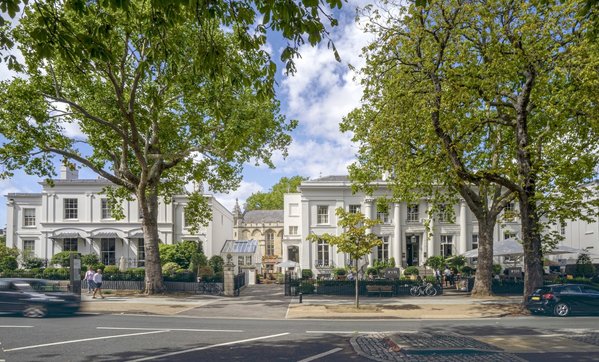 8.8
8.8
No.131 Cheltenham
The Promenade, town centre
from £199/night
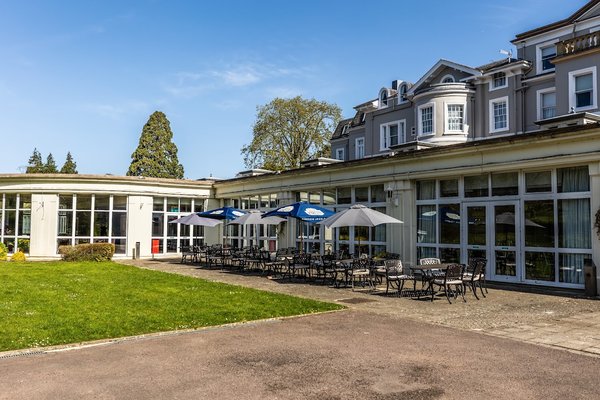 8.1
8.1
Cheltenham Park Hotel
Charlton Kings, edge of town
from £129/night
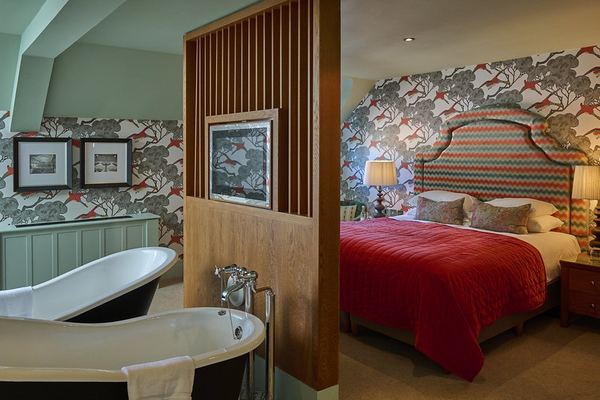 8.4
8.4
Hotel du Vin Cheltenham
Parabola Road, near the town centre
from £139/night
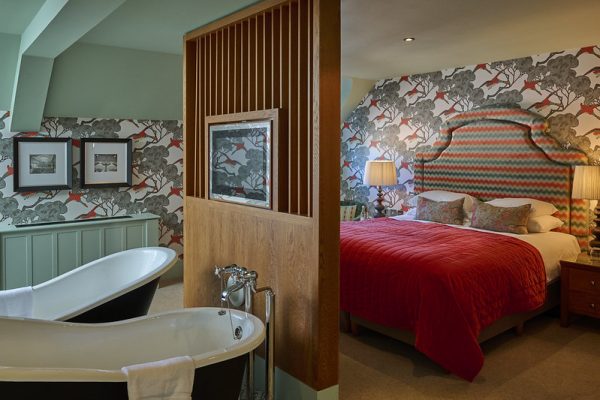 7.9
7.9
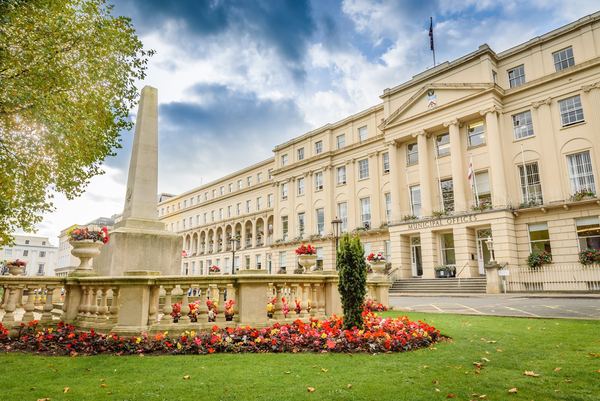
voco Cheltenham Spa
The Promenade, town centre
from £109/night
 7.8
7.8
Best Western Plus Cheltenham Regency Hotel
Gloucester Road, west of the centre
from £89/night
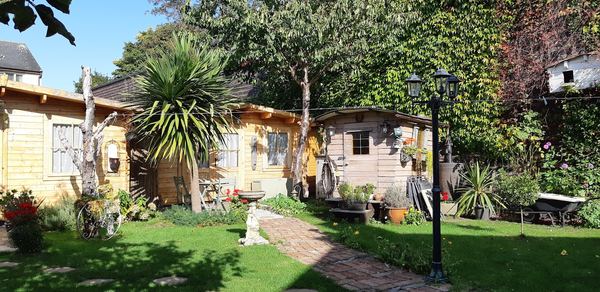
Alice Guest House
141 Swindon Road, Cheltenham
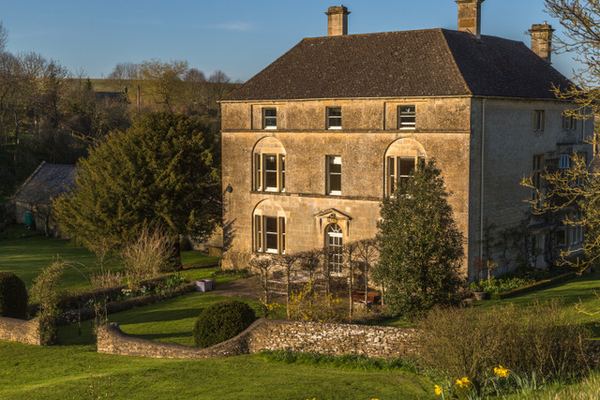
Aylworth Manor
Aylworth, Cheltenham
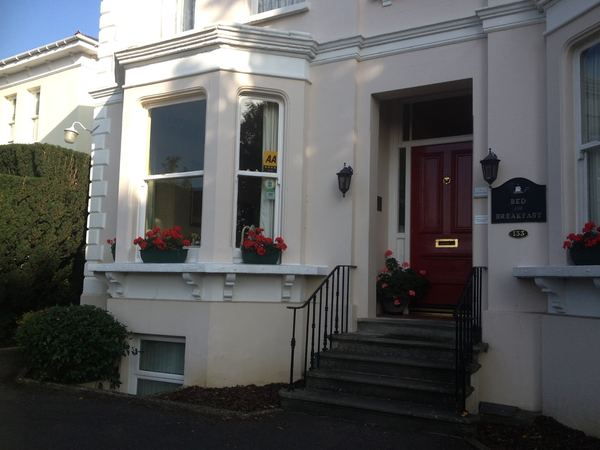
Badger Towers
133 Hales Road, Cheltenham
Things to Do in Cheltenham(14)
All attractions in Cheltenham →Top things to do in Cheltenham
Cheltenham rewards a slow walk as much as a planned itinerary, but these are the names worth building a visit around.
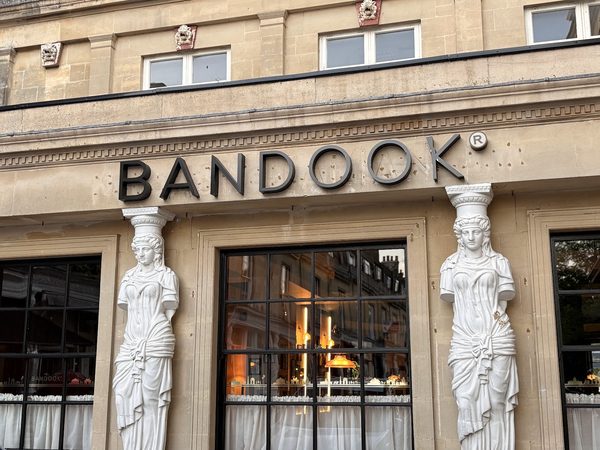
- The Promenade and Montpellier - the town's grandest Regency street and its adjoining quarter of independent boutiques, caryatid-fronted terraces and pavement cafes.
- Cheltenham Racecourse - home to the Cheltenham Festival and the Gold Cup each March, and open for tours, weddings and other events for the rest of the year.
- The Wilson (Cheltenham Art Gallery & Museum) - a well-regarded museum covering Arts and Crafts furniture, Regency history and the town's connection to the Cotswolds.
- Holst Birthplace Museum - the Victorian terraced house where composer Gustav Holst was born, restored with servants' quarters and period rooms.
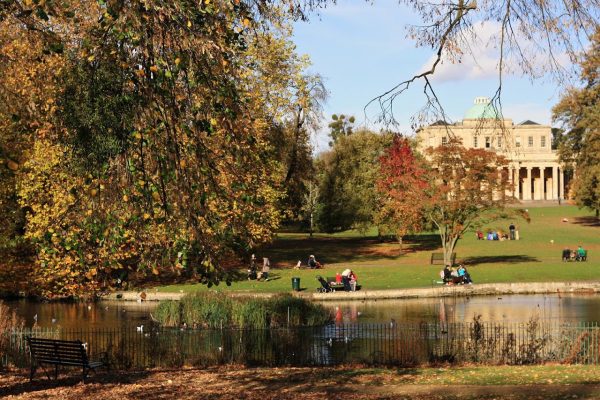
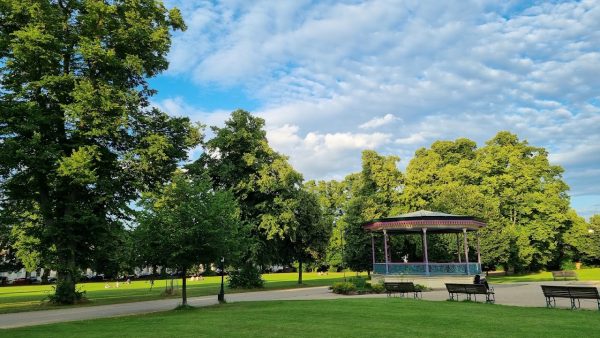
- Pittville Park and Pump Room - the largest of Cheltenham's parks, built around a Greek Revival pump room where the original spa water can still be sampled.
- Gloucestershire Warwickshire Steam Railway - a heritage line running steam and diesel services between Cheltenham Racecourse and Broadway through Cotswold countryside.
- Sudeley Castle and Gardens - a short drive away near Winchcombe, with royal history stretching back to Catherine Parr and gardens open through the summer.
- Cleeve Hill - the highest point of the Cotswolds, a short drive from the centre, with open access land and views back across the Severn Vale.
Where to Eat in Cheltenham(95)
All restaurants in Cheltenham →Food and drink in Cheltenham
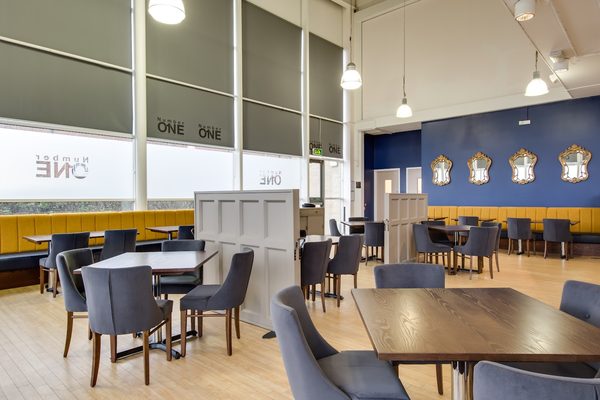
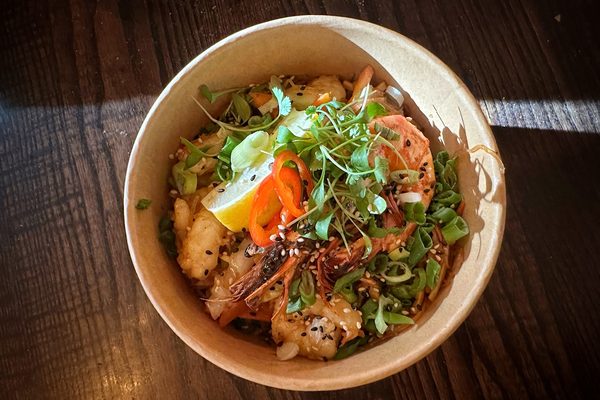
Cheltenham's food scene has grown well beyond its spa-town origins, with a strong run of independent restaurants concentrated around the Suffolks and Montpellier districts. The Suffolks in particular has become known for its cluster of small, chef-led restaurants and wine bars, while the Brewery Quarter offers a more casual mix of chains and bars around a cinema and bowling complex. Cheltenham's food and drink festival takes over the town in June, bringing together local producers, chefs and street food stalls. For regular shopping, the Regency Arcade and the twice-weekly farmers' market on the Promenade are good sources of Cotswold cheese, meat and baked goods, and several long-standing tea rooms still serve a traditional Cheltenham-style afternoon tea in the Regency squares.
Attractions Near Cheltenham
All attractions in Cheltenham →Worth the trip — within 50 miles of Cheltenham.
Hunt Fun Evesham
Evesham · ⭐ 4.0
 4 mi
4 mi
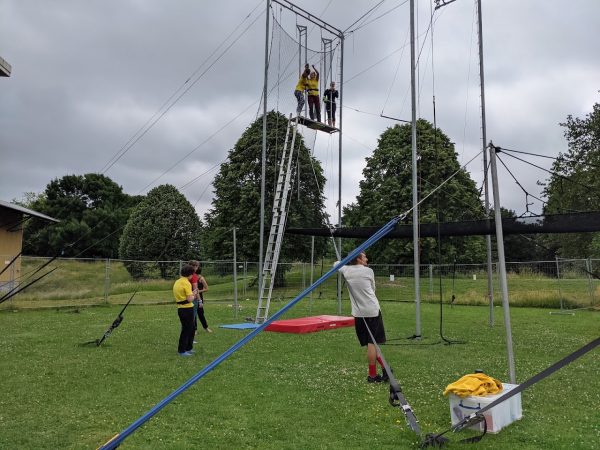
All Bars Flying Trapeze Club
Bentham · ⭐ 5.0
 4 mi
4 mi
Jet Age Museum
Gloucester · ⭐ 4.9
 4 mi
4 mi
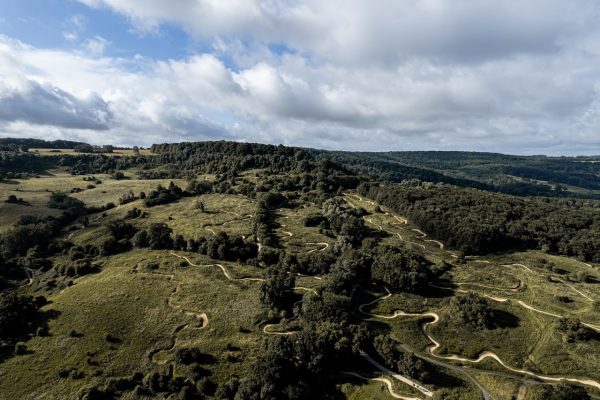
Flyup 417 Bike Park
Gloucester · ⭐ 4.7
 4 mi
4 mi
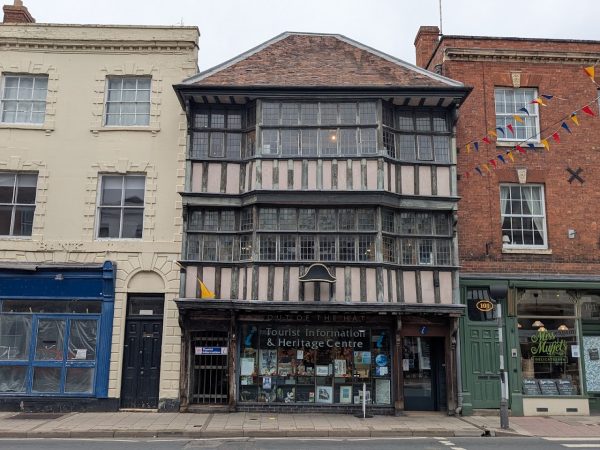
Tewkesbury Treasure Hunt Trail
Tewkesbury · ⭐ 4.9
 6 mi
6 mi
Tenpin Gloucester
Gloucester · ⭐ 4.0
 6 mi
6 mi
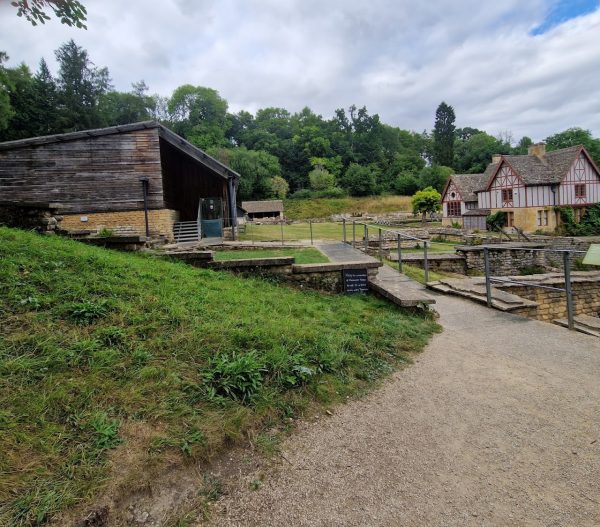
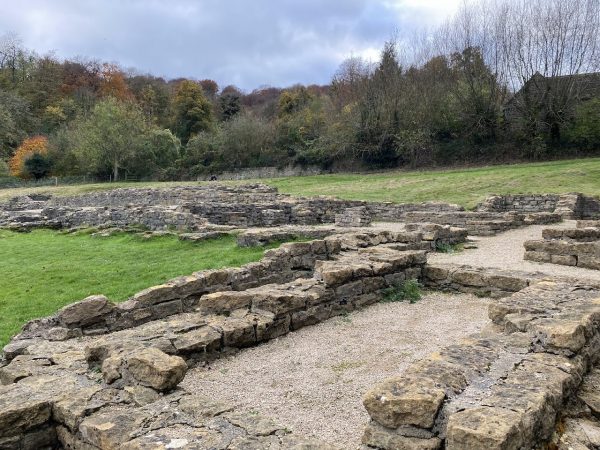
Great Witcombe Roman Villa
Great Witcombe · ⭐ 4.3
 6 mi
6 mi
Nature in Art
Twigworth · ⭐ 4.3
Camping in Cheltenham(13)
All campsites in Cheltenham →About camping in Cheltenham
Cheltenham itself is a built-up spa town with no campsites within its boundaries, so anyone wanting to camp needs to look just beyond the ring road, out towards Bishops Cleeve, Tewkesbury or the racecourse fringes. The terrain here is gentler than the Cotswold hills further east: rolling vale farmland and the flat, willow-lined ground near the Rivers Severn and Avon around Tewkesbury, rather than the steep scarp slopes above the town. That makes for easier walking and cycling from a tent, with Cleeve Hill and the Cotswold Way still within reach by car or bike for those wanting a proper climb.
Wild camping has no general legal right in England, Gloucestershire included, so pitching without landowner permission is not advised anywhere around Cheltenham; the touring parks and Club sites listed here are the reliable, legitimate option. Spring through early autumn is the practical camping season, with April to September offering the driest ground and the longest daylight, though the vale's clay-heavy soil can turn heavy after wet spells so early spring bookings are worth checking with the site first. Anyone timing a visit around the Cheltenham Festival in March should note that nearby sites, including the Racecourse's own Club site, get booked out well in advance and are not really a winter camping option in any case.
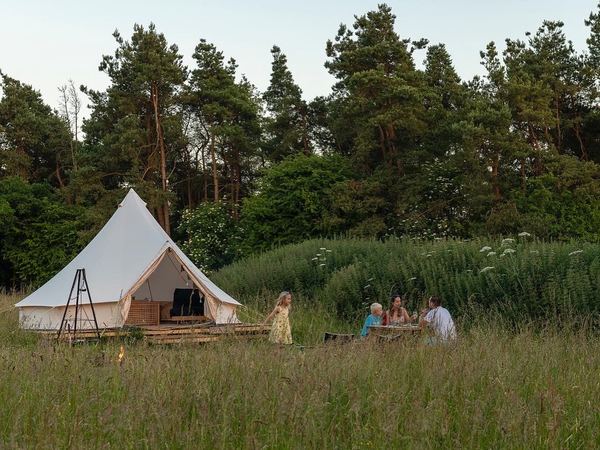
Big Skies - Cotswold Glamping
⭐ 4.9
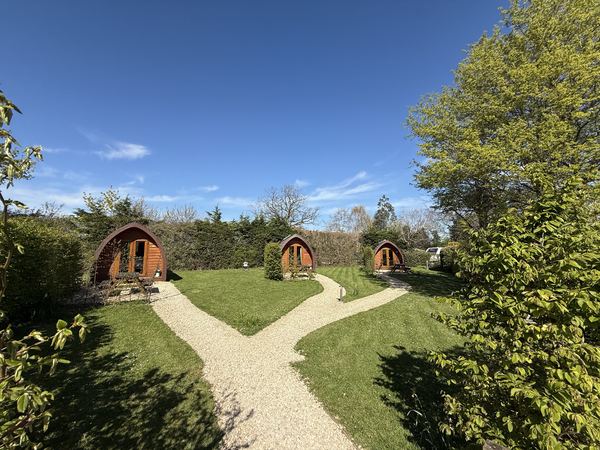
Briarfields Motel and Touring Caravan Park
⭐ 4.7 · from £35/night
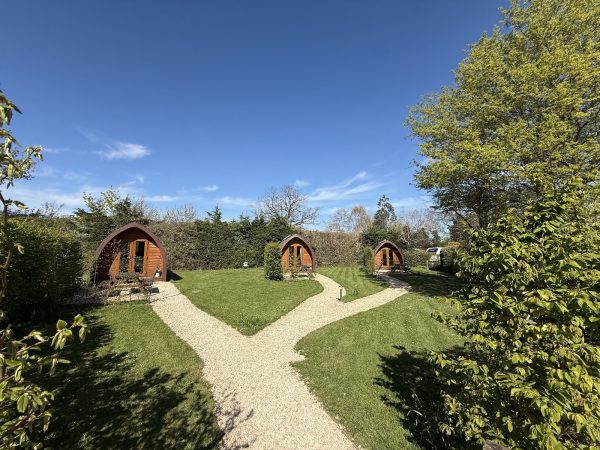
Briarfields Touring Park
⭐ 4.7 · from £35/night
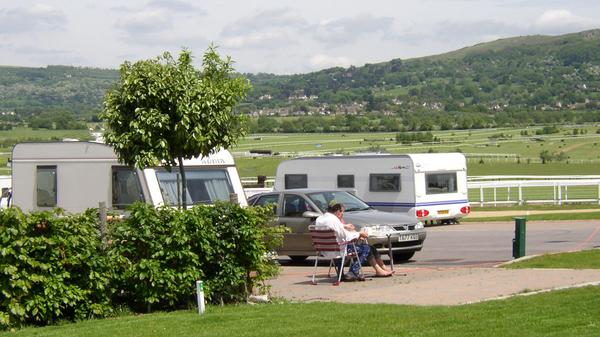
Cheltenham Racecourse Camping and Caravanning Club Site
⭐ 4.4 · from £20/night
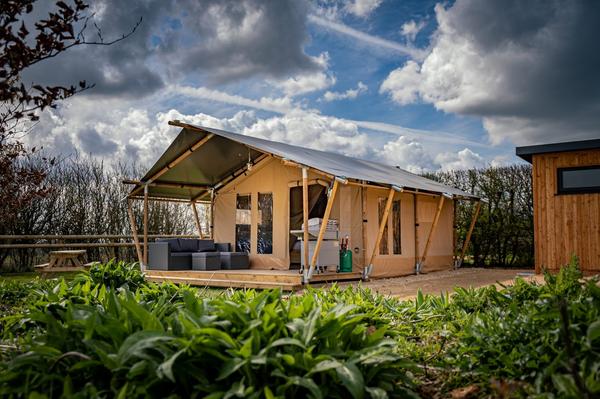
Cotswold Farm Park Campsite
⭐ 4.6 · from £28/night
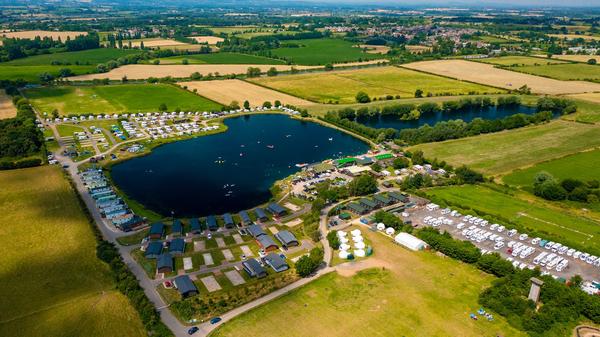
Croft Farm Waterpark
⭐ 4.4 · from £24/night
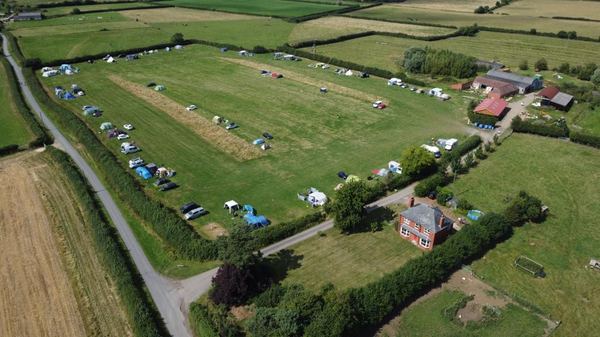
Elmwicke Campsite
⭐ 4.9 · from £28/night
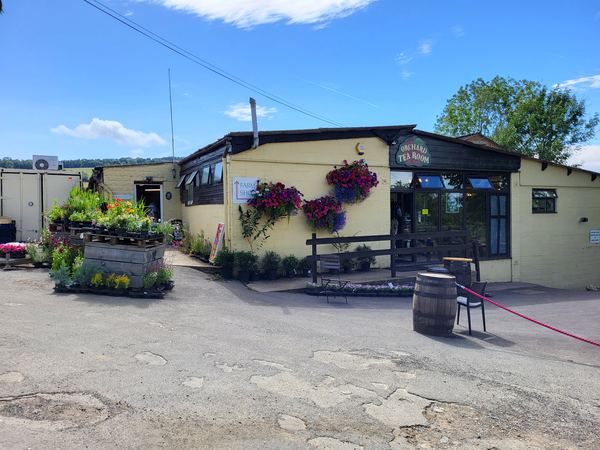
Hayles Fruit Farm
⭐ 4.6
Self-Catering Cottages in Cheltenham(9)
All cottages in Cheltenham →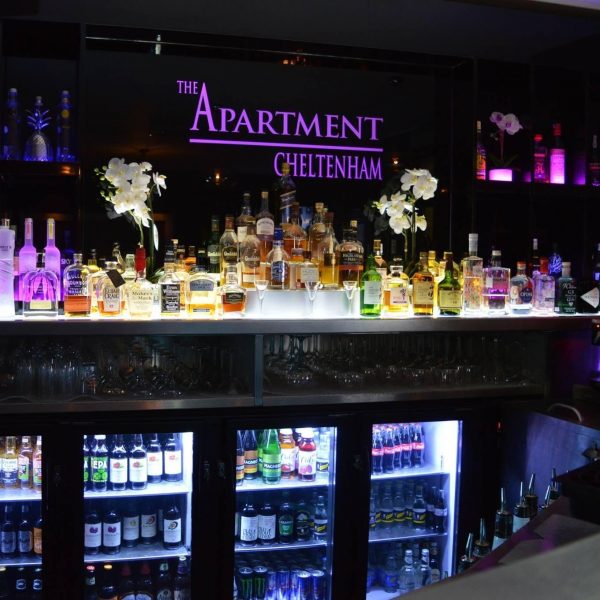
The Cheltenham Apartment
2 bed · sleeps 4
Bailey Studio Apartment
1 bed · sleeps 2 · from £714
Beale Apartment
1 bed · sleeps 2 · from £797
Cheltenham Snug
1 bed · sleeps 2
Cosy Cotswolds House
4 bed · sleeps 8 · from £887
Hamilton Apartment
1 bed · sleeps 2 · from £797
Holst Apartment
1 bed · sleeps 2 · from £797
Sinatra Villa
8 bed · sleeps 16 · from £5,235
Common questions about Cheltenham
How many campsites are there in Cheltenham?
We list 13 campsites in and around Cheltenham, of which 12 take tents and 8 offer glamping.
Are there dog-friendly campsites in Cheltenham?
Yes — 10 of the 13 campsites we list in Cheltenham accept dogs, including Big Skies - Cotswold Glamping and Elmwicke Campsite.
Which campsites in Cheltenham have electric hook-up?
11 of the 13 campsites we list in Cheltenham offer an electric hook-up.
How many holiday cottages are there in Cheltenham?
We list 9 self-catering cottages in and around Cheltenham.
Can I take a dog to a holiday cottage in Cheltenham?
Yes — 4 of the 9 Cheltenham cottages we list allow pets.
Are there large holiday cottages in Cheltenham for groups?
Yes — the largest cottage we list in Cheltenham sleeps 16.
Where can I stay in Cheltenham?
We list 62 hotels, B&Bs and guest houses in and around Cheltenham. Prices start from around £89 a night.
What is there to do in Cheltenham?
We list 14 attractions and things to do in and around Cheltenham.
Where can I eat in Cheltenham?
We list 95 restaurants, pubs and cafes in and around Cheltenham.