Coniston
Fell, lake and speed-record history in the quiet west
Photo © Mark Brown, Google Maps
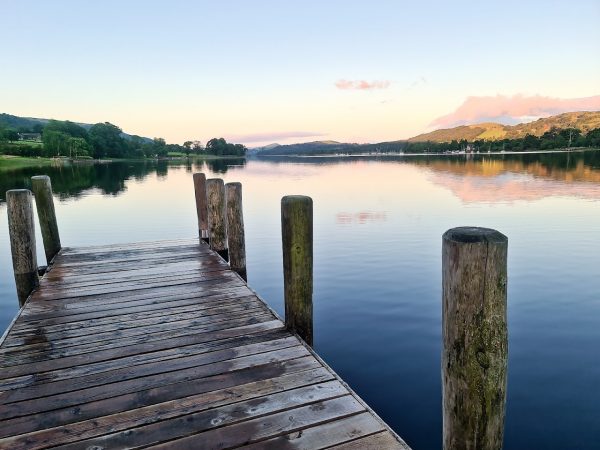
Coniston sits at the foot of the Old Man of Coniston, tucked against the northern tip of Coniston Water in the western Lake District. It is smaller and quieter than Windermere or Ambleside, a working village of slate-built cottages, copper-mining history and boat sheds rather than a purpose-built resort, and that gives it a different character: fell walkers heading for the summit ridge, sailors and paddleboarders on the lake, and visitors tracing the story of the artist John Ruskin and the water speed ace Donald Campbell.
The village grew up around slate quarrying and copper mining, industries whose scars are still visible on the fellside above the village, and whose spoil heaps and levels now form part of the walking routes onto the Old Man. Coniston Water itself is the third-largest lake in the Lake District, five miles long and free of speed restrictions in parts, which is why it became the venue for a string of water speed record attempts through the twentieth century. That history, together with the surrounding fells and the National Trust's Ruskin properties, is what draws most visitors here today.
Getting to Coniston
Coniston lies on the A593, roughly nine miles from Ambleside and eight miles from Hawkshead, in the western part of the national park away from the M6 corridor. There is no railway station in the village; the nearest mainline stations are at Windermere (about 20 minutes by car) and Ulverston, both on lines connecting to the West Coast Main Line. Stagecoach and local bus services link Coniston to Ambleside, Hawkshead and Windermere, though services are limited compared with the eastern lakes, and a car makes exploring the surrounding valleys and fells considerably easier. Coniston also sits on the Cumbria Way, the long-distance footpath between Ulverston and Carlisle, so many visitors arrive on foot as part of a longer walk.
Best time to visit Coniston
Late spring through early autumn, roughly May to September, brings the most settled weather for fell walking and for getting out on the lake, with June and July offering the longest daylight for a full ascent of the Old Man. Coniston is quieter than the central lakes even in summer, though the village and its car parks still fill on fine weekends. Autumn brings colour to the fells and valley woodland and thinner crowds, while winter turns the Old Man into a serious mountain outing requiring proper equipment, though the village itself, its pubs and the Ruskin Museum stay open year-round.
Where to stay in Coniston(8)
All hotels in Coniston →About staying in Coniston
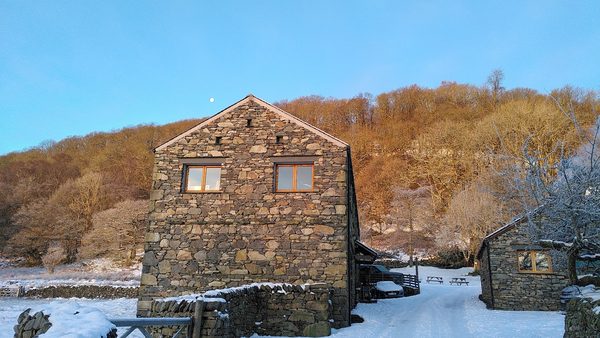
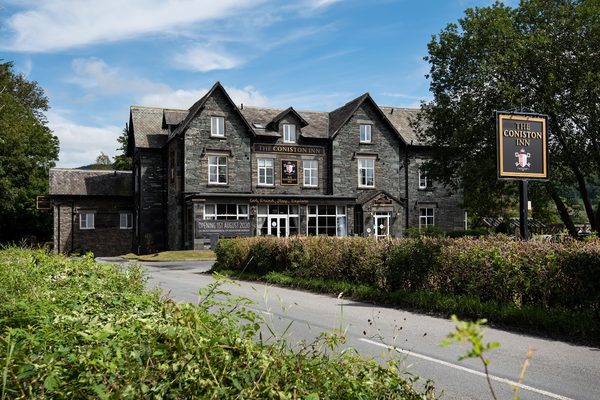
Coniston makes a good base for exploring the quieter, western side of the Lake District, with hotels and inns ranging from traditional coaching houses in the village centre to lakeside properties looking out over Coniston Water toward the Old Man. The Black Bull Inn and the Sun Inn are both long-established coaching inns with rooms above characterful bars, popular with walkers heading up the Old Man of Coniston or along the Coppermines Valley, while the Coniston Inn sits closer to the shore with views over the water. Further afield, country house hotels and farmhouse B&Bs around Torver, Hawkshead and the eastern shore near Brantwood offer a quieter alternative, often within walking distance of the Cumbria Way or the lake itself.
Because Coniston is smaller than Windermere or Ambleside, its hotel stock is more limited, so it is worth booking ahead for peak summer weekends and during walking festivals. Many properties cater specifically to walkers and cyclists, with drying rooms, packed lunches and early breakfasts, reflecting the village's role as a starting point for routes onto the surrounding fells. Dogs are welcomed at many of the village pubs-with-rooms, in keeping with the area's outdoor character. Whichever option you choose, Coniston's compact centre means most hotels are within a short walk of the lake shore, the Ruskin Museum and the village's pubs and cafes, making a car useful for exploring further but not essential once you have arrived.
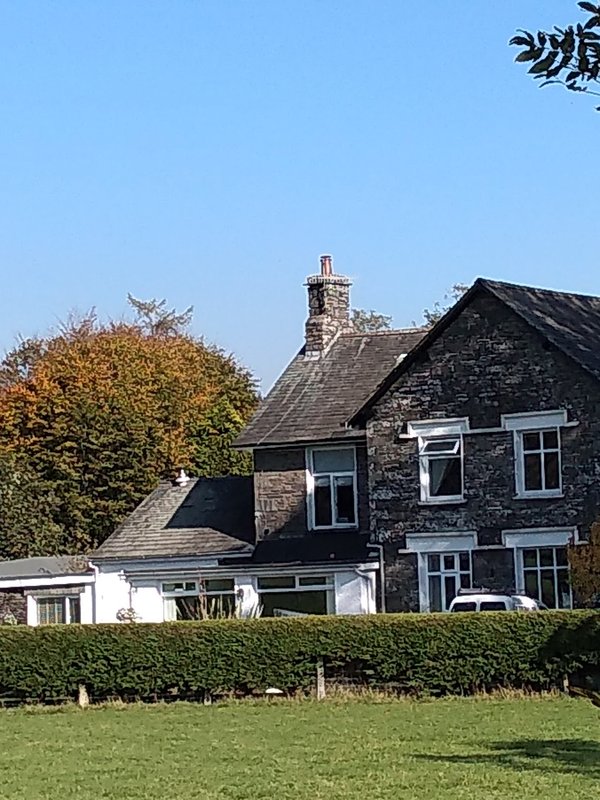
Bluebird Lodge and Waterhead Apartment
Bluebird Lodge, Coniston
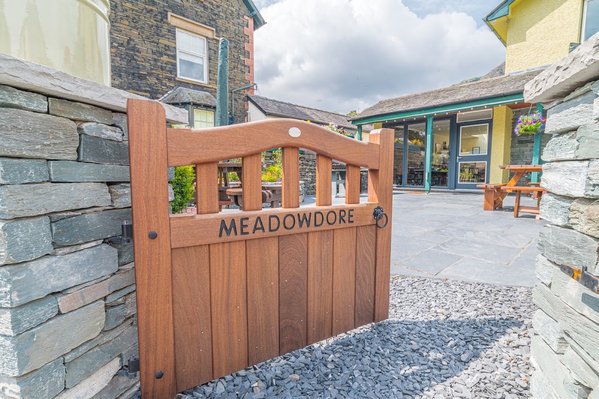
Meadowdore Cafe B&B
Hawkshead Old Road, Coniston
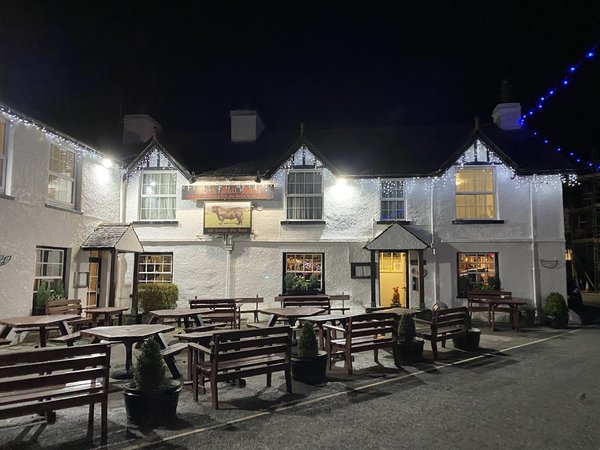
The Black Bull Inn and Hotel
1 Yewdale Road, Coniston
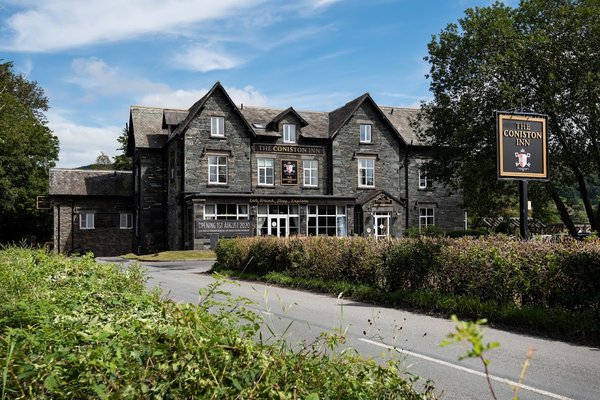
The Coniston Inn
Hawkshead Road, Coniston
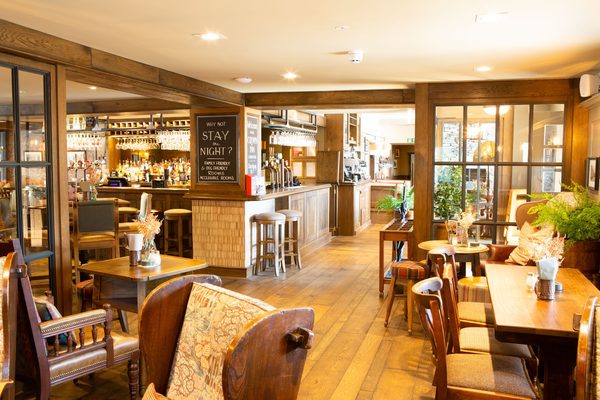
The Crown Inn
Crown Inn, Coniston
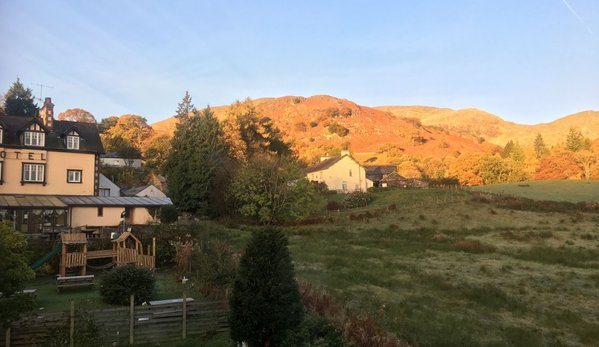
The Sun
Sun Hill, Coniston
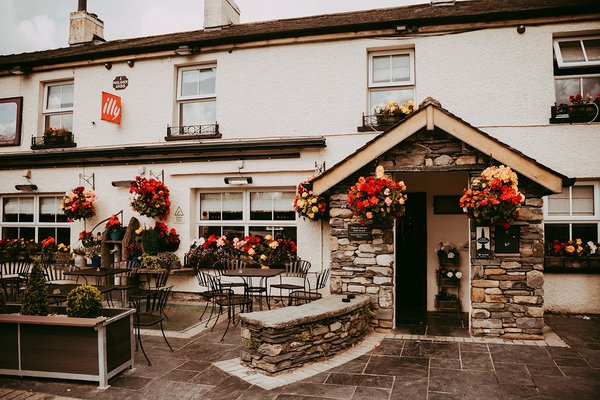
The Wilson Arms
Torver, Coniston
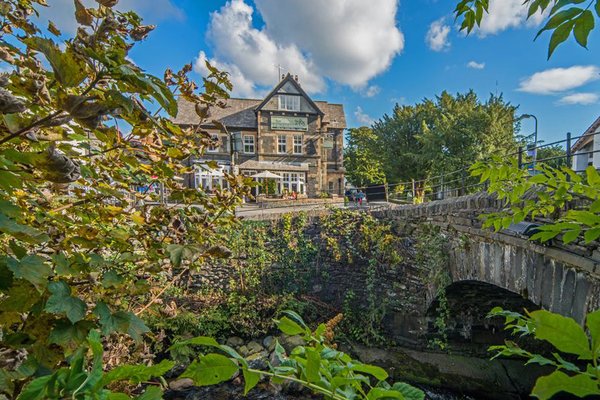
The Yewdale Inn and Hotel
2 Yewdale Road, Coniston
Things to Do in Coniston(1)
All attractions in Coniston →Top things to do in Coniston
Coniston rewards a slower pace than the busier lakes, with most of its attractions within walking distance of the village centre or a short drive around the lake shore.
- Coniston Water — the lake where Donald Campbell set water speed records in the 1950s and 1960s, and where he died in January 1967 attempting to break his own record in Bluebird K7. The National Trust-owned Steam Yacht Gondola, a restored Victorian steam launch, and the Coniston Launch both run trips along the shore.
- The Ruskin Museum — a village museum covering Coniston's copper mining and slate quarrying history, Arthur Ransome's links to the area, and the art and writing of John Ruskin. Since 2024 it has also housed the fully restored Bluebird K7 in a purpose-built wing, following the boat's recovery from the lake bed and decades-long restoration.
- The Old Man of Coniston — the fell that dominates the village skyline, reaching 803 metres. Well-worn paths climb past old quarry workings and the tarns of Low Water and Goat's Water to the summit, with wide views over the lake and out to Morecambe Bay on a clear day.
- Brantwood — John Ruskin's home on the eastern shore of Coniston Water for the last 28 years of his life, now open to the public with its gardens, art collection and views back across the water to the village.
- Tarn Hows — a National Trust beauty spot a couple of miles north-east of the village, a landscaped tarn with an easy circular path and views to the Coniston and Langdale fells.
- Coppermines Valley — the valley behind the village where copper was mined from Elizabethan times into the twentieth century, now a popular walking route past ruined engine houses and spoil heaps toward the higher fells.
Where to Eat in Coniston(9)
All restaurants in Coniston →Food and drink in Coniston
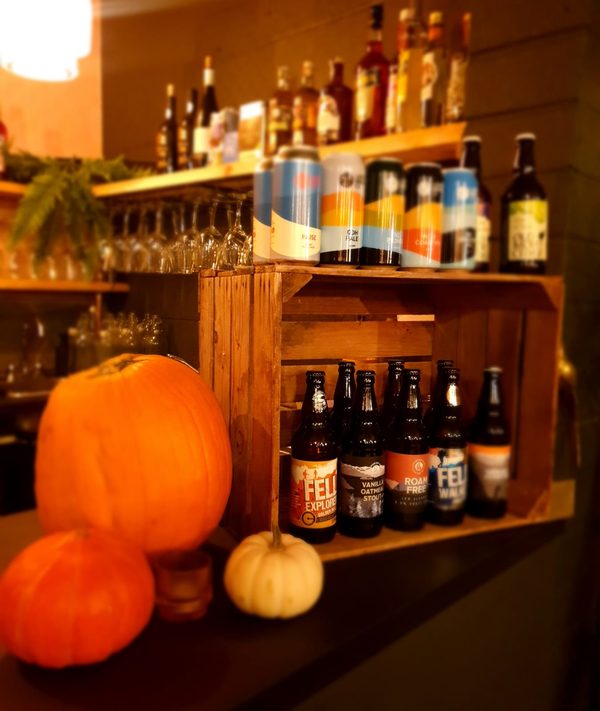
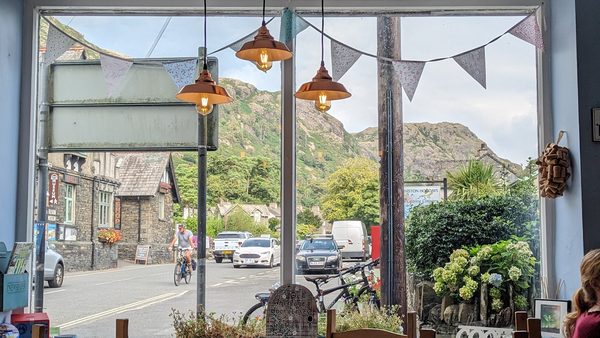
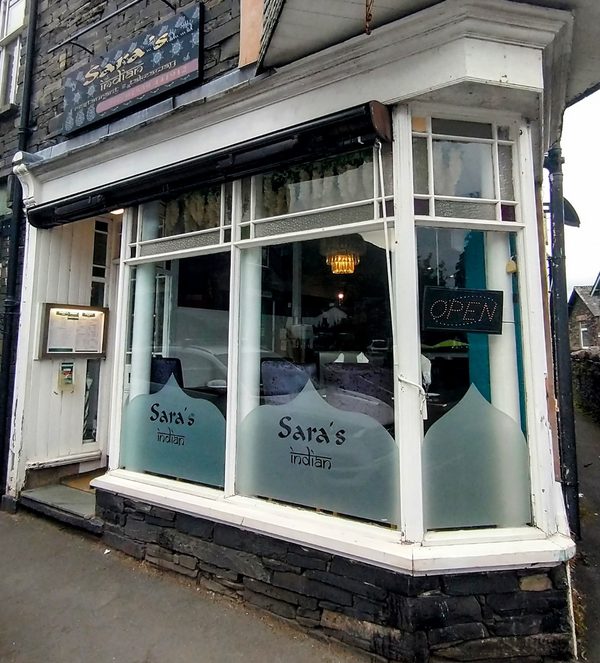
The village has a handful of well-regarded pubs built around its walking and sailing trade. The Black Bull Inn brews its own Coniston Brewery real ales, including the well-known Bluebird Bitter, alongside a traditional pub menu. The Sun Inn, a 17th-century coaching inn, has a bar, conservatory dining room and beer garden. The Ship Inn on the edge of the village serves Robinsons real ales, and the Wilsons Arms in nearby Torver, on the Cumbria Way, focuses on locally sourced home cooking. Down by the water, the Bluebird cafe on Lake Road serves lunches and afternoon tea with views over the boat launches, and Steam Bistro offers an evening alternative to pub food in the village centre.
Attractions Near Coniston
All attractions in Coniston →Worth the trip — within 50 miles of Coniston.
 3 mi
3 mi
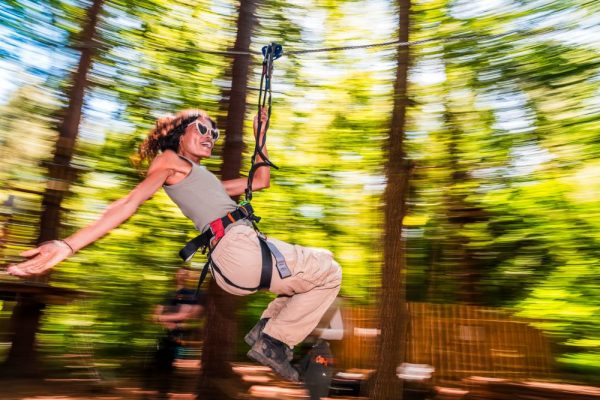
Go Ape Grizedale
Hawkshead · ⭐ 4.8
 4 mi
4 mi
Grizedale Forest
Ambleside · ⭐ 4.6
 5 mi
5 mi
Wray Castle
Ambleside · ⭐ 4.7
 6 mi
6 mi
BeWILDerwood Lake District
Windermere · ⭐ 2.4
 6 mi
6 mi
Brockhole Lake District Visitors Centre
Windermere · ⭐ 4.6
 6 mi
6 mi
Treetop Trek Windermere
Windermere · ⭐ 4.7
 6 mi
6 mi
Zip World Windermere
Windermere · ⭐ 4.7
 6 mi
6 mi
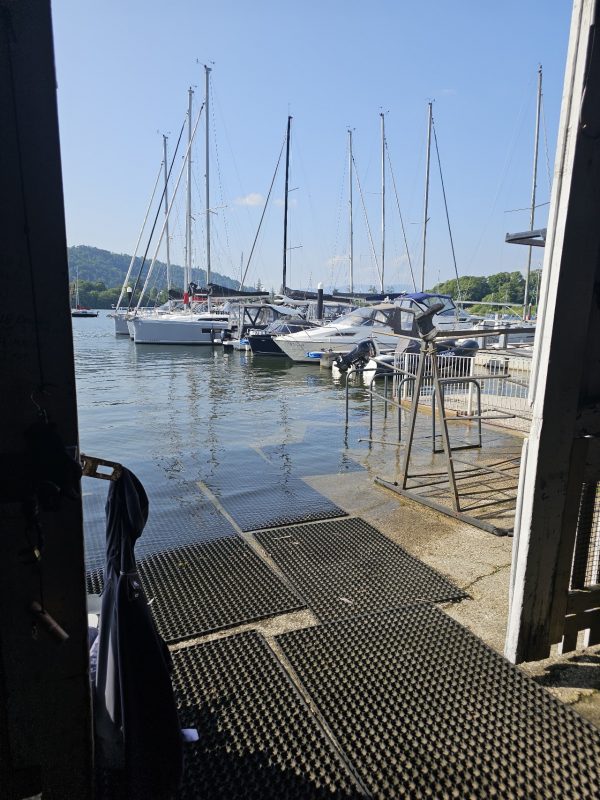
Windermere Canoe Kayak and Bike Hire
Bowness-on-Windermere · ⭐ 4.7
Camping in Coniston(8)
All campsites in Coniston →About camping in Coniston
Coniston sits in the Lake District National Park in Cumbria, which is England, so wild camping without the landowner's permission remains against the law here, unlike in Scotland. That said, the area has a good spread of licensed campsites and glampsites around the village and lake shore, from simple fields to more developed sites with electric hook-ups, pods and shepherd's huts, several of them within walking distance of the water or the lower slopes of the Old Man of Coniston.
The camping season here runs roughly from Easter to the end of September, when the weather is most settled and the fells are at their most accessible; many smaller sites close over winter, though a few stay open year-round for hardier visitors. July and August are the busiest months and the best-located sites, particularly those with lake access, book up well in advance, so an early reservation matters more than a flexible one. Glamping has grown steadily around Coniston in recent years, with wooden pods, safari tents and shepherd's huts offering a warmer, more sheltered alternative to canvas for visitors who still want to wake up to fell views without carrying full kit.
The terrain here is genuinely mountainous by English standards: campsites in the valleys around Coniston, such as Coppermines Valley or the approaches to Tarn Hows, sit close to steep, rocky fell paths rather than gentle countryside, so waterproof, well-ventilated tents and sturdy pegs are worth the effort given how quickly weather can turn on the open fell above the treeline. Lake-shore pitches around Coniston Water bring their own considerations, including midges on still summer evenings and exposed ground in wind, so a site with some tree cover is often more comfortable than one directly on the open shore. As with anywhere in the national park, campers should stick to designated sites or pitches booked with landowner agreement, follow the Countryside Code, and take all rubbish away with them to help keep the fells and lake shore as clear as they found them.
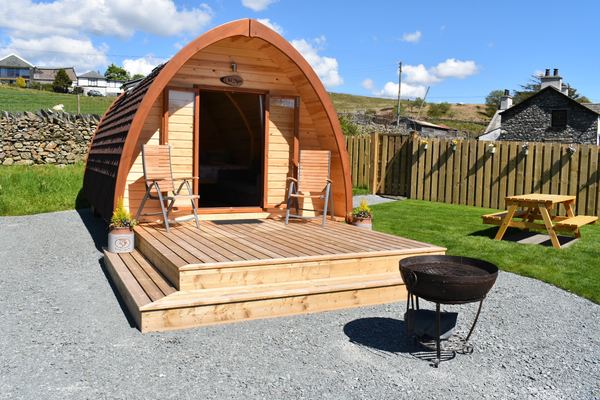
Beckstones Glamping Pods
⭐ 5.0
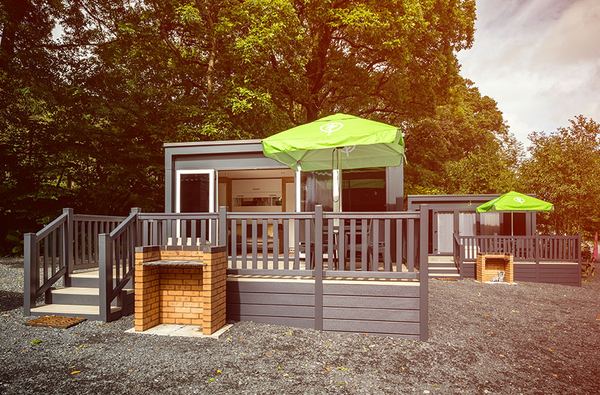
Coniston Experience Freedom Glamping
⭐ 4.7 · from £78/night
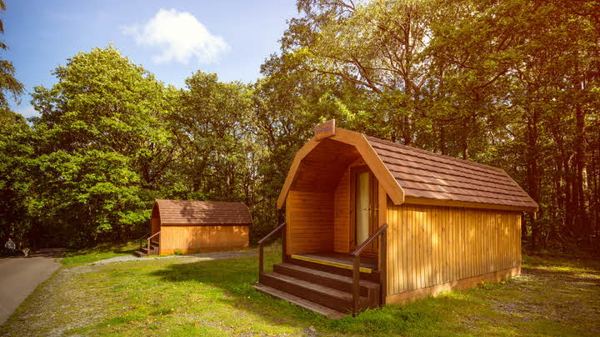
Coniston Park Coppice Caravan and Motorhome Club Campsite
⭐ 4.6 · from £31/night

Coniston Sports and Social Centre
⭐ 4.6
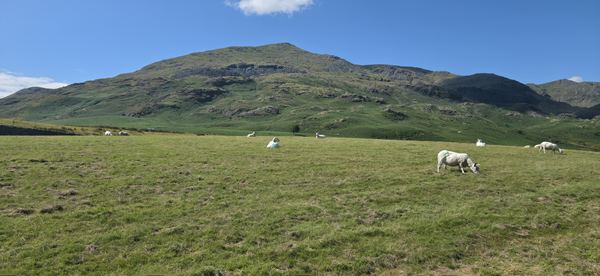
Old Man of Coniston Campsite
⭐ 5.0 · from £20/night

Pier Cottage Caravan Park
⭐ 4.9
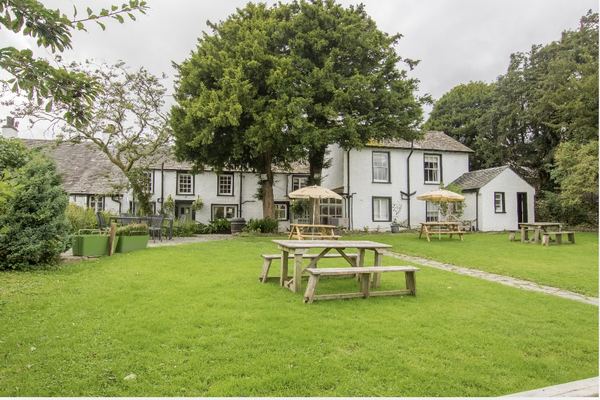
The Church House Inn
⭐ 4.4 · from £25/night
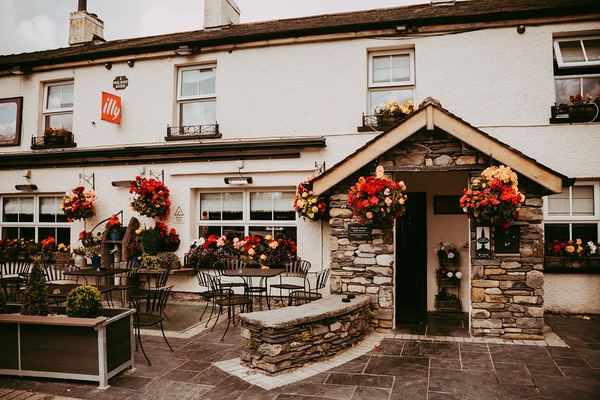
The Wilson Arms
⭐ 4.3 · from £25/night
Self-Catering Cottages in Coniston
All cottages in Coniston →Heronwood
3 bed · sleeps 5 · from £803
Penny Rigg Cottage
2 bed · sleeps 4 · from £487
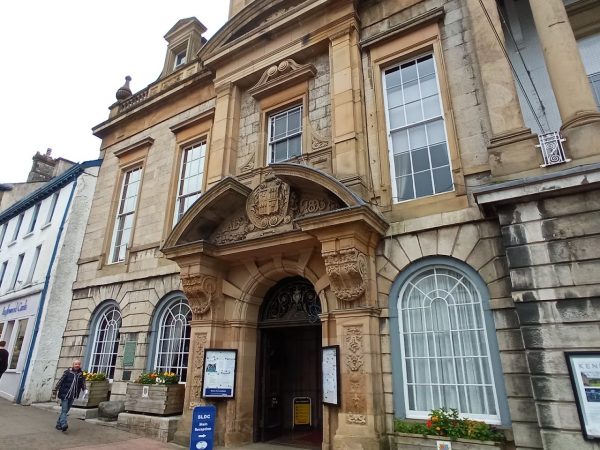
Woodfield
2 bed · sleeps 4 · from £702
Yewdale Crags Apartment
2 bed · sleeps 4 · from £423
Copper View
2 bed · sleeps 4 · from £443
Carrie’s Gate
2 bed · sleeps 5 · from £607
Coniston Cottage
2 bed · sleeps 4 · from £443
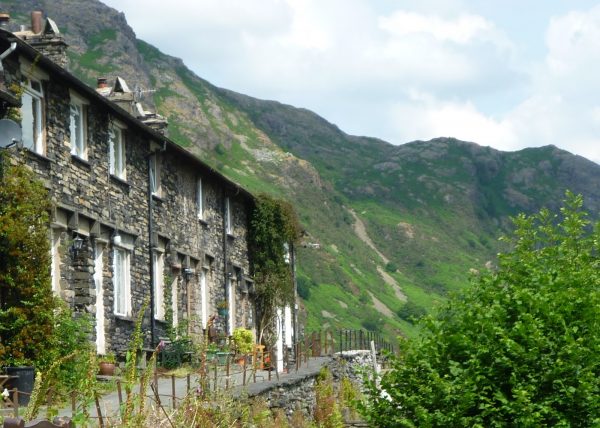
Thurston View
2 bed · sleeps 4
Common questions about Coniston
How many campsites are there in Coniston?
We list 8 campsites in and around Coniston, of which 8 take tents and 3 offer glamping.
Are there dog-friendly campsites in Coniston?
Yes — 4 of the 8 campsites we list in Coniston accept dogs, including Beckstones Glamping Pods and Pier Cottage Caravan Park.
Which campsites in Coniston have electric hook-up?
3 of the 8 campsites we list in Coniston offer an electric hook-up.
Where can I stay in Coniston?
We list 8 hotels, B&Bs and guest houses in and around Coniston.
What is there to do in Coniston?
We list 1 attractions and things to do in and around Coniston.
Where can I eat in Coniston?
We list 9 restaurants, pubs and cafes in and around Coniston.