New Forest
Free-roaming ponies, ancient oaks and the Solent shore
Photo © Billy Hazard, Google Maps
The New Forest sits in the south-west corner of Hampshire, wedged between Southampton Water to the east, the Avon valley to the west and the Solent along its southern edge. It became a national park in 2005, but its boundaries and its rules are far older: William the Conqueror declared it a royal hunting forest in 1079, and the commoning rights granted to local people in the centuries afterwards still govern how the land is used today. That is why ponies, cattle and donkeys wander across roads, village greens and pub car parks as though they own them. In a legal sense, their owners more or less do.
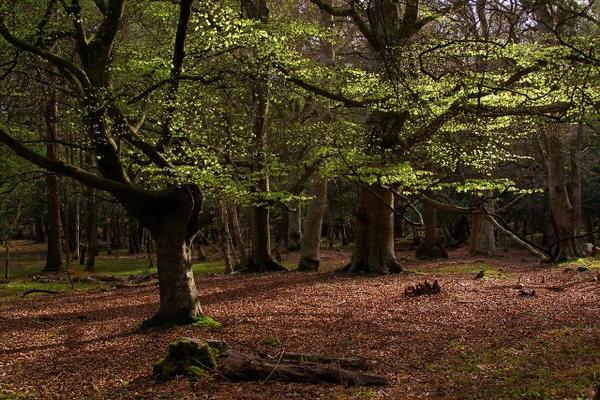
The name is misleading. Rather than unbroken woodland, the park is a mosaic: purple heath and gorse across the open plains, boggy valley mires, plantation conifer, and pockets of ancient oak and beech that have never been cleared. Roughly half the park is common land with open access, which means you can walk almost anywhere without hunting for a marked footpath. The landscape is gentle rather than dramatic. There are no mountains and few real hills, and the highest point barely clears 130 metres, so this is country for slow days rather than hard climbs.
Around the edges the character shifts. Lymington and Milford on Sea face the Isle of Wight across the Solent, with saltmarsh, shingle spits and a working yacht harbour. To the north, around Fordingbridge and Godshill, the forest thins into farmland and the Avon floodplain. Villages such as Beaulieu, Burley and Minstead keep a thatched, low-slung look that has survived largely because so much of the surrounding land can never be built on.
Getting to New Forest
Rail is genuinely easy here, which is unusual for a national park. South Western Railway runs frequent direct services from London Waterloo to Brockenhurst, the main forest station, taking around 1 hour 30 minutes on the fastest trains and closer to 2 hours on stopping services. Ashurst New Forest and Sway stations sit on the same line, and Lymington is reached by a short branch shuttle from Brockenhurst. Southampton Central, roughly 20 minutes from Brockenhurst, connects to Birmingham, Bristol and the north.
By road, the M27 runs along the northern edge with junctions 1 and 2 feeding into the park; from London the usual route is M3 then M27, around two hours without traffic. The A31 crosses the forest from east to west towards Ringwood and Dorset, and the A35 heads south-west towards Christchurch and Bournemouth. Be aware that a 40mph limit applies on most unfenced forest roads and animals wander onto them at all hours, particularly at dawn and dusk.
Parking is straightforward: Forestry England maintains around 130 free car parks scattered through the woods and heath, most of them little more than a gravel clearing with a height barrier. Verge parking is prohibited across the park. Southampton Airport is about 25 minutes away and has its own rail station; Bournemouth Airport lies just west of the park boundary.
Best time to visit New Forest
Spring is arguably the best all-round season. Foals appear on the heath from late April, the woodland fills with bluebells, and Exbury's rhododendrons peak in May. Days are long, the ground has dried out from winter, and the roads are quieter than they will be in six weeks' time.
Summer brings the crowds, particularly in the school holidays when campsites fill and Lymington's quay gets busy. It is still a good time to be here — the heath is at its most colourful when the heather flowers in August, and the beaches at Milford on Sea and Lepe are within easy reach — but book accommodation months ahead and expect to share the popular car parks.
Autumn is when the forest is at its most distinctive. September is typically the driest month of the year here, the beech and oak turn through gold and copper, and fungi appear in extraordinary variety — the park supports thousands of species and is one of the most important fungal sites in Britain. From mid-September to late November the pannage season runs, when commoners turn several hundred pigs loose to eat the fallen acorns that would otherwise poison the ponies. Watching pigs trot down a village lane is a reliably strange pleasure.
Winter is bare and often waterlogged underfoot, but the light across the open heath is excellent and you can walk for an hour without meeting anyone. Most attractions close or run reduced hours from November, and only a handful of campsites stay open, so this is a season for pubs with fires and short daylight walks.
Where to stay in the New Forest(8)
All hotels in New Forest →About staying in the New Forest
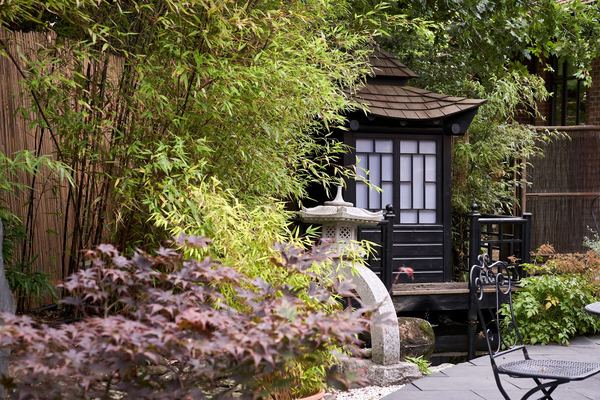
The New Forest has a stronger concentration of country house hotels and spa retreats than most rural corners of England, and Brockenhurst and Lyndhurst sit at the heart of it. Chewton Glen and Lime Wood set the standard for polished luxury with grounds and spa facilities to match, while THE PIG - in the New Forest and The Montagu Arms Hotel lean into a more informal, kitchen-garden approach to food and comfort.
Careys Manor Hotel & SenSpa and Balmer Lawn Hotel both suit those wanting a spa break within easy reach of forest walking and riding, whereas smaller places such as Lyndhurst House and Cottage Lodge Hotel offer a quieter, more personal base for exploring the villages and heathland at a gentler pace.
 8.4
8.4
Careys Manor Hotel & SenSpa
Brockenhurst village, central New Forest
from £165/night
 8.9
8.9
The Montagu Arms Hotel
Beaulieu village, south-east New Forest
from £220/night
 9.4
9.4
Chewton Glen
New Milton, southern New Forest
from £425/night
 8.8
8.8
THE PIG - in the New Forest
Beaulieu Road, Brockenhurst
from £210/night
 9.1
9.1
Cottage Lodge Hotel
Sway Road, Brockenhurst village centre
from £115/night
Lime Wood
Beaulieu Road, near Lyndhurst
from £425/night
Balmer Lawn Hotel
Lyndhurst Road, Brockenhurst
from £155/night
Lyndhurst House
Central Lyndhurst, capital of the New Forest
from £95/night
Things to Do in the New Forest(1)
All attractions in New Forest →Top things to do in New Forest
The park packs a lot into a small area, and most of the following sit within half an hour of each other by car.
- Beaulieu and the National Motor Museum — the Montagu family estate combines a collection of several hundred vehicles with Palace House, the ruins of a 13th-century Cistercian abbey, and a monorail running over the grounds.
- Bolderwood Deer Sanctuary — a raised viewing platform overlooking a meadow where fallow deer gather; a keeper feeds them in the afternoons between April and September, and the surrounding arboretum has three waymarked walks.
- Buckler's Hard — two rows of Georgian cottages running down to the Beaulieu River, built for the shipwrights who constructed vessels for Nelson's navy, with a maritime museum explaining the trade.
- Exbury Gardens — 200 acres of Rothschild woodland garden famous for rhododendrons and azaleas in late spring, plus a narrow-gauge steam railway that loops through the grounds.
- Paultons Park and Peppa Pig World — on the northern edge near Ower, with over 70 rides; the obvious choice if you are travelling with young children and need one guaranteed day out.
- Lymington and the Solent Way — a Georgian harbour town with cobbled Quay Hill, a Saturday street market and coastal walks out past the salterns towards Keyhaven and Hurst Castle.
- Cycling the gravel tracks — over 100 miles of waymarked traffic-free routes cross the forest, with hire outlets in Brockenhurst and Burley; the old railway line and forestry roads suit families well.
- Riding among the ponies — several stables around Burley and Brockenhurst run escorted hacks across the open heath, which is one of the few ways to cover the plains at pace.

New Forest Wildlife Park
⭐ 4.5

Longdown Activity Farm
⭐ 4.6

Forest Leisure Cycling
⭐ 4.9
Eling Tide Mill Experience
⭐ 4.5

New Forest Activities
⭐ 4.9
Paultons Park Home of Peppa Pig World
⭐ 4.7
Beaulieu
Bolderwood Deer Sanctuary
Where to Eat in the New Forest
All restaurants in New Forest →Food and drink in New Forest
Local produce is taken seriously here, and the New Forest Marque scheme labels food grown, reared or made within the area. Venison from the park's deer herds appears on menus everywhere, alongside forest-reared pork, wild mushrooms, honey, watercress from the Hampshire chalk streams and shellfish landed on the Solent coast. Cider is made locally, and the area has picked up several vineyards in recent years.
Lymington's Saturday street market fills the high street with produce, cheese and bread stalls and is the best single place to shop. Farm shops worth the detour include Setley Ridge near Brockenhurst and Hockey's at North Gorley, and there are regular farmers' markets in Ringwood, Hythe and New Milton.
For eating out, the Elderflower in Lymington is the standout for modern British cooking using forest and coastal ingredients, while the Haven at the Lymington Yacht Haven does Italian-leaning food with harbour views. The Montagu Arms in Beaulieu runs a serious kitchen, and Chewton Glen at New Milton has long been a destination for its dining room. Pub food is strong across the park — the Trusty Servant at Minstead, the New Forest Inn at Emery Down and the Royal Oak at Fritham are all reliable, the last being a genuinely old-fashioned place with no bar taps, just casks and pies.




Attractions Near the New Forest
All attractions in New Forest →Worth the trip — within 50 miles of New Forest.
5 mi
New Forest Wildlife Park
Southampton · ⭐ 4.5
5 mi
Longdown Activity Farm
Ashurst · ⭐ 4.6
5 mi
Forest Leisure Cycling
Burley · ⭐ 4.9
Eling Tide Mill Experience
Totton · ⭐ 4.5
6 mi
New Forest Activities
Beaulieu · ⭐ 4.9
Beaulieu
Brockenhurst
Bolderwood Deer Sanctuary
Newtown
 7 mi
7 mi
Wacky Warehouse - Vine Inn
Romsey · ⭐ 3.5
Camping in the New Forest(2)
All campsites in New Forest →About camping in the New Forest
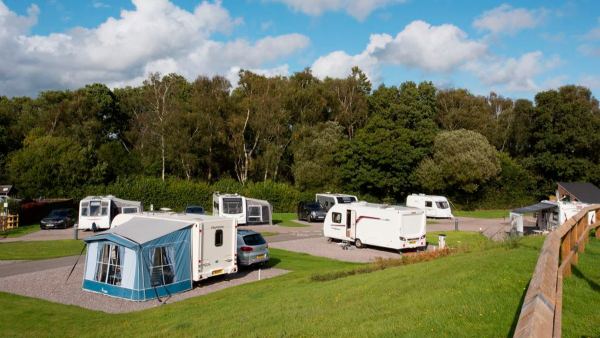
Camping is one of the best ways to experience the New Forest, largely because the ground suits it. Much of the park is free-draining sandy heath and gravel, so pitches dry out quickly after rain and stay firm underfoot in a way that upland campsites rarely manage. The classic forest sites are unfenced clearings within the woods themselves — you pitch among the trees with no hedges or marked bays, and ponies or cattle may well walk through the site during the night. It is a genuinely different experience from a fenced park, and it is worth understanding before you book that many of these sites have deliberately minimal facilities.
Wild camping is not permitted anywhere in the New Forest. The land is grazed common with legally protected habitats, and Forestry England enforces the ban, so all overnight stays must be on a licensed site. That still leaves plenty of choice, from bare-bones forest clearings to full holiday parks with pools and entertainment.
The season runs roughly from March to the end of October, with only a small number of sites open through winter. May, June and September are the sweet spot: reliable weather, long evenings and fewer families than the July and August peak. The forest sits low and close to the coast, so it is milder than most of England, but it is also exposed on the open heath — expect wind rather than cold, and bring proper pegs for sandy ground. Midges can be a nuisance near the boggy valley mires on still summer evenings.
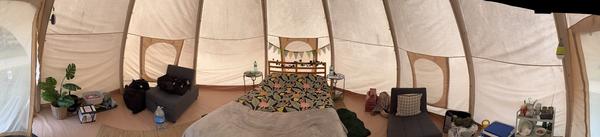
Pack for variable weather even in August, and bring a decent groundsheet: the sandy soil is abrasive. Many forest sites have no electric hook-up and limited or no showers, so a solar charger or power bank and a water carrier are worth having. If you would rather not camp cold, glamping has grown quickly here — safari tents, pods and shepherd's huts are available on several of the larger parks, generally at three to four times the cost of a tent pitch but with beds, heating and often a private bathroom.

New Forest Lodge Retreat
Brockenhurst · ⭐ 4.5

Long Meadow Campsite
⭐ 4.5

Aldridge Hill Campsite
⭐ 4.7
Black Knowl Caravan and Motorhome Club Site
Brockenhurst · ⭐ 4.7

Pondhead
Lyndhurst · ⭐ 4.2
Hollands Wood Campsite
⭐ 4.5 · from £22/night

Park Farm Holidays
⭐ 4.9 · from £260/night

Matley Wood Campsite
⭐ 4.8
Self-Catering Cottages in the New Forest(123)
All cottages in New Forest →About cottages in the New Forest
Self-catering cottages scattered across the New Forest give visitors the freedom to come and go as they please, useful when the ponies, cycle trails and coastal paths are on the doorstep. Properties like Four Oaks, Silverland and Greenbank Cottage sit within easy reach of forest villages, while conversions such as Higher Farm's Saddle Room and Stables show how many are carved from old farm buildings rather than purpose-built.
Choosing between them often comes down to setting: some, like Heathfield Lodge or Arnewood Corner, favour quieter, more rural spots for walkers and wildlife-watchers, while others sit closer to villages with pubs and shops nearby. Smaller options such as The Annexe @ The Roost or Star Cottage suit couples wanting a base for day trips, whereas Ivy Cottage and similar houses offer more space for families or groups travelling together.
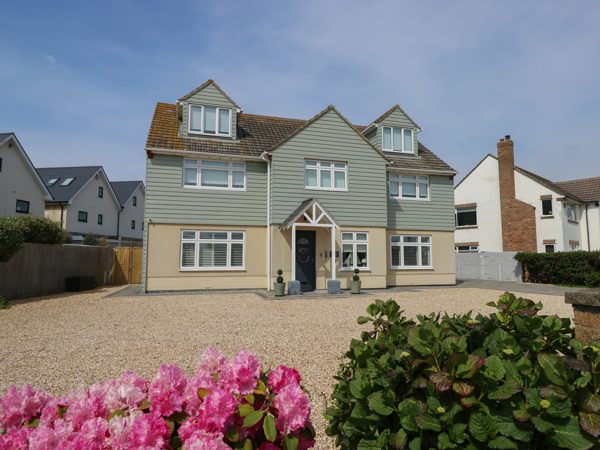
50 Sea Road
Milford on Sea · 2 bed · sleeps 4 · from £616
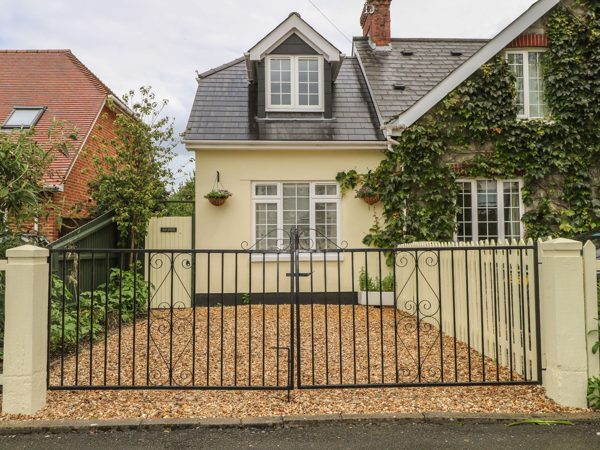
Beau Annexe
Ringwood · 2 bed · sleeps 4 · from £443

Blashford Manor Farm House
Ringwood · 5 bed · sleeps 10

Cosy Cottage
Lyndhurst · 2 bed · sleeps 4 · from £737

Danehurst Cottage
Lymington · 4 bed · sleeps 8 · from £801
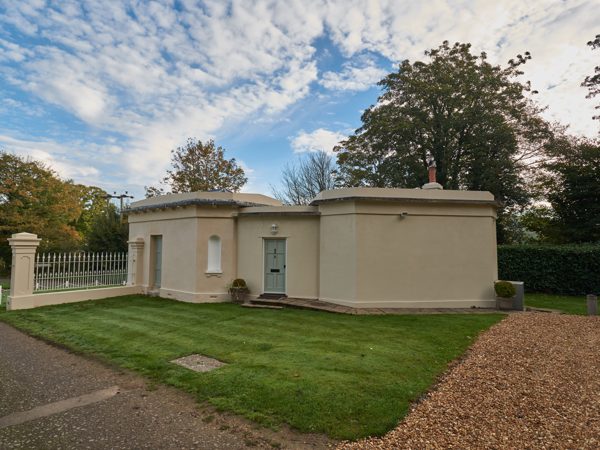
East Lodge
Fordingbridge · 1 bed · sleeps 2 · from £464

Flanders Cottage
Lymington · 4 bed · sleeps 8 · from £1,076
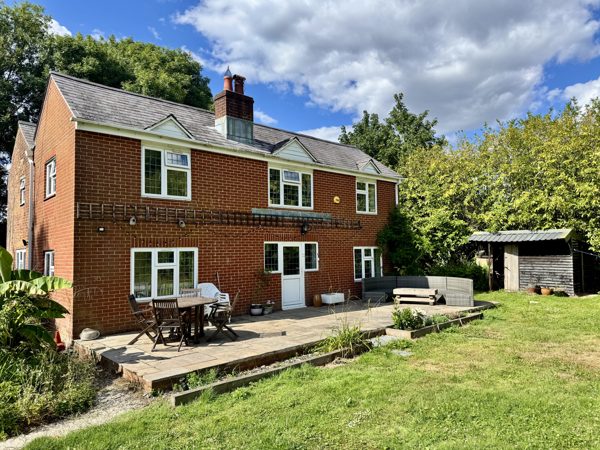
Forest Cottage
Dibden · 5 bed · sleeps 12 · from £1,156
Common questions about New Forest
How many campsites are there in New Forest?
We list 2 campsites in and around New Forest, of which 2 take tents and 1 offer glamping.
Are there dog-friendly campsites in New Forest?
Yes — 2 of the 2 campsites we list in New Forest accept dogs, including Setthorns Campsite and Sandy Balls Holiday Village.
Which campsites in New Forest have electric hook-up?
2 of the 2 campsites we list in New Forest offer an electric hook-up.
How many holiday cottages are there in New Forest?
We list 123 self-catering cottages in and around New Forest.
Can I take a dog to a holiday cottage in New Forest?
Yes — 86 of the 123 New Forest cottages we list allow pets.
Are there large holiday cottages in New Forest for groups?
Yes — the largest cottage we list in New Forest sleeps 14.
Where can I stay in New Forest?
We list 8 hotels, B&Bs and guest houses in and around New Forest. Prices start from around £95 a night.
What is there to do in New Forest?
We list 1 attractions and things to do in and around New Forest.
Staycation ideas for the New Forest
The Best UK Staycations for Families with Young Kids
From New Forest ponies to Cornish rock pools, these six UK destinations combine easy logistics, safe beaches and family-friendly attractions for a stress-free break with young children.
Staycations With a Baby: Where to Go and What to Plan For
A first trip with a baby is a logistics exercise more than a holiday. Which UK destinations make it easier, and the practical decisions that matter more than the location.
Half Term Staycations: Ideas for Every Break
February, May and October half terms each need a different kind of trip. What works in each, how to handle the weather, and how to book when every family in the country wants the same week.
The Best Dog-Friendly Staycations in Britain
From Cornish coast paths to Lake District fells, these six British destinations offer the open beaches, moors and forests that make a staycation genuinely enjoyable for dogs and their owners alike.