Perth
Scotland's fair city on the River Tay
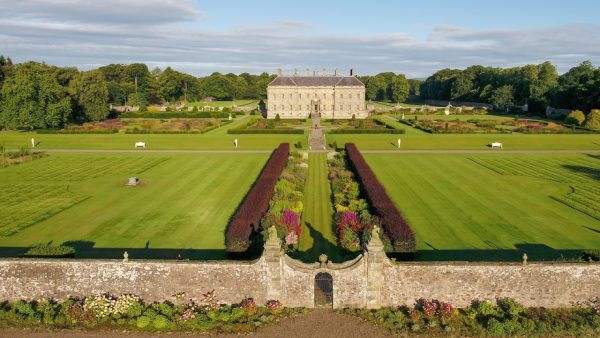
Photo © Matthew Goodman, Google Maps
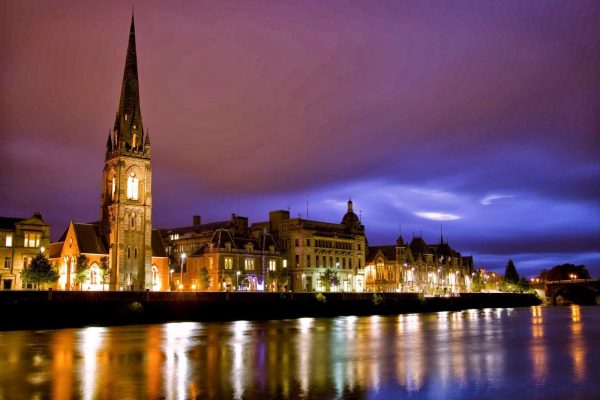
Perth sits on the River Tay roughly midway between Edinburgh and Inverness, at the point where the river drops out of the Highlands and broadens towards its estuary. For long stretches of Scottish history this was effectively the capital: Scottish kings were crowned a mile upstream at Scone, parliaments met here, and the town's wealth was built on the wool and salmon trade that the tidal river made possible. Today it is a small, walkable city of around 47,000 people, known locally as the Fair City, and it wears its history lightly - the grid of Georgian and Victorian streets around the High Street sits comfortably alongside a modern concert hall and a museum that, since 2024, holds the Stone of Destiny itself.
What Perth offers that many larger Scottish towns cannot is proximity to genuinely wild country without sacrificing city comforts. Kinnoull Hill rises directly above the river on the eastern edge of town, its wooded cliffs looking more like the Rhine gorge than lowland Scotland, and from its viewpoint you can see the Highland line beginning only a few miles to the north. Two large public parks, the North Inch and South Inch, flank the old town on the river's west bank and have done so since medieval times, giving Perth a green, open-feeling centre that belies its size.
The surrounding county, Perthshire, markets itself as Big Tree Country, and with reason: some of the tallest and oldest trees in Britain grow in the estates and glens within half an hour's drive, planted by generations of landowners with an eye for arboriculture. That combination - a proper working town with shops, restaurants and a rail link to everywhere, wrapped in hill walking, whisky distilleries, castles and salmon rivers - is what makes Perth a sound base for exploring the southern Highlands rather than simply a stop on the way through.
Getting to Perth
Perth railway station sits on the main line between the central belt and the Highlands, making it one of the best-connected small stations in Scotland. Direct trains run from Edinburgh Waverley in around 1 hour 10 minutes and from Glasgow Queen Street in a similar time, with services continuing north to Pitlochry, Aviemore and Inverness in a further two hours or so. LNER runs direct services from London King's Cross, taking around six hours, and the Caledonian Sleeper stops at Perth on its Highland route, useful for an overnight journey from London Euston.
By road, Perth sits at the junction of the M90 from Edinburgh and the Forth crossing, the A9 heading north to Inverness, and the A85 and A93 running west and north-east towards Crieff, Aberfeldy and Deeside. The city is compact enough that a car is not essential once you arrive, and central car parks fill up on market days and at weekends; the Bridgend and Riverside car parks on the east bank are a short walk over the Perth Bridge and usually have more space.
The nearest major airport is Edinburgh, about an hour and a quarter by car or a comparable time by train and bus, with a wide range of UK and European flights. Dundee Airport, twenty minutes east, has a small number of scheduled services, mainly to London City.
Best time to visit Perth
Spring brings daffodils along the Inches and the rhododendrons into bloom at Branklyn Garden and Scone Palace, with the countryside greening up before the summer crowds arrive. It is a good season for hill walking, with longer daylight and paths still quiet.
Summer is the busiest and warmest period, with Highland games, the Perth Show and long evenings for exploring the glens. Scone Palace and the surrounding estates are at their most colourful, and this is the best time for river activities on the Tay.
Autumn is arguably Perthshire's finest season. Big Tree Country turns properly to colour through October, with the woods around Dunkeld, Birnam and the Hermitage becoming a popular pilgrimage for the turning leaves, and salmon can be seen leaping the falls on the Tay's tributaries as they run upstream to spawn.
Winter is quiet and often crisp, with the city's Christmas lights and markets drawing local crowds, and Hogmanay events smaller and more relaxed than Edinburgh's. Snow on the surrounding hills makes for dramatic short walks, though some higher routes become unsuitable without proper equipment.
Where to stay in Perth(45)
All hotels in Perth →About staying in Perth
Perth is small enough that almost anywhere within the old town core puts you within ten minutes of the museum, the theatre and the river, so the choice of base comes down more to style and budget than to distance. The city centre streets around the High Street and South Street hold the historic coaching inns and townhouse hotels, several of them centuries old and adapted over time, with the advantage of putting you beside the shops, restaurants and Perth Concert Hall without needing a car once you arrive.
Just across the river, the streets below Kinnoull Hill and around Bridgend offer a quieter alternative with the same short walk into the centre over the Perth Bridge, and several of the city's best-regarded guest houses have set up here to make the most of the view back across the water to the old town. This side suits couples and anyone who prefers to end the day somewhere calmer than the main streets.
A short drive north, New Scone and the villages nearest Scone Palace put you closer to the golf courses and the palace grounds, and suit visitors touring by car who want easy parking and quick access out to the wider countryside rather than a strictly walkable city stay. Further out again, the country house hotels set in their own grounds along the Tay valley towards Dunkeld and Kinclaven give a different kind of stay altogether - grand rooms, extensive gardens and often a serious kitchen, built for a slower few days centred on walking, fishing or simply the surroundings rather than city sightseeing.
Whichever area you choose, book ahead for the Highland games season in July and August and for the autumn colour weekends in October, when Highland Perthshire's woodland draws visitors from across Scotland and rooms in and around Perth fill up quickly as a result.
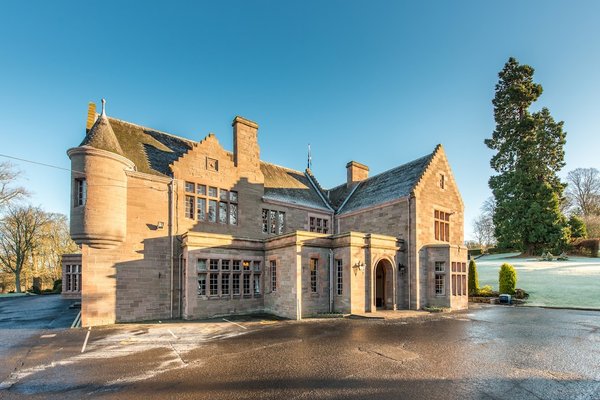 8.7
8.7
Murrayshall Hotel & Golf Course
New Scone, 3 miles from Perth city centre
from £165/night
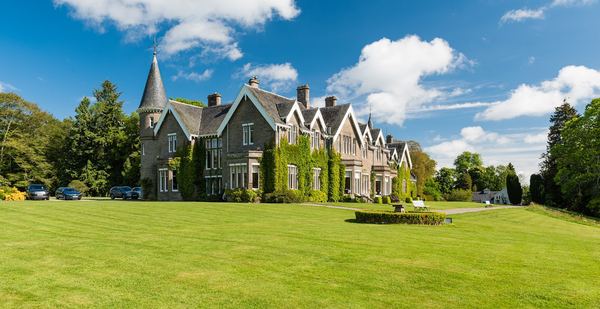 8.9
8.9
Ballathie House Hotel
Kinclaven, on the River Tay, 12 miles north of Perth
from £195/night
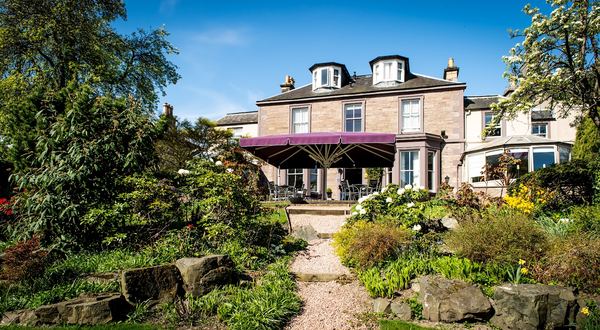 8.6
8.6
Parklands Hotel
St Leonard's Bank, overlooking the South Inch
from £145/night
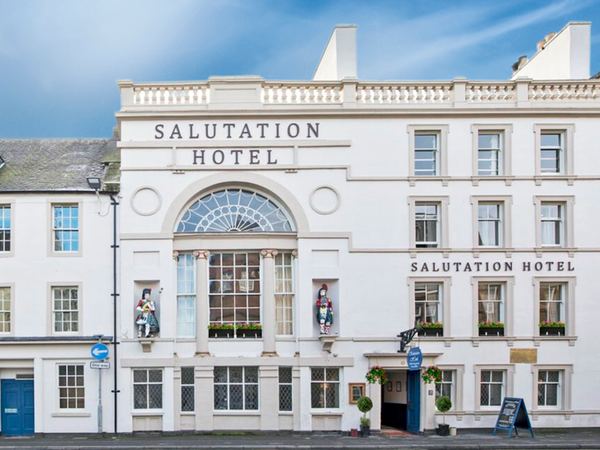 7.9
7.9
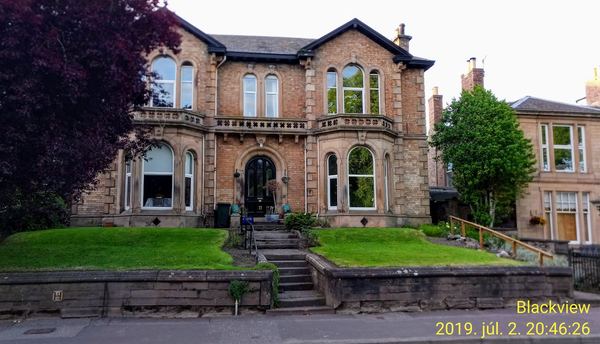
The Salutation Hotel
South Street, Perth city centre
from £95/night
 7.8
7.8
Best Western Queens Hotel Perth
Leonard Street, opposite Perth railway station
from £89/night
 8.0
8.0
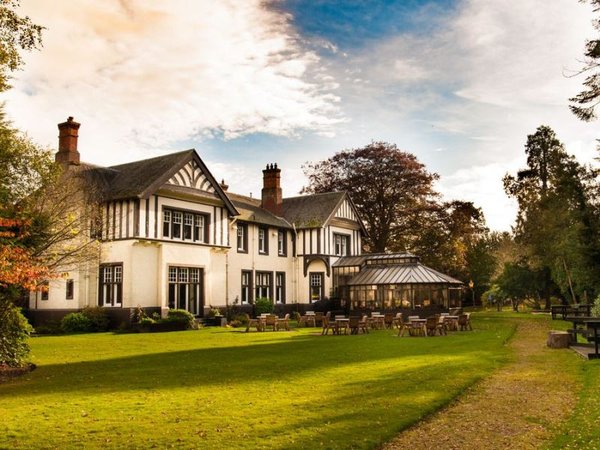
Huntingtower Hotel
Crieff Road, western edge of Perth
from £110/night
 8.8
8.8
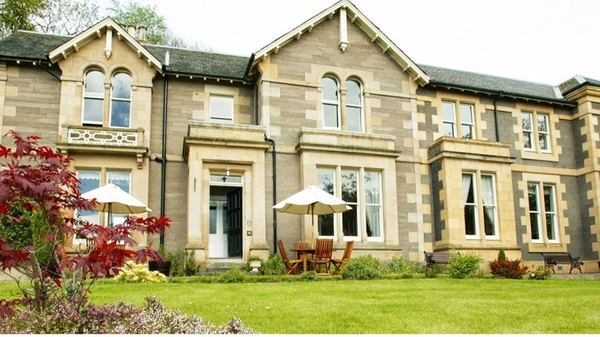
Sunbank House Hotel
Dundee Road, overlooking the River Tay
from £105/night
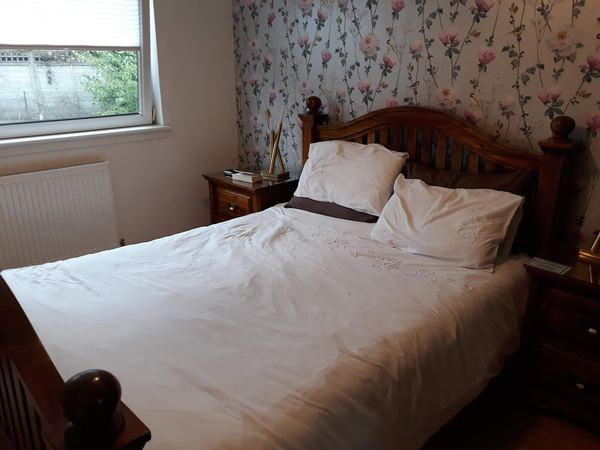
Acer Guest House
3 South Inch View, Perth
Things to Do in Perth(13)
All attractions in Perth →Top things to do in Perth
Perth rewards a day or two of unhurried exploring before you head into the surrounding glens.
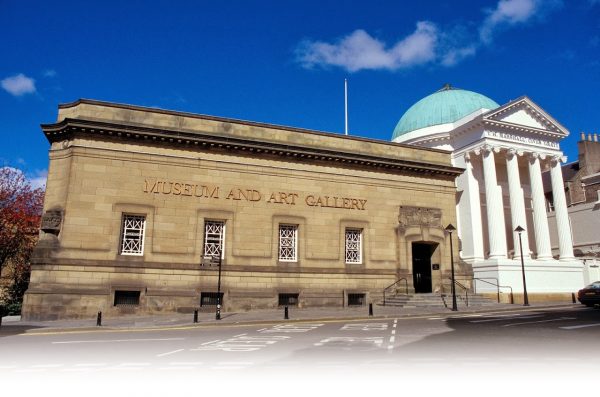
- Perth Museum - reopened in 2024 in the former City Hall, its centrepiece is the Stone of Scone, also known as the Stone of Destiny, the ancient coronation stone returned to Perthshire after centuries in Westminster Abbey. The rest of the collection covers the city's history, natural history and a strong programme of touring exhibitions.
- Scone Palace - two miles north of the city, this is the crowning place of Scottish kings from Kenneth MacAlpin to Charles II, set in extensive grounds with peacocks, a pinetum and a maze. The current palace is a Georgian Gothic remodelling of the earlier abbey and palace buildings, with fine collections of furniture, porcelain and ivories.
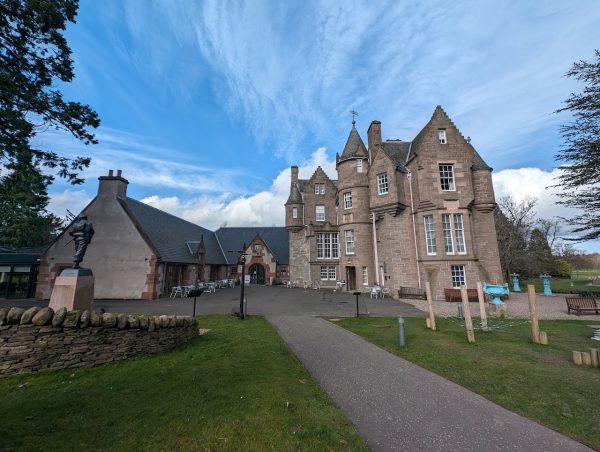
- Balhousie Castle and the Black Watch Museum - home of the Black Watch regiment's collection, telling the story of one of Scotland's most storied infantry regiments through uniforms, medals and battlefield relics, in a turreted castle overlooking the North Inch.
- Kinnoull Hill Woodland Park - a steep climb through mixed woodland to cliffs and a Victorian folly tower, with views down the Tay valley that stretch to the Ochil Hills and beyond on a clear day. The circular walk takes two to three hours at an easy pace.
- Branklyn Garden - a small but internationally regarded garden on the slopes below Kinnoull Hill, planted from the 1920s onwards with rhododendrons, meconopsis and alpine plants gathered from Himalayan and Chinese expeditions.
- St John's Kirk - the medieval parish church that gave Perth its old name of St John's Toun, and the pulpit from which John Knox preached the sermon in 1559 that is credited with triggering the Scottish Reformation.
- Perth Concert Hall and Perth Theatre - the city punches well above its weight for a place this size, with a purpose-built concert hall on the river and a handsome Edwardian theatre that reopened after major restoration, both hosting touring companies and orchestras through the year.
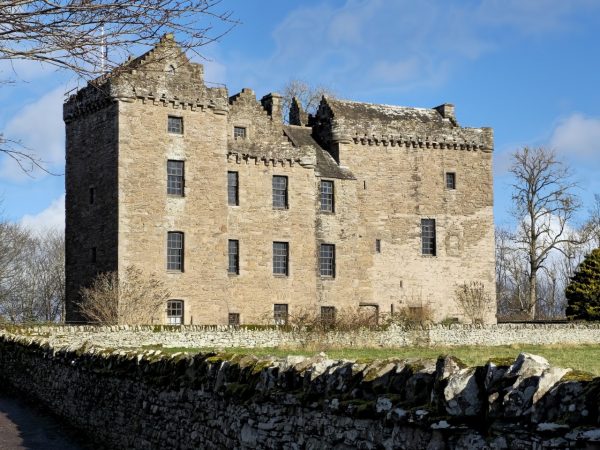
- Huntingtower Castle - a well-preserved pair of fifteenth-century tower houses on the western edge of the city, with a painted ceiling and the story of the Ruthven Raid, in which the young James VI was briefly held captive.
Where to Eat in Perth(150)
All restaurants in Perth →Food and drink in Perth
The Tay has historically been one of Scotland's most productive salmon rivers, and wild and farmed salmon from the area still feature heavily on local menus, alongside game from the surrounding estates in autumn and winter. Perthshire's soft fruit farms supply raspberries and strawberries to the whole of Scotland through the summer, and the city's greengrocers and farm shops make the most of the short season.
63 Tay Street, overlooking the river, is Perth's best-known restaurant for modern Scottish cooking built around local produce. North Port Restaurant, in a converted townhouse near the theatre, offers a similarly produce-led menu in a more intimate setting. Deans@Let's Eat has long been a mainstay for classic Scottish dining in the city centre.
Perth's twice-monthly farmers' market on King Edward Street brings together producers from across Perthshire, and the surrounding countryside is well stocked with whisky: the Famous Grouse Experience at Glenturret Distillery, a short drive west near Crieff, is one of Scotland's oldest working distilleries and offers tours and tastings, while Highland Perthshire further north is dense with smaller distilleries worth building a day trip around.
Attractions Near Perth
All attractions in Perth →Worth the trip — within 50 miles of Perth.
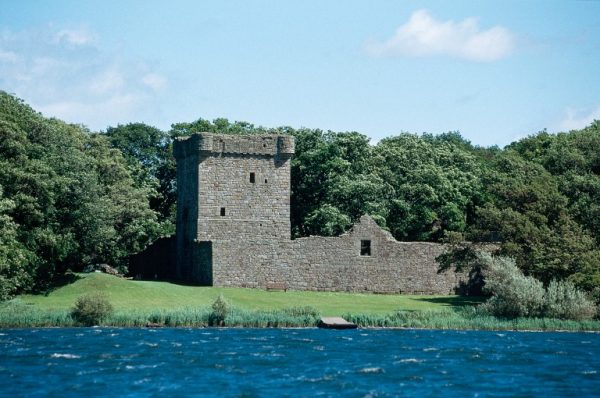 13 mi
13 mi
Lochleven Castle
Kinross · ⭐ 4.7
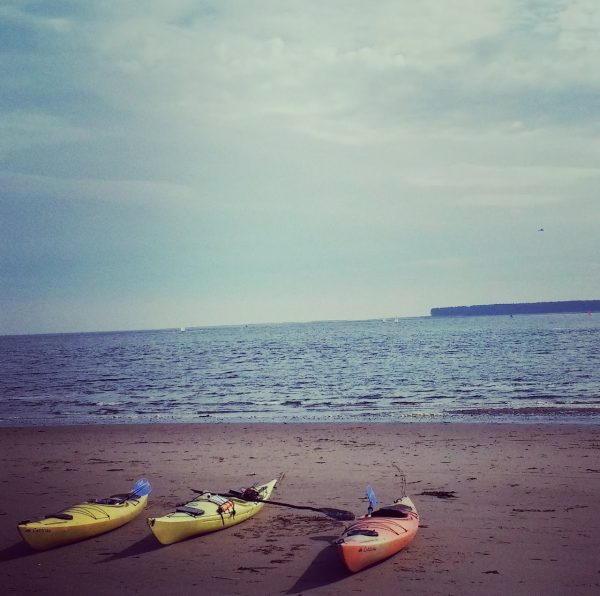 14 mi
14 mi
Outdoor Explore
Blairgowrie · ⭐ 4.9
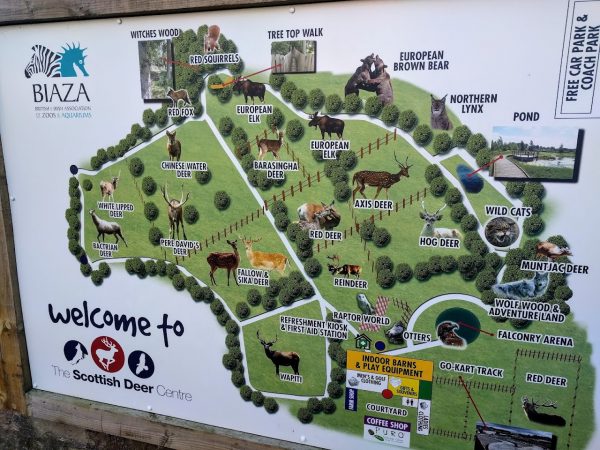 15 mi
15 mi
The Scottish Deer Centre
Cupar · ⭐ 4.6
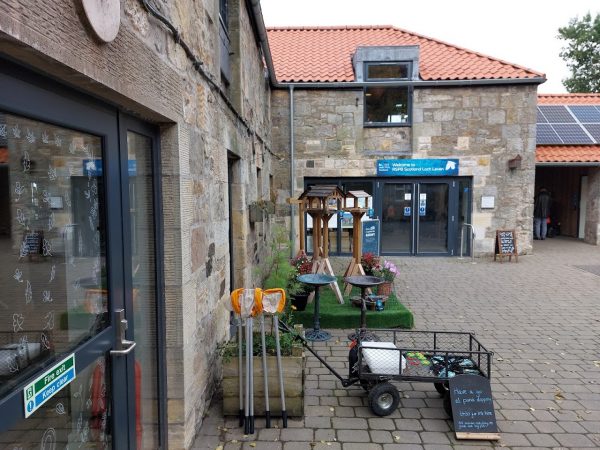 15 mi
15 mi
RSPB Loch Leven
Kinross · ⭐ 4.7
 16 mi
16 mi
Laser Combat Dundee (FKA Combat City)
Dundee · ⭐ 4.3
 16 mi
16 mi
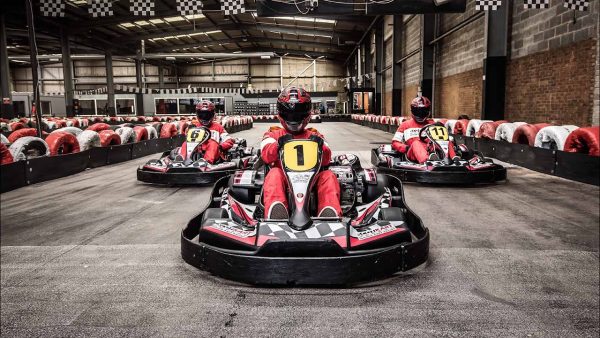
TeamSport Indoor Karting Dundee
Dundee · ⭐ 4.7
 16 mi
16 mi
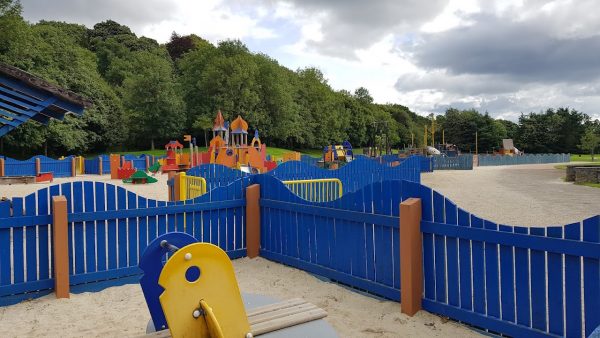
Camperdown Wildlife Centre
Dundee · ⭐ 4.4
 16 mi
16 mi
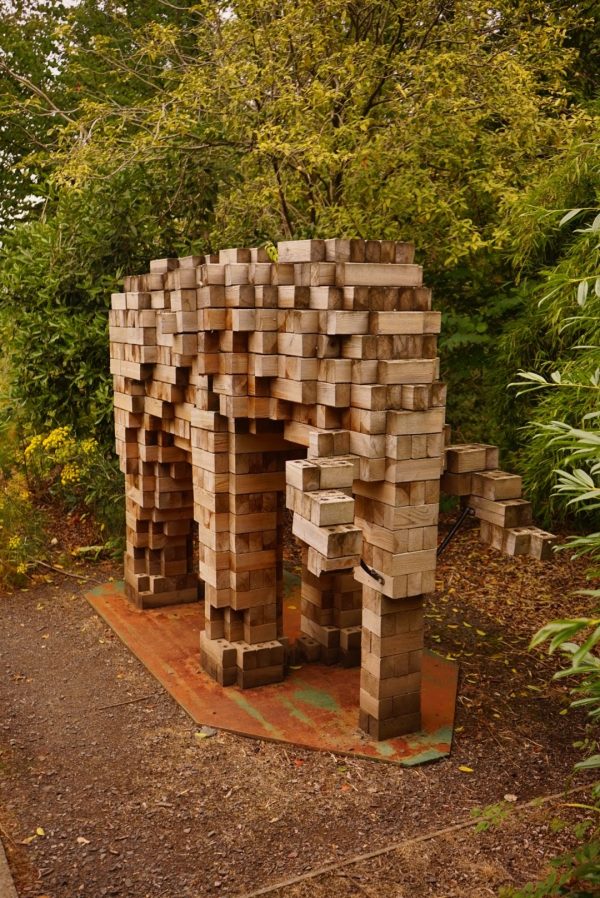
University of Dundee Botanic Garden
Dundee · ⭐ 4.6
Camping in Perth(14)
All campsites in Perth →About camping in Perth
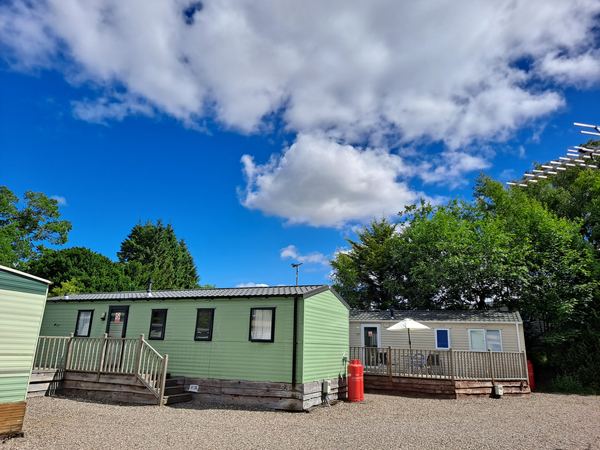
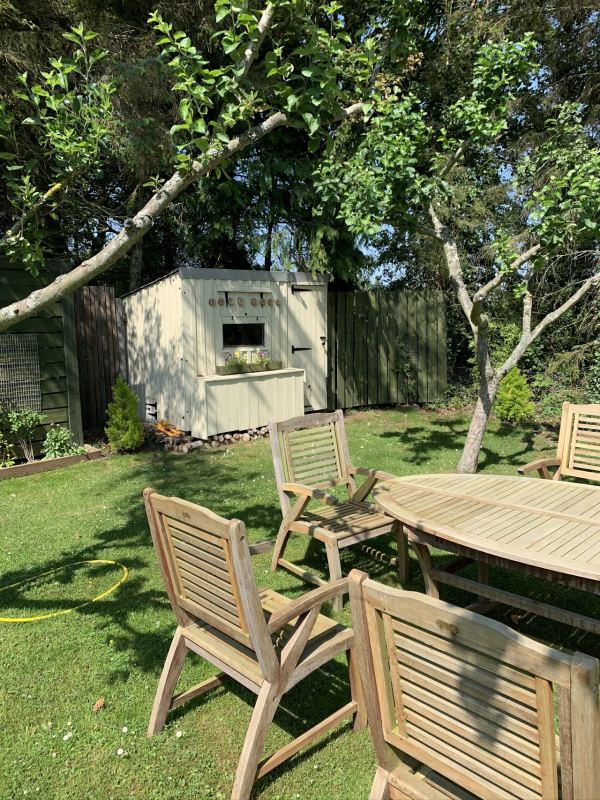
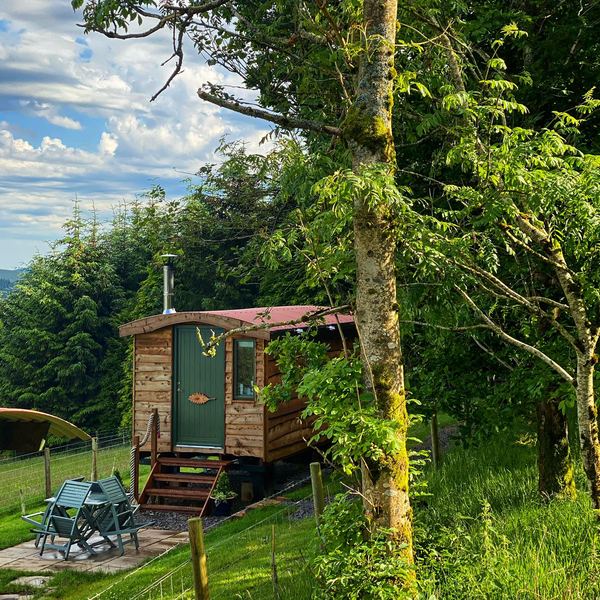
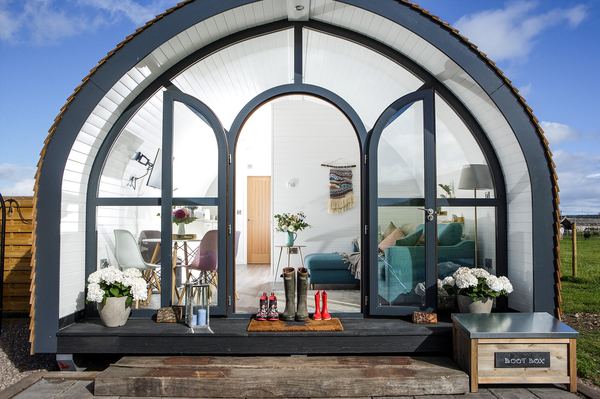
Perth itself has little spare ground for campsites - the old town is tightly built and the two Inches are protected public parkland - so camping near the city means choosing one of a small number of established sites within about fifteen miles and driving or cycling in. That is not much of a hardship: the roads out of Perth are quick, and several of the nearest sites sit close enough to the ring road that you can be at the museum or the concert hall within twenty minutes of striking camp.
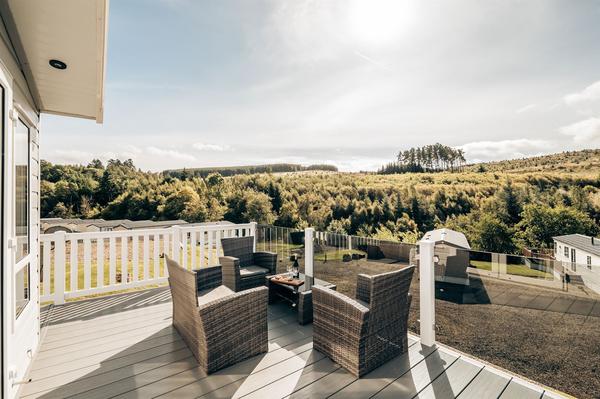
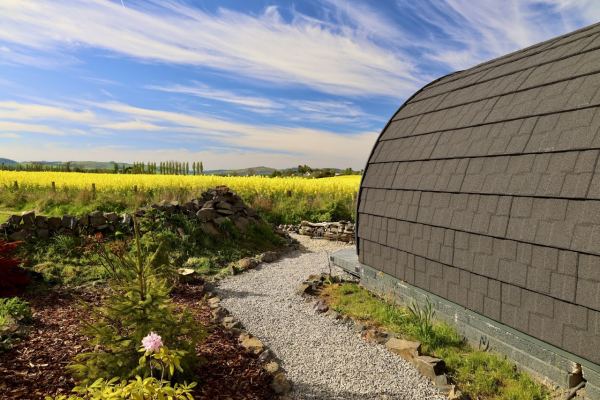
The terrain around Perth changes quickly from the flat haugh land beside the Tay to rolling farmland and, within a few miles, the first rise of the Highland foothills. Most of the established sites sit on the gentler ground close to the river or just north towards Scone and Bankfoot, on well-drained grass or gravel that copes reasonably well with wet weather. Further out towards Blairgowrie and Highland Perthshire proper, the ground begins to feel more like the edge of the Highlands, with hills rising close behind the pitches.
Perthshire's weather is milder than its Highland reputation might suggest, sheltered as it is from the worst of the west coast rain by the mountains further north and west, but it is still Scotland: expect changeable conditions in any season and pack for rain even in July. Average summer highs sit in the high teens, dropping quickly once the sun goes down, and midges can be troublesome on still evenings from June to August, particularly near water and woodland.
Wild camping has a different legal status here than in England: under the Land Reform (Scotland) Act 2003 and the Scottish Outdoor Access Code, camping in small numbers on unenclosed land is generally permitted with responsible behaviour, though a byelaw restricting camping without a permit applies to parts of Loch Lomond and the Trossachs National Park, which lies to the west of Perth. Around Perth itself, most accessible land is farmed or estate ground close to roads and villages, so a proper site remains the practical choice for most visitors, with wild camping better suited to the hills and lochs further into Highland Perthshire.
The camping season here runs roughly from April to October, with the sites generally closing over winter. May and June offer long daylight and drier ground before the summer holiday crowds arrive, while September brings quieter sites and the first hint of the autumn colour that Highland Perthshire is known for.
Self-Catering Cottages in Perth
All cottages in Perth →Tay Views Apartment
2 bed · sleeps 4 · from £891
Boatland Cottage
2 bed · sleeps 4 · from £507
Clover Holidays
2 cottages · from £1,320
Clover Holidays - Cliff View
3 bed · sleeps 6 · from £1,467
Cottage 2
2 bed · sleeps 4 · from £493
Komugi House
4 bed · sleeps 9 · from £1,962
North Lodge
3 bed · sleeps 6
Honeysuckle Cottage
1 bed · sleeps 2 · from £303
Common questions about Perth
How many campsites are there in Perth?
We list 14 campsites in and around Perth, of which 13 take tents and 11 offer glamping.
Are there dog-friendly campsites in Perth?
Yes — 6 of the 14 campsites we list in Perth accept dogs, including Maycroft Retreat and Cleeve Caravan Park.
Which campsites in Perth have electric hook-up?
5 of the 14 campsites we list in Perth offer an electric hook-up.
Where can I stay in Perth?
We list 45 hotels, B&Bs and guest houses in and around Perth. Prices start from around £85 a night.
What is there to do in Perth?
We list 13 attractions and things to do in and around Perth.
Where can I eat in Perth?
We list 150 restaurants, pubs and cafes in and around Perth.