Aviemore
Scotland's mountain village, gateway to the Cairngorms
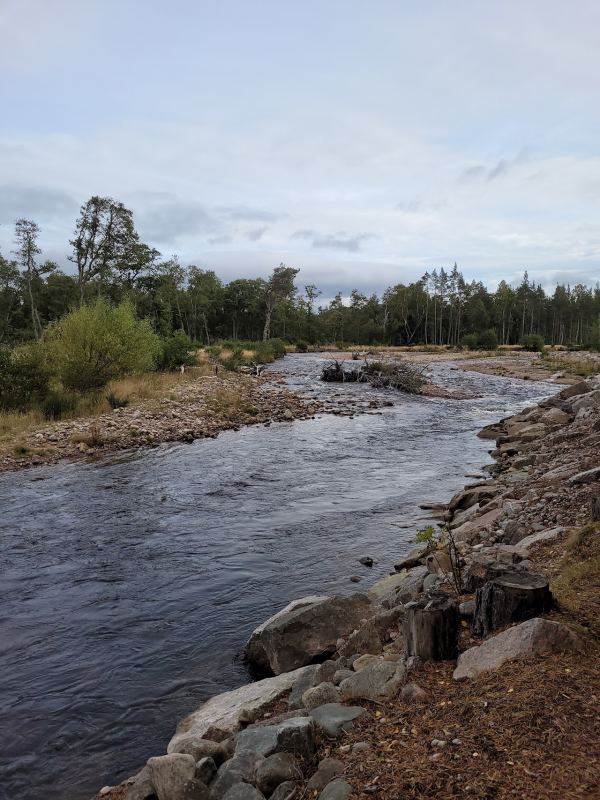
Aviemore sits in Strathspey, the broad valley the River Spey carves between the Cairngorms and the Monadhliath Mountains, and it exists almost entirely because of them. What began as a small Highland Main Line junction grew, through Victorian rail tourism and then the arrival of Scottish skiing in the 1960s, into the busiest visitor town in the Highlands outside the main cities. It has none of the genteel prettiness of a Cotswolds village — the main street is a practical run of outdoor shops, cafes and tour operators rather than a photogenic set piece — but that's rather the point. Aviemore is a base camp, not a destination in itself, and everything about it is built around getting people out onto the mountain, the loch and the forest.
What makes it work is the geography on its doorstep. Within a few miles are the boreal pine forests of Rothiemurchus and Glenmore, remnants of the ancient Caledonian forest that once covered the Highlands; Loch Morlich, an inland loch with a genuine sand beach; and CairnGorm Mountain itself, the only place in Britain where you can take a funicular railway to over 1,000 metres. The Cairngorms National Park, the largest in the UK, surrounds the town on all sides, and its four Munros over 1,200 metres give this stretch of Scotland a distinctly Alpine character — snow holds on the tops well into spring, reindeer roam free on the hills above Glenmore, and golden eagles and ospreys nest within the park boundary.
It's also a place of two very different seasons. In winter, Aviemore is Scotland's main ski town, with CairnGorm Mountain's runs pulling in skiers and boarders from across the UK. In summer, the same slopes become mountain biking and hillwalking terrain, the loch fills with paddleboarders, and the town's position on National Cycle Route 7 and the Speyside Way long-distance path brings a steady flow of walkers and cyclists. Either way, the pull is the same: proper mountains, accessible in a way that's unusual anywhere else in Britain.
Getting to Aviemore
Aviemore's rail links are unusually good for a town its size, because it sits directly on the Highland Main Line between Perth and Inverness. ScotRail runs a broadly two-hourly service in each direction, with Inverness around 40 minutes away and Perth roughly two hours; journeys from Edinburgh or Glasgow typically take around three hours with a change, or run through on certain services. The Caledonian Sleeper's Highland route also calls at Aviemore, with the London Euston service arriving early morning — useful for starting a walking or skiing day without burning a day on travel.
By road, Aviemore sits directly on the A9, the main trunk route through the Highlands: it's about 30 miles (40 minutes) from Inverness, roughly 127 miles (around three hours) from Edinburgh, and about 141 miles (two hours 45 minutes) from Glasgow. The drive from central Scotland is straightforward but long enough that most visitors treat it as a proper day's travel rather than a quick hop, especially in winter when snow and ice on the higher sections of the A9 can slow things down.
The nearest airport is Inverness, about 35 minutes' drive north, with regular flights from London and other UK cities plus a handful of European routes. Aberdeen and Edinburgh airports are both viable alternatives at around two and a half to three hours' drive. Parking in Aviemore itself is plentiful but not free — the main street car parks charge, and the more popular spots at Loch Morlich, Glenmore and the CairnGorm base station fill up fast on clear-weather weekends and during ski season, when arriving early matters more than almost anywhere else in Scotland.
Best time to visit Aviemore
Aviemore genuinely has two tourist seasons, which is unusual in the UK. Winter (December to March) is ski season: CairnGorm Mountain's runs depend entirely on snowfall, which varies wildly year to year, so it's worth checking conditions before booking rather than assuming a white Cairngorms. When the snow is good, this is peak season for the whole town, and accommodation and ski hire book up well in advance.
Summer (June to August) brings the longest days — at this latitude, June evenings stay light until close to 10pm — and the best conditions for hillwalking, watersports on Loch Morlich and mountain biking. It's also the busiest and most expensive period, and midges become a real factor on still, warm evenings, particularly around the forests and lochside.
Spring (April–May) and autumn (September–October) are the shoulder seasons locals tend to recommend: fewer crowds, lower prices, and often the clearest, most stable weather of the year, with autumn adding russet birch and larch colour to the pine forests. Snow can still dust the tops well into May, giving a bonus Alpine backdrop to walks at lower level even outside ski season.
Where to stay in Aviemore(16)
All hotels in Aviemore →About staying in Aviemore
Aviemore's hotels cluster along and just behind the main street, within easy walking distance of the railway station, restaurants and outdoor shops — the obvious choice for anyone without a car or who wants evenings out without driving. Options range from large, functional hotels built for the ski trade, several with pools and drying rooms for wet gear, down to smaller family-run guesthouses and B&Bs on the quieter residential streets just off the centre. A comfortable double in Aviemore itself typically runs from around £90–£120 a night in the shoulder seasons, climbing well beyond that during ski season and the summer school holidays, when the town fills with walkers, skiers and coach parties heading further north.
For a quieter base with the same mountain access, Glenmore and the shores of Loch Morlich offer a smaller number of lodges and a youth hostel set right in the forest, four miles from town but only minutes from the CairnGorm base station — ideal for an early start on the funicular or the ski lifts without the drive. Nearby villages including Boat of Garten, Carrbridge and Kincraig offer a more traditional Highland-village stay, generally a touch cheaper than Aviemore and well connected by the Strathspey Steam Railway or a short drive, though evenings tend to be quieter and a car (or reliance on limited local buses) becomes more useful.
Booking lead time matters more here than in most UK destinations because of the split ski/summer season: rooms for the Christmas and February half-term ski weeks, and for July and August, can sell out months ahead, particularly anything central or dog-friendly (dogs are widely welcomed given the walking crowd Aviemore attracts). Shoulder-season visitors — spring and autumn — have far more flexibility and often get the best combination of value and weather, with the added bonus of the hills being at their clearest and least crowded.
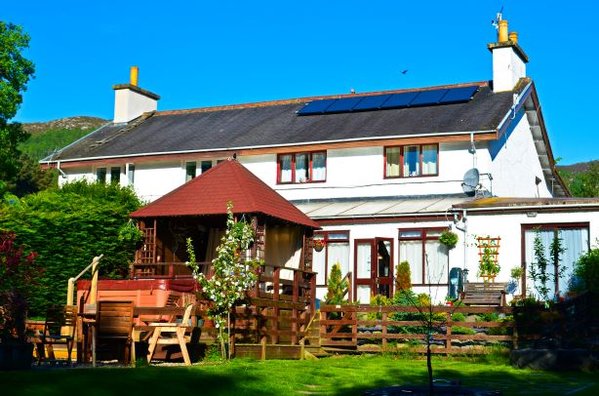
Ardlogie Guest House
Dalfaber Road, Aviemore
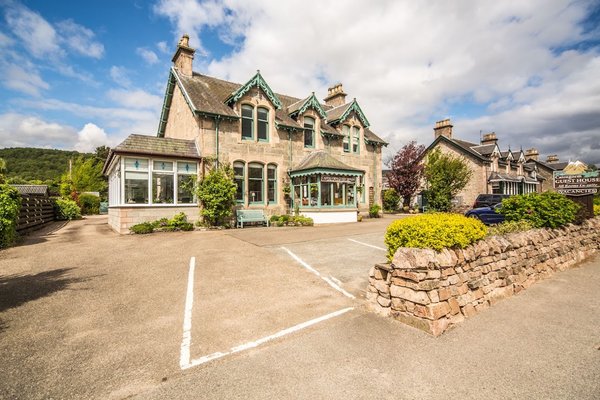
Cairngorm Guest House
139 Grampian Road, Aviemore
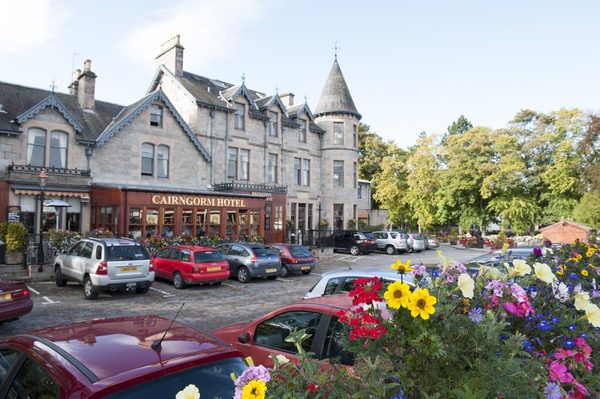
Cairngorm Hotel
Grampian Road, Aviemore
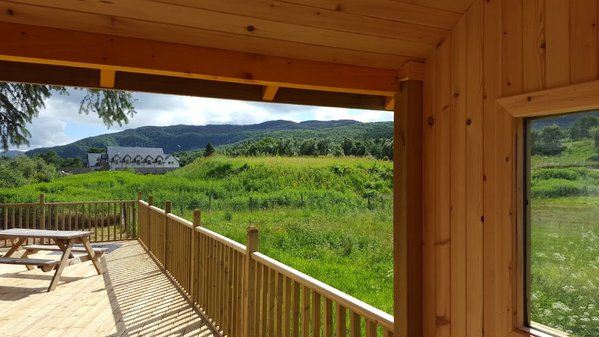
Carn Mhor Bed and Breakfast
The Shieling, Aviemore
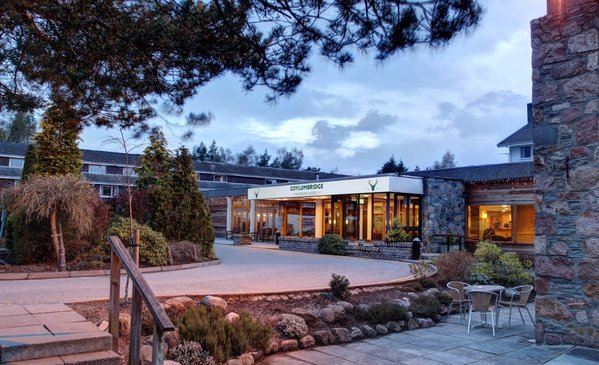
Coylumbridge Hotel
Coylumbridge, Aviemore
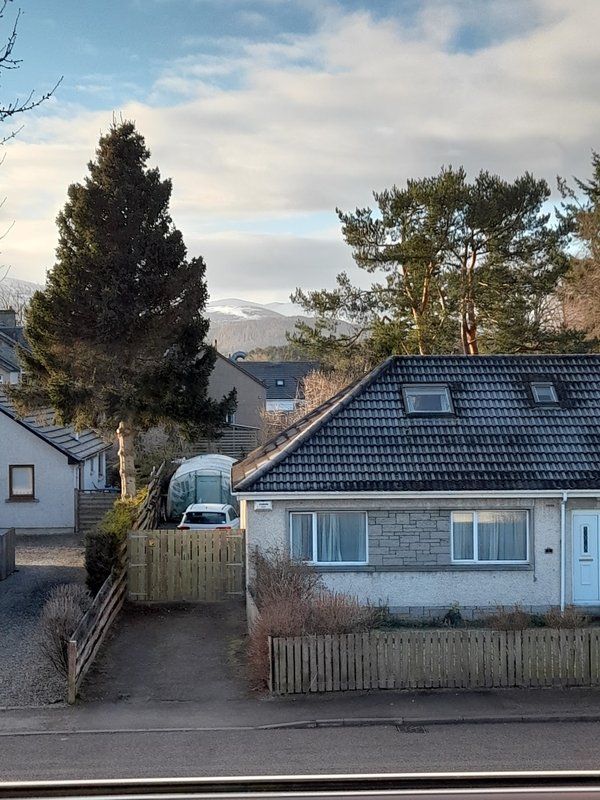
Dunroamin Bed and Breakfast
Craig-na-gower Avenue, Aviemore
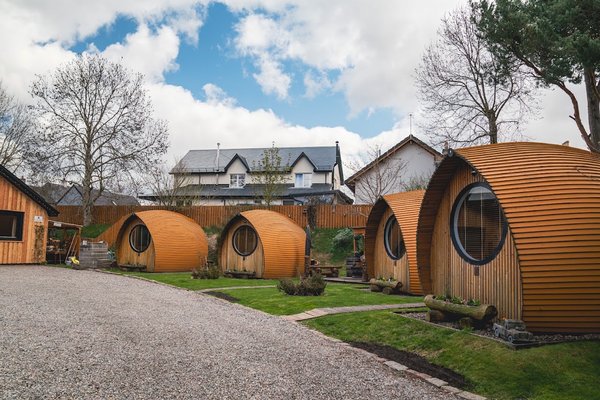
Eriskay B & B
Craig-na-gower Avenue, Aviemore
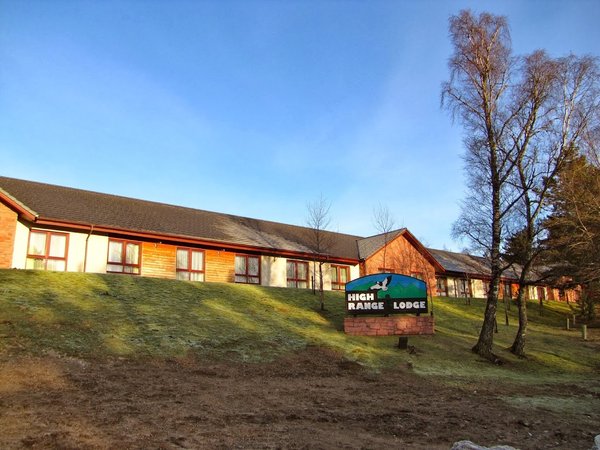
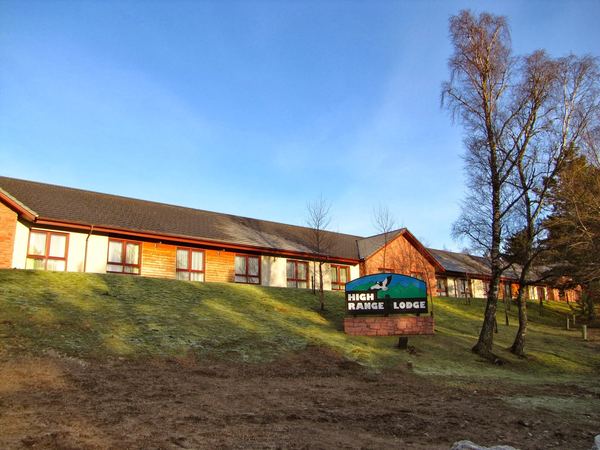
High Range Lodge Hotel
Grampian Road, Aviemore
Things to Do in Aviemore(10)
All attractions in Aviemore →Top things to do in Aviemore
The town itself is small, but the surrounding national park has enough to fill a week or more.
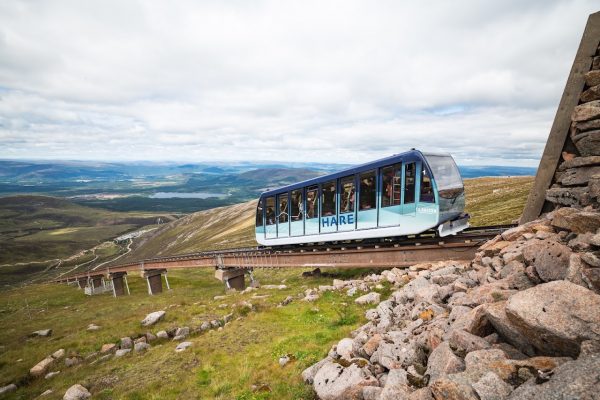
- CairnGorm Mountain — Britain's only funicular railway climbs 2km to the Ptarmigan Top Station in five to eight minutes, reaching the UK's highest restaurant and views across the Spey Valley to the Monadhliath hills. In winter it accesses the CairnGorm ski area's runs and tows; in summer, the funicular runs alongside guided hill walks, and there's a dry tubing slope for families.
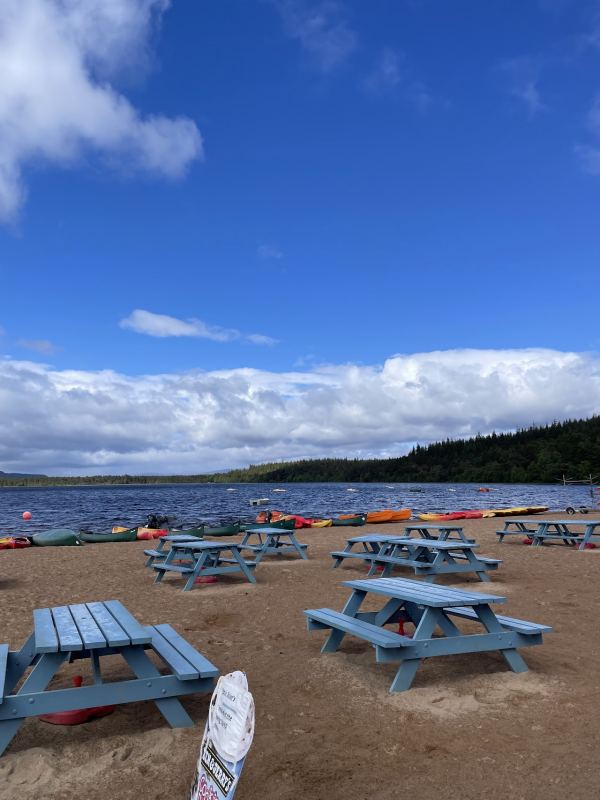
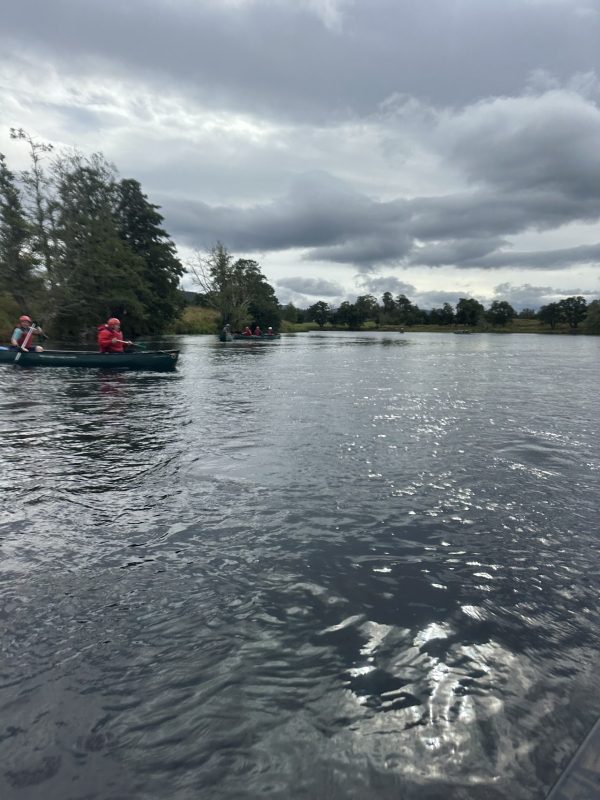
- Loch Morlich — A freshwater loch four miles from town with an unlikely sandy beach, backed by pine forest and views of the Cairngorm massif. There's a watersports centre hiring canoes, kayaks and paddleboards, plus a campsite right on the shore — it's the closest thing the Highlands has to a beach holiday.
- Rothiemurchus Estate — A working Highland estate of ancient Caledonian pinewood between Aviemore and Loch Morlich, with waymarked trails, a farm shop and clay pigeon shooting, plus ranger-led red deer and osprey watching in season.
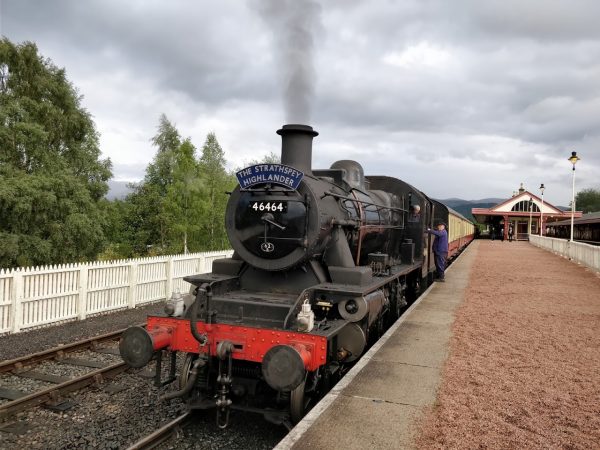
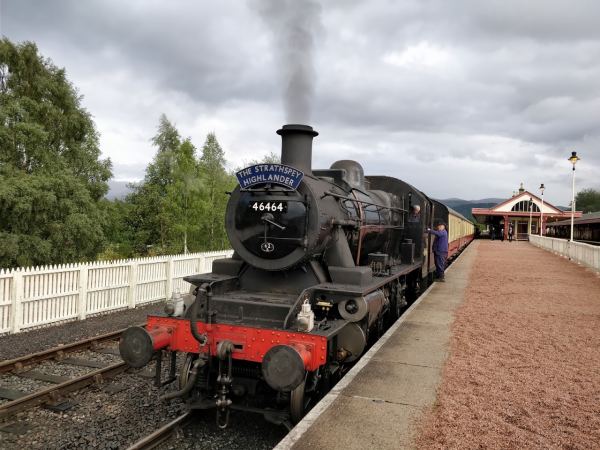
- Strathspey Steam Railway — A volunteer-run heritage line running ten miles from Aviemore through Boat of Garten to Broomhill behind vintage steam locomotives, with the River Spey and the Cairngorms as backdrop; afternoon tea services run on selected dates.
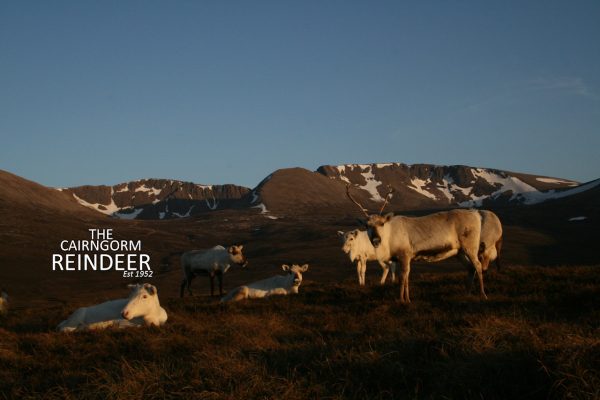
- Cairngorm Reindeer Herd — Britain's only free-ranging reindeer herd, based at Glenmore since 1952. Guided hill visits let you feed and walk among the herd on the open hillside, weather permitting.
- Cairngorms National Park hillwalking — The park holds four of Scotland's five highest Munros, including Ben Macdui, Britain's second-highest peak. Routes range from gentle forest trails around Loch an Eilein to serious high-mountain days on the Cairngorm plateau for experienced walkers.
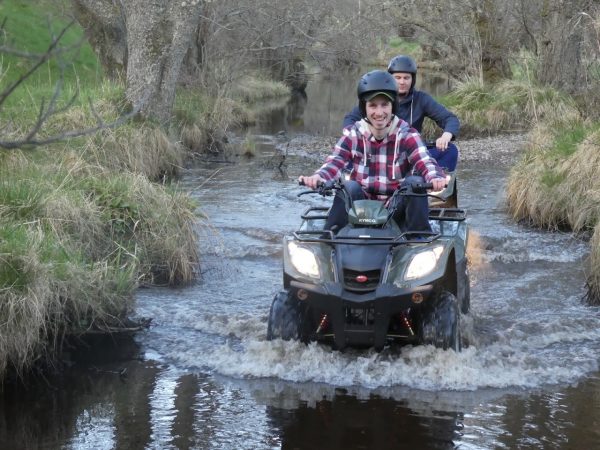
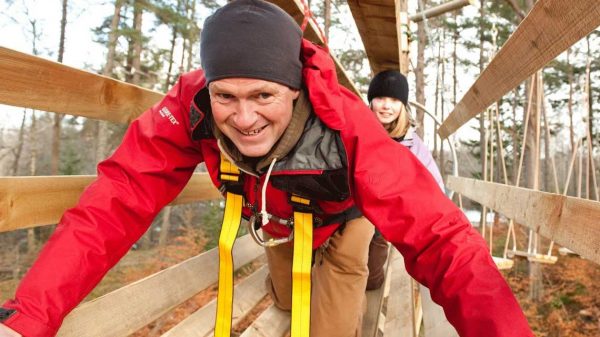
- Glenmore Forest Park and Glenmore Lodge — Pinewoods around Loch Morlich threaded with mountain bike trails and walking routes, home to Glenmore Lodge, Scotland's national outdoor training centre, which runs taster sessions in climbing, kayaking and mountaineering.
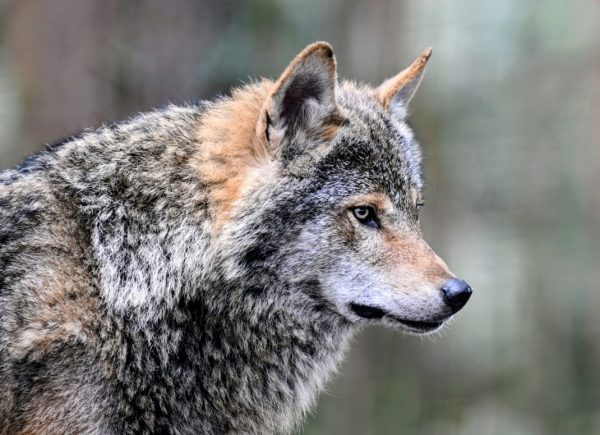
- Highland Wildlife Park — A wildlife park near Kincraig, ten minutes' drive south, run by the Royal Zoological Society of Scotland, with drive-through areas holding bison and Przewalski's horses alongside snow leopards, wolves and Amur tigers.
- Loch an Eilein — A quieter loch within Rothiemurchus with a ruined 13th-century castle on an island, encircled by a flat, family-friendly four-mile forest walk.
Where to Eat in Aviemore(13)
All restaurants in Aviemore →Food and drink in Aviemore
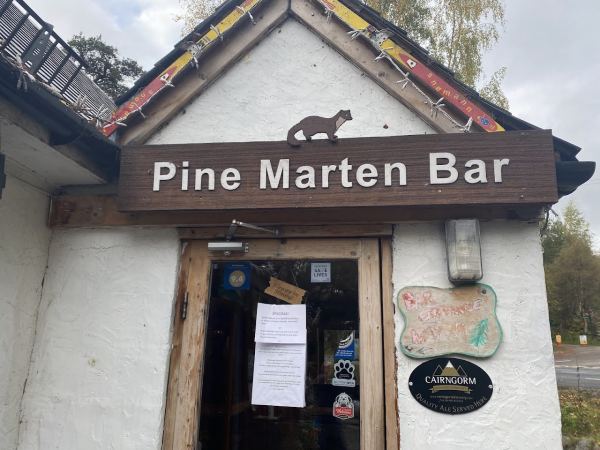
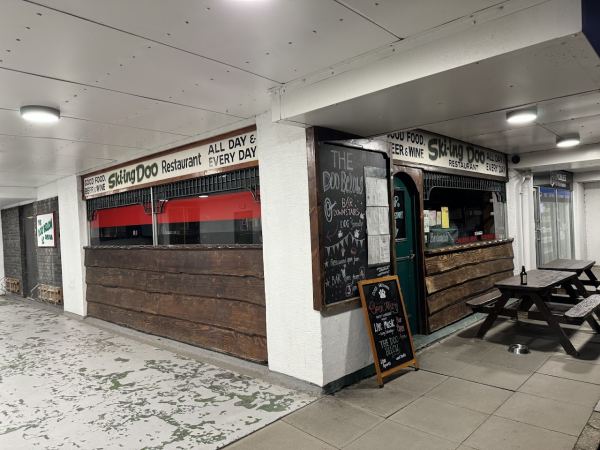
Aviemore's dining scene is built for hungry walkers and skiers rather than fine dining, but it punches above its size. The Cairngorm Hotel and the Old Bridge Inn are local institutions for hearty Highland food and a good range of Scottish beers and whiskies after a day on the hill, while Mountain Cafe on the main street has built a strong reputation for its breakfasts and home baking, run by a New Zealand chef with a following well beyond Speyside. The Craig Bar is the town's genuine locals' pub, with a solid whisky selection.
The wider draw, though, is Speyside itself — the world's densest concentration of malt whisky distilleries lies within about an hour's drive, including Glenlivet, Glenfarclas, Cardhu, Aberlour and Glenfiddich, most offering tours and tastings. Closer at hand, Dalwhinnie, the highest distillery in Scotland, sits just south along the A9 and runs tours year-round. Several operators run "whisky taxi" day trips from Aviemore for anyone who'd rather not drive between drams. Rothiemurchus Estate's farm shop is a good source of local venison and other Highland produce, and the area's cafes and hotel bars lean heavily on Scottish beef, game and salmon on their menus, reflecting the estates and rivers right on the town's doorstep.

Attractions Near Aviemore
All attractions in Aviemore →Worth the trip — within 50 miles of Aviemore.
 5 mi
5 mi
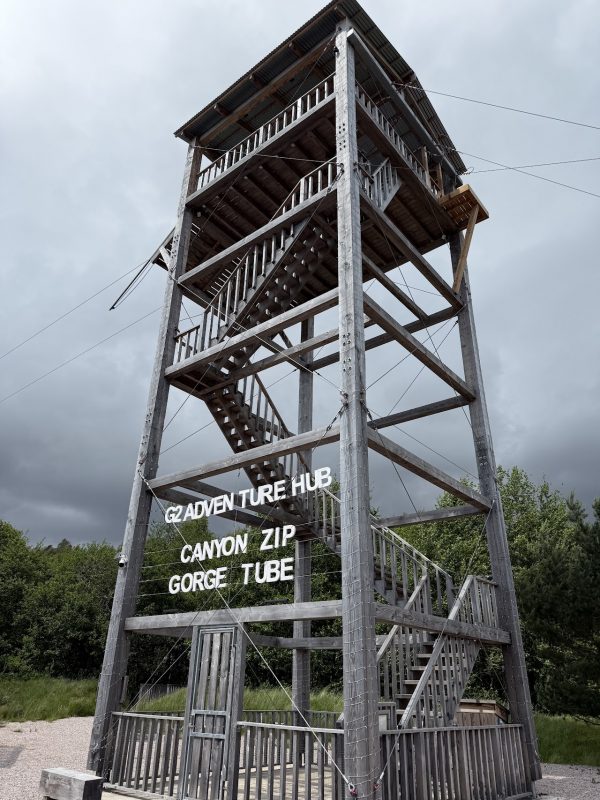
G2 Adventure Hub
Kingussie · ⭐ 4.9
 5 mi
5 mi
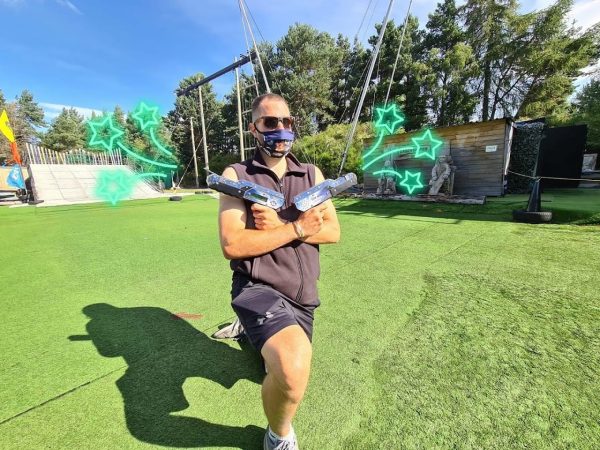
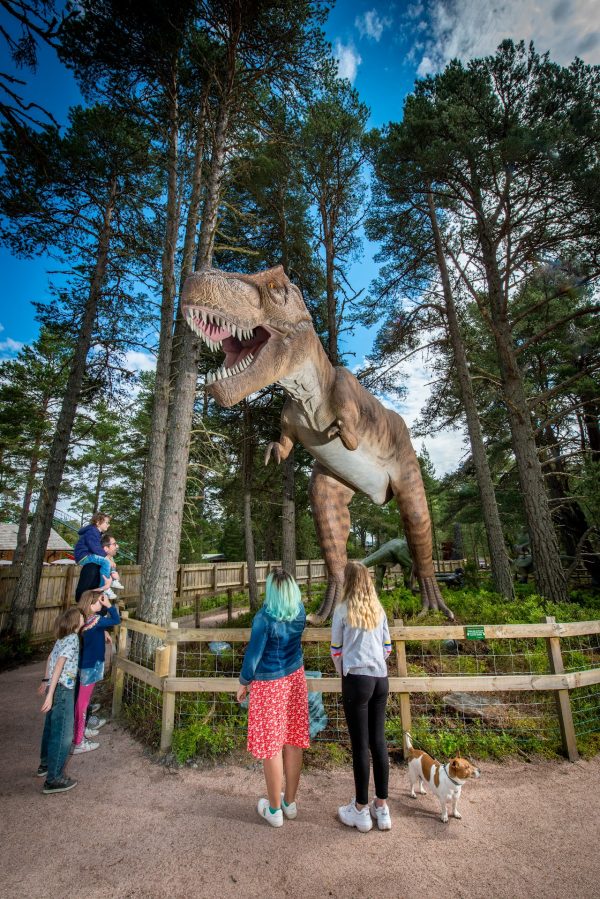
Landmark Forest Adventure Park
Carrbridge · ⭐ 4.7
 7 mi
7 mi
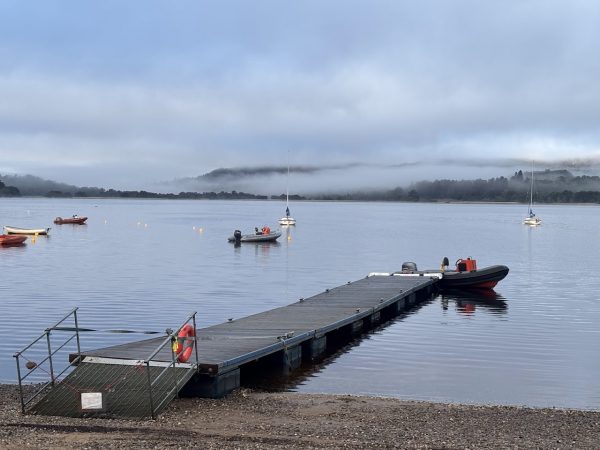
Loch Insh Watersport and Activity Centre
Kincraig · ⭐ 4.6
 8 mi
8 mi
Highland Wildlife Park
Kingussie · ⭐ 4.6
 12 mi
12 mi
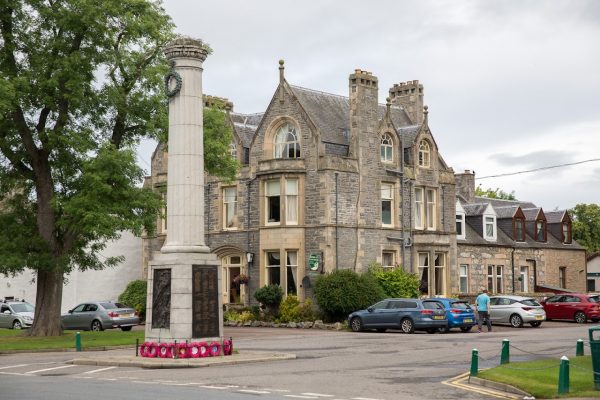
Cairngorms Activities
Grantown-on-Spey · ⭐ 4.6
 12 mi
12 mi
Cairngorms National Park
Grantown-on-Spey · ⭐ 4.6
 14 mi
14 mi
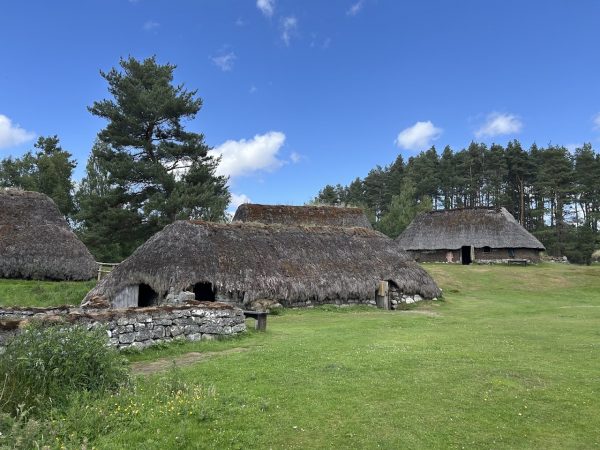
Highland Folk Museum
Newtonmore · ⭐ 4.7
 21 mi
21 mi
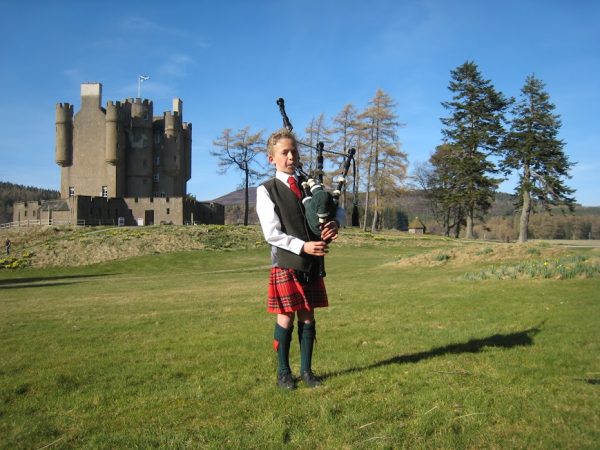
Braemar Castle
Braemar · ⭐ 4.6
Camping in Aviemore(11)
All campsites in Aviemore →About camping in Aviemore
Camping around Aviemore means pitching in genuine mountain terrain — pine forest, lochside and open hillside within the Cairngorms National Park, with peaks over 1,200 metres visible from most sites. The best-known spot is Glenmore, on the shore of Loch Morlich, where a large campsite sits among Caledonian pines with direct access to the loch's sandy beach and watersports centre; it's popular enough in summer that booking ahead is strongly advised. Rothiemurchus Estate, between Aviemore and Loch Morlich, also has camping and touring pitches set among its forest and farmland, with the added appeal of ranger-led wildlife walks on the doorstep.
One important difference from camping in England and Wales: Scotland operates under the Scottish Outdoor Access Code, which gives a general right to responsible wild camping on most unenclosed land, including much of the Cairngorms National Park. That means backpackers heading into the hills for a night on the Cairngorm plateau or beside a remote lochan are generally within their rights to do so, provided they camp well away from roads and buildings, keep groups small, and follow strict leave-no-trace principles — a genuinely different legal position to south of the border, where wild camping is far more restricted. It's worth noting this is quite separate from the seasonal camping byelaws that apply around East Loch Lomond and the Trossachs, which don't extend to the Cairngorms — camping rights here follow the general Access Code rather than any local restriction.
Midges are the other thing to plan around. The Highlands are notorious for them, and the pine forests and lochside around Glenmore and Rothiemurchus are prime midge territory on still, humid evenings from late May through September, peaking in July and August. A head net and strong repellent are close to essential kit for summer camping here; breezier, more open pitches suffer less than sheltered forest ones. The trade-off is worth it — long daylight hours, warm (if changeable) weather and the best access to the hills fall in the same window.
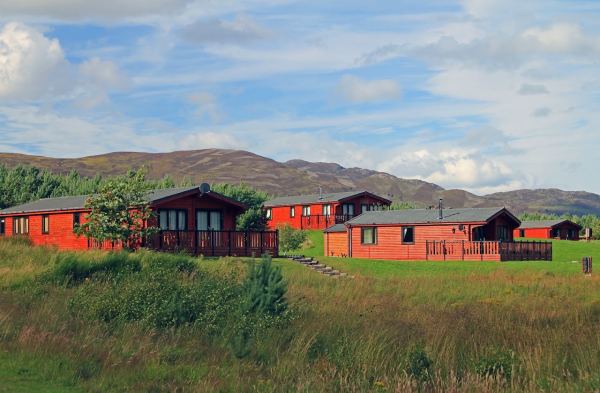
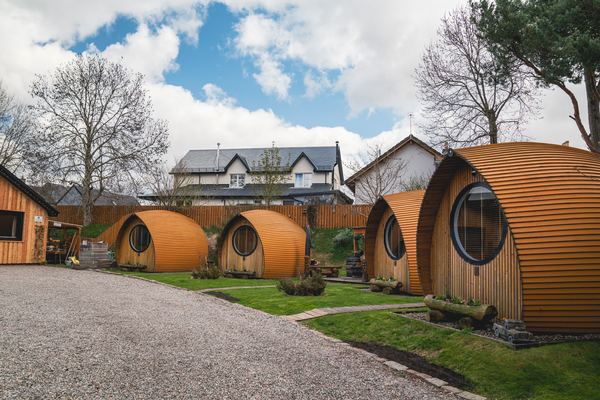
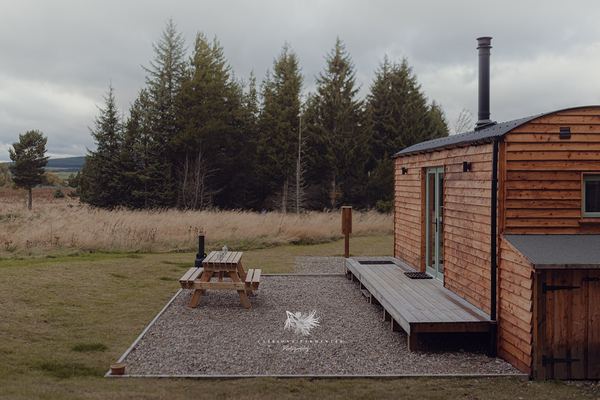
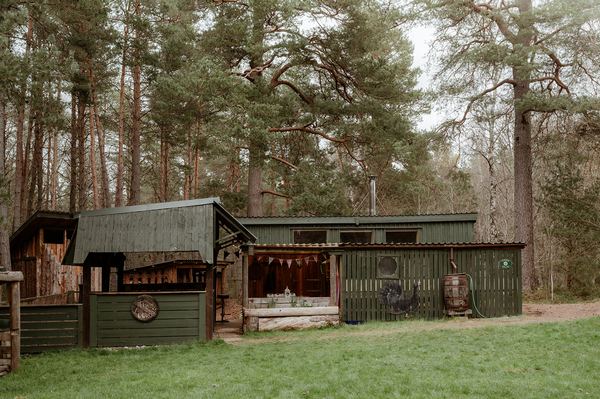
Spring and autumn bring fewer midges and quieter sites, though nights turn properly cold once you're away from the valley floor, and snow can linger on the tops into May. Winter camping is a serious undertaking reserved for experienced mountaineers, given the genuine Arctic conditions the Cairngorm plateau can produce. For anyone who wants the setting without a tent, glamping options — wooden pods, Nordic-style cabins and yurts — are increasingly common around Aviemore, Glenmore and Boat of Garten, offering wood burners and proper beds as an antidote to a wet Highland forecast.
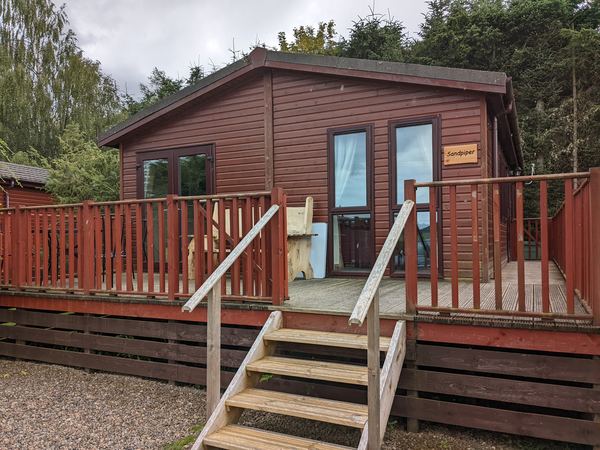
Self-Catering Cottages in Aviemore
All cottages in Aviemore →Rowan Cottage
3 bed · sleeps 6 · from £581
Carn Eilrig
3 bed · sleeps 6 · from £543
Gael Cham
3 bed · sleeps 6 · from £517
Allt Mor
3 bed · sleeps 6 · from £721
Cairn View
3 bed · sleeps 6 · from £957
Clunnie Mor
3 bed · sleeps 6 · from £637
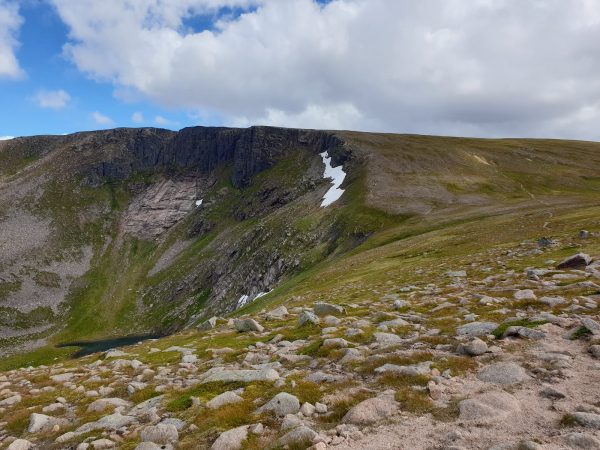
Coire Cas
3 bed · sleeps 6 · from £717
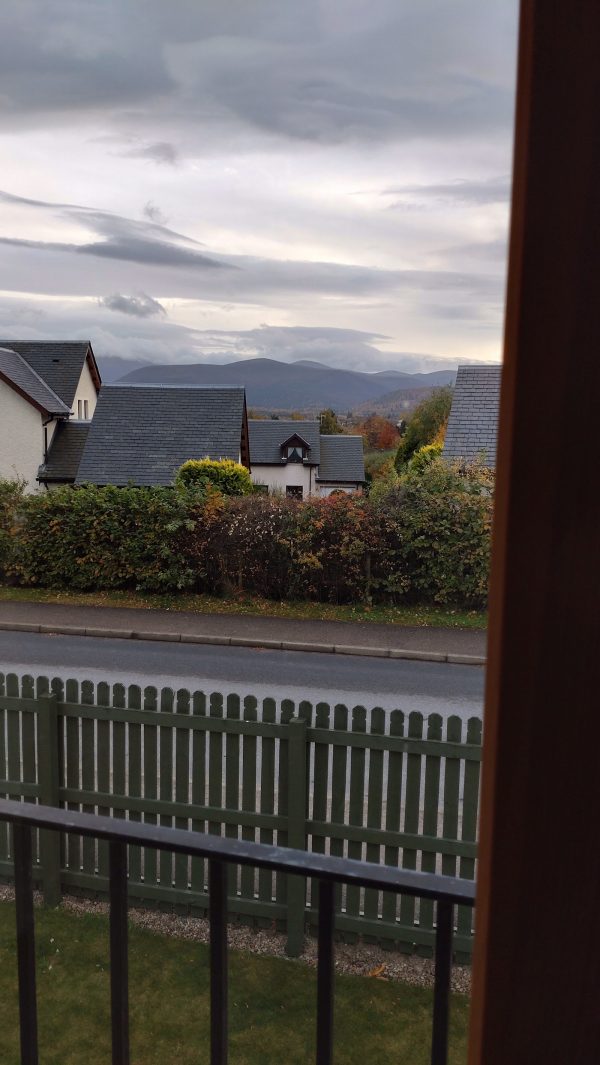
Croftside House
4 bed · sleeps 9 · from £1,096
Common questions about Aviemore
How many campsites are there in Aviemore?
We list 11 campsites in and around Aviemore, of which 11 take tents and 6 offer glamping.
Are there dog-friendly campsites in Aviemore?
Yes — 5 of the 11 campsites we list in Aviemore accept dogs, including Dalraddy Holiday Park and High Range Holiday Complex.
Which campsites in Aviemore have electric hook-up?
4 of the 11 campsites we list in Aviemore offer an electric hook-up.
Where can I stay in Aviemore?
We list 16 hotels, B&Bs and guest houses in and around Aviemore.
What is there to do in Aviemore?
We list 10 attractions and things to do in and around Aviemore.
Where can I eat in Aviemore?
We list 13 restaurants, pubs and cafes in and around Aviemore.