Fort William
Gateway to Ben Nevis and the Great Glen
Photo © chasto bruno, Google Maps
Fort William sits where Loch Linnhe narrows into the Caledonian Canal, hemmed in by Ben Nevis to the east and the humped ridges of Ardgour across the water. It calls itself the outdoor capital of the UK, and the claim is hard to argue with: within a few miles you can stand on the highest ground in Britain, cycle purpose-built mountain bike trails, sail a loch, or climb into Glen Coe. The town itself is workmanlike rather than pretty, built around a pedestrianised High Street of outdoor shops, cafes and tour operators, but its setting does the heavy lifting.
What draws people here is rarely the town centre and always what surrounds it. Glen Nevis runs south-east from Fort William towards the mountain's flank, narrowing into gorge and waterfall before opening onto the wide floor used in Braveheart and the Harry Potter films. The West Highland railway line crosses the Glenfinnan Viaduct a short drive north, and the Caledonian Canal's Neptune's Staircase, a flight of eight locks at Banavie, lifts boats from the sea loch towards Loch Lochy and on to Inverness. Fort William is compact enough to explore on foot yet positioned as a base for a week or more of day trips.
The town grew around a garrison built to police the Highlands after the Jacobite risings, and that history, along with the more recent story of the railways and shinty, is told at the West Highland Museum on Cameron Square. Modern Fort William is shaped just as much by its mountain economy: mountaineering shops, bike hire outfits and outdoor brands line the High Street, and the town fills with walkers, climbers and cyclists from spring through autumn.
Getting to Fort William
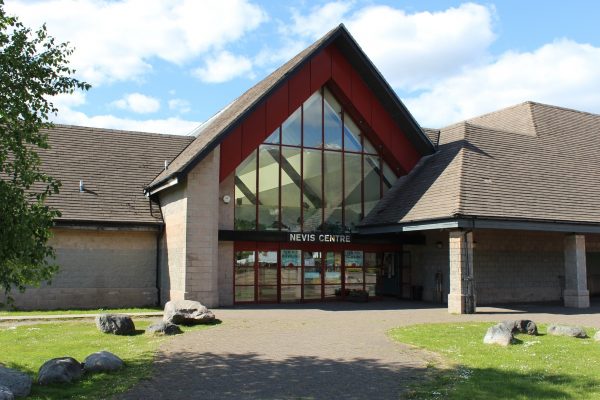
The West Highland Line links Fort William to Glasgow Queen Street, with the journey taking around three hours forty minutes through Rannoch Moor and along Loch Lomond and Loch Awe, widely rated one of the world's great scenic train rides. From London, the Caledonian Sleeper runs overnight from Euston, arriving into Fort William around mid-morning after roughly twelve hours; daytime travel from London means changing in Glasgow. By road, Fort William lies on the A82, about 104 miles and two and a half hours from Glasgow, and around 66 miles south of Inverness. Car parking is available at the Nevis Centre and along the loch shore, though spaces fill in peak summer. The nearest airports are Inverness, about an hour and forty-five minutes away, and Glasgow, roughly two hours forty-five minutes by car, both useful for connecting flights.
Best time to visit Fort William
Summer, from June to August, brings the longest days and the best chance of clear summit views on Ben Nevis, though midges are at their worst and popular routes are busiest. Spring, particularly April and May, offers quieter trails, snow still capping the highest ground, and noticeably fewer midges. Autumn, from September into October, brings colour to the glens and the last runs of the Jacobite steam train before its winter break, along with cooler, often clearer weather. Winter transforms the region into a serious mountaineering and skiing destination, with Nevis Range's ski slopes open in good snow years, though shorter days and severe hill conditions mean it suits experienced visitors rather than casual walkers.
Where to stay in Fort William(73)
All hotels in Fort William →About staying in Fort William
Fort William works well as a single base for a Highland trip because almost everything sits within a short drive: Ben Nevis, Glen Coe, the road to Mallaig and the Great Glen all radiate out from the town. Where you choose within it changes the character of a stay more than the distances suggest. The town centre puts you beside the station, the shops and the Jacobite steam train's departure point, useful if you are travelling without a car or want an evening meal within walking distance after a day on the hill. Achintore Road, a short stroll south along the loch, trades a little convenience for water views and a quieter feel, and its guest houses are often better value than equivalent town-centre rooms.
Anyone planning an early start on Ben Nevis should look at Glen Nevis itself, where a handful of guest houses and the visitor centre sit right at the foot of the Mountain Track, shaving the drive off a long walking day. Torlundy and the Nevis Range side of town suit mountain bikers and, in winter, skiers, putting the gondola station within a few minutes rather than a full drive. Corpach and Banavie, out towards the canal, are quieter still and useful if Glenfinnan and the road to Mallaig feature heavily in your plans, or if you simply want to be away from the summer crowds on the High Street.
Fort William's accommodation runs from a genuine castle hotel with grounds and a private loch, through comfortable business-style hotels with leisure facilities, down to well-run guest houses that often out-perform hotels on breakfast and local knowledge. Booking ahead matters more than the distances suggest: the town's role as a hub for the West Highland Way, Ben Nevis and the Jacobite train means good rooms sell out well before the summer season, and prices climb steeply for July and August. Outside peak season, particularly spring and early autumn, both value and availability improve considerably, and the hills are quieter for it.
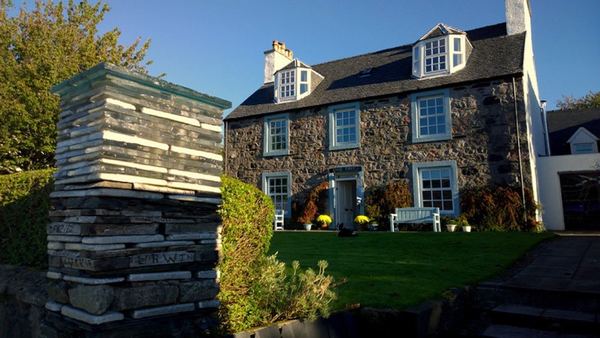 8.8
8.8
Lime Tree An Ealdhain Hotel
Achintore Road, loch shore south of the town centre
from £165/night
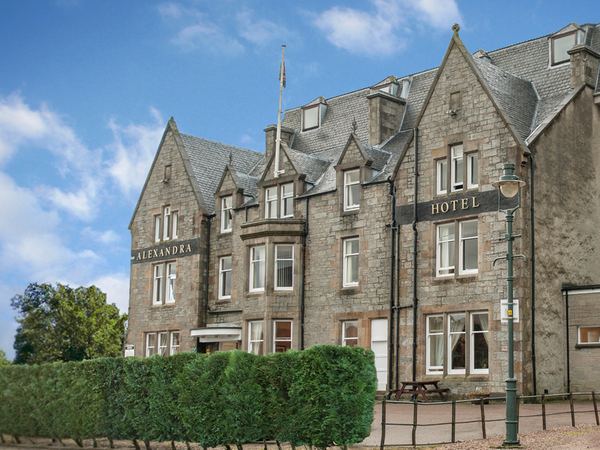 7.9
7.9
Best Western The Alexandra Hotel
The Parade, Fort William town centre
from £105/night
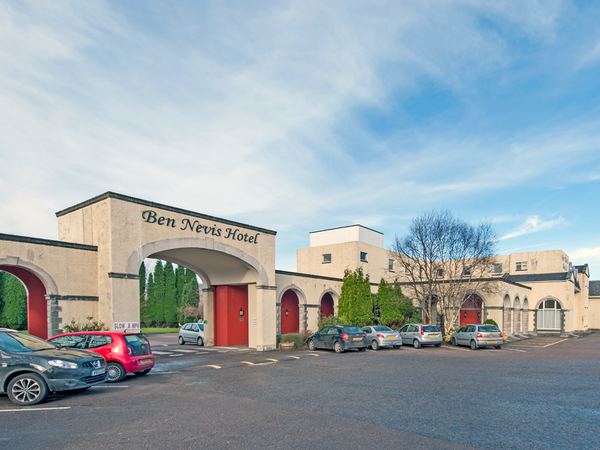 7.8
7.8
Ben Nevis Hotel and Leisure Club
Torlundy, close to Nevis Range
from £110/night
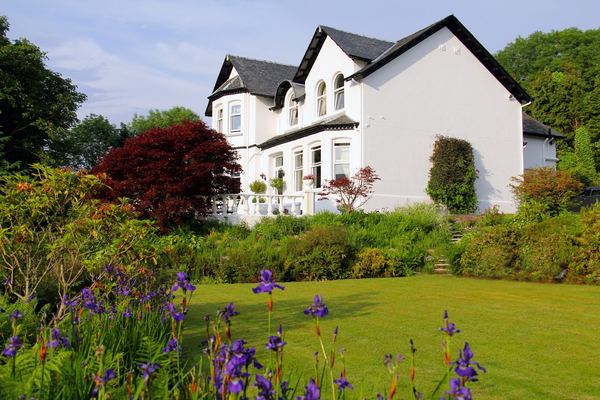 9.5
9.5
Crolinnhe
Achintore Road, loch shore south of the centre
from £140/night
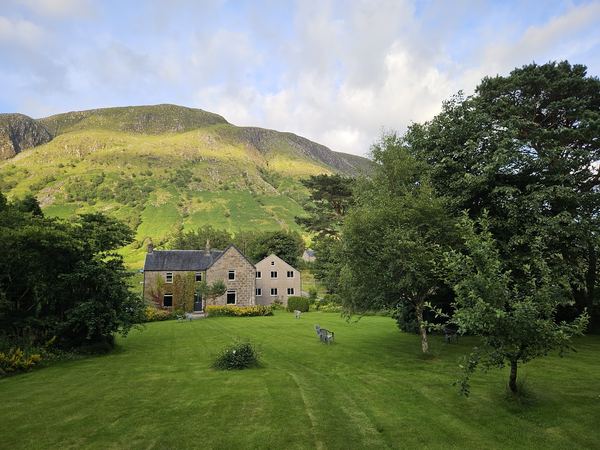 8.9
8.9
Achintee Farm Guest House
Achintee, at the foot of Ben Nevis
from £95/night
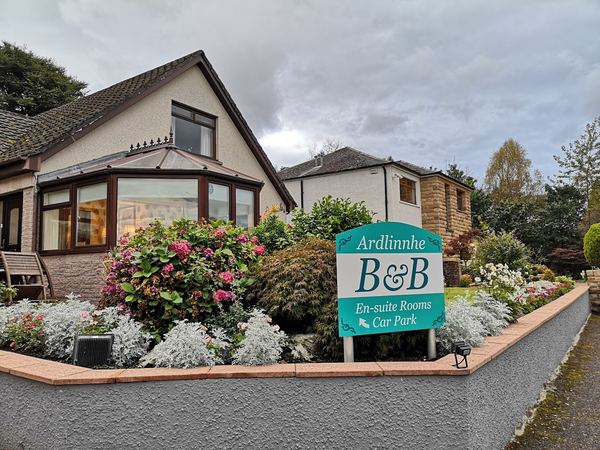
Ardlinnhe Bed and Breakfast
Achintore Road, Fort William
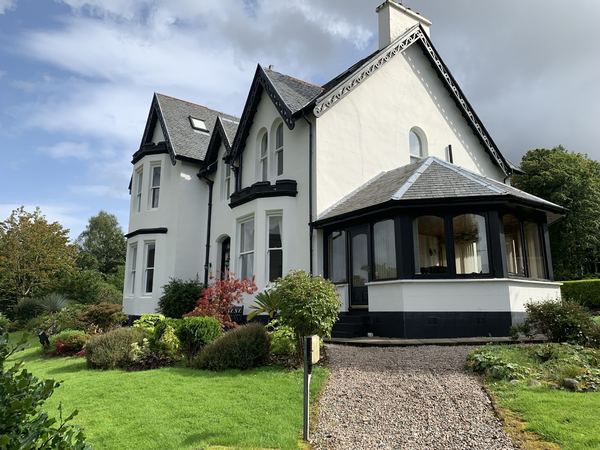
Ashburn House De Luxe Bed and Breakfast
Achintore Road, Fort William
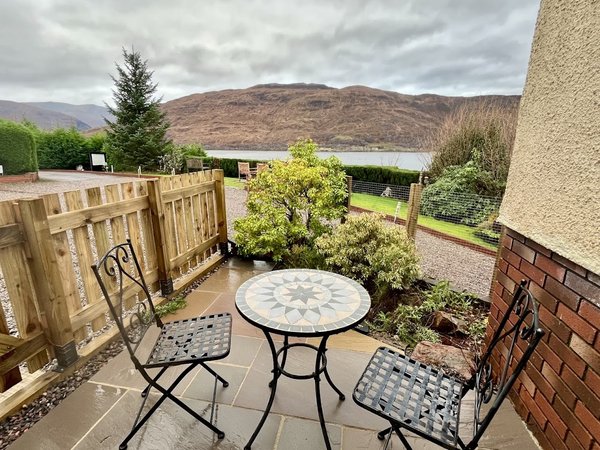
Balcarres Bed and Breakfast
Seafield Gardens, Fort William
Things to Do in Fort William(7)
All attractions in Fort William →Top things to do in Fort William
Beyond the town itself, the surrounding glens and lochs offer some of the best outdoor days in Scotland.
- Ben Nevis is Britain's highest mountain at 1,345 metres, and the Mountain Track from Glen Nevis visitor centre takes most walkers seven to nine hours there and back in full summer conditions.
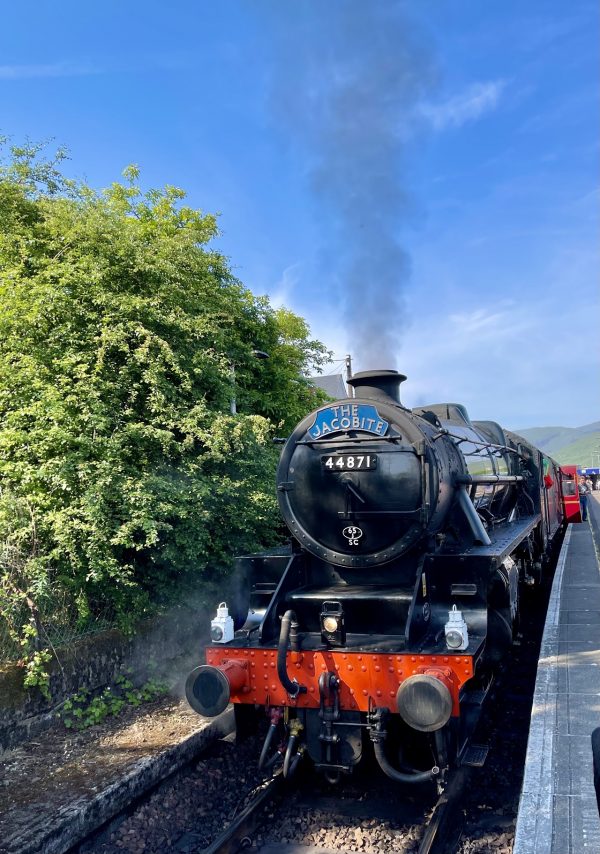
- The Jacobite Steam Train runs from Fort William to Mallaig across the Glenfinnan Viaduct, made famous by the Harry Potter films, with sea views to Skye at the far end.
- Glen Nevis offers gentler walking than the summit route, including the gorge trail to Steall Falls, one of Scotland's highest waterfalls, reached by a wire bridge over the river.
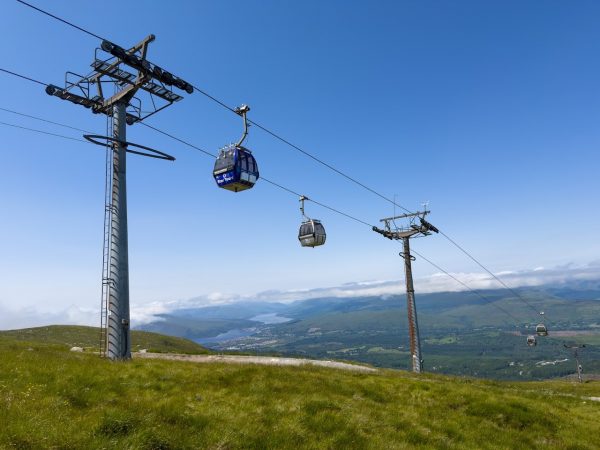
- Nevis Range at Torlundy runs Britain's only mountain gondola in summer, feeding downhill mountain bike trails and hillwalking routes onto Aonach Mor, and becomes a ski centre in winter.
- The West Highland Museum covers Jacobite history, tartan and the region's railway and mountaineering heritage in a small, well-regarded town-centre collection.
- Neptune's Staircase at Banavie is the longest staircase lock on the Caledonian Canal, worth a stop to watch boats climb from Loch Linnhe with Ben Nevis behind.
- Glen Coe, half an hour south on the A82, offers some of Scotland's most dramatic mountain scenery and is an easy day trip from Fort William.
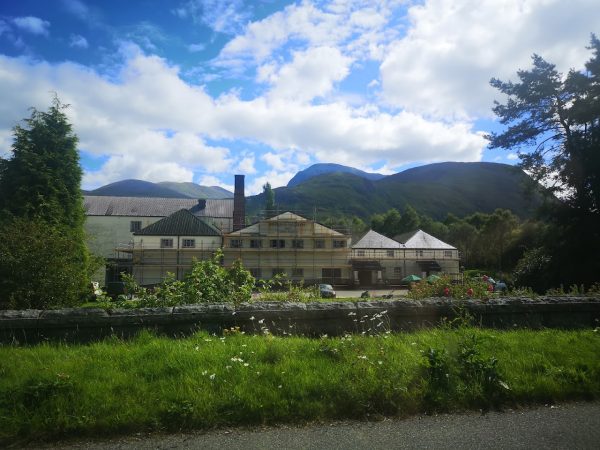
- Ben Nevis Distillery, on the northern edge of town, runs tours and tastings and is one of the oldest working distilleries in the Highlands.
Where to Eat in Fort William(24)
All restaurants in Fort William →Food and drink in Fort William
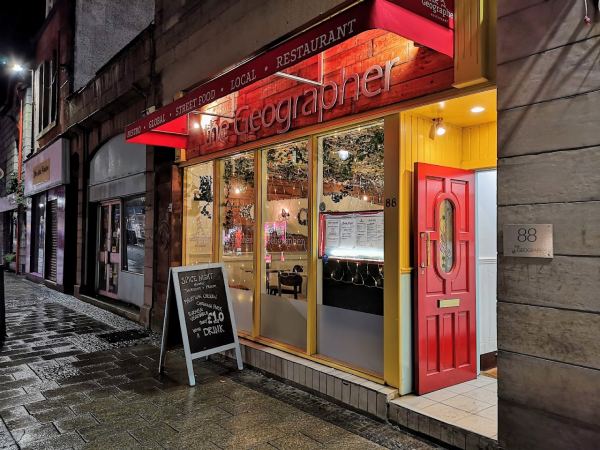
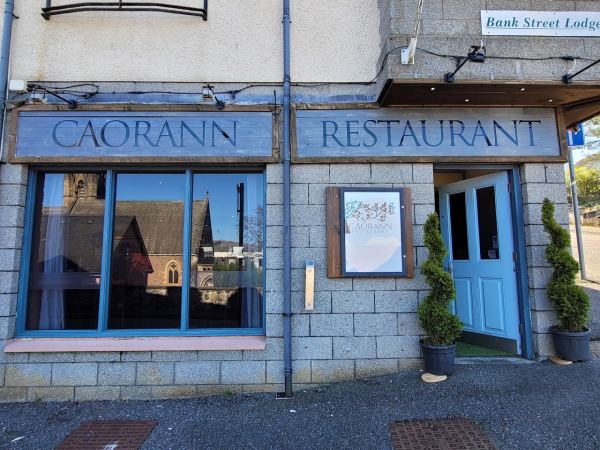
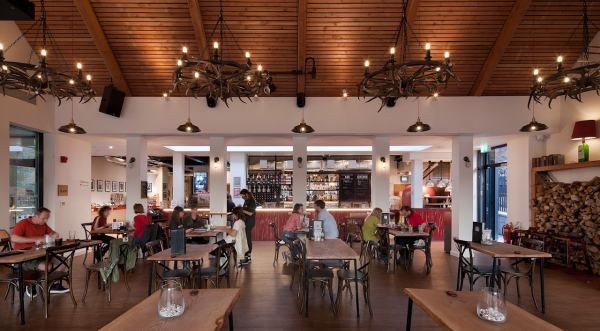
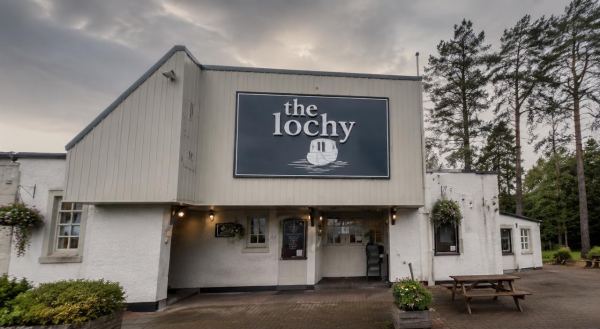
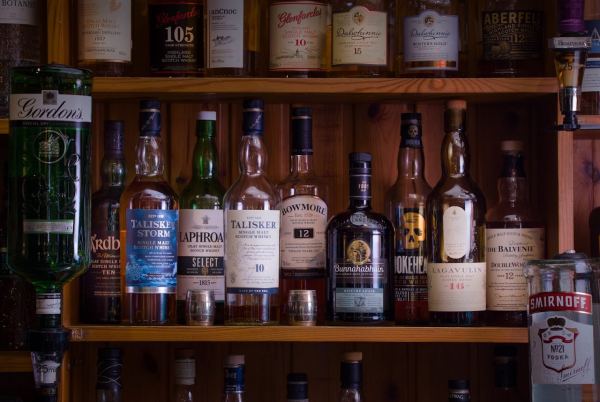
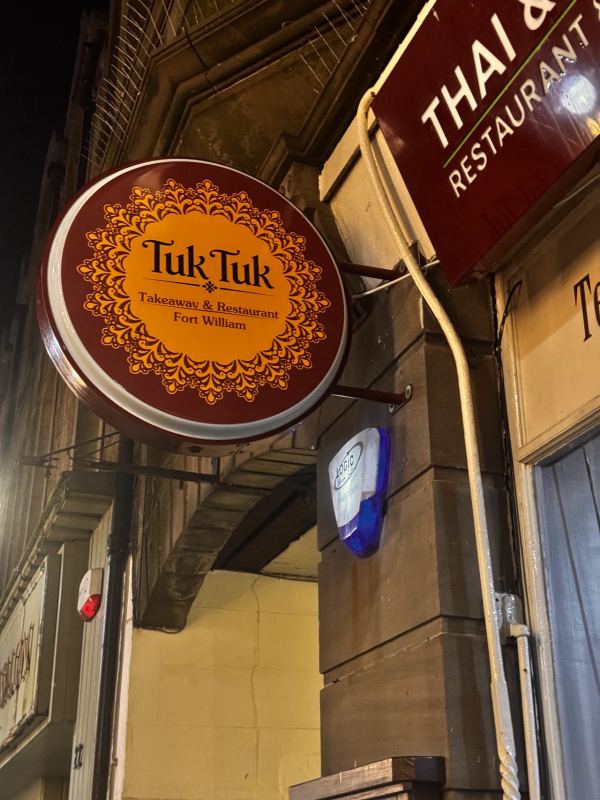
Loch Linnhe and the surrounding sea lochs supply langoustines, mussels and scallops to several restaurants along the waterfront, while venison from the surrounding estates appears on menus through autumn and winter. The Crannog Seafood Restaurant, on the town pier, has long been a fixture for local seafood with loch views, and the Lime Tree restaurant pairs Highland produce with an art gallery setting. Ben Nevis Distillery offers tours and tastings of its single malt on the edge of town, and a small farmers' market sets up periodically on the High Street selling local cheese, baking and preserves. Casual options along the High Street range from fish and chip shops to outdoor-focused cafes serving the walkers and cyclists who fill the town for much of the year.
Attractions Near Fort William
All attractions in Fort William →Worth the trip — within 50 miles of Fort William.
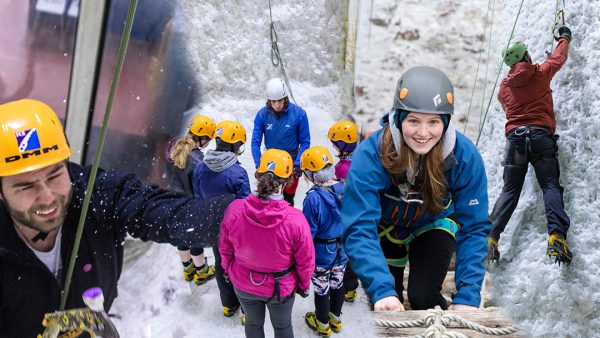 9 mi
9 mi
The Ice Factor Kinlochleven
Kinlochleven · ⭐ 4.6
 10 mi
10 mi
Rugged Paddleboard Glencoe
Ballachulish · ⭐ 5.0
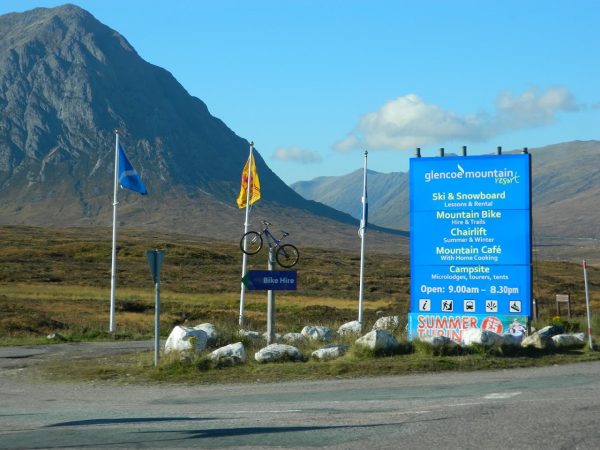 17 mi
17 mi
Glencoe Mountain Resort
Kingshouse · ⭐ 4.4
 29 mi
29 mi
Dundreggan Rewilding Centre
Inverness · ⭐ 4.8
 29 mi
29 mi
Cruachan Hollow Mountain
Dalmally · ⭐ 4.6
 29 mi
29 mi
St Conan's Kirk
Lochawe · ⭐ 4.8
 30 mi
30 mi
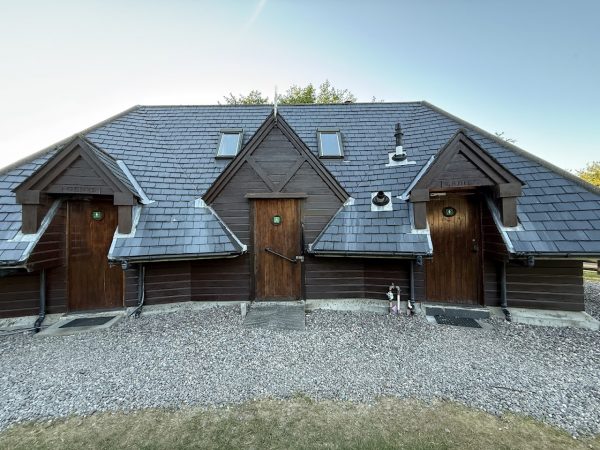
Camusdarach Beach and Campsite
Arisaig · ⭐ 4.7
 30 mi
30 mi
Ganavan Beach
Oban · ⭐ 4.6
Camping in Fort William(9)
All campsites in Fort William →About camping in Fort William
Camping around Fort William means camping in genuinely serious mountain terrain: level, sheltered pitches are concentrated in a few valley floors, principally Glen Nevis and the flatter ground around Loch Linnhe and Loch Eil, rather than scattered across open hillside. Glen Nevis itself narrows quickly into gorge and boulder field beyond the established sites, so most caravan and family camping sits close to the glen mouth or along the lochside roads towards Corpach and Roy Bridge, all within easy striking distance of the town.
Weather is the defining factor for any camping trip here. Fort William sits in one of the wettest parts of Britain, with rainfall considerably higher than most of lowland Scotland, and conditions can change within hours even in midsummer. Midges are a serious consideration from late May to September, particularly in still, damp conditions near the glen and loch shores, and many campers plan around them with head nets and repellent as standard kit. Wild camping is legal across most of Scotland under the right of responsible access, and the hills around Fort William see genuine wild camping by walkers on multi-day routes, but it comes with an obligation to leave no trace, avoid enclosed farmland, and move on after a night or two; the West Highland Way's popularity has led to some local byelaws restricting camping at specific pinch points, which are worth checking before pitching off a formal site.
The best months for camping here are May, June and early September, when daylight runs long, midges are less established than in high summer, and the campsites and hill paths are quieter than the July and August peak. July and August bring the longest days and warmest weather but also the heaviest midge activity and the busiest sites, so early booking is essential. Whatever the month, a genuinely waterproof tent, warm layers regardless of forecast, and a midge net are close to essential kit for camping in this part of the Highlands.
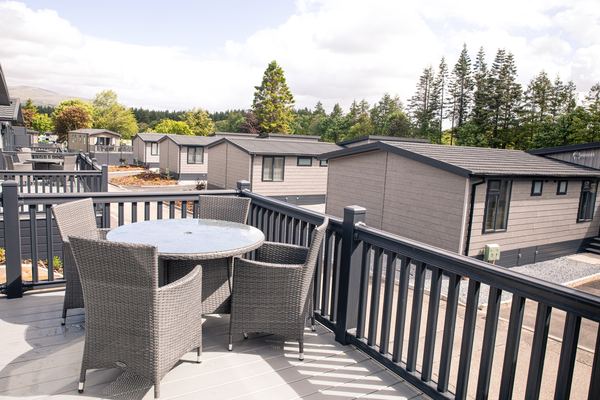
Ben Nevis Holiday Park
⭐ 4.5 · from £26/night
Ben Nevis Parking
⭐ 4.7
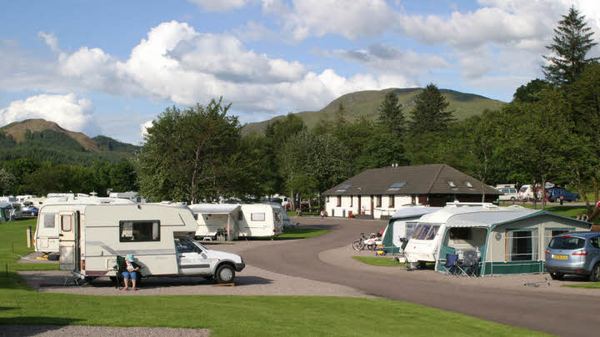
Bunree Caravan and Motorhome Club Site
⭐ 4.6
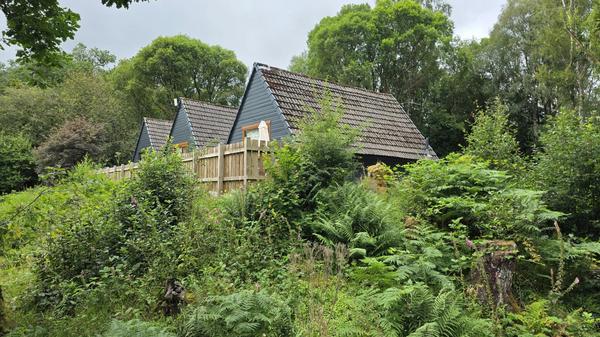
Bunroy Camping and Caravan Park
⭐ 4.8 · from £17/night
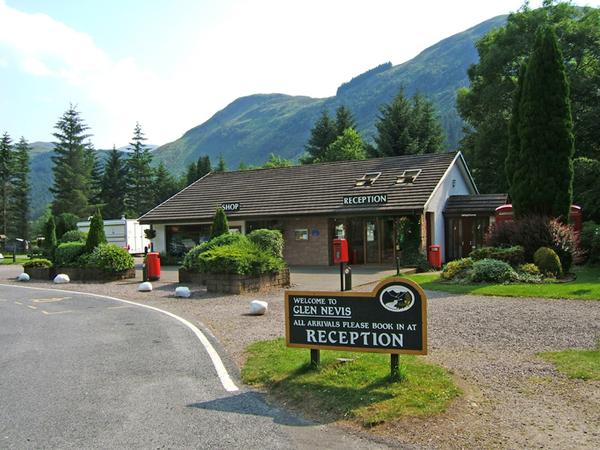
Glen Nevis Caravan and Camping Park
⭐ 4.7 · from £20/night
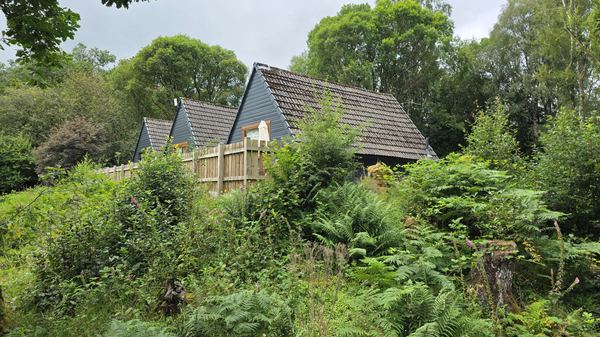
Inverroy Caravan Park
⭐ 4.8
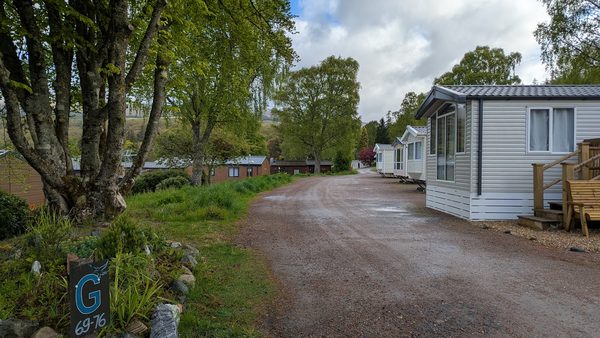
Linnhe Lochside Holidays
⭐ 4.5 · from £18/night
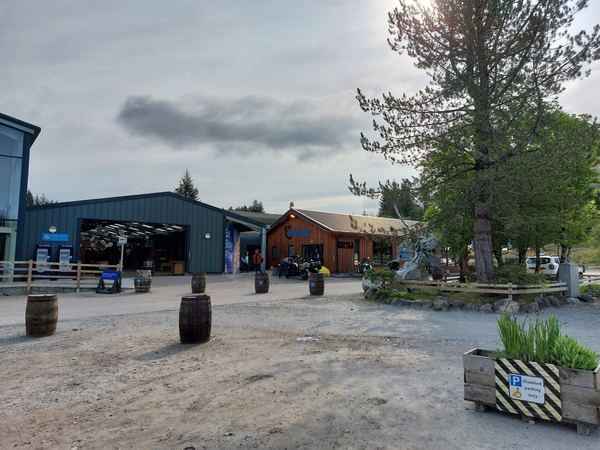
Nevis Range Campervan Park
⭐ 3.4
Self-Catering Cottages in Fort William
All cottages in Fort William →Armadale Apartment
2 bed · sleeps 3
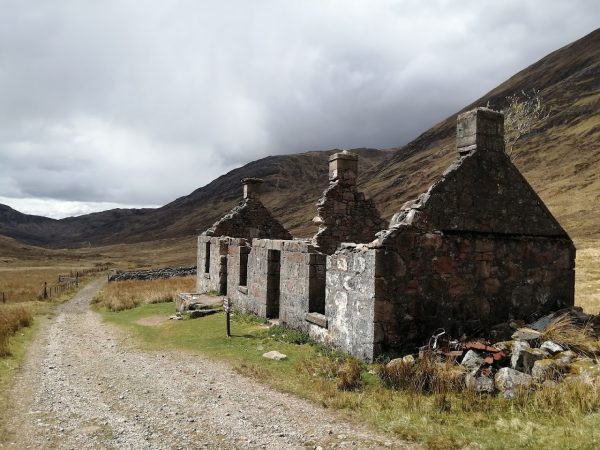
54
3 bed · sleeps 5
The Townhouse
3 bed · sleeps 6
Sugarloaf
3 bed · sleeps 5
Rosewood Cottage
1 bed · sleeps 2
Gallunach House
3 bed · sleeps 6
Old Distillery Apartment
2 bed · sleeps 4
Woodend
2 bed · sleeps 4 · from £627
Common questions about Fort William
How many campsites are there in Fort William?
We list 9 campsites in and around Fort William, of which 9 take tents and 5 offer glamping.
Are there dog-friendly campsites in Fort William?
Yes — 6 of the 9 campsites we list in Fort William accept dogs, including Bunroy Camping and Caravan Park and Glen Nevis Caravan and Camping Park.
Which campsites in Fort William have electric hook-up?
5 of the 9 campsites we list in Fort William offer an electric hook-up.
Where can I stay in Fort William?
We list 73 hotels, B&Bs and guest houses in and around Fort William. Prices start from around £95 a night.
What is there to do in Fort William?
We list 7 attractions and things to do in and around Fort William.
Where can I eat in Fort William?
We list 24 restaurants, pubs and cafes in and around Fort William.