Llandudno
Victorian grandeur between two limestone headlands
Photo © Google Maps contributors, Google Maps
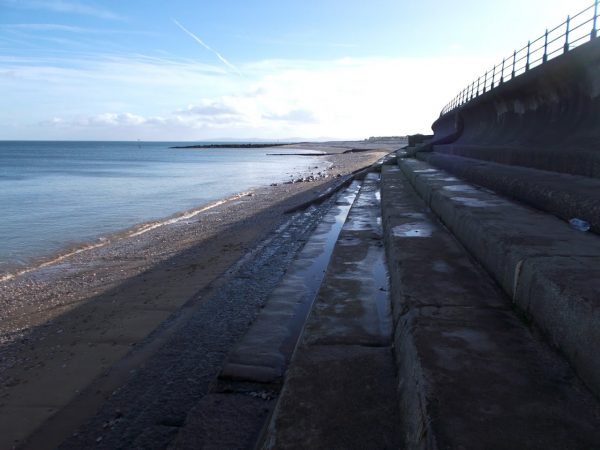
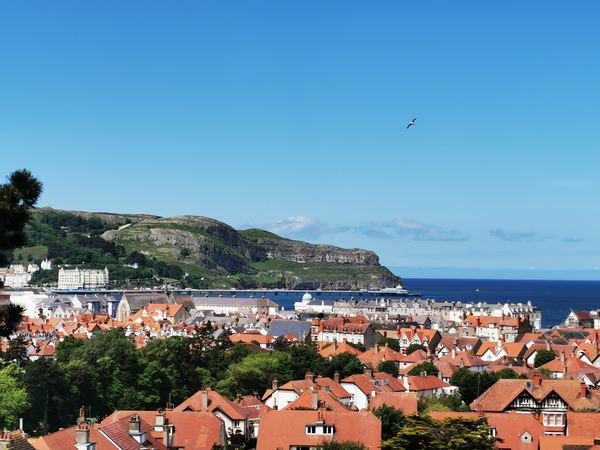
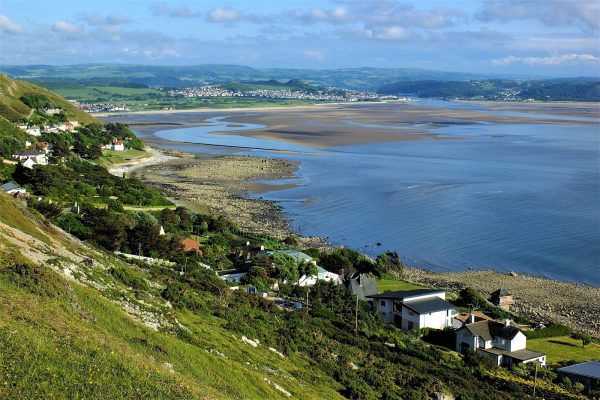
Llandudno sits on a curving bay between two limestone headlands, the Great Orme and the Little Orme, on the north coast of Wales. Built from the 1850s onwards as a purpose-planned seaside resort, it has kept its wide promenade of Victorian and Edwardian hotels, its cast-iron pier, and a long sweep of beach facing the Irish Sea. Longtime visitors and locals still know it by its Victorian-era nickname, the Queen of Welsh Resorts, and the town has worked hard to keep that title earned rather than nostalgic.
What sets Llandudno apart from many British seaside towns of similar size is the scale and discipline of its original planning. Wide streets were laid out on a grid behind a curved sea front, and terraces of stucco-fronted hotels were built to face the water rather than turn their backs on it. The pier still runs from the shore to the foot of the Great Orme, and the headland itself has been left largely undeveloped, threaded with footpaths, a Victorian tramway and a cable car, giving the town a genuinely wild edge that most resorts its size have long since built over.
Conwy, with its castle and complete medieval town walls, is a few minutes along the coast, and the mountains of Snowdonia rise inland within half an hour's drive. Llandudno works well as a base for exploring both, while also standing on its own as a self-contained holiday destination, with museums, a notable art gallery, formal gardens and entertainment traditions along the pier and promenade that go back well over a century.
Getting to Llandudno
Llandudno has its own railway station on a short branch line from Llandudno Junction, which sits on the North Wales coast main line. Direct or one-change services run from London Euston via Crewe, with a typical journey time of around three and a half to four hours. From Manchester, the journey is closer to an hour and forty minutes, and from Chester around an hour. By road, the A55 expressway runs along the North Wales coast and connects directly to the town, making it an easy drive from Chester, Manchester or Liverpool, and a longer but straightforward run from the Midlands and beyond via the M6 and A55. Several council-run car parks serve the promenade and town centre, and most hotels offer parking or can direct guests to nearby options. The closest airports are Liverpool John Lennon, around an hour's drive away, and Manchester Airport, at around an hour and a half; there is no major airport closer to the town.
Best time to visit Llandudno
Spring brings out the best of the gardens at Bodnant and along the Great Orme, with milder weather and thinner crowds than midsummer, and is a good season for walking the headland. Summer is peak season, when the pier, promenade and beaches are at their busiest and warmest, and when the town's entertainment programme runs at full tilt. Autumn is quieter and often mild by Welsh coastal standards, with good conditions for longer walks and a more relaxed pace in the town's cafes and restaurants. Winter is bracing rather than pretty, but the promenade is dramatic in a storm, the grand hotels lean into log fires and afternoon tea, and the town's Victorian Extravaganza and Christmas events draw their own steady following.
Where to stay in Llandudno(139)
All hotels in Llandudno →About staying in Llandudno
Llandudno's accommodation is shaped by its Victorian layout, so where you stay changes the character of a visit more than in most towns this size. The promenade holds the grandest options: tall stucco-fronted hotels built to face the sea, most offering sea-view rooms, formal dining and the kind of scale that suits a classic seaside break, a special occasion, or a stay built around the pier and town-centre shops. These hotels tend to be busiest and priced highest in the height of summer, and are within easy walking distance of almost everything in the town centre.
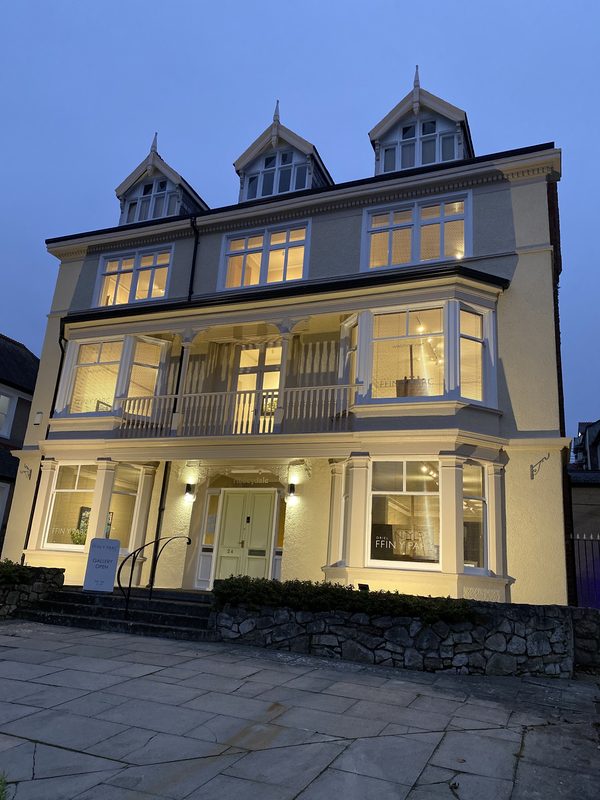
Church Walks and the lower slopes of the Great Orme, just behind the promenade, hold a cluster of smaller boutique B&Bs and guest houses in converted Victorian villas. This area suits anyone planning to walk the headland, wanting a quieter base without losing the short walk into town, or simply preferring a more personal, independently run stay over a large hotel. Several of the town's most highly rated small properties are found here rather than on the seafront itself.
Beyond the town, Deganwy and the wider Conwy estuary offer a genuinely different base: hotels here look across the water towards Conwy Castle rather than out to the Irish Sea, and suit visitors who want to divide their time between Llandudno, Conwy and the wider North Wales coast rather than staying put. A stay here works particularly well for anyone travelling by car, since it puts Conwy, Bodnant Garden and the A55 corridor within a few minutes' drive, at the cost of losing the promenade's walk-everywhere convenience.
Whichever area you choose, book well ahead for July and August and for any of the town's Victorian-themed weekends, when the promenade hotels in particular fill quickly. Outside peak summer, prices ease and the town's pace slows with them, making spring and autumn a good compromise between weather and value.
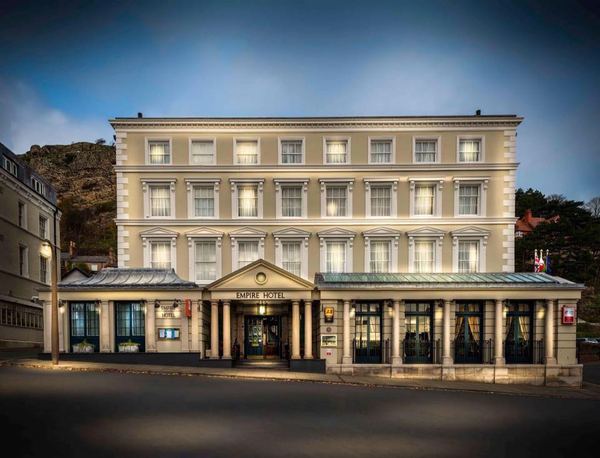 8.8
8.8
Empire Hotel & Spa
Church Walks, beneath the Great Orme
from £145/night
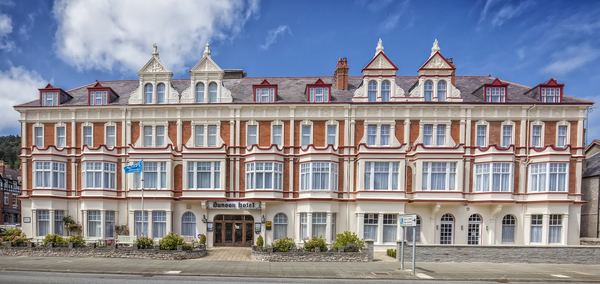 8.9
8.9
Dunoon Hotel
Gloddaeth Street, town centre
from £95/night
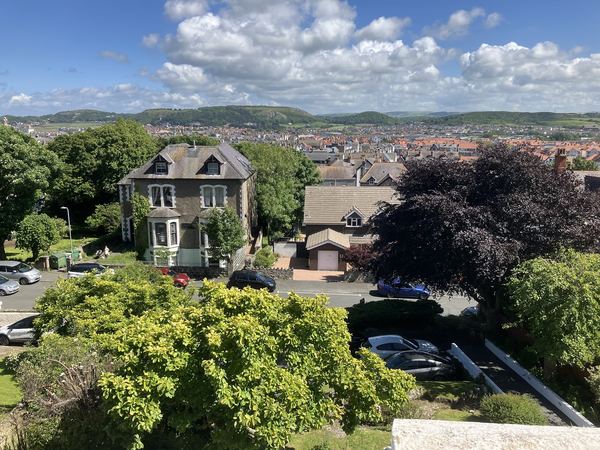 9.5
9.5
Escape Boutique B&B
Church Walks, near the pier
from £125/night
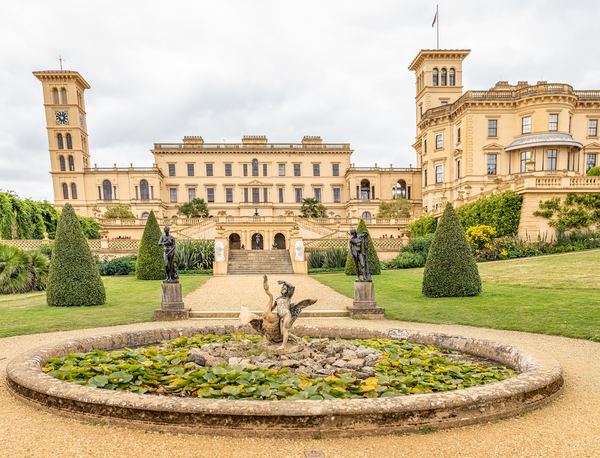 9.0
9.0
Osborne House
The Promenade, seafront
from £150/night
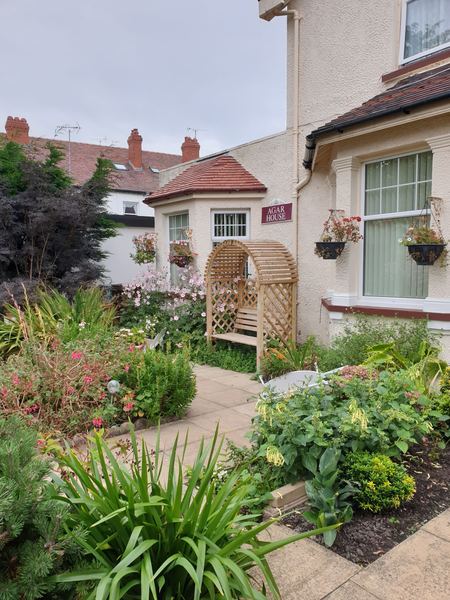
Agar House
17 St Davids Road, Llandudno
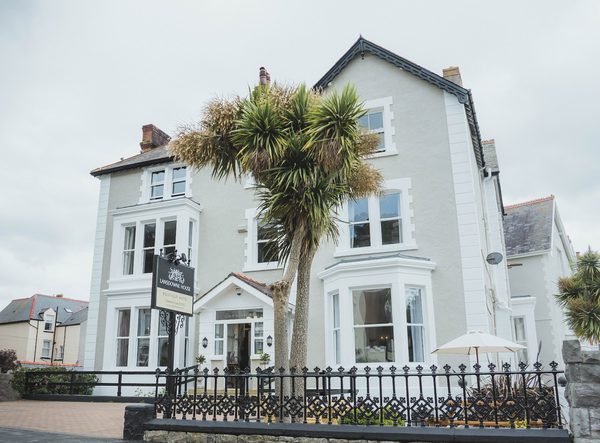
Albany House
5 Craig Y Don Parade, Llandudno
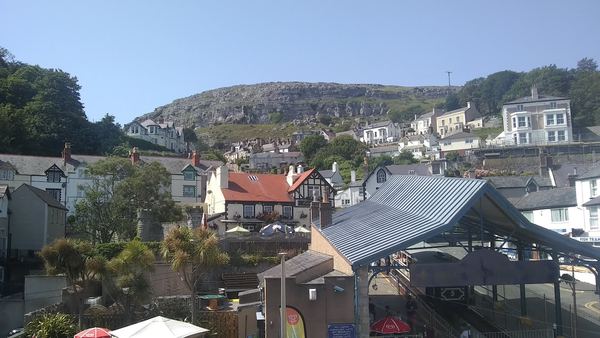
Anglesey House
21 Church Walk, Llandudno
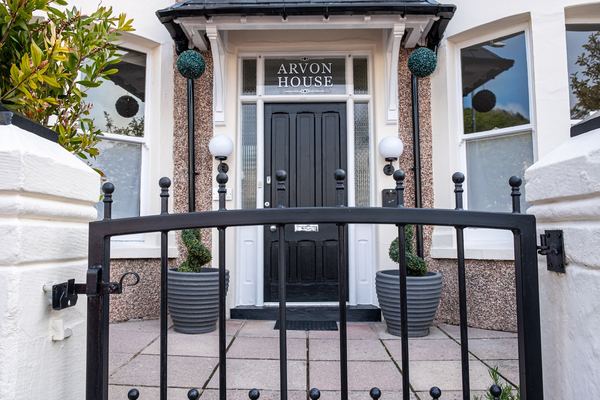
Arvon House
18 Arvon Avenue, Llandudno
Things to Do in Llandudno(13)
All attractions in Llandudno →Top things to do in Llandudno
The town rewards a slow visit as much as a busy one. These are the attractions most worth building a stay around.
- The Great Orme is the limestone headland that dominates every view of the town, reachable on foot, by the Victorian-era Great Orme Tramway, or by cable car, with panoramic coastal views and a resident herd of Kashmiri goats descended from a pair gifted to Queen Victoria.
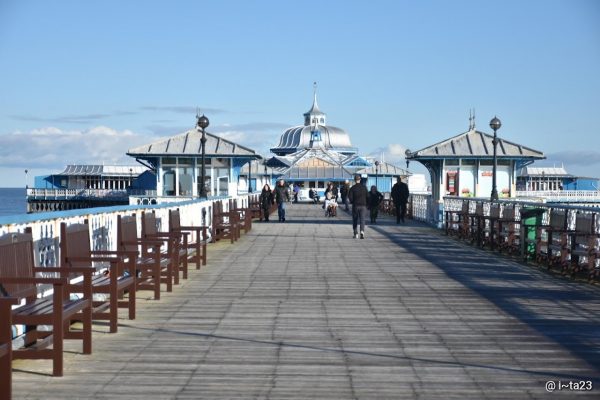
- Llandudno Pier stretches almost 700 metres from the promenade, making it one of the longest in Wales, with amusements, kiosks and views back along the whole sweep of the bay.
- The Alice in Wonderland trail traces the town's connection to Alice Liddell, whose family holidayed in Llandudno and inspired Lewis Carroll; bronze and painted statues of characters from the books are dotted through the streets.
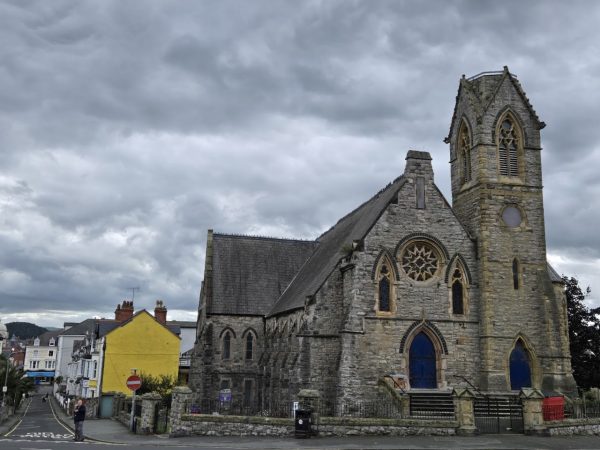
- Mostyn, the town's contemporary art gallery, occupies a Victorian building on Vaughan Street and runs a changing programme of exhibitions alongside a permanent collection with strong Welsh connections.
- Bodnant Garden, a National Trust property around eight miles south of the town near Tal-y-Cafn, is one of Wales's best-known gardens, famous for its laburnum arch and rhododendron collection.
- Conwy Castle, a UNESCO World Heritage Site a short drive or train ride away, is among the best-preserved medieval castles in Britain and sits within a still-complete circuit of town walls.
- Happy Valley, on the lower slopes of the Great Orme above the pier, combines formal gardens with a dry ski and toboggan run and an open-air theatre used for summer shows.
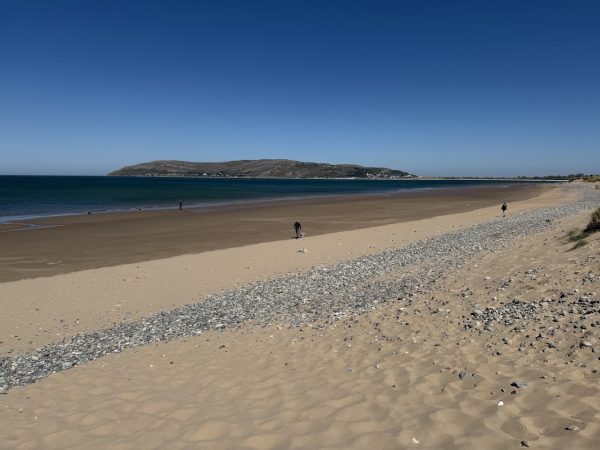
- West Shore, the quieter of the town's two beaches, faces the Conwy estuary and Snowdonia rather than the open sea, and suits a calmer walk or a picnic away from the main promenade.


Where to Eat in Llandudno
All restaurants in Llandudno →Food and drink in Llandudno
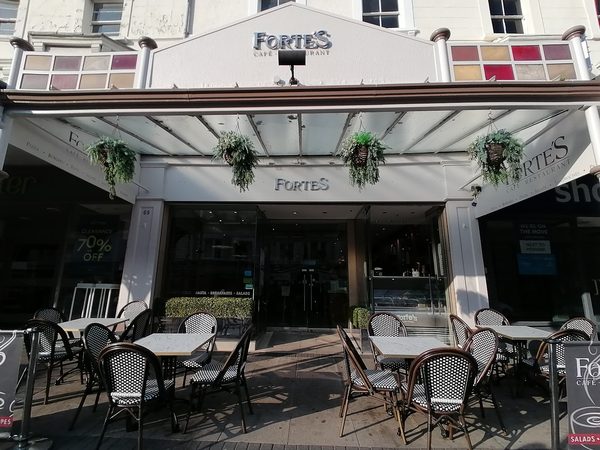
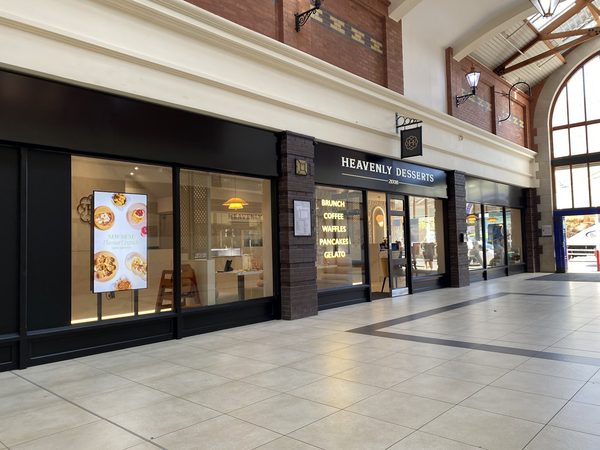
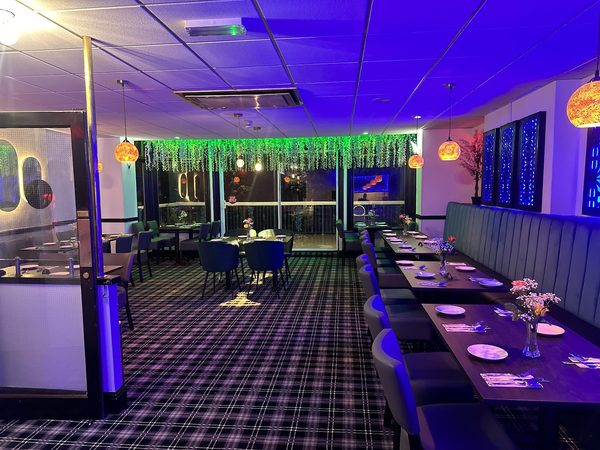
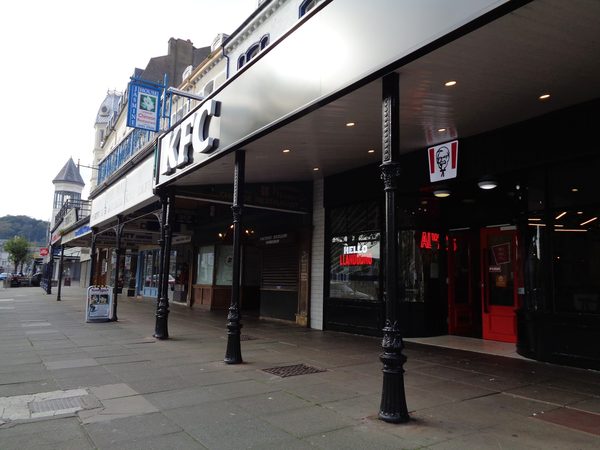
Welsh lamb and locally landed seafood dominate menus along the coast, with Conwy mussels, a short drive away, a particular local speciality worth seeking out on any Welsh coast menu. Bara brith, a dense fruit loaf traditionally made with tea-soaked dried fruit, and Welsh cakes, griddled and dusted with sugar, turn up in most of the town's cafes and are worth trying from an independent bakery rather than a supermarket version. The grand promenade hotels keep up a formal afternoon tea tradition that suits the town's Victorian character, while the streets just back from the sea front hold a good spread of independent cafes, fish and chip shops and pubs serving Welsh ales. A weekly market and regular food and craft events in the town centre are worth checking before a visit, and give a better sense of what is actually produced locally than the seafront alone.
Attractions Near Llandudno
All attractions in Llandudno →Worth the trip — within 50 miles of Llandudno.
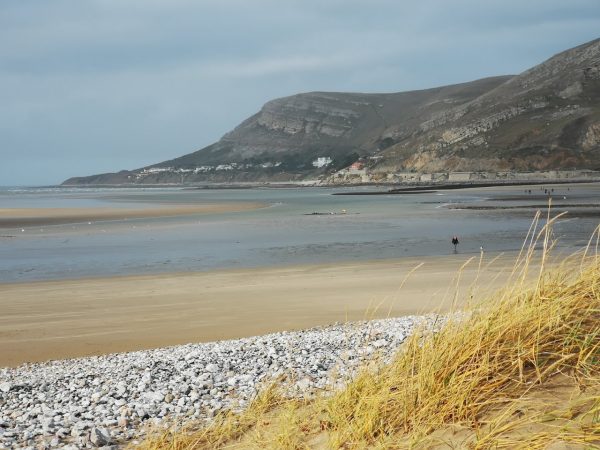 2 mi
2 mi
Llandudno Beach
Conwy · ⭐ 4.8
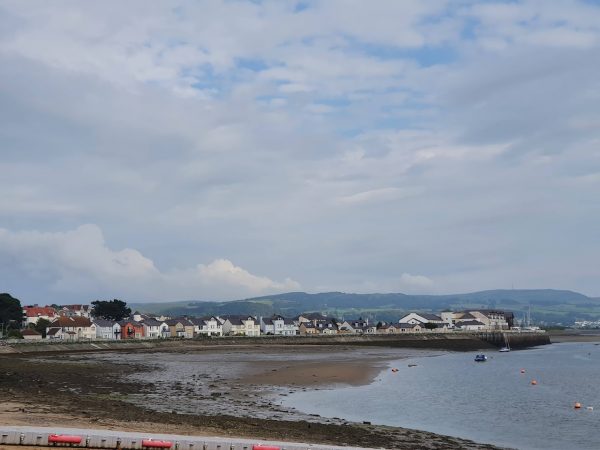 2 mi
2 mi
Deganwy Beach
Conwy · ⭐ 4.7
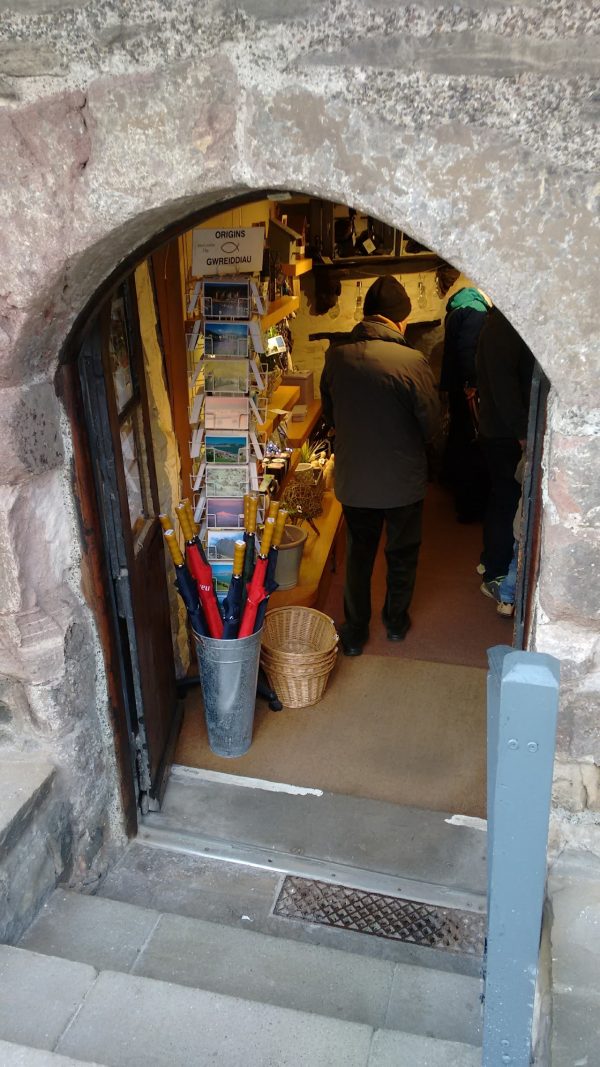 3 mi
3 mi
Aberconwy House
Conwy · ⭐ 4.3
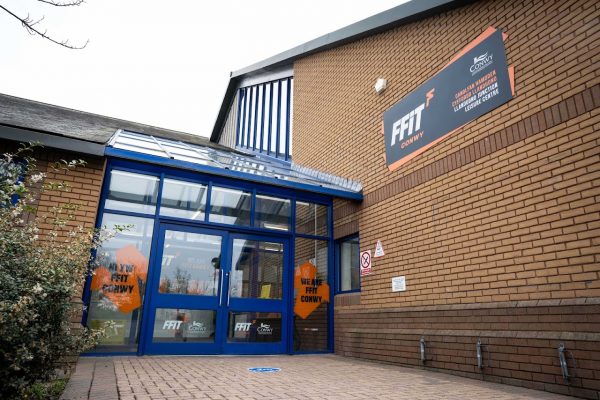 3 mi
3 mi
Llandudno Junction Leisure Centre
Conwy · ⭐ 4.4
 3 mi
3 mi
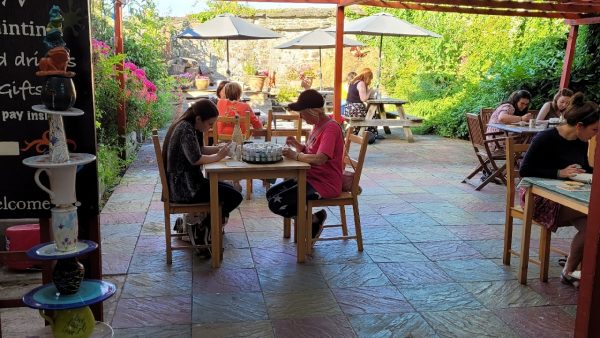
Tan y Ddraig Ceramic Cafe
Conwy · ⭐ 4.7
 3 mi
3 mi
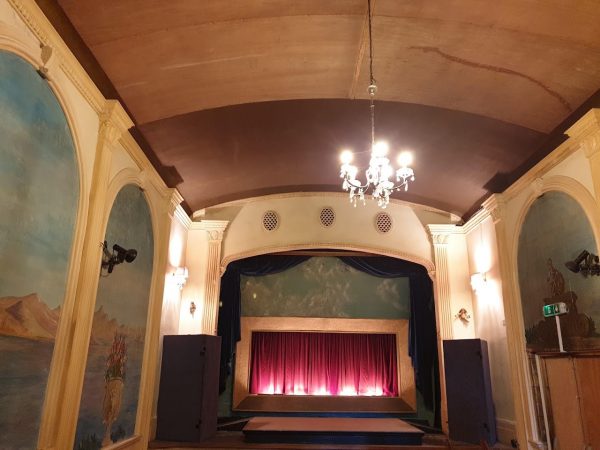
Cineworld Llandudno
Llandudno Junction · ⭐ 4.2
 3 mi
3 mi
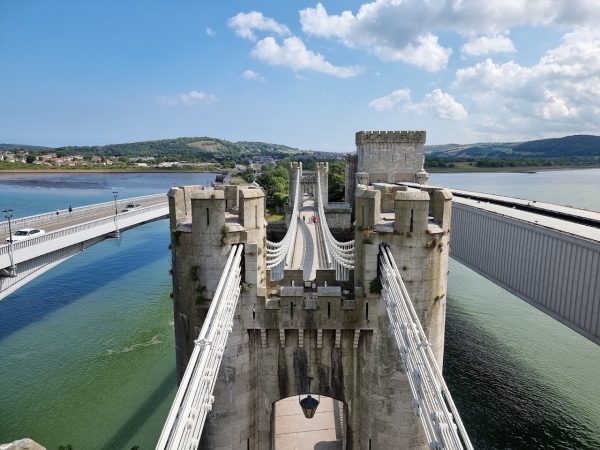
Conwy Suspension Bridge
Conwy · ⭐ 4.6
 4 mi
4 mi
Harlequin Puppet Theatre
Conwy · ⭐ 4.7
Camping in Llandudno(6)
All campsites in Llandudno →About camping in Llandudno
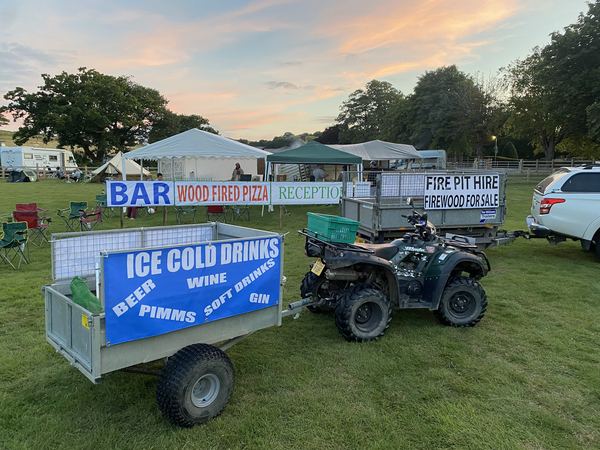
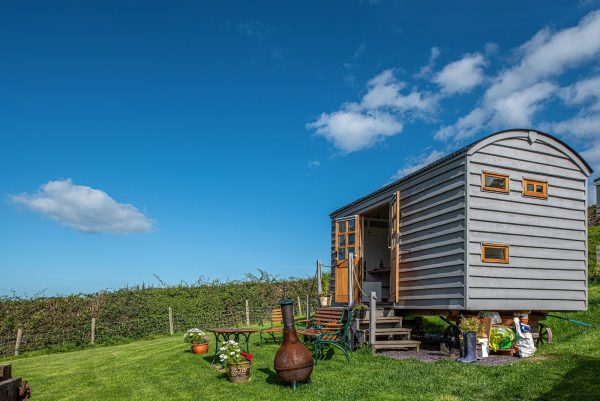
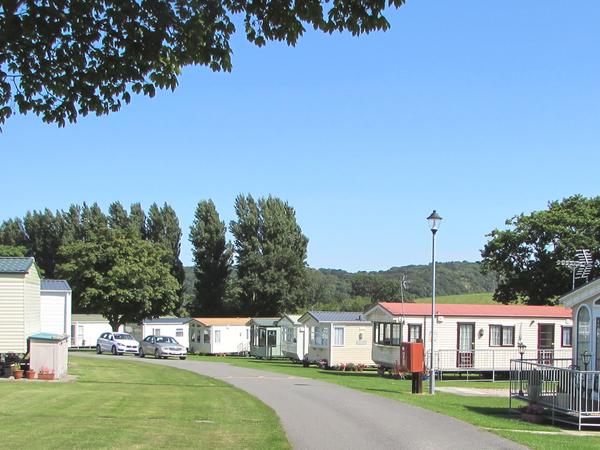
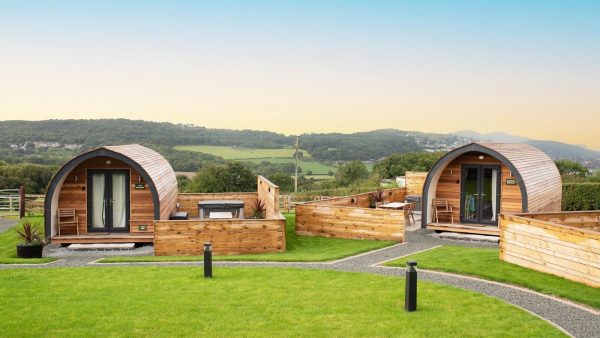
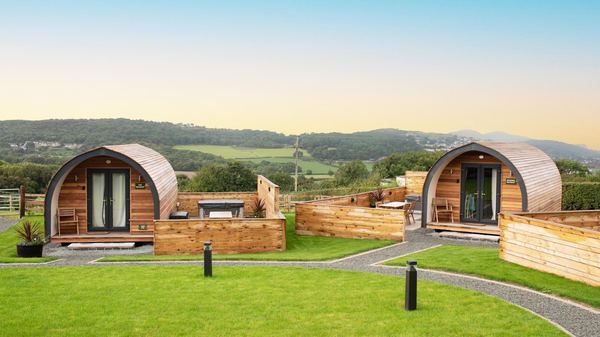
Camping around Llandudno means camping in the hinterland rather than in the town itself, since the built-up seafront and the protected Great Orme headland leave little room for sites within the resort. The country lanes and farmland just inland, around Conwy, Llanrwst Road and the coast towards Colwyn Bay and Abergele, hold the area's touring parks and caravan sites, generally within two to ten miles of the promenade and a short drive from the beach.
The terrain here is a mix of gently rolling farmland and the lower ground of the Conwy Valley, with the mountains of Snowdonia visible inland and the coast never far away; most sites sit on level or gently sloping fields with hardstanding pitches for caravans and motorhomes rather than dramatic hill country. Weather off the North Wales coast is changeable and often windier than inland Snowdonia, particularly on exposed touring pitches close to the sea, so a well-pegged tent and decent waterproofs are worth having whatever the forecast says at the time of booking.
Wild camping has no general legal standing in Wales outside a small number of specific access agreements, unlike the position on parts of Dartmoor in England, so pitching up on open land or common ground without the landowner's permission is not something to rely on here. The area's touring parks and caravan sites are the practical option, and most take tents as well as caravans and motorhomes, with electric hookups, showers and, on the larger sites, a shop or bar on site.
April to September is the reliable camping season on this stretch of coast, with June to August the busiest and priced accordingly; shoulder months either side bring quieter sites and a fair chance of good weather, though some smaller touring parks close over winter, so it is worth checking opening dates before planning a visit outside the main season.
Self-Catering Cottages in Llandudno
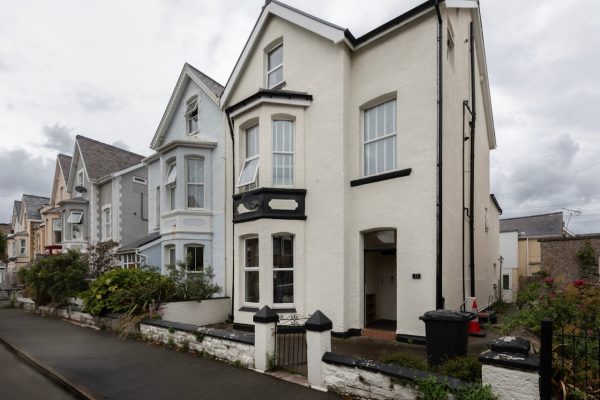
All cottages in Llandudno →Albert Cottage
2 bed · sleeps 4 · from £513
Sea Shore Flat
2 bed · sleeps 4 · from £1,172
Snowdon Retreat Villa
6 bed · sleeps 16 · from £1,476
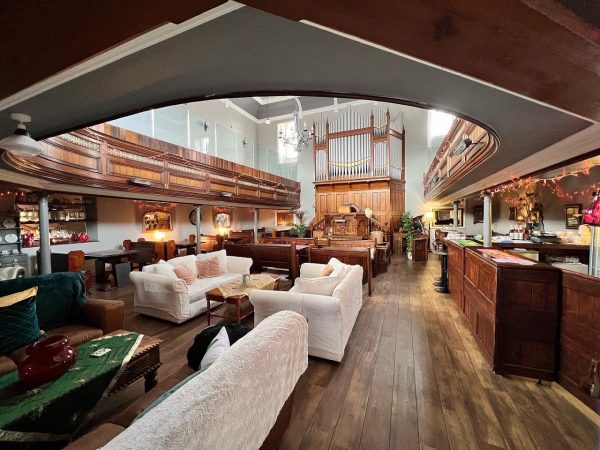
Coastal Gem
1 bed · sleeps 2 · from £487
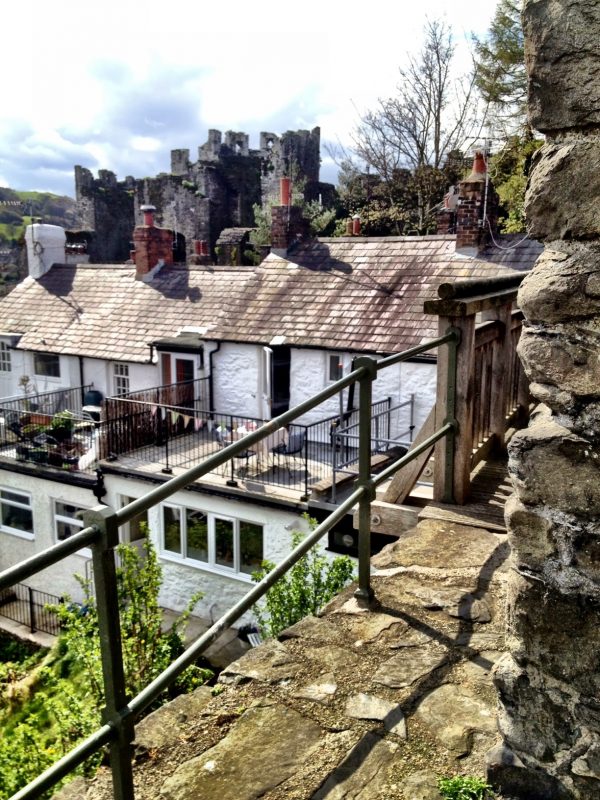
Cottage Apartment
2 bed · sleeps 6 · from £681
Great Orme
1 bed · sleeps 2 · from £617
Nautical
1 bed · sleeps 2 · from £487
Sea Coast
2 bed · sleeps 5 · from £681
Common questions about Llandudno
How many campsites are there in Llandudno?
We list 6 campsites in and around Llandudno, of which 6 take tents and 4 offer glamping.
Are there dog-friendly campsites in Llandudno?
Yes — 3 of the 6 campsites we list in Llandudno accept dogs, including Camp Llandudno and Tan Y Bryn Touring.
Which campsites in Llandudno have electric hook-up?
4 of the 6 campsites we list in Llandudno offer an electric hook-up.
Where can I stay in Llandudno?
We list 139 hotels, B&Bs and guest houses in and around Llandudno. Prices start from around £95 a night.
What is there to do in Llandudno?
We list 13 attractions and things to do in and around Llandudno.