Outer Hebrides
Wild Atlantic islands of white sand and Gaelic song
Photo © Luminita Mirela, Google Maps
The Outer Hebrides form a 130-mile arc of islands off the north-west coast of Scotland, strung out beyond the Minch like a breakwater against the Atlantic. Lewis and Harris, joined as a single landmass but divided by tradition and terrain, sit at the northern end; Benbecula, North Uist and South Uist form the low, loch-scattered middle; Barra and Vatersay trail off to the south. Causeways and a handful of short ferry hops link most of the chain, so it is possible to drive from top to bottom in a day, though almost nobody who comes here wants to.
What draws people is the scale of the emptiness. Machair meadows thick with orchids and clover run down to sand so pale it looks bleached, backed by dunes and, more often than not, nobody else in sight. Peat-brown moorland fills the interior, dotted with lochans and the ruins of blackhouses. Gaelic is still spoken as a first language in many communities, road signs are bilingual, and the rhythm of life follows the tides, the ferry timetable and, in the strictest villages, a Sunday that remains genuinely quiet. It is a landscape built on contrasts: barren rock giving way to some of the finest beaches in Britain, and a working, crofting culture existing alongside a growing reputation for surfing, dark skies and slow, deliberate holidays.
Distances between settlements are longer than the map suggests, roads are frequently single-track with passing places, and weather can change within the hour, so visitors tend to build in spare time rather than a tight itinerary. Most people base themselves in one or two spots and make day trips outward, using the causeways to string together Lewis, Harris and the Uists, or taking the separate ferry connections to reach Barra.
Getting to Outer Hebrides
There is no bridge to the mainland, so every visit involves a ferry or a flight. The main CalMac car ferry routes are Ullapool to Stornoway (around two and a half hours), Uig on Skye to Tarbert on Harris (around one hour forty minutes), and Oban or Mallaig to Castlebay on Barra and Lochboisdale on South Uist (three to seven hours depending on route). Booking ahead is strongly advised in summer, particularly for vehicles.
By rail, the nearest mainline stations are Inverness for the Ullapool ferry and Kyle of Lochalsh or the drive to Uig on Skye for the Harris route. Trains from London Euston to Inverness take around eight hours on the Caledonian Sleeper or a daytime service changing at Edinburgh; from Inverness it is a further hour by bus or car to Ullapool. From Glasgow or Edinburgh, the journey to Mallaig for the Barra ferry runs via Fort William on the scenic West Highland Line.
Loganair operates short flights into Stornoway, Benbecula and Barra from Glasgow, Edinburgh and Inverness, which can save the best part of a day compared with the ferry and are worth considering for shorter breaks. Car hire is available at all three airports, and a vehicle is close to essential for exploring beyond the main towns, since public transport thins out quickly once away from Stornoway.
Best time to visit Outer Hebrides
Spring, from April to early June, brings long daylight hours, wildflowers beginning on the machair and some of the calmest, clearest weather of the year, making it a favourite window for walkers and birdwatchers arriving ahead of the midges.
Summer, June to August, is peak season, with the machair in full flower, near-endless daylight around midsummer, and the best chance of the beaches living up to their photographs, though the west coast can still turn wet and windy with little warning and midges are at their worst on still, humid days inland.
Autumn, September and October, is quieter and often surprisingly settled, with fewer visitors, lower prices, and good conditions for surfing as swell builds and the crowds thin.
Winter is short on daylight and long on Atlantic storms, but it draws a small, dedicated crowd for dramatic seas, empty beaches and some of the best dark-sky stargazing in the UK, well away from any significant light pollution.
Where to stay in Outer Hebrides(8)
All hotels in Outer Hebrides →About staying in Outer Hebrides
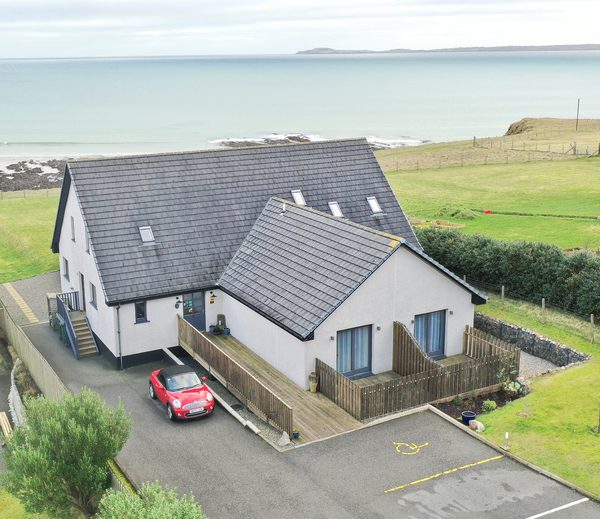
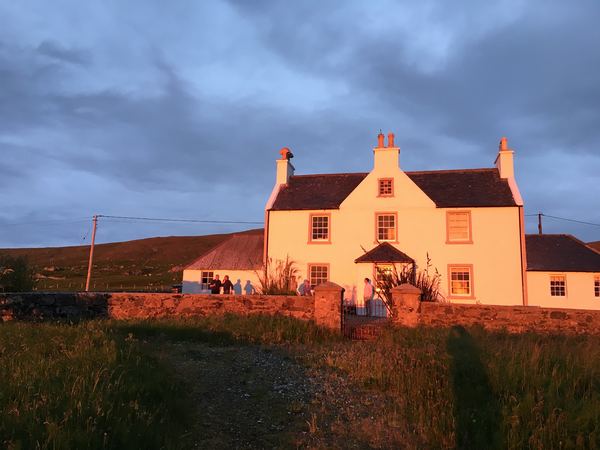
Places to stay in the Outer Hebrides tend to be small and personal, often run by the people who own them, with an emphasis on good food and a genuine welcome after a day on empty beaches or single-track roads. Broad Bay House and Scarista House show what the islands do well: comfortable rooms, strong views and kitchens that make the most of local seafood and lamb.
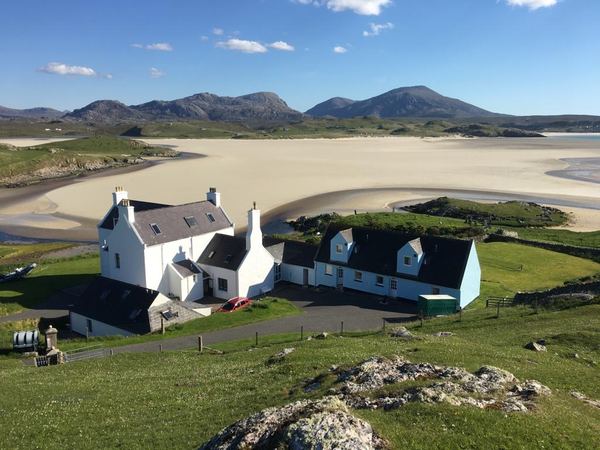
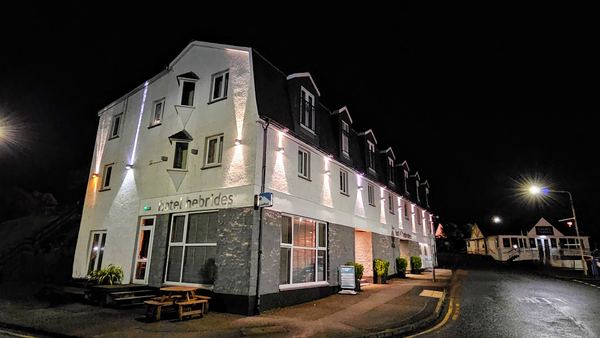
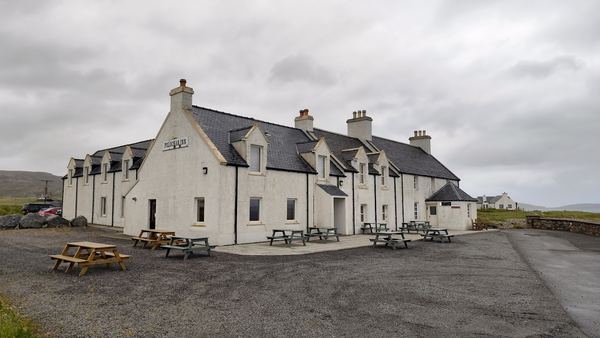
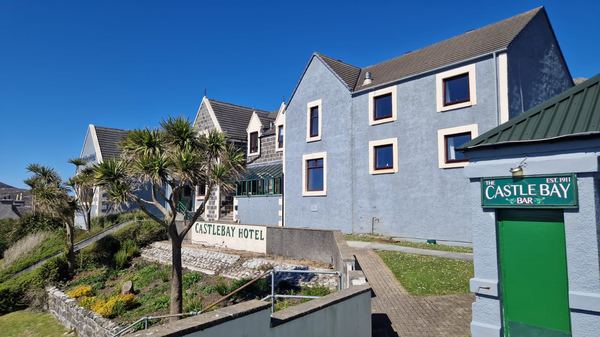
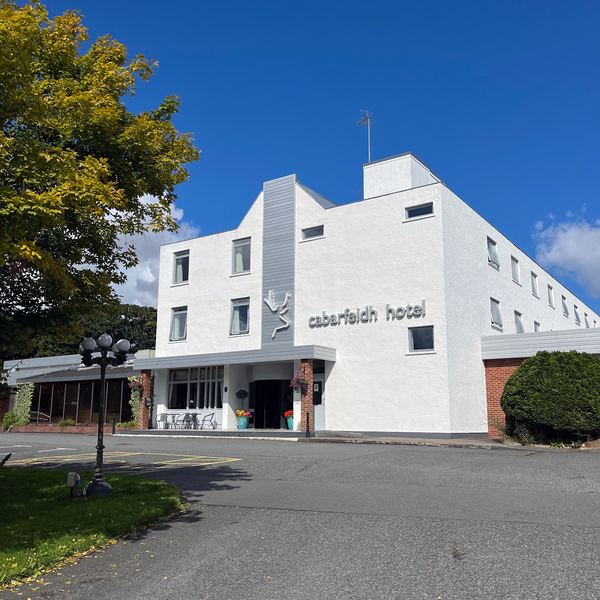
Stornoway has the widest spread of options, including the Cabarfeidh Hotel and Hotel Hebrides, useful if you want shops and ferries close by. Further south, Langass Lodge on North Uist and Baile-na-Cille on Lewis suit those happier away from any town, while Barra's Castlebay Hotel and the Pollachar Inn on South Uist work well for travellers following the causeway route down the chain.
 9.4
9.4
Broad Bay House
Back, near Stornoway, Isle of Lewis
from £175/night
 9.3
9.3
Scarista House
Scarista, west coast of Isle of Harris
from £195/night
 9.0
9.0
Baile-na-Cille
Timsgarry, Uig, Isle of Lewis
from £130/night
 8.7
8.7
Hotel Hebrides
Tarbert, Isle of Harris
from £160/night
 8.3
8.3
Pollachar Inn
Pollachar, South Uist
from £100/night
 8.2
8.2
Castlebay Hotel
Castlebay, Isle of Barra
from £120/night
 7.9
7.9
Cabarfeidh Hotel
Stornoway, Isle of Lewis
from £110/night
Langass Lodge
Locheport, North Uist
from £140/night
Camping in Outer Hebrides(11)
All campsites in Outer Hebrides →About camping in Outer Hebrides
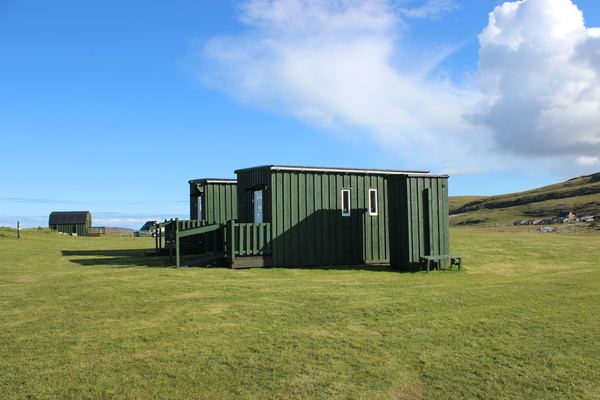
The Outer Hebrides reward those willing to camp close to the elements, and sites here range from simple machair pitches to well-equipped pods and huts. Horgabost Campsite on Harris looks straight across to Taransay, while Mangersta Croft Holidays sits among the dramatic cliffs of Lewis's west coast, both showing how much of the appeal is about location rather than facilities.
Further north, Balranald Hebridean Holidays and The Galson Campsite put you within reach of nature reserves and long empty beaches, while Laxdale Holiday Park near Stornoway suits those wanting a base close to shops and ferries. For something more sheltered, Hebridean Huts and Otter Bay Pods offer a step up in comfort without losing the sense of being properly out in the islands.
Smaller certificated sites such as Croft Number 2 and Kilbride Campsite work well for those touring by van, with space limited enough to keep things quiet. Given the distances involved, it's worth choosing a base on the island or two you plan to explore rather than trying to cover too much ground.
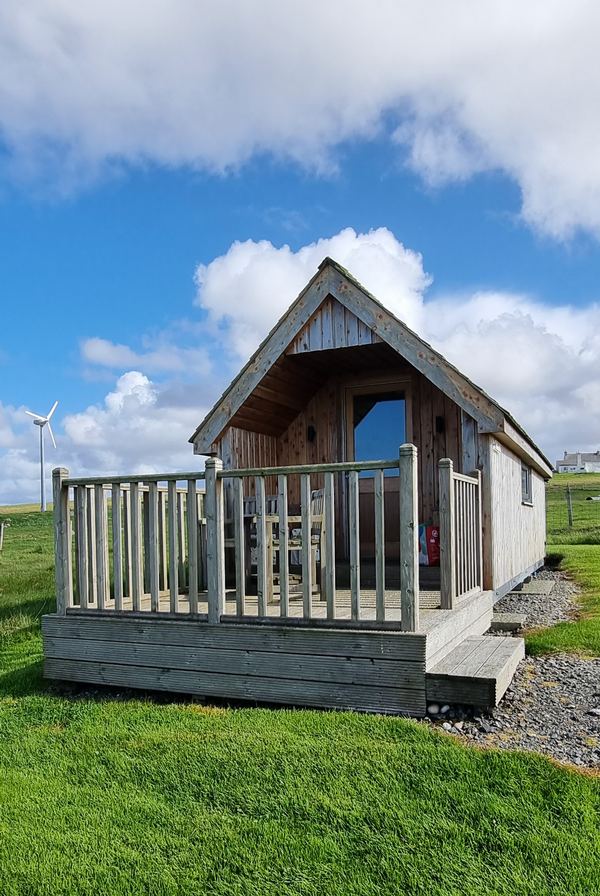
Hebridean Huts
⭐ 5.0
Craigard Camping and Caravan Site
⭐ 4.9 · from £16/night
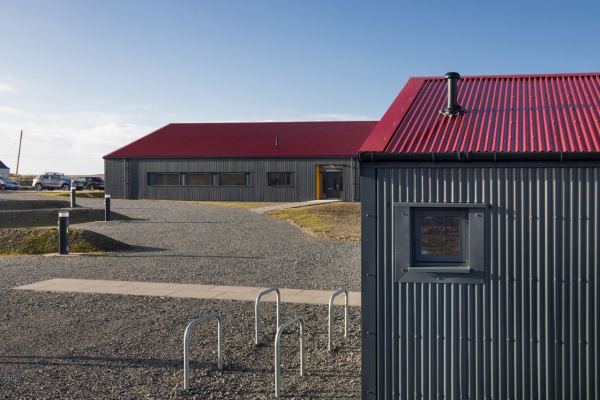
The Galson Campsite
Isle of Lewis · ⭐ 4.4 · from £30/night
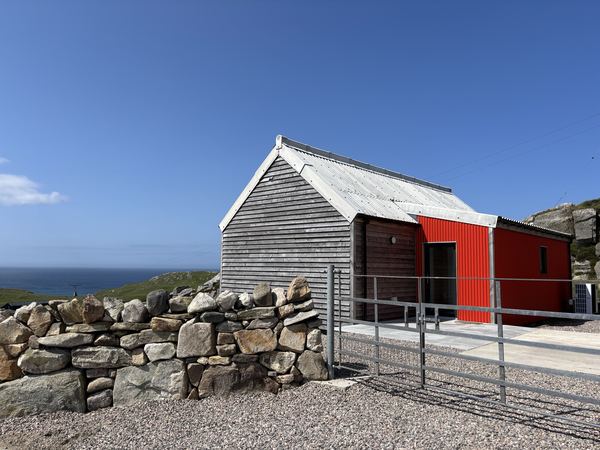
Mangersta Croft Holidays
⭐ 4.9
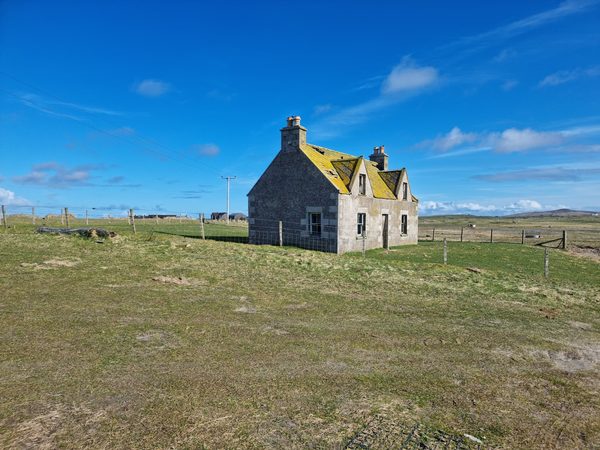
Balranald Hebridean Holidays
⭐ 4.8
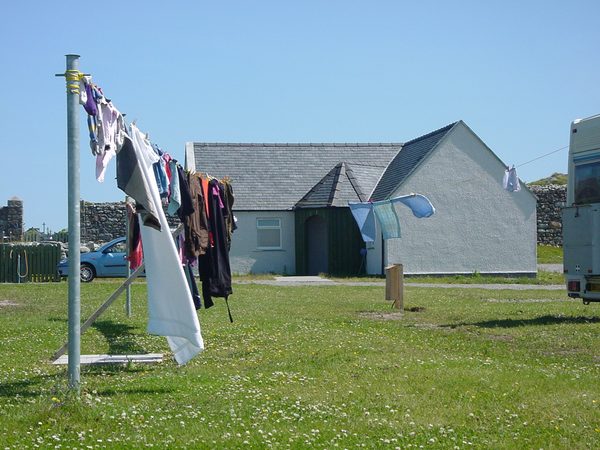
Kilbride Campsite
⭐ 4.7
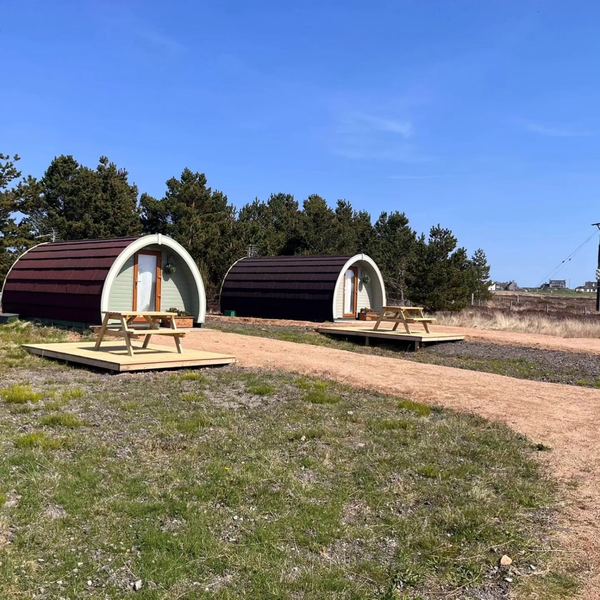
Otter Bay Pods
⭐ 4.7
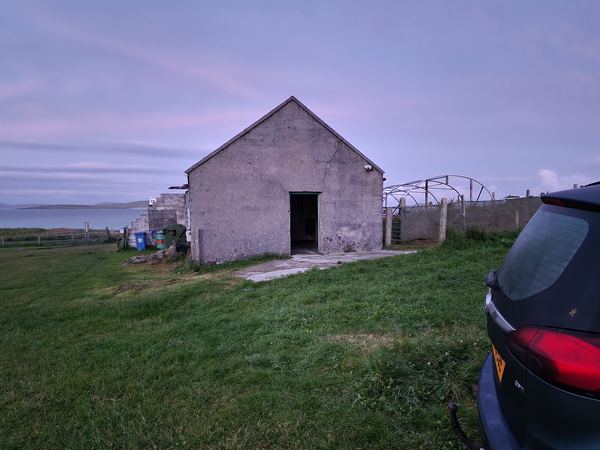
Croft Number 2 Caravan and Camping Certificated Site
⭐ 4.6
Common questions about Outer Hebrides
How many campsites are there in Outer Hebrides?
We list 11 campsites in and around Outer Hebrides, of which 11 take tents and 5 offer glamping.
Are there dog-friendly campsites in Outer Hebrides?
Yes — 9 of the 11 campsites we list in Outer Hebrides accept dogs, including Craigard Camping and Caravan Site and Mangersta Croft Holidays.
Which campsites in Outer Hebrides have electric hook-up?
6 of the 11 campsites we list in Outer Hebrides offer an electric hook-up.
Where can I stay in Outer Hebrides?
We list 8 hotels, B&Bs and guest houses in and around Outer Hebrides. Prices start from around £100 a night.