Rosedale East
Moorland mines and heather above a hidden Yorkshire dale
Photo © Keith Baker, Google Maps
Rosedale East sits high on the eastern side of Rosedale, one of the quietest and most dramatic valleys within the North York Moors National Park. Rather than a conventional village, it is a scattering of farms and former mine cottages strung along the moor edge, looking across the dale to Rosedale Abbey below. The landscape here is defined by sweeping heather moorland, deep gullies cut by becks, and the sudden appearance of industrial relics that seem entirely at odds with the wilderness around them.
Those relics are the remains of the Rosedale East Mines, a mid-19th century ironstone works whose calcining kilns still stand sentinel on the hillside, visible for miles across the valley. At the height of the industry in the 1860s, the discovery of rich magnetic ironstone deposits transformed this quiet dale, and the population of Rosedale swelled from a few hundred to nearly 3,000 people. The ore was roasted in the kilns before being hauled away on the Rosedale Railway to feed the blast furnaces of Teesside. Today the mines are silent and the cottages mostly gone, leaving a landscape of huge archaeological interest folded back into open moorland.
Getting to Rosedale East
Rosedale East is reached via minor moorland roads off the A170 between Pickering and Kirkbymoorside, typically through Hutton-le-Hole or via the steep Chimney Bank road from Rosedale Abbey. These are narrow, unfenced roads across open moor, so a car is effectively essential and winter driving needs care in poor weather. The nearest railway stations are at Malton and the North Yorkshire Moors Railway's heritage terminus at Pickering, both around 30 minutes away by car, with Middlesbrough and Whitby also within reach for wider connections.
Best time to visit Rosedale East
Late summer, from July into September, brings the heather moorland into flower and is the classic time to see the dale at its best. Spring and early autumn offer quieter walking with good visibility for the long views over the mining remains and surrounding moor. Winter can be atmospheric but the exposed roads and tracks are genuinely subject to snow and ice, so it suits well-prepared visitors rather than casual day trips.
Where to stay in Rosedale East
All hotels in Rosedale East →About staying in Rosedale East
Hotel choice right in Rosedale East is very limited, since this is a scattered hamlet of farms and former mine cottages rather than a village with its own inns. Visitors wanting a hotel-style stay usually look to the wider Rosedale and North York Moors area, where traditional stone-built inns and small country hotels are more common, particularly around Rosedale Abbey, Hutton-le-Hole and Kirkbymoorside. These typically offer characterful rooms in old coaching inns or farmhouses, often with a restaurant or bar attached, making them a good base for exploring the moor, the mining remains and the wider dale without needing to be self-sufficient.
Staying a little further afield also opens up more choice, with market towns such as Pickering and Helmsley offering a broader range of hotels, from simple guesthouses to more comfortable country house style options, generally within 20 to 30 minutes drive of Rosedale East. This can suit visitors who want an evening meal and a comfortable bed after a day walking the old railway trackbed or exploring the calcining kilns, while still being close enough to return to the moor the next day. Booking ahead is worthwhile in summer, when the heather moorland draws walkers and photographers to the whole Rosedale area.
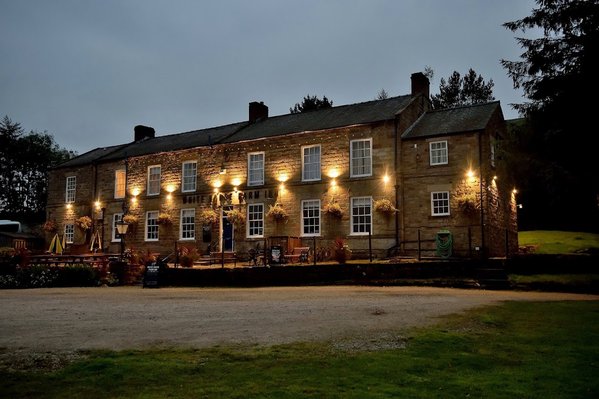
White Horse Farm Inn
Gill Lane, Pickering
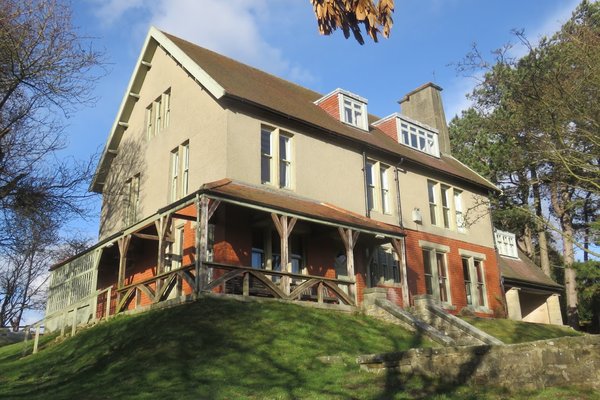
Barmoors
Barmoors, Kirkbymoorside
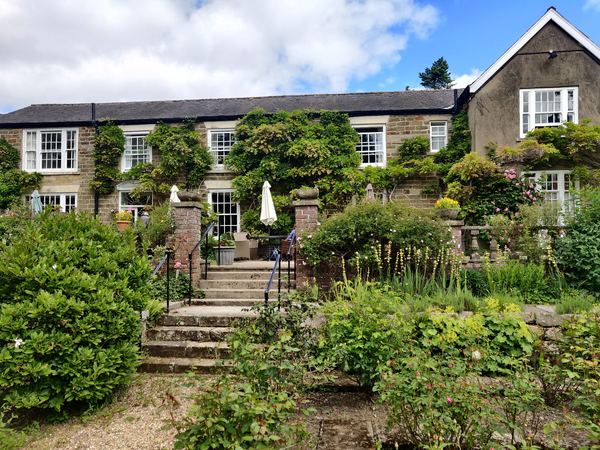
Lastingham Grange
Lastingham, York
April Cottage
Lastingham, York
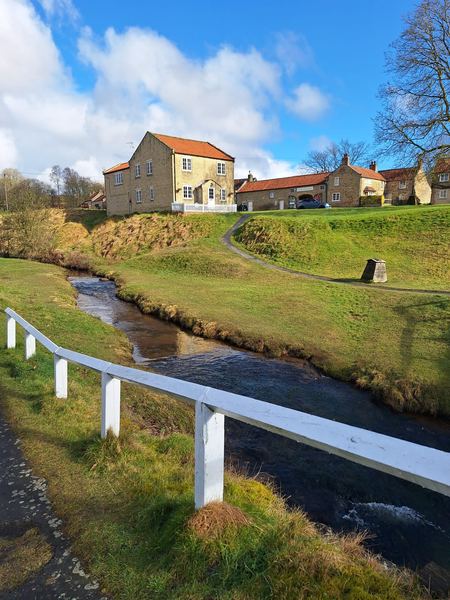
The Barn Guest House & Tea Rooms
Hutton-le-Hole, York
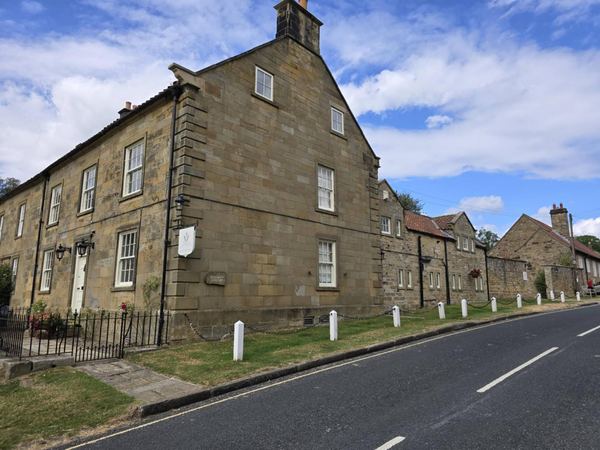
Burnley House
Oxclose Lane, York
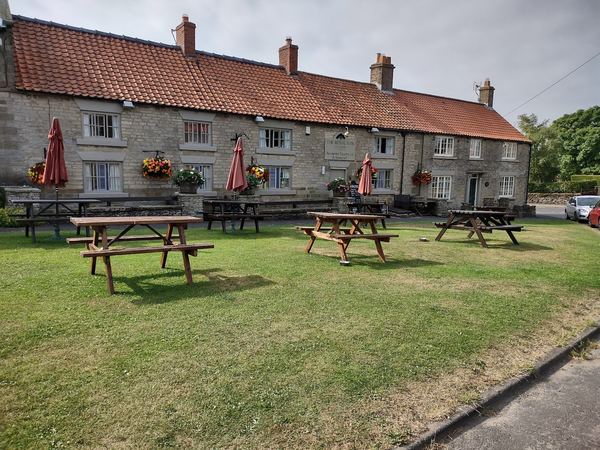
Manor Farm B&B
Main Street, York
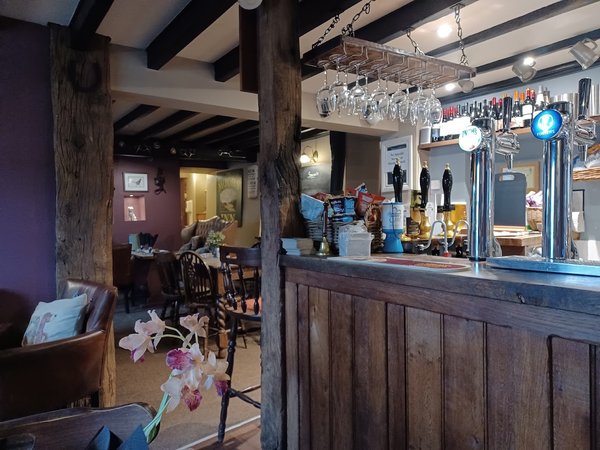
Moors Inn
Main Street, Appleton-le-Moors
Things to Do in Rosedale East
All attractions in Rosedale East →Top things to do in Rosedale East
Rosedale East rewards walkers and anyone with an interest in industrial archaeology, with several notable sites within easy reach.
- Rosedale East Mines calcining kilns — The standing remains of two large banks of kilns, along with a mine ventilation chimney and workshop ruins, form a scheduled monument reached by a track above Stables Farm; the scale of the structures against the open moor is striking.
- Rosedale Ironstone Railway trackbed — The old railway formation, which once carried ore around the head of the dale to Ingleby Incline and on to Teesside, now forms a level, waymarked walking and cycling route with wide views over Rosedale and the surrounding moors.
- Rosedale Chimney Bank — One of the steepest public roads in England, climbing out of the dale to the west with views back across to Rosedale East; a well-known challenge for cyclists and a dramatic drive.
- Open heather moorland — The high ground around Rosedale East is classic North York Moors heather moor, glorious in late summer bloom and criss-crossed with paths onto Spaunton Moor and towards Blakey Ridge.
- Rosedale Abbey village — Just across and down the valley, this small village gives its name to the dale and has the pub, shop and church that Rosedale East itself lacks.
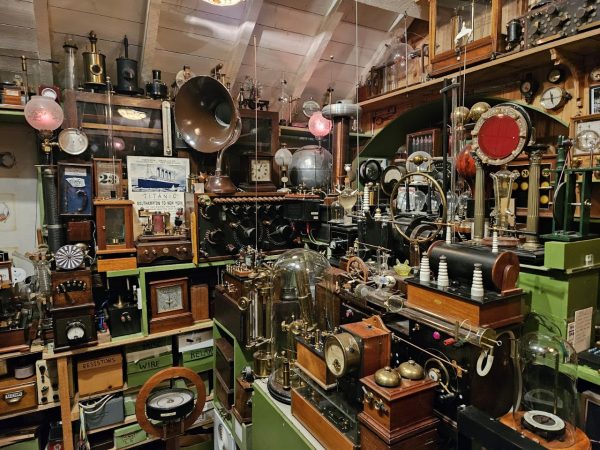
Museum of Victorian Science
⭐ 4.8
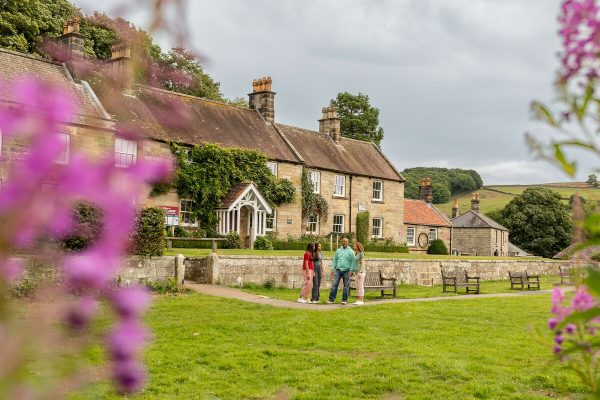
The Moors National Park Centre
⭐ 4.5
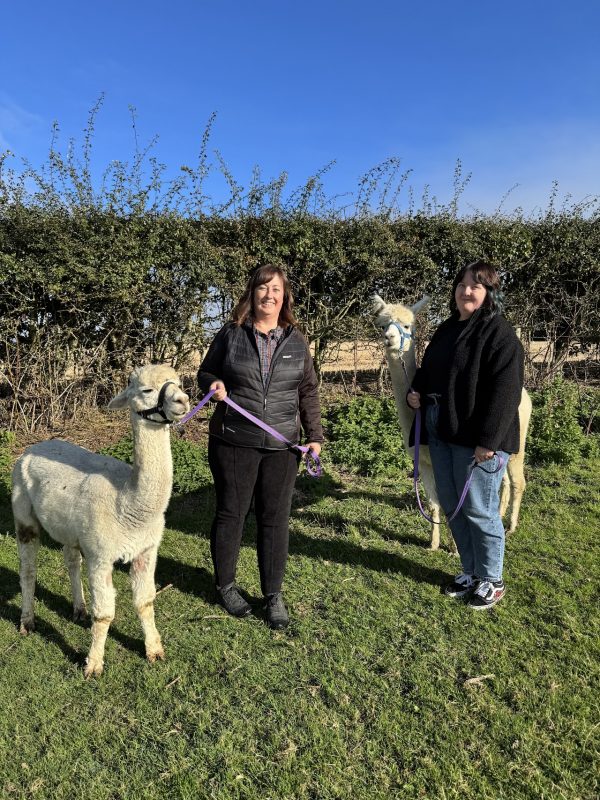
Joe's Alpaca Walks - North Yorkshire
⭐ 5.0
Helmsley Mystery Treasure Trail
⭐ 5.0
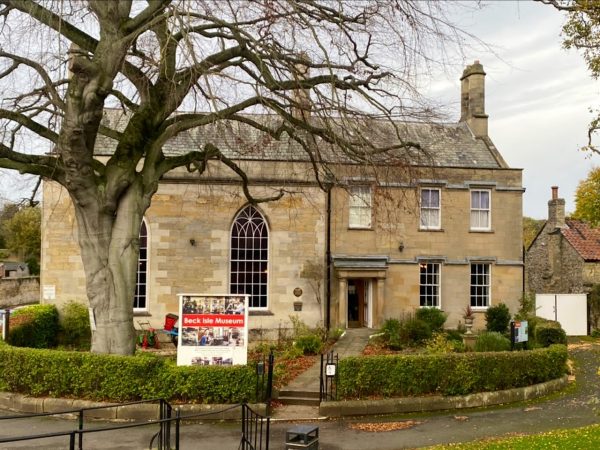
Beck Isle Museum
⭐ 4.8
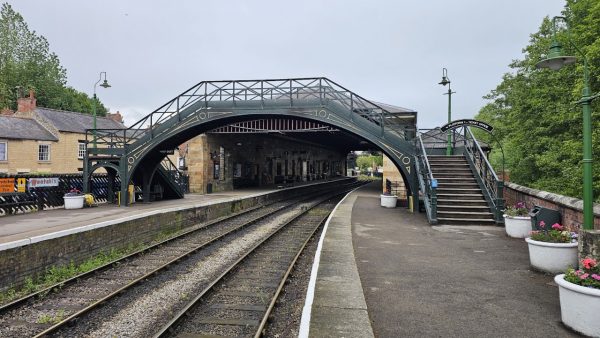
North Yorkshire Moors Railway
⭐ 4.7
Helmsley Open Air Swimming Pool
⭐ 4.6
Helmsley Walled Garden
⭐ 4.5
Where to Eat in Rosedale East
All restaurants in Rosedale East →Food and drink in Rosedale East
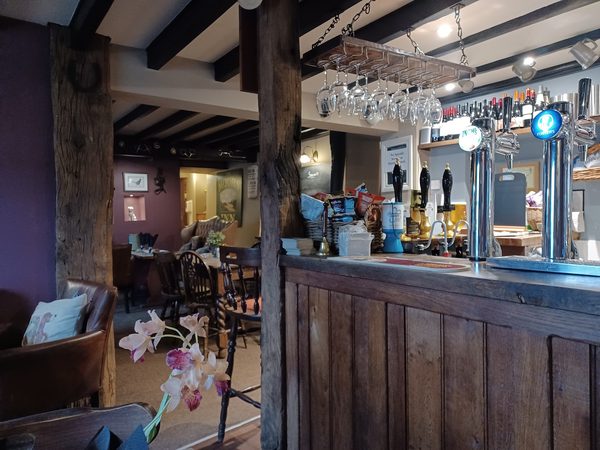
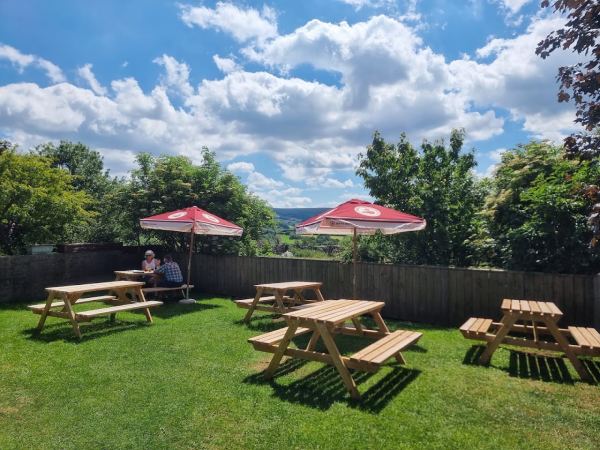
There are no pubs, cafes or shops in Rosedale East itself, so visitors rely on Rosedale Abbey for the nearest facilities, including its village pub and tea rooms. Hutton-le-Hole, a short drive away, adds a further choice of tea rooms and a well-regarded pub, making it easy to combine a day on the moor around Rosedale East with a meal nearby afterwards.
Attractions Near Rosedale East
All attractions in Rosedale East →Worth the trip — within 50 miles of Rosedale East.
7 mi
Museum of Victorian Science
Whitby · ⭐ 4.8
7 mi
The Moors National Park Centre
Whitby · ⭐ 4.5
8 mi
Joe's Alpaca Walks - North Yorkshire
New York · ⭐ 5.0
Helmsley Mystery Treasure Trail
Helmsley · ⭐ 5.0
10 mi
Beck Isle Museum
Pickering · ⭐ 4.8
10 mi
North Yorkshire Moors Railway
Pickering · ⭐ 4.7
10 mi
Helmsley Open Air Swimming Pool
Helmsley · ⭐ 4.6
11 mi
Helmsley Walled Garden
Helmsley · ⭐ 4.5
Camping in Rosedale East
All campsites in Rosedale East →About camping in Rosedale East
Camping around Rosedale East means embracing genuine North York Moors wilderness, with the exposed ironstone mining landscape and open heather moor as a backdrop rather than manicured facilities. Wild camping is not legally permitted in England without the landowner's explicit permission, and this applies across the North York Moors National Park just as everywhere else, so pitching up informally on the open moor around the old mine workings is not an option. Instead, campers should look to established sites in the valley below, particularly around Rosedale Abbey, which has a long-standing campsite serving walkers and cyclists exploring the dale.
The terrain here is real moorland: exposed, weather-affected, and criss-crossed by old mining tracks and the disused railway trackbed rather than manicured paths, so campers should come prepared for changeable conditions even in summer, and for a genuinely dark, quiet night sky once the sun goes down. Late spring through to early autumn is the most comfortable window, with July and August bringing the heather into full purple bloom across the moor above the old kilns, though this is also when sites are busiest and midges can be troublesome in still, damp weather.
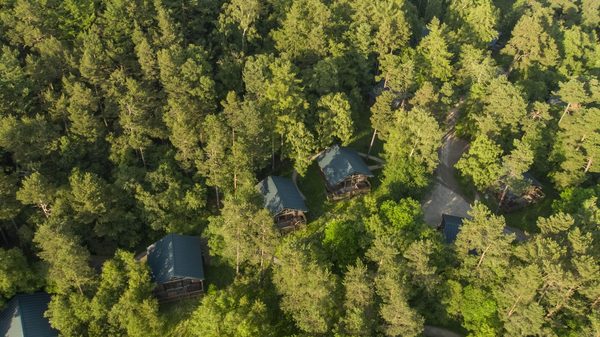
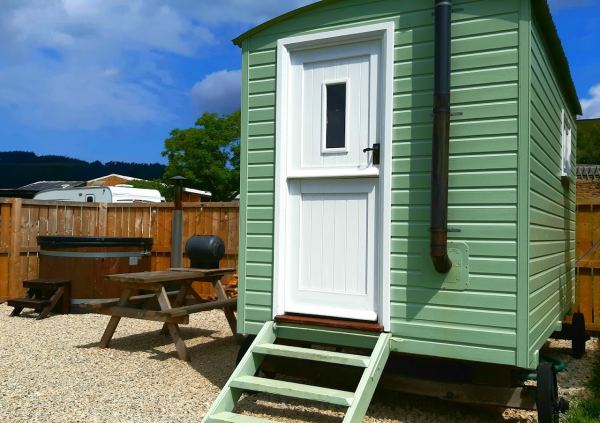
For those who prefer a roof over their heads without giving up the sense of remoteness, glamping options in the wider Rosedale and Hutton-le-Hole area include shepherd's huts, static caravans and small camping pods, often on working farms that echo the agricultural character of Rosedale East itself. These give easy access to the calcining kilns, the mineral railway trackbed and Chimney Bank while avoiding the practical challenges of a traditional tent pitch on such an exposed and historic hillside.
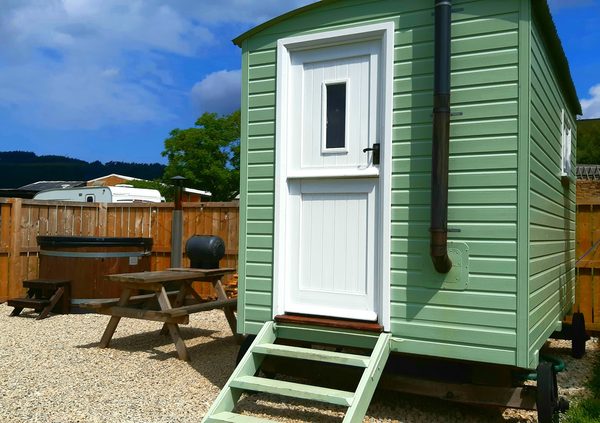
Low Bell End Farm Certificated Site
⭐ 4.7
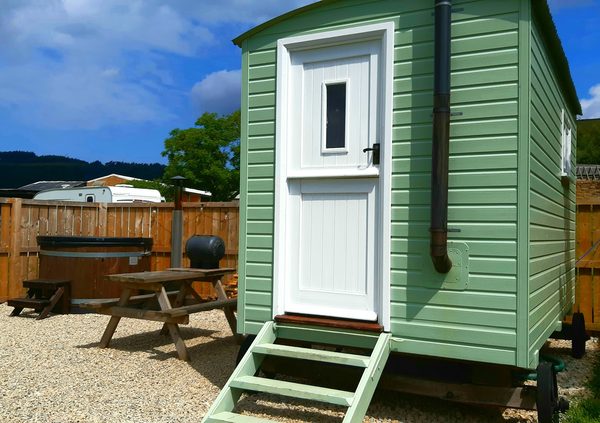
Low Bell End Farm Certificated Site
⭐ 4.7
Bluebell Caravan Site
⭐ 4.7
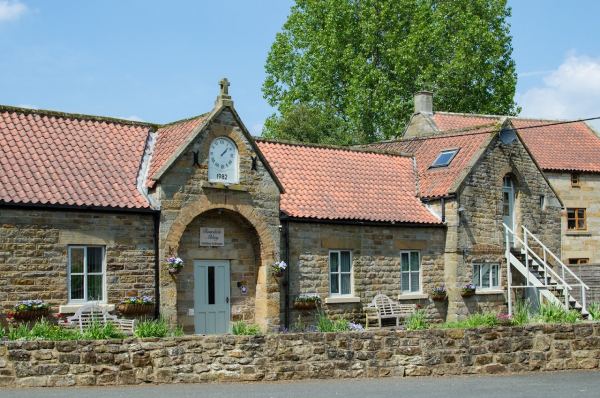
Rosedale Abbey Caravan and Camping Park
⭐ 4.6
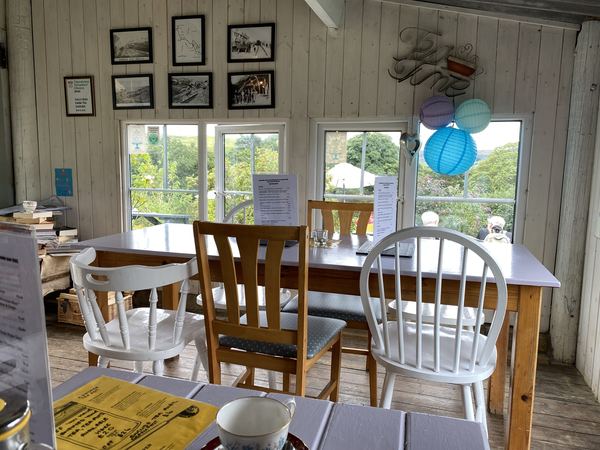
Dale Head Farm Shepherds Hut
⭐ 4.7 · from £120/night
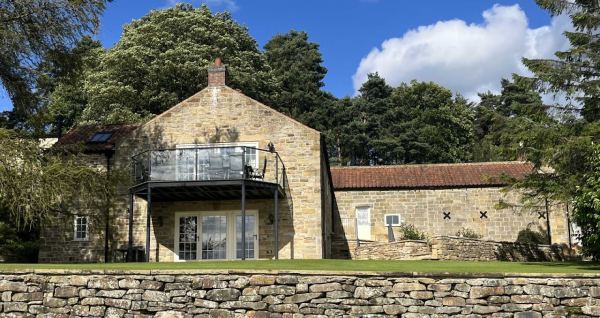
The Barn at Rigg End
⭐ 5.0
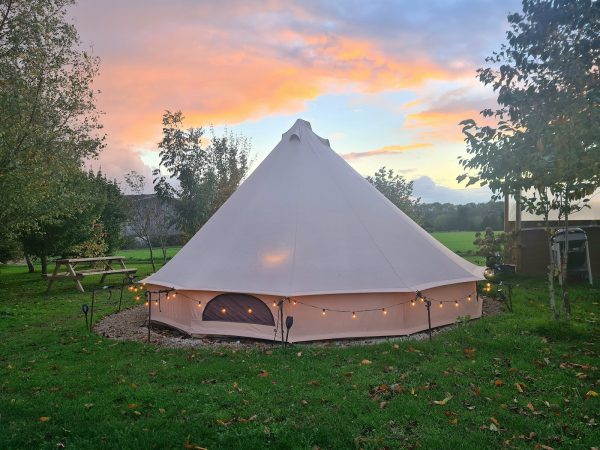
Hutton Le Hole Caravan Park
⭐ 4.8 · from £61/night
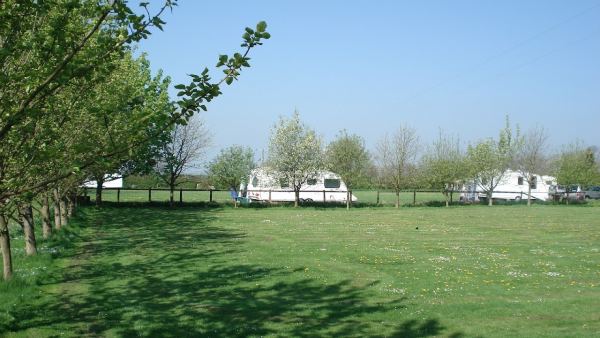
Hill Top Farm Certificated Site
⭐ 4.7
Self-Catering Cottages in Rosedale East
All cottages in Rosedale East →Rohan Cottage
2 bed · sleeps 4 · from £503
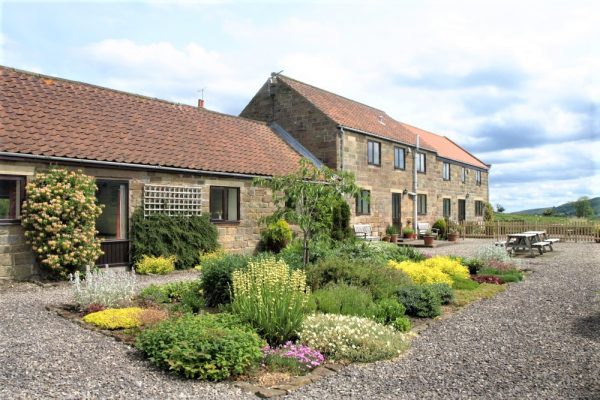
Hill Farm Holiday Cottages
2 cottages · from £627
Rowan Cottage
2 bed · sleeps 4 · from £347
Priory Cottage
2 bed · sleeps 4 · from £437
Crown Gardens
4 bed · sleeps 7 · from £597
Primrose Villa
2 bed · sleeps 4 · from £483
Daleside Chapel
3 bed · sleeps 6 · from £767
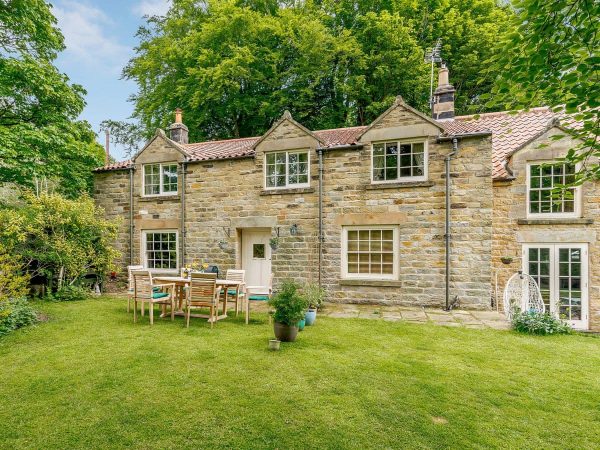
Tranmire Cottage
3 bed · sleeps 6 · from £961