Rye
Cobbled streets and marshland skies on the Sussex coast
Photo © Manuel Garcia, Google Maps
Rye sits on a sandstone outcrop above the flat expanse of Romney Marsh, a small town that punches far above its size in charm and history. It was once one of the busiest ports on the south coast, a Cinque Port whose ships carried wool, wine and, later, a good deal of smuggled brandy. The sea has since retreated more than two miles, leaving Rye stranded above reed beds and grazing marsh, its old harbour now a quiet stretch of the River Rother threading out towards Rye Harbour and the Channel.
What remains is one of the best-preserved medieval townscapes in England. Mermaid Street climbs from the river in a run of cobbles so uneven that visitors are warned to mind their footing, flanked by jettied timber houses that have barely changed since the Tudors. Lanes lead off at odd angles between weatherboarded cottages, past the old Landgate arch and up to St Mary's Church, whose tower gives the best view for miles around: rooftops, marsh, and the silver thread of the river heading for the sea.
Rye has long attracted writers and artists drawn to that light and quiet. Henry James lived and worked at Lamb House on West Street for the last two decades of his life, and E.F. Benson, who took the same house after him, used the town almost unaltered as the model for Tilling in his Mapp and Lucia novels. That literary pedigree sits comfortably alongside a working fishing fleet, a clutch of independent galleries and antique shops, and a steady trade in day-trippers who come for an afternoon and often wish they had booked a night or two.
Getting to Rye
Rye station sits on the Marshlink line between Ashford International and Hastings, served by Southeastern trains. From London, the quickest route is via St Pancras International or Charing Cross to Ashford International, changing onto a Marshlink service to Rye; the whole journey typically takes around ninety minutes to two hours depending on connections. There is no direct high-speed link, so allow time for the change at Ashford.
By road, Rye is reached via the A259 coast road, which connects to the M20 at Ashford for traffic from London and Kent, or from Hastings and the west along the same road. The town has several central car parks, including at the Gungarden and Cattle Market, though spaces fill quickly in summer and at weekends, and much of the old town's cobbled core is pedestrian-friendly rather than car-friendly.
The nearest airports are London Gatwick, around an hour and a quarter's drive, and the smaller Lydd Airport a few miles along the coast, though it handles very limited scheduled traffic. Most visitors arrive by car or train rather than flying in locally.
Best time to visit Rye
Spring brings daffodils along the town walls and quieter streets before the main season, with mild weather good for walking the marsh paths and birdwatching at Rye Harbour as migrant species pass through. Summer is Rye at its busiest, with Camber Sands drawing beach crowds, the town's independent shops at full stretch, and outdoor events including the Rye Arts Festival in September edging into early autumn.
Autumn is arguably the town's best season for a relaxed visit: the crowds thin after the school holidays, the light on the marsh turns golden, and local produce including Romney Marsh lamb and Rye Bay scallops comes into its own on menus. Winter is quieter still, with open fires in the old pubs and inns and a particular charm to the cobbled streets under frost, though some smaller attractions reduce their hours.
Where to stay in Rye(28)
All hotels in Rye →About staying in Rye
Where to stay in Rye largely comes down to how much of the cobbled old town you want on your doorstep. Base yourself on or around Mermaid Street and the High Street and you can leave the car behind entirely, walking to the church, the museum, the antique shops and the best restaurants within minutes. This is the setting most visitors picture when they think of Rye, and its historic inns and guesthouses, several occupying genuinely old timber-framed buildings, deliver that atmosphere directly, though rooms can be compact and stairs steep in keeping with their age.
Just beyond the old town walls, around the railway station and the roads leading out towards Playden and Northiam, accommodation tends to be a little more spacious and better suited to arriving by car, with easier parking and a short, flat walk back into the centre. This area suits visitors who want to explore further afield, whether that is Romney Marsh, Bodiam Castle or the Kent and Sussex countryside, without sacrificing easy access to Rye itself. Families or those travelling with a car often find this the more practical choice, particularly in peak summer when the old town's narrow streets and limited parking can feel constricted.
For a stay that leans towards the coast rather than the town, Camber, a short drive or cycle to the east, puts the long sandy beach of Camber Sands within easy reach, along with its dunes and watersports. It suits anyone prioritising beach time over historic streets, with Rye remaining an easy day trip rather than a doorstep attraction. Whichever base you choose, distances in and around Rye are small enough that no option puts the town's main sights more than a short journey away, so the choice comes down to atmosphere and convenience rather than practicality.
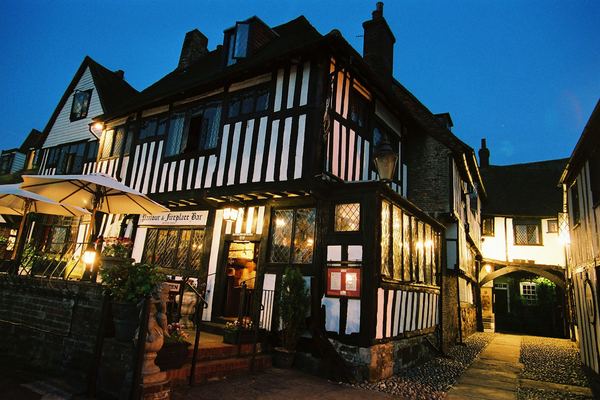 8.4
8.4
The Mermaid Inn
Mermaid Street, Rye old town
from £195/night
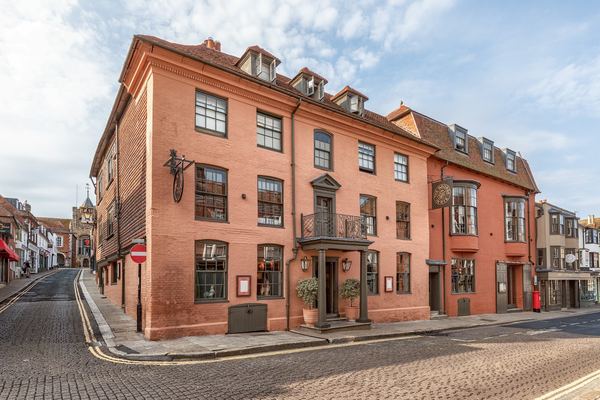 8.9
8.9
The George in Rye
High Street, Rye old town
from £180/night
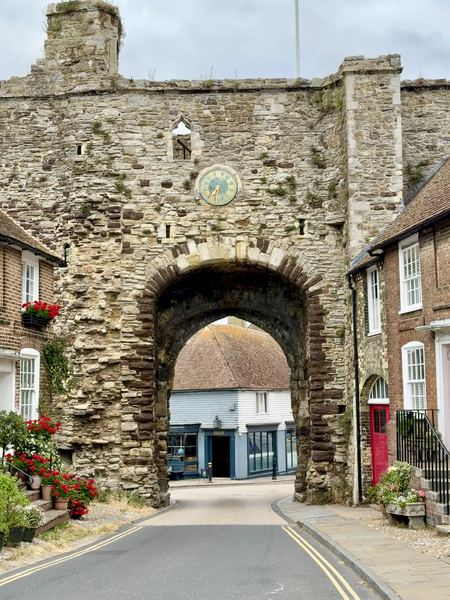 9.0
9.0
Jeake's House
Mermaid Street, Rye old town
from £135/night
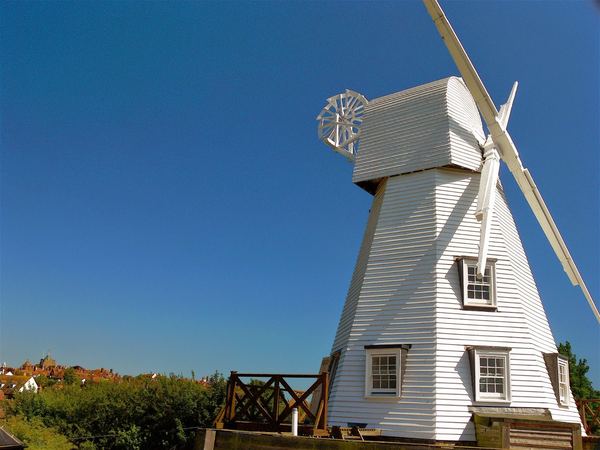 8.6
8.6
Rye Windmill Guest House
Off the High Street, edge of Rye old town
from £110/night
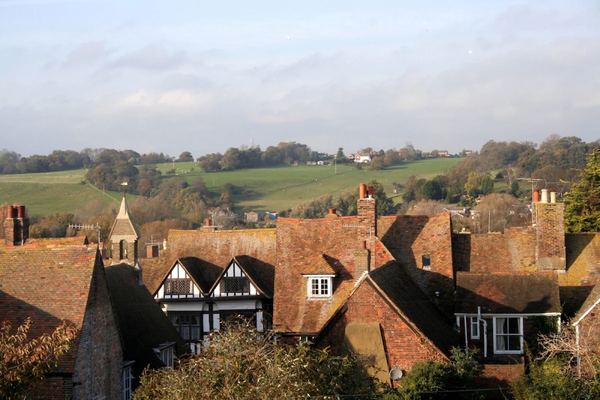 8.1
8.1
The Hope Anchor Hotel
Watchbell Street, Rye old town
from £120/night
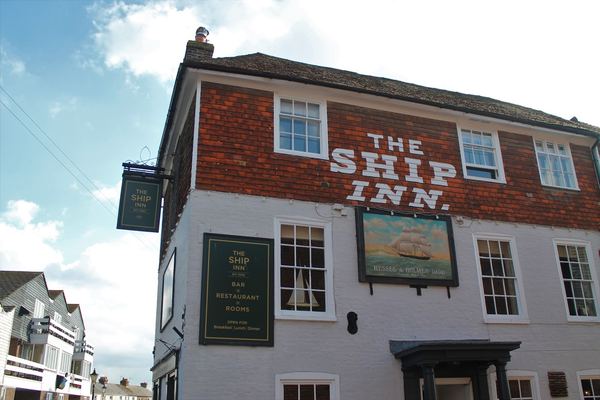 8.3
8.3
The Ship Inn Rye
The Strand, near Rye Quay
from £105/night
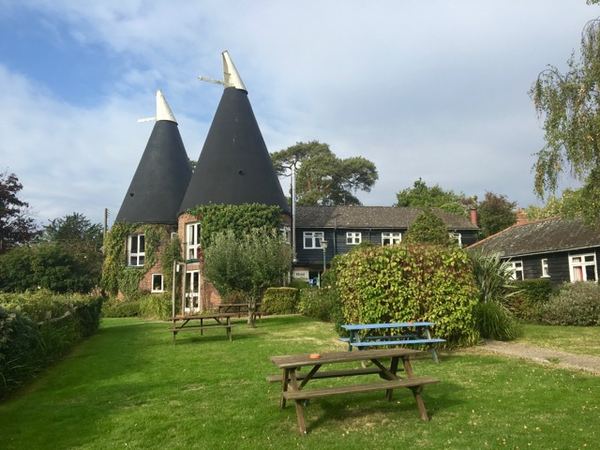 9.2
9.2
Playden Cottage Bed and Breakfast
Playden, just north of Rye
from £100/night
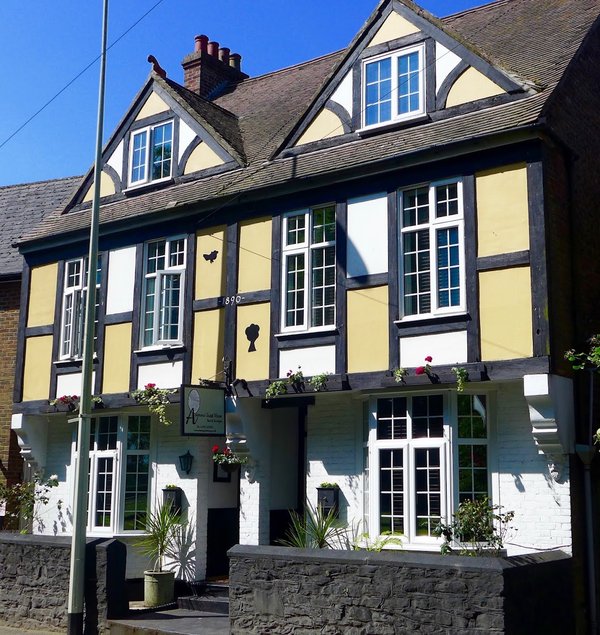
Aviemore Guest House
28/30 Fishmarket Road, Rye
Things to Do in Rye(5)
All attractions in Rye →Top things to do in Rye
Rye rewards slow exploration on foot; nearly everything of interest lies within its compact, walkable old town.
- Mermaid Street is the most photographed cobbled street in Sussex, lined with fifteenth and sixteenth century timber-framed houses leading up from the quay.
- Lamb House, cared for by the National Trust, was home to Henry James and later E.F. Benson, and its walled garden is a peaceful spot away from the crowds.
- Ypres Tower and Rye Castle Museum occupy a thirteenth-century fort that has served as a prison and mortuary as well as a lookout, with displays on the town's smuggling past.
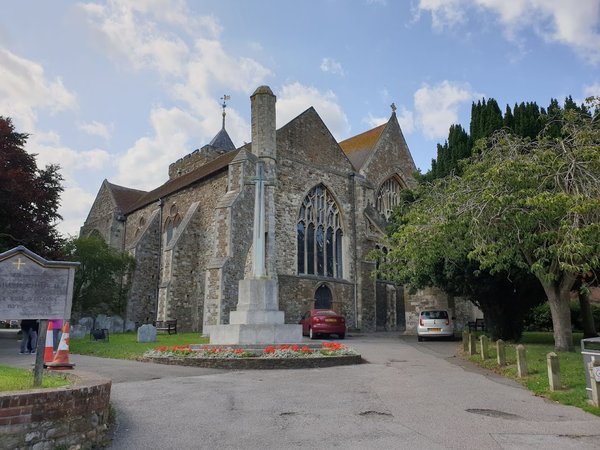
- St Mary's Church has one of the oldest working church clocks in the country and a tower well worth the climb for the view over the marsh.
- Rye Art Gallery shows changing exhibitions of local and national work across two sites in the town centre.
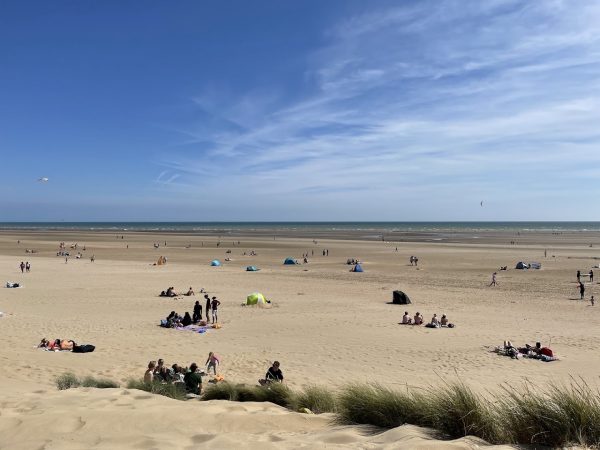
- Camber Sands, a few miles east, is the largest sandy beach in East Sussex, backed by dunes and popular for kitesurfing and long walks.
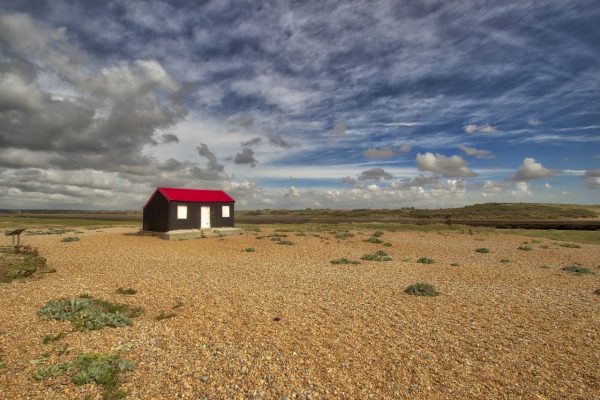
- Rye Harbour Nature Reserve covers shingle, saltmarsh and lagoons along the estuary, an important site for breeding and wintering birds.
- The Landgate, the last surviving town gate of the four that once guarded Rye, still spans the road into the old town and makes a good starting point for a walking tour.
Where to Eat in Rye
All restaurants in Rye →Food and drink in Rye
Rye Bay is known for its scallops, landed by the town's small day-boat fleet and celebrated each February with a dedicated scallop week of special menus across local restaurants. Romney Marsh lamb, grazed on the salt marshes just outside town, appears widely on menus alongside other local produce, and the surrounding orchards supply cider and apple juice to several pubs.
The town's historic inns double as its best-known dining rooms: the Mermaid Inn's restaurant sits beneath sixteenth-century beams reputedly linked to the Hawkhurst smuggling gang, while the George in Rye pairs its Georgian coaching-inn setting with a more contemporary kitchen. Webbe's at the Fish Café and Landgate Bistro are long-standing local favourites for seafood and modern British cooking respectively, and a scattering of tea rooms along the High Street and Mermaid Street serve cream teas to the steady flow of day visitors.
A farmers' market held regularly in the town centre brings together local growers, cheesemakers and bakers, and several independent delicatessens and wine merchants in the old town make it easy to put together a picnic for the beach or the nature reserve.
Attractions Near Rye
All attractions in Rye →Worth the trip — within 50 miles of Rye.
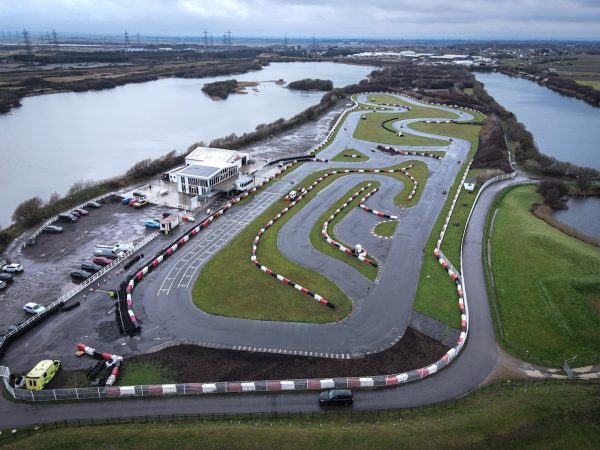 7 mi
7 mi
Lydd Kart Circuit
Lydd · ⭐ 4.7
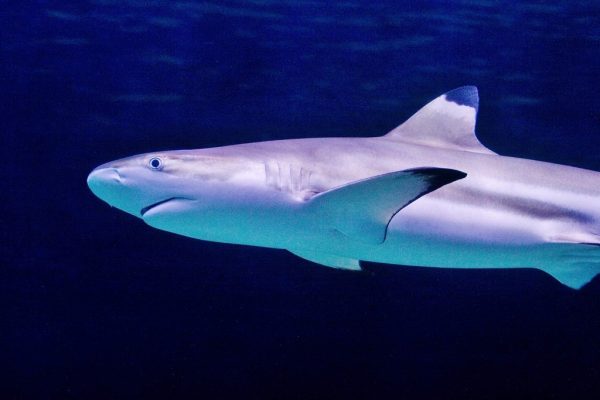 8 mi
8 mi
Hastings Aquarium
Hastings · ⭐ 3.0
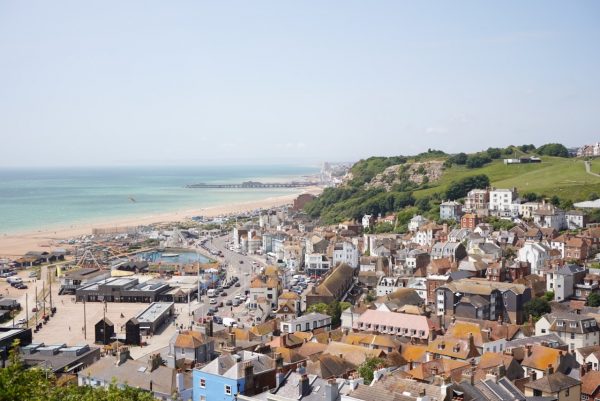 8 mi
8 mi
Hastings Beach
Hastings · ⭐ 3.0
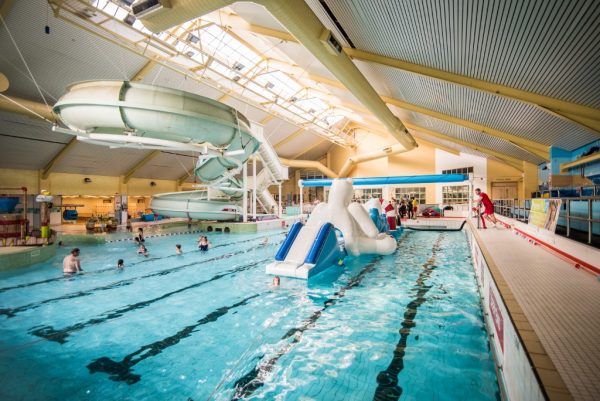 8 mi
8 mi
Tenterden Leisure Centre
Tenterden · ⭐ 3.9
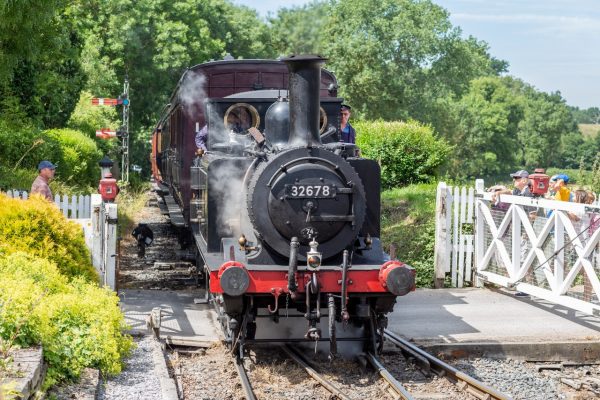 9 mi
9 mi
Kent & East Sussex Railway
Tenterden · ⭐ 4.7
 9 mi
9 mi
Rare Breeds Centre
Ashford · ⭐ 4.6
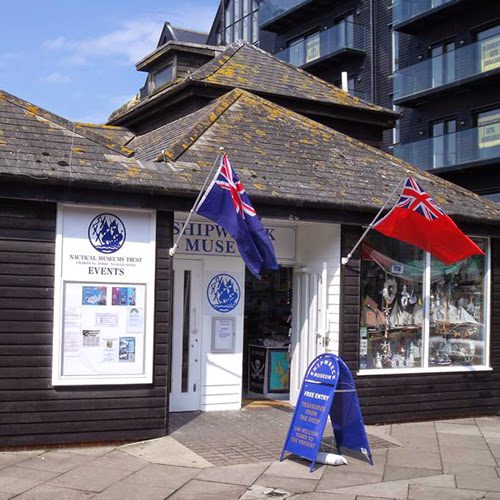 9 mi
9 mi
Shipwreck Museum
Hastings · ⭐ 4.6
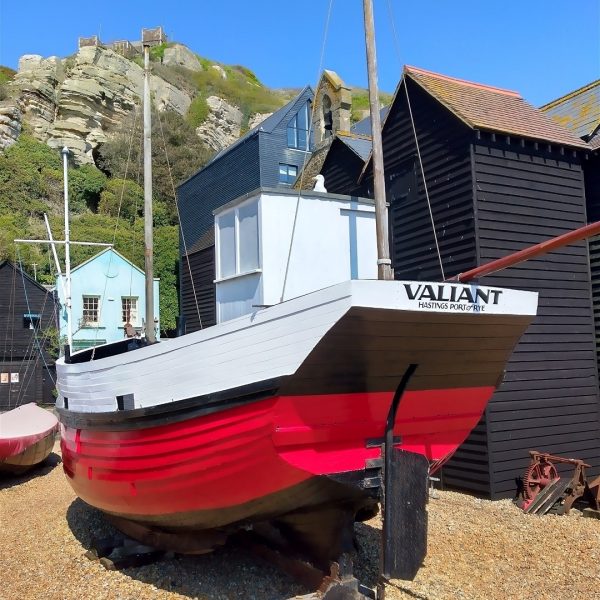 9 mi
9 mi
Fishermans Museum
Hastings · ⭐ 4.6
Camping in Rye(6)
All campsites in Rye →About camping in Rye
Camping around Rye means camping on the edge of Romney Marsh and the Sussex coast rather than in the town itself, which has no sites within its historic core. The dominant feature of the landscape here is flatness: reclaimed marshland, grazing meadows criss-crossed by drainage dykes, and long views that make the area feel more exposed to weather than the wooded Weald a few miles inland. Sites tend to cluster either right on the coast at Camber, where dunes provide some shelter from onshore winds, or a few miles inland around villages such as Ewhurst Green and Northiam, where hedgerows and slightly higher ground offer a calmer pitch.
Weather on this stretch of coast is typically drier than much of England, sitting in one of the sunnier corners of the south east, though the flat, open terrain means wind off the Channel can be a factor at coastal sites, particularly outside the summer months. Wild camping has no general legal right in England outside a handful of upland areas such as Dartmoor, and Romney Marsh and the land around Rye do not fall into any of those exceptions, so camping here means using a licensed site rather than pitching independently on the marsh or beach.
Late spring through to early autumn is the best window for camping around Rye, when the marsh birdlife at Rye Harbour is most active, the beach at Camber is at its most usable, and site facilities and shops are running at full capacity. May and June tend to be quieter than the school holiday peak of late July and August while still offering long daylight hours and settled weather, and September can be a particularly good month, with warm days, thinner crowds and the Rye Bay scallop season not far off.
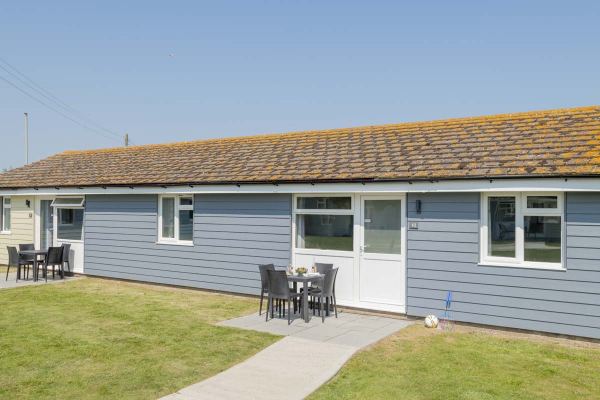
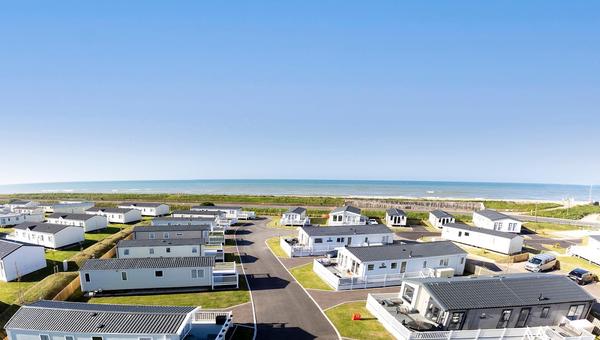
Broomhill Sands Holiday Park
⭐ 3.7 · from £20/night
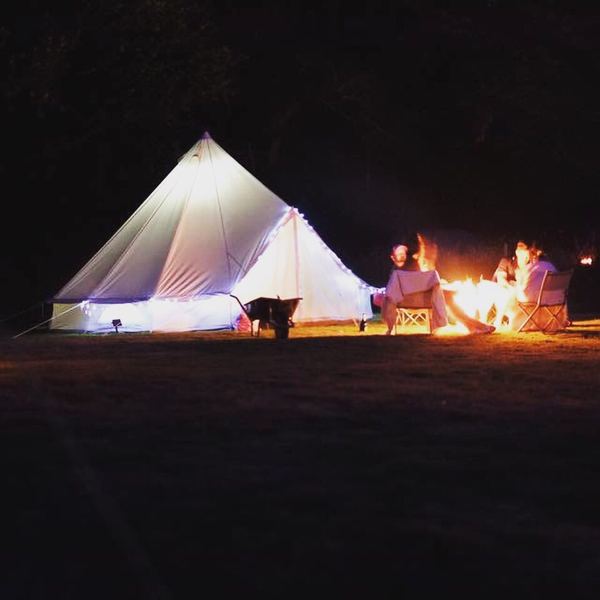
Camber Sands Holiday Park
⭐ 3.7 · from £22/night
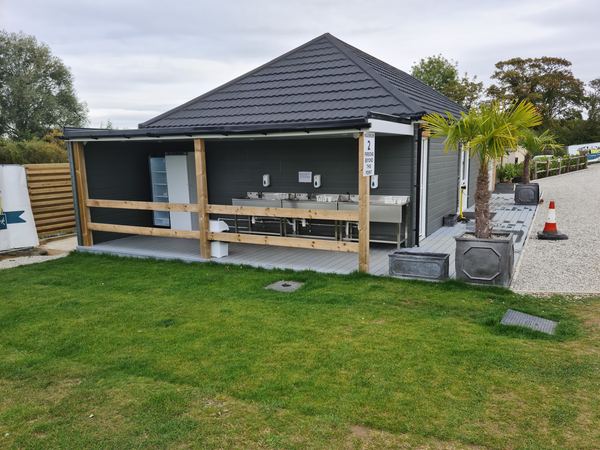
Hare and Hounds Campsite
⭐ 4.8 · from £29/night
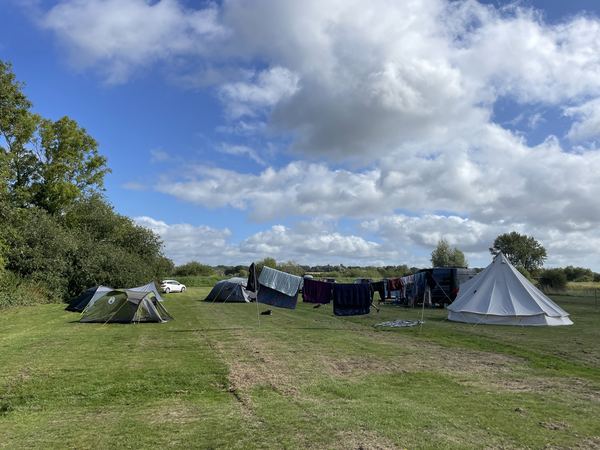
Rother Valley Caravan and Camping Park
⭐ 4.6 · from £31/night
The Otter Channel
⭐ 4.7 · from £70/night
Stalkhurst Camping and Caravan Park
⭐ 4.6 · from £18/night
Self-Catering Cottages in Rye
All cottages in Rye →66 Fish
2 bed · sleeps 4 · from £463
The Quarter House
2 bed · sleeps 4 · from £347
Harbour Retreat
6 bed · sleeps 12
Kiln Cottage
1 bed · sleeps 2
The Blue Loft
2 bed · sleeps 4 · from £917
The Wagon Lodge
4 bed · sleeps 8 · from £821
Bramley Cottages
2 cottages · from £467
Pond Cottage
2 bed · sleeps 4 · from £447
Common questions about Rye
How many campsites are there in Rye?
We list 6 campsites in and around Rye, of which 6 take tents and 2 offer glamping.
Are there dog-friendly campsites in Rye?
Yes — 5 of the 6 campsites we list in Rye accept dogs, including Hare and Hounds Campsite and Stalkhurst Camping and Caravan Park.
Which campsites in Rye have electric hook-up?
5 of the 6 campsites we list in Rye offer an electric hook-up.
Where can I stay in Rye?
We list 28 hotels, B&Bs and guest houses in and around Rye. Prices start from around £95 a night.
What is there to do in Rye?
We list 5 attractions and things to do in and around Rye.