Salisbury
Cathedral spires, chalk streams and the road to Stonehenge
Photo © Google Maps contributors, Google Maps
Salisbury sits where five chalk-fed rivers meet, its cathedral spire rising 123 metres above the water meadows and marking the city out for miles across the Wiltshire plain. Founded in the thirteenth century when the original hilltop settlement of Old Sarum was abandoned for the valley below, it was laid out on a grid of streets that still governs the centre today, a rare piece of planned medieval town-building that survives largely intact.
The result is a compact city that rewards walking. Cathedral Close, Britain's largest and best preserved, is ringed by honey-coloured townhouses and framed by lawns where the cathedral has stood since 1258. Beyond it, timber-framed buildings lean over narrow lanes named for the trades once carried out there — Fish Row, Butcher Row, Ox Row — and a twice-weekly market still fills the Market Place as it has done for eight hundred years.
Salisbury's setting makes it a natural base for exploring further afield. Stonehenge is a short drive across the plain, Wilton House and its gardens sit just outside the city, and the New Forest and Dorset coast are within easy reach. Yet the city holds its own too, with enough museums, riverside walks and independent shops to fill several days before anyone needs to venture out to the surrounding countryside.
Getting to Salisbury
Salisbury has a direct rail link with London Waterloo, with South Western Railway trains running roughly twice an hour and taking around 1 hour 30 minutes to 1 hour 45 minutes depending on the service. There are also useful connections west to Exeter and south to Southampton and Bournemouth, making the city easy to combine with a wider West Country trip.
By road, Salisbury sits just off the A36 between Southampton and Bath, with the A303 passing close by on its route towards Stonehenge and the South West — useful for anyone arriving from London or the M3. The city centre has several pay-and-display car parks, including a large one at the Maltings shopping centre, and a park-and-ride scheme operates from sites on the ring road for visitors who would rather not drive into the centre itself.
The nearest airports are Southampton, around 25 miles south-east, and Bournemouth, a similar distance to the south, both with car hire available. Bristol Airport is a little further but offers a wider range of international routes.
Best time to visit Salisbury
Spring brings daffodils and blossom to the Close and the water meadows, with fewer visitors than summer and reliably good light for photographing the cathedral. It is a good time to combine the city with an early-season visit to Stonehenge before the main tourist season builds.
Summer is the busiest period, with long days for exploring the Close and surrounding countryside, outdoor seating filling the city's pubs and cafes, and events including the Salisbury International Arts Festival in late May and early June bringing music, theatre and street performance to the city.
Autumn suits anyone who prefers a quieter city, with the water meadows turning colour and the cathedral especially atmospheric in low afternoon light. Half-term weeks are the exception, when family visitors pick up again.
Winter is quiet outside the run-up to Christmas, when the Cathedral hosts carol services and the Market Place fills with a Christmas market. The cathedral interior, lit for evensong, is arguably at its best in the darker months, and hotel rates tend to be at their lowest.
Where to stay in Salisbury(51)
All hotels in Salisbury →About staying in Salisbury
Salisbury is small enough that almost anywhere within the old city walls puts you within a twenty-minute walk of the cathedral, so the choice of base comes down to atmosphere and budget rather than distance. Staying inside Cathedral Close or on the streets immediately around the Market Place gives the most immersive experience, with timber-framed buildings, independent shops and the cathedral itself all on the doorstep, though rooms here tend to carry a premium and can book up well ahead of the summer arts festival and Christmas market.
A short step further out, around Fisherton Street, Milford Street and the railway station, rates ease off while the walk into the centre stays entirely manageable, and this is where most of the city's mid-range hotels and guest houses cluster. It also suits anyone arriving by train, since several properties sit within a few minutes of the station platforms. Families and anyone travelling by car often do better on the edge of the city, near Wilton or along the A36, where parking is easier and free, and a short drive covers the distance into the centre or out to Stonehenge and the surrounding countryside.
Whichever area you choose, book ahead for the Salisbury International Arts Festival in late May and early June and for the weeks around Christmas, when the cathedral's carol services and the Market Place's Christmas market bring visitors in from across the region and rooms become scarce. Outside those periods, and particularly in winter, rates in the city drop noticeably and last-minute availability is rarely a problem.
 8.4
8.4
Milford Hall Hotel & Spa
Milford Street, edge of the city centre
from £145/night
 8.8
8.8
The Chapter House
St John Street, inside the city walls near the Close
from £130/night
 8.2
8.2
Mercure Salisbury White Hart Hotel
St John Street, opposite Cathedral Close
from £110/night
 9.0
9.0
Best Western Plus Red Lion Hotel
Milford Street, city centre
from £120/night
 8.8
8.8
Holiday Inn Salisbury - Stonehenge
Solstice Park, edge of Salisbury near the A303/A36
from £100/night
 9.6
9.6
Websters Bed & Breakfast
Hartington Road, quiet residential street near the station
from £95/night

Bird & Carter Fonthill
Fonthill Bishop, Salisbury

Burcombe Manor
Burcombe Lane, Salisbury
Things to Do in Salisbury(21)
All attractions in Salisbury →Top things to do in Salisbury
The cathedral dominates any visit, but Salisbury has plenty more to offer within walking distance of its spire.
- Salisbury Cathedral houses the best-preserved of the four surviving original copies of the Magna Carta and the world's oldest working mechanical clock, and visitors can climb the tower for views across the Close and out to the plain beyond.
- Old Sarum is the earthwork and ruined castle where Salisbury began, an Iron Age hillfort later fortified by the Romans, Saxons and Normans before the city moved to the valley in 1220.
- Salisbury Museum, set in a medieval house on the Close, holds finds from Stonehenge and the surrounding chalklands alongside displays on the city's history.
- Mompesson House, a National Trust property on the Close, is a Queen Anne townhouse with fine plasterwork ceilings and a walled garden, best known for its role in the film of Sense and Sensibility.
- Wilton House, on the western edge of the city, is the ancestral home of the Earls of Pembroke, with state rooms designed by Inigo Jones and parkland running down to the River Nadder.
- Stonehenge lies around nine miles north-west of the city and remains the obvious day trip, best visited early or late in the day when the coach parties have thinned out.
- Salisbury Market fills the Market Place every Tuesday and Saturday, a tradition granted by royal charter in 1227 and still the best place to pick up Wiltshire produce.
- The Water Meadows south of the Close offer a flat, easy walk beside the Avon to the spot where John Constable painted his famous view of the cathedral.


Where to Eat in Salisbury(93)
All restaurants in Salisbury →Food and drink in Salisbury
Salisbury's twice-weekly charter market remains the best introduction to local produce, with Wiltshire cheeses, home-cured meats and seasonal vegetables from the surrounding farms sold alongside the usual market stalls. The wider county is known for its chalk stream trout and watercress, both drawn from the same clear rivers that meet in the city, and for game and venison from the surrounding estates in autumn and winter.
The city has a good spread of independent places to eat. Fisherton Mill combines an art gallery and furniture workshop with a café serving all-day brunches in a converted grain store, while Charter 1227 in the Market Place takes its name from the market's royal charter and serves modern British food using produce from the surrounding countryside. The Old Mill at Harnham, a short walk from the Close along the water meadows, occupies a genuine converted watermill beside the Avon and is popular for a riverside pint or Sunday lunch.
Pubs are plentiful and several claim genuine age: the Haunch of Venison, tucked beside the Market Place, dates from the 1320s and is one of the oldest pubs in England, while the New Inn on New Street occupies a fifteenth-century timber-framed building with a walled garden. For something sweeter, the city's tea rooms and bakeries make the most of Wiltshire's dairy produce, and a slice of local cheese from the market makes an easy edible souvenir to take home.


Attractions Near Salisbury
All attractions in Salisbury →Worth the trip — within 50 miles of Salisbury.
 8 mi
8 mi
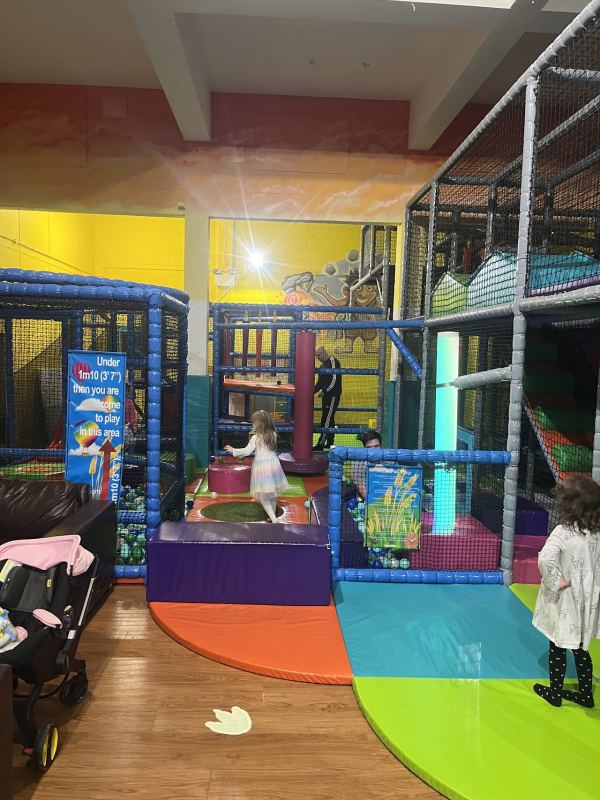
Solstice Play
Amesbury · ⭐ 4.5
 8 mi
8 mi
Rockbourne Roman Villa
Fordingbridge · ⭐ 4.3
Bolderwood Deer Sanctuary
Newtown
 11 mi
11 mi
Picking Patch Fordingbridge
Fordingbridge · ⭐ 4.4
 11 mi
11 mi
Army Flying Museum
Andover · ⭐ 4.6
 11 mi
11 mi
Mottisfont - National Trust
Romsey · ⭐ 4.6
 12 mi
12 mi
New Forest Water Park
Fordingbridge · ⭐ 4.4
 12 mi
12 mi
Thruxton Race Circuit
Andover · ⭐ 4.7
Camping in Salisbury(10)
All campsites in Salisbury →About camping in Salisbury
Salisbury itself has no campsites within the old city, but the surrounding Wiltshire countryside more than makes up for it, with sites scattered across the chalk downland and river valleys within a few miles of the centre. Much of the land here is gently rolling farmland and water meadow rather than dramatic scenery, which makes for easy, sheltered pitches and straightforward walking and cycling routes rather than technical terrain, and several sites sit close enough to the city to cycle or bus in for an evening rather than driving.
The chalk soil drains well, so sites around Salisbury tend to stay usable even after heavy rain, though the open downland can be exposed to wind and there is little shelter from the prevailing south-westerlies on higher ground. Wild camping has no general legal right in England and Wiltshire is no exception, so campers should stick to the established sites in the area or seek a landowner's permission rather than pitching on the plain or near Stonehenge, which sits within a protected World Heritage Site with no informal camping tolerated.
May to September gives the most reliable weather and the longest daylight for exploring, with June's arts festival adding an extra reason to combine a stay with a night or two under canvas. Many of the smaller, family-run sites close over winter, so anyone hoping to camp outside the main season should check opening dates before setting off, while a handful of touring parks with hookups and hard standing stay open year-round for caravans and motorhomes.

Alderbury Caravan and Camping Park
⭐ 4.5 · from £19/night

Brades Acre
⭐ 4.7

Chalke Valley Camping
⭐ 4.9

Coombe Touring Park
⭐ 4.6 · from £20/night

Green Hill Farm Holiday Village
⭐ 4.6 · from £294/night

Salisbury Camping and Caravanning Club Site
⭐ 4.5 · from £18/night

Salisbury Campsite at Bake Farm
⭐ 4.4 · from £25/night

Stonehenge Campsite and Glamping Pods
⭐ 4.2 · from £20/night
Self-Catering Cottages in Salisbury
All cottages in Salisbury →4 Holt Court
3 bed · sleeps 6 · from £1,005
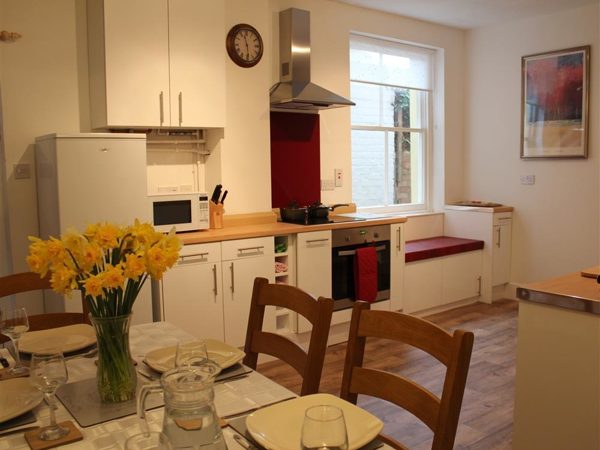
Rojoy
3 bed · sleeps 6 · from £512
The Townhouse
2 bed · sleeps 3 · from £347
Everest House
4 bed · sleeps 7 · from £851
Avon Turn View
1 bed · sleeps 2 · from £407

Hole Farm
4 cottages · from £681
Shepherds Hut Retreat
1 bed · sleeps 2 · from £817
Spire View Hut
1 bed · sleeps 2 · from £817
Common questions about Salisbury
How many campsites are there in Salisbury?
We list 10 campsites in and around Salisbury, of which 10 take tents and 5 offer glamping.
Are there dog-friendly campsites in Salisbury?
Yes — 8 of the 10 campsites we list in Salisbury accept dogs, including Brades Acre and Coombe Touring Park.
Which campsites in Salisbury have electric hook-up?
6 of the 10 campsites we list in Salisbury offer an electric hook-up.
Where can I stay in Salisbury?
We list 51 hotels, B&Bs and guest houses in and around Salisbury. Prices start from around £79 a night.
What is there to do in Salisbury?
We list 21 attractions and things to do in and around Salisbury.
Where can I eat in Salisbury?
We list 93 restaurants, pubs and cafes in and around Salisbury.
Staycation ideas for Salisbury
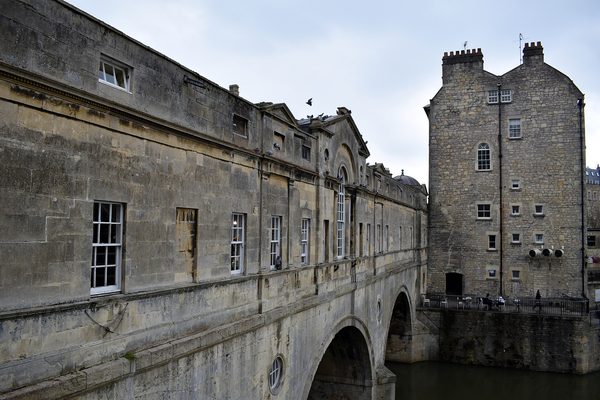
Bath Staycation Guide: Where to Stay, What to Do and Where to Eat
Plan a Bath staycation: where to stay near the Roman Baths or out in the countryside, the museums and Georgian landmarks worth seeing, where to eat, a two-day plan, day trips and nearby campsites.
Winchester Staycation Guide: Where to Stay, What to Do and Where to Eat
A practical Winchester staycation guide: where to stay in the city and nearby villages, the cathedral and Great Hall, walks along the Itchen, a two-day plan and day trips across Hampshire.
Carol Services and Cathedral Christmases: Where to Hear Them
From King's College, Cambridge to cathedral cities across the country, how to actually get into the great Christmas carol services, and the quieter alternatives that need no ballot at all.
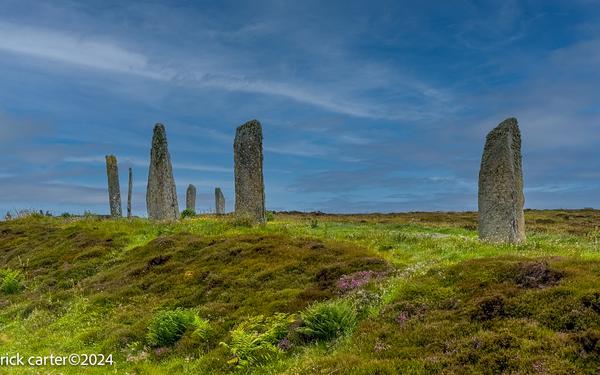
The Winter Solstice in the UK: Stonehenge, Maeshowe and More
The shortest day falls on 21 December in 2026. Where to mark it in Britain, from sunrise inside the circle at Stonehenge to the Neolithic tomb in Orkney that the setting sun lights up from within.