Bournemouth
Seven miles of sand and a Victorian pier on the Dorset coast
Photo © Google Maps contributors, Google Maps
Bournemouth grew up almost entirely as a resort. Unlike most English seaside towns, which trace their origins back to a fishing harbour or a market crossing, Bournemouth barely existed before the 1810s, when a retired army officer built a house among the heathland and pine trees above the beach and the town grew outward from there. That comparatively late start gave it wide Victorian avenues, generous public gardens and a layout built around leisure rather than industry, and it remains one of the largest resort towns on the south coast, sitting on Poole Bay between Poole Harbour to the west and Christchurch and the Hampshire border to the east.
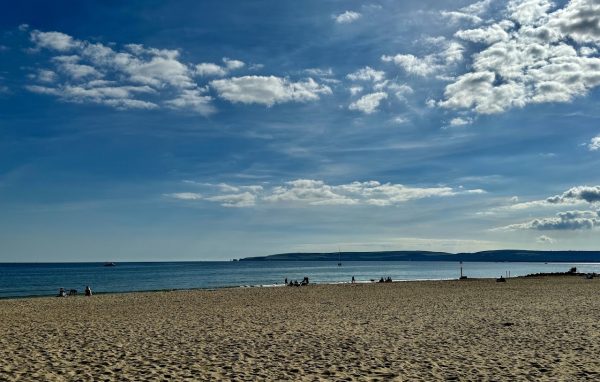
The seafront is the town's defining feature: seven miles of sandy beach, consistently rated among the cleanest in the country, backed by chalk cliffs and cut through by a series of wooded valleys, known locally as chines, that run down from the town centre to the sand. The Victorian pier, opened in 1880 and rebuilt several times since storm and wartime damage, still marks the centre of the seafront, with the Lower Gardens running inland from it in a green corridor that separates the shopping streets from the beach. Bournemouth was formally merged with Poole and Christchurch into the unitary authority of Bournemouth, Christchurch and Poole in 2019, and the wider conurbation now functions as one of the south coast's largest urban areas, though Bournemouth itself retains a distinct seaside identity.
Beyond the beach, Bournemouth has built a reputation as a genuine year-round town rather than a purely seasonal resort. Two universities give it a large student population and a livelier nightlife than many comparable resorts, the town centre has a good spread of independent shops and chains around the Square and Old Christchurch Road, and neighbouring Boscombe and Southbourne have each developed their own quieter, more independent character along the same stretch of coast. The result is a town that still delivers the classic seaside afternoon of pier, ice cream and deckchairs, while offering enough beyond the beach to fill several days.
Getting to Bournemouth
Bournemouth has a direct rail link from London Waterloo, with South Western Railway services taking around two hours and calling at Bournemouth station in the town centre, a fifteen-minute walk or short bus ride from the seafront. Trains also run along the coast to Poole, Wareham, Dorchester and Weymouth in one direction and Christchurch, Southampton and Winchester in the other, making Bournemouth a workable base for day trips further along the south coast.
By road, Bournemouth sits just off the A31 and A338 spur road, which connect to the M27 towards Southampton and the M3 for London; the drive from central London typically takes around two and a half hours outside peak periods. Car parks serve the town centre, the seafront and each of the main beach access points, though the busiest coastal car parks fill early on fine summer days. Bournemouth Airport lies a few miles north of the town and handles a modest number of scheduled and charter routes, while Southampton Airport is around thirty miles away and offers a wider network; London's main airports are all within two to three hours by road.
Best time to visit Bournemouth
Spring brings milder days and the Lower Gardens and cliff-top walks into bloom, with the beach and seafront noticeably quieter than in summer. Summer is Bournemouth at its busiest and most quintessentially seaside, with the beach at its fullest, the annual Bournemouth Air Festival drawing large crowds to the seafront, and long evenings for a walk along the pier or a drink overlooking the bay. Autumn tends to be milder than further north and stays pleasant for coastal walks and beach visits well into October, with hotel prices easing after the school summer holidays. Winter suits visitors focused on the museums, shopping and restaurant scene rather than the beach itself, though a bracing walk along the front on a clear winter's day, followed by the Christmas illuminations in the Lower Gardens, has its own appeal.
Where to stay in Bournemouth(129)
All hotels in Bournemouth →About staying in Bournemouth
Where to base yourself in Bournemouth largely comes down to which side of the pier, and how central, you want to be. East Cliff has long been the town's grandest hotel address, with a run of large seafront hotels set on the clifftop above the Lower Gardens, offering sea views and the shortest walk down to the pier and beach; it suits visitors who want a classic, full-service seaside hotel experience with spas, pools and restaurants on site. West Cliff, on the other side of the pier, has a similar cluster of hotels in a slightly quieter setting nearer Alum Chine, and works well for those who want the same easy beach access with a touch more calm in the evenings.
Staying in the town centre, around the Square and Old Christchurch Road, puts restaurants, bars and the shopping streets on the doorstep, with the beach still an easy downhill walk away; this suits visitors who plan to split their time between the seafront and the town rather than staying seaside all day. It also tends to offer the widest range of guest houses and independent B&Bs at more moderate prices than the seafront hotels. Boscombe and Southbourne, a short bus ride further east, appeal to those wanting a quieter, more local feel, with smaller guest houses and self-catering options and a growing choice of independent cafes along Christchurch Road.
Prices in Bournemouth rise sharply in July and August and around the Air Festival weekend, when the largest seafront hotels can book out weeks ahead, so visitors planning a summer trip are best booking well in advance regardless of area. Outside the school holidays, particularly in spring and autumn, rates ease considerably and even the grander East and West Cliff hotels can offer good value for a seaside break with far fewer crowds on the beach itself.
 8.9
8.9
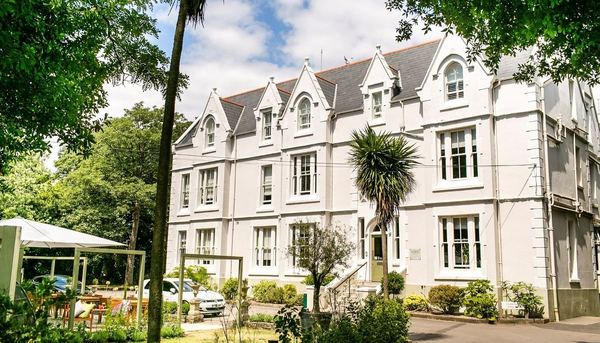
The Green House Hotel
Grove Road, town centre, near the beach
from £145/night
 8.6
8.6
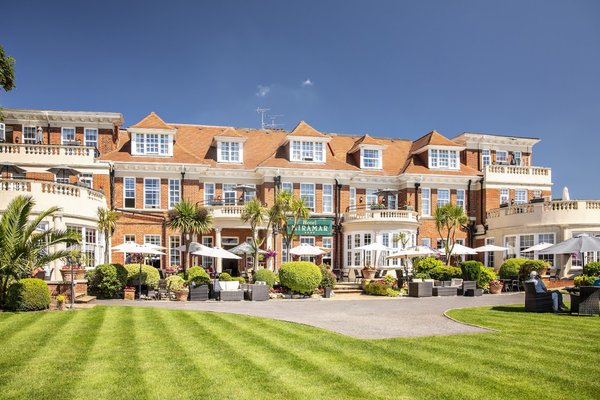
Miramar Hotel Bournemouth
East Overcliff Drive, East Cliff
from £135/night
 8.2
8.2
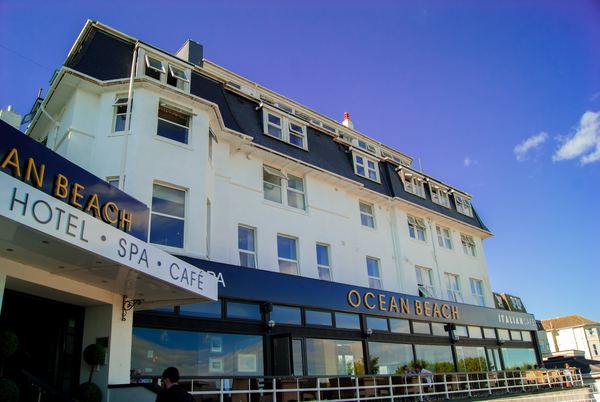
Ocean Beach Hotel & Spa
East Overcliff Drive, East Cliff
from £130/night
 8.7
8.7
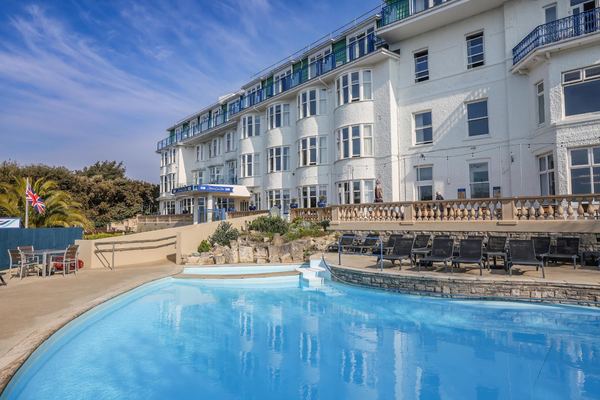
Marsham Court Hotel
Russell-Cotes Road, East Cliff
from £120/night
 8.4
8.4
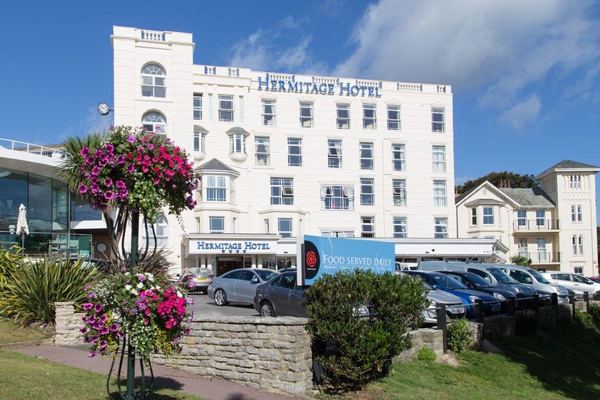
Hermitage Hotel
Exeter Road, opposite the Bournemouth International Centre
from £105/night
 9.1
9.1
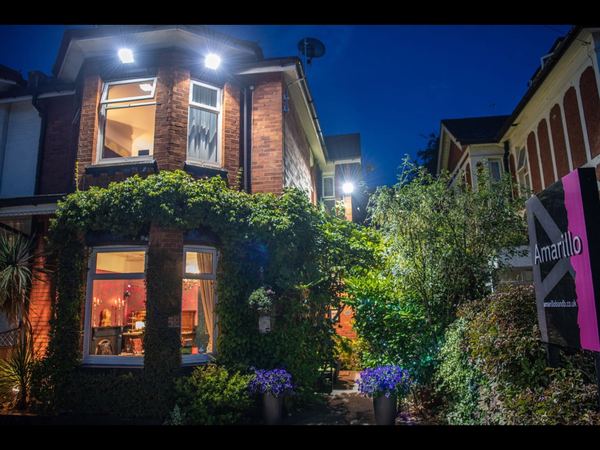
Amarillo Bed & Breakfast
Between Bournemouth and Boscombe piers
from £85/night
 9.0
9.0
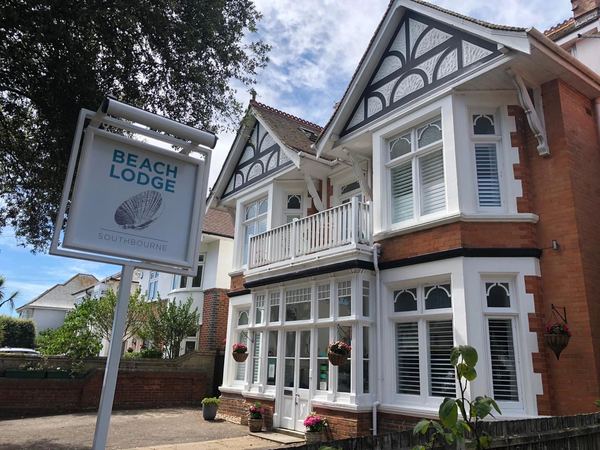
Beach Lodge
Southbourne, east Bournemouth seafront
from £90/night
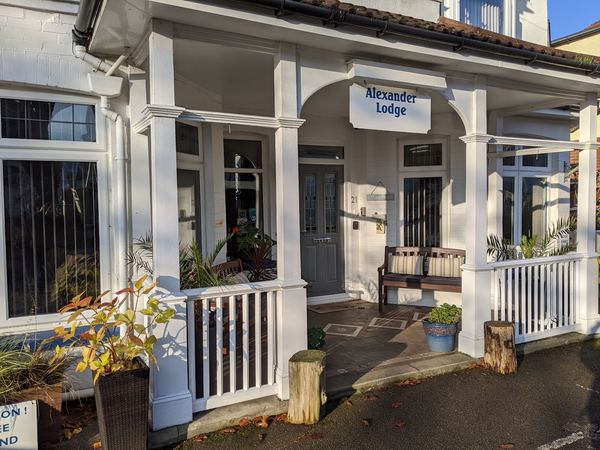
Alexander Lodge Guest House
21 Southern Road, Bournemouth
Things to Do in Bournemouth(26)
All attractions in Bournemouth →Top things to do in Bournemouth
Bournemouth's attractions cluster around the seafront and town centre, with most reachable on foot or via the seafront land train.
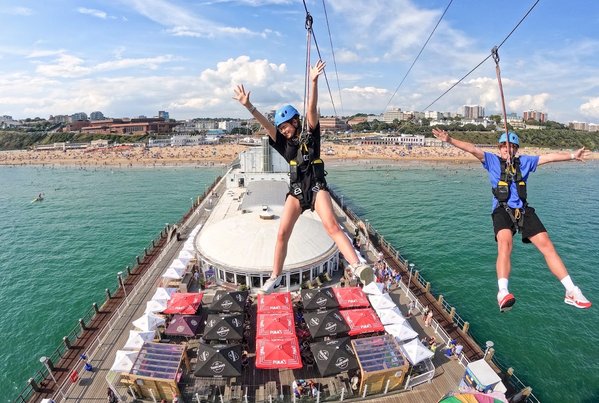
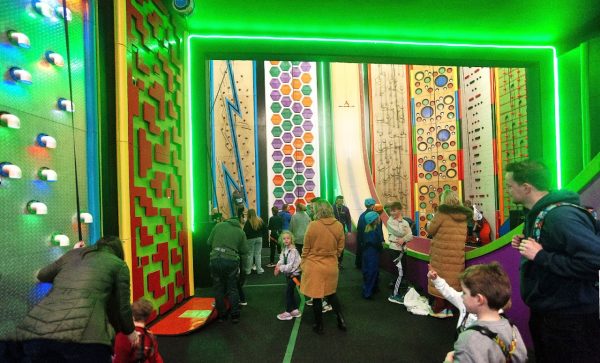
- Bournemouth Pier anchors the seafront with amusements, a rock-climbing wall and zip line, and remains the best vantage point for views along the bay in both directions.
- Bournemouth Beach stretches for seven miles of fine golden sand, holding Blue Flag status and backed by beach huts, deckchairs and a run of seafront cafes.
- Oceanarium, next to the pier, is a small aquarium built around a walk-through tunnel, home to sharks, rays, clownfish and a rescued sea turtle.
- Russell-Cotes Art Gallery and Museum occupies a lavish Victorian villa on the East Cliff, built as a private house and filled with the original owners' collection of art and curiosities from around the world.
- Lower Gardens run in a landscaped ribbon from the seafront up into the town centre, with mature trees, a miniature putting green, bandstand and the Bournemouth Aviation Museum's static displays nearby.
- Boscombe, a short walk or bus ride east along the coast, has its own restored pier, an artificial surf reef and a growing cluster of independent cafes and shops along the seafront and Christchurch Road.
- Compton Acres, a few miles west towards Poole, is a series of themed formal gardens set above Poole Harbour, including Japanese, Italian and rock gardens developed over the twentieth century.
- A boat trip from Bournemouth Pier or Poole Quay gives access to Poole Harbour, Brownsea Island's red squirrels and peacocks, and the sandbanks and chalk stacks of the Jurassic Coast further west.



Where to Eat in Bournemouth(492)
All restaurants in Bournemouth →Food and drink in Bournemouth
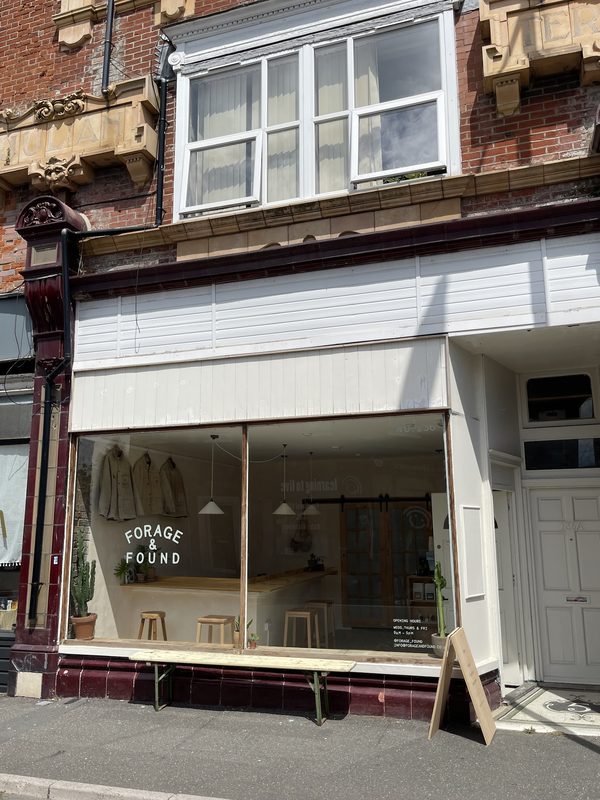
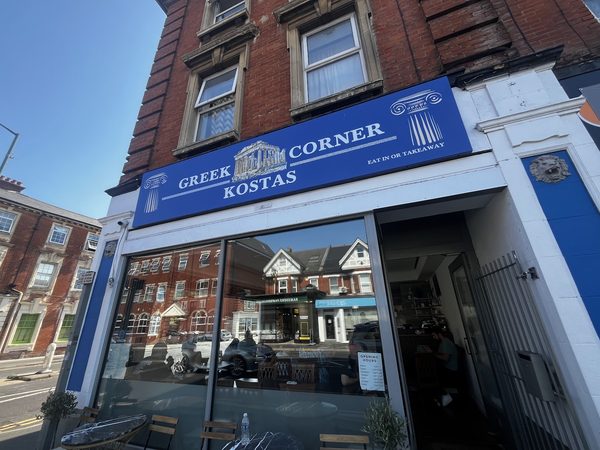
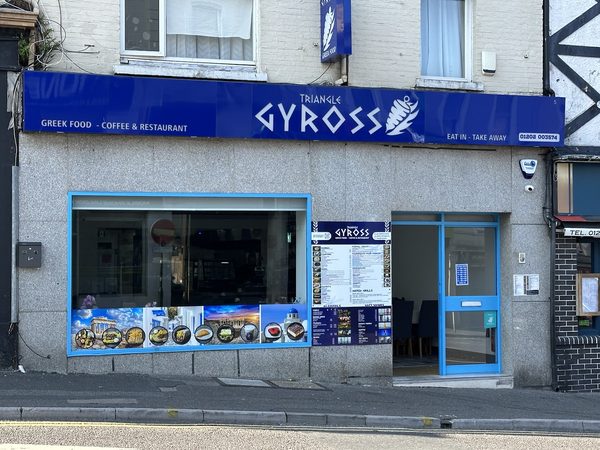
As a resort built on its beach, Bournemouth has a long-standing tradition of fish and chip shops and seafront cafes serving cream teas, ice creams and simple grilled fish, many clustered around the pier and the beach huts along the promenade. The town centre and Boscombe have both developed more ambitious independent dining in recent years, with Christchurch Road in Boscombe in particular known for its small cafes, bakeries and restaurants covering everything from Sri Lankan and Vietnamese cooking to specialty coffee. Dorset's wider food identity shows up on Bournemouth menus too, with Poole Bay crab and lobster, Dorset cheeses and local ales from breweries in the surrounding countryside all fairly easy to find. Bournemouth also holds a seafood festival on the seafront each summer, and the town centre's Square and Old Christchurch Road host regular street food and farmers' markets that bring together local producers alongside the more familiar chain restaurants and bars that cater to the student and visitor crowd.




Attractions Near Bournemouth
All attractions in Bournemouth →Worth the trip — within 50 miles of Bournemouth.
 2 mi
2 mi
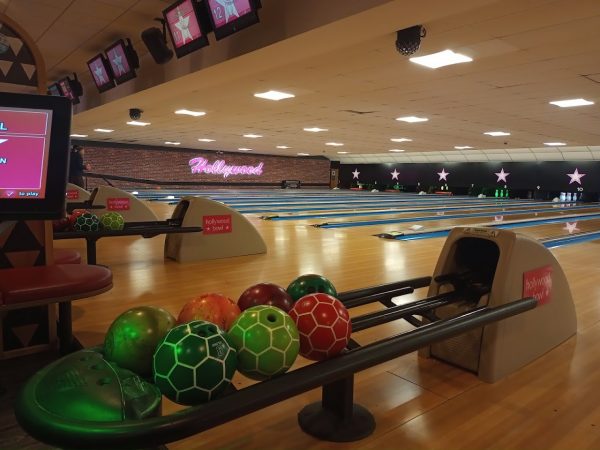
Hollywood Bowl Bournemouth Branksome
Poole · ⭐ 4.0
 4 mi
4 mi
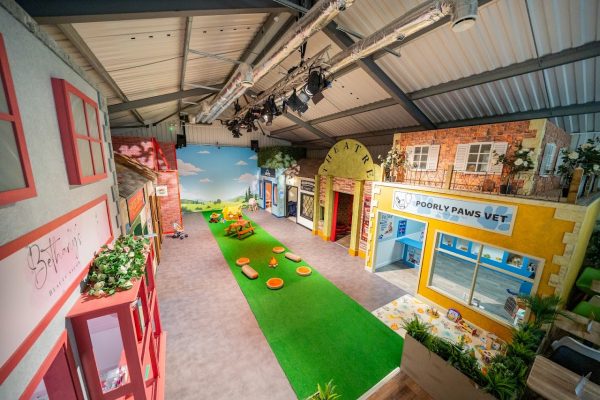
Discovery Village
Christchurch · ⭐ 4.9
Adventure Wonderland
Christchurch · ⭐ 4.1
 4 mi
4 mi
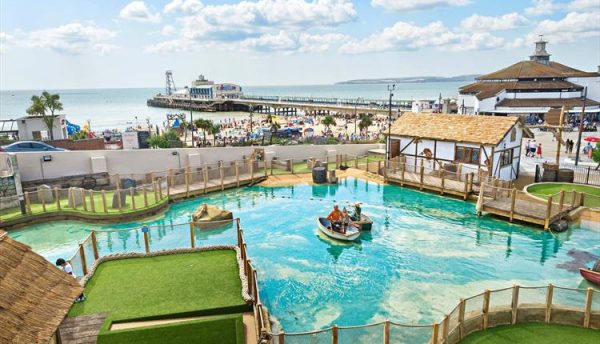
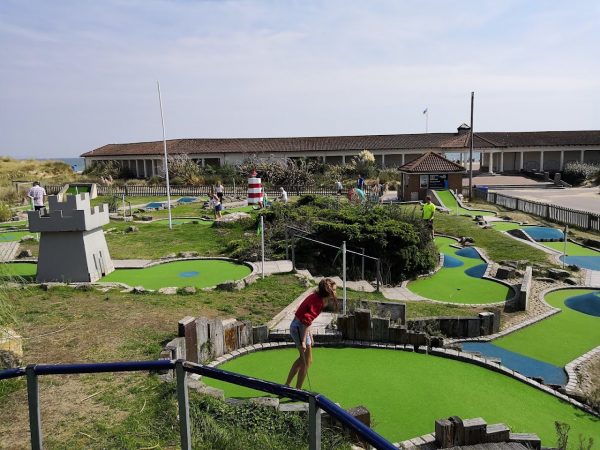
Sandbanks Crazy Golf
Poole · ⭐ 4.5
 4 mi
4 mi
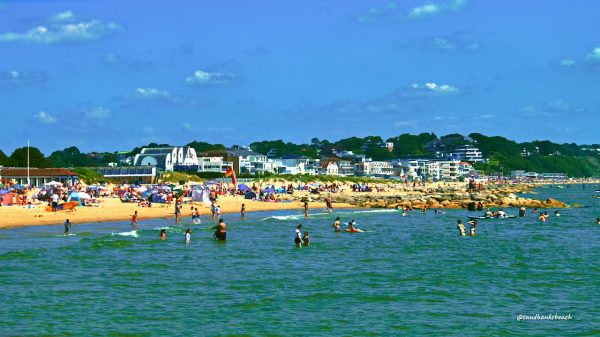
Sandbanks Beach
Poole · ⭐ 4.7
 4 mi
4 mi
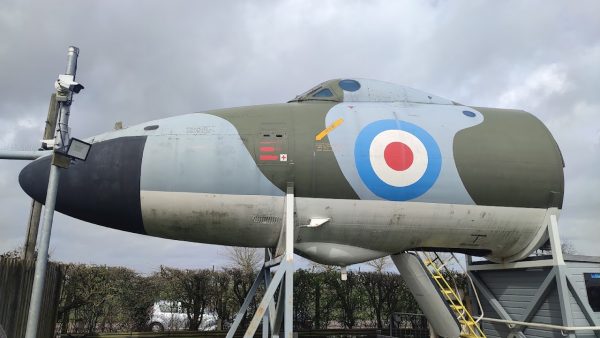
Bournemouth Aviation Museum
Christchurch · ⭐ 4.6
 4 mi
4 mi
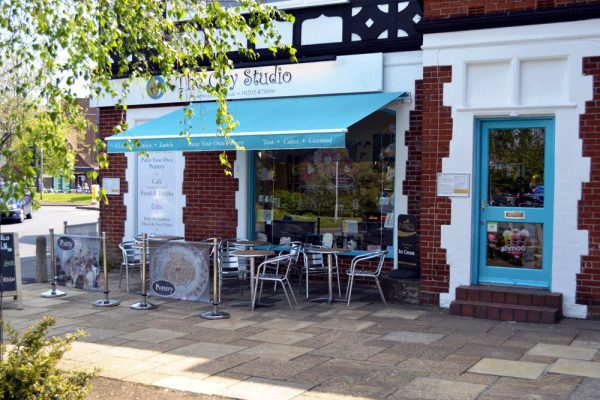
The Clay Studio
Christchurch · ⭐ 4.7
Red House Museum and Gardens
Christchurch · ⭐ 4.7
Camping in Bournemouth(3)
All campsites in Bournemouth →About camping in Bournemouth
Bournemouth itself is a built-up seaside town with no camping within its boundaries, so anyone wanting to pitch a tent needs to look just outside the town, in the flatter farmland and heathland that surrounds Poole, Christchurch and the towns just across the Hampshire border. This part of Dorset and south Hampshire is gentle rather than dramatic, a mix of arable fields, river valleys and heath, with the New Forest a little further north offering a change of scenery for those who want woodland walks alongside their beach days.
Wild camping is not legally permitted anywhere in Dorset or Hampshire without the landowner's consent, unlike parts of Dartmoor further west, so a stay near Bournemouth means booking into one of the established touring parks and holiday parks in the surrounding countryside rather than pitching informally on the coast or heath. Several of the larger sites within reach of the town offer a good spread of facilities, from simple grass touring pitches to holiday parks with pools and on-site entertainment, which suits families wanting a base for the beach without the cost of a seafront hotel.
Being close to the coast, sites in this area can catch a stiffer breeze than inland Dorset, so a well-anchored tent or awning is worth having even in high summer, and conditions are noticeably calmer once you move a few miles inland towards Ferndown and West Moors. The most reliable months for camping near Bournemouth run from April to September, when the beaches are at their best and most local sites are fully open; several reduce facilities or close entirely over the winter, so it is worth checking opening dates before planning a visit outside the main season.
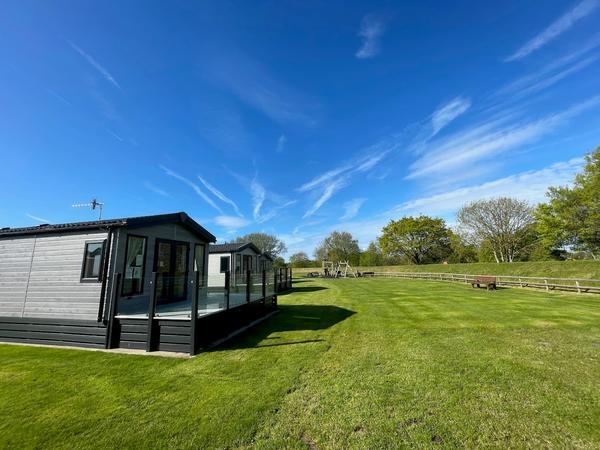
Meadowbank Holidays
⭐ 4.7 · from £24/night
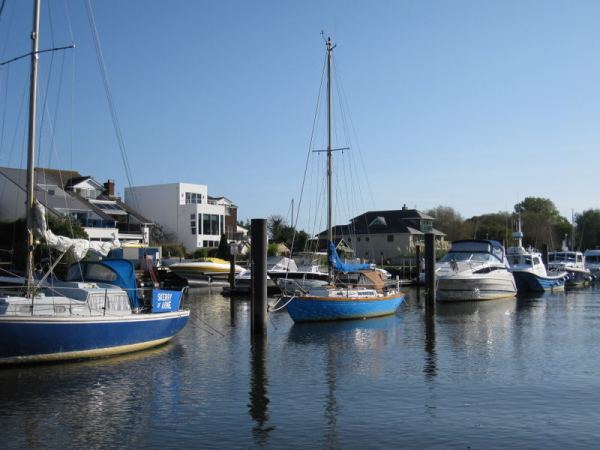
Beaulieu Gardens Holiday Park
⭐ 4.5
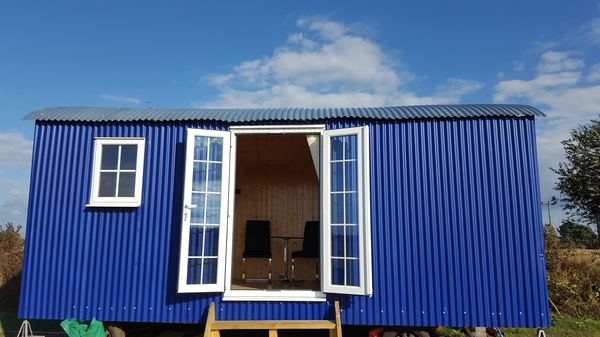
Snooks Farm Alpacas
⭐ 4.9 · from £22/night
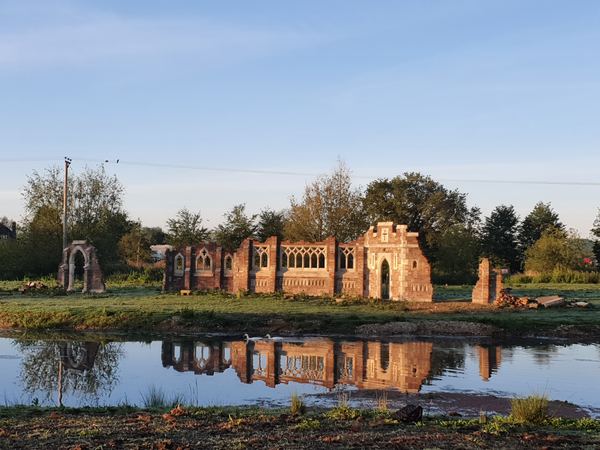
Parley Court Camping
⭐ 4.5 · from £25/night
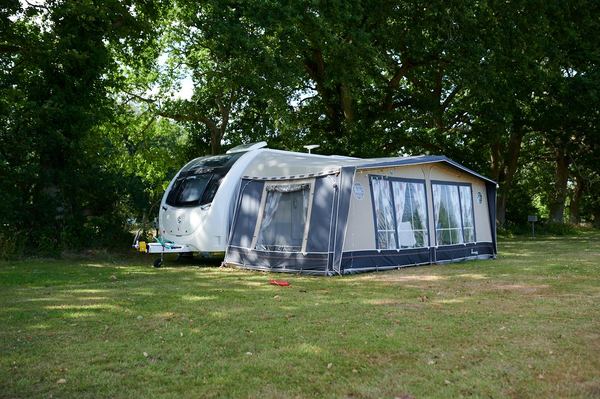
The Homestead Campsite
⭐ 4.6 · from £22/night
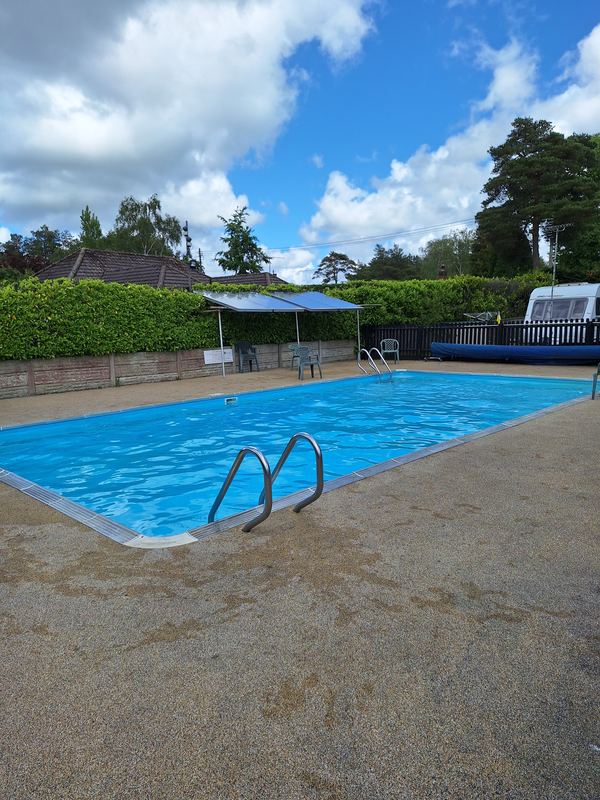
Longfield Caravan Park
⭐ 4.7 · from £80/night
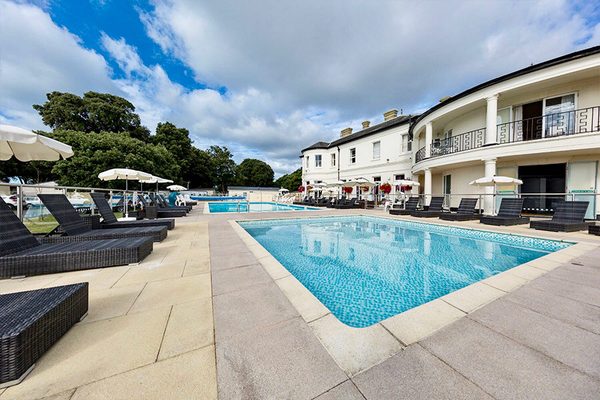
Sandhills Holiday Park
⭐ 4.4
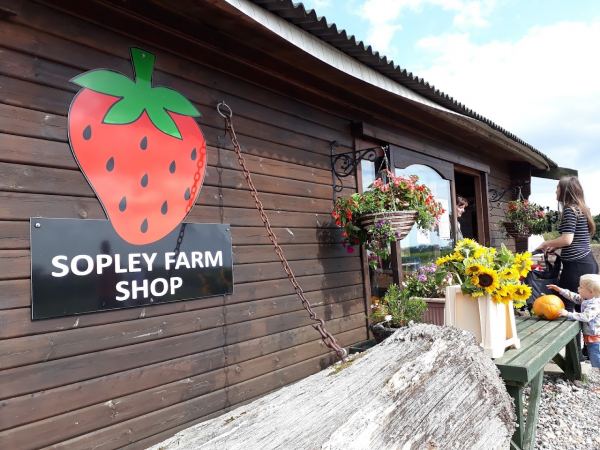
Sopley Lake Camping
⭐ 4.5 · from £25/night
Self-Catering Cottages in Bournemouth
All cottages in Bournemouth →Flat 2, Langtry Apartment
2 bed · sleeps 4 · from £523
Palm Court
1 bed · sleeps 2 · from £317
Beach Town
2 bed · sleeps 4 · from £601
Saltwater Breeze
2 bed · sleeps 4 · from £1,825
Sparrow House
7 bed · sleeps 18 · from £4,625
Limestone House
5 bed · sleeps 12 · from £4,720
Sea Home
2 bed · sleeps 4 · from £737
Number 3
3 bed · sleeps 6 · from £533
Common questions about Bournemouth
How many campsites are there in Bournemouth?
We list 3 campsites in and around Bournemouth, of which 1 take tents and 2 offer glamping.
Are there dog-friendly campsites in Bournemouth?
Yes — 1 of the 3 campsites we list in Bournemouth accept dogs, including St Leonards Farm Caravan and Camping Park.
Which campsites in Bournemouth have electric hook-up?
3 of the 3 campsites we list in Bournemouth offer an electric hook-up.
Where can I stay in Bournemouth?
We list 129 hotels, B&Bs and guest houses in and around Bournemouth. Prices start from around £85 a night.
What is there to do in Bournemouth?
We list 26 attractions and things to do in and around Bournemouth.
Where can I eat in Bournemouth?
We list 492 restaurants, pubs and cafes in and around Bournemouth.