Brockenhurst
Free-roaming ponies, forest gravel tracks and thatch on every corner
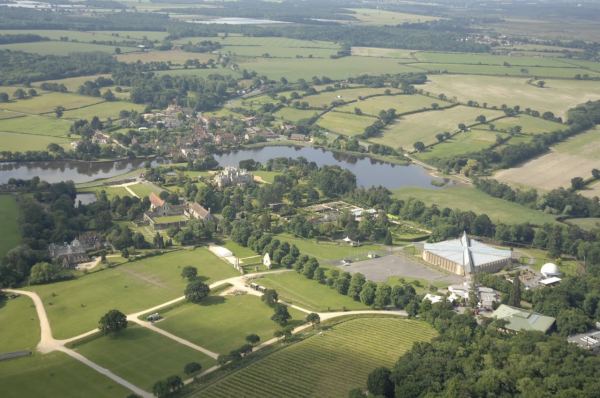
Brockenhurst sits almost dead centre of the New Forest National Park, and it wears that position well. This is the largest village inside the park boundary, yet it has never quite shaken off the feel of a hamlet that grew organically around a ford and a green rather than a planned settlement — lanes bend around ancient oaks, thatched cottages sit at odd angles to the road, and there is no getting away from the ponies. New Forest ponies, along with donkeys, cattle and the occasional pig during pannage season, hold commoners' grazing rights across the open forest, and Brockenhurst's streets fall within that unfenced land. They wander through gardens, graze the verges outside the Co-op, and gather at the Watersplash — the ford on The Rise where a stream crosses the road — to drink and cool off in summer.
What sets Brockenhurst apart from other New Forest villages is the combination of a mainline railway station, a genuinely large network of waymarked gravel cycling routes starting from that station, and a concentration of good food and characterful hotels that punches well above its population of around 4,500. It has been named, more than once by estate agents' surveys, one of the most desirable places to live in Britain, and spending an afternoon here — cattle grids, weatherboarded shopfronts, church spire above the trees — makes the reasoning obvious even if the ranking itself is marketing.
The village splits naturally into two halves either side of the railway line: the main shopping street with its tea rooms, delis and independent shops, and a quieter residential stretch running out towards Brockenhurst College and the golf club. Beyond the houses, the open forest takes over almost immediately — heath, bog, ancient woodland and grazing land stretching towards Beaulieu, Burley and Lyndhurst, all of it crossed by rights of way that make Brockenhurst as much a walking and riding base as a destination in its own right.
Getting to Brockenhurst
Brockenhurst's railway station is the village's biggest practical advantage over most other New Forest bases. South Western Railway runs a regular direct service from London Waterloo, roughly hourly, with the fastest trains covering the 79-mile route in around 1 hour 30 minutes and typical journeys closer to two hours depending on stops. The same line continues on to Bournemouth, Poole and Weymouth in one direction, making Brockenhurst a straightforward stop for anyone travelling along the south coast rather than just from London.
By road, the village sits just off the A337 between Lyndhurst and Lymington, with the M27 a short drive to the north linking to Southampton and onward to the M3 and M25. From London, allow around two hours door to door depending on traffic through the New Forest itself, where a 40mph limit and free-roaming animals mean journeys through the park take longer than the map suggests. Southampton Airport is the closest, about 30–40 minutes by car or a direct train link, with Bournemouth Airport a similar distance to the west.
Parking in the village is limited and fills up on summer weekends; the station has a pay car park, and central spaces along Brookley Road are metered. Many visitors who arrive by train do without a car entirely, relying on hire bikes and the fact that most of the village's shops, pubs and the cycling network are within easy walking distance of the platform.
Best time to visit Brockenhurst
Spring, from April into early June, is when the forest is at its most dramatic underfoot — bluebells through the ancient woodland, new foals appearing among the pony herds, and the moorland turning green after winter, all with far lighter footfall than summer brings.
Summer (July–August) is Brockenhurst at its busiest and priciest: long daylight for cycling and walking, the Watersplash at its most photogenic with ponies cooling off, but also the tightest accommodation availability and the most crowded village centre. Booking well ahead is essential if visiting in these months.
Autumn brings pannage season, typically September into November, when commoners release pigs onto the open forest to eat fallen acorns — an unusual spectacle unique to the New Forest and one worth timing a visit around. The colours through Rhinefield's ornamental drive and the wider forest are also at their best in October.
Winter is quiet and often overlooked, but the forest keeps its character year-round, with mild, wet weather more typical than snow, and log fires in the village's pubs a genuine draw. Ponies are less visible as they're often gathered for the annual autumn drift and winter feeding, but walking routes are far emptier and hotel rates drop noticeably outside peak season.
Where to stay in Brockenhurst(12)
All hotels in Brockenhurst →About staying in Brockenhurst
Brockenhurst's hotels lean into what the village does best: thatch, gardens, and easy access to both forest tracks and a railway platform to London. The village centre holds a run of characterful, independently run hotels within walking distance of the station and Brookley Road's shops, ideal for a car-free stay built around cycling and walking straight from the door. Expect period buildings — several genuinely thatched — over smart modern boxes, and rates that generally start from around £120–150 a night for a double in peak season, dropping outside summer and school holidays.
On the edge of the village, THE PIG-in the New Forest represents the area's best-known destination stay: a country house hotel built around its own kitchen garden, with rooms from roughly £200 a night rising steeply for garden and courtyard rooms, and a restaurant that draws its own visitors independent of overnight guests. It is the property most likely to be fully booked first for summer weekends, so allow two to three months to secure the room type you want.
Beyond the two or three headline hotels, the wider area around Brockenhurst has a strong supply of B&Bs and self-catering cottages, often in converted farm buildings or forest-edge houses, generally better value than the central hotels and a good fit for anyone travelling with a car or staying more than a couple of nights. These tend to have more flexible booking windows than the village-centre hotels, though the best-located ones — walking distance to the station or right on a cycling route — still go early for peak summer weeks.
Whichever type of stay, book ahead: Brockenhurst's combination of a mainline station, THE PIG's reputation, and the pull of the ponies and forest cycling means good rooms across all categories fill up for summer and for the autumn pannage season well before the dates themselves.

Careys Manor & Senspa
Lyndhurst Road, Brockenhurst

Forest Park Hotel
Rhinefield Road, Brockenhurst

Graceland Farm B&B
Tilebarn Lane, Brockenhurst
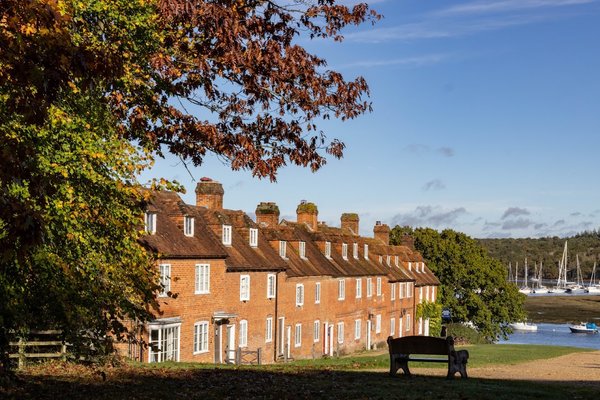
Master Builders House Hotel
Bucklers Hard, Brockenhurst

New Park Manor
Lyndhurst Road, Brockenhurst

Rhinefield House Hotel
Rhinefield Road, Brockenhurst

Thatched Cottage
16 Brookley Road, Brockenhurst

The Cloud Hotel
Meerut Road, Brockenhurst
Things to Do in Brockenhurst(2)
All attractions in Brockenhurst →Top things to do in Brockenhurst
Brockenhurst rewards slow exploring more than a checklist of sights, but there is a genuine cluster of things worth building a visit around.
- The Watersplash — the ford on The Rise, where the road dips through a stream, is the village's most photographed spot and the place ponies reliably gather to drink; arrive early or late in the day to see them without the traffic.
- Cyclexperience (Cycle Hire) — bike hire based right next to Brockenhurst station, with forest gravel tracks starting around 400 metres from the door; over 100 miles of largely off-road, waymarked routes fan out from the village, including options for e-bikes and family-friendly loops.
- Castleman's Corkscrew — a 9-mile disused railway line, now a cycling and walking trail, running from Brockenhurst station out to Burley village; flat, well-surfaced and one of the most popular half-day routes in the forest.
- Tall Trees Trail and Rhinefield Ornamental Drive — a couple of miles north of the village, an avenue of towering 19th-century conifers, some among the tallest trees in Britain, with a waymarked walking trail through Douglas firs, redwoods and grand firs planted from the 1850s onwards.
- Whitefield Moor and the open heath — accessible on foot straight from the village, low gorse and heather moorland good for short, easy walks with a strong chance of spotting ponies and deer without needing a car.
- Brockenhurst Riding Stables and Ford Farm Stables — two riding centres near the village offering forest hacks for all abilities, a good way to see the more remote parts of the forest that walking and cycling routes don't easily reach.
- Brokenhurst Manor Golf Club — a well-regarded heathland course on the edge of the village, part of the wider cluster of New Forest golf clubs that draw players for the terrain as much as the setting.
- St Nicholas' Church — Brockenhurst's parish church, parts of which date back to Norman times, with a churchyard said to contain one of the oldest yew trees in the country and the grave of New Zealand airman Harry Mulligan Butt among a small plot of WWI graves.
- Beaulieu and the National Motor Museum — not in Brockenhurst itself but a short drive or ride away, one of the New Forest's headline family attractions and an easy add-on to a Brockenhurst base.
Where to Eat in Brockenhurst(19)
All restaurants in Brockenhurst →Food and drink in Brockenhurst
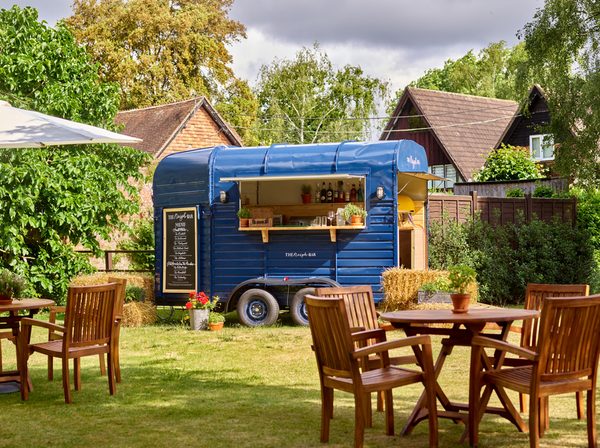
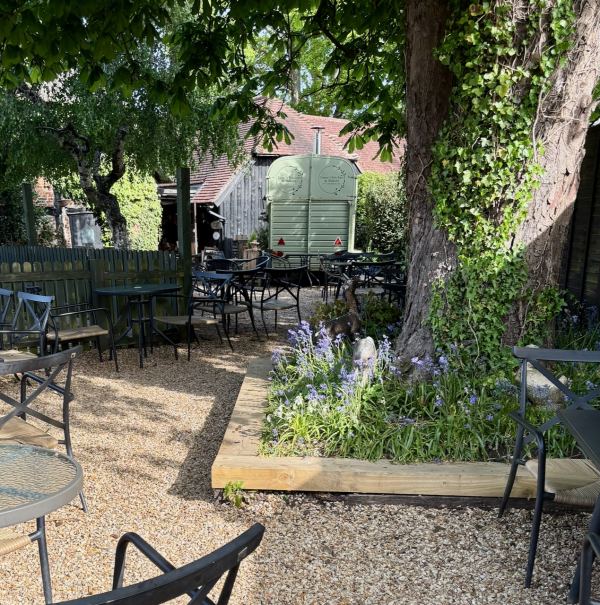
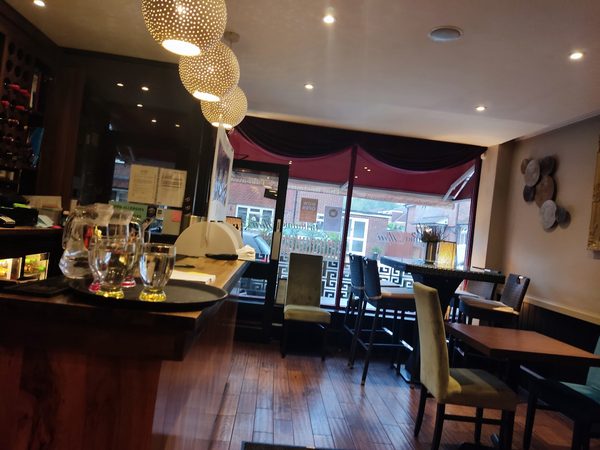
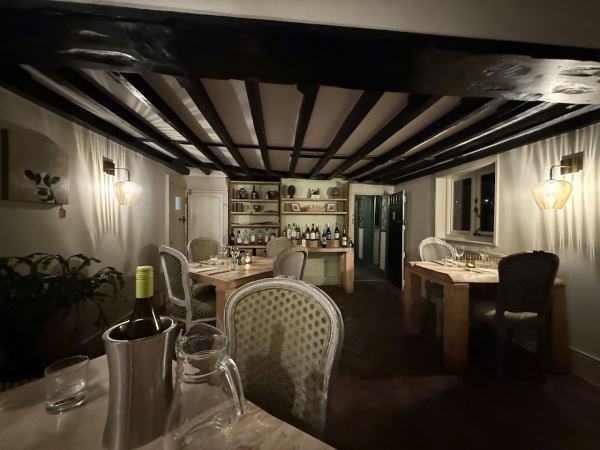
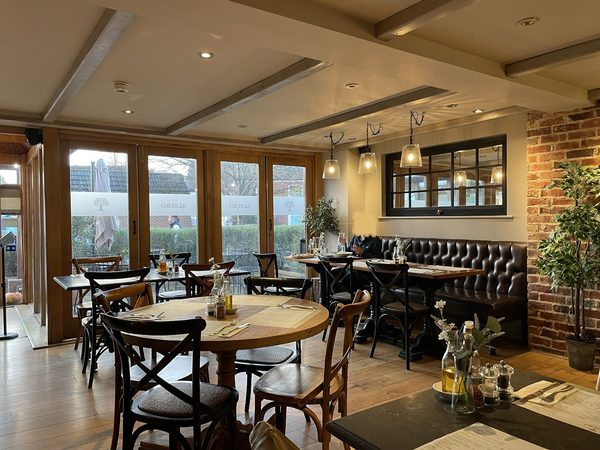
THE PIG-in the New Forest is the headline food destination, its conservatory restaurant built around a working kitchen garden and produce sourced within a 25-mile radius, alongside a wood-fired Garden Oven serving pizzas outdoors in summer. It draws diners from well beyond the village, so weekend tables need booking ahead.
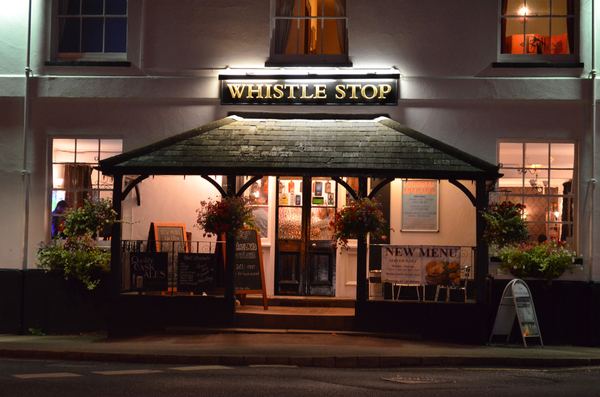
In the village itself, The Huntsman of Brockenhurst and the New Forest Inn are solid, traditional pub choices for a post-walk or post-ride pint and a proper meal, while The Nurses Cottage has built a reputation for more considered, restaurant-style dining in an intimate cottage setting. The Thatched Cottage Hotel's own restaurant is another well-regarded option in the centre, close to the station.
Brookley Road, the main shopping street, carries a run of independent tea rooms, bakeries and delis good for picking up supplies before a cycle or walk out into the forest, alongside the small, useful cluster of shops — butcher, greengrocer, Co-op — that keep Brockenhurst self-sufficient without needing a trip into Lyndhurst or Lymington. For something further afield, Beaulieu and Lymington, both a short drive away, add a wider choice of pubs, seafood and the Lymington Saturday market to a Brockenhurst-based stay.
Attractions Near Brockenhurst
All attractions in Brockenhurst →Worth the trip — within 50 miles of Brockenhurst.
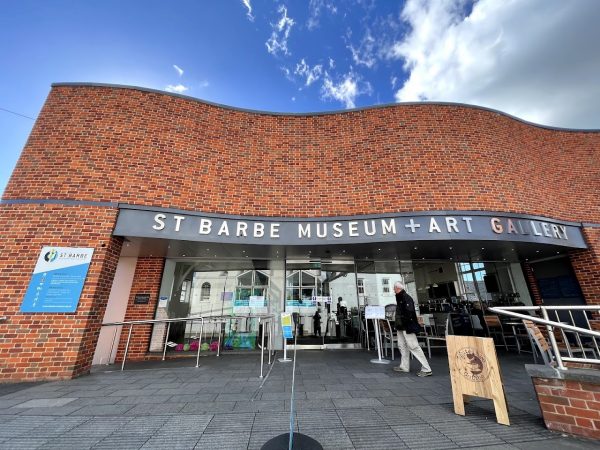 4 mi
4 mi
St Barbe Museum and Gallery
Lymington · ⭐ 4.5
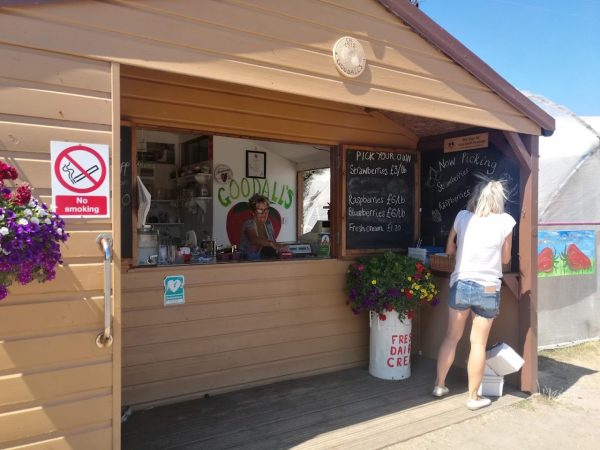 5 mi
5 mi
Goodall's Strawberries
Lymington · ⭐ 4.6
 5 mi
5 mi
New Forest Activities
Beaulieu · ⭐ 4.9
Lymington Sea Water Baths
Lymington · ⭐ 4.5
 6 mi
6 mi
Forest Leisure Cycling
Burley · ⭐ 4.9
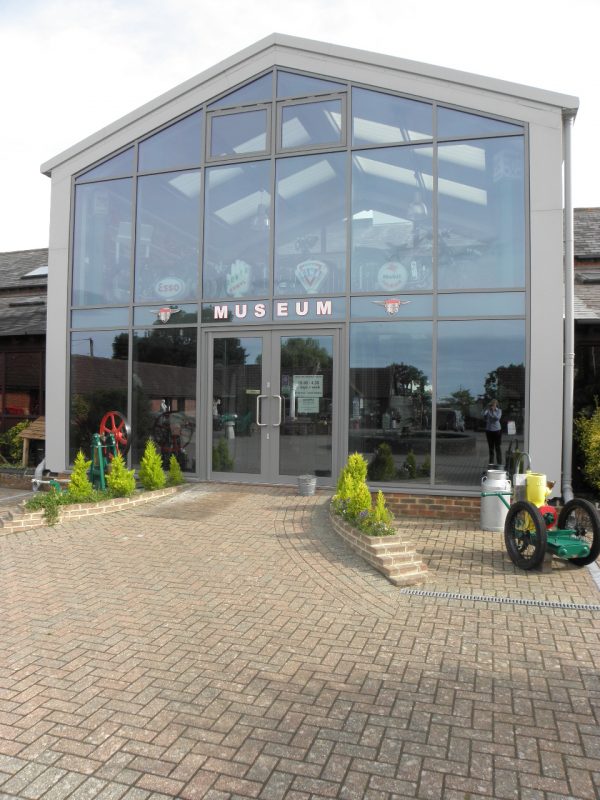 6 mi
6 mi
Sammy Miller Motorcycle Museum
New Milton · ⭐ 4.8
 6 mi
6 mi
New Forest Wildlife Park
Southampton · ⭐ 4.5
 6 mi
6 mi
Longdown Activity Farm
Ashurst · ⭐ 4.6
Camping in Brockenhurst(6)
All campsites in Brockenhurst →About camping in Brockenhurst
Camping around Brockenhurst means forest, not fields — pitches set among oak and beech woodland, gorse-covered heath just beyond the treeline, and the near-certainty of ponies wandering past the guy ropes at some point during a stay. The terrain is mostly flat to gently undulating, well-drained where sites sit on gravel and sand, boggier on the low-lying heath after rain, and the New Forest's famously changeable weather means packing for both sun and sudden downpours whatever the season.
It is important to be clear about the law here: wild camping is illegal in England without the landowner's express permission, and that includes the New Forest, despite its open, unfenced appearance. The forest's status as common land does not extend to a right to camp — pitching a tent outside a licensed site anywhere in the New Forest is against forestry byelaws and can result in a fine, on top of the ecological damage informal camping causes to sensitive grazing land and ground-nesting bird habitat.
Instead, camping in and around Brockenhurst means one of Forestry England's official New Forest campsites, several of which sit within a short walk or cycle of the village itself. Hollands Wood, immediately adjacent to Brockenhurst, is a large, tents-and-caravans site set directly among oak woodland, popular precisely because of its walking distance to the village's pubs and station; pitches are grass-only with no electric hook-up, keeping it closer to a back-to-basics experience despite the size. Setthorns, a little further out towards Sway, is a smaller, more rustic year-round site popular with cyclists and wildlife watchers, with some hardstanding, electric-hookup pitches available for those who want them. Other Forestry England sites — Roundhill, Ashurst, Denny Wood and more — sit within easy reach across the wider forest, all bookable in advance and all run to the same low-impact, no-hedge-trimming, leave-the-understorey-alone philosophy that keeps the forest looking as it does.
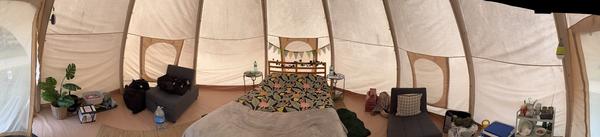
Peak season for forest camping runs May to September, when pitches at Hollands Wood and the other family sites are booked out weeks or months ahead, particularly around school holidays. Spring and early autumn offer quieter, cooler stays with a good chance of pannage-season pigs alongside the usual ponies. For anyone who wants the forest setting without a tent, glamping options — bell tents, shepherd's huts and pods — have grown around Brockenhurst and the wider forest in recent years, giving a canvas experience with a proper bed and, usually, a wood burner, without needing your own kit.



Self-Catering Cottages in Brockenhurst
All cottages in Brockenhurst →Forest Acorn
2 bed · sleeps 4 · from £1,007
Four in a Row Holiday Apartments - Apartment 4
1 bed · sleeps 2 · from £747
The Cottage at Boscobel
2 bed · sleeps 4 · from £881
Salters Cottage
5 bed · sleeps 8 · from £1,485
Pond Cottage
4 bed · sleeps 8 · from £1,047
Laurel Cottage
1 bed · sleeps 2 · from £373
Lantern Cottage
2 bed · sleeps 4 · from £533
The Bothy
4 bed · sleeps 8 · from £1,116
Common questions about Brockenhurst
How many campsites are there in Brockenhurst?
We list 6 campsites in and around Brockenhurst, of which 5 take tents and 5 offer glamping.
Are there dog-friendly campsites in Brockenhurst?
Yes — 5 of the 6 campsites we list in Brockenhurst accept dogs, including Aldridge Hill Campsite and Roundhill Campsite.
Which campsites in Brockenhurst have electric hook-up?
1 of the 6 campsites we list in Brockenhurst offer an electric hook-up.
Where can I stay in Brockenhurst?
We list 12 hotels, B&Bs and guest houses in and around Brockenhurst.
What is there to do in Brockenhurst?
We list 2 attractions and things to do in and around Brockenhurst.
Where can I eat in Brockenhurst?
We list 19 restaurants, pubs and cafes in and around Brockenhurst.