Dartmouth
Where the River Dart meets the sea
Photo © Teresa Sanders, Google Maps
Dartmouth sits where the River Dart widens into a natural deep-water harbour before slipping out past twin castles into the English Channel. Steep wooded hillsides press in on both sides of the estuary, so the town has grown upwards as much as outwards, its narrow lanes climbing in tiers above the water and its rooflines stacking one behind another like an amphitheatre facing the boats. The result is a town best explored on foot, where cars are a minor inconvenience and the water is always somewhere close by, glimpsed between buildings or lapping at the edge of the Boat Float in the centre of town.
This has been a working port for close to a thousand years, and unlike some Devon resorts that trade purely on prettiness, Dartmouth still functions as one. The Royal Naval College overlooks the town from its hilltop position, cadets still train on the river, and the shipyards and chandleries along the waterfront are a reminder that this was once a major departure point for the Crusades and, much later, for D-Day landing craft bound for Utah Beach. Timber-framed merchants' houses from the 17th century, their upper floors jettied out over the pavement, sit alongside Victorian villas and the odd Georgian townhouse, giving the centre a layered, unplanned character that rewards slow wandering.
Out of season Dartmouth is quiet and slightly salt-worn, popular with sailors and second-homers; in summer the Boat Float and the Embankment fill with visitors drawn by the Royal Regatta, the food festival and the simple pleasure of watching river traffic from a harbourside bench. Either way, the town works well as a base for the wider South Hams, with Agatha Christie's riverside home at Greenway, the beaches of the South Hams coast and the old market town of Totnes all within easy reach by road, foot ferry or steamer.
Getting to Dartmouth
Dartmouth has no railway station of its own, which is part of its old-fashioned charm but does mean a short additional leg on any rail journey. The nearest mainline station is Totnes, roughly 30 minutes away by connecting bus or taxi, with direct trains from London Paddington taking around three hours. An alternative, more scenic route is to take the train to Paignton and continue by the Dartmouth Steam Railway to Kingswear, then cross the river by the five-minute passenger ferry into Dartmouth itself.
By road, Dartmouth is reached via the A3122 from the A38 Devon Expressway, or along the coast road from Kingsbridge and Salcombe. The final approach either comes through Kingswear and across the lower vehicle ferry, or via the A379 through Stoke Fleming from the west, which avoids the ferry queues. Central streets are narrow and largely pedestrianised or residents-only, so most visitors park at one of the town's car parks near the Boat Float or up at Mayor's Avenue and walk in from there; a Park & Ride style bus service operates from outlying car parks in the busiest summer weeks.
Best time to visit Dartmouth
Spring brings daffodils and blossom to the steep gardens above the town and a noticeably quieter waterfront, making it a good time for walking the coast path or visiting Greenway before the summer crowds arrive. Summer is Dartmouth at its most animated, with the Royal Regatta in late August drawing fireworks, air displays and a packed harbour, alongside the Dartmouth Food Festival in October and long warm evenings on the Embankment; this is also when the town, its car parks and its ferries are busiest, so early starts and advance hotel bookings pay off. Autumn brings softer light, migrating birds along the estuary and some of the best local seafood of the year as the crabbing and scalloping seasons peak. Winter is the quietest season, with many smaller cafés and attractions reducing their hours, but the town's Christmas lights on the water and log fires in its old pubs have their own appeal for visitors happy to trade activity for atmosphere.
Where to stay in Dartmouth(23)
All hotels in Dartmouth →About staying in Dartmouth
Dartmouth's accommodation is shaped by its geography as much as its history: many of the best places to stay sit directly on the water, making the most of views across the estuary to Kingswear, while others climb the steep streets behind the harbour, trading a flat walk for a quieter setting and a rooftop outlook. At the top end, riverside hotels with spas and fine dining sit within a short stroll of the Boat Float, offering the kind of polish more usually associated with a country house than a working port town. Several of the town's historic inns and coaching houses have been carefully modernised without losing their timber beams and low doorways, giving mid-range visitors genuine character alongside comfortable, contemporary rooms.
For those happy to walk a little further from the centre, Dartmouth's guest houses and bed and breakfasts occupy some of the town's oldest merchants' houses, many with panoramic views over the rooftops to the river beyond, and often run by owners who know the town's tides, ferries and best walks better than any guidebook. A little further out, family-run hotels in the villages around Dartmouth combine easy access to the town with more space, gardens and, in some cases, swimming pools, making them a practical choice for longer stays or visits built around the beaches at Blackpool Sands and Slapton. Whichever style suits, booking ahead is strongly advised for the Regatta weekend in late August and through the main summer season, when Dartmouth's compact size means its best rooms sell out early.
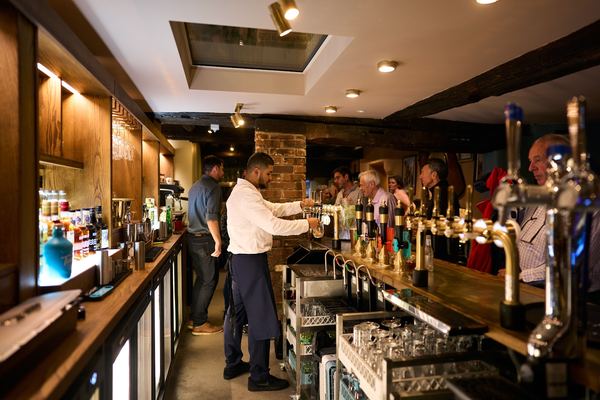 8.4
8.4
The Royal Castle Hotel
The Quay, on the harbourside
from £145/night
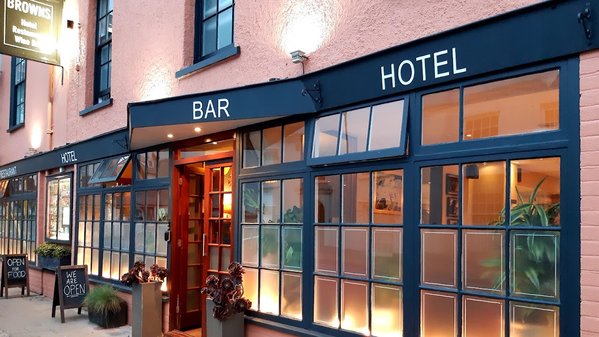 8.5
8.5
Browns Hotel Dartmouth
Victoria Road, central Dartmouth
from £150/night
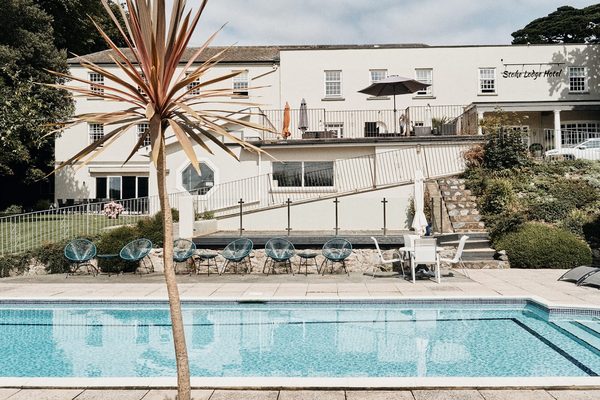 8.1
8.1
Stoke Lodge Hotel
Stoke Fleming, two miles from Dartmouth
from £120/night
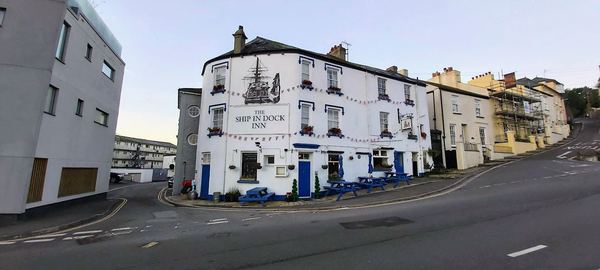 8.6
8.6
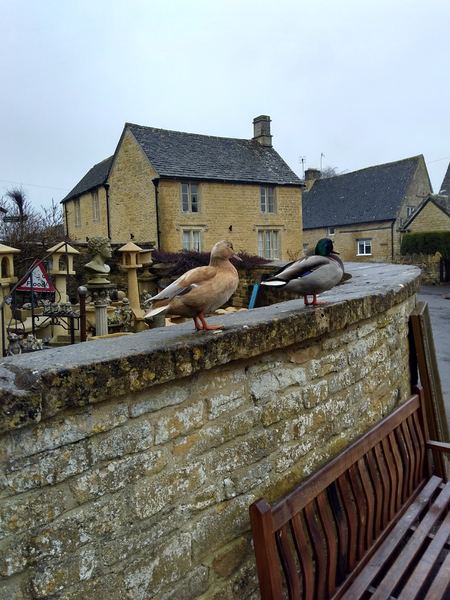
The Ship in Dock Inn
Ridge Hill, edge of the old town
from £95/night
 9.1
9.1
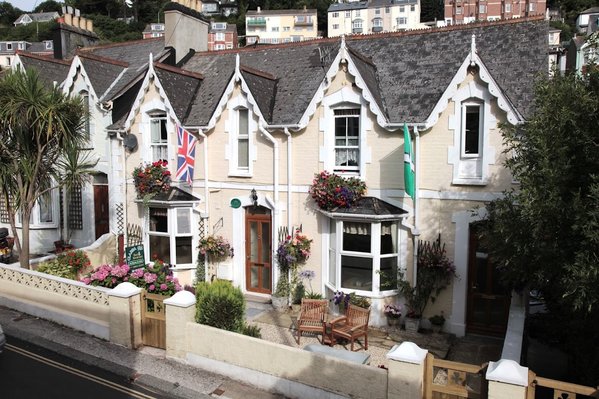
Cherubs Nest
Higher Street, Dartmouth old town
from £110/night
 9.2
9.2
Cladda Dartmouth
South Town, a short walk from the seafront
from £95/night
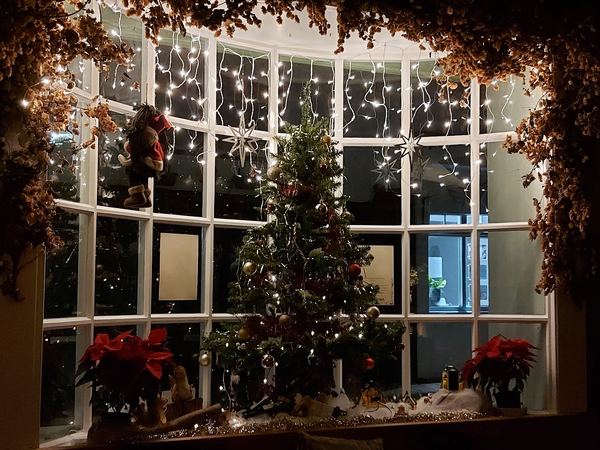
Anzac Street B and Bistro
2 Anzac Street, Dartmouth
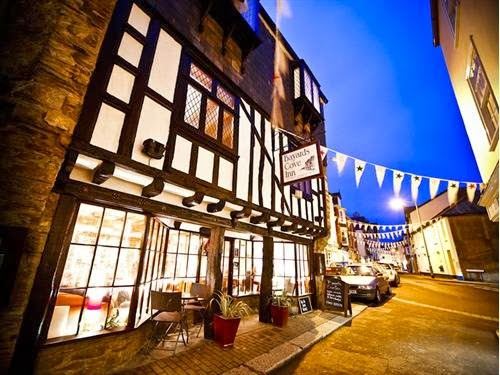
Bayards Cove Inn
27 Lower Street, Dartmouth
Things to Do in Dartmouth(5)
All attractions in Dartmouth →Top things to do in Dartmouth
Dartmouth rewards a mix of gentle history and time on the water, and most of its best attractions sit within a short walk or a river trip of the centre.
- Dartmouth Castle guards the mouth of the estuary and has done in some form since the 1380s, with gun batteries, a chain that once closed the river to enemy ships, and coastal path walks out to the lighthouse at Compass Cove.
- Bayard's Cove Fort is a small Tudor artillery fort right on the waterfront, easily combined with a wander along the cobbled quay used as a filming location for the original 1970s adaptation of The Onedin Line.
- Greenway, Agatha Christie's holiday home, is reached most enjoyably by the passenger ferry from Dartmouth and set in wooded gardens running down to the river, with the house kept much as the family left it.
- Dartmouth Museum, housed in a 17th-century merchant's house on Duke Street, covers the town's naval and maritime past in a building that is itself one of the exhibits.
- The Royal Naval College dominates the skyline and can be seen on organised tours, offering a rare look inside the working buildings where generations of naval officers have trained.
- Dart Valley steam railway and river cruises combine at Kingswear station across the water, with the option to travel by steam train to Paignton and return by boat, taking in the whole estuary from the water.
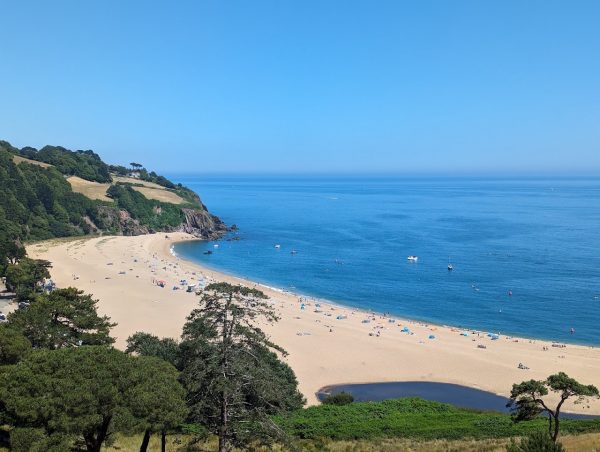
- Blackpool Sands, a Blue Flag shingle-and-sand beach a short drive south, is sheltered by pine-covered headlands and consistently rated among Devon's cleanest beaches.
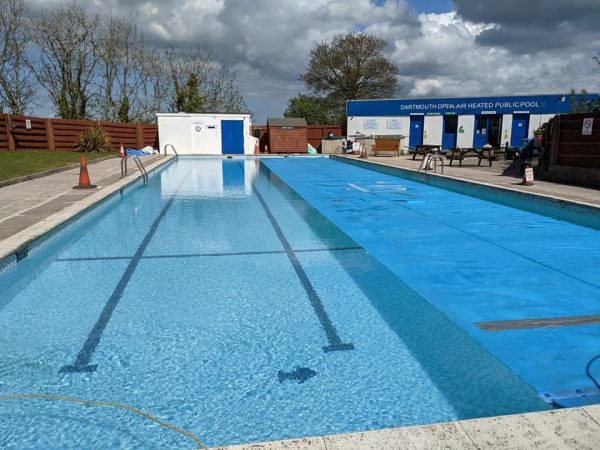
- Coronation Park and the Embankment give an easy, level stretch for watching river traffic, with play areas, a tidal pool and views across to Kingswear.
Where to Eat in Dartmouth(33)
All restaurants in Dartmouth →Food and drink in Dartmouth
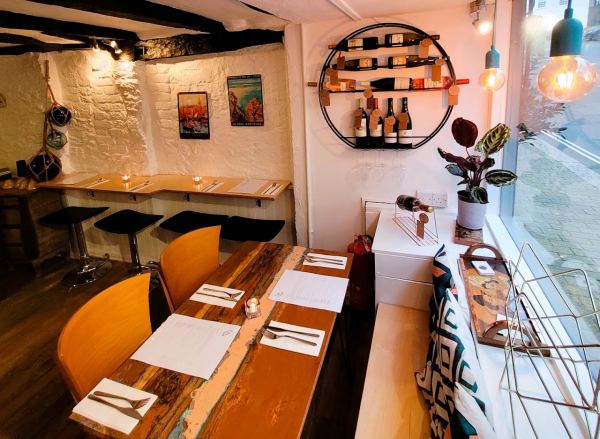
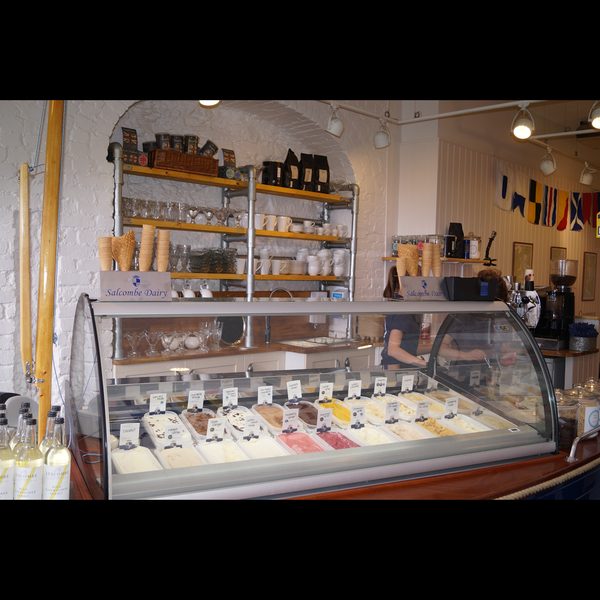
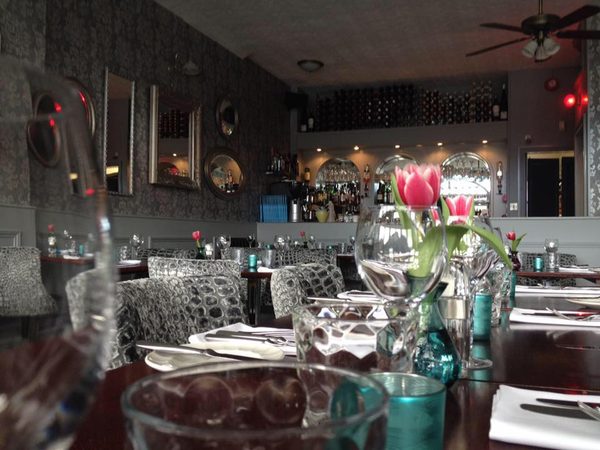
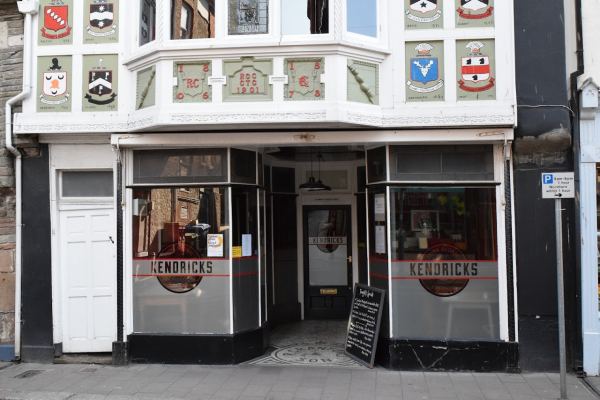
Seafood is the obvious specialism in a town built around a working harbour, and Dartmouth crab, scallops and locally landed fish turn up on menus from waterfront restaurants to simple takeaway kiosks by the Boat Float. The Seahorse on South Embankment, run by television chef Mitch Tonks, has built a national reputation for char-grilled fish cooked over charcoal, while smaller operators sell crab sandwiches and fresh oysters straight from the quay in summer. The town's pubs, including several run by the local Royal Castle and Ship in Dock, serve Devon ales alongside pasties and pies, and the Dartmouth Food Festival each October brings producers from across the South Hams together for tastings, demonstrations and street food stalls. For something sweeter, the bakeries and delicatessens along Foss Street and Higher Street stock clotted cream teas and locally made fudge, and a handful of small vineyards inland from the town, part of Devon's growing wine region, offer tastings of English sparkling wine that pairs well with the local shellfish.
Attractions Near Dartmouth
All attractions in Dartmouth →Worth the trip — within 50 miles of Dartmouth.
 4 mi
4 mi
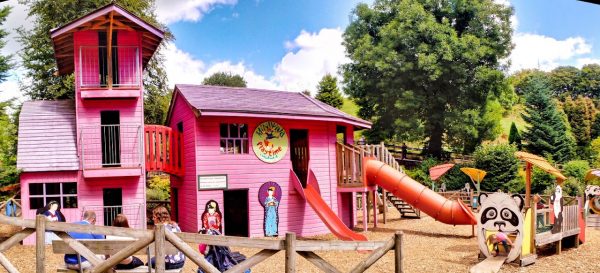
Woodlands Family Theme Park
Totnes · ⭐ 4.4
 4 mi
4 mi
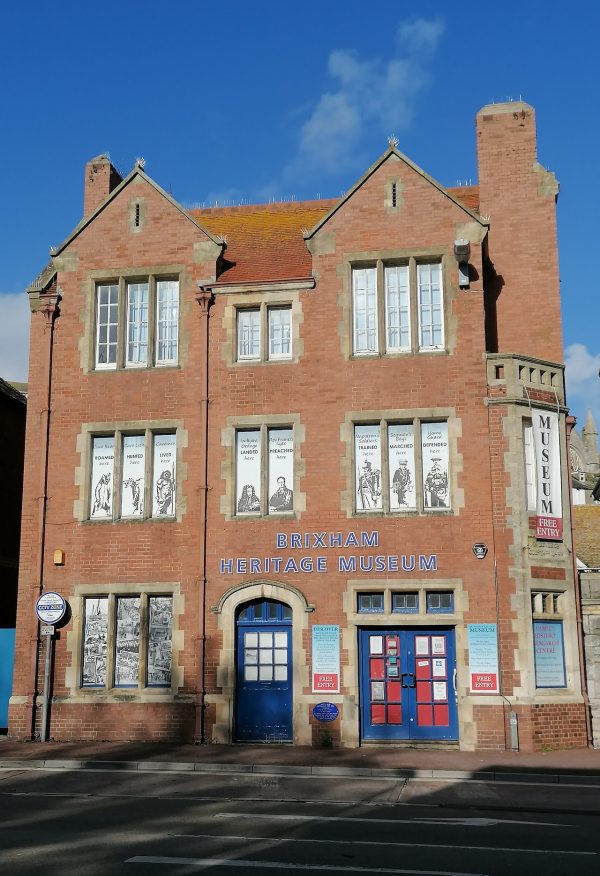
Brixham Heritage Museum
Brixham · ⭐ 4.8
 4 mi
4 mi
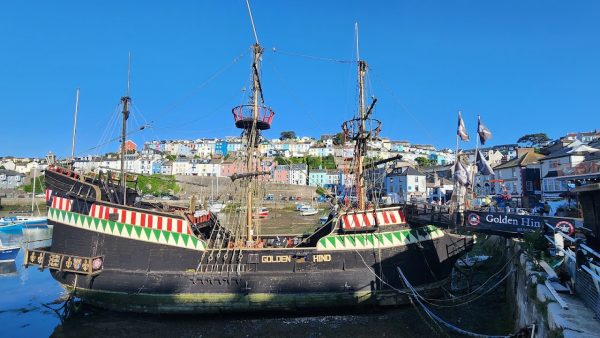
The Golden Hind at Brixham
Brixham · ⭐ 4.8
 5 mi
5 mi
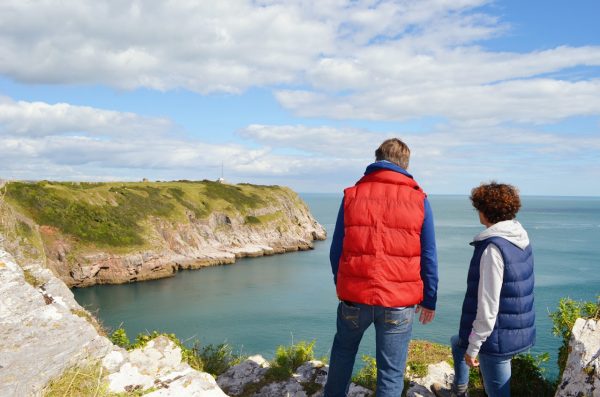
Berry Head National Nature Reserve
Brixham · ⭐ 4.8
 5 mi
5 mi
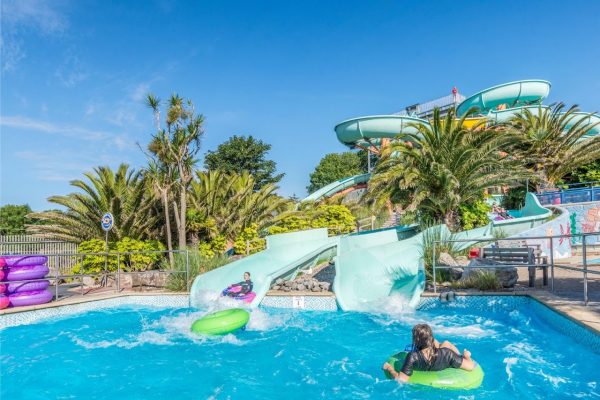
Splashdown Quaywest Waterpark
Paignton · ⭐ 4.2
 5 mi
5 mi
Reach Outdoors
Paignton · ⭐ 4.9
 5 mi
5 mi
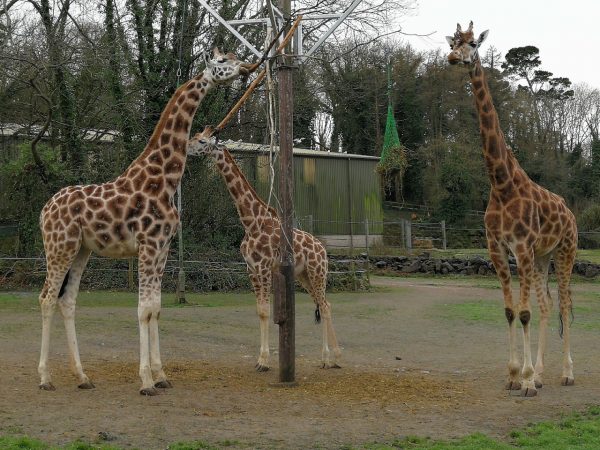
Paignton Zoo
Paignton · ⭐ 4.5
 6 mi
6 mi
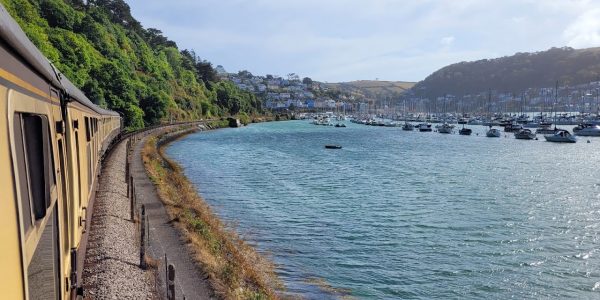
Dartmouth Steam Rail and River Boat Co
Paignton · ⭐ 4.7
Camping in Dartmouth(8)
All campsites in Dartmouth →About camping in Dartmouth
Dartmouth's steep, densely built centre leaves little room for camping within the town itself, so most pitches are found a short drive away in the gentler farmland and coastal villages of the South Hams. This is no hardship: the countryside around Dartmouth rolls gently down to a string of sandy and shingle beaches, including the popular Blackpool Sands, and the campsites that serve the town range from large, well-equipped touring parks with pools and entertainment to small, quiet fields attached to working farms. Woodland and hedgerows shelter many of the pitches from the worst of the Channel weather, while elevated sites capture wide views over the estuary and out to sea.
Facilities vary considerably by size and style: the larger parks offer full hook-ups, shops, laundries and swimming pools alongside tent pitches, while smaller sites keep things simple with grass pitches, a shower block and a genuinely rural setting. Most are within a fifteen-minute drive of Dartmouth's centre, close enough for an evening at the harbour but far enough to offer proper stargazing and quiet nights. Dogs are welcome at many, though not all, sites, and it is worth checking individual policies before booking, particularly in high summer when the beaches and campsites of the South Hams fill up quickly.
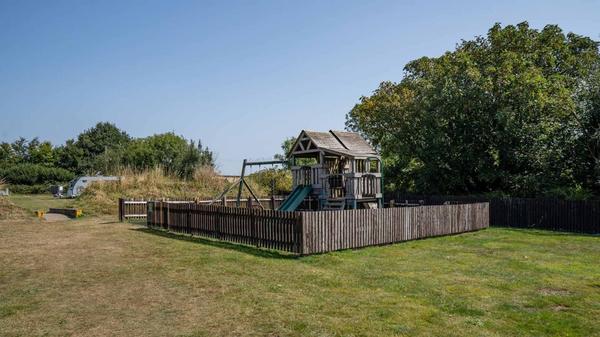
Dartmouth Camping and Caravanning Club Site
⭐ 4.6 · from £12/night
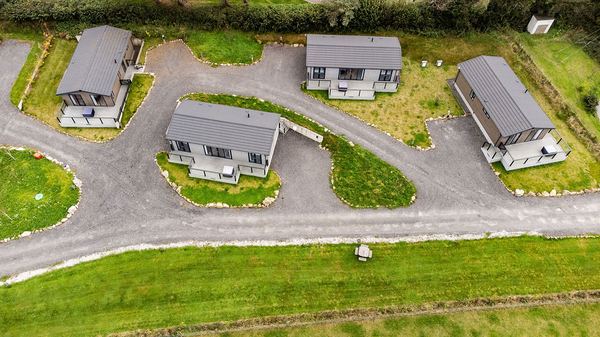
Dartmouth Caravan Park
⭐ 5.0 · from £35/night
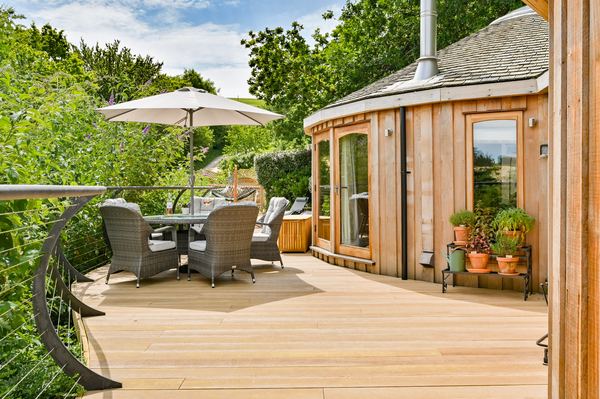
Dittisham Hideaway
⭐ 5.0
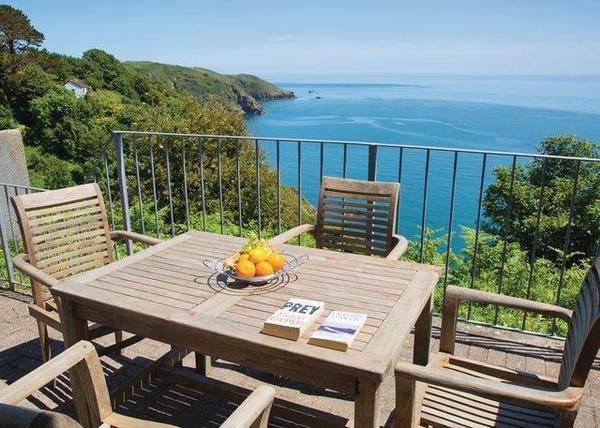
Leonards Cove Holiday Park
⭐ 4.6 · from £30/night
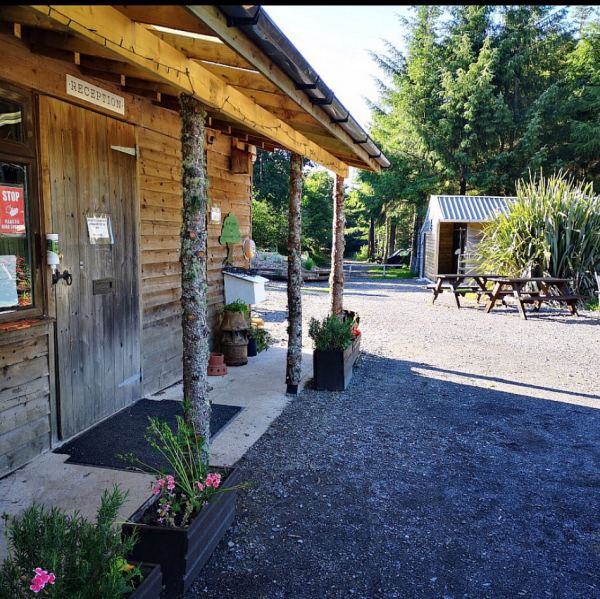
OutStanding In Our Field
from £80/night
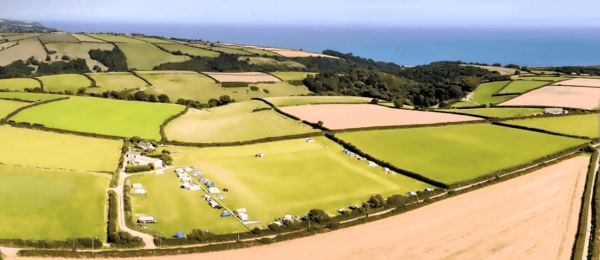
Sea View Campsite
⭐ 4.6
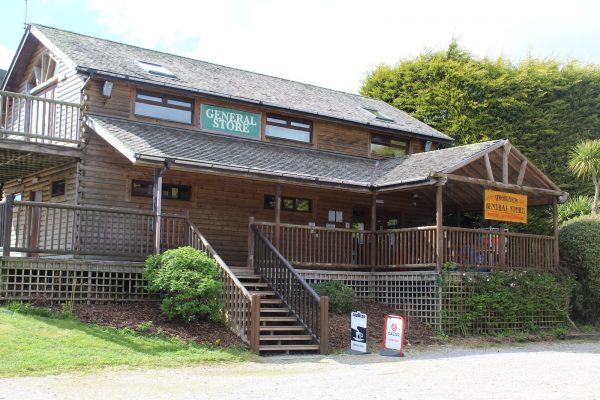
Woodlands Caravan and Camping
⭐ 4.4
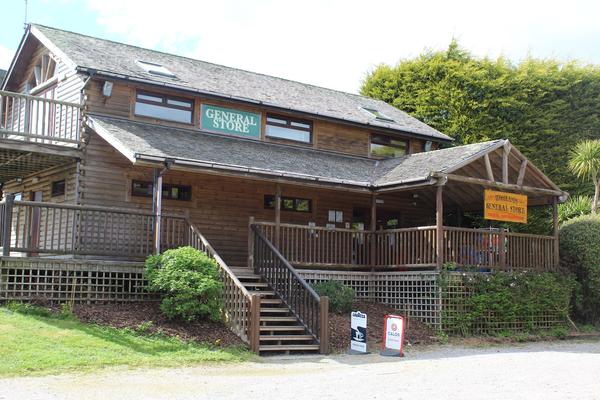
Woodlands Grove Caravan and Camping Park
⭐ 4.5 · from £21/night
Self-Catering Cottages in Dartmouth
All cottages in Dartmouth →Silver Cottage
1 bed · sleeps 2 · from £467
Bank Apartment 1
2 bed · sleeps 4 · from £607
Bank Apartment 2
3 bed · sleeps 6
Clarence House
4 bed · sleeps 8 · from £887

The Penthouse
2 bed · sleeps 4 · from £617
Anchorage View
3 bed · sleeps 6 · from £453
River Coombe
1 bed · sleeps 2 · from £687
Mayflower Court 10
2 bed · sleeps 4 · from £343
Common questions about Dartmouth
How many campsites are there in Dartmouth?
We list 8 campsites in and around Dartmouth, of which 8 take tents and 3 offer glamping.
Are there dog-friendly campsites in Dartmouth?
Yes — 5 of the 8 campsites we list in Dartmouth accept dogs, including Dartmouth Caravan Park and Dittisham Hideaway.
Which campsites in Dartmouth have electric hook-up?
5 of the 8 campsites we list in Dartmouth offer an electric hook-up.
Where can I stay in Dartmouth?
We list 23 hotels, B&Bs and guest houses in and around Dartmouth. Prices start from around £90 a night.
What is there to do in Dartmouth?
We list 5 attractions and things to do in and around Dartmouth.
Where can I eat in Dartmouth?
We list 33 restaurants, pubs and cafes in and around Dartmouth.