Folkestone
Where the White Cliffs meet a reinvented Victorian harbour town
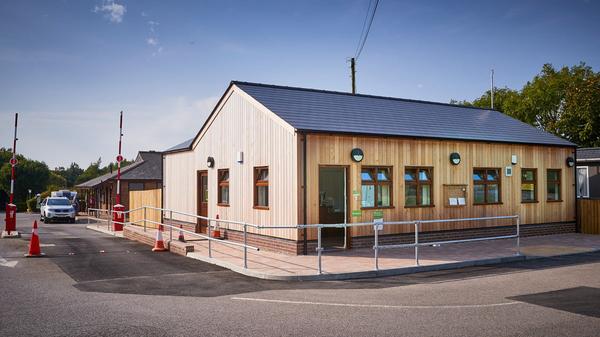
Photo © Roman Kovalchuk, Google Maps
Folkestone sits on the Kent coast at the narrowest crossing point to mainland Europe, a fact that has shaped the town for two thousand years. Long before the Channel Tunnel burrowed beneath the seabed a few miles to the west, Folkestone was a fishing harbour and, later, a grand Victorian and Edwardian resort where visitors arrived by rail to promenade along the clifftop Leas and take the sea air. That layered history is still visible everywhere: gothic villas and grand hotels look out over the water, a Victorian funicular still hauls people down the cliff to the seafront, and the old harbour, once thronged with Channel steamers, has been given a completely new lease of life.
What makes Folkestone stand out today is how deliberately it has reinvented itself. Since the harbour lost its ferry traffic in the early 2000s, the town has poured energy into culture and independent business rather than chasing the past. The result is a compact, walkable seaside town where converted fishermen''s huts on the Harbour Arm sell oysters and craft beer, a cobbled Old High Street is lined with artists'' studios and vintage shops, and a biennial contemporary art trail scatters sculpture and installations across the streets and beach. Add in genuinely dramatic coastal scenery, with the White Cliffs beginning just to the east, and Folkestone makes a satisfying short break or day trip that mixes nostalgia, nature and a proper sense of place.
Getting to Folkestone
Folkestone is easy to reach without a car. Southeastern high-speed trains run regularly from London St Pancras International, reaching Folkestone Central in around 55 minutes, while slower services also run from London Charing Cross and Victoria via Ashford. By road, the town sits just off the M20 motorway, roughly 75 miles from central London and a short hop from the Port of Dover and the Eurotunnel Folkestone Terminal, which carries vehicles beneath the Channel to Calais in around 35 minutes, making the town a natural gateway for travellers heading to or from mainland Europe.
Best time to visit Folkestone
Summer (June to August) brings the busiest atmosphere, with the Harbour Arm at its liveliest, outdoor events on the seafront and the best chance of settled weather for the beaches and cliff walks. Spring and early autumn are quieter and often mild enough for coastal walking without the crowds, and are a good time to explore the Creative Quarter''s galleries and cafes at a slower pace. Winter is subdued but atmospheric, with dramatic skies over the Channel and far fewer visitors, though many harbour stalls reduce their hours out of season.
Where to stay in Folkestone(30)
All hotels in Folkestone →About staying in Folkestone
Folkestone''s hotels trade on the town''s Victorian seaside heritage, with grand townhouses along The Leas clifftop offering some of the best sea views on this stretch of coast, many converted into boutique hotels with a period feel alongside contemporary comfort. Closer to the harbour and town centre, a mix of independent guesthouses and larger chain hotels puts you within walking distance of the Harbour Arm and Creative Quarter, useful if you want an evening stroll to dinner without needing a car. Budget and business-style hotels cluster near the station and the M20, handy for an overnight stop before an early Eurotunnel crossing or as a base for exploring the wider East Kent coast, including Dover and the White Cliffs, Sandgate and Hythe.
Self-catering apartments overlooking the harbour are increasingly popular for weekend breaks, particularly since the Harbour Arm''s redevelopment, letting visitors watch the fishing boats and Channel traffic from their own balcony. Families tend to look toward the streets behind Sunny Sands beach or the quieter west end of town near the Leas Lift, both an easy walk from the sand and the coastal park. Whichever part of town you choose, Folkestone''s compact size means nowhere is more than fifteen or twenty minutes'' walk from the seafront, the station or the Creative Quarter''s restaurants and galleries.
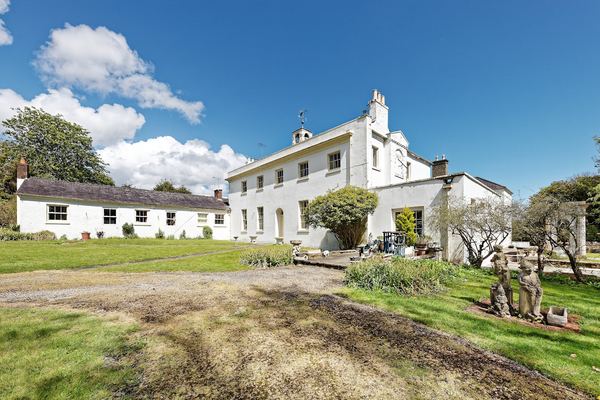
Beachborough Park
Newington, Folkestone
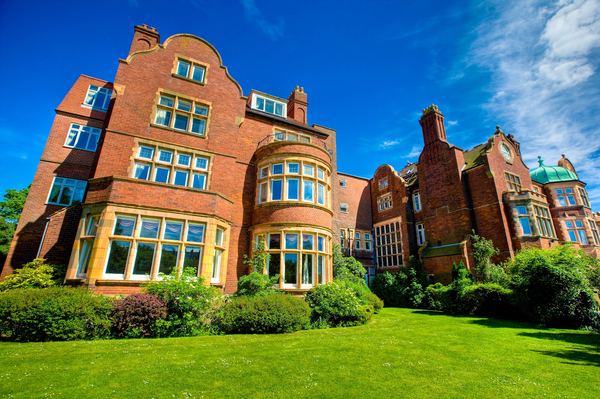
Burlington Hotel, BW Premier Collection by Best Western
3-5 Earls Avenue, Folkestone
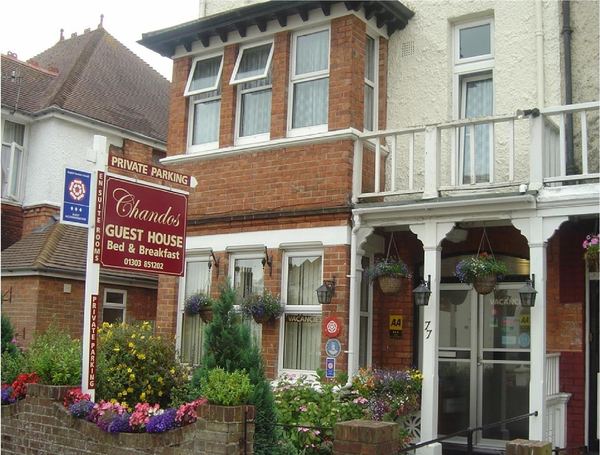
Chandos Premier Hotel Folkestone - Channel Tunnel
77 Cheriton Road, Folkestone
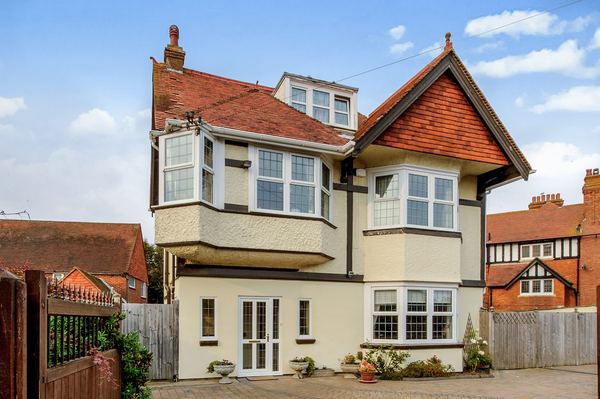
Foy House
16 Bathurst Road, Folkestone
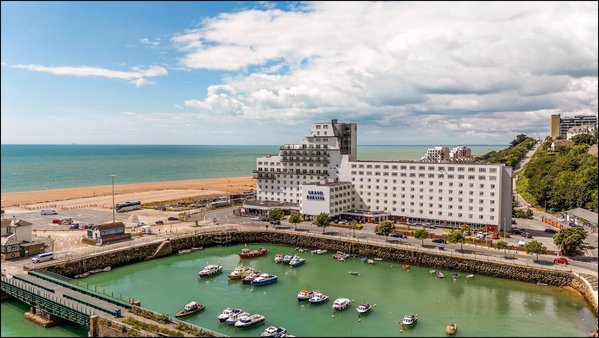
Grand Burstin Hotel Folkestone
The Harbour, Folkestone
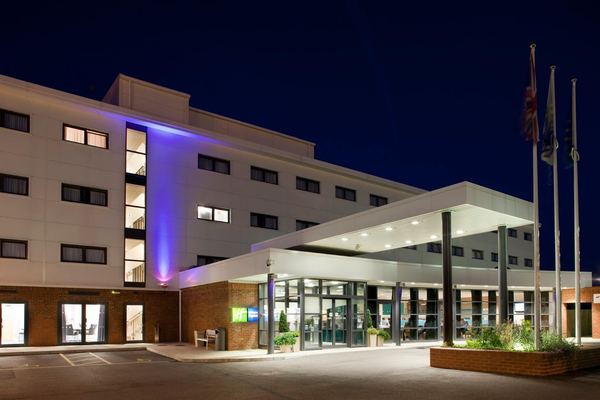
Holiday Inn Express Folkestone Channel Tunnel
Cheriton Parc, Folkestone
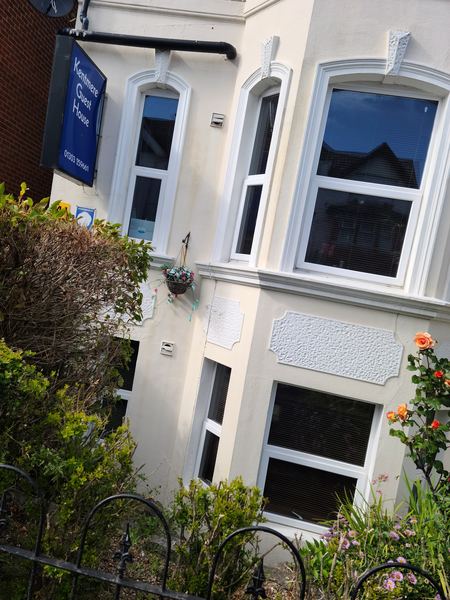
Kentmere Guest House
76 Cheriton Road, Folkestone
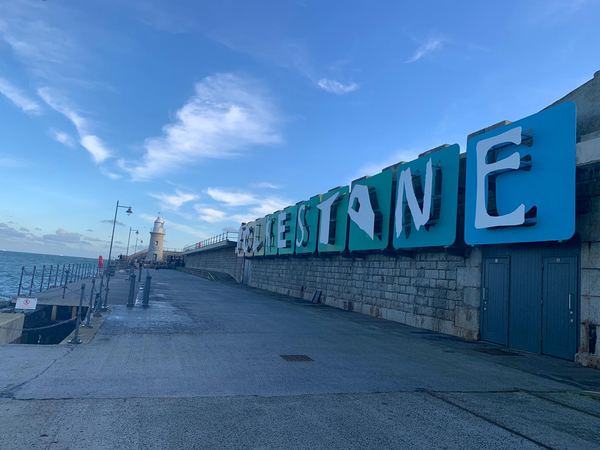
Lennard House
Lennard House, Folkestone
Things to Do in Folkestone(6)
All attractions in Folkestone →Top things to do in Folkestone
Folkestone rewards wandering on foot, with most of its highlights within easy reach of the town centre and seafront.
- Folkestone Harbour Arm — the old Victorian harbour railway pier has been transformed into a pedestrian promenade lined with independent food stalls, bars and a restored 1900s lighthouse, with sweeping views back across the town and out to sea.
- The Creative Quarter — a cluster of streets around the Old High Street, Tontine Street and Rendezvous Street filled with independent galleries, artists'' studios, vintage shops and cafes, born out of a major regeneration project that has turned empty shopfronts into working creative spaces.
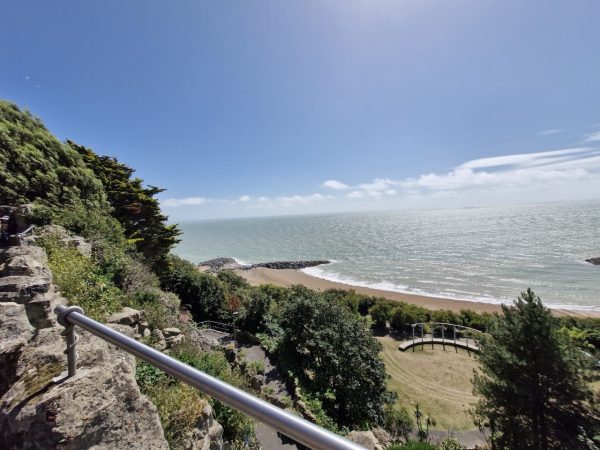
- The Leas — a long Victorian clifftop promenade with uninterrupted Channel views, linked to the seafront below by the historic Leas Lift funicular and bordered by the landscaped Lower Leas Coastal Park.
- Folkestone Museum and F51 — the town museum tells the story of Folkestone''s smuggling, seaside and wartime past, while the nearby F51 skate park, housed in a striking modern concrete building, is one of the largest in Europe.
- White Cliffs walks — the chalk cliffs made famous at nearby Dover begin just outside Folkestone, and coastal footpaths lead east along the clifftops with far-reaching views across the Channel towards France on a clear day.
- Folkestone Warren and East Cliff — a wild, undercliff nature reserve of tumbled chalk and scrub beneath the cliffs, popular with walkers and birdwatchers and a quieter alternative to the town beaches.
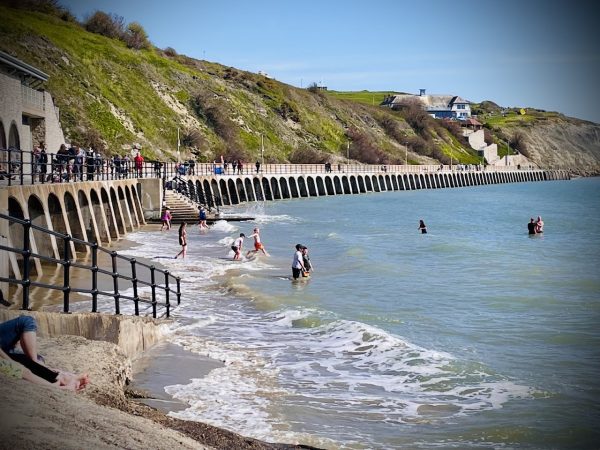
- Sunny Sands and the harbour beach — a small, sheltered sandy beach right beside the harbour, popular with families and one of the few proper sand beaches on this stretch of coast.
Where to Eat in Folkestone(163)
All restaurants in Folkestone →Food and drink in Folkestone
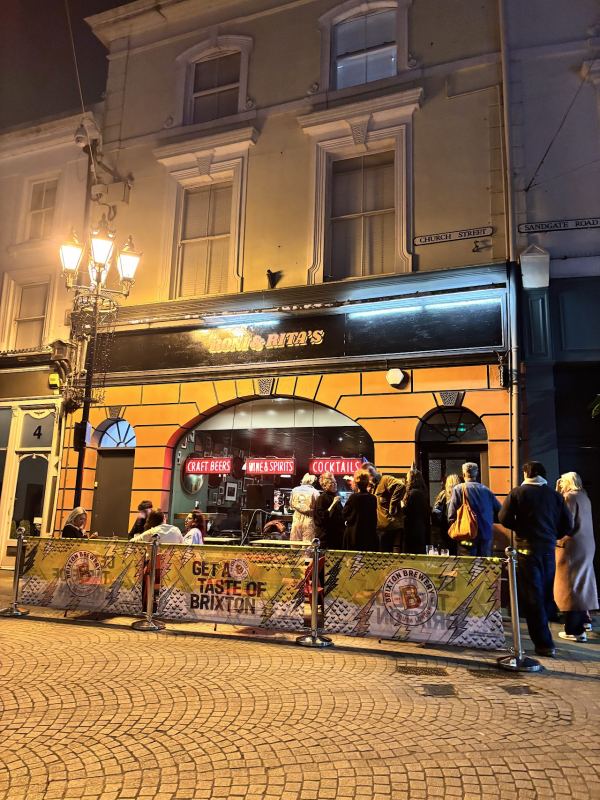
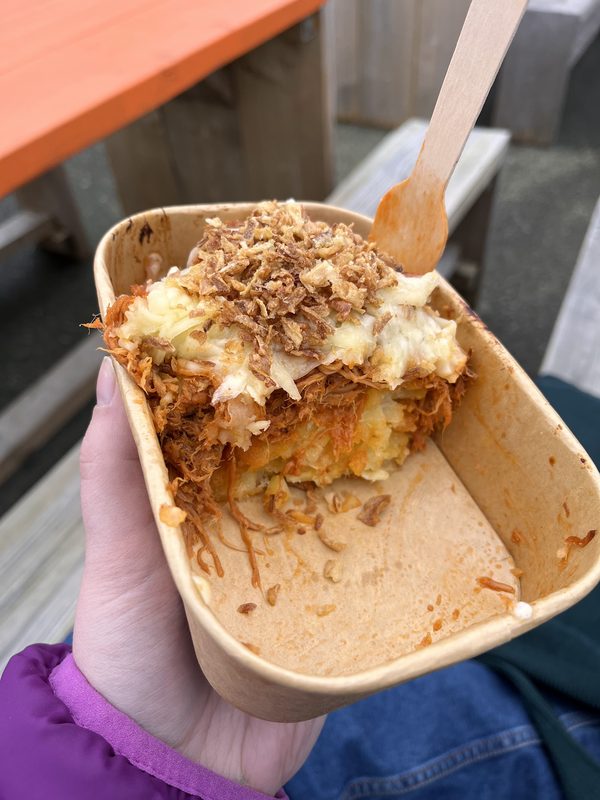
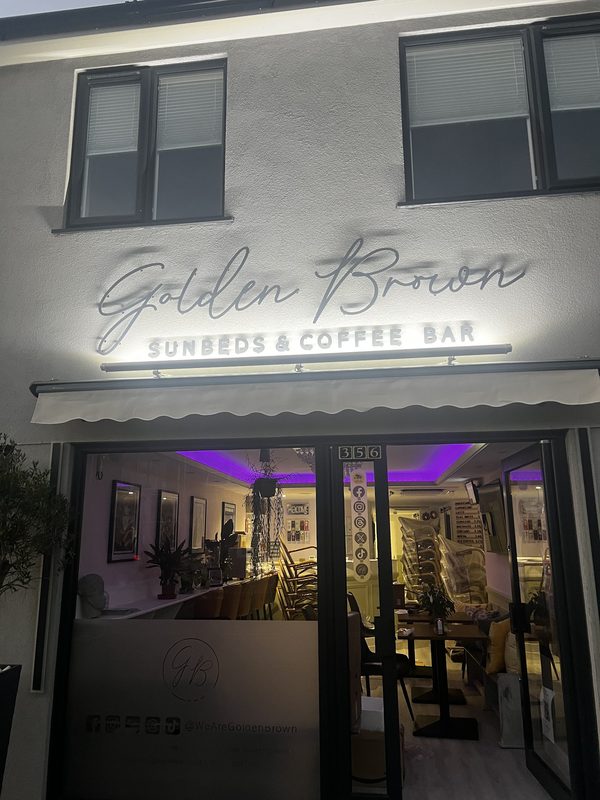
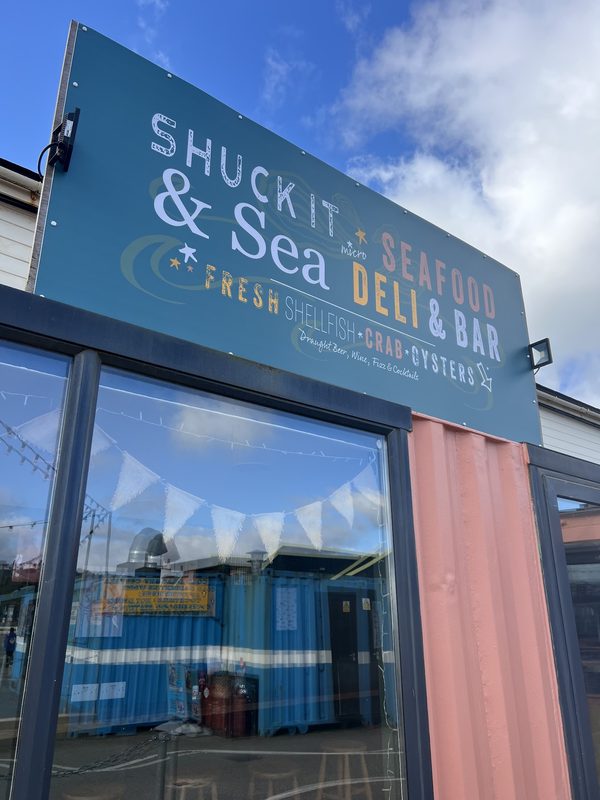
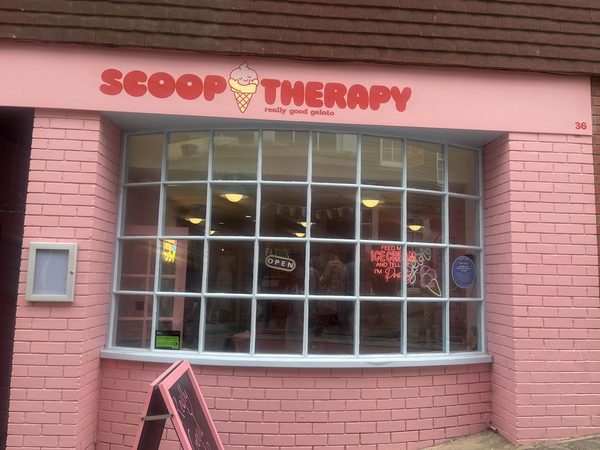
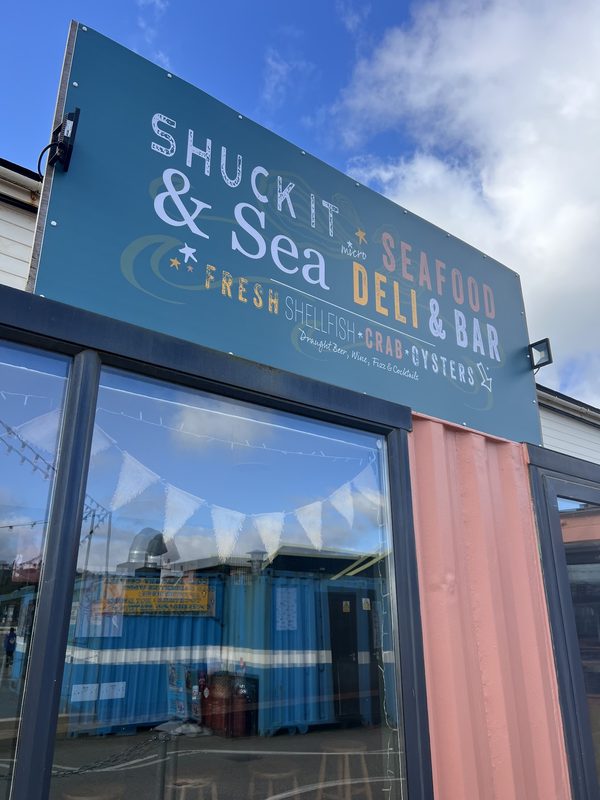
The Harbour Arm is the obvious starting point, its converted huts and stalls serving everything from fresh oysters and fish and chips to wood-fired pizza and craft beer, with communal seating looking straight out to sea. In the Creative Quarter, independent cafes and bakeries around the Old High Street cater well to a slower pace, while the town has a growing reputation for seafood thanks to its working fishing fleet still landing catches at the harbour. Pubs and bars are spread through the town centre and seafront, ranging from traditional real ale houses to newer bars that have opened alongside the creative regeneration of recent years.

Attractions Near Folkestone
All attractions in Folkestone →Worth the trip — within 50 miles of Folkestone.
 1 mi
1 mi
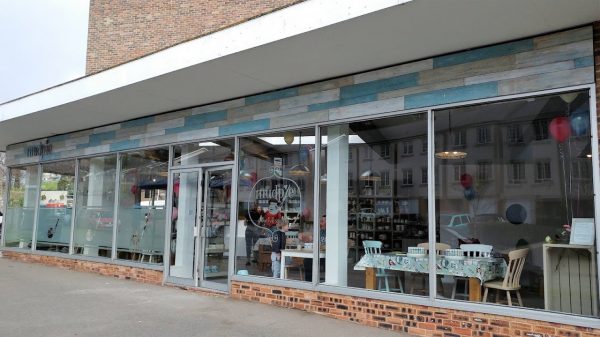
Mudpie Pottery Painting Creative Studio
Sandgate · ⭐ 4.7
 2 mi
2 mi
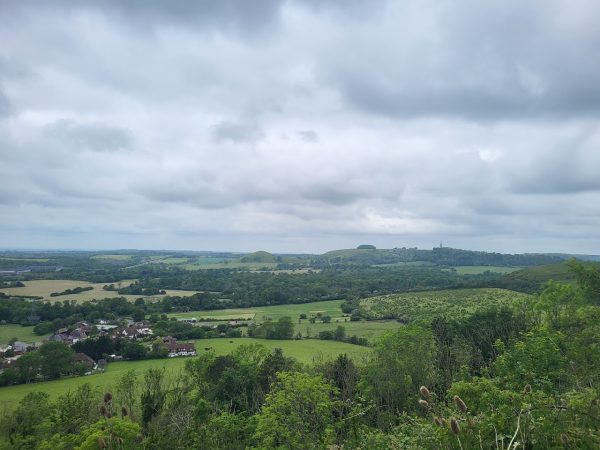
Peene Quarry Picnic Site
Peene · ⭐ 4.0
 4 mi
4 mi
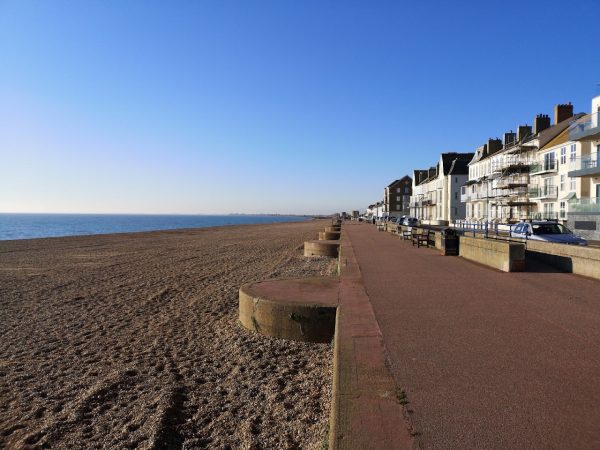
Hythe Beach
Hythe · ⭐ 4.6
 4 mi
4 mi
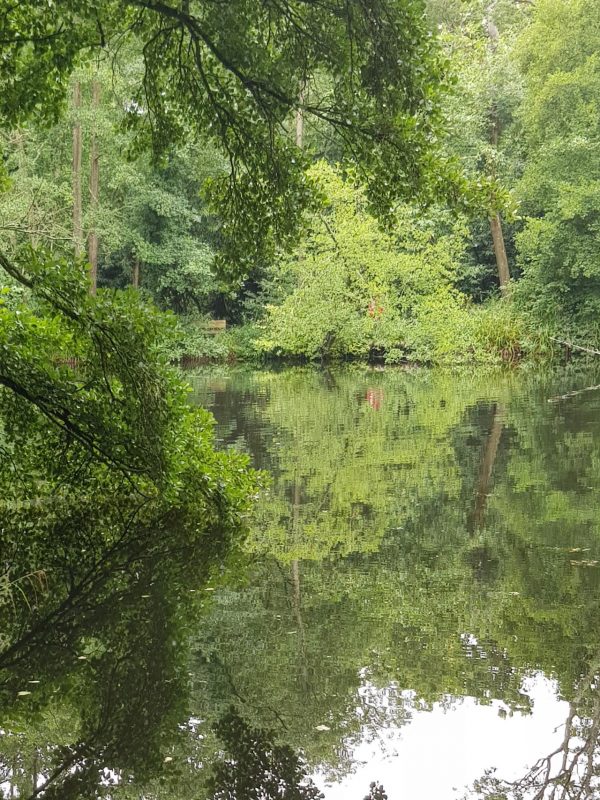
Brockhill Country Park
Hythe · ⭐ 4.6
 5 mi
5 mi
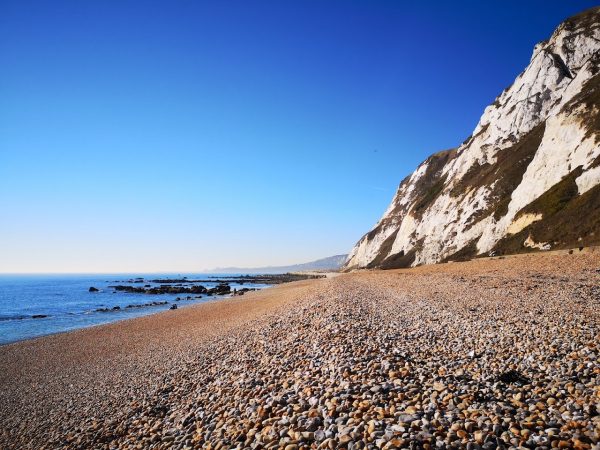
Samphire Hoe Beach
Dover · ⭐ 4.7
 7 mi
7 mi
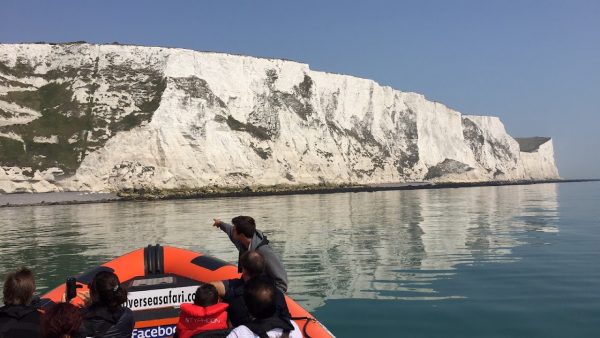
Dover Sea Safari
Dover · ⭐ 4.9
 7 mi
7 mi
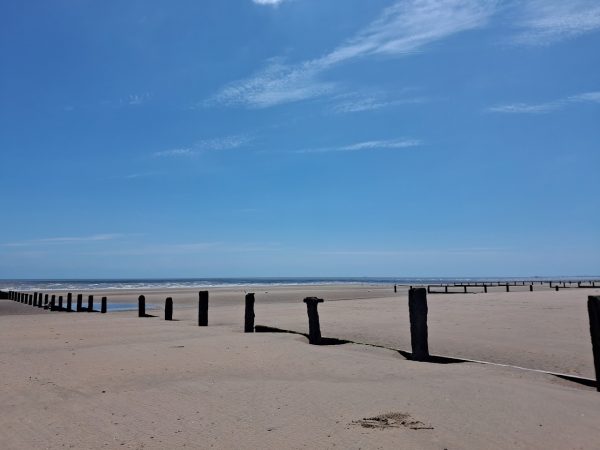
Dymchurch Beach
Romney Marsh · ⭐ 3.7
 7 mi
7 mi
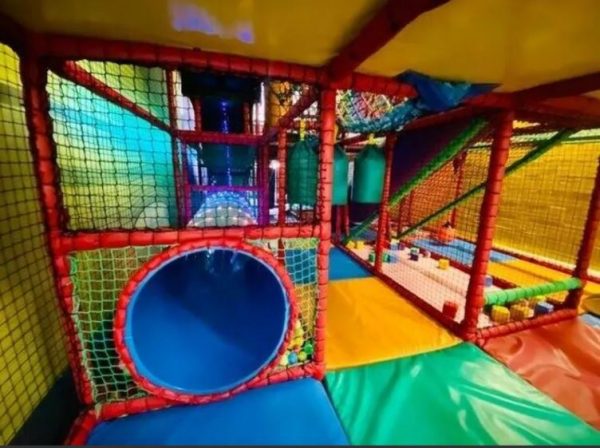
Playbase
Dover · ⭐ 4.6
Camping in Folkestone(3)
All campsites in Folkestone →About camping in Folkestone
Folkestone sits on a dramatic stretch of the Kent coast where chalk cliffs, wooded downland and the Channel meet, and the surrounding countryside offers a good range of campsites and glamping sites for visitors who want to combine a coastal break with time outdoors. As in the rest of England, wild camping without the landowner''s permission is not legal here, so it''s worth sticking to licensed sites, of which there are several within a short drive of the town, from traditional touring and tent pitches to farm-based glamping with shepherd''s huts, yurts and bell tents. Many sit inland toward the North Downs or along the coast towards Dover and Hythe, giving easy access to both the cliff path walks and the beaches around Folkestone Warren and Sunny Sands.
The terrain here is a mix of exposed clifftop grassland, sheltered wooded valleys cut into the downs, and the flatter coastal strip around the harbour and Romney Marsh to the west, so site conditions vary a good deal over a short distance; some pitches are fully open to the Channel winds while others sit tucked into farmland a mile or two inland. This makes late spring through to early autumn, roughly May to September, the most comfortable window for camping, when daytime temperatures are mild and the coastal paths are at their best for walking, though the White Cliffs and Warren nature reserve are striking to visit at any time of year if you''re prepared for wind and rain.
Glamping has grown steadily in this part of Kent as an alternative to a traditional tent, with several sites offering fixed-structure accommodation that takes the uncertainty out of the notoriously changeable Channel coast weather while still keeping campers close to the cliffs, the coast path and Folkestone''s harbour and Creative Quarter. For visitors without their own kit, this is often the easiest way to combine a countryside stay with easy access to the town''s restaurants, galleries and beaches, and many sites make a useful, quieter base for exploring nearby Dover, Hythe and the Romney Marsh area as well as Folkestone itself.
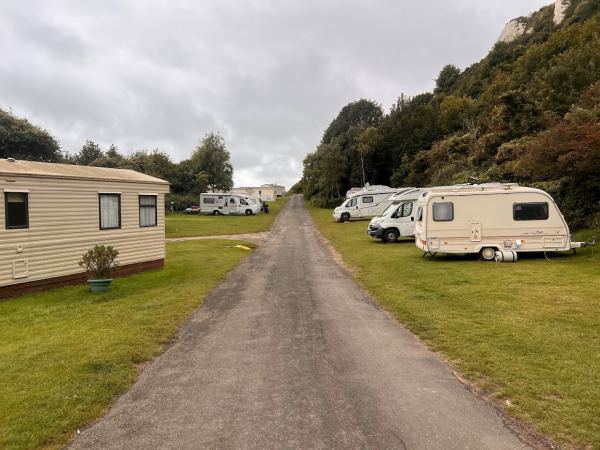
Little Switzerland
⭐ 4.3
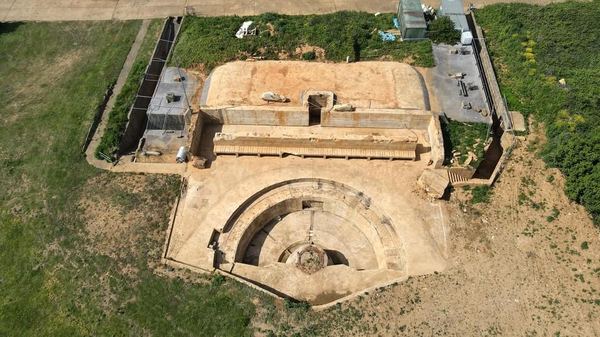
Capel Battery
⭐ 4.8 · from £30/night
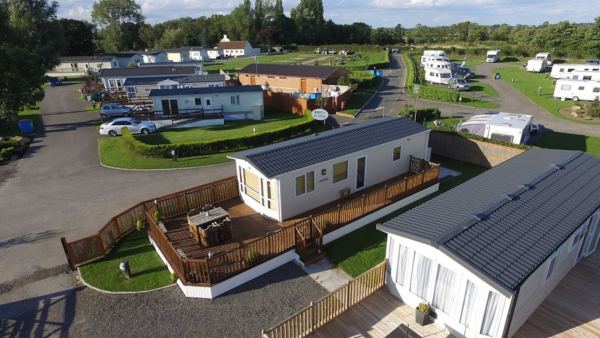
Capel Court Park
⭐ 4.3
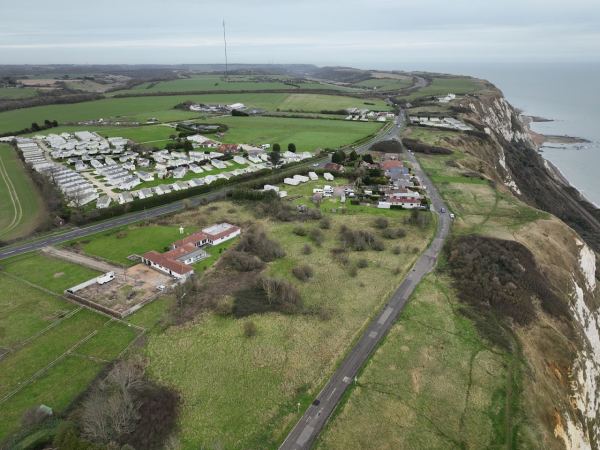
Varne Ridge Holiday Park
⭐ 4.2
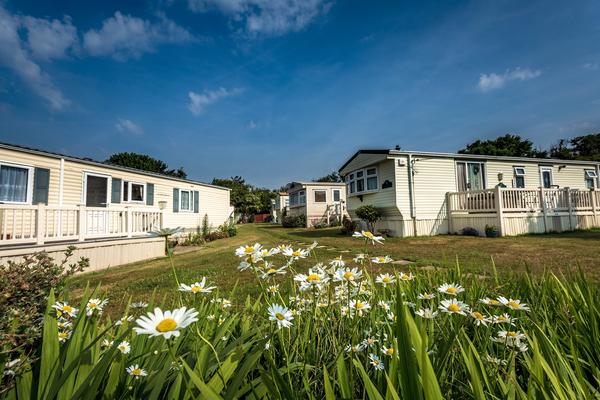
Little Satmar Holiday Park
⭐ 4.6 · from £18/night
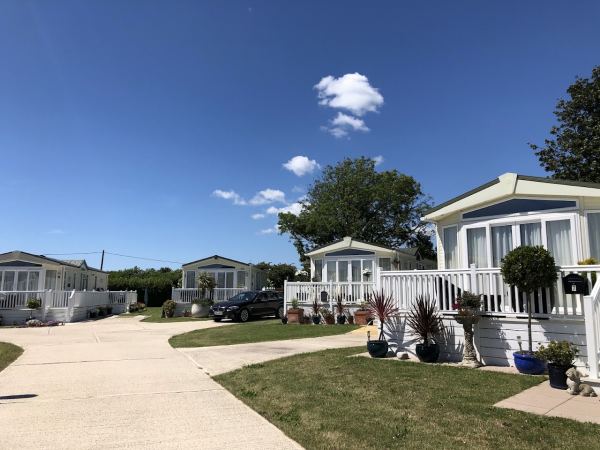
White Cliffs Caravan Parks
⭐ 4.5
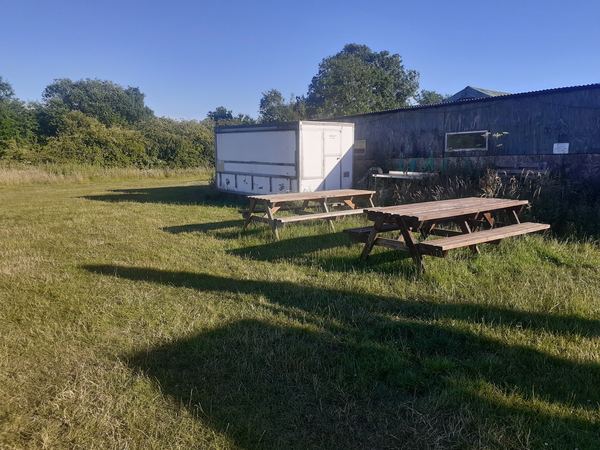
Paddlesworth Court Farm
⭐ 3.8 · from £20/night
Caravan and Motorhome Club Site - Dover
⭐ 4.5 · from £22/night
Self-Catering Cottages in Folkestone
All cottages in Folkestone →
Folkestone Central
3 bed · sleeps 6 · from £507
The Sea Cabin
2 bed · sleeps 4 · from £447
Chatham House
3 bed · sleeps 6 · from £887
Seashore Apartment
1 bed · sleeps 4 · from £427
Nearny Way House
3 bed · sleeps 6 · from £1,286
Cavella House
3 bed · sleeps 6 · from £887
Oasis
4 bed · sleeps 8
Eagles Nest
4 bed · sleeps 8
Common questions about Folkestone
How many campsites are there in Folkestone?
We list 3 campsites in and around Folkestone, of which 3 take tents.
Which campsites in Folkestone have electric hook-up?
2 of the 3 campsites we list in Folkestone offer an electric hook-up.
Where can I stay in Folkestone?
We list 30 hotels, B&Bs and guest houses in and around Folkestone.
What is there to do in Folkestone?
We list 6 attractions and things to do in and around Folkestone.
Where can I eat in Folkestone?
We list 163 restaurants, pubs and cafes in and around Folkestone.