Hereford
Cathedral spires, cider orchards and the River Wye
Photo © Google Maps contributors, Google Maps
Hereford is the quiet county town of Herefordshire, folded into a loop of the River Wye close to the Welsh border. It has never chased the tourist crowds that fill Bath or York, and that is much of its appeal: a working cathedral city with a genuine livestock market, a medieval street plan you can still read in the pattern of High Town and Widemarsh Street, and orchards and hop yards pressing right up against its edges. Timber-framed buildings lean companionably over narrow lanes, the cathedral bell marks the hours, and on market days the smell of coffee and bacon rolls drifts from the indoor market rather than any chain café.
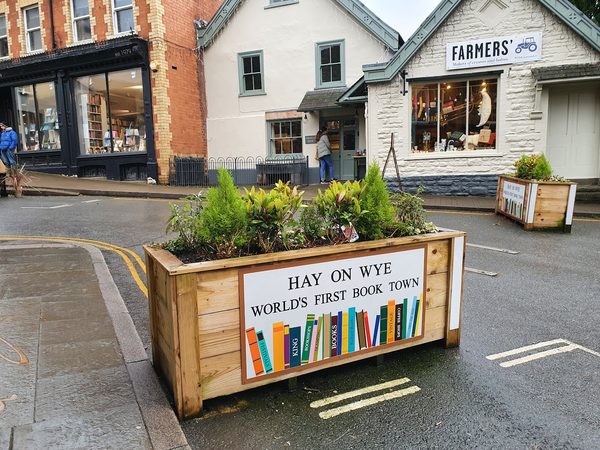
This is cider and cattle country. Herefordshire's deep red soil grows the cider apples that built Bulmers into the world's largest cider maker, and the Hereford breed of cattle, developed in these fields, is now farmed on every continent. The county's famous black-and-white villages, half-timbered Pembridge, Eardisland and Weobley among them, sit within a short drive, as does Hay-on-Wye's cluster of secondhand bookshops just over the border in Wales. Hereford itself is small enough to cross on foot in twenty minutes, which makes it a natural base for exploring the wider Wye Valley and Golden Valley without ever needing a second hotel.
What holds the city together is the River Wye, wide and slow-moving as it curls beneath Hereford's old bridge, with grassy meadows on both banks used for dog walks, picnics and the annual river festival. Combine that with a cathedral holding two genuinely remarkable medieval treasures and a food and drink scene built on some of England's best orchards and pastureland, and Hereford makes a rewarding, unhurried short break.
Getting to Hereford
Hereford railway station has direct services from London Paddington on Great Western Railway, typically taking around two hours forty-five minutes to just over three hours depending on the number of stops, usually routed via Newport or Worcester. Transport for Wales and CrossCountry services connect Hereford with Cardiff, Newport, Shrewsbury and Manchester, while journeys from Birmingham New Street generally take around ninety minutes with a change at Worcester Foregate Street.
By road, Hereford sits on the A49, which runs north to Shrewsbury and south to Ross-on-Wye, and the A438 and A465 connect it east and west. There is no motorway directly into the city; the nearest link is the M50, reached via the A449 and A40, which in turn connects to the M5 near Tewkesbury. The drive from Birmingham takes around an hour and a half, and from London closer to three and a half hours depending on traffic. Car parking is available at several council-run car parks close to the city centre, including near the cathedral and the Old Market shopping area, though spaces can fill on Wednesday and Saturday market days.
The nearest airports are Birmingham and Bristol, both roughly ninety minutes away by car, with Cardiff Airport a similar distance to the southwest.
Best time to visit Hereford
Spring brings blossom to the county's orchards, particularly through April and May, and is a good time to combine a city visit with drives out into the surrounding cider country before the summer crowds arrive at nearby Wye Valley beauty spots. Summer is the busiest season, when the river meadows fill with picnickers, canoeists take to the Wye further downstream around Ross-on-Wye and Symonds Yat, and Hereford's beer and cider festivals draw visitors into the city itself.
Autumn is arguably Herefordshire's signature season, when the cider apple harvest is in full swing, orchards turn colour, and county food and drink events celebrate the new season's cider and perry. It is also a quieter, cooler time to explore the cathedral and countryside without summer's crowds. Winter is the least busy period, but the cathedral's carol services and the city's Christmas lights and market give it a cosy, low-key charm, and hotel rates tend to be at their lowest outside of event weekends.
Where to stay in Hereford(37)
All hotels in Hereford →About staying in Hereford
Hereford is compact enough that where you stay changes the character of a visit more than the distance involved. Basing yourself in the city centre, around High Town, Broad Street or Castle Green, puts the cathedral, the indoor market and Left Bank Village on your doorstep, and means evenings can be spent on foot without worrying about parking or last buses. This suits shorter breaks built around the Mappa Mundi, the Old House and the city's restaurants, and works well if you are arriving by train, since the station is a short walk or taxi from most central hotels.
Just outside the centre, guesthouses along Aylestone Hill and Bodenham Road offer a quieter night's sleep within a ten to fifteen minute walk of the cathedral, often with easier parking than the very centre, and tend to suit travellers who want a comfortable, personally run B&B rather than a hotel. For visitors with a car who want to treat Hereford as a base for the wider county, a handful of hotels in the villages just outside the city, along the Wye towards Holme Lacy and Rotherwas, add gardens, grounds and a rural outlook while still keeping the cathedral within a ten-minute drive, making them a good choice for a longer stay that mixes city sightseeing with day trips into the Golden Valley, the Wye Valley or across the border to Hay-on-Wye.
Room rates in Hereford are generally lower than in better-known cathedral cities such as Bath or York, and availability holds up reasonably well outside of the Hereford May Fair and county show weekends, when it is worth booking ahead. Chain hotels near the station and Old Market retail park suit those who want reliable, no-frills convenience for business trips or a single overnight stop, while the city's independent and country-house options are better suited to a proper short break. Whichever area you choose, nothing in Hereford is more than a few minutes' drive from anywhere else, so the choice comes down to atmosphere and budget rather than practicality.
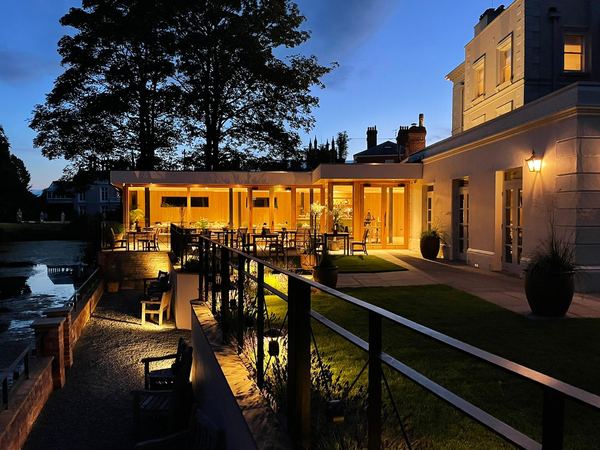 9.2
9.2
Castle House Hotel
Castle Street, city centre, by the cathedral
from £165/night
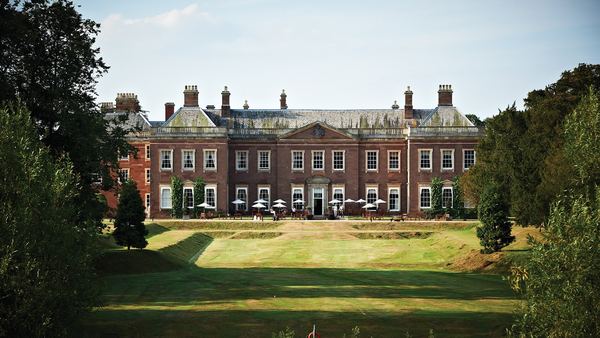 8.4
8.4
Holme Lacy House Hotel
Holme Lacy, parkland setting, five miles from Hereford
from £140/night
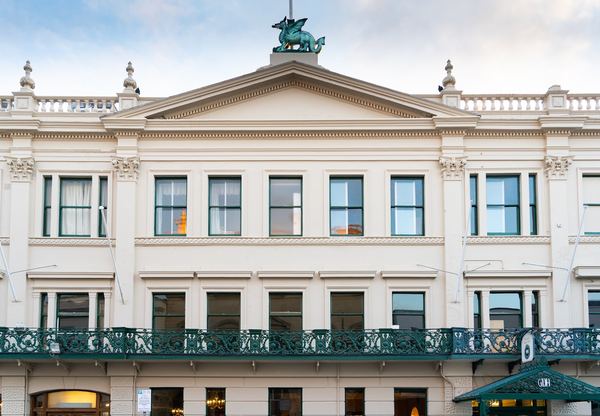 8.0
8.0
Mercure Hereford Green Dragon Hotel
Broad Street, city centre
from £95/night
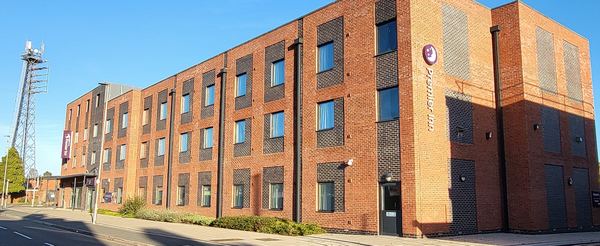 8.6
8.6
Premier Inn Hereford City Centre
Near the railway station, city centre
from £65/night
 7.8
7.8
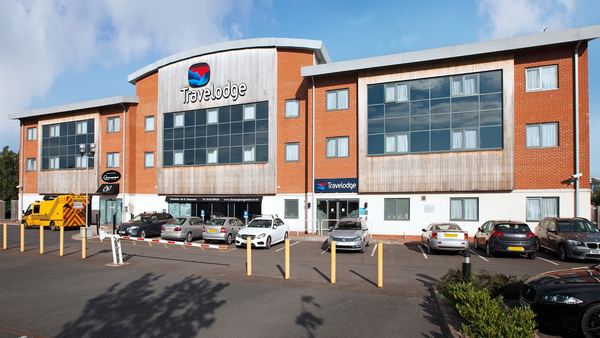
Travelodge Hereford
Edgar Street, close to the city centre
from £55/night
 9.4
9.4
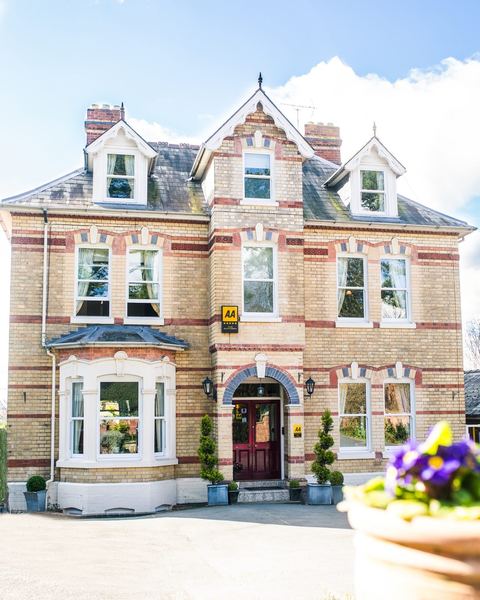
Somerville House
Bodenham Road, ten minutes' walk from the cathedral
from £95/night
 9.5
9.5
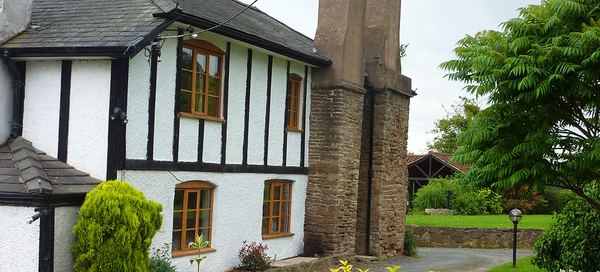
Sink Green Farm
Rotherwas, working farm by the River Wye, two miles from Hereford
from £100/night
 9.3
9.3
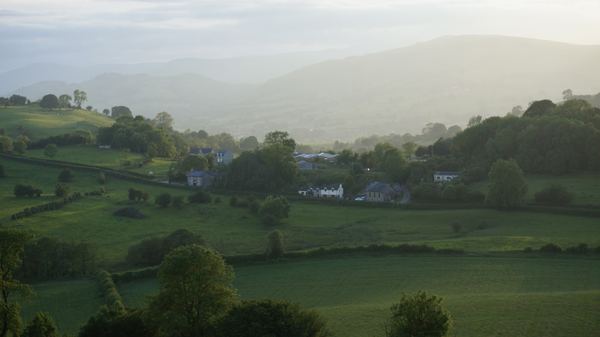
Cwm Craig Farm
Little Dewchurch, countryside setting, six miles from Hereford
from £90/night
Things to Do in Hereford(15)
All attractions in Hereford →Top things to do in Hereford
Hereford rewards slow exploration rather than a checklist, but these are the sights worth building a visit around.
- Hereford Cathedral is the obvious starting point, a mostly Norman and medieval building with a squat red sandstone tower that dominates the skyline from the river.
- Mappa Mundi and the Chained Library, housed in a purpose-built wing of the cathedral, display the largest surviving medieval world map and one of the biggest chained libraries left anywhere, a genuinely rare survival worth the modest entry fee.
- The Old House is a Jacobean merchant's townhouse standing alone in the middle of High Town, furnished as it would have been in the 1600s and free to visit.
- Hereford Museum and Art Gallery covers the city's Roman and medieval past alongside decorative art, and is a useful wet-weather option.
- Left Bank Village, on the riverside below the old bridge, gathers independent shops, bars and restaurants around a courtyard and makes a good spot to end the day.
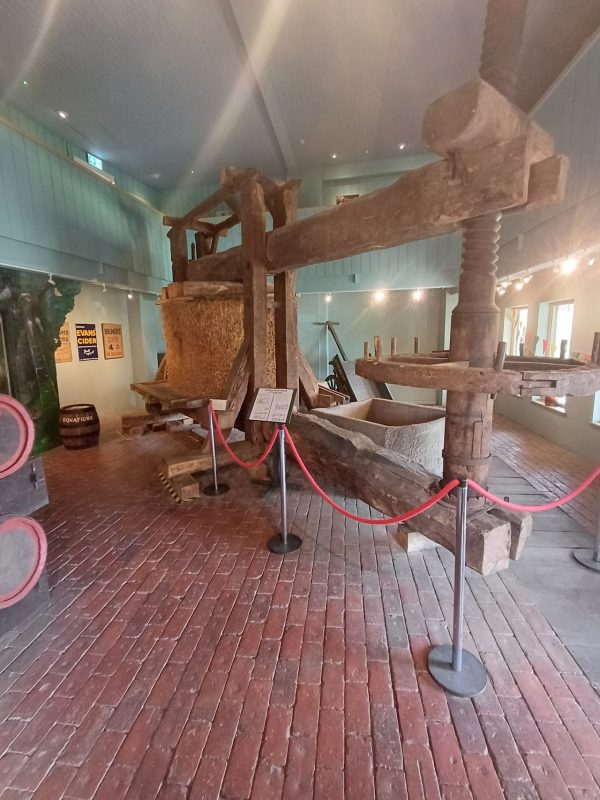
- The Museum of Cider traces Herefordshire's most famous export through original vats, presses and bottling equipment on the site of a former cider works.
- Bishop's Meadow and the riverside path follow the Wye out of the city centre, popular with joggers and dog walkers and a pleasant way to see the cathedral from across the water.
- The Black and White Villages Trail, a signposted driving or cycling route linking Pembridge, Eardisland, Weobley and Dilwyn, shows off Herefordshire's timber-framed architecture at its best, all within half an hour of the city.


Where to Eat in Hereford(134)
All restaurants in Hereford →Food and drink in Hereford
Herefordshire's food identity rests on cider, beef and orchard fruit, and Hereford makes the most of all three. Hereford cattle give the city its name recognition in food terms, and local butchers around Butchers Row and the indoor market sell beef, lamb and the county's well-regarded black pudding. The cider trail runs deep here: Bulmers has its headquarters in Hereford, while smaller producers and orchards across the county offer tastings, and many of the city's pubs keep a strong local cider and perry list alongside real ale.
Hereford's indoor market and the Buttermarket building are good places to pick up local produce, from Herefordshire cheeses to seasonal fruit and vegetables, while a Wednesday and Saturday street market adds fresh stalls to High Town. Left Bank Village on the riverside gathers several independent restaurants and bars under one roof, and the cathedral's own café makes a pleasant stop between sights. Out in the surrounding villages, farm shops and pub kitchens built around local beef, lamb and orchard fruit are common, making a short drive from the city as rewarding for food as it is for scenery.



Attractions Near Hereford
All attractions in Hereford →Worth the trip — within 50 miles of Hereford.
 4 mi
4 mi
The Equestrian Centre at Holme Lacy
Holme Lacy · ⭐ 4.2
 7 mi
7 mi
Queenswood Country Park
Leominster · ⭐ 4.5
Herefordshire Nature Trust
Tupsley · ⭐ 4.8
 9 mi
9 mi
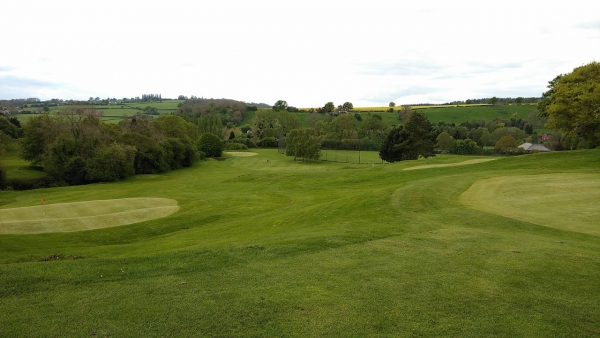
Grove Golf and Bowl
Leominster · ⭐ 4.5
 10 mi
10 mi
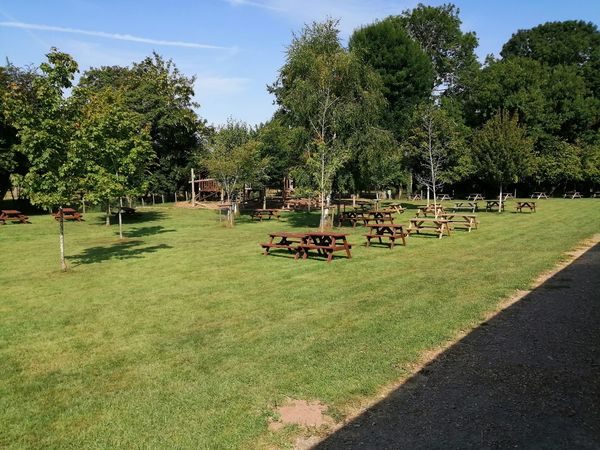
Newbridge Farm Park
Ledbury · ⭐ 4.6
 11 mi
11 mi
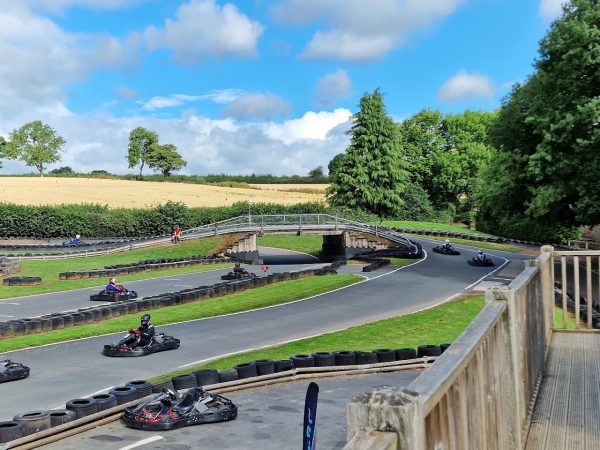
Herefordshire Raceway
Weobley · ⭐ 4.9
 11 mi
11 mi
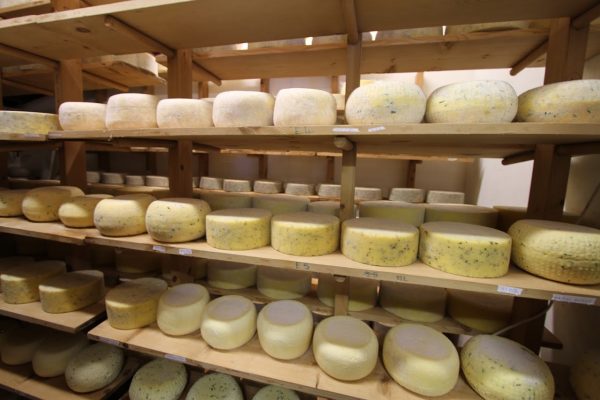
Monkland Cheese Dairy
Leominster · ⭐ 4.7
 12 mi
12 mi
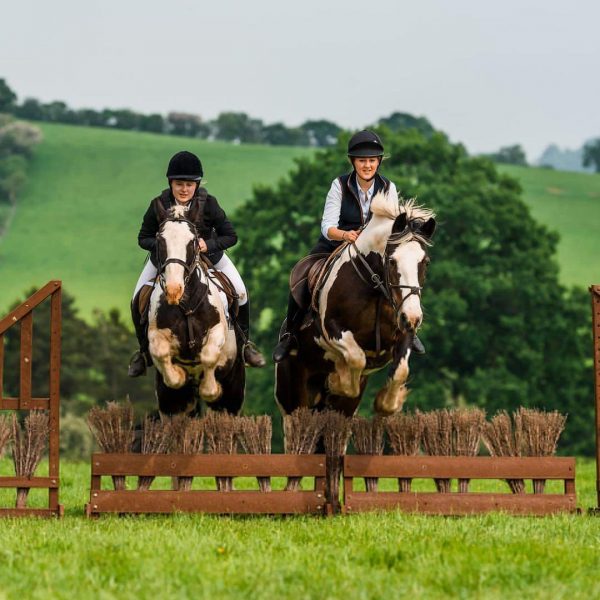
Noakes Farm Riding Centre
Bromyard · ⭐ 4.7
Camping in Hereford(25)
All campsites in Hereford →About camping in Hereford
Herefordshire is gentle, well-watered countryside rather than dramatic wilderness, and camping here tends to mean quiet riverside meadows, orchard-edged farm sites and easy access to the Wye rather than remote hillside pitches. The terrain around Hereford is mostly low, rolling farmland threaded by the River Wye and its tributaries, which makes for level, easy pitching and gentle walking and cycling straight from most campsites, rather than the steep ground found further west in the Welsh hills. Sites tend to be small and family-run, often on working farms, with a relaxed pace that suits people looking for a base to explore the cathedral, the cider trail and the Wye Valley rather than a destination in itself.
Wild camping has no general legal right in England, Herefordshire included, and pitching without the landowner's permission is technically trespass, even though it is rarely enforced on remote hill or common land elsewhere in the country. Around Hereford, where almost all land is farmed or privately owned right up to the riverbanks, this makes it a poor place to attempt wild camping in practice, and campers are better served by the county's genuine campsites, several of which sit directly on the Wye and offer much the same riverside setting with proper facilities, permission and often a canoe launch point included.
The camping season around Hereford runs broadly from Easter to the end of September, with July and August the busiest months, particularly at sites on the Wye that attract canoeists and families drawn by the river. Weather is typically milder and drier than upland Wales just across the border, though the Wye is prone to sudden rises after heavy rain upstream, which sites monitor closely for riverside pitches. Spring and early autumn are quieter, cooler options with the cider orchards either blossoming or fruiting, and many sites reduce their prices outside the school holidays, making a midweek stay in May or September good value alongside a lighter crowd on the river.
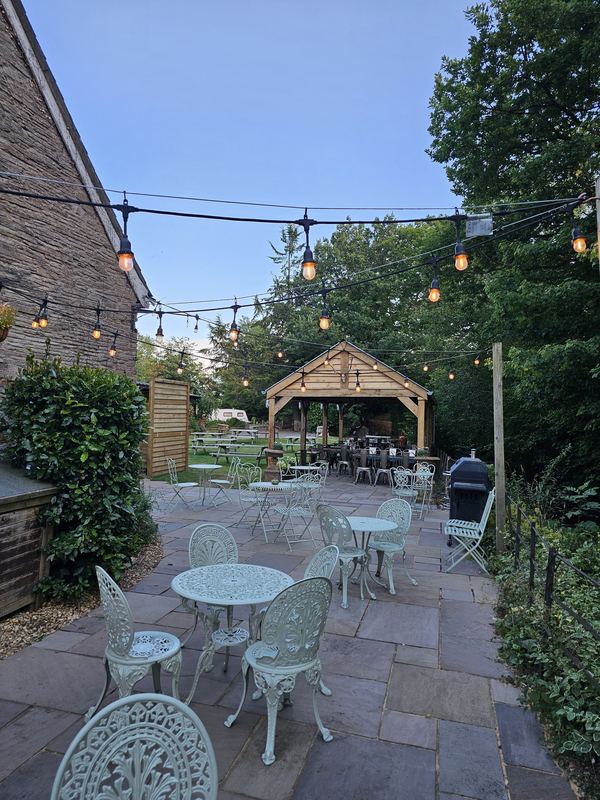
Bridge Inn Camping Site
⭐ 4.6
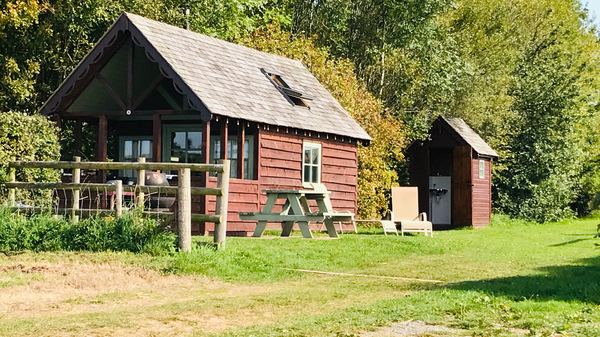
Broadmeadow Glamping
⭐ 5.0 · from £200/night
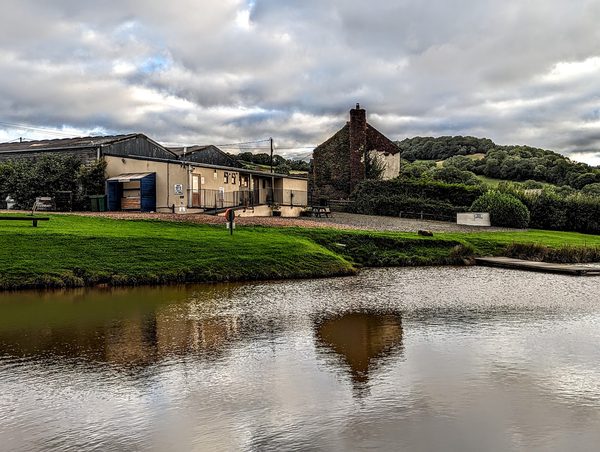
Burhope Farm Campsite
⭐ 4.6 · from £44/night
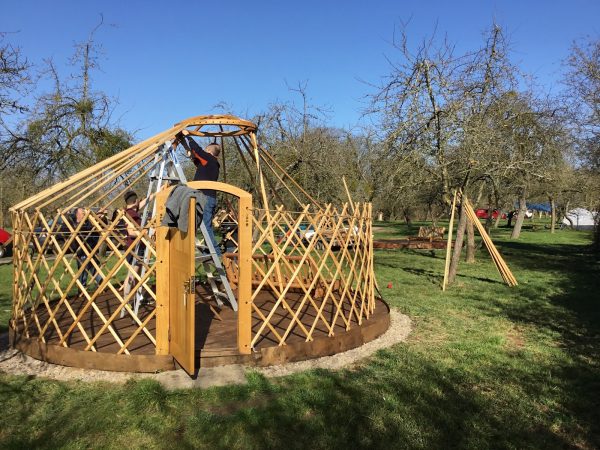
Byecross Farm Campsite
⭐ 4.8 · from £27/night
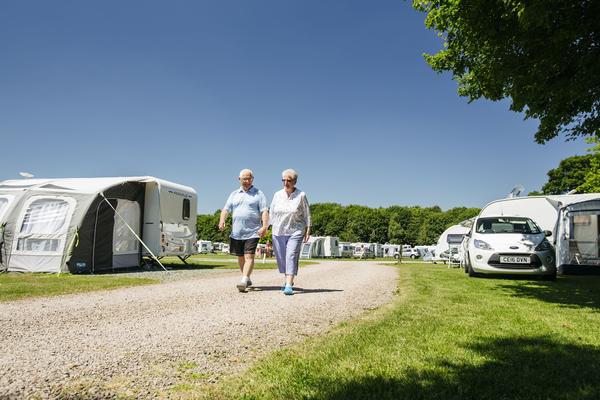
Camping and Caravanning Club Site Hereford
⭐ 4.8 · from £19/night
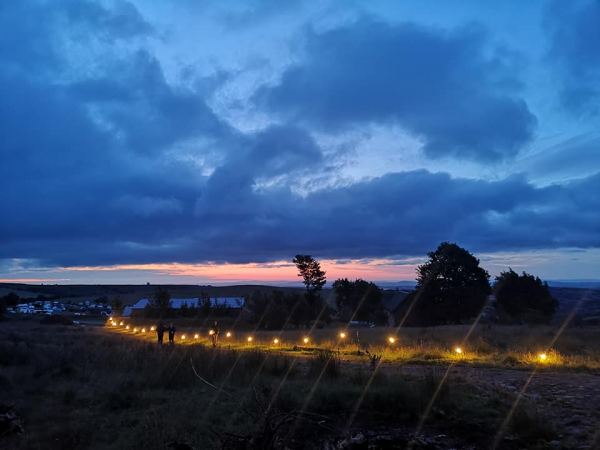
Campsite 360 Degrees
⭐ 5.0 · from £20/night
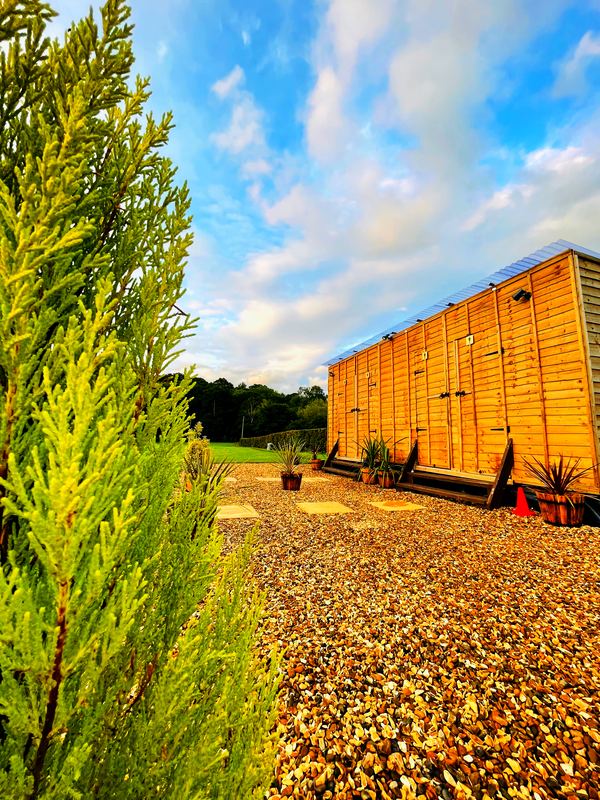
Cayo Retreat Waters Edge Glamping and Holiday Site
⭐ 4.6
Cuckoo's Corner Campsite
⭐ 4.1
Self-Catering Cottages in Hereford
All cottages in Hereford →
Cider Mill
3 bed · sleeps 6 · from £667
The Stables
1 bed · sleeps 2
Box Tree Barn
2 bed · sleeps 4 · from £637
Clehonger Retreats
2 cottages · from £313
The Coach House
3 bed · sleeps 6 · from £1,041
The Old Post Office
3 bed · sleeps 6 · from £413
Walkers Lodge
1 bed · sleeps 2 · from £317
Violet Cottage
1 bed · sleeps 2 · from £577
Common questions about Hereford
How many campsites are there in Hereford?
We list 25 campsites in and around Hereford, of which 23 take tents and 14 offer glamping.
Are there dog-friendly campsites in Hereford?
Yes — 14 of the 25 campsites we list in Hereford accept dogs, including Nature's Nest and White House on Wye Glamping.
Which campsites in Hereford have electric hook-up?
9 of the 25 campsites we list in Hereford offer an electric hook-up.
Where can I stay in Hereford?
We list 37 hotels, B&Bs and guest houses in and around Hereford. Prices start from around £55 a night.
What is there to do in Hereford?
We list 15 attractions and things to do in and around Hereford.
Where can I eat in Hereford?
We list 134 restaurants, pubs and cafes in and around Hereford.