Nottingham
Legend, lace and a city built on the River Trent
Photo © Google Maps contributors, Google Maps
Nottingham grew up around a sandstone bluff above the River Trent, and that geography still shapes the city today: a warren of caves beneath the streets, a castle rock at its heart, and a compact centre that rewards walking rather than driving. It is a city that trades heavily on legend, Robin Hood's outline appears on everything from pub signs to football shirts, but the real story is one of industry and reinvention. Lace, coal, bicycles, pharmaceuticals and cigarettes each had their turn making Nottingham rich, and the money left behind a run of handsome Victorian and Georgian buildings, most visibly in the Lace Market, where former warehouses and factories have become bars, apartments and creative studios.
What makes Nottingham an easy weekend break is its scale. The castle, the Old Market Square, the Lace Market and the main shopping streets all sit within about fifteen minutes' walk of one another, so visitors rarely need transport once they arrive. Two large universities keep the population young and the nightlife busy, while a strong independent retail and hospitality scene, in Hockley and the Lace Market especially, sits alongside the big chain stores in the centre. It is also a genuinely green city close up: the Arboretum and the Forest Recreation Ground offer open space minutes from the shops, and Wollaton Park's deer herd and Elizabethan hall lie a short bus ride from the centre.
Nottingham rewards visitors who come with an evening or two spare rather than racing between sights. The caves alone, hundreds of them carved into the sandstone over centuries, take an afternoon to appreciate properly, and the best of the city's food and drink is found by wandering rather than ticking off a list.
Getting to Nottingham
Nottingham railway station sits right on the edge of the Lace Market, a genuine walk-in city centre station rather than one requiring a taxi or tram. Direct services from London St Pancras run roughly hourly and take around one hour fifty minutes with East Midlands Railway, making Nottingham a realistic day trip as well as a weekend break from the capital. There are also direct trains from Sheffield, Leicester and Birmingham, and connections through Derby for services further afield. The city's tram network, NET, links the station to the centre and out to the Queen's Medical Centre and Phoenix Park, and buses cover the wider suburbs well. By road, Nottingham sits just off the M1 at junctions 24, 25 and 26, with the A52 and A453 feeding in from Derby and Leicester respectively; the ring road makes crossing the city by car straightforward, though the centre itself is largely pedestrianised and best avoided by drivers. Several multi-storey car parks ring the centre, with park-and-ride sites on the tram lines a cheaper option for a full day. East Midlands Airport, serving a range of UK and European routes, is around 20 minutes from the city by car or the Skylink bus.
Best time to visit Nottingham
Spring brings the Arboretum and Wollaton Park into bloom and is a comfortable season for walking the centre without the crowds of summer. Summer is Nottingham's busiest period, with beer gardens along the canal and the Lace Market filling in the evenings, and the Nottingham Riverside Festival and outdoor events at Wollaton Park drawing visitors through July and August. Autumn suits the city particularly well: the Goose Fair, one of Europe's oldest travelling fairs, takes over the Forest Recreation Ground in early October, and the parks turn a deep colour that flatters the sandstone buildings. Winter sees the Old Market Square filled with an ice rink and Christmas market from mid-November, and the city's indoor attractions, the castle, caves and museums, come into their own when the weather turns, making a winter city break a realistic option even outside the festive season.
Where to stay in Nottingham(73)
All hotels in Nottingham →About staying in Nottingham
Nottingham's compact centre means the choice of base matters less for travel time than it does in bigger cities, but it still shapes the kind of stay you have. The Lace Market and the streets around the castle put you within a few minutes of the caves, the museums and the best independent bars, and suit visitors who want to walk everywhere and finish most evenings on foot. The Old Market Square and the main shopping streets work well for a straightforward city break, close to the tram interchange and the station, with a wide spread of restaurants on the doorstep. West Bridgford, over the Trent Bridge, offers a calmer, more residential alternative with its own cafes and restaurants, and is the natural choice for cricket or football weekends given its proximity to Trent Bridge and the City Ground. Properties further out towards the ring road and the M1 junctions tend to suit drivers prioritising parking and a quick road link over walkable evenings.
Nottingham's hotel stock spans a genuine boutique scene, several handsome Georgian and Victorian conversions, dependable branded hotels aimed at business travellers and weekend visitors alike, and a small but well-regarded set of independent guest houses just outside the immediate centre. Prices hold up reasonably well year-round given the university terms and regular events at the Motorpoint Arena and Trent Bridge, so booking a little ahead around Goose Fair in October, university graduation weeks and major sporting fixtures is worthwhile. Outside those peaks, midweek rates in the centre are generally good value compared with similarly sized English cities, and the tram network means a slightly cheaper hotel on the edge of town rarely costs much in either time or convenience.
 9.1
9.1
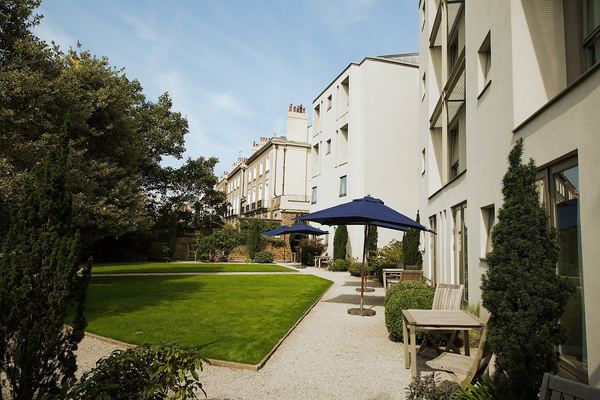
Hart's Hotel
Standard Hill, beside Nottingham Castle
from £185/night
 8.6
8.6
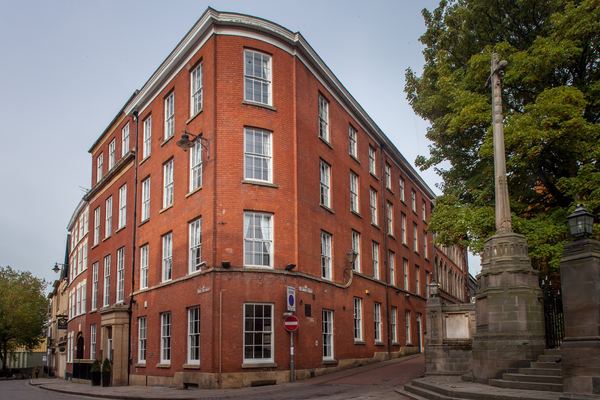
Lace Market Hotel
High Pavement, in the heart of the Lace Market
from £120/night
 8.3
8.3
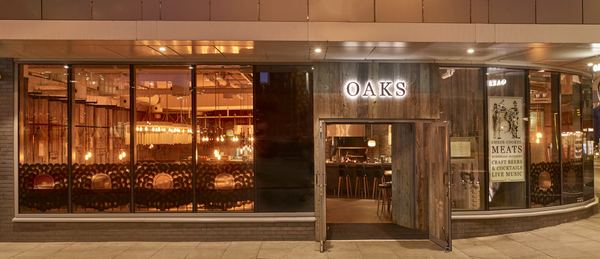
Park Plaza Nottingham
Maid Marian Way, city centre
from £105/night
 8.9
8.9
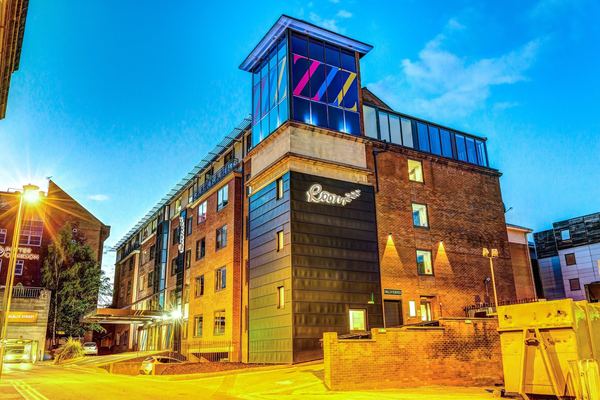
Roomzzz Nottingham City
Talbot Street, near the Lace Market and station
from £99/night
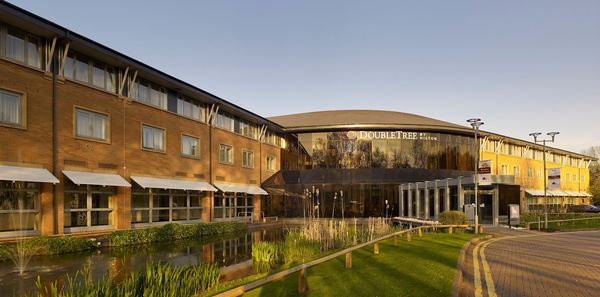 8.2
8.2
DoubleTree by Hilton Nottingham Gateway
Nuthall Road, close to the M1 and Wollaton Park
from £90/night
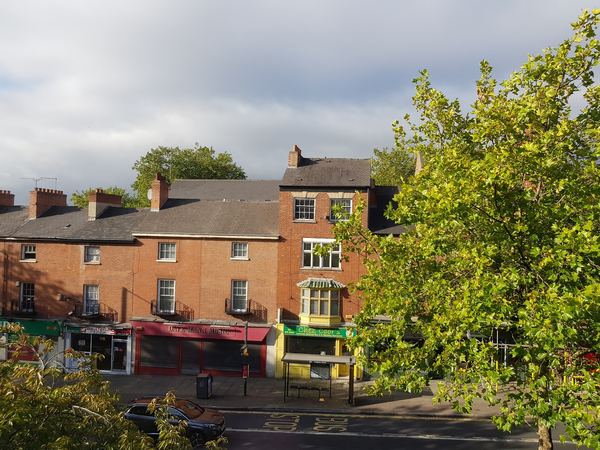 8.8
8.8
Mama's Inn Boutique Guest House
Shakespeare Street, city centre
from £75/night
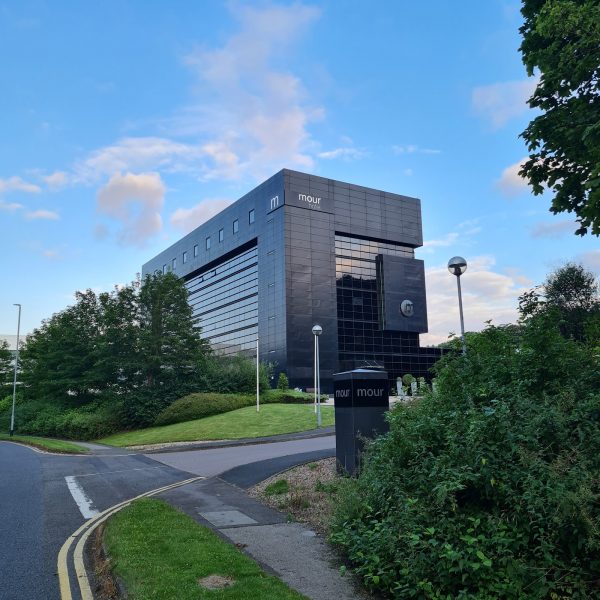
mour Hotel
Lake View Drive, Nottingham
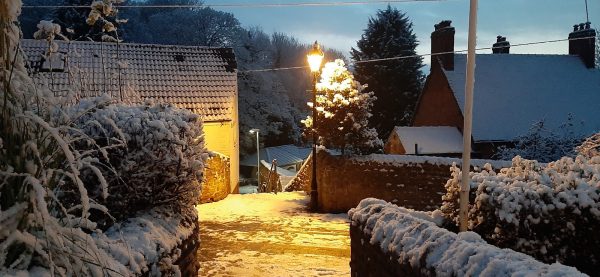
Nelson & Railway Inn
12 Station Road, Nottingham
Things to Do in Nottingham(51)
All attractions in Nottingham →Top things to do in Nottingham
The city centre and its immediate surroundings hold enough to fill several days without needing a car.
- Nottingham Castle occupies the sandstone rock above the city and now houses a museum covering the Robin Hood legend, the city's rebel history and its lace and industrial past, alongside grounds with wide views over the rooftops.
- City of Caves, entered through the Broadmarsh shopping centre, is a network of man-made sandstone caverns used over the centuries as tanneries, air-raid shelters and slum dwellings, and gives the clearest sense of the hidden city beneath the streets.
- Ye Olde Trip to Jerusalem, built into the rock beneath the castle, is regularly cited as one of England's oldest pubs and is worth a visit for its cave-cut back rooms as much as its beer.
- The Lace Market rewards an unhurried walk past former Victorian warehouses, the restored Adams Building and St Mary's Church, now filled with independent shops, galleries and bars rather than lace merchants.
- National Justice Museum, housed in a former courthouse and gaol, lets visitors sit in the dock and walk the old cells while tracing the history of crime and punishment.
- Wollaton Hall and Deer Park, a few miles west of the centre, combines an Elizabethan prodigy house, a natural history museum and 500 acres of parkland grazed by red and fallow deer.
- National Water Sports Centre at Holme Pierrepont offers rowing, canoeing, white-water rafting and open riverside walking beside the Trent on the eastern edge of the city.
- Nottingham Contemporary, one of the largest contemporary art galleries outside London, sits on the edge of the Lace Market and shows free exhibitions year-round.

Where to Eat in Nottingham(511)
All restaurants in Nottingham →Food and drink in Nottingham
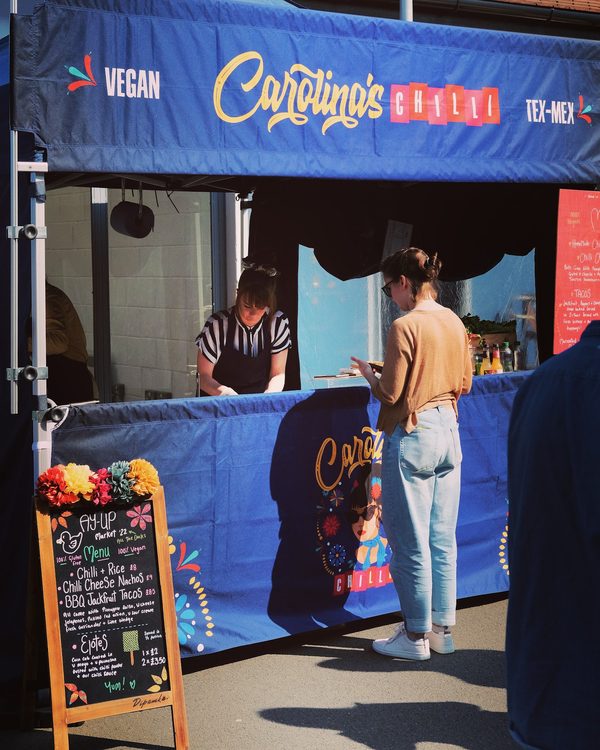
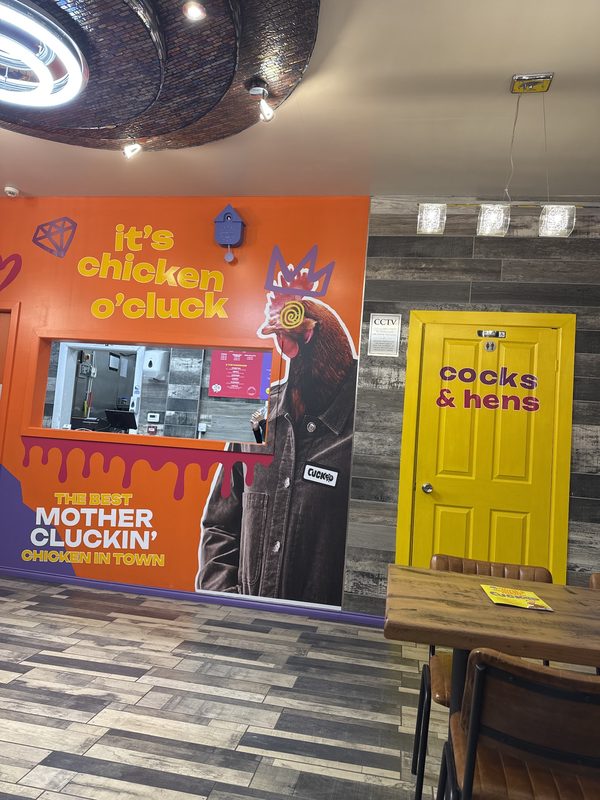
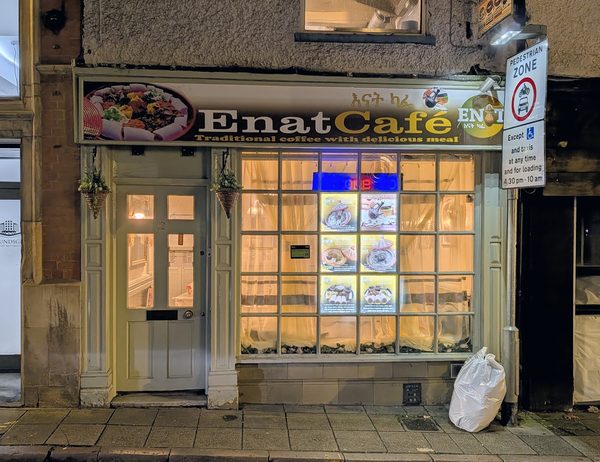
Nottingham's food scene has grown well beyond its historic reputation for Stilton, made just over the county border, and the Bramley apple, which originated from a tree still standing in Southwell. Hockley and the Lace Market hold the highest concentration of independent restaurants and bars, from long-standing curry houses to newer small-plates openings, while the Cornerhouse and the Old Market Square area cover the bigger chain restaurants and late bars. Sneinton Market, redeveloped around independent studios and food stalls, is worth a visit for weekend street food and the Nottingham Vegan Market held there periodically. The city's pub heritage runs deep: alongside Ye Olde Trip to Jerusalem, the Malt Cross on St James's Street occupies a restored Victorian music hall, and a cluster of real ale pubs around the Lace Market keep the city's brewing tradition, once dominated by the Shipstone's and Home breweries, alive through smaller modern producers. Victoria Centre Market and the Flying Horse Walk arcade add further options for a slower browse between meals.


Attractions Near Nottingham
All attractions in Nottingham →Worth the trip — within 50 miles of Nottingham.
 4 mi
4 mi
TeamSport Indoor Karting Nottingham
Netherfield · ⭐ 4.5
 5 mi
5 mi
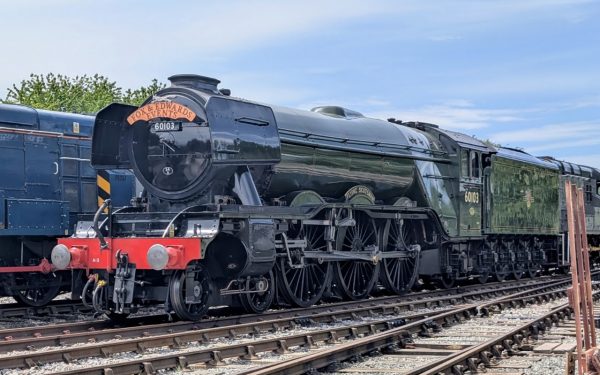
Great Central Railway Nottingham
Ruddington · ⭐ 4.5
 6 mi
6 mi
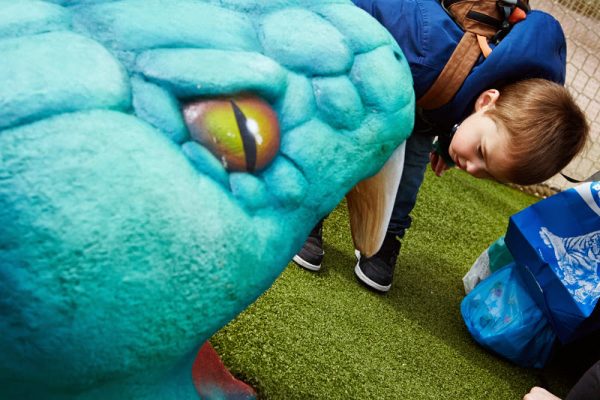
Mr Mulligan's Pirate Golf Nottingham
Calverton · ⭐ 4.4
 6 mi
6 mi
Little Mouse Pottery
Keyworth · ⭐ 4.9
 7 mi
7 mi
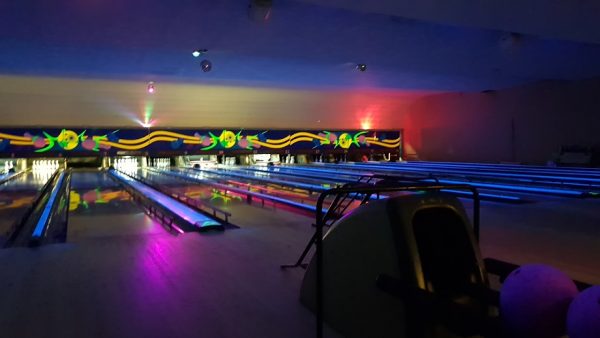
MFA Bowl Ilkeston
Ilkeston · ⭐ 3.6
 7 mi
7 mi
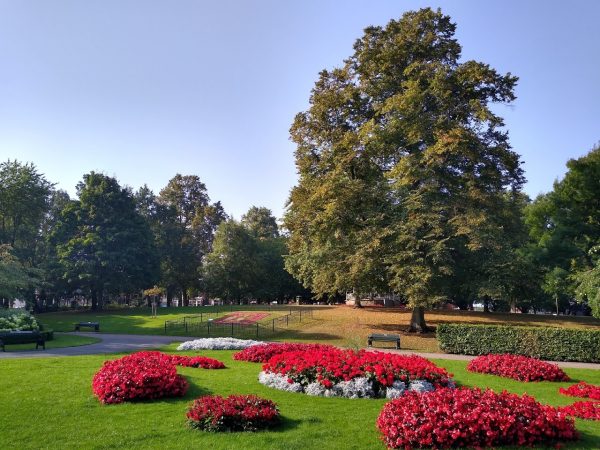
Victoria Park Ilkeston
Ilkeston · ⭐ 4.6
 9 mi
9 mi
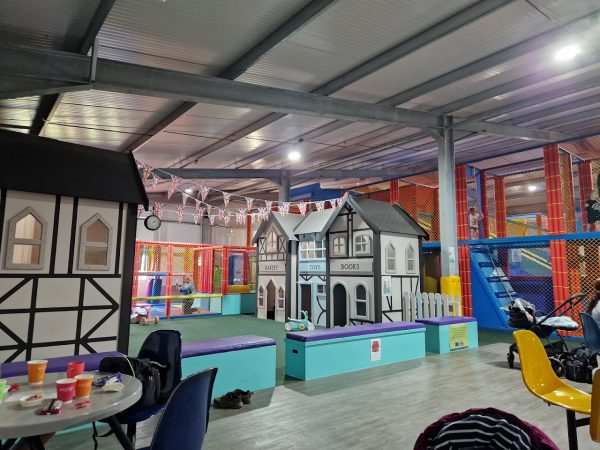
Manor Farm and Woodlands
Loughborough · ⭐ 4.6
 10 mi
10 mi
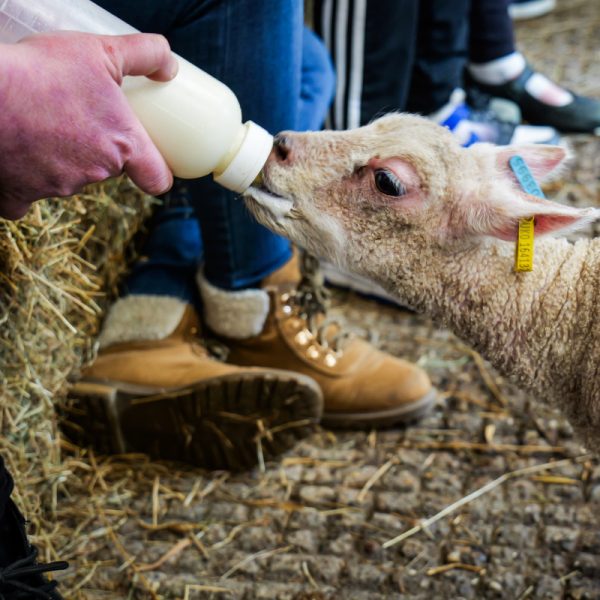
Bluebell Dairy
Derby · ⭐ 4.5
Camping in Nottingham(14)
All campsites in Nottingham →About camping in Nottingham
Nottingham itself is a dense, sandstone-built city rather than a camping destination, but open country starts within a few miles in most directions, particularly south-east towards the Vale of Belvoir and along the flat, riverside land bordering the Trent. Sites here tend towards touring and family camping rather than wild, remote pitches, set on working farms or beside the water sports facilities at Holme Pierrepont, and most are geared towards caravans and motorhomes as much as tents. Sherwood Forest and the wider Dukeries lie further north and offer a woodland alternative for anyone happy to drive half an hour or so out of the city.
Wild camping has no general legal standing in England outside a small area of Dartmoor, and Nottinghamshire's farmland and country parks are all either privately owned or managed by the county council, so pitching up without permission is not an option here; the campsites below are the realistic way to camp near the city. The Trent valley's flat, low-lying ground means sites can hold water after heavy rain, so spring and fine summer weeks are generally the most comfortable, while the flatness that makes for occasional mud also means excellent, easy cycling and walking on the doorstep. Most sites run from spring through to early autumn, with a handful open to caravans and motorhomes year-round; June to September gives the most reliable weather and the fullest facilities, including any seasonal shops or cafes on site.
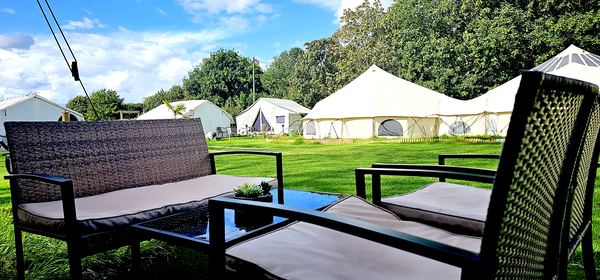
Bell Tent Village Parks
⭐ 4.8
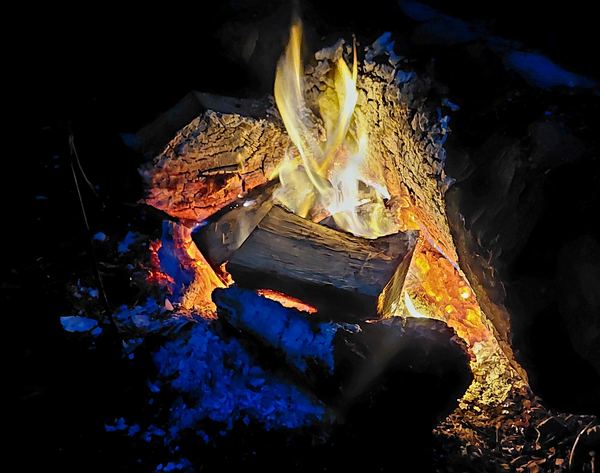
Belvoir Waters
⭐ 4.5 · from £30/night
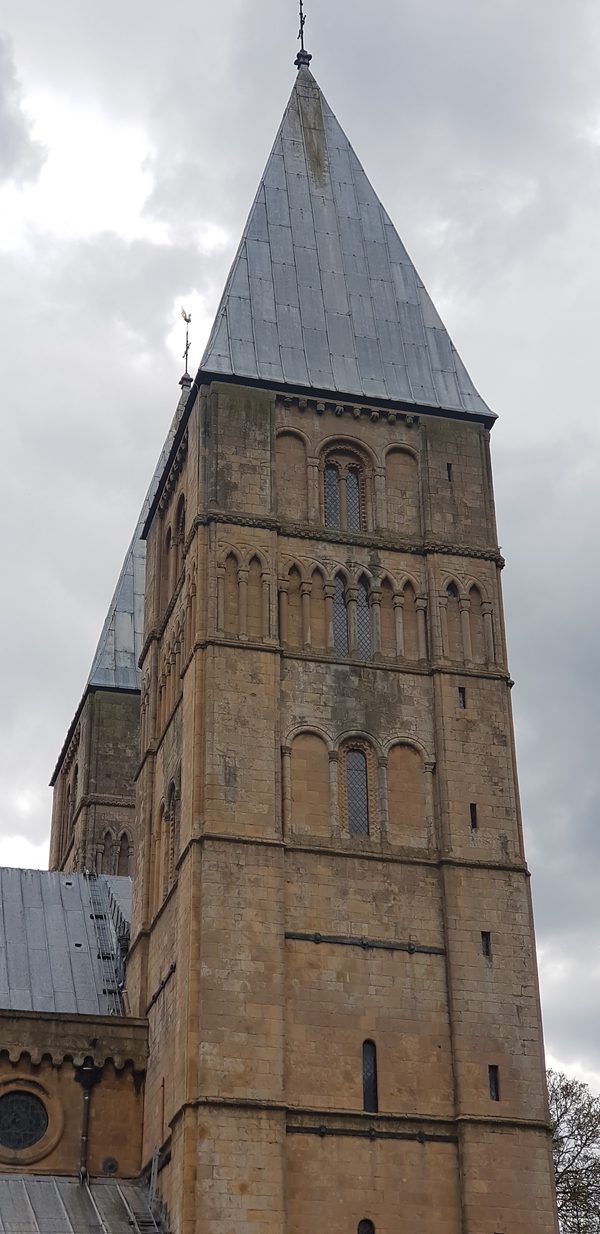
Boat Lane Caravan and Camping Site
⭐ 4.2 · from £25/night
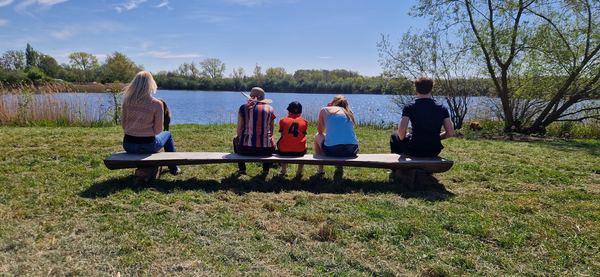
Copper Fox Camping
⭐ 4.0 · from £20/night
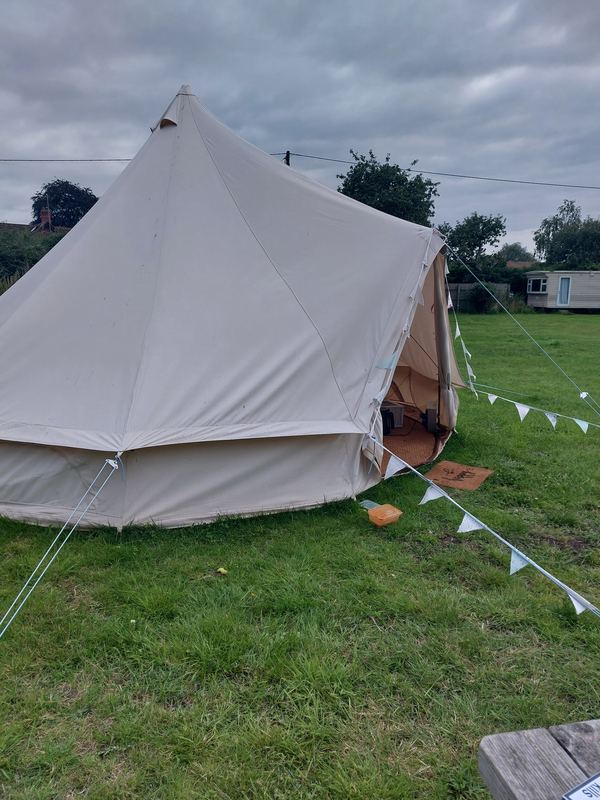
Gunthorpe Camping
⭐ 4.2 · from £30/night
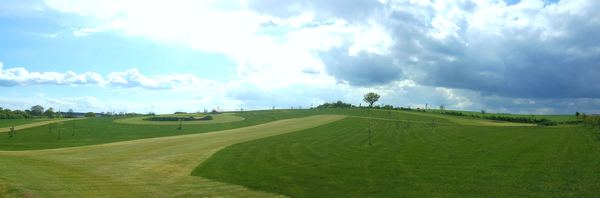
Haywood Oaks
⭐ 4.6
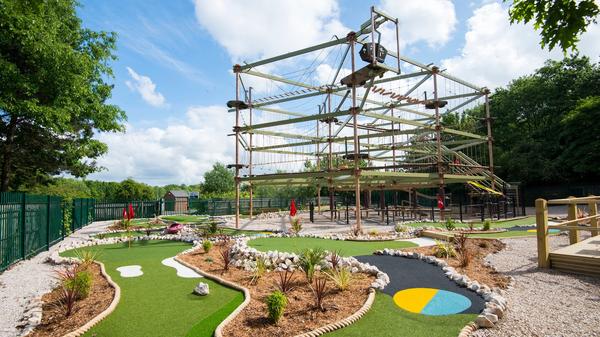
Holme Pierrepont Country Park Campsite
⭐ 4.3 · from £22/night
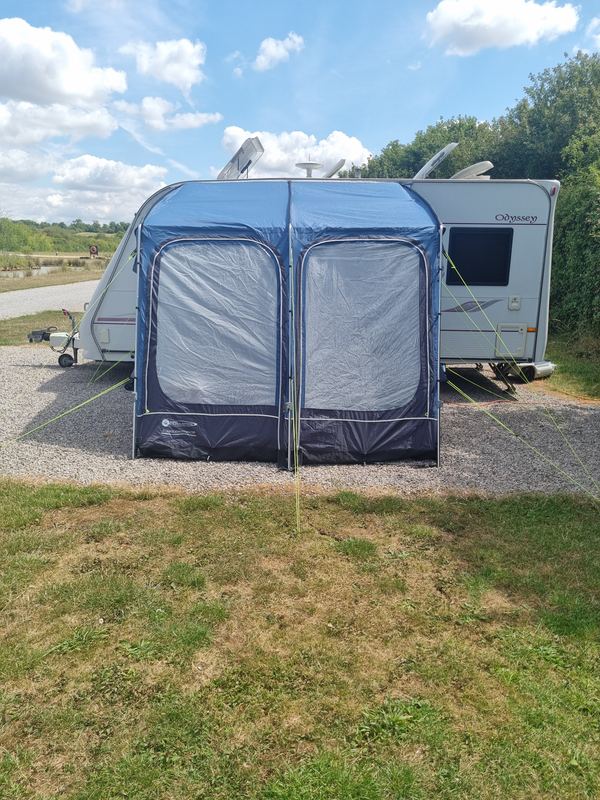
Janson Fishery Caravan and Camping
⭐ 4.6 · from £28/night
Self-Catering Cottages in Nottingham(3)
All cottages in Nottingham →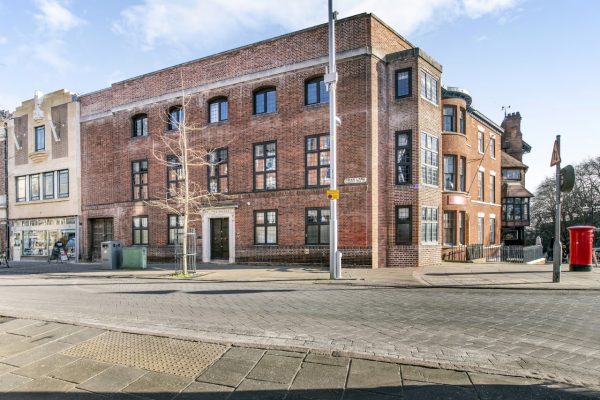
Castle House
6 bed · sleeps 12 · from £5,490
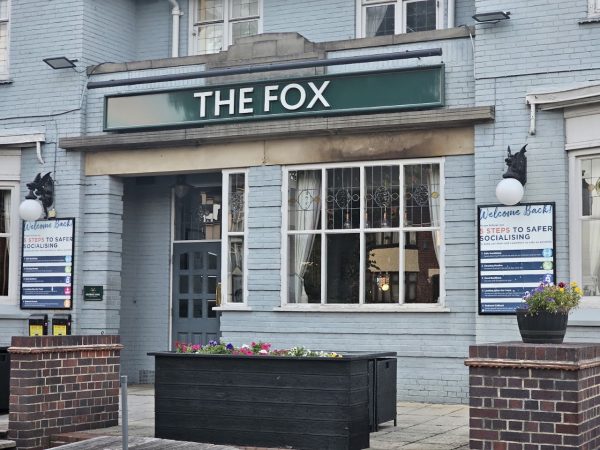
Fox Hollow
6 bed · sleeps 12 · from £6,435
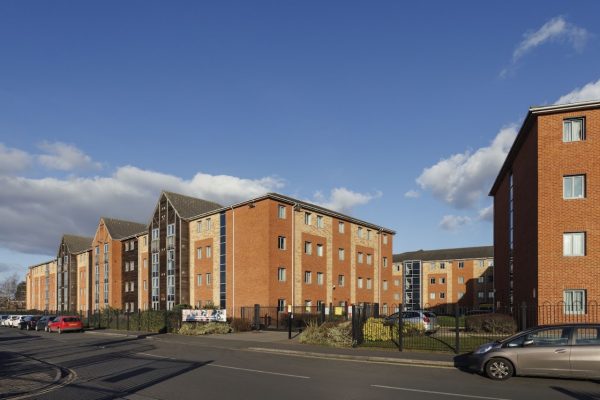
St Peters Apartment
1 bed · sleeps 2 · from £611
Davies House
4 bed · sleeps 8 · from £1,007
Grange House
5 bed · sleeps 12 · from £1,212
Fieldfare
2 bed · sleeps 4 · from £1,491
Acres View
2 bed · sleeps 4 · from £771
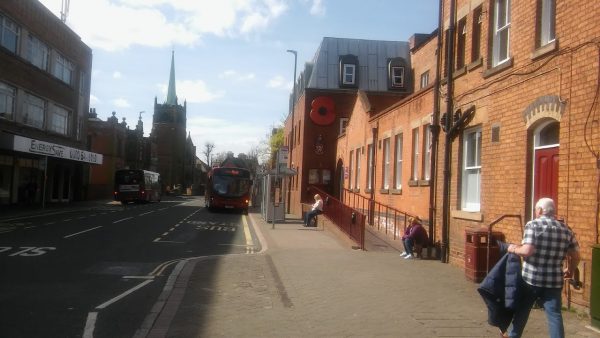
Collis House Annex
2 bed · sleeps 4
Common questions about Nottingham
How many campsites are there in Nottingham?
We list 14 campsites in and around Nottingham, of which 13 take tents and 7 offer glamping.
Are there dog-friendly campsites in Nottingham?
Yes — 7 of the 14 campsites we list in Nottingham accept dogs, including Milestone Caravan Park and Rockingham Certificated Location.
Which campsites in Nottingham have electric hook-up?
9 of the 14 campsites we list in Nottingham offer an electric hook-up.
How many holiday cottages are there in Nottingham?
We list 3 self-catering cottages in and around Nottingham.
Are there large holiday cottages in Nottingham for groups?
Yes — the largest cottage we list in Nottingham sleeps 12.
Where can I stay in Nottingham?
We list 73 hotels, B&Bs and guest houses in and around Nottingham. Prices start from around £75 a night.
What is there to do in Nottingham?
We list 51 attractions and things to do in and around Nottingham.
Where can I eat in Nottingham?
We list 511 restaurants, pubs and cafes in and around Nottingham.