Oxford
Dreaming spires, riverside meadows and quiet quadrangles
Photo © Viktor Forgács (Sonance), Google Maps
Oxford stands where the Cherwell slides into the Thames, about fifty-five miles north-west of London on the flat gravel terraces between the Cotswold hills and the Chilterns. The name is literal: this was the ford where oxen crossed, a Saxon river town that grew into a place of learning almost by accident when English scholars, barred from Paris in the twelfth century, settled here and never left. The result is a city where the buildings are the attraction. Thirty-nine colleges, most of them arranged around enclosed quadrangles, are threaded through streets barely wider than they were in the Middle Ages, and the whole ensemble is built from a soft, biscuit-coloured limestone that turns almost golden in low sun.
What surprises most first-time visitors is the scale. Oxford's historic core is genuinely small, a rough oval you can walk end to end in twenty-five minutes, and there is no single campus to find because the university is scattered everywhere. You turn off a busy shopping street through an unmarked archway and find yourself in a silent seventeenth-century courtyard with a lawn nobody is allowed to walk on. That constant switching between public bustle and private calm is the defining rhythm of a visit here, and it is why Oxford rewards wandering more than it rewards a fixed itinerary.
It is also a real working city rather than a museum piece. Around 160,000 people live here, and only a fraction of them are students. There are two large hospitals, a car plant at Cowley that has built Minis since the 1990s and Morrises long before that, science parks along the ring road, and a genuinely good independent food and music scene along the Cowley Road. Add water meadows that come right up to the city walls and a canal running north through Victorian terraces, and you have somewhere that works equally well as a two-day break, a walking weekend, or a base for the Cotswolds and the Thames Valley.
Getting to Oxford
Trains are the obvious choice. Great Western Railway runs from London Paddington in around fifty-five to seventy minutes depending on the stopping pattern, and Chiltern Railways runs a slightly slower service from London Marylebone that also calls at Oxford Parkway, a park-and-ride station on the northern edge of the city. From Birmingham the journey takes about an hour and a quarter, and there are direct CrossCountry services from Bournemouth, Reading, Banbury and the north. Oxford station sits a five-minute walk west of the centre.
By road, Oxford is reached from the M40 at junction 8 southbound or junction 9 northbound, then the A40 or A34. The A420 comes in from Swindon and the A34 links the city to the M4 in the south and the Midlands in the north. What matters far more than the route is what you do with the car at the end of it. The historic centre has very limited parking, a network of bus gates and traffic filters, and a low-emission zone; driving into it is slow and largely pointless. Use one of the five Park and Ride sites instead - Pear Tree and Water Eaton to the north, Thornhill to the east, Seacourt to the west and Redbridge to the south - where you leave the car cheaply and take a frequent bus in.
Coaches are a genuinely competitive option: the Oxford Tube runs from London Victoria roughly every fifteen minutes and around the clock, taking about an hour and forty minutes. For airports, the Airline coach connects Oxford directly with Heathrow in about ninety minutes and Gatwick in around two and a quarter hours, running through the night. Birmingham Airport is roughly an hour and a quarter by train via Coventry or by car.
Best time to visit Oxford
Spring is arguably the best of it. The Broad Walk and the Botanic Garden come into flower, the colleges are in Hilary and Trinity terms so the city feels properly alive, and prices have not yet climbed to summer levels. The one date to know is 1 May, when the Magdalen College choir sings from the top of the tower at six in the morning to a crowd of several thousand on the bridge below, and the pubs open early.
Summer brings the longest opening hours, the best punting weather and the college gardens at their peak, but it is also the busiest and most expensive stretch, and some colleges close to visitors during exams in late May and June or hand their rooms over to conferences in July and August. Book accommodation well ahead for late June, when graduation ceremonies fill the city.
Autumn is the quiet favourite. Michaelmas term begins in October, the tourist crush thins out, mist sits on the Cherwell in the early morning and the limestone looks its best under a low sun. Rates dip noticeably between the end of the school holidays and the start of December.
Winter is cold, often damp and sometimes flooded around Port Meadow, but the city handles it well. There is a Christmas market on Broad Street, carol services in the college chapels that are open to the public, and museums that are free, warm and half empty. January and February are the cheapest months to stay by a wide margin.
Where to stay in Oxford(99)
All hotels in Oxford →About staying in Oxford
Oxford is a small city with a very uneven spread of beds, and where you sleep changes the shape of a visit more than it would in most places. The historic core is compact enough that almost nothing inside the ring of colleges is more than ten minutes on foot from anything else, so a central room buys you the ability to come back to it mid-afternoon, drop your bags and go out again - which matters more than it sounds when the museums and college openings are scattered across the day.
The grandest addresses are the converted townhouses and coaching inns on the High Street, St Giles' and Beaumont Street. These are period buildings with the quirks that implies: sloping floors, awkward staircases, rooms that vary enormously between the cheapest and the best. They are also the properties with the good restaurants attached, and in a city where the best tables book out weeks ahead during term that is a real advantage. Expect to pay a clear premium, and expect parking to be limited, chargeable and sometimes off-site.
The mid-range sits slightly out from the middle - the Banbury and Woodstock roads to the north, Iffley and Abingdon roads to the south, and the streets around the station. These are largely Victorian villas converted into hotels, with a handful of chain properties near the river and the business park. You lose a few minutes' walking and gain both space and value, and the northern approaches in particular have very frequent buses.
Bed and breakfasts and guest houses are the traditional Oxford answer and there are still a good number of them, concentrated in Headington to the east, along the Abingdon Road and in the residential streets north of Summertown. They are typically family-run, breakfast is included and taken properly, and many have off-street parking, which is the single most useful thing you can have here if you are driving.
Whenever you come, book early for late June, when graduation ceremonies fill every room in the city, and for the start of the academic year in early October.
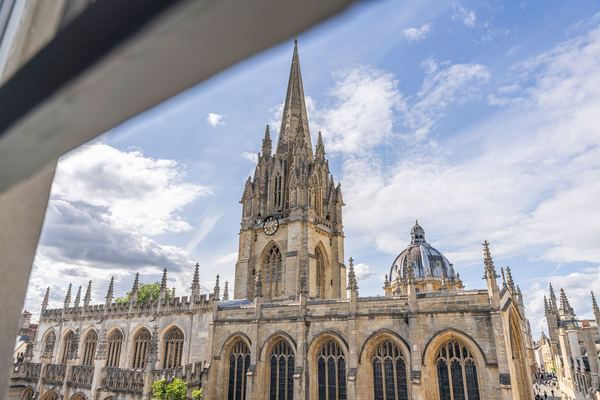 9.1
9.1
Old Bank Hotel
High Street, central Oxford
from £265/night
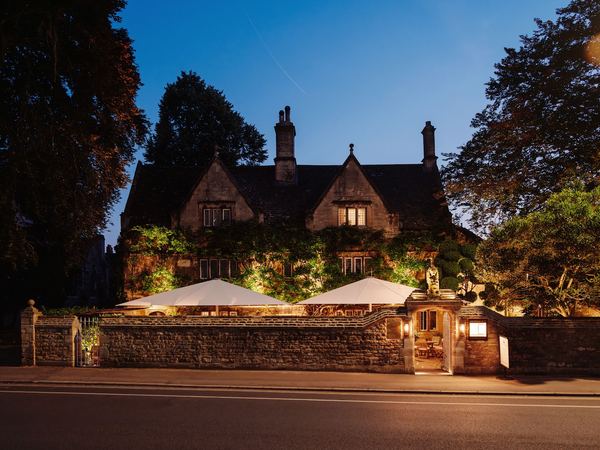 9.0
9.0
Old Parsonage Hotel
Banbury Road, north of the centre
from £285/night
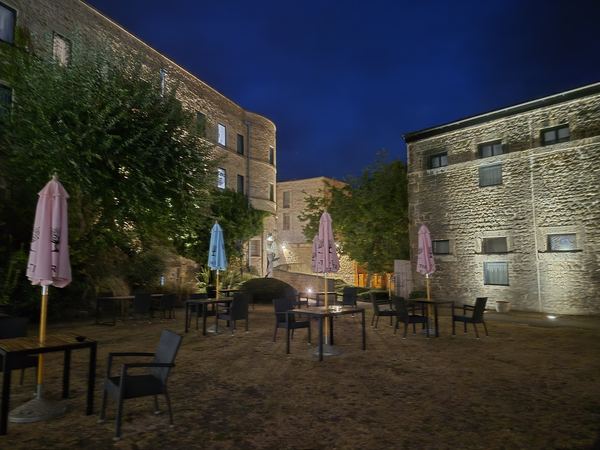 8.4
8.4
Malmaison Oxford
Oxford Castle quarter, near station
from £175/night
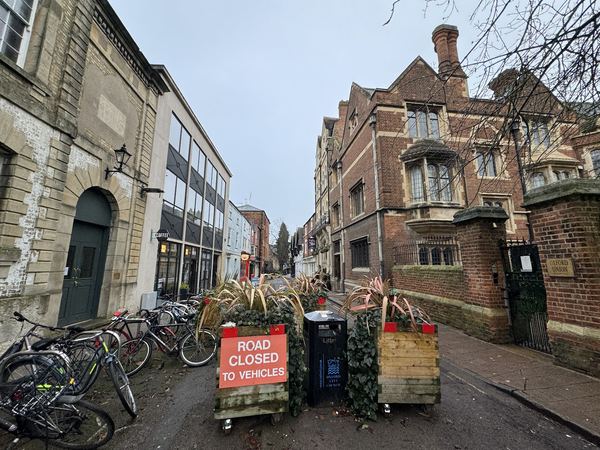 8.4
8.4
Vanbrugh House Hotel
St Michael's Street, city centre
from £160/night
 8.5
8.5
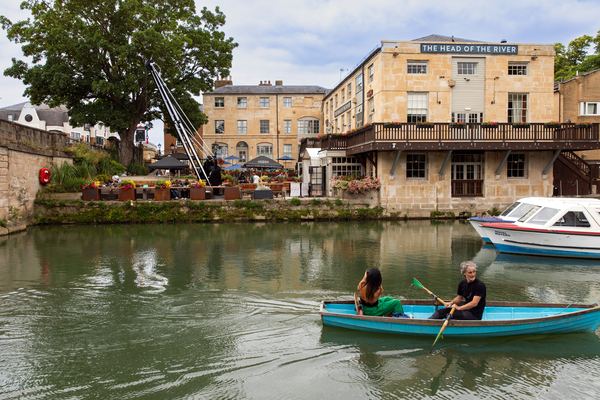
The Head of the River
Folly Bridge, on the Thames
from £130/night
 8.6
8.6
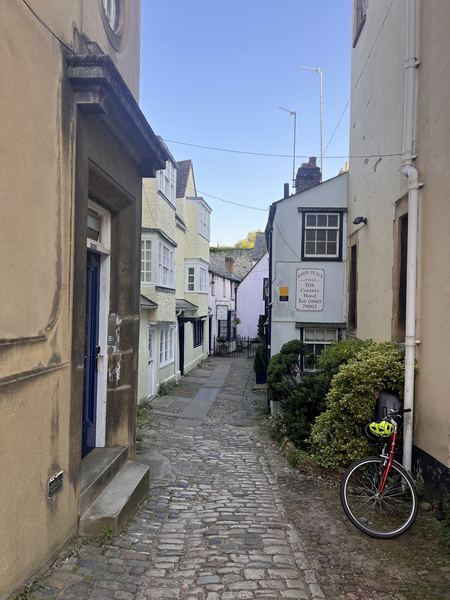
Bath Place Hotel
Holywell Street, beside the city wall
from £135/night
 9.0
9.0
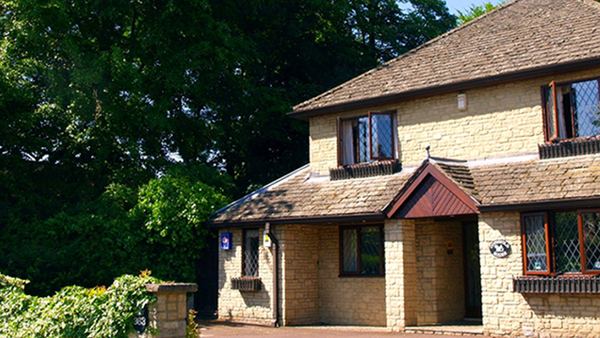
Cotswold House Oxford
Banbury Road, North Oxford
from £105/night
 8.8
8.8
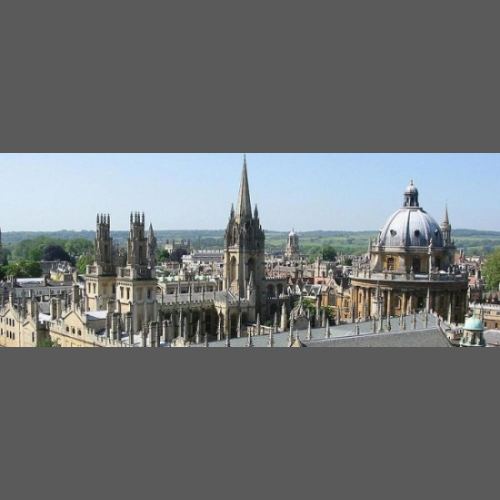
Remont Oxford
Banbury Road, North Oxford
from £110/night
Things to Do in Oxford(39)
All attractions in Oxford →Top things to do in Oxford
Much of Oxford is free to look at from the street, but a handful of places justify the ticket price and the queue.
- The Bodleian Library and Radcliffe Camera - one of the oldest libraries in Europe and still a legal deposit collection. Guided tours take you into the fifteenth-century Duke Humfrey's Library and the medieval Divinity School with its extraordinary vaulted ceiling; the domed Radcliffe Camera next door is the single most photographed building in the city.
- Christ Church - the grandest of the colleges, with a cathedral doubling as its chapel, the Great Hall that inspired countless film sets, and a picture gallery holding drawings by Michelangelo and Raphael. Its meadow, open free of charge, runs down to the Thames and is the best short walk in Oxford.
- The Ashmolean Museum - Britain's first public museum, opened in 1683 and rebuilt behind its classical facade into a bright, well-lit modern gallery. Entry is free and the collection ranges from Minoan pottery and Egyptian mummies to Powhatan's mantle and a fine room of Pre-Raphaelites.
- The Pitt Rivers Museum - reached through the Victorian iron-and-glass hall of the Oxford University Museum of Natural History, this is an anthropological collection arranged by type rather than by region, crammed into dim wooden cases. It is unlike any other museum in the country and it is also free.
- Punting on the Cherwell - hire a flat-bottomed boat and a pole from Magdalen Bridge Boathouse or the Cherwell Boathouse in north Oxford and push yourself upstream past the Botanic Garden and the deer park. Expect to be bad at it for the first twenty minutes; almost everyone is.
- The tower of the University Church of St Mary the Virgin - a tight spiral stair on the High Street opens onto the best view in Oxford, looking straight down into the Radcliffe Camera's dome with the spires and quadrangles laid out around it.
- The Covered Market - trading since 1774 and still a working market rather than a food court, with butchers hanging game in the window, a cobbler, a milliner, cake shops and a scatter of small cafes tucked between them.
- Port Meadow - an ancient common north-west of the centre that has never been ploughed, grazed by horses and cattle and prone to flooding into a temporary lake in winter. Walk the towpath to the riverside pubs at Binsey and Wolvercote and back.
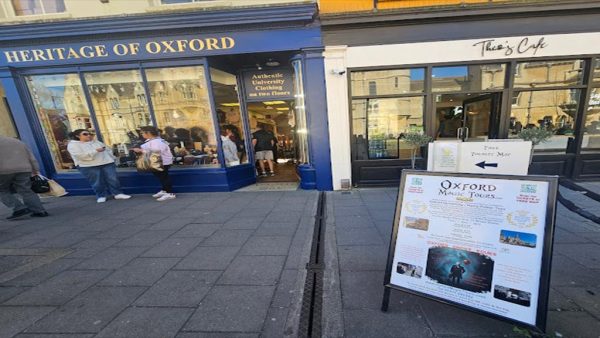
Oxford Magic walking tours
⭐ 5.0

Escape Hunt Oxford
⭐ 4.9
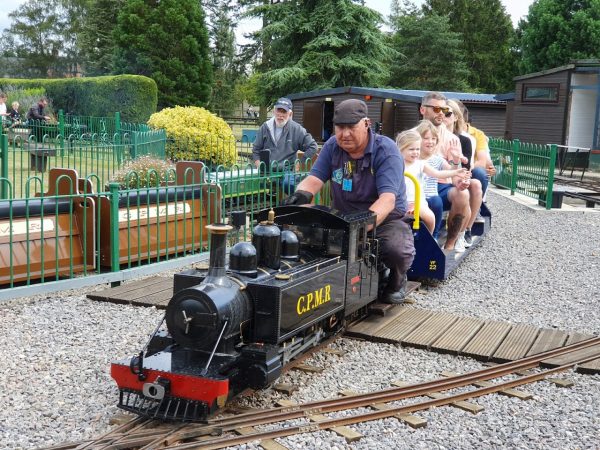
Cutteslowe Park and Miniature Railway
⭐ 4.8
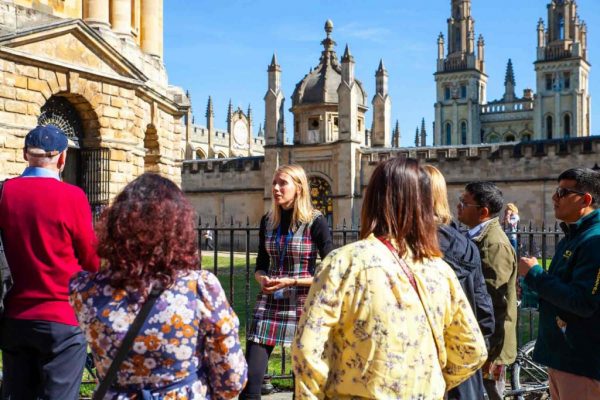
Footprint Tours Oxford
⭐ 4.8
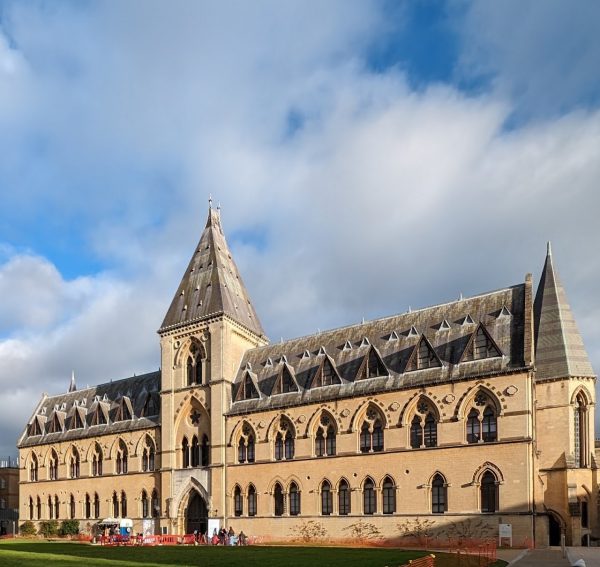
Oxford University Museum of Natural History
⭐ 4.8
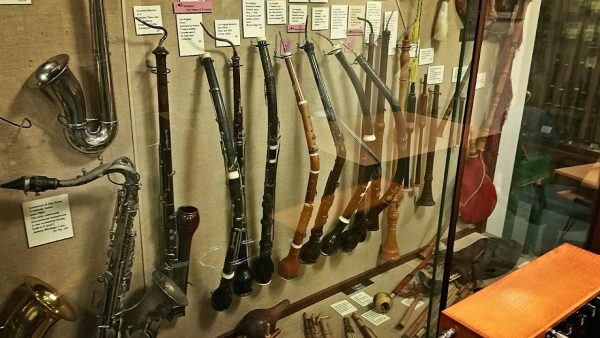
Bates Collection of Musical Instruments
⭐ 4.7

LaserGaming Oxford
⭐ 4.7
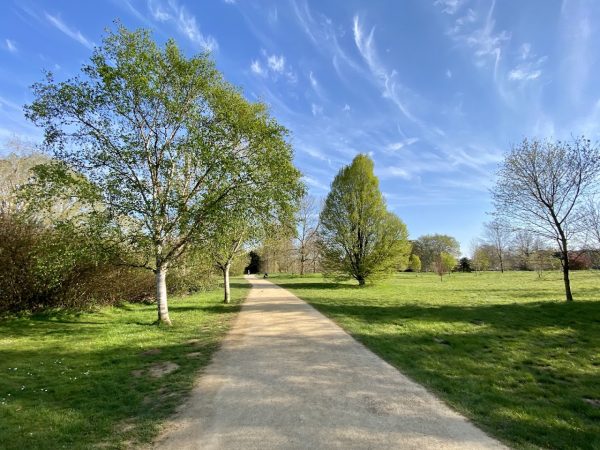
Natural Wanders Challenge - University Parks, Oxford
⭐ 4.7
Where to Eat in Oxford(91)
All restaurants in Oxford →Food and drink in Oxford
Two things here are genuinely local. Oxford marmalade, dark and thick-cut, was first made commercially by Frank Cooper's wife in a High Street shop in the 1870s and is still sold in the city. The Oxford sausage, heavy on herbs and traditionally made with a mix of pork and veal, survives at the butchers' counters in the Covered Market, which is also where you should go for cheese, game, cakes and a proper fry-up at one of its long-standing cafes.
The pubs carry more of the city's history than the restaurants do. The Turf Tavern is buried down an alley off Holywell Street beneath the old city wall and is difficult to find on purpose. The Bear Inn claims a history going back to the thirteenth century and has thousands of snipped-off club ties pinned to its ceiling. The Lamb and Flag on St Giles' closed in 2021 and was reopened by a community-backed trust. Out at the edges, The Perch at Binsey and The Trout at Wolvercote are the two riverside pubs worth the walk across Port Meadow, both with big gardens and food that goes well beyond the usual.
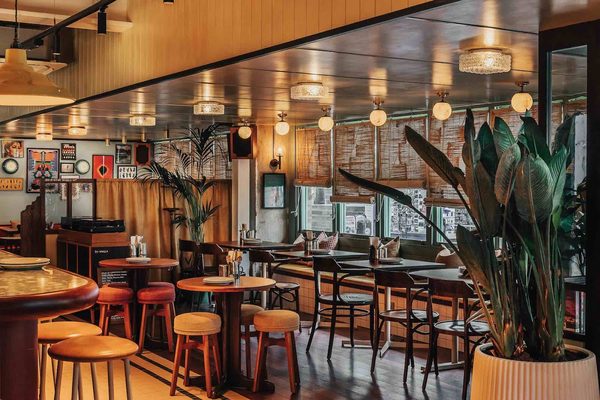
For sit-down meals, Quod on the High Street is a reliable modern brasserie in a former bank, Gee's in a Victorian glasshouse on the Banbury Road does wood-fired Mediterranean cooking, and the Cherwell Boathouse pairs a serious wine list with a terrace over the river. The Cowley Road is where to go for value and variety - Arbequina for small Spanish plates and Oli's Thai among the most sought-after tables in the city. For a quick lunch, the Vaults and Garden cafe occupies a fourteenth-century room beside the Radcliffe Camera. Gloucester Green hosts a street food and antiques market several days a week, and Tap Social Movement, a brewery on the western edge of the city that employs prison leavers, is the pick of the local beer.




Attractions Near Oxford
All attractions in Oxford →Worth the trip — within 50 miles of Oxford.
 5 mi
5 mi
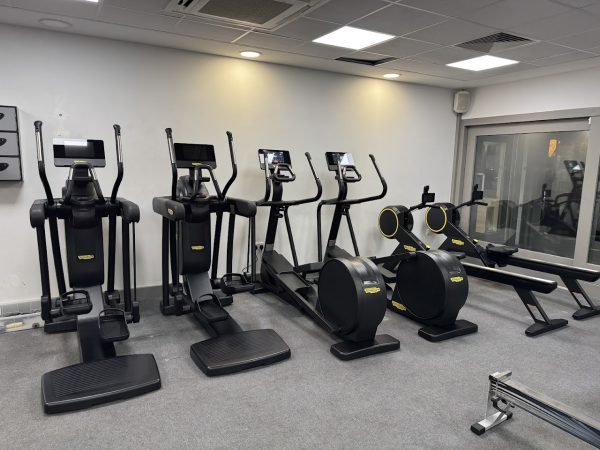
Park Sports Centre
Holton · ⭐ 4.3
 5 mi
5 mi
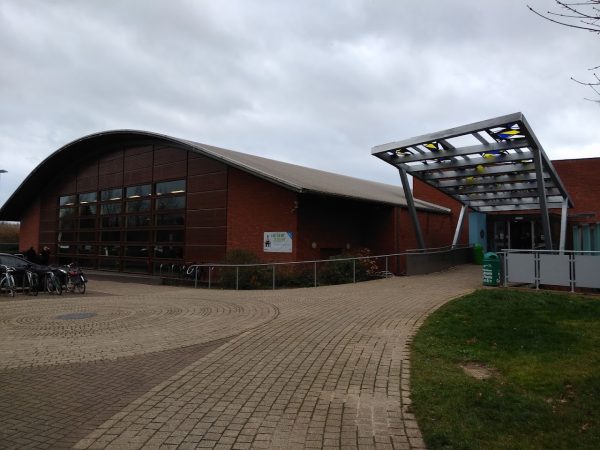
White Horse Leisure & Tennis Centre
Abingdon · ⭐ 4.0
 6 mi
6 mi
Snakes & Ladders Abingdon
Abingdon · ⭐ 4.1
 6 mi
6 mi
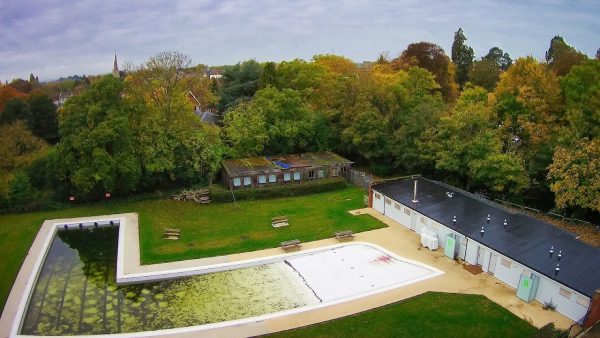
Abbey Meadow Open Air Swimming Pool
Abingdon · ⭐ 4.2
 7 mi
7 mi
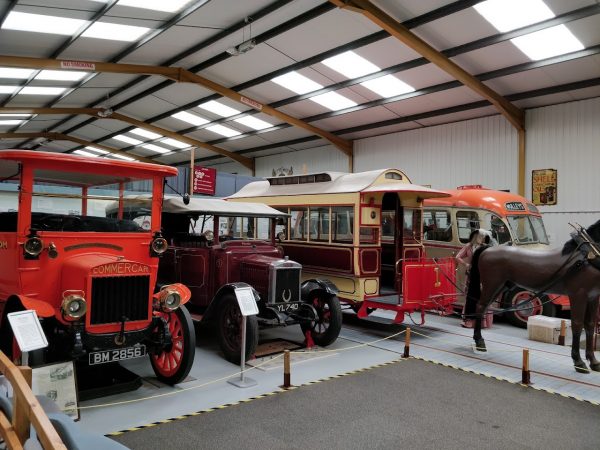
Oxford Bus Museum and Morris Museum
Witney · ⭐ 4.7
 8 mi
8 mi
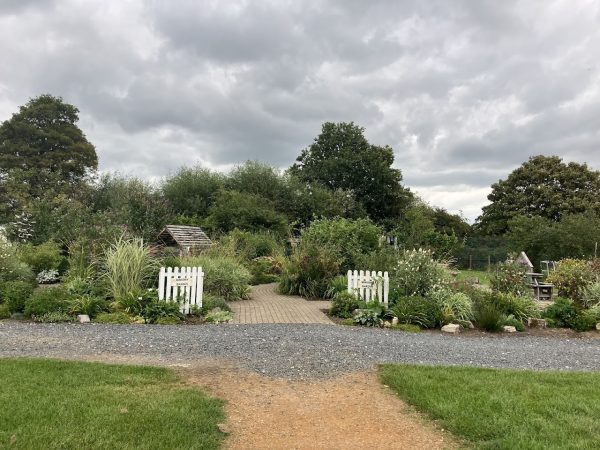
Thomley
Aylesbury
 8 mi
8 mi
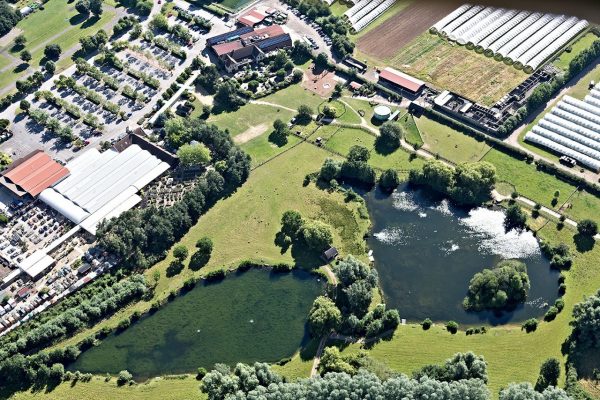
Millets Farm Centre
Abingdon · ⭐ 4.6
 8 mi
8 mi
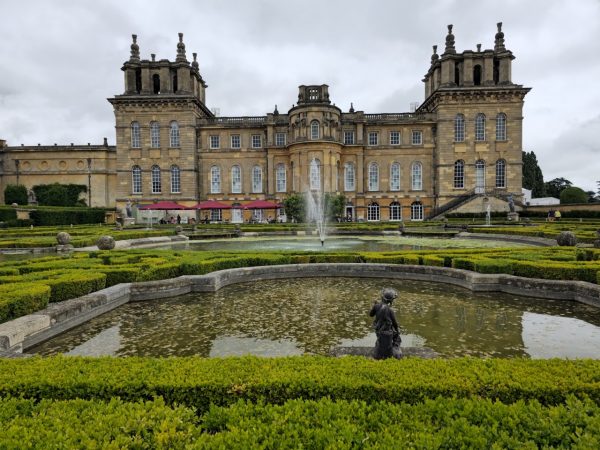
Blenheim Palace
Woodstock · ⭐ 5.0
Camping in Oxford(6)
All campsites in Oxford →About camping in Oxford
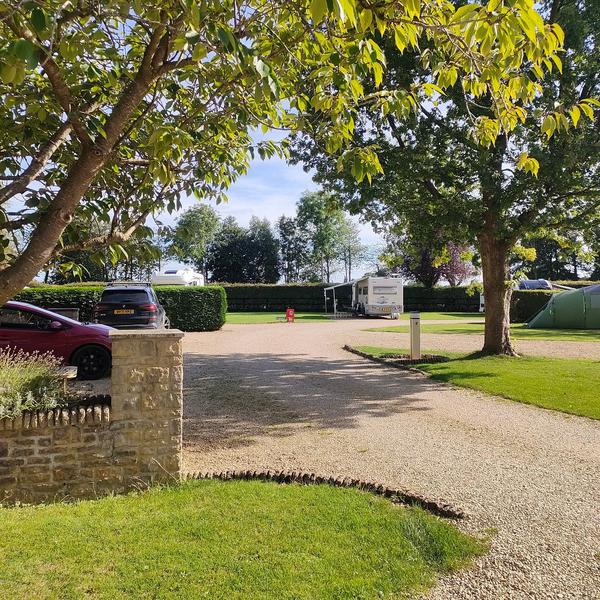
Oxford itself has almost no room for campsites - the land inside the ring road is either built on, owned by a college, or floodplain - so camping here means pitching in the villages and river valleys within a fifteen-mile ring and travelling in. That is less of a compromise than it sounds. The Park and Ride network is designed exactly for this, and one long-established club site sits close enough to the Abingdon Road that you can walk into the city along the Thames path in well under an hour.
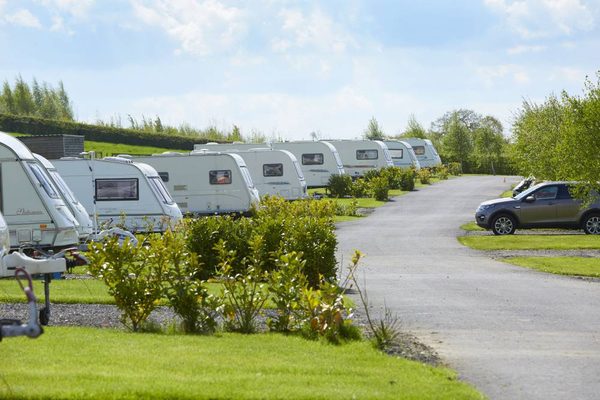
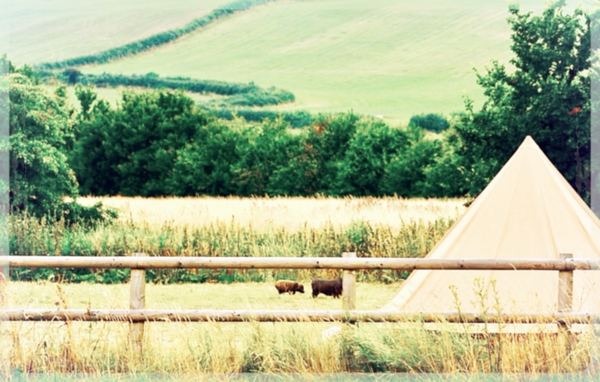
The terrain is gentle: this is the upper Thames valley, flat to softly rolling, with the Cotswold escarpment rising away to the west. Most pitches are level meadow grass, and hardstandings are common because the clay holds water. Several of the better sites occupy former gravel workings flooded into lakes, and nothing here is remote - you are rarely more than a mile from a village pub.
The weather is about as kind as England gets. Oxfordshire is among the drier and warmer counties, with roughly 650 millimetres of rain a year and summer highs commonly in the low to mid twenties. The catch is the rivers: the Thames, Cherwell, Windrush and Evenlode all flood in winter and after prolonged rain, so low-lying riverside sites can lose pitches at short notice, and almost every site in the area closes for the winter. The practical season runs from March or April to late October, with May, June and September the sweet spot - long days, dry ground and no school-holiday premium.
Wild camping is not legal in England without the landowner's permission and there is no exception here. Port Meadow, the college land and the Thames path are all off limits, and enforcement close to the city is active. Use a proper site, ask permission if you want to pitch on farmland, and if you are travelling the Thames by boat or canoe arrange a mooring through the Environment Agency or a riverside pub rather than pitching on the bank.
Self-Catering Cottages in Oxford(2)
All cottages in Oxford →The Burley
1 bed · sleeps 4
The Hopkins
2 bed · sleeps 6 · from £2,327
The Garden Room
1 bed · sleeps 2 · from £463
Mount View
sleeps 6 · from £1,547
Lomond Cottage
1 bed · sleeps 2 · from £527
Renwood
2 bed · sleeps 4 · from £647
Hive Mews
1 bed · sleeps 2 · from £437
The Dovecote
1 bed · sleeps 2 · from £513
Common questions about Oxford
How many campsites are there in Oxford?
We list 6 campsites in and around Oxford, of which 6 take tents and 1 offer glamping.
Are there dog-friendly campsites in Oxford?
Yes — 5 of the 6 campsites we list in Oxford accept dogs, including Lincoln Farm Park Oxfordshire and Greenhill Leisure Park.
Which campsites in Oxford have electric hook-up?
5 of the 6 campsites we list in Oxford offer an electric hook-up.
How many holiday cottages are there in Oxford?
We list 2 self-catering cottages in and around Oxford.
Where can I stay in Oxford?
We list 99 hotels, B&Bs and guest houses in and around Oxford. Prices start from around £105 a night.
What is there to do in Oxford?
We list 39 attractions and things to do in and around Oxford.
Where can I eat in Oxford?
We list 91 restaurants, pubs and cafes in and around Oxford.