Portmeirion
An Italianate village on the Welsh coast
Photo © Google Maps contributors, Google Maps
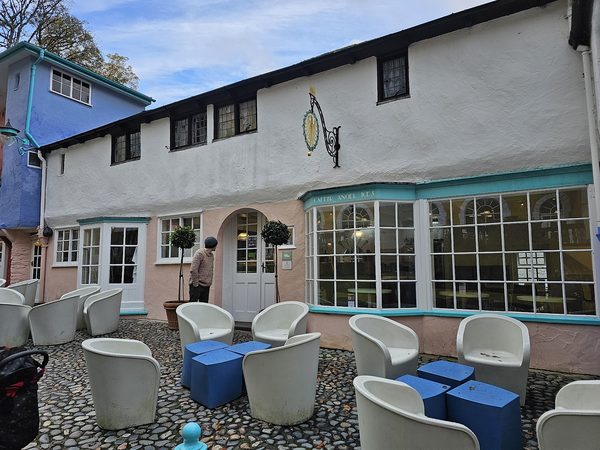
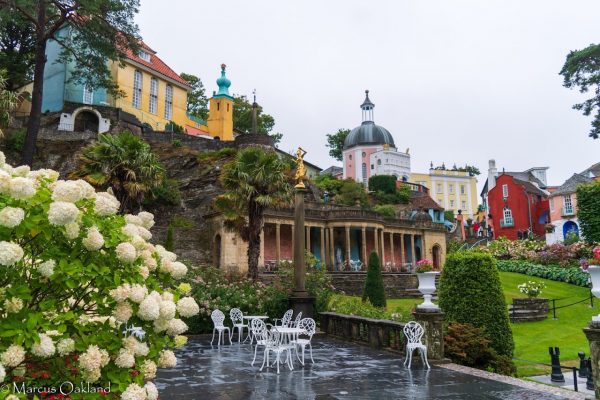
Portmeirion is a private Italianate village on the wooded shore of the Dwyryd estuary in Gwynedd, North Wales, built between 1925 and 1975 by the architect Sir Clough Williams-Ellis. He wanted to prove that a naturally beautiful site could be developed without spoiling it, and the result is a cluster of pastel-coloured campanili, colonnades and cottages gathered around a piazza, all set into subtropical woodland gardens that tumble down to tidal sands. It is unlike anywhere else in Wales, and unlike much else in Britain.
The village sits within its own estate near the small community of Minffordd, between Porthmadog and Harlech, with Snowdonia's mountains rising inland and the wide Dwyryd sands stretching out below the piazza at low tide. Portmeirion is best known internationally as the filming location for the 1960s television series The Prisoner, and cult fans still make the pilgrimage, but the village's appeal is much broader: its architecture, its gardens and its position on the coast path all reward a slow wander rather than a quick photograph.
Because Portmeirion is privately run as a combined visitor attraction and small holiday resort, a day ticket buys access to the whole site, including the gardens, shops, cafes and the beach below the village. Staying overnight, in the hotel, the castle or one of the village cottages, is the only way to see the piazza after the day visitors have gone home, when the lit buildings and quiet gardens feel closest to Clough Williams-Ellis's original vision.
Getting to Portmeirion
The nearest railway station is Minffordd, a request stop on the Cambrian Coast Line about a mile from Portmeirion's main gate; Porthmadog, two miles away, is the better-served station with more frequent services and a taxi rank. From London Euston, the journey typically means a train to Birmingham International or Wolverhampton and a change onto the scenic Cambrian Line via Shrewsbury and Machynlleth, or a change at Chester and a run down the coast via Pwllheli; either way, allow five to six hours door to door. Porthmadog is also the terminus of the Ffestiniog and Welsh Highland heritage railways, which link the town to Blaenau Ffestiniog and Caernarfon respectively.
By road, Portmeirion is signposted off the A487 at Minffordd, roughly midway between Porthmadog and Penrhyndeudraeth; the A470 and A496 connect from Harlech and the south, and the A55 expressway along the North Wales coast is the usual approach from Chester and the motorway network further east. The drive from Manchester takes around two and a half hours, and from Birmingham around three and a half. On-site parking is available just outside the village gatehouse, a short walk from the piazza. The nearest airports are Liverpool John Lennon, about ninety miles away, and Manchester, slightly further, both requiring a hire car or rail connection to complete the journey.
Best time to visit Portmeirion
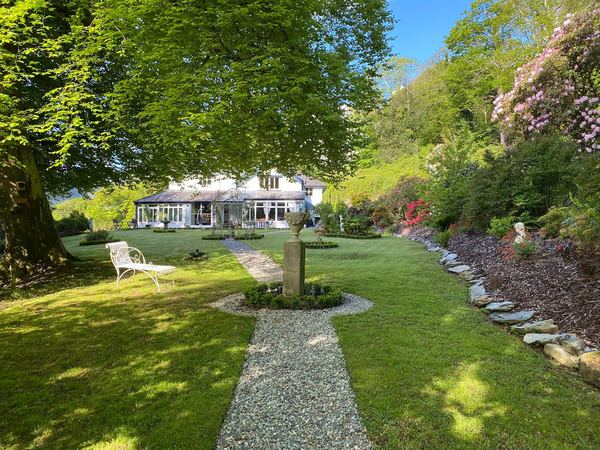
Spring, from April into May, is when the gardens are at their best, with rhododendrons, azaleas and camellias flowering through the woodland walks and the village at its quietest before the main summer crowds arrive. Summer brings the longest days and the busiest piazza, with day-trip coach parties and family holidaymakers filling the village between late morning and mid-afternoon; staying overnight is the best way to enjoy the site outside those hours. Autumn, particularly October, turns the tree canopy over the gardens gold and copper and pairs well with a stay that also takes in the Snowdonia hills further inland. Winter is the quietest season, with shorter opening hours and some facilities scaled back, but the village's pastel buildings against grey estuary skies have their own appeal, and overnight guests often have the piazza almost to themselves.
Where to stay in Portmeirion(6)
All hotels in Portmeirion →About staying in Portmeirion
 8.8
8.8
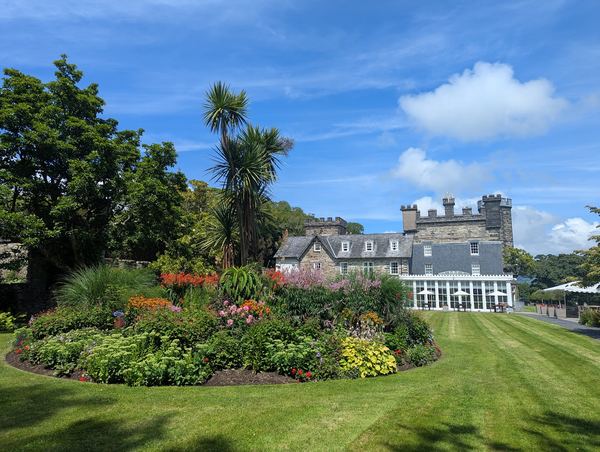
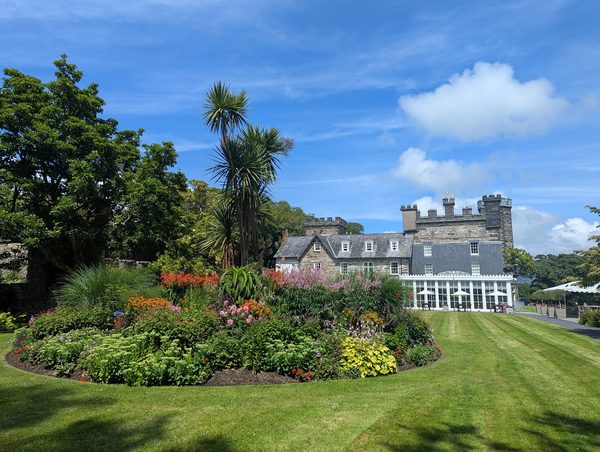
Castell Deudraeth
Victorian castellated mansion by the Portmeirion gatehouse
from £159/night
 8.6
8.6
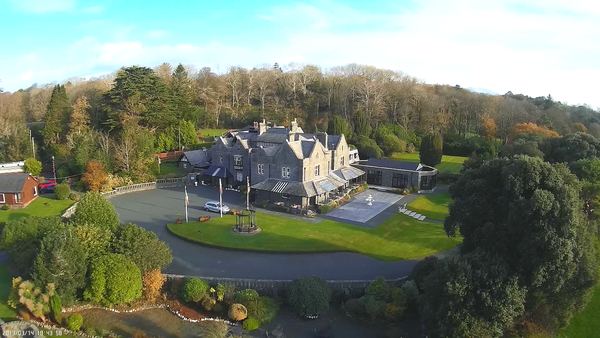
Bron Eifion Country House Hotel
Criccieth, Llŷn Peninsula coast
from £145/night
 8.7
8.7
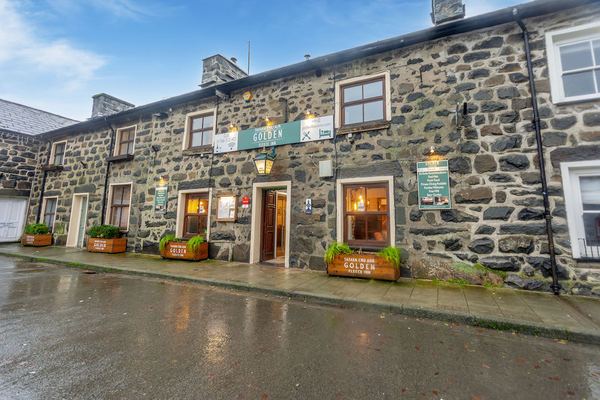
Golden Fleece Inn
Market Square, Tremadog, near Porthmadog
from £110/night
 8.2
8.2
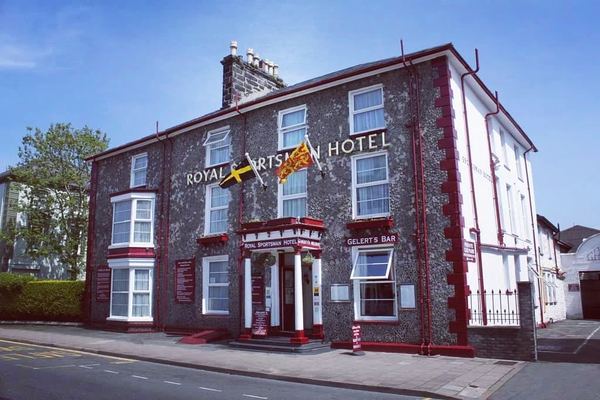
Royal Sportsman Hotel
High Street, Porthmadog town centre
from £95/night
 9.1
9.1
Yr Hen Fecws
Lombard Street, Porthmadog town centre
from £90/night
 9.0
9.0
Plas Tan-yr-Allt Country House
Tremadog, hillside above Porthmadog
from £135/night
Things to Do in Portmeirion
All attractions in Portmeirion →Top things to do in Portmeirion
Most of what there is to see sits within the estate itself, with the wider Llŷn Peninsula and Snowdonia coastline close enough for day trips.
- The Piazza and village buildings — wander the campanile, town hall, colonnade and pastel cottages that make up the heart of the village, many of them rescued architectural fragments given a new home.
- The subtropical gardens — over 70 acres of woodland planting, including champion trees, rhododendrons and a Japanese garden, laid out along paths that drop down to the estuary.
- The Dwyryd estuary sands — at low tide the beach below the village opens out into wide sandbanks with views towards Harlech and the mountains of Snowdonia.
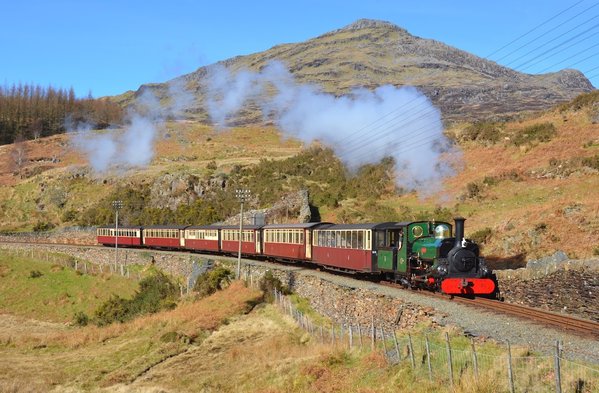
- Ffestiniog Railway — the narrow-gauge steam railway between Porthmadog and Blaenau Ffestiniog, one of the oldest of its kind in the world, runs a short drive from Portmeirion's gates.
- Portmeirion Shop and pottery heritage — the village that gave its name to the famous Portmeirion Pottery tableware brand has shops selling the current ranges alongside general village gifts.
- Harlech Castle — the UNESCO World Heritage castle on its rock above the town is a short drive south, with sweeping views back across the bay towards Portmeirion.
- Black Rock Sands and Porthmadog harbour — a working harbour town with a long sandy beach nearby, useful for a change of pace from the village's formal gardens.
- Snowdonia National Park — the mountains inland, including Snowdon itself, are within easy reach for walkers who want to combine a coastal stay with a day on the hills.
Where to Eat in Portmeirion
All restaurants in Portmeirion →Food and drink in Portmeirion
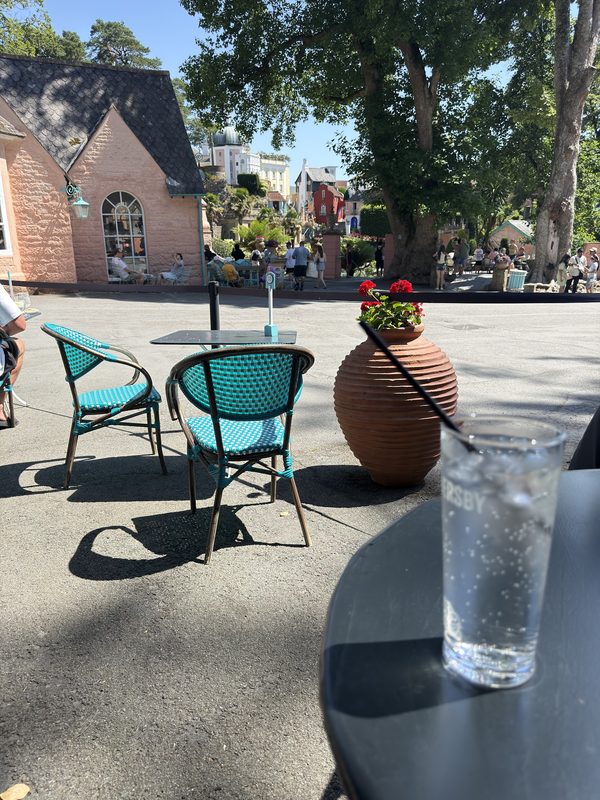
The village's own dining is concentrated around Hotel Portmeirion's Art Deco restaurant, which looks out over the estuary and serves a modern Welsh menu built around local lamb, Cardigan Bay seafood and produce from Snowdonia's small farms, and Castell Deudraeth's more relaxed brasserie in the walled garden. Several small cafes around the piazza serve coffee, cakes, pizza and Italian-style gelato through the day for visitors not booked in for a full meal. Just outside the estate, Porthmadog's harbourside has a growing choice of independent cafes and seafood spots making use of the day's catch, while Tremadog's Golden Fleece Inn runs its own butchery and is known locally for its beef and lamb dishes. Welsh cheeses, cockles from the Dwyryd and Glaslyn estuaries, and bara brith turn up on menus across the area, and Porthmadog's Friday market is worth timing a visit around for local produce and preserves.
Attractions Near Portmeirion
All attractions in Portmeirion →Worth the trip — within 50 miles of Portmeirion.
 1 mi
1 mi
Ffestiniog & Welsh Highland Railway
Porthmadog · ⭐ 4.7
 3 mi
3 mi
Portmeirion
Porthmadog · ⭐ 4.3
 4 mi
4 mi
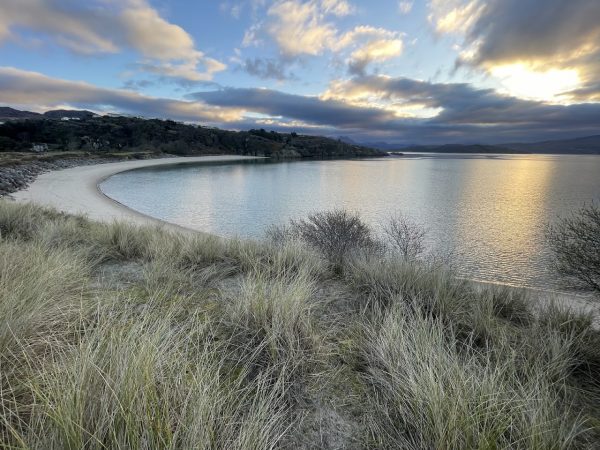
Morfa Bychan Beach
Porthmadog · ⭐ 4.5
Harlech Beach
Harlech · ⭐ 4.8
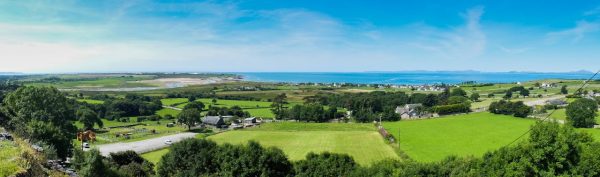
Criccieth Beach
Criccieth · ⭐ 4.6
 5 mi
5 mi
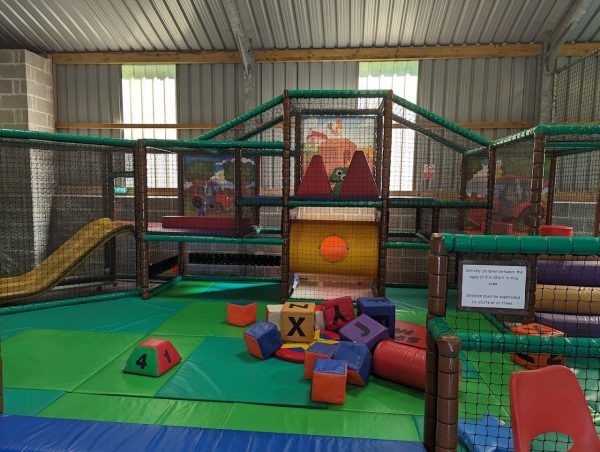
Llanfair Slate Caverns
Harlech · ⭐ 4.6
 5 mi
5 mi
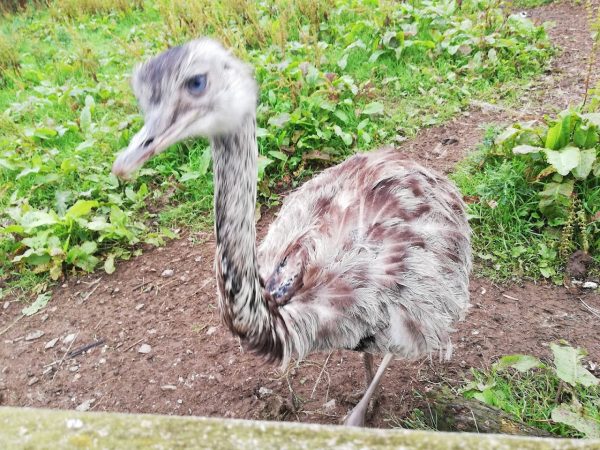
The Childrens Farm Park
Harlech · ⭐ 4.8
 7 mi
7 mi
Dwyfor Ranch Rabbit Farm
Criccieth · ⭐ 4.5
Camping in Portmeirion(2)
All campsites in Portmeirion →About camping in Portmeirion
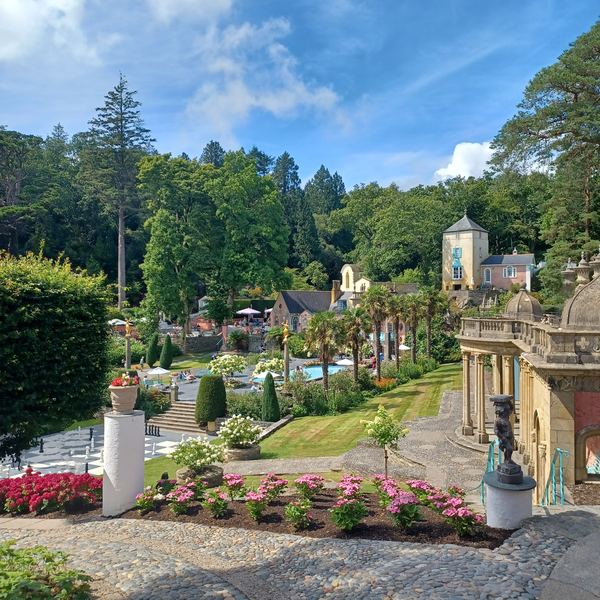
Portmeirion Motorhome Park
⭐ 4.5 · from £55/night
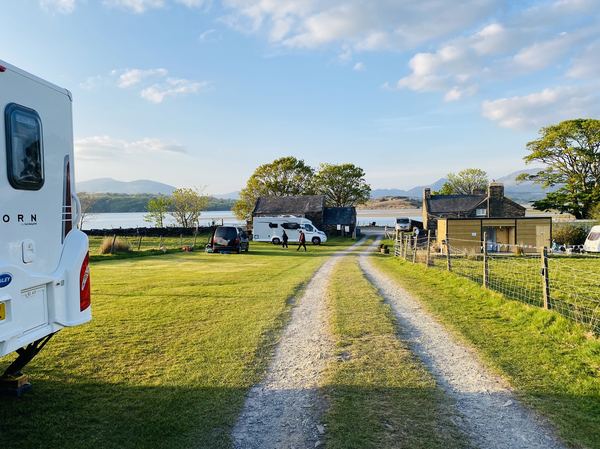
Llech Camping and Touring
⭐ 4.9
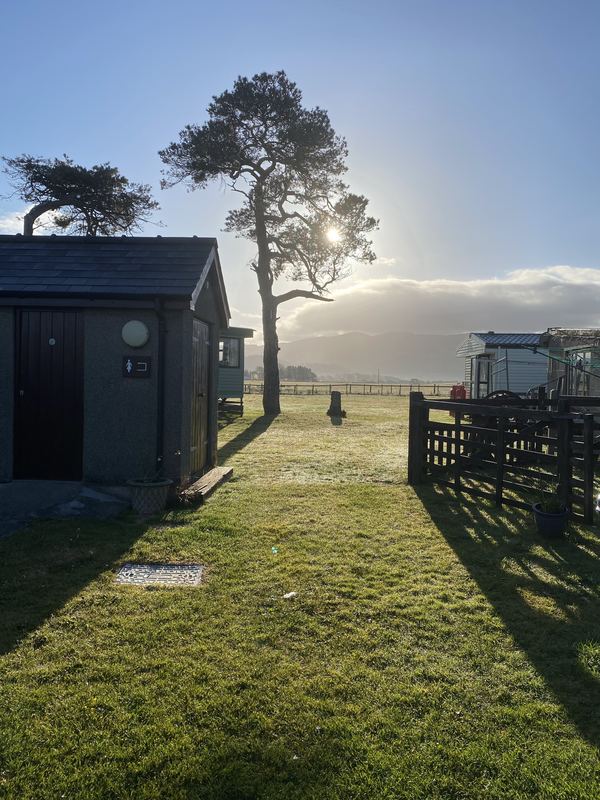
Tanforhesgan Farm Camping and Caravan Park
⭐ 4.8
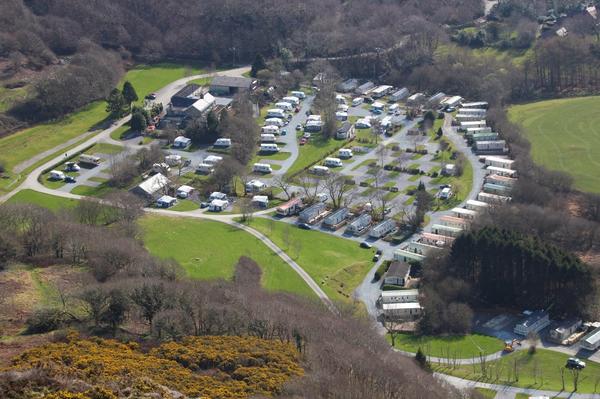
Tyddyn Llwyn Caravan Park
⭐ 4.6 · from £22/night
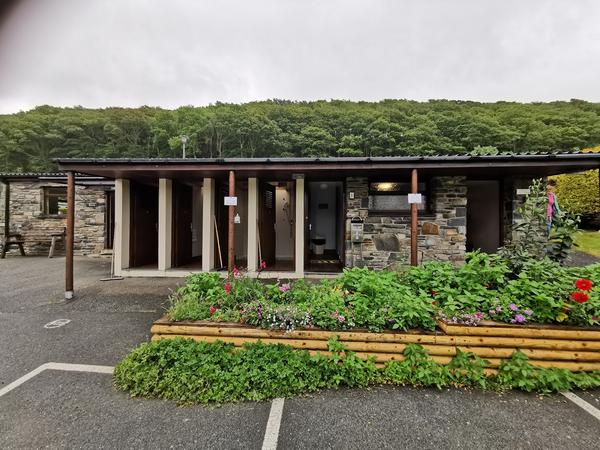
Barcdy Touring Caravan and Camping Park
⭐ 4.7 · from £60/night
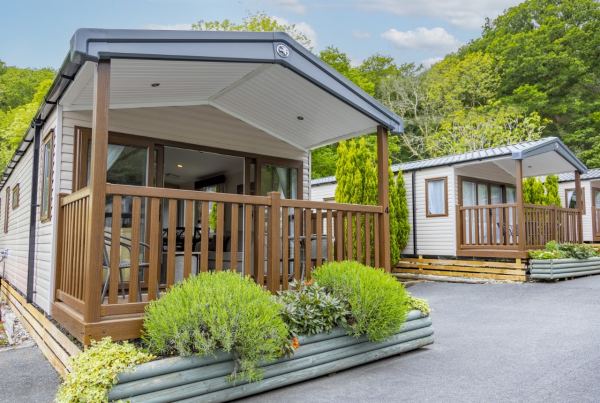
Aberdunant Hall Holiday Park & Hotel
⭐ 4.7
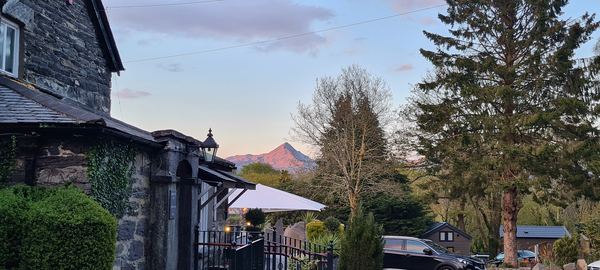
Aberdunant Hall Holiday Park
⭐ 4.8 · from £260/night
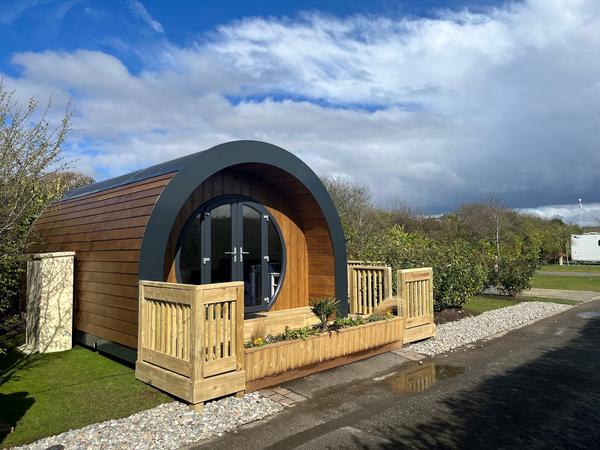
Garreg Goch Caravan Park
⭐ 4.4 · from £25/night
Self-Catering Cottages in Portmeirion
All cottages in Portmeirion →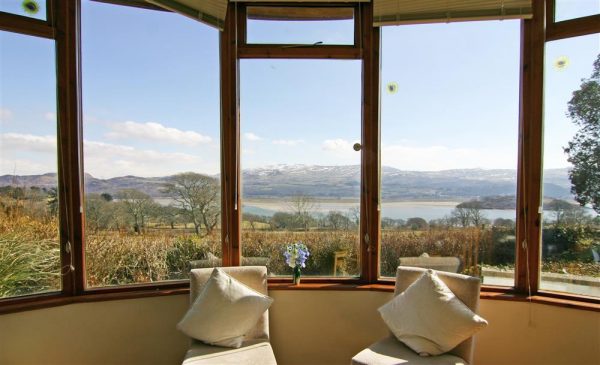
Artist’s Cottage
4 bed · sleeps 8
Bron Madog
3 bed · sleeps 8 · from £557
Fron Cottage
2 bed · sleeps 4 · from £601
Abergafren Lodge
1 bed · sleeps 2 · from £1,346
Tynffordd Fawr
3 bed · sleeps 6 · from £567
Bargoed
3 bed · sleeps 6
The View Snowdon Wharf
1 bed · sleeps 2 · from £537
Harbour Apartment
1 bed · sleeps 2
Common questions about Portmeirion
How many campsites are there in Portmeirion?
We list 2 campsites in and around Portmeirion, of which 2 take tents.
Are there dog-friendly campsites in Portmeirion?
Yes — 1 of the 2 campsites we list in Portmeirion accept dogs, including Tyddyn Llwyn Caravan Park.
Which campsites in Portmeirion have electric hook-up?
2 of the 2 campsites we list in Portmeirion offer an electric hook-up.
Where can I stay in Portmeirion?
We list 6 hotels, B&Bs and guest houses in and around Portmeirion. Prices start from around £90 a night.