Sheffield
Steel city hills, wild moorland edges on the doorstep
Photo © Google Maps contributors, Google Maps
Sheffield is built across seven hills at the point where South Yorkshire's industrial flatlands give way to the moors of the Peak District, and the city never lets you forget either half of that story. Terraces climb steeply from the valleys of the Don and the Sheaf towards suburbs that look out over open country, and it is entirely possible to leave a city centre bar and be on open gritstone within twenty minutes. Few English cities wear their geography so plainly, and fewer still turn it to such good effect: more than a third of Sheffield lies within the Peak District National Park boundary, and the city is reckoned to have more trees per head than anywhere else in Europe.
The steel and cutlery trades that built Sheffield's reputation have left their mark everywhere, from the grinding hulls and water wheels preserved at Kelham Island and Abbeydale to the silverware still stamped with the city's own hallmark. That heavy industry has largely gone, but the workshops and warehouses it left behind now house independent breweries, studios and restaurants, and the city has reinvented itself as a genuinely creative place without losing its plain-speaking, unpretentious character. Sheffield people are proud of their city's lack of airs, and visitors quickly notice a warmth and directness that outsiders sometimes mistake for bluntness.
It is also a young city, with two large universities filling its bars, venues and independent cafes with students for most of the year, which gives Sheffield a livelier, more experimental food and drink scene than its size might suggest. Add the Crucible Theatre's world snooker championship, a serious live music history running from the Human League to Pulp and Arctic Monkeys, and an outdoor culture built entirely around the Peak District next door, and Sheffield offers a city break with proper walking country attached.
Getting to Sheffield
Sheffield railway station sits a short walk from the city centre and is well served from London St Pancras and London King's Cross, with direct trains taking around two hours ten minutes depending on the operator and route. Regular services also connect Sheffield to Manchester in under an hour, to Leeds in around forty minutes, and to Birmingham and the East Midlands, making the city an easy add-on to a wider trip north.
By road, Sheffield sits just off the M1, with junctions 33 and 34 the most direct approach from the south and north respectively, and the A57 and A6187 Snake and Hope Valley routes carrying traffic west into the Peak District. Central car parks cluster around the station and the Moor, though a car is unnecessary for a purely city-based stay given Sheffield's tram and bus network.
Sheffield no longer has its own commercial airport, following the closure of Doncaster Sheffield Airport; Manchester Airport is the nearest major hub, roughly an hour's drive or a train journey with one change, while Leeds Bradford and East Midlands airports are both within about ninety minutes.
Best time to visit Sheffield
Spring brings the Peak District's moorland and dales to life, with the Botanical Gardens' glasshouses and the city's parks at their freshest, and generally quieter trails before the summer crowds arrive on popular edges like Stanage.
Summer is the busiest season for walking and climbing on the surrounding moors, and the city's beer gardens, food festivals and outdoor events make the most of longer days, though weekend accommodation in the Peak District villages just outside Sheffield can book up well ahead.
Autumn turns the gritstone edges and wooded valleys around the city into some of the best walking country in England, with clearer light and cooler temperatures suiting longer routes, and it remains a good time for a city stay without summer's peak pricing.
Winter is quieter and often atmospheric, with the Winter Garden and museums offering easy indoor days when the moors are at their bleakest, and the World Snooker Championship each spring at the Crucible extends the season for those planning around events.
Where to stay in Sheffield(62)
All hotels in Sheffield →About staying in Sheffield
Where to base yourself in Sheffield depends largely on how much of the city, and how much of the surrounding hills, you want on your doorstep. Stay in the Cathedral Quarter or around West Street and you can walk to the Millennium Gallery, the Crucible and most of the city's restaurants and bars within minutes, with the tram network on hand for anywhere further out. It suits a short break built around museums, theatre and evenings out, and it is where Sheffield's more polished boutique and business hotels tend to cluster, often in converted Victorian buildings that reflect the city's industrial architecture.
Move a little further out and the character changes. Ecclesall Road and the leafy suburbs towards Broomhill put you among independent cafes and a quieter residential feel, a few minutes by tram or bus from the centre, and generally a calmer choice for a longer stay. Head instead for the villages just beyond the city boundary, towards Grenoside or the Rivelin and Loxley valleys, and you find country house hotels with real grounds, popular for weddings and a slower pace, though you will want a car or a reliable taxi number for evenings in town. Families and those without a car generally do best staying centrally, close to the station and the tram interchange, since Sheffield's hills can make walking between suburbs harder work than the map suggests. Whichever area you choose, book ahead around the World Snooker Championship each spring, when city centre rooms fill quickly, and check whether your hotel has parking, since central spaces are limited and often charged separately from the room rate.
 8.8
8.8
Leopold Hotel Sheffield
Cathedral Quarter, city centre
from £119/night
 8.6
8.6
Whitley Hall Hotel
Grenoside, on the northern edge of Sheffield
from £135/night
 8.4
8.4
Royal Victoria Sheffield, DoubleTree by Hilton
Near Sheffield station and the Millennium Gallery
from £109/night
 8.3
8.3
Mercure Sheffield St Paul's Hotel & Spa
City centre, overlooking Peace Gardens
from £99/night
 8.5
8.5
Leonardo Hotel Sheffield
City centre, near the Cutlery Quarter
from £95/night
 8.0
8.0
Best Western Plus Kenwood Hall Hotel & Spa
Nether Edge, south Sheffield
from £89/night
 8.0
8.0
Cutlers Hotel
Theatreland, city centre
from £69/night

Alara Bed and Breakfast
981-987 Penistone Road, Sheffield
Things to Do in Sheffield(74)
All attractions in Sheffield →Top things to do in Sheffield
Sheffield rewards a mix of industrial history, green space and moorland walking, and most of its best attractions sit within easy reach of the centre.
- Kelham Island Museum tells the story of Sheffield's steel and cutlery industries around a working River Don engine, one of the largest surviving steam engines in Europe.
- Peak District National Park begins at the city's western edge, with Longshaw Estate, Padley Gorge and the gritstone edge of Stanage all reachable by bus or a short drive for walking and climbing.
- Winter Garden is a vast glasshouse of subtropical planting in the city centre, free to enter and a favourite spot to shelter from Sheffield's weather.
- Millennium Gallery combines touring exhibitions with the Ruskin Collection and a permanent display of Sheffield metalwork, from cutlery to Victorian silverware.
- Weston Park Museum covers natural history, archaeology and social history in a Victorian park setting, with free entry and a strong collection on Sheffield's industrial past.
- Sheffield Botanical Gardens holds nineteen acres of restored Victorian glasshouses and themed gardens above Ecclesall Road, popular for a slow afternoon.
- Abbeydale Industrial Hamlet preserves a complete eighteenth-century water-powered scythe works on the edge of the city, with working machinery on open days.
- Sheffield Cathedral anchors the historic core of the city, a compact medieval and Victorian building with a striking modern extension.


Where to Eat in Sheffield(1,217)
All restaurants in Sheffield →Food and drink in Sheffield
No Sheffield table is complete without a bottle of Henderson's Relish, the city's own tangy, vinegar-based condiment made to a secret recipe since the 1880s and used locally on everything from chips to Yorkshire puddings in place of its Worcestershire rival.
The city has a serious real ale pedigree, home to Thornbridge and Abbeydale breweries among others, and the Kelham Island Tavern and Fat Cat are long-standing favourites for cask beer in the old industrial quarter, alongside a newer wave of craft taprooms.
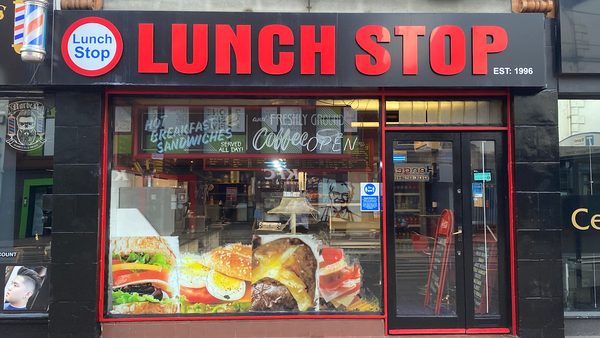
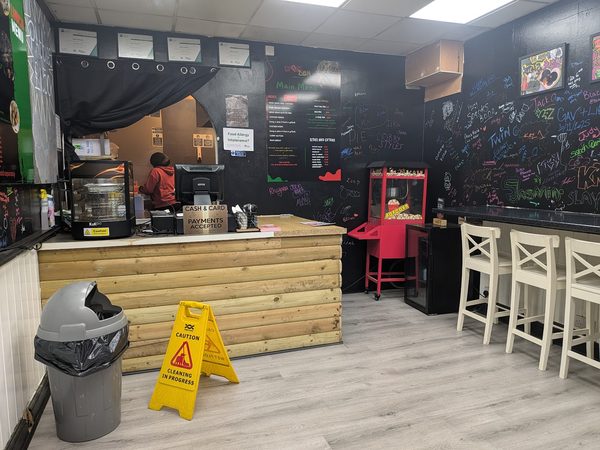
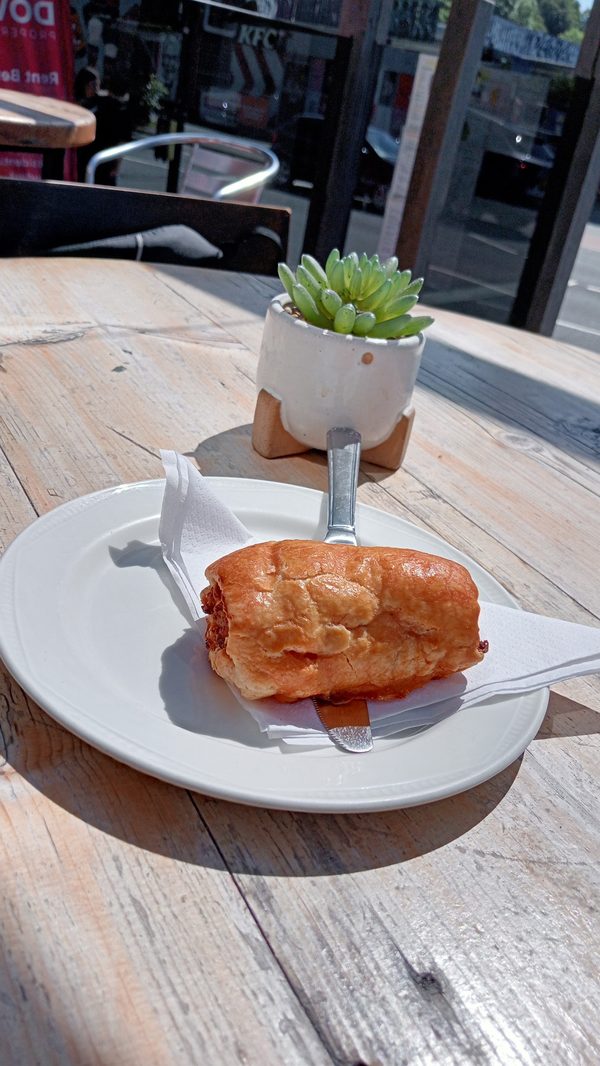
Cutlery Works, a converted factory on Neepsend Lane, brings together a dozen or so independent food traders under one roof and is one of the city's most popular casual dining destinations, while Moor Market in the centre is the place for fresh produce, a proper pork pie and the kind of no-frills cafe stalls Sheffield does well.
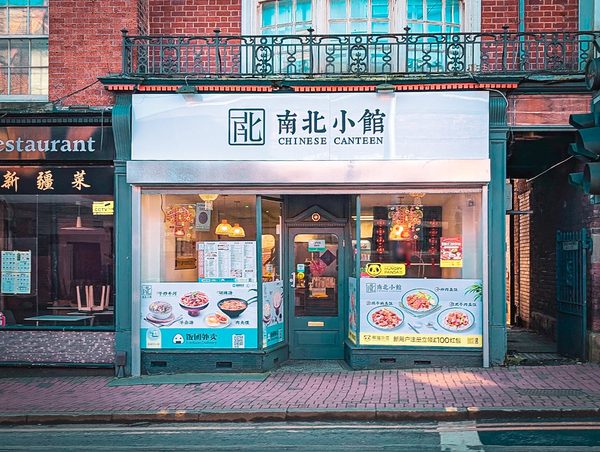
Sharrow Vale and Nether Edge carry a strong reputation for curry houses and neighbourhood restaurants, reflecting Sheffield's diverse communities, and the annual Sheffield Food Festival in the Peace Gardens each September gives visitors a concentrated taste of the city's producers and independent kitchens.
Attractions Near Sheffield
All attractions in Sheffield →Worth the trip — within 50 miles of Sheffield.
 4 mi
4 mi
Magna Science Adventure Centre
Rotherham · ⭐ 4.2
 5 mi
5 mi
Wacky Warehouse - Chequers
Coal Aston · ⭐ 4.1
 5 mi
5 mi
Superbowl 2000 Rotherham
Rotherham · ⭐ 4.1
 5 mi
5 mi
Big Apple Play
Rotherham · ⭐ 4.1
 6 mi
6 mi
Peak Performance Dog Gym, Play and Training
Dronfield · ⭐ 5.0
 6 mi
6 mi
Cliffe Park
Dronfield · ⭐ 4.6
Boston Castle and Park
Rotherham
Camelot Play Castle
Rotherham · ⭐ 4.6
Camping in Sheffield(5)
All campsites in Sheffield →About camping in Sheffield
Sheffield itself has no campsites to speak of within the built-up city, but the Peak District National Park begins at its western edge, and the wider South Yorkshire and Peak District countryside around the city offers a reasonable spread of options within a half-hour's drive. The terrain shifts quickly from the city's terraced streets to open moorland and limestone dale, so sites within a few miles of Sheffield tend to be exposed, breezy and best suited to walkers and cyclists who want to be first onto the hills, while those further into the White Peak around Bradfield and Tideswell sit in gentler, more sheltered farmland.
Weather on the moorland fringe can turn quickly even in summer, with driving rain and low cloud arriving with little warning, so a good waterproof and warm layers matter more here than at a typical lowland site, and pitches with some natural shelter from hedges or walls are worth seeking out. Wild camping is not generally legal in England without landowner permission, and this includes the Peak District, which lacks the Dartmoor-style access rights found in parts of Scotland and Devon, so campers should stick to licensed sites or seek explicit permission from farmers, several of whom run small campsites alongside their land specifically for this purpose.
May to September is the reliable camping season around Sheffield, with long evenings for walking after pitching up, though many of the smaller farm sites open only from Easter to October and close entirely over winter. Bank holiday weekends and the school summer holidays are the busiest periods, particularly at sites within easy reach of popular walking routes such as the Pennine Way and the Monsal Trail, so early booking is worthwhile from spring onwards. Early and late season visits bring quieter sites and lower prices, though nights can turn cold on exposed ground even in April and September.


Self-Catering Cottages in Sheffield(24)
All cottages in Sheffield →
2 The Calf Pens
2 bed · sleeps 4 · from £427

Netheredge Apartment
1 bed · sleeps 2 · from £343

Plum Tree House
3 bed · sleeps 6 · from £857

Rosings
2 bed · sleeps 3 · from £457
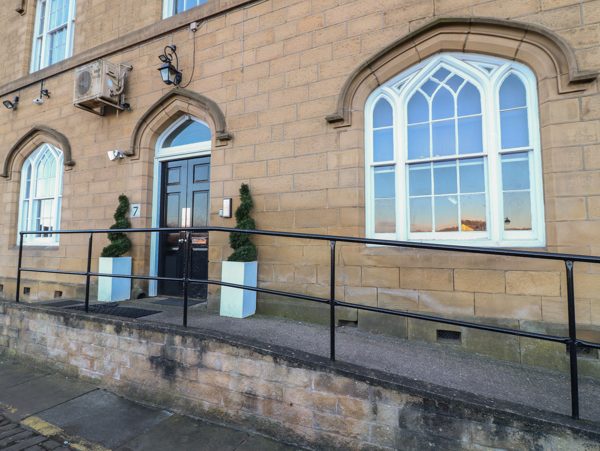
Royal Irish Suite
2 bed · sleeps 4 · from £829
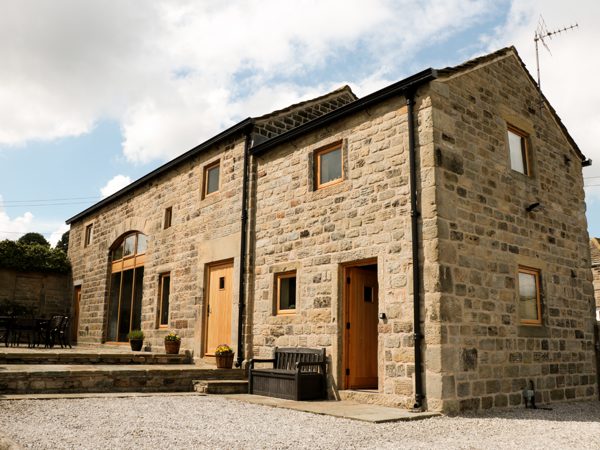
Stoneycroft Barn
4 bed · sleeps 8 · from £726

The Cottage
3 bed · sleeps 5 · from £867
2 Pheasant Lane
4 bed · sleeps 8 · from £920
Common questions about Sheffield
How many campsites are there in Sheffield?
We list 5 campsites in and around Sheffield, of which 5 take tents and 1 offer glamping.
Are there dog-friendly campsites in Sheffield?
Yes — 3 of the 5 campsites we list in Sheffield accept dogs, including Fieldhead Campsite and Whitehouse Farm Campsite.
Which campsites in Sheffield have electric hook-up?
3 of the 5 campsites we list in Sheffield offer an electric hook-up.
How many holiday cottages are there in Sheffield?
We list 24 self-catering cottages in and around Sheffield.
Can I take a dog to a holiday cottage in Sheffield?
Yes — 13 of the 24 Sheffield cottages we list allow pets.
Are there large holiday cottages in Sheffield for groups?
Yes — the largest cottage we list in Sheffield sleeps 12.
Where can I stay in Sheffield?
We list 62 hotels, B&Bs and guest houses in and around Sheffield. Prices start from around £54 a night.
What is there to do in Sheffield?
We list 74 attractions and things to do in and around Sheffield.
Where can I eat in Sheffield?
We list 1,217 restaurants, pubs and cafes in and around Sheffield.
Staycation ideas for Sheffield
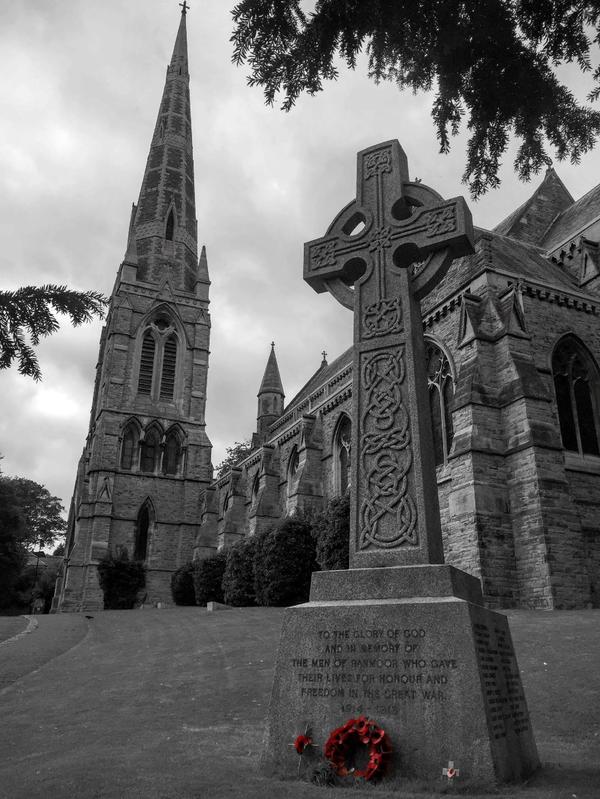
Indoor Things to Do with Kids in Sheffield: Soft Play, Bowling and More
A guide to Sheffield's indoor days out for children, from soft play and climbing walls to museums, pottery painting, bowling and cinemas.
Dog-Friendly Eating in Sheffield: Cafés, Pubs and Restaurants
A guide to Sheffield cafés, pubs and restaurants that Google lists as allowing dogs, grouped by the kind of visit, with ratings and review counts.
Sheffield Staycation Guide: Where to Stay, What to Do and Where to Eat
Plan a Sheffield staycation: city and Peak District-edge hotels, Kelham Island, the Winter Garden and Botanical Gardens, where to eat, a two-day plan, Hope Valley camping and day trips to Bakewell and Buxton.
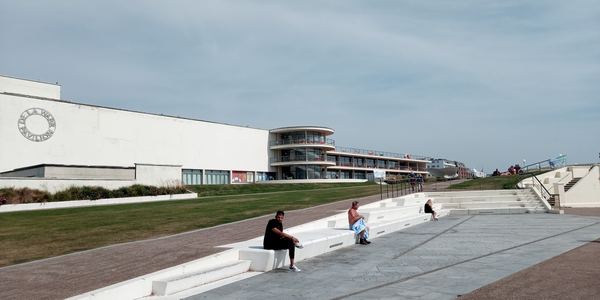
Vineyard and Distillery Staycations
English sparkling wine and Scottish whisky both reward staying nearby rather than driving in for an afternoon. Where the clusters are, and how to plan a trip where nobody has to be the designated driver all week.