Bath
Georgian streets, Roman water, one compact valley
Photo © Raj Patel, Google Maps
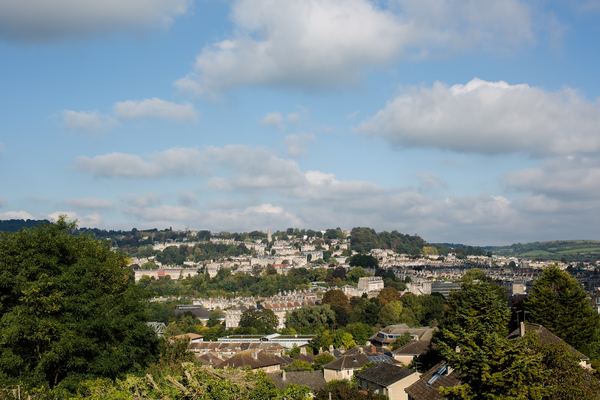
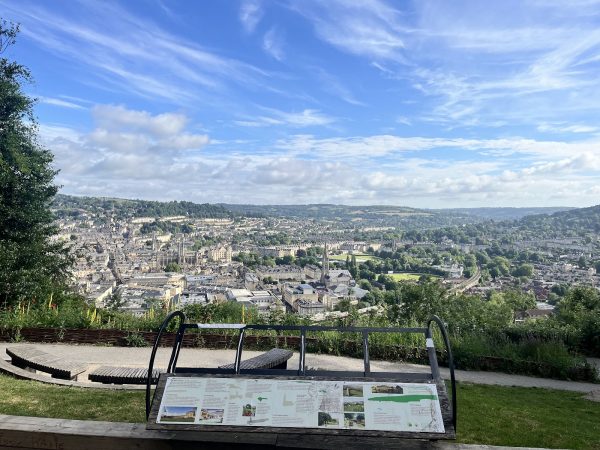
Bath sits in a tight bowl of the Avon valley in north-east Somerset, roughly 12 miles south-east of Bristol and about 100 miles west of London. The city fills the valley floor and then climbs the surrounding slopes in terraces, which is why almost every street ends in a view of another street stacked above it. The building material is local Bath stone, a soft golden limestone quarried from the hills around Combe Down, and its consistency is the reason the city reads as a single composition rather than a collection of separate buildings.
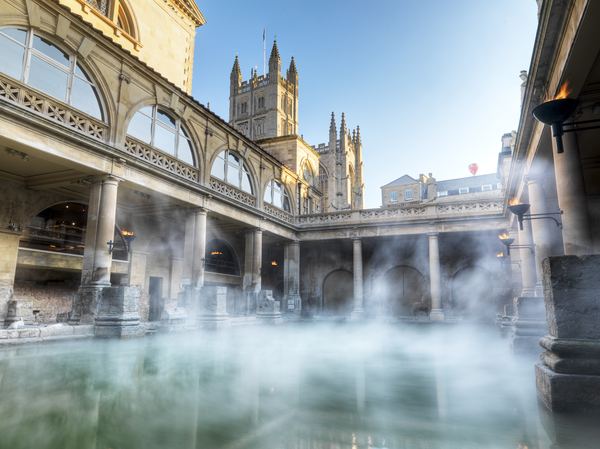
Two histories overlap here. The Romans arrived in the first century AD and built a temple and bathing complex around the hot spring that still rises at around 46C, naming the settlement Aquae Sulis. Seventeen centuries later, Georgian speculators and architects, chiefly John Wood the Elder and his son, rebuilt the town as a leisure resort for the fashionable classes, laying out The Circus, the Royal Crescent and a network of terraces and squares. UNESCO inscribed the whole city as a World Heritage Site in 1987, and again in 2021 as part of the Great Spa Towns of Europe.
Practically, Bath is unusually easy to visit. The centre is small enough to cross on foot in twenty minutes, the railway station sits at its southern edge, and the major sights cluster within a few hundred metres of the Abbey. That compactness is also the city's main pressure point: the streets around Stall Street and the Roman Baths get genuinely crowded from late morning through mid-afternoon in summer, and the surrounding hills mean traffic funnels through a handful of routes. Visitors who walk, arrive early and stay overnight get a very different city from those who drive in for the afternoon.
Getting to Bath
Rail is the obvious choice. Great Western Railway runs direct services from London Paddington to Bath Spa, taking around one hour twenty minutes to one hour thirty, calling at Reading, Didcot Parkway, Swindon and Chippenham, with departures roughly every half hour through the day. From Bristol Temple Meads the journey is about fifteen minutes, making a Bristol base entirely workable. Cross-country services connect Bath to Cardiff, Salisbury, Southampton, Portsmouth and the south coast, and to Birmingham and the north via Bristol.
By road, Bath sits just south of the M4 at junction 18, from where the A46 drops down into the city in about twenty minutes. From the south and west the A36 and A4 approach along the valley. Driving into the centre is not recommended: streets are narrow, one-way systems are unforgiving, a Clean Air Zone applies to higher-emission vehicles, and central parking is expensive. The park and ride sites at Lansdown, Newbridge and Odd Down are far simpler, with frequent buses into the centre and all-day parking at a modest flat rate.
Bristol Airport is the nearest at around 20 miles, roughly 50 minutes by road, with a direct coach link via Bristol. Heathrow is about two hours by coach. Bath Spa station itself is a five-minute walk from the Abbey, so anyone arriving by train can leave the car at home entirely.
Best time to visit Bath
Spring, from late March to May, is arguably the best window. The parks and the crescent lawns green up, magnolias flower in the Georgian squares, hotel rates have not yet reached summer levels and queues at the Roman Baths are manageable if you go at opening. The weather is changeable, so pack layers and something waterproof.
Summer, June to August, brings the longest days and the fullest programme of festivals, but also the highest prices and the densest crowds. Book accommodation and the Roman Baths in advance, and plan sightseeing for early morning or after five. Evenings on the Thermae rooftop pool or beside the river are the reward for a busy day.
Autumn suits walkers. September often holds the warmth of summer with fewer visitors, and by October the wooded slopes around Prior Park and the Bathampton skyline turn properly gold. Rates soften and restaurant tables become easier to get.
Winter is quiet and cheap apart from a sharp spike around the Christmas Market, which runs through the streets of the centre for a little over a fortnight from late November. The steam rising off the thermal water on a frosty morning is one of the more memorable things about the city, and January and February are the cheapest months to stay.
Where to stay in Bath(95)
All hotels in Bath →About staying in Bath
Where you base yourself in Bath matters more than in most cities, because the valley is steep and the difference between a five-minute stroll and a fifteen-minute climb is decided when you book. The centre, roughly the triangle between Bath Spa station, the Abbey and Queen Square, is the simplest choice for a two-night break. Everything is on foot, you can drop bags and start walking, and you will not need a car at all. The trade-off is price and weekend noise from the bars around Sawclose and George Street.
Couples looking for something calmer usually do better in the Upper Town around The Circus, Brock Street and the Royal Crescent, or across the river in Bathwick. Both are handsome, residential and quiet after dark, and both are within ten to fifteen minutes of the Abbey on foot. Remember that walking back from dinner means going uphill. Widcombe, directly behind the station, is the pick for anyone who wants an independent high street, canal access and a village atmosphere while still being able to walk to the Roman Baths in a quarter of an hour.
Families and drivers should look at the edges. Newbridge to the west sits beside a park and ride with a riverside path into the city, and the villages beyond, Bathampton, Batheaston, Corston and Saltford, offer free parking, larger rooms and noticeably lower rates. Walkers who want the Cotswold Way, Prior Park and the Kennet and Avon towpath on the doorstep are better served in Bathwick, Widcombe or up on Lansdown.
Expect central four-star doubles to start around 130 to 180 pounds a night midweek, rising sharply at weekends and through the summer, with the two five-star spa hotels considerably higher. Guest houses in Widcombe and Bathwick commonly sit between 90 and 140 pounds including breakfast. January and February are the cheapest months. Book several months ahead for summer weekends, the late-November Christmas Market fortnight, and any date coinciding with a rugby fixture at the Rec, when the whole city fills up at once.
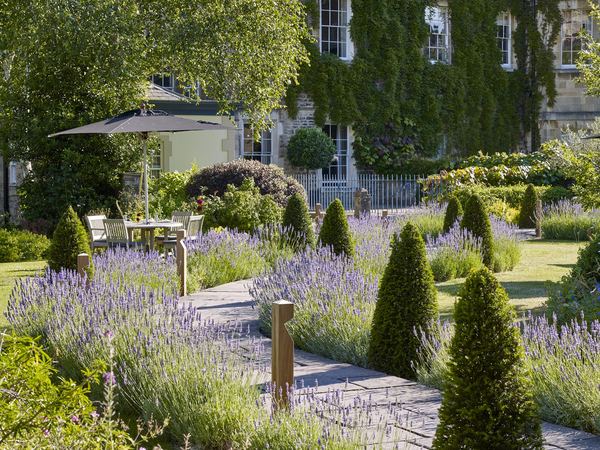 9.2
9.2
The Royal Crescent Hotel & Spa
Royal Crescent, central Bath
from £375/night
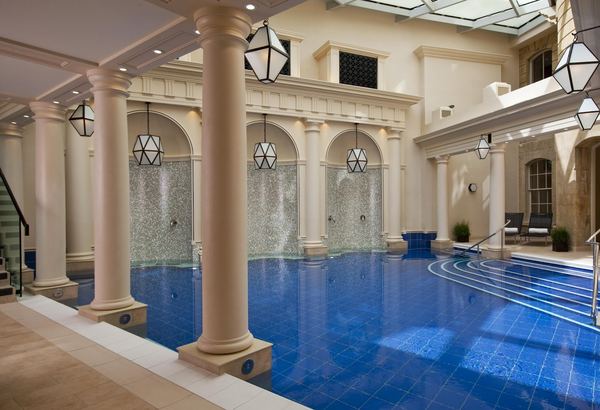 9.1
9.1
The Gainsborough Bath Spa
Beau Street, central Bath
from £330/night
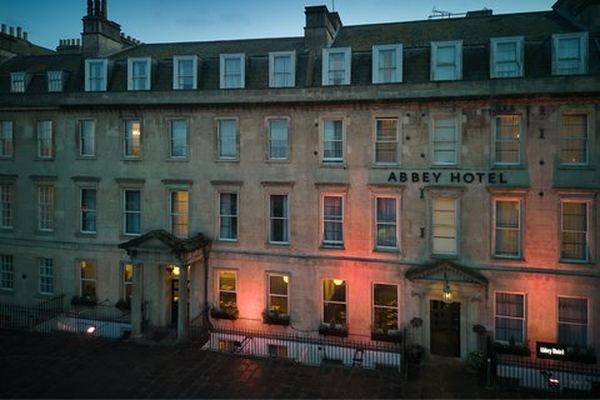 8.5
8.5
Abbey Hotel Bath
North Parade, central Bath
from £130/night
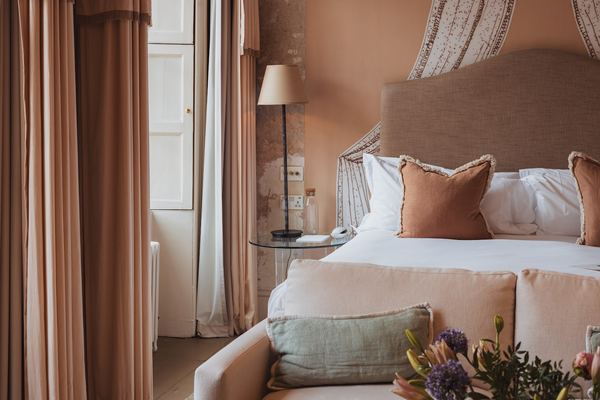 9.0
9.0
No.15 by GuestHouse, Bath
Great Pulteney Street, Bath
from £210/night
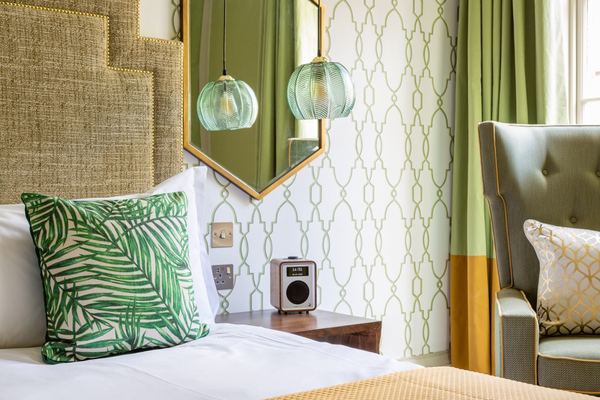 9.0
9.0
The Queensberry Hotel
Russell Street, central Bath
from £195/night
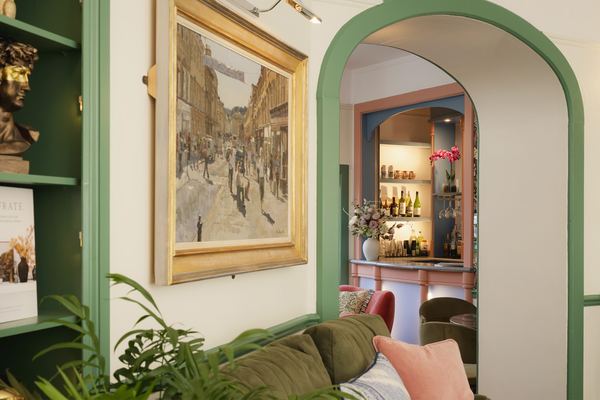 8.7
8.7
Harington's Hotel
Queen Street, central Bath
from £125/night
 8.8
8.8
Brooks Guesthouse Bath
Crescent Gardens, near Royal Crescent
from £95/night
 9.3
9.3
Grays Boutique B&B
Upper Oldfield Park, Bath
from £135/night
Things to Do in Bath(25)
All attractions in Bath →Top things to do in Bath
The headline sights are concentrated, so a first visit can cover most of them in two days without rushing.
- The Roman Baths preserve the temple precinct, the Sacred Spring and the lead-lined Great Bath, with an audio guide and a museum holding the gilt bronze head of Sulis Minerva and thousands of thrown coins and curse tablets.
- Bath Abbey is the last great medieval church built in England, notable for its fan-vaulted ceiling, its west front carved with angels climbing ladders, and a tower tour that comes out above the rooftops.
- The Royal Crescent is a sweep of thirty terraced houses facing an open lawn; No. 1 Royal Crescent is furnished as a Georgian townhouse and is the best way to see behind the facade.
- Thermae Bath Spa is the modern bathing complex fed by the same thermal water, with an open-air rooftop pool that is at its best on a cold evening when the city lights up below.
- Pulteney Bridge and the weir form the city's most photographed corner, a shop-lined bridge above a horseshoe-shaped cascade on the Avon.
- The Circus, John Wood the Elder's circular terrace of three curved segments, is worth standing in for a moment to see how the design works from the middle rather than from photographs.
- The Holburne Museum at the end of Great Pulteney Street holds fine and decorative art in an eighteenth-century building with a modern glass extension, and its garden cafe is a good break from the centre.
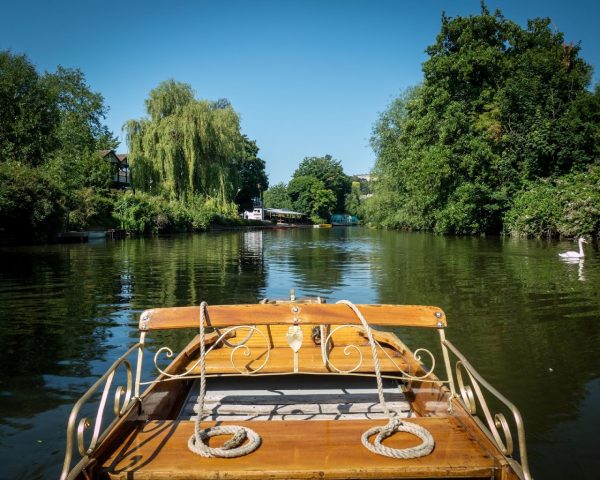
- The Kennet and Avon Canal towpath runs east from the city past the Widcombe locks and the Dundas Aqueduct, giving a flat, easy walk or cycle out into the countryside.

Where to Eat in Bath(200)
All restaurants in Bath →Food and drink in Bath
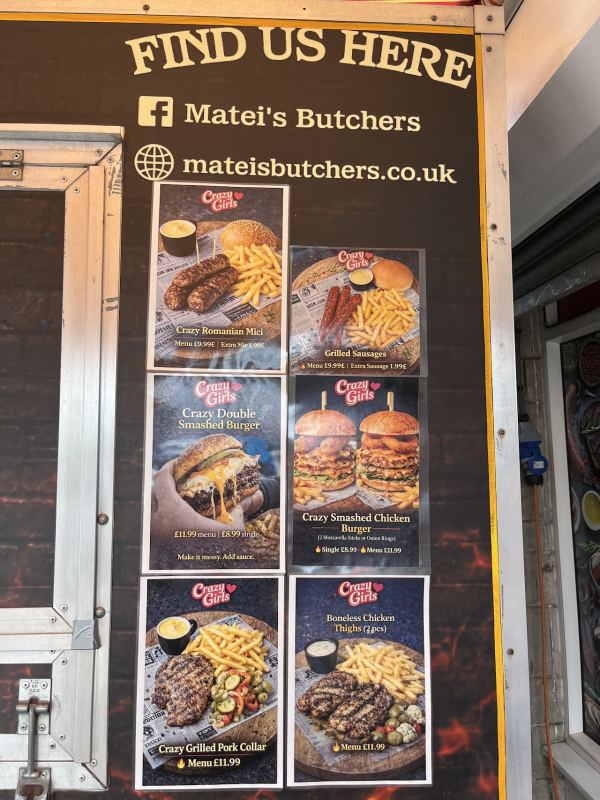
The city's best-known food is the Sally Lunn bun, a large, light, brioche-like roll served sweet or savoury at Sally Lunn's on North Parade Passage, where the cellar kitchen museum shows the original bakery. It is not the same thing as a Bath bun, which is smaller, richer and sugar-topped. The Bath Oliver, a plain hard biscuit created by the eighteenth-century physician Dr William Oliver, remains the traditional partner for local cheese.
For produce, the Bath Farmers' Market at Green Park Station on Saturday mornings is the long-running fixture, claiming to be the oldest of its kind in the country, and the covered Guildhall Market off the High Street keeps a handful of traditional stalls including a butcher, a fishmonger and a deli. Somerset's larder shows up on menus in the form of Cheddar and Somerset brie, cider from the surrounding Mendip and Chew Valley orchards, and lamb and beef from the Cotswold fringe.
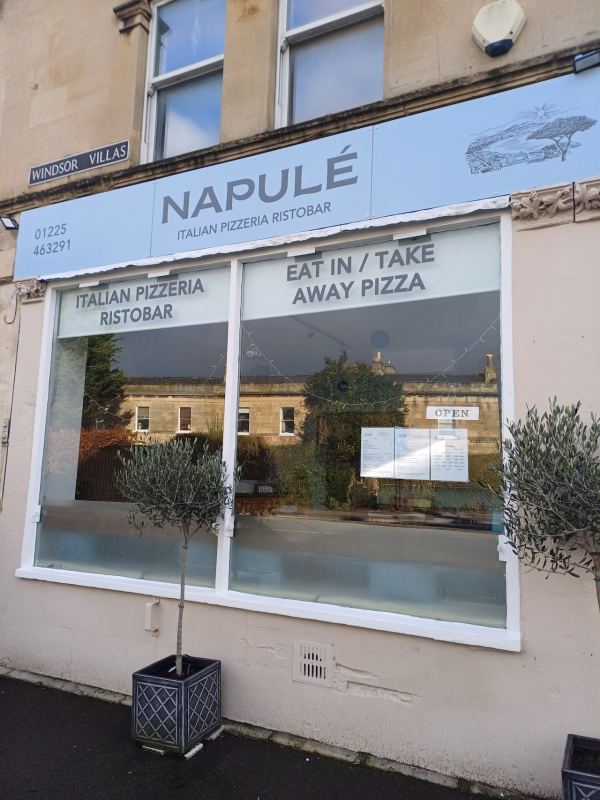
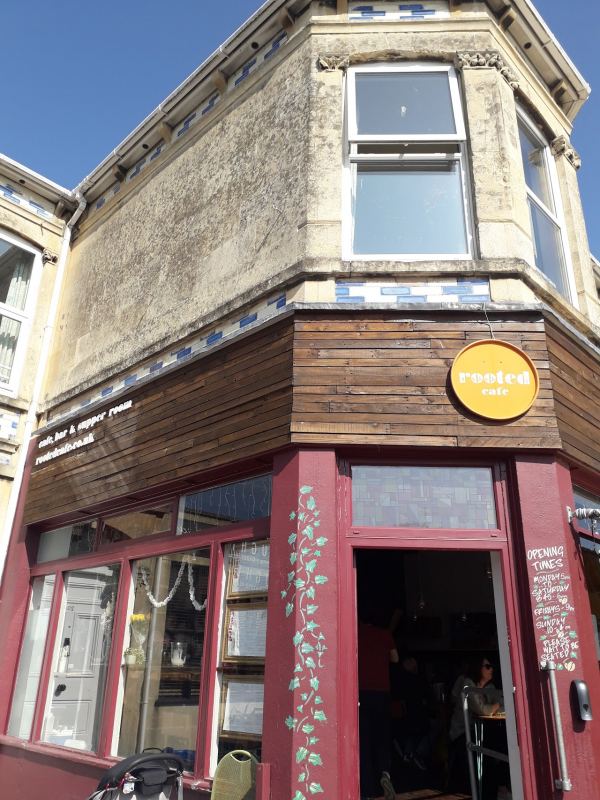
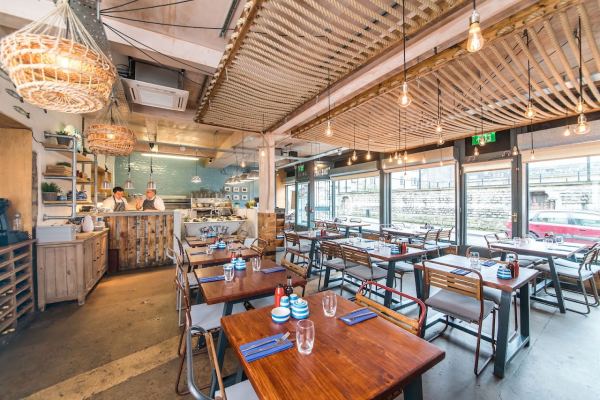
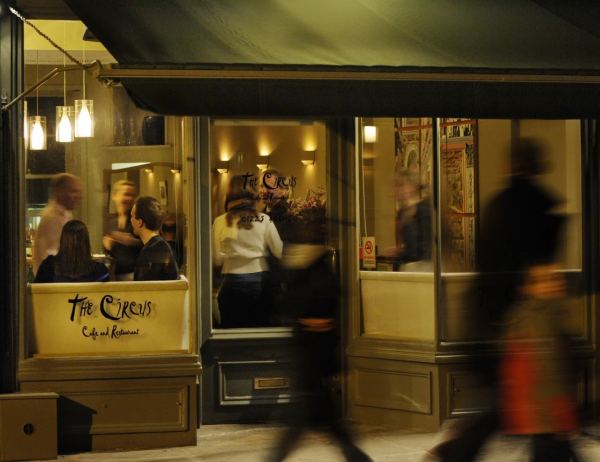
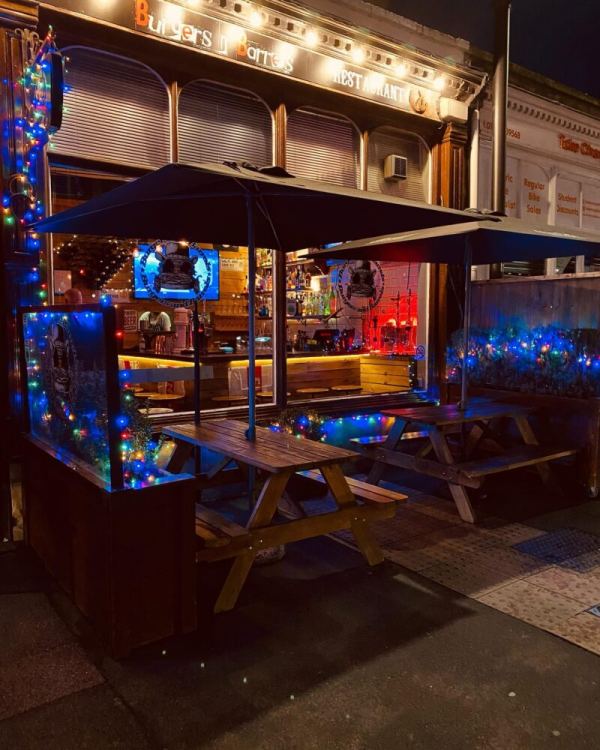
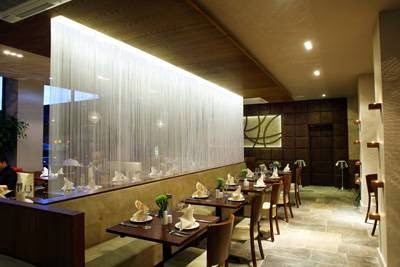
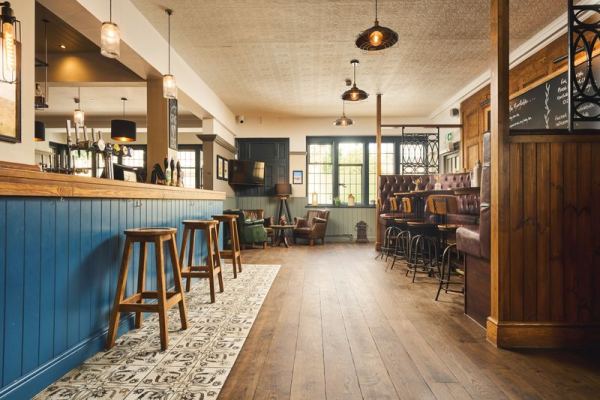
Dining runs from long-established institutions to small independent kitchens. The Pump Room, above the Roman Baths, serves morning coffee and afternoon tea to live piano and is more about the room than the food. The Circus Restaurant near Brock Street and Menu Gordon Jones on Wellsway are the names locals mention for a proper dinner, the latter a small tasting-menu place where the dishes are not announced in advance. For a pub, the Star Inn on The Vineyards pours Bass from the jug in a set of unaltered Victorian bar rooms, and the Raven on Queen Street is known for pies and West Country ales.
Attractions Near Bath
All attractions in Bath →Worth the trip — within 50 miles of Bath.
 6 mi
6 mi
Avon Valley Adventure Park
Bristol · ⭐ 4.4
 6 mi
6 mi
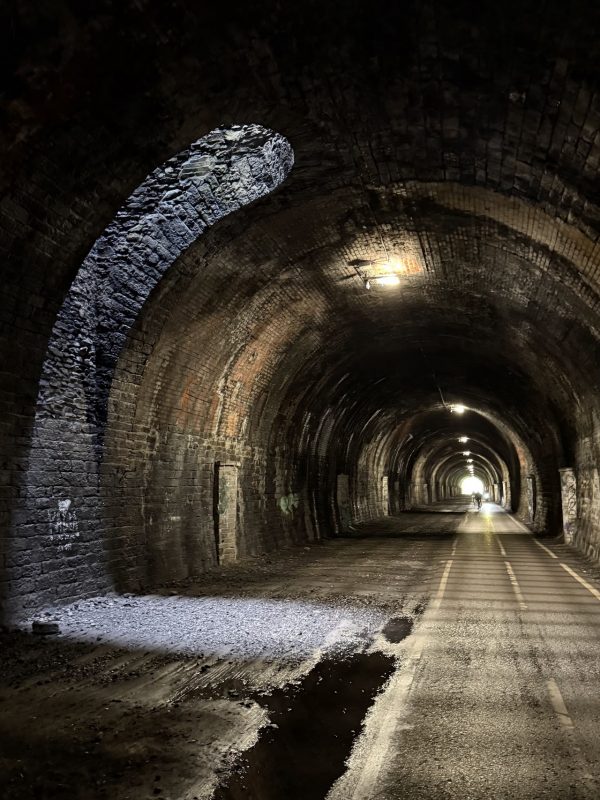
Bristol and Bath Railway Path
Bristol · ⭐ 4.7
 6 mi
6 mi
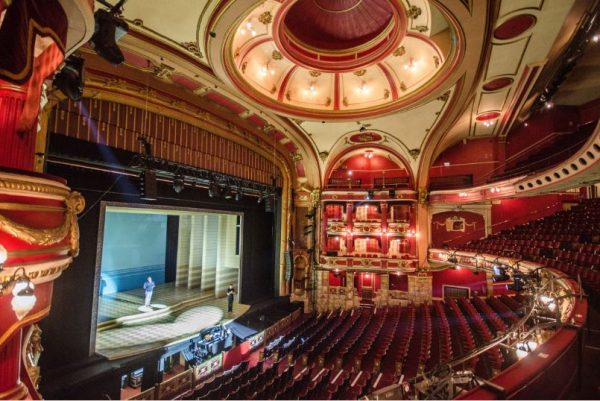
Bristol Hippodrome
Bristol · ⭐ 4.7
 6 mi
6 mi
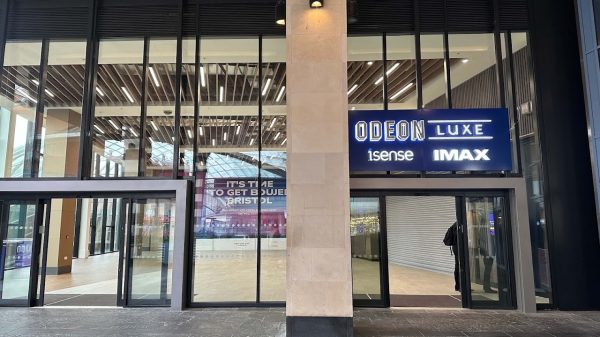
Cineworld Bristol
Bristol · ⭐ 4.7
 6 mi
6 mi
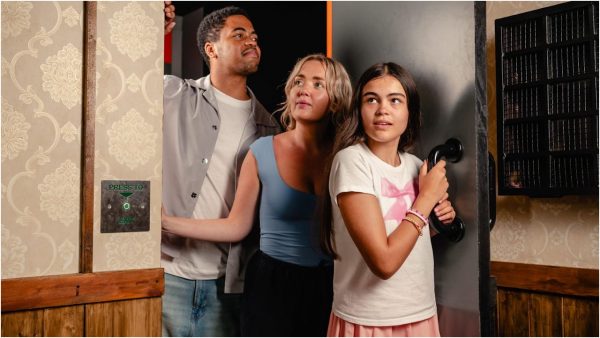
Huntfun Bristol
Bristol · ⭐ 4.7
 6 mi
6 mi
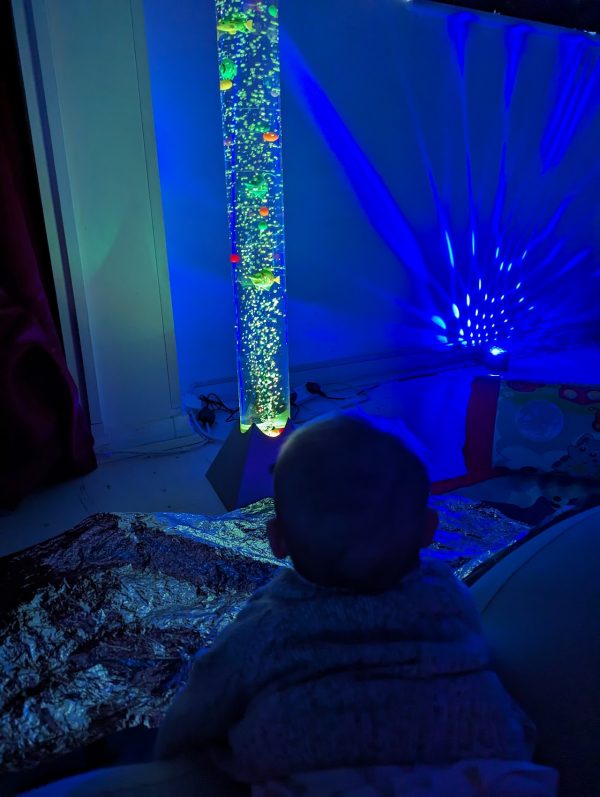
Little Murmur
Bristol · ⭐ 5.0
 6 mi
6 mi
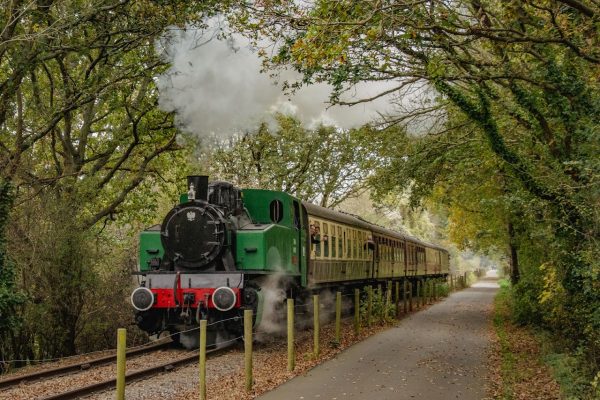
Avon Valley Railway
Bristol · ⭐ 4.5
Hamburger Hill Paintball
Bristol · ⭐ 4.1
Camping in Bath(11)
All campsites in Bath →About camping in Bath
Camping around Bath means camping in and above a river valley, which shapes almost everything about a stay. The valley floor sites along the Avon and the Kennet and Avon Canal are flat, sheltered and green, with soft ground that drains slowly after heavy rain; the sites up on the limestone plateau to the south and west are firmer and better drained but noticeably more exposed to wind. Neither is dramatic terrain, so pitching is straightforward, but a groundsheet and a decent set of pegs for both soft turf and thin soil over stone will cover you either way.
The weather is mild by British standards. Rainfall is spread through the year rather than concentrated, and valley mornings often start under mist that burns off by mid-morning, so expect condensation on the flysheet even in July. Nights in spring and autumn can drop close to freezing on the higher ground while the city below stays several degrees warmer. A three-season sleeping bag is sensible from April to October, and a warmer one either side of that.
Wild camping is not legal in England without the landowner's permission, and that includes the fields, canal banks and woodland around Bath. There is no Scottish-style right to roam here, so plan on booked pitches. The practical season runs from Easter to the end of October, with May, June and September the sweet spot for weather and availability. Several sites near Bath stay open all year, which suits caravanners and motorhomers wanting a cheap winter base for the Christmas Market.
What to bring: a bike or good walking shoes, because the towpath into the city is flat and fast while the road route is not; midge repellent for still evenings by the water; and cash, as one or two of the smaller farm sites still prefer it. Glamping pods and ready tents are worth the premium in shoulder season, when a heated pod turns a marginal weekend into a comfortable one. Tent campers wanting the quietest night should ask for a meadow or riverside pitch away from the hard standings.

Avon Valley Adventure Park
⭐ 4.4 · from £80/night
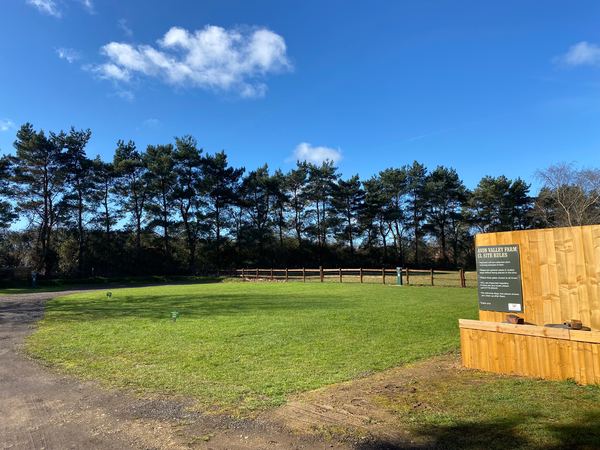
Avon Valley Farm Certificated Location
⭐ 4.2 · from £25/night
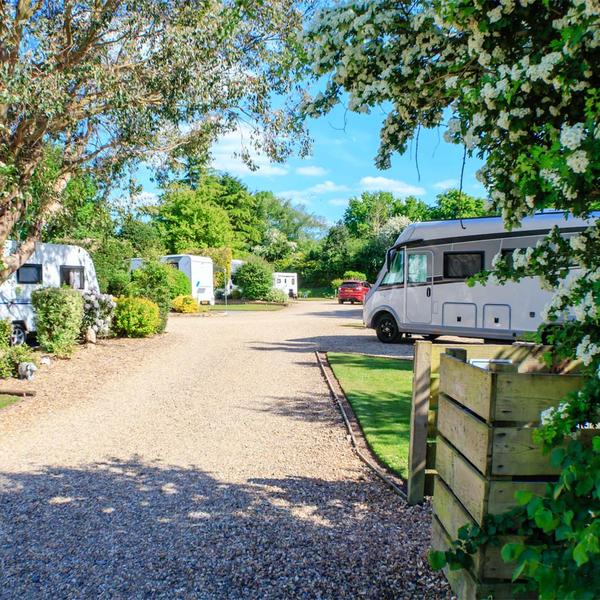
Bath Chew Valley Caravan Park
⭐ 4.6 · from £33/night
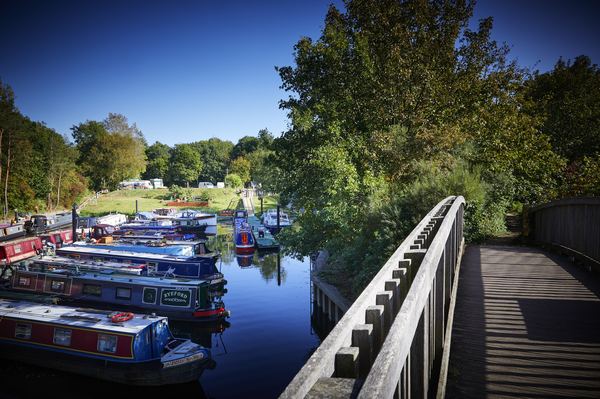
Bath Marina and Caravan Park
⭐ 4.0 · from £25/night
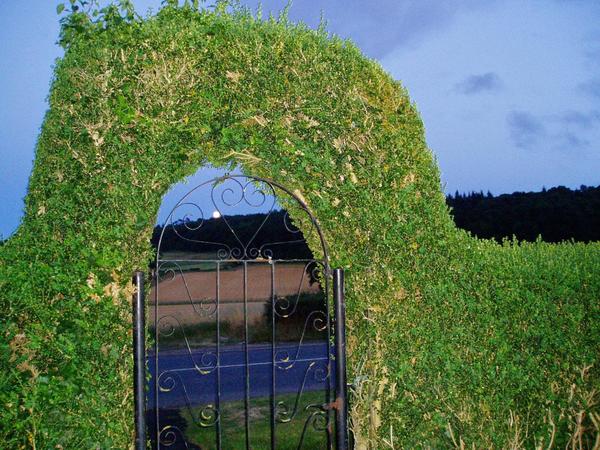
Bury View Farm Caravan and Campsite
⭐ 4.3 · from £24/night
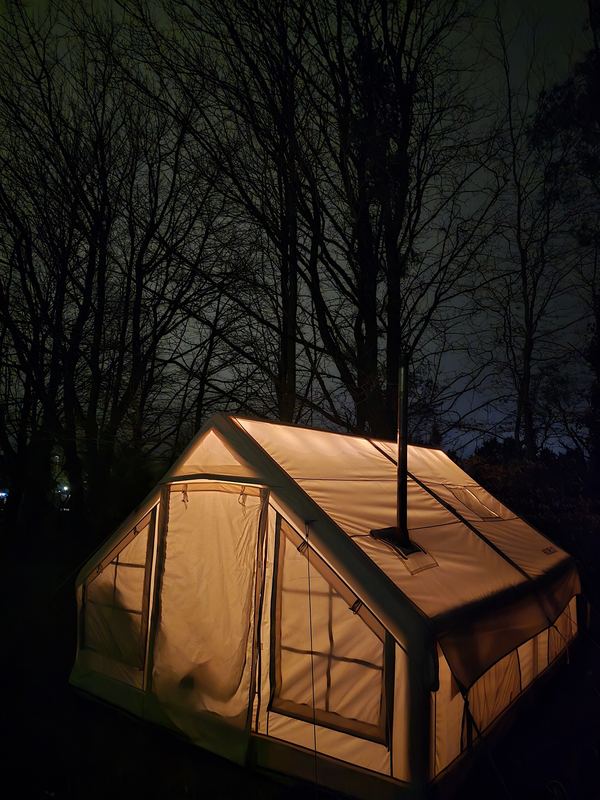
Lansdown Campsite
⭐ 4.6 · from £25/night
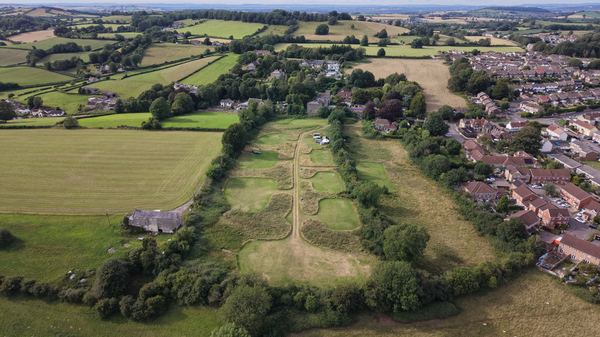
Loves Hill Camping
⭐ 4.8 · from £24/night
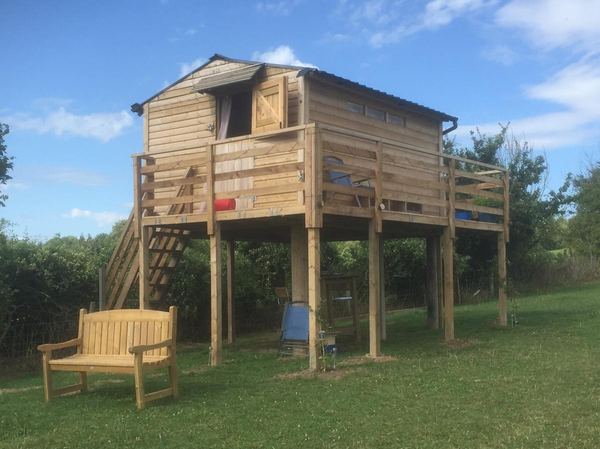
Norwell View Farm Glamping
⭐ 4.2
Self-Catering Cottages in Bath
All cottages in Bath →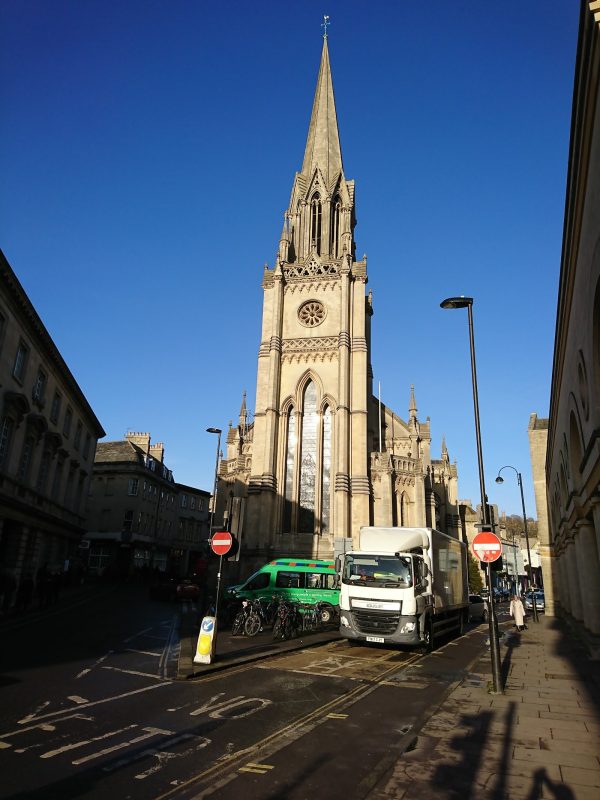
Broad Street
2 bed · sleeps 6 · from £751
Nelson Apartment
2 bed · sleeps 4 · from £1,221
Ivy House
4 bed · sleeps 14 · from £5,599
Bathwick Apartment
2 bed · sleeps 4 · from £1,221
Parade Lookout
sleeps 2 · from £884
Eastwood Lodge
2 bed · sleeps 3 · from £507
Tucking Mill View
1 bed · sleeps 2 · from £1,072
The Colonel
1 bed · sleeps 2
Common questions about Bath
How many campsites are there in Bath?
We list 11 campsites in and around Bath, of which 11 take tents and 4 offer glamping.
Are there dog-friendly campsites in Bath?
Yes — 8 of the 11 campsites we list in Bath accept dogs, including Loves Hill Camping and Tuckers Grave Inn and Campsite.
Which campsites in Bath have electric hook-up?
7 of the 11 campsites we list in Bath offer an electric hook-up.
Where can I stay in Bath?
We list 95 hotels, B&Bs and guest houses in and around Bath. Prices start from around £95 a night.
What is there to do in Bath?
We list 25 attractions and things to do in and around Bath.
Where can I eat in Bath?
We list 200 restaurants, pubs and cafes in and around Bath.