Birmingham
England's second city, reinvented on its own canals
Photo © Dushyanth, Google Maps
Birmingham spent the twentieth century being underestimated. Written off as a concrete afterthought between London and the Lake District, England's second city has spent the last two decades proving that judgement wrong, one converted canal wharf and reglazed Victorian arcade at a time. It now has more miles of canal than Venice, a jewellery-making district that still turns out wedding rings by hand, and a restaurant scene that punches well above its postcode.
What makes Birmingham work as a short break is its compactness. The Bullring, the Jewellery Quarter, Brindleyplace and Digbeth are all within twenty minutes of each other on foot, linked by towpaths that turn a walk between attractions into something genuinely pleasant rather than a slog past ring roads. Add a Michelin-starred restaurant scene, a symphony hall acoustically ranked among Europe's best, and a Christmas market that shuts down the city centre every winter, and the case for staying a few days rather than just passing through New Street station becomes obvious.
This is also a city still visibly mid-transformation, with cranes over Digbeth and the new HS2 terminus at Curzon Street reshaping the eastern edge of town. Visitors get the benefit of that energy without the growing pains: new hotels, new galleries and new bars are opening at a rate few UK cities can match.
Getting to Birmingham
Birmingham sits at the centre of England's motorway and rail network, which is precisely why it grew into an industrial giant in the first place. Trains from London Euston to Birmingham New Street take around 1 hour 25 minutes on the fastest services, with regular departures throughout the day. New Street is also the hub for direct trains from Manchester, Leeds, Bristol and Edinburgh, making the city an easy stop on a longer UK rail itinerary.
By road, Birmingham sits at the junction of the M5, M6 and M42, with the M40 providing a direct route from London and Oxford. The city centre operates a Clean Air Zone, so check vehicle eligibility before driving in, and be aware that city-centre parking is limited and comparatively expensive; many visitors find it easier to park at a Park and Ride site or simply arrive by train.
Birmingham Airport (BHX) is one of the UK's busiest regional airports, with a driverless people-mover connecting the terminals directly to Birmingham International station, from which it is an eleven-minute train ride into New Street. This makes Birmingham one of the easiest UK cities to combine with an onward or connecting flight.
Best time to visit Birmingham
Spring brings mild weather and the canal towpaths and Cannon Hill Park at their best, along with lighter crowds than summer. It's a good time for museum visits and long walks without the need for winter layers.
Summer is festival season: outdoor screenings, Edgbaston Test cricket in the warmer months, and long evenings on the terraces of Brindleyplace and the Mailbox make this the liveliest time to be in the city, though also the busiest and priciest for hotel rooms.
Autumn offers crisp weather for exploring the Jewellery Quarter and the Botanical Gardens, and marks the build-up to the city's famous Frankfurt Christmas Market, which typically opens in early November and transforms the central streets around Victoria Square.
Winter, particularly during the market's run through to New Year, is when Birmingham feels busiest and most festive, with mulled wine stalls, an ice rink and German-style chalets filling the centre. Outside the market period, winter is a quieter, better-value time to visit, with museums and galleries providing a warm alternative to the weather.
Where to stay in Birmingham(148)
All hotels in Birmingham →About staying in Birmingham
Where to base yourself in Birmingham depends largely on how much of the city you plan to see on foot versus by tram or taxi. The City Centre, clustered around New Street station, the Bullring and Victoria Square, is the easiest choice for a first visit or a short business trip: everything from the main museums to the best shopping is within a ten-minute walk, and the area is well served by both upmarket hotels in restored Victorian buildings and reliable international chains. It is also the busiest and, during major events or the Christmas market, the most expensive part of the city to book.
The Jewellery Quarter, a short tram ride or twenty-minute walk from the centre, offers a quieter alternative with genuine character, its converted factories and workshops now housing boutique hotels and independent guest houses alongside the working jewellers that give the area its name. Edgbaston, to the south-west, suits visitors with a car or those planning to spend time at the cricket ground, university or Botanical Gardens, with a more residential, leafier feel than the centre. Digbeth and Southside are worth considering for anyone prioritising nightlife and street food over daytime sightseeing, with the area's warehouse conversions putting guests within stumbling distance of the city's best bars and live music venues.
Whichever area you choose, Birmingham's compact size means nowhere is genuinely inconvenient; the difference is mainly one of atmosphere, and most of the city centre attractions are reachable on foot from any of these neighbourhoods within twenty-five minutes at most.
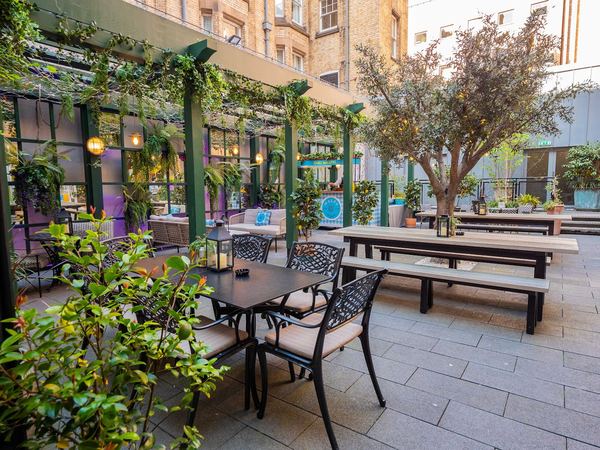 9.2
9.2
The Grand Hotel Birmingham
Colmore Row, city centre
from £220/night
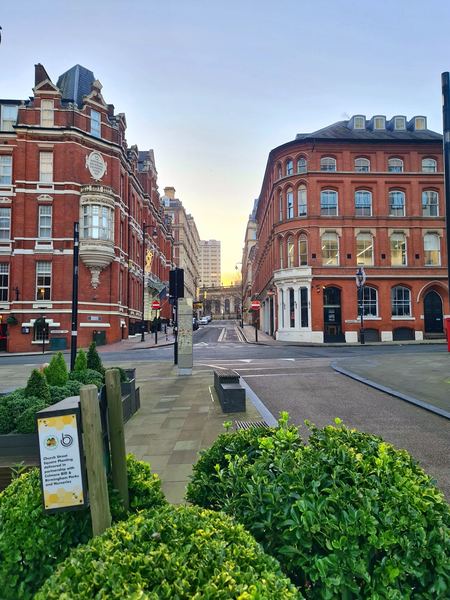 8.7
8.7
Hotel du Vin & Bistro Birmingham
Church Street, city centre
from £140/night
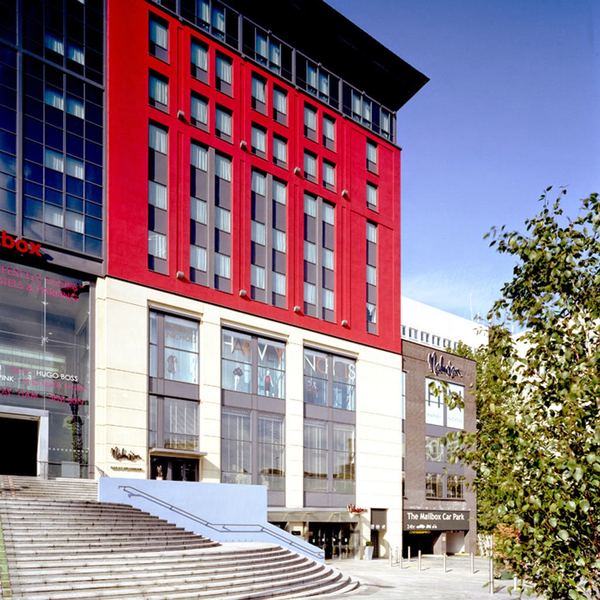 8.5
8.5
Malmaison Birmingham
The Mailbox, canal-side city centre
from £125/night
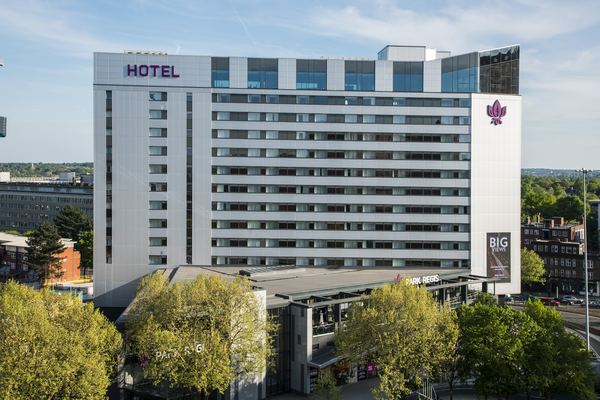 8.4
8.4
Hyatt Regency Birmingham
Broad Street, near Brindleyplace and the ICC
from £130/night
 8.6
8.6
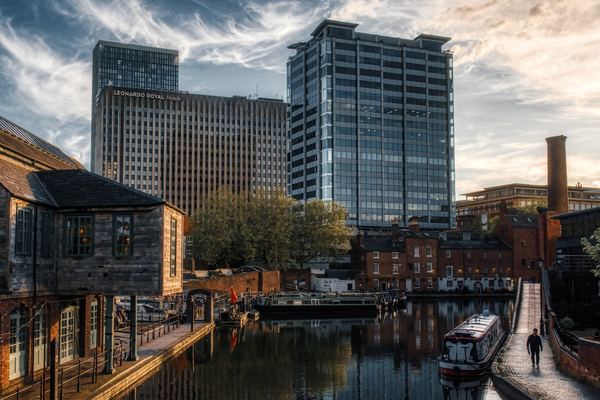
Leonardo Royal Hotel Birmingham
Highgate, near the NEC and Edgbaston
from £110/night
 8.1
8.1
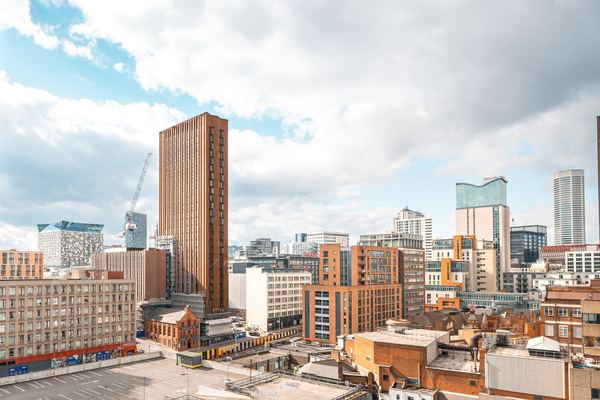
Holiday Inn Birmingham City Centre
Smallbrook Queensway, city centre
from £95/night
 8.0
8.0
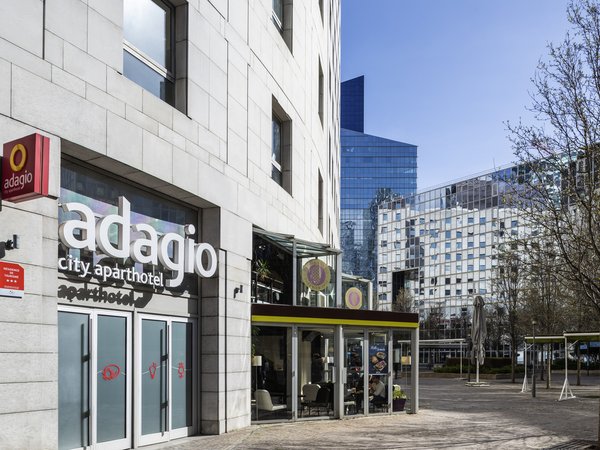
Awentsbury Hotel
Selly Oak, near the University of Birmingham
from £65/night
 7.8
7.8
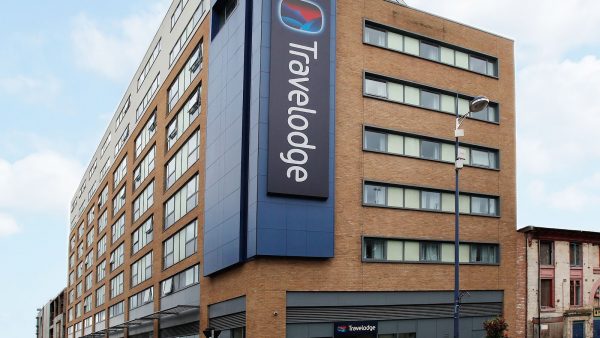
Woodville Hotel
Erdington, north Birmingham
from £60/night
Things to Do in Birmingham(92)
All attractions in Birmingham →Top things to do in Birmingham
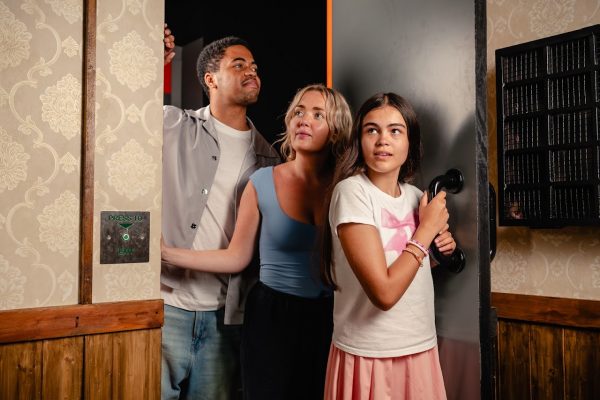
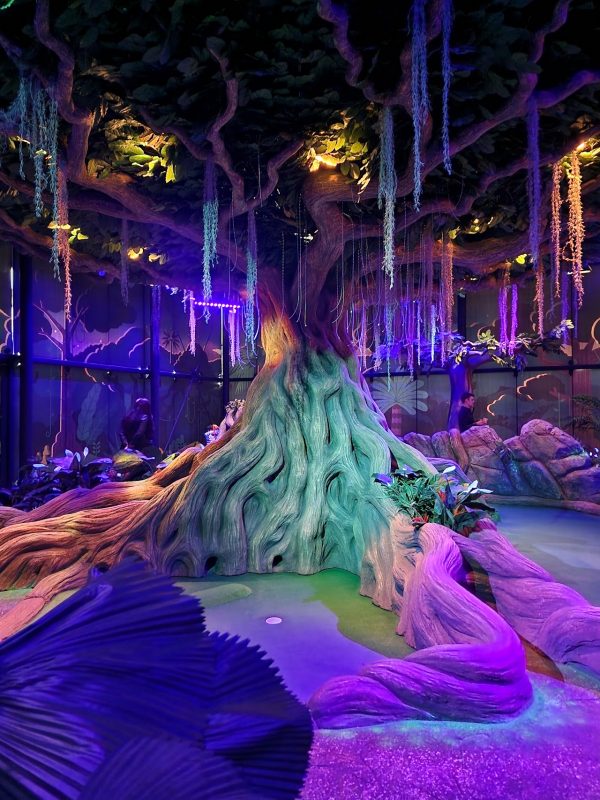
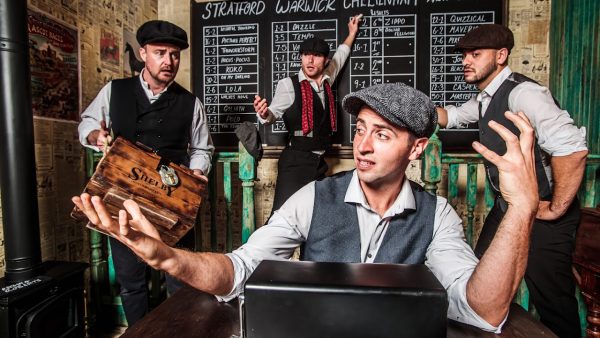
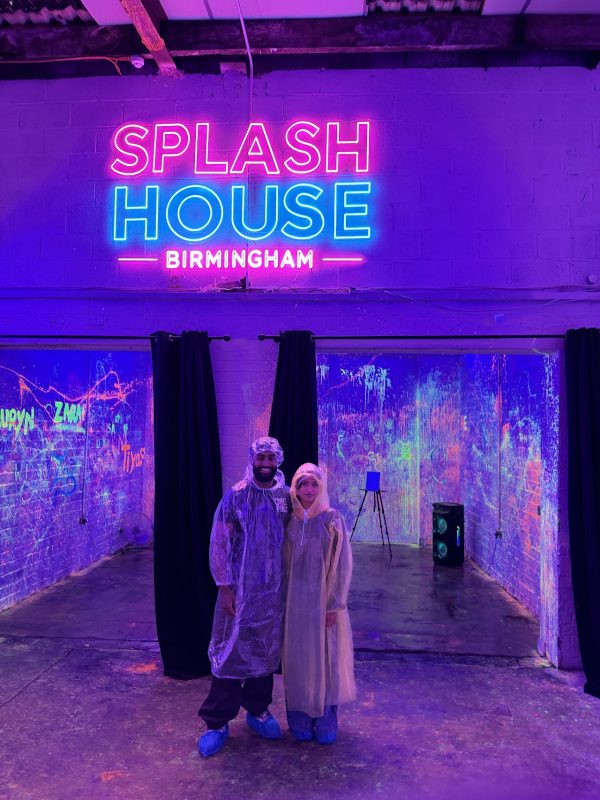
Birmingham rewards a few days of proper exploring rather than a single whistle-stop afternoon.
- The Bullring and Grand Central — the curved, chainmail-clad Selfridges building is the city's most photographed landmark, and the surrounding markets and malls make for a genuinely good half-day of shopping and people-watching.
- Birmingham Museum and Art Gallery — a free, world-class collection of Pre-Raphaelite paintings alongside the Staffordshire Hoard, the largest cache of Anglo-Saxon gold ever found.
- The Jewellery Quarter — cobbled streets of working jewellers, independent cafes and the Museum of the Jewellery Quarter, a preserved factory frozen at the moment its owners retired in 1981.
- Cadbury World — the chocolate-making visitor attraction at Bournville is aimed squarely at families but remains a genuinely popular day out for adults too.
- Birmingham's canal network — Gas Street Basin and Brindleyplace are the starting point for towpath walks that quietly connect much of the city centre away from traffic.
- The Library of Birmingham — an architecturally striking public library with a rooftop garden and view over the city that costs nothing to visit.
- Edgbaston Cricket Ground — a Test match venue with an atmosphere unlike any other ground in the country, particularly during an Ashes fixture.
- The Balti Triangle — Sparkhill and Sparkbrook's cluster of curry houses, the neighbourhood credited with inventing the Balti dish itself in the 1970s.

Where to Eat in Birmingham(2,101)
All restaurants in Birmingham →Food and drink in Birmingham
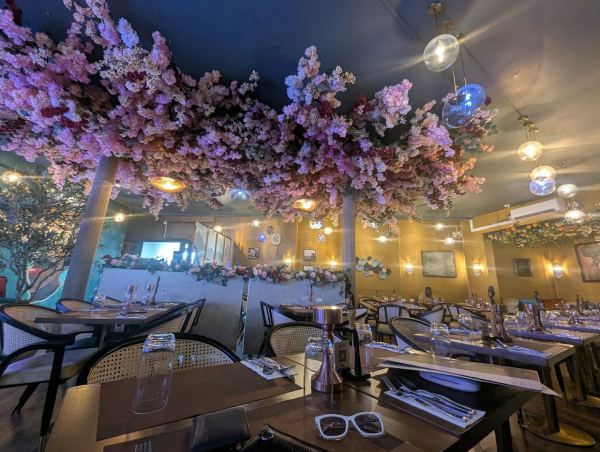
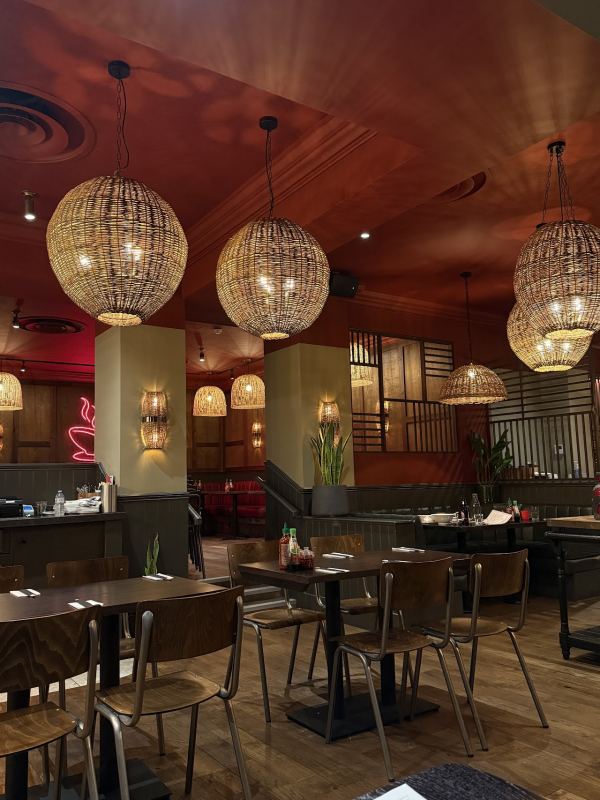
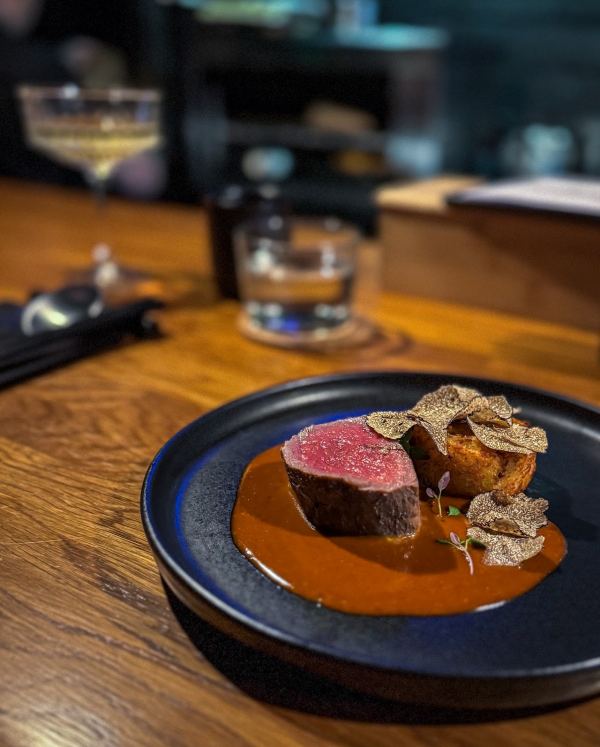
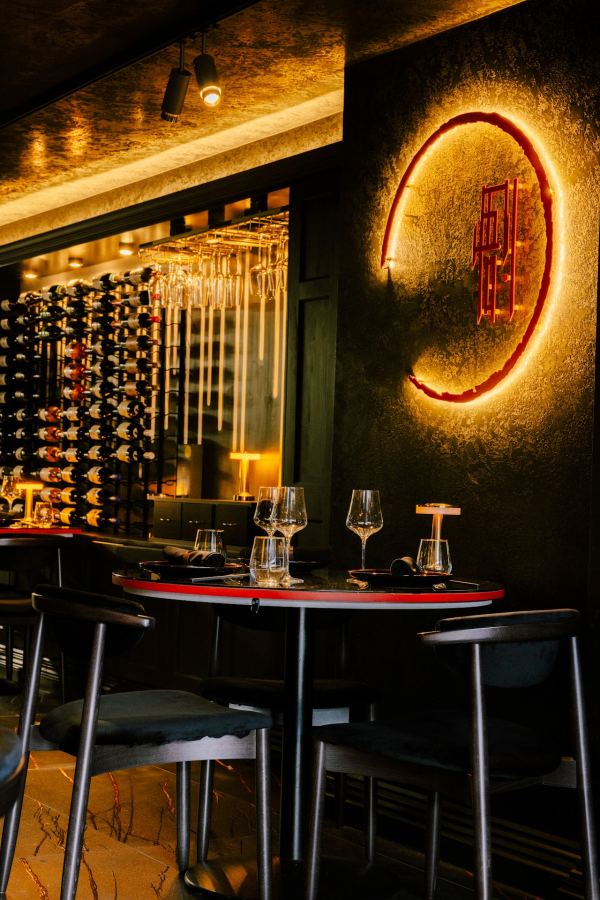
Birmingham's most famous culinary export is the Balti, a fast-cooked curry served in the pan it's cooked in, invented in the city's Sparkhill and Sparkbrook restaurants in the 1970s and still best eaten in the Balti Triangle today. The city also has more Michelin-starred restaurants than anywhere in the UK outside London, with Opheem, Adam's and Purnell's all holding stars and showcasing modern British and South Asian cooking.
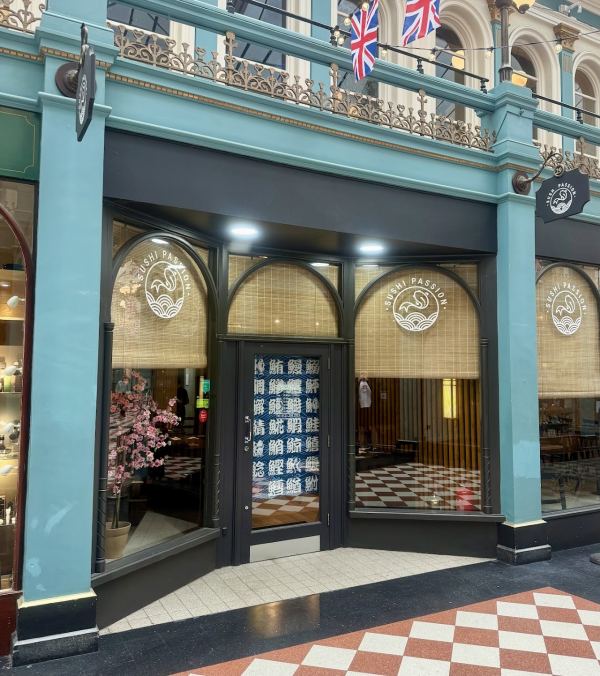
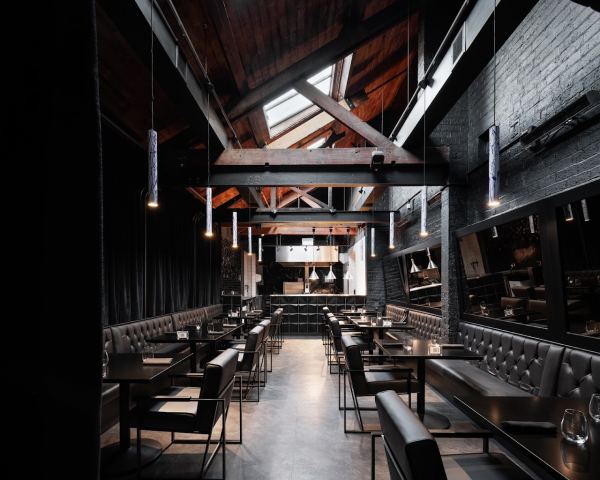
The Bullring's indoor market and the nearby Indoor Market on Edgbaston Street are good spots for cheaper, more traditional fare, while Brindleyplace and the Mailbox offer canal-side bars and restaurants that make the most of the waterside setting on a warm evening. Digbeth Dining Club brings together street food traders in a converted industrial space and is one of the best casual eating experiences in the city, particularly at weekends. For a drink, the Jewellery Quarter's small bars and the traditional pubs around the Custard Factory both offer a change of pace from the chain bars of the main shopping streets.

Attractions Near Birmingham
All attractions in Birmingham →Worth the trip — within 50 miles of Birmingham.
 1 mi
1 mi
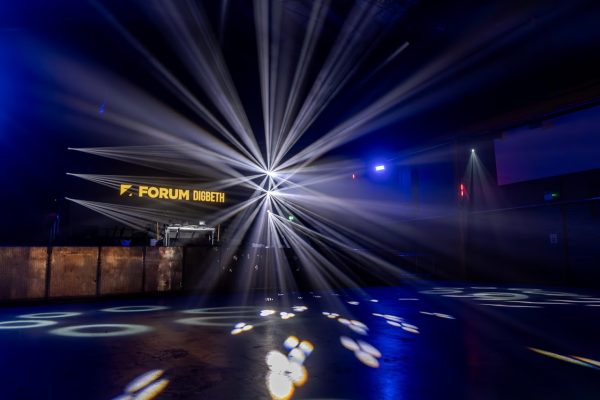
Roller Jam Digbeth
Digbeth · ⭐ 4.0
 3 mi
3 mi
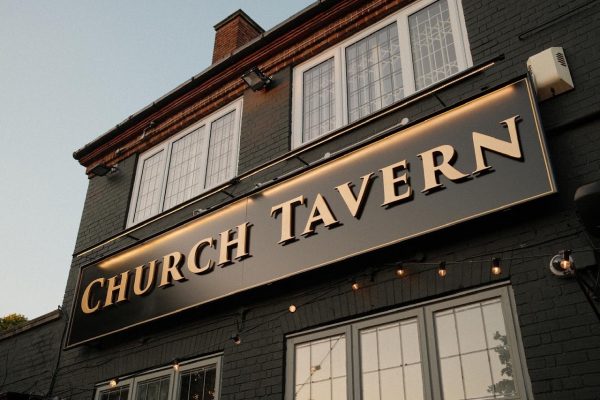
Fuzzy Ed's Church Tavern
Perry Barr · ⭐ 3.9
 3 mi
3 mi
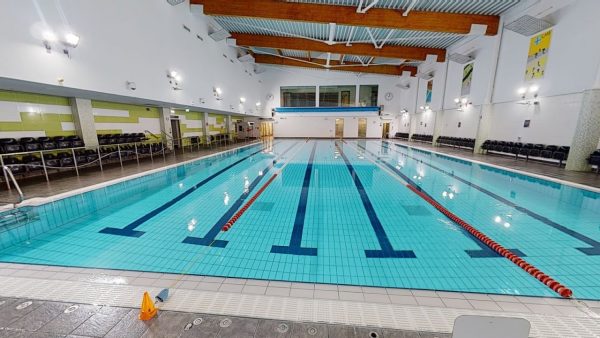
Harborne Pool and Fitness Centre
Harborne · ⭐ 3.8
 3 mi
3 mi
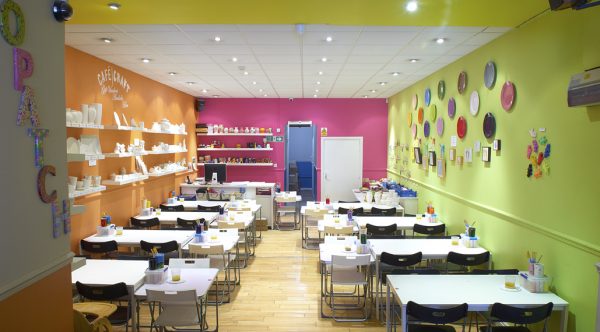
Cafe Craft
Bearwood · ⭐ 4.7
 4 mi
4 mi
Inflata Nation Birmingham
Stechford · ⭐ 4.2
 4 mi
4 mi
Jump Nation
Stechford · ⭐ 4.2
 4 mi
4 mi
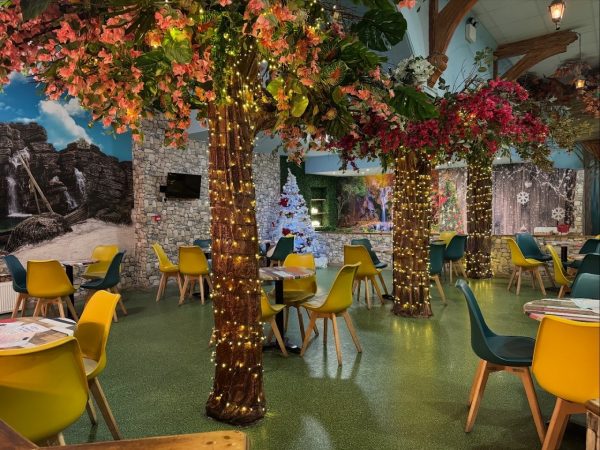
Neverland Fun House
Erdington · ⭐ 4.7
 4 mi
4 mi
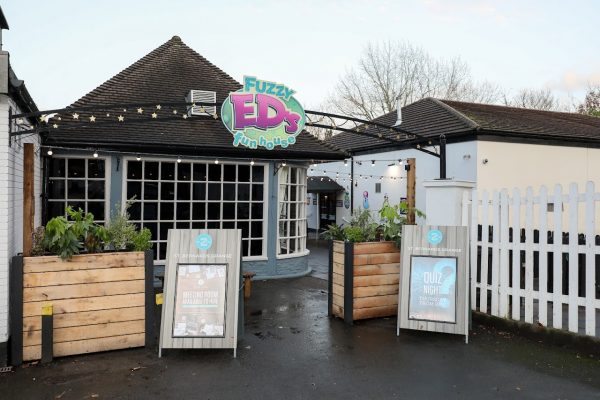
Fuzzy Ed's St Bernards Grange
Sheldon · ⭐ 4.0
Camping in Birmingham(5)
All campsites in Birmingham →About camping in Birmingham
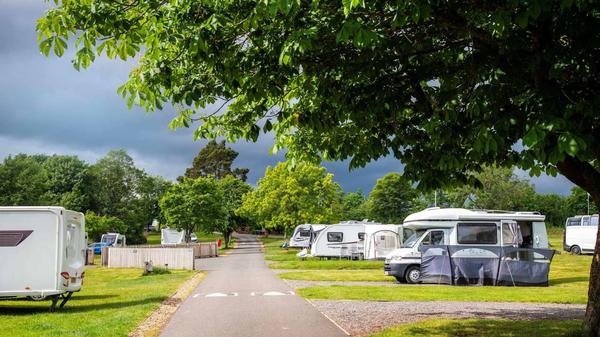
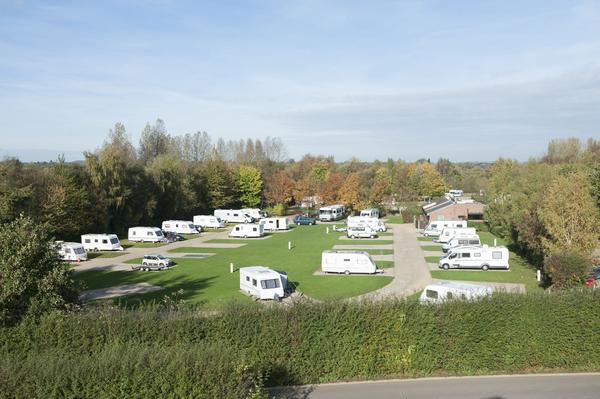
Birmingham itself is a dense urban centre with no campsites within the city boundary, but the surrounding countryside of Warwickshire and Worcestershire, much of it within a twenty-minute drive of the ring road, offers a genuinely good spread of options for visitors who prefer canvas or a caravan to a hotel bed. The terrain ranges from the gentle water meadows around Kingsbury Water Park in the north-east to the wooded slopes of the Clent Hills to the south-west, giving campers a choice between lakeside pitches and proper hillside views without ever being more than half an hour from the city centre by car.
The West Midlands climate is temperate and often wetter than the south of England, so waterproof kit and a good pitch with adequate drainage matter more here than in drier parts of the country; sites on higher ground, such as those near the Clent Hills, tend to fare better after heavy rain than those closer to the region's rivers and canals. Wild camping has no general legal right in England outside Dartmoor, so anyone wanting to camp near Birmingham needs to use one of the region's established sites or seek explicit landowner permission; informal camping on canal towpaths or in country parks is neither permitted nor advisable.
The best months to camp near Birmingham run from May to September, when daylight hours are longest and the region's parks and hills are at their most walkable; several sites, including some Camping and Caravanning Club locations, stay open into the autumn and winter shoulder seasons for hardier visitors, though facilities and pitch availability are typically reduced outside the main season.
Self-Catering Cottages in Birmingham(3)
All cottages in Birmingham →
Maple Court Retreat
1 bed · sleeps 3 · from £459
Ye Olde Stone House
4 bed · sleeps 8 · from £937
Havenfield House
2 bed · sleeps 4 · from £663
Serenity Comfort
3 bed · sleeps 6 · from £537
Oakdale Lodge
3 bed · sleeps 5
Fenn House
4 bed · sleeps 8 · from £931
Four Oaks Cottage
2 bed · sleeps 4 · from £617
Housmans Cartshed
1 bed · sleeps 2
Common questions about Birmingham
How many campsites are there in Birmingham?
We list 5 campsites in and around Birmingham, of which 5 take tents and 2 offer glamping.
Are there dog-friendly campsites in Birmingham?
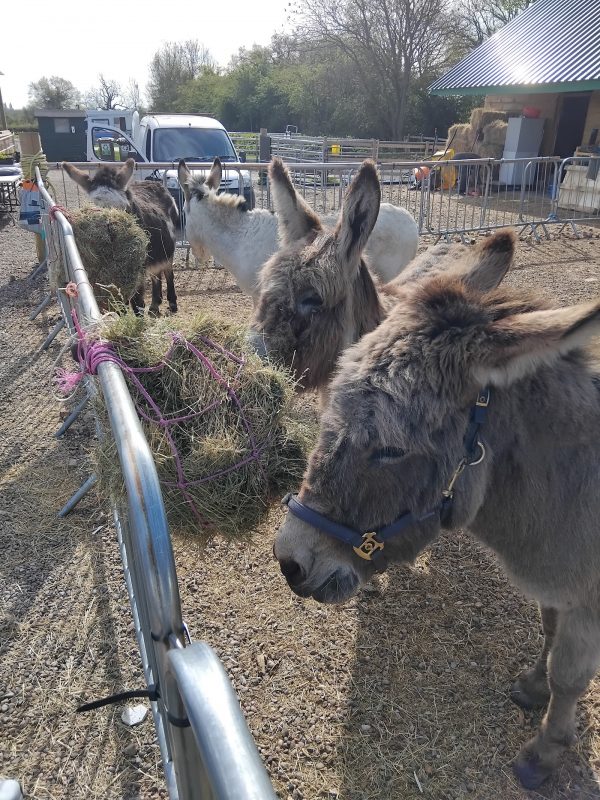
Yes — 4 of the 5 campsites we list in Birmingham accept dogs, including Knowle Donkey Sanctuary Campsite and Kingsbury Water Park Camping and Caravanning Club Site.
Which campsites in Birmingham have electric hook-up?
4 of the 5 campsites we list in Birmingham offer an electric hook-up.
How many holiday cottages are there in Birmingham?
We list 3 self-catering cottages in and around Birmingham.
Can I take a dog to a holiday cottage in Birmingham?
Yes — 1 of the 3 Birmingham cottages we list allow pets.
Are there large holiday cottages in Birmingham for groups?
Yes — the largest cottage we list in Birmingham sleeps 8.
Where can I stay in Birmingham?
We list 148 hotels, B&Bs and guest houses in and around Birmingham. Prices start from around £60 a night.
What is there to do in Birmingham?
We list 92 attractions and things to do in and around Birmingham.
Where can I eat in Birmingham?
We list 2,101 restaurants, pubs and cafes in and around Birmingham.