Durham
A cathedral city looped by the River Wear
Photo © Google Maps contributors, Google Maps
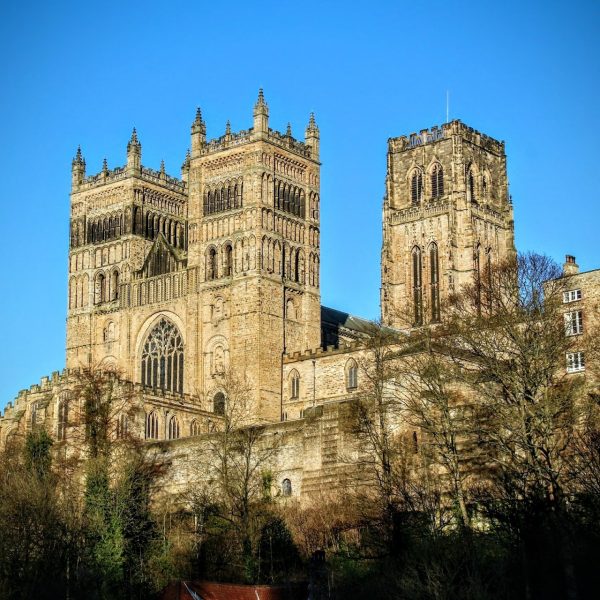
Durham sits on a tight, wooded loop of the River Wear in North East England, and almost everything about the city follows the shape of that river. A Norman cathedral and castle occupy the sandstone peninsula the water nearly encircles, looking down over cobbled streets, footbridges and boathouses. It is a small city by any measure, walkable from end to end in half an hour, yet it holds a UNESCO World Heritage Site, a working university and a market town's worth of independent shops within that tight footprint.
The centre is made up of steep lanes with names like Saddler Street and Silver Street, lined with second-hand bookshops, cafes and the odd gown-maker's, a legacy of the university that has occupied much of the peninsula and its surrounding streets since 1832. Durham University's colleges are scattered through converted townhouses, a former castle keep and purpose-built halls along the riverbanks, so student life and city life run through the same narrow streets rather than sitting apart on a separate campus.
Beyond the peninsula, Durham widens out into Victorian terraces, a red-brick market area around the old indoor market, and green space along the Wear that makes the city feel larger and calmer than its centre suggests. It is a former coalfield city too, and that industrial history, along with the surrounding Durham Dales and coast, gives it a different character to the more obviously genteel cathedral cities further south.
Getting to Durham
Durham sits directly on the East Coast Main Line, which makes rail the easiest way in. Trains from London King's Cross take around two hours forty minutes to three hours direct with LNER, while Edinburgh is roughly an hour forty-five away and Newcastle just 12 to 15 minutes, making Durham a realistic day trip from either city. Durham railway station is a steep but short walk down into the centre.
By road, Durham lies just off the A1(M) at Junction 62, with the A690 and A167 feeding into the city from the surrounding area. Parking in the centre itself is limited and mostly short-stay, so the council-run Park and Ride services from Sniperley, Belmont and Howlands, all just outside the centre, are the more relaxed option for a day visit. Newcastle International Airport is about 40 minutes' drive to the north and has the widest range of UK and European connections in the region.
Best time to visit Durham
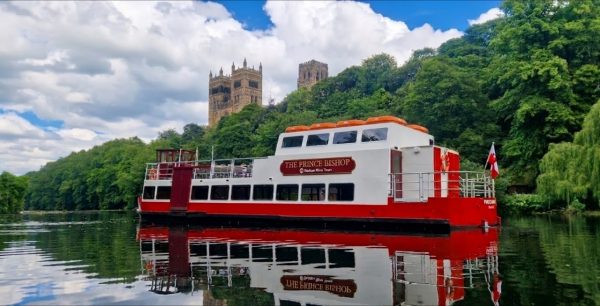
Spring brings snowdrops and daffodils to the riverbanks and Crook Hall's gardens, and the city is noticeably quieter before the university term picks up pace and the main tourist season begins. Summer has the longest days for walking the riverside paths and taking out a rowing boat, along with a fuller calendar of open-air events, though this is also when accommodation is busiest and priciest. Autumn brings the Durham Book Festival in October and, in odd-numbered years, the Lumiere light festival, which transforms the cathedral and streets after dark and draws large crowds, so book well ahead if visiting then. Winter is quieter and atmospheric, with the cathedral especially striking lit up in the dark and low afternoon light, though be aware that student graduation weeks in January and July can push hotel prices up sharply regardless of season.
Where to stay in Durham(41)
All hotels in Durham →About staying in Durham
Durham city holds most of the county's accommodation, and staying within walking distance of the cathedral and castle is easy to arrange. The Victorian Town House and Castle View Guest House sit close to the old town, ideal for exploring on foot, while Hotel Indigo Durham and the Radisson Blu occupy more central positions geared towards visitors wanting comfort alongside the sights.
Further out, options change character. Ramside Hall Hotel, Golf and Spa suits those after grounds and leisure facilities rather than a city-centre base, and Farnley Tower Guesthouse offers a quieter setting still within reach of the centre. Budget chains such as Travelodge Durham and OYO The Townhouse work well for short stopovers or drivers passing through on the A1.
Choosing between them largely comes down to whether you want cathedral views on your doorstep or a bit more space and parking a short drive away.
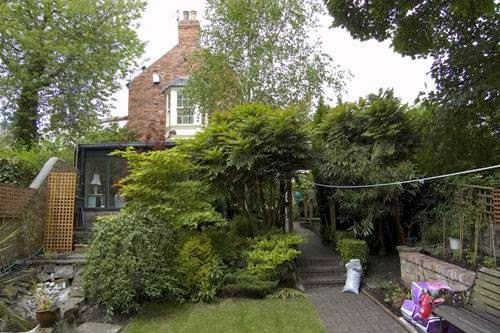 9.1
9.1
Castle View Guest House
Court Lane, Durham city centre
from £95/night
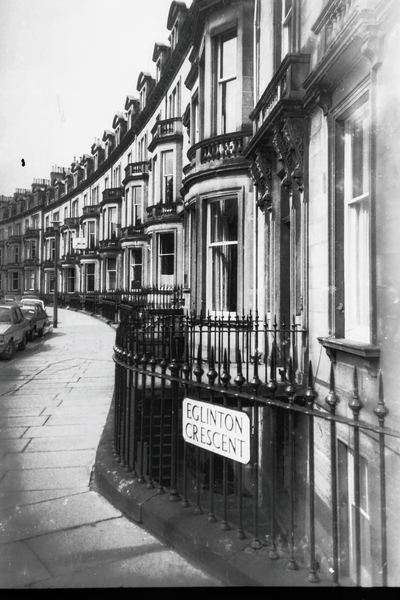 8.9
8.9
The Victorian Town House
Victoria Terrace, Durham city centre
from £75/night
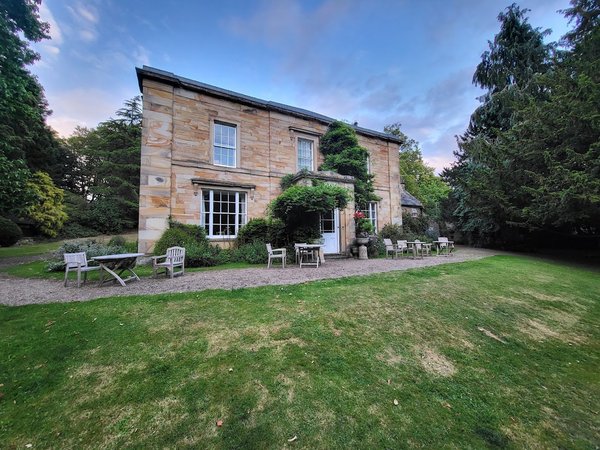
Burnhopeside Hall
Durham Road, Durham
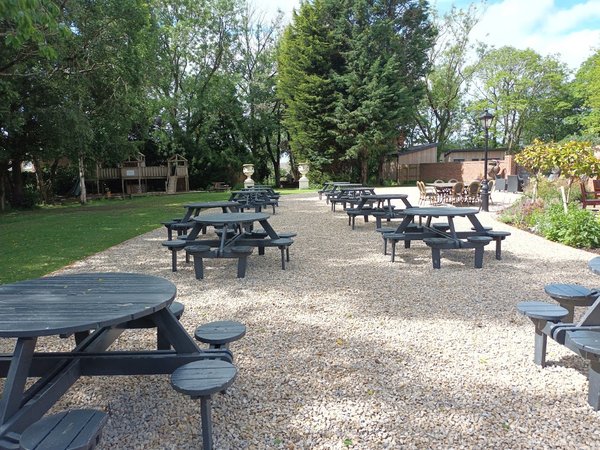
Bowburn Hall Hotel
Bowburn, Durham
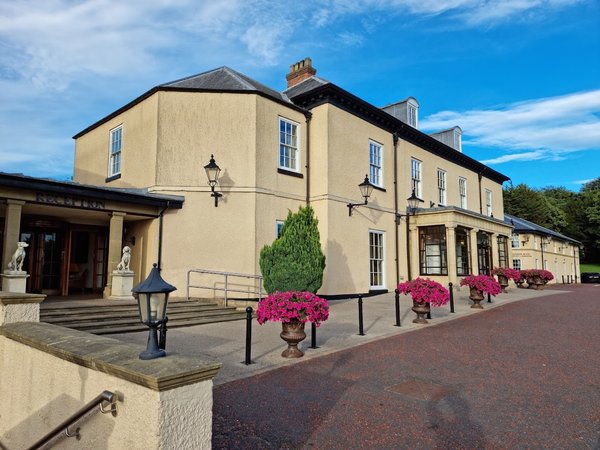
Hardwick Hall Hotel
Sedgefield, Durham
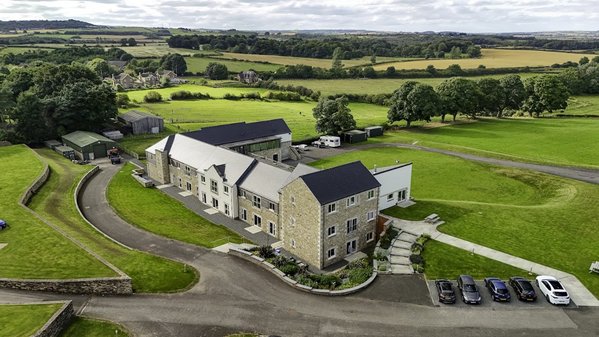
Plawsworth Aparthotel
Plawsworth Hall, Durham
 8.8
8.8
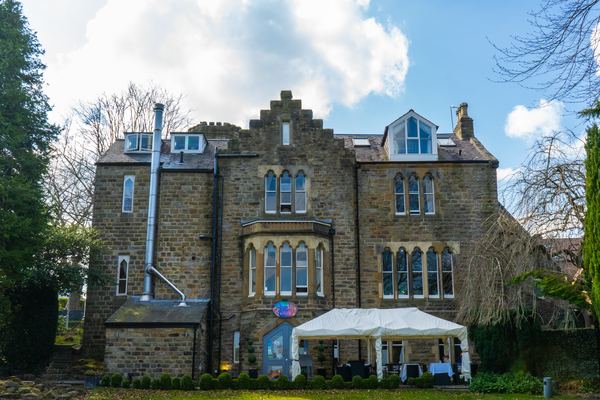
Farnley Tower Guesthouse
The Avenue, Durham city centre
from £105/night
 8.6
8.6
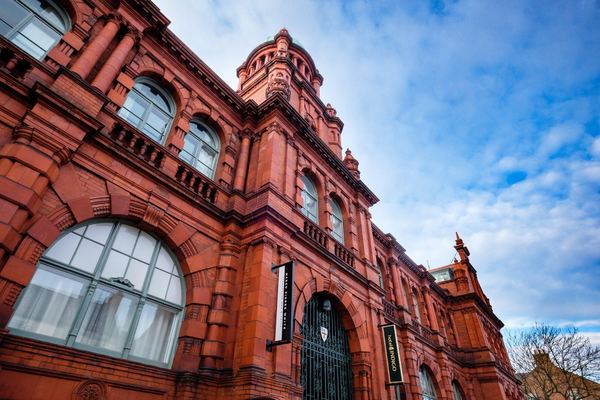
Hotel Indigo Durham
Old Elvet, Durham city centre
from £129/night
Things to Do in Durham(18)
All attractions in Durham →About things to do in Durham
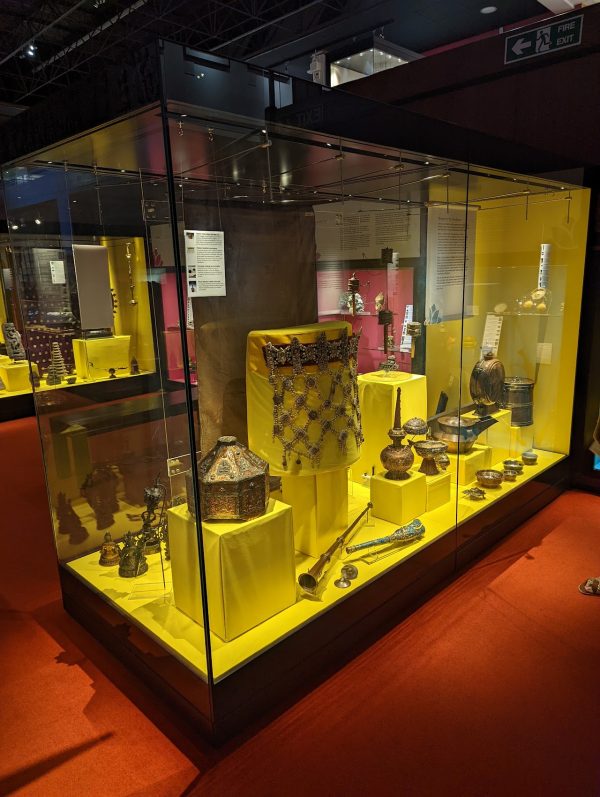
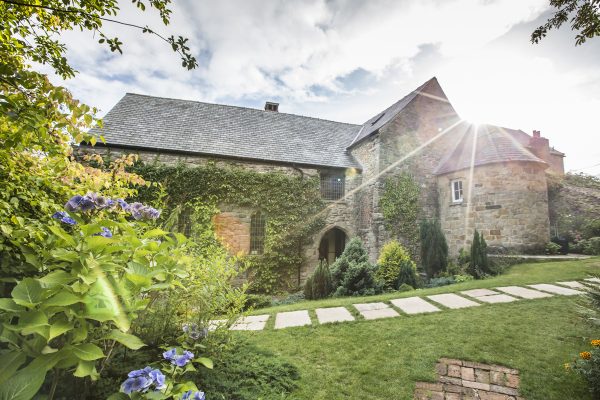
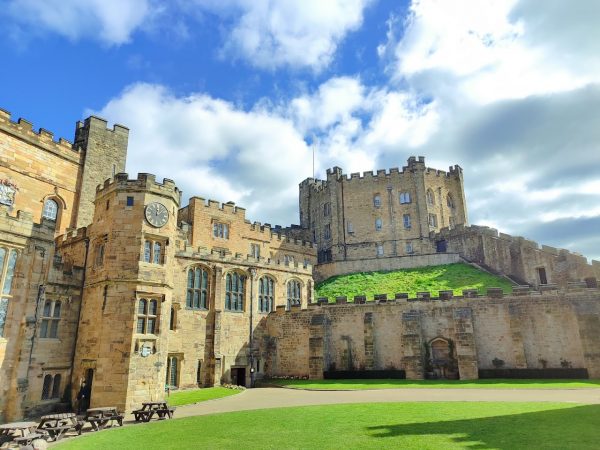
Durham city's obvious draw is its castle and cathedral, sitting together on the peninsula above the River Wear, and most visitors build a day around them before branching out to the Oriental Museum or the gardens at Crook Hall. These are places best tackled on foot, with the riverbanks and cobbled streets adding to the walk between them.
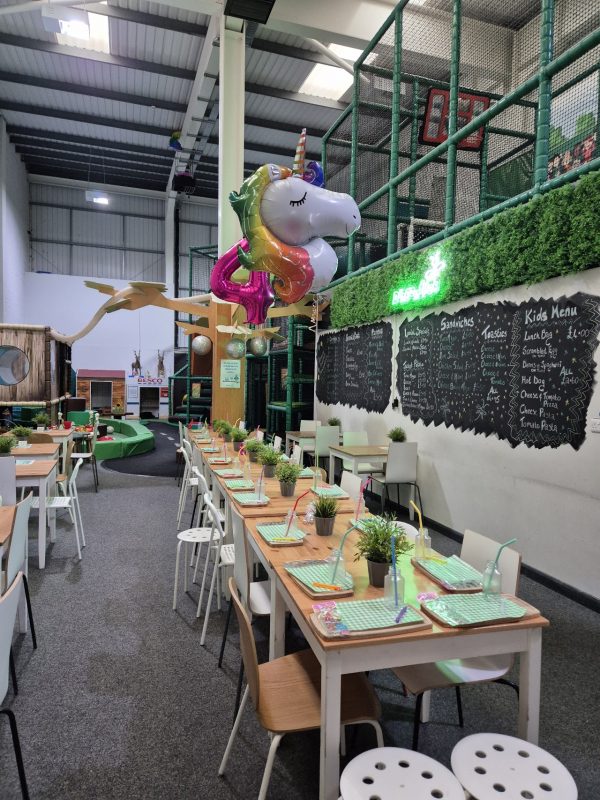
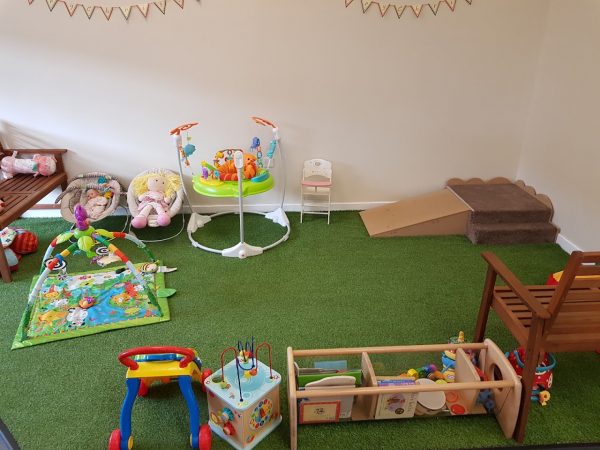
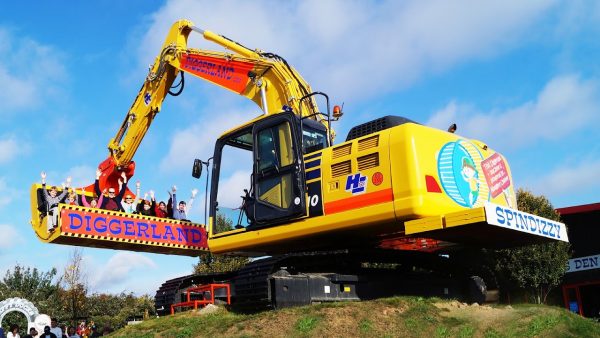
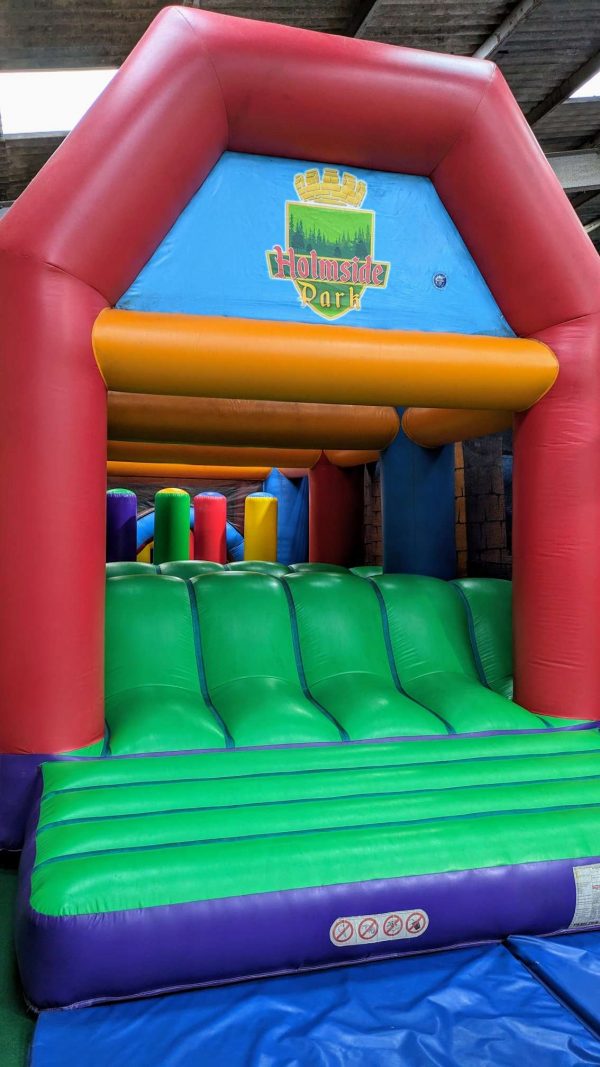
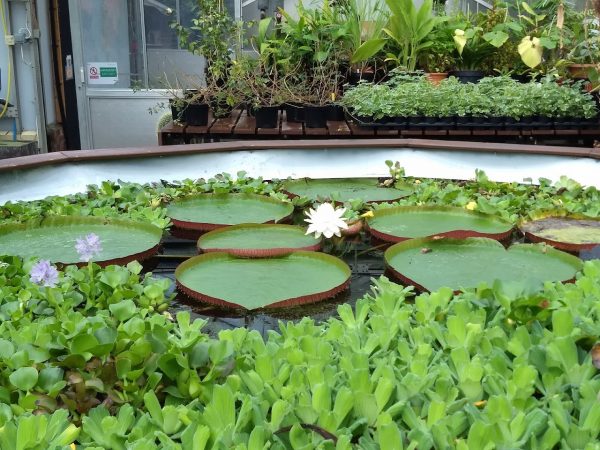
Beyond the historic core, the county offers a different kind of outing. Diggerland and TopGear Karting suit families wanting something more active, while Durham Climbing Centre gives an indoor option for wet days. East Grange Farm and Durham Botanic Garden slow things down again, good for younger children or a gentler afternoon.
Given how compact Durham city is, it's easy to combine an indoor attraction with time outdoors, and the spread here covers most tastes and weather conditions without much travel between them.
Where to Eat in Durham(118)
All restaurants in Durham →About eating out in Durham
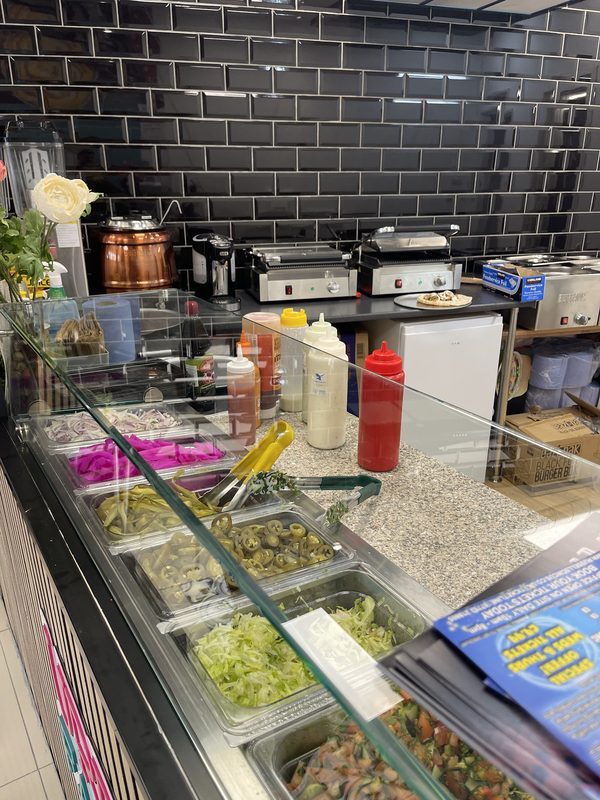
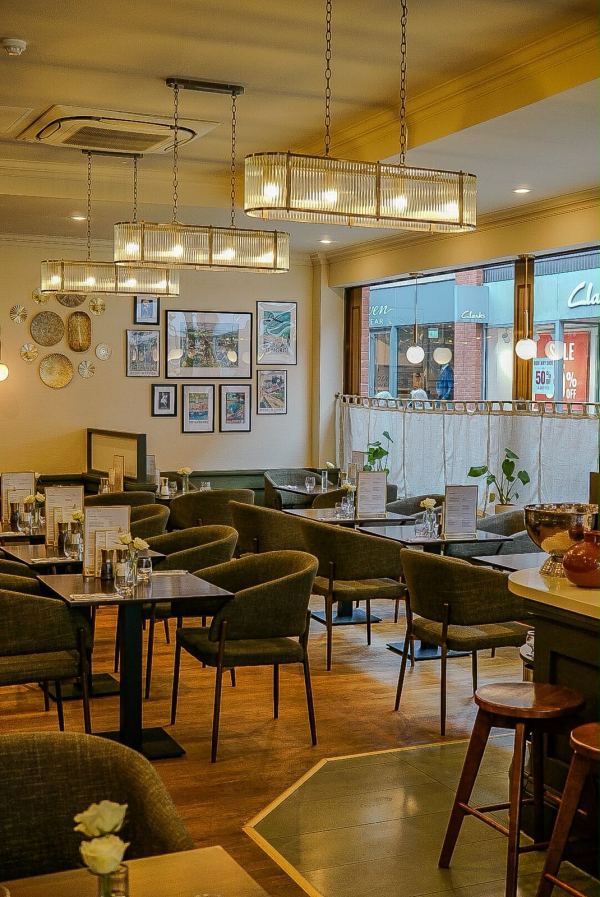
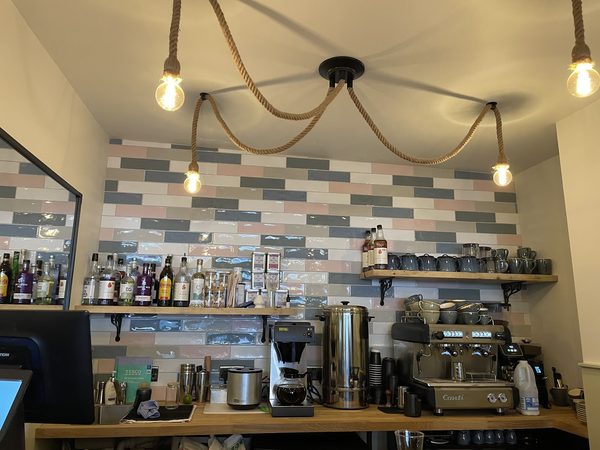
Durham's dining scene is concentrated in the city, where the riverside streets around Elvet and the Market Place mix student-friendly cafes with more considered places to eat. Sambuca Riverside and 26 Elvet make the most of the Wear-side setting, while spots like The Cloud Cafe and Cafe Cenno suit a slower coffee-and-cake stop between exploring the cathedral and castle.
Beyond the obvious cafes and coffee shops, there's a decent spread of cuisines to choose from, with Nadon Thai Restaurant and Paddy's Pizza offering something different from the traditional pub menu. The Rabbit Hole and Utepia Durham cater well to evenings out, and Durham City Town Hall's setting adds character to a meal in the old part of the city.
With well over a hundred places listed, it's worth deciding whether you want a quick bite near the shops, a proper sit-down meal, or a pub with a view of the river before picking where to head.



Attractions Near Durham
All attractions in Durham →Worth the trip — within 50 miles of Durham.




Camping in Durham(56)
All campsites in Durham →About camping in Durham
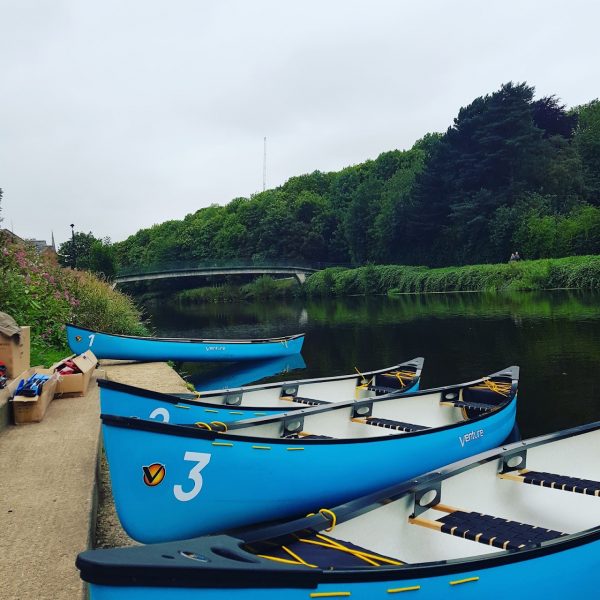
County Durham's mix of riverside pasture, moorland edge and quiet farmland gives campers plenty to work with, and the pitches near Durham city itself are a good example: Finchale Abbey Touring Park sits by the River Wear close to the abbey ruins, while Durham Grange offers the kind of straightforward, well-run stopover that suits a Club site. Strawberry Hill Farm, listed here in a couple of guises, is another long-standing option for tourers and tents alike.
Beyond the obvious touring parks, the county has a good scatter of small Certificated Sites and Locations - places like Conifer Rise, High Flatts Farm and the Durham Amateur Rowing Club ground - which suit those wanting a handful of pitches on a working farm or riverside plot rather than a full-scale park. For something more comfortable, Dragonfly Camping and West Hall Glamping represent the county's growing choice of yurts, pods and cabins, useful if you want the countryside without the tent.
Choosing between them often comes down to how central you want to be: sites close to Durham city put the cathedral and river within easy reach, while those further out give a quieter, more rural base for exploring the Wear Valley and beyond.
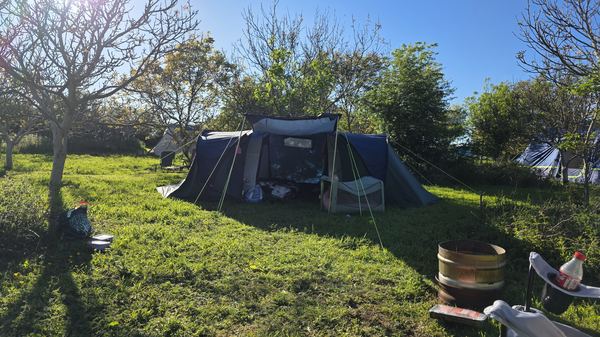
Dragonfly Camping
⭐ 5.0 · from £36/night
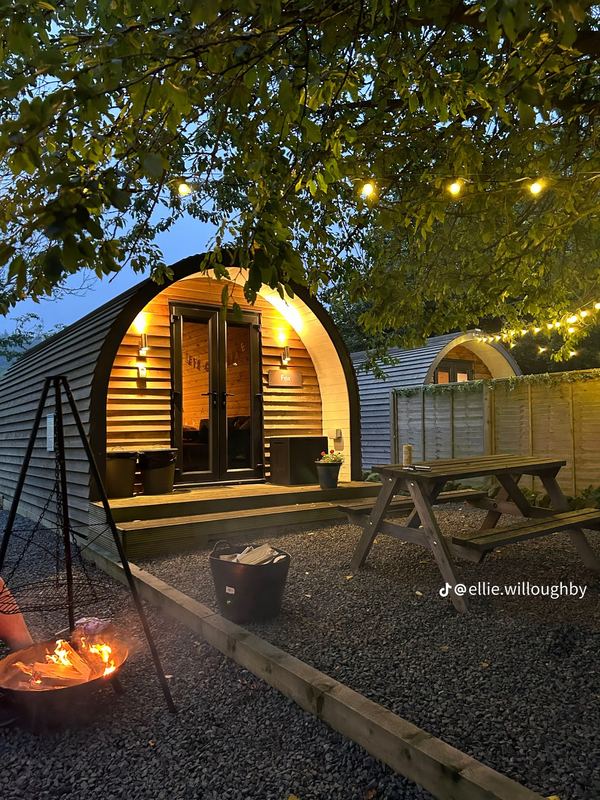
West Hall Glamping
⭐ 5.0
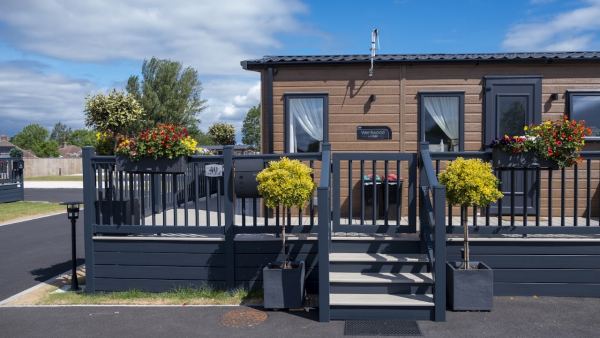
Heron Residential Park
Darlington · ⭐ 5.0
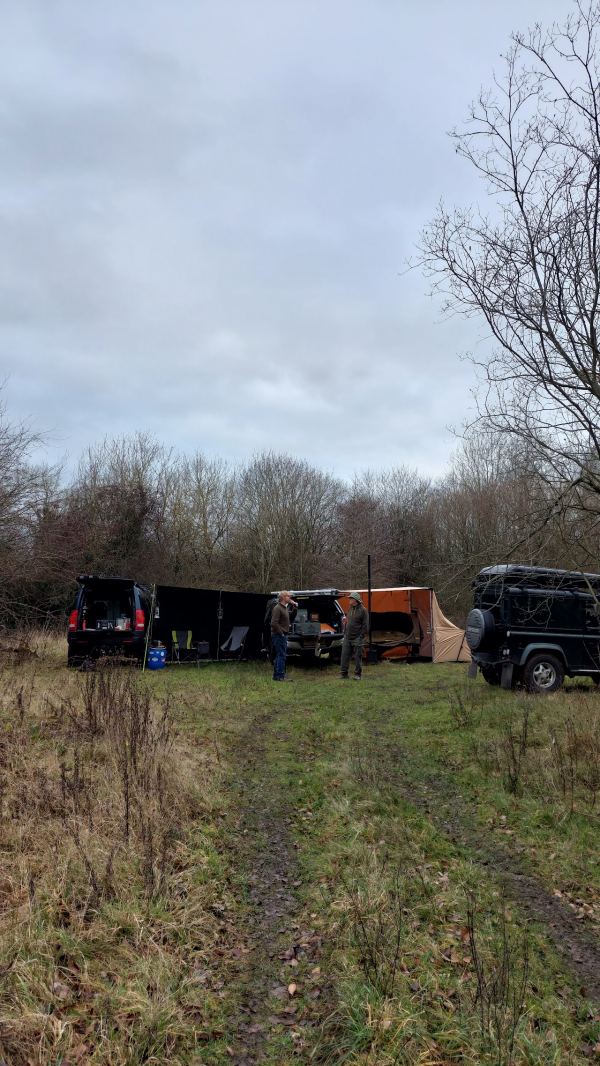
Ash Vale Park
⭐ 5.0
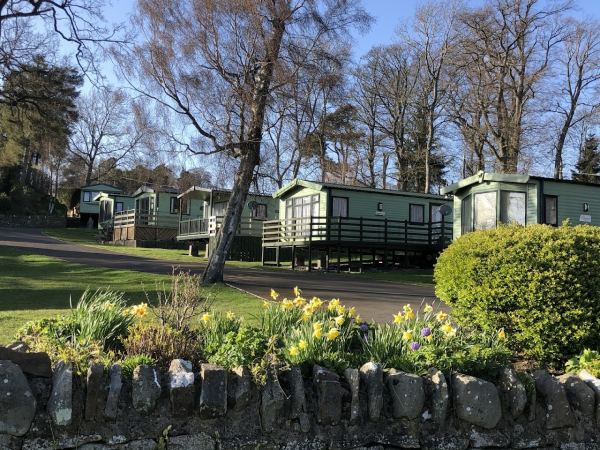
Greenfoot Caravan Park
Bishop Auckland · ⭐ 4.9
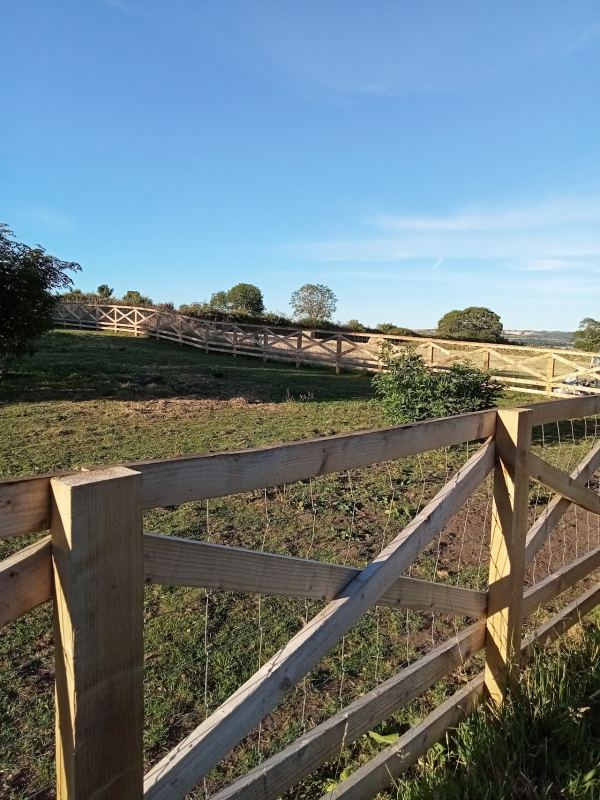
Lonton South Farm Certificated Location
⭐ 4.9
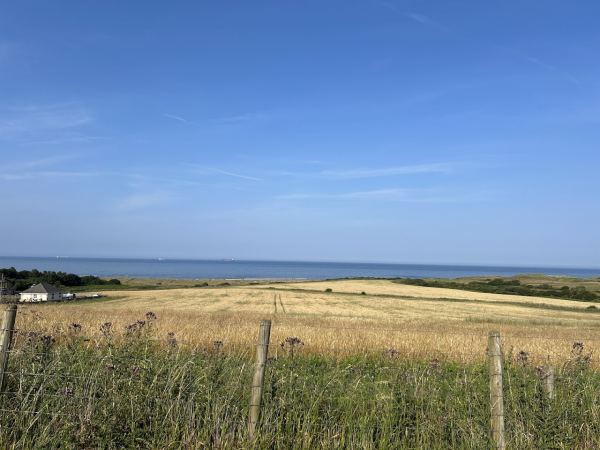
Crimdon House Farm Campsite (Certificated Site)
Hartlepool · ⭐ 4.9
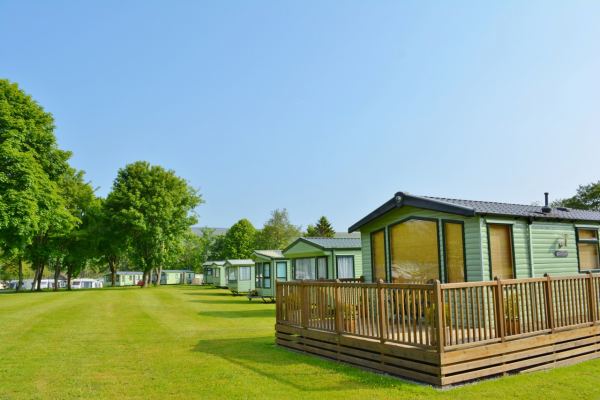
Mickleton Mill Caravan Park
Barnard Castle · ⭐ 4.8
Self-Catering Cottages in Durham(179)
All cottages in Durham →About cottages in Durham
County Durham's self-catering cottages spread from converted farm buildings in the dales to stone-built homes closer to Durham city, giving visitors a choice between quiet countryside and easy access to the cathedral and river. Properties such as Bridge End Farm, Stone Cottage and Britton Hall Bungalow suit those wanting space and a garden, while conversions like The Old Stables and Mill Force Cottage often come in small groups, useful for families or friends travelling together but wanting separate cottages.
Many of these houses sit on working farms or former mill sites, with names like Mill Stone Cottage and Miners Meadow hinting at the area's agricultural and industrial past. Booking a cottage here works well for exploring the North Pennines and Weardale on longer stays, or for a shorter break based nearer Durham itself, with self-catering giving the flexibility to come and go as walking, cycling or sightseeing plans allow.
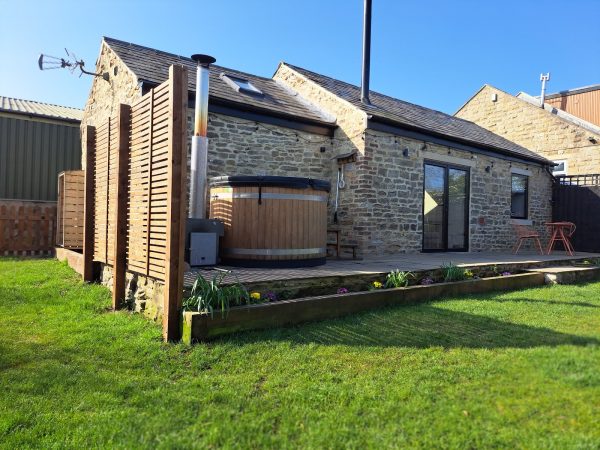
Little Glencrest
Bishop Auckland · 1 bed · sleeps 2 · from £457
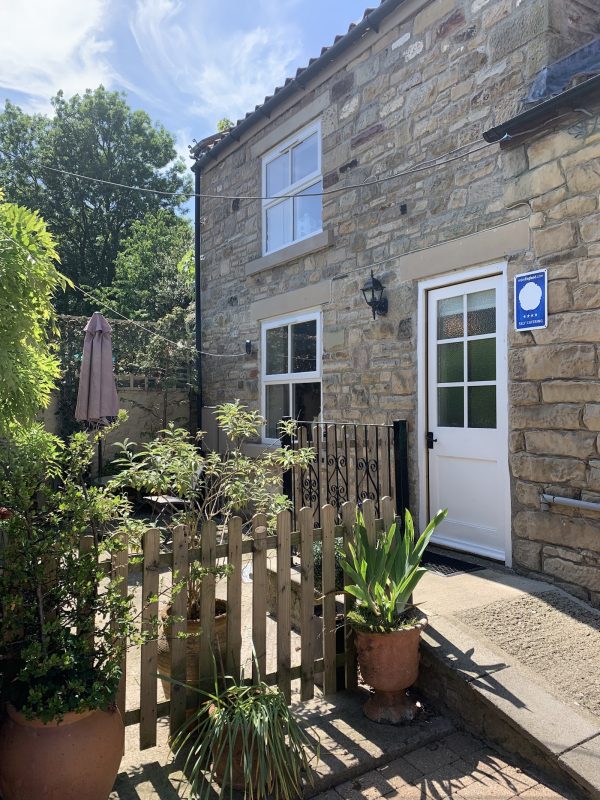
Fawn Lea Cottage
Darlington · 2 bed · sleeps 4 · from £357
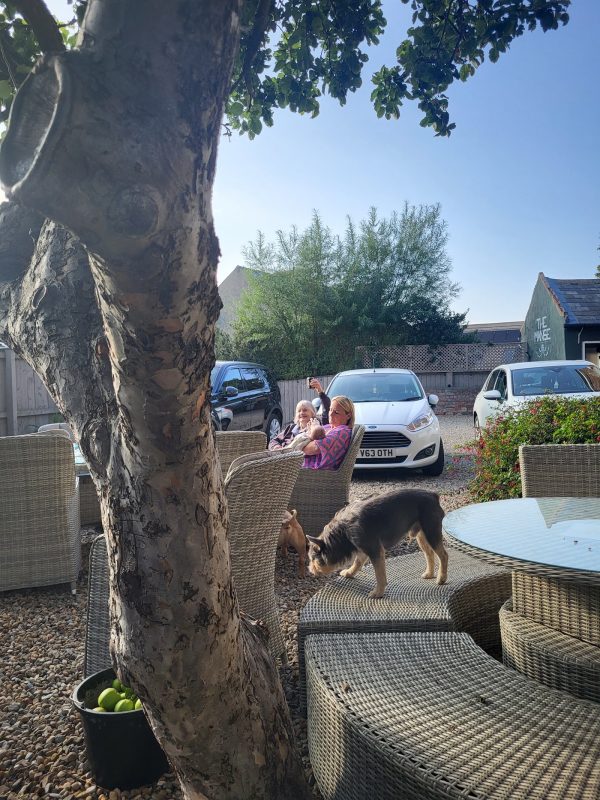
The Manse
4 bed · sleeps 10 · from £1,007
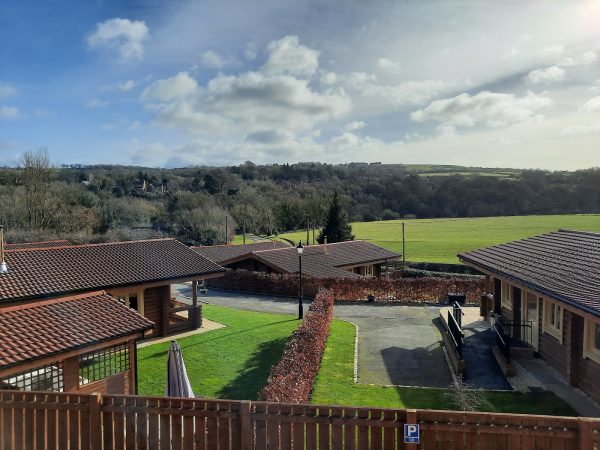
Vindomora Country Lodges - Chesters Lodge
Consett · 2 bed · sleeps 6 · from £817
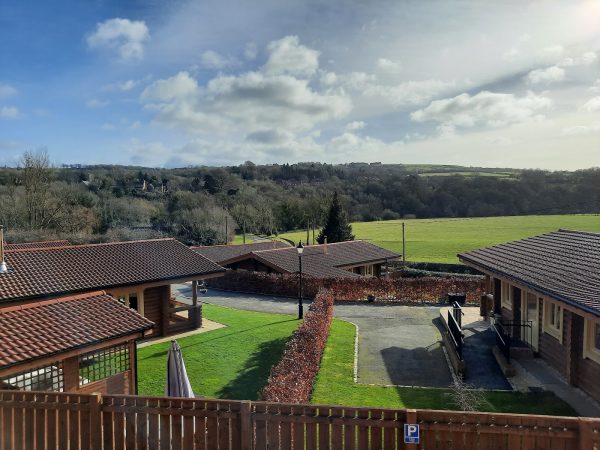
Vindomora Country Lodges - Oswin Lodge
Consett · 2 bed · sleeps 6 · from £861
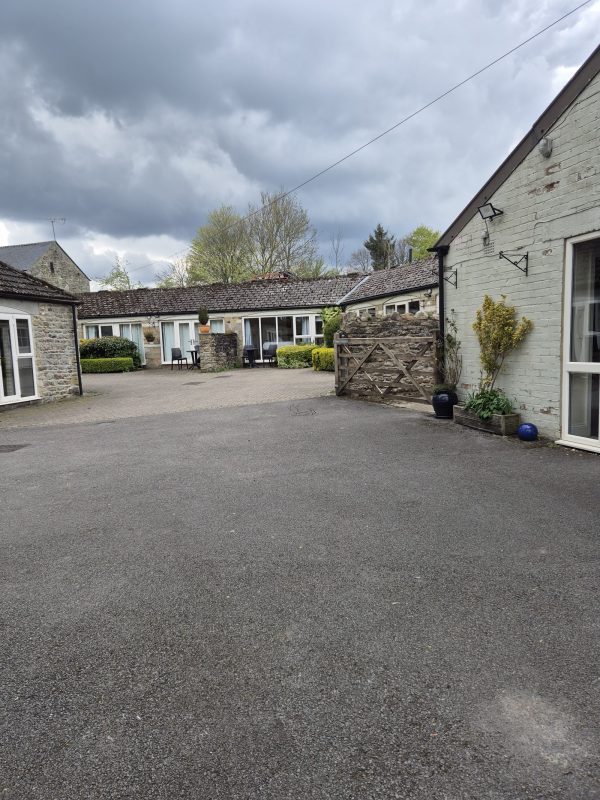
Owl Cottage
Bishop Auckland · 1 bed · sleeps 2
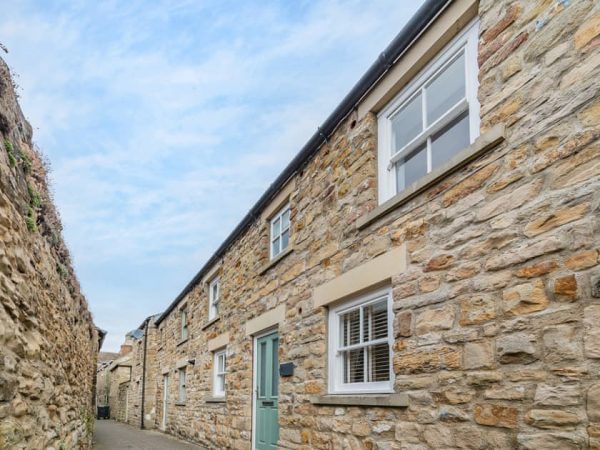
Raven Cottage
Barnard Castle · 2 bed · sleeps 4 · from £387
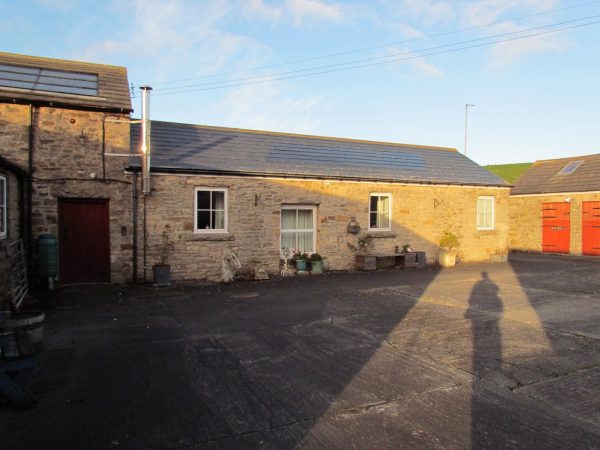
The Byre
Barnard Castle · 1 bed · sleeps 4 · from £263
Common questions about Durham
How many campsites are there in Durham?
We list 56 campsites in and around Durham, of which 6 take tents and 4 offer glamping.
Are there dog-friendly campsites in Durham?
Yes — 4 of the 56 campsites we list in Durham accept dogs, including West Hall Glamping and Finchale Abbey Touring Park.
Which campsites in Durham have electric hook-up?
4 of the 56 campsites we list in Durham offer an electric hook-up.
How many holiday cottages are there in Durham?
We list 179 self-catering cottages in and around Durham.
Can I take a dog to a holiday cottage in Durham?
Yes — 128 of the 179 Durham cottages we list allow pets.
Are there large holiday cottages in Durham for groups?
Yes — the largest cottage we list in Durham sleeps 22.
Where can I stay in Durham?
We list 41 hotels, B&Bs and guest houses in and around Durham. Prices start from around £75 a night.
What is there to do in Durham?
We list 18 attractions and things to do in and around Durham.
Where can I eat in Durham?
We list 118 restaurants, pubs and cafes in and around Durham.