Ely
Cathedral views over the Fens
Photo © Google Maps contributors, Google Maps
Ely rises out of the Cambridgeshire Fens like an island, which is more or less what it once was. Before the Fens were drained in the seventeenth century, this small city stood on genuinely raised ground above miles of marsh and open water, and its cathedral has been visible for miles around ever since, earning the nickname the "Ship of the Fens". Today Ely is one of England's smallest cities by population, with fewer than 21,000 residents, yet it carries the weight of thirteen centuries of religious and civic history within a compact, walkable centre.
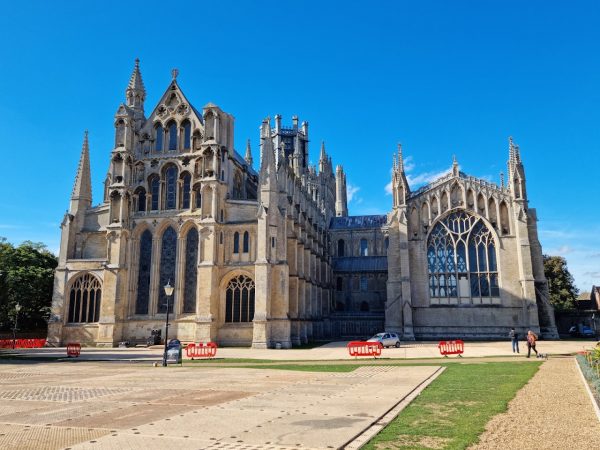
The cathedral dominates every view, its famous octagon tower an engineering feat rebuilt after the original Norman crossing tower collapsed in 1322. Beneath it, narrow lanes lead down towards the River Great Ouse, where a working quay, converted maltings and waterside pubs give the city a gentler, more domestic scale than its skyline suggests. Oliver Cromwell lived here as a young man collecting tithes, and his former house on St Mary's Street is now the only Cromwell museum in the country. Markets, independent shops and a strong tradition of eel fishing, from which the city likely takes its name, round out a place that feels lived-in rather than preserved behind glass.
Ely also makes an efficient base for exploring the wider Fens, from the RSPB reserves at Welney and Wicken to the university city of Cambridge, a short train ride to the south. Its flat surroundings, quiet lanes and riverside paths make it a popular spot for cyclists and walkers as much as for those drawn purely by the cathedral.
Getting to Ely
Ely sits on a well-served rail junction, which makes it an easy city to reach without a car. Direct trains from London King's Cross take around one hour fifteen minutes, run jointly by Great Northern and Thameslink services heading further north to Peterborough or King's Lynn. Greater Anglia trains connect Ely to Cambridge in around fifteen to twenty minutes, making it a realistic day trip from the university city, and also run onward to Norwich, Ipswich and King's Lynn. Peterborough is roughly twenty-five minutes away by train, useful for connections onto the East Coast Main Line.
By road, Ely lies just off the A10 between Cambridge and King's Lynn, with the A14 a few miles south linking to the A1(M) and M11 for routes to London, the Midlands and the east coast ports. The city centre has several pay-and-display car parks, including ones close to the station and near the river at Cresswells, and short-stay parking on Market Street; none of the central car parks are large, so arriving before mid-morning helps at weekends and in summer.
The nearest major airport is London Stansted, around forty-five minutes' drive or a train change via Cambridge, while London Luton is roughly ninety minutes by road. A small general aviation airfield operates just outside Cambridge but has no scheduled passenger services.
Best time to visit Ely
Spring brings the Fens to life, with the RSPB reserves at Welney and Ouse Washes busy with breeding wading birds and the cathedral grounds filled with daffodils and blossom; it is also a quieter time to visit before the main summer crowds arrive.
Summer is Ely's busiest season, with the riverside at its most sociable, longer opening hours at the cathedral and museums, and events including the Ely Folk Festival and the summer antiques market by the river. Long, flat cycling routes out into the Fens are at their best in this settled weather.
Autumn thins the crowds while keeping mild conditions for walking and cycling, and the changing light over the flat fen landscape around the city is particularly striking. The Ely Eel Festival, usually held in spring, and various harvest-season food events reflect the area's agricultural rhythms.
Winter suits those who want the cathedral largely to themselves; Ely's Christmas market and the cathedral's candlelit carol services and Christmas tree festival are genuine highlights, and a crisp, still day over the frost-covered Fens has its own quiet appeal, even if some fenland reserves are wetter underfoot.
Where to stay in Ely(17)
All hotels in Ely →About staying in Ely
Ely is compact enough that almost anywhere within the historic centre puts you within walking distance of the cathedral, so the choice of where to stay comes down more to style than to logistics. Travellers who want to fall out of bed and straight into the cathedral precinct should look at the boutique hotels and coaching inns clustered around St Mary's Street and Fore Hill, several of which occupy genuinely old buildings with the creaking floors and low doorways to prove it. These central options tend to have the best restaurants attached, useful for an evening meal without needing to move the car.
For a quieter base, the Waterside and riverside stretch of the city offers a short, pleasant walk into the centre along the Great Ouse, with the advantage of moorings, pubs and a more residential feel once the day-trippers have gone home. This suits couples and anyone who prefers an evening stroll by the water to a room above a busy high street.
Those travelling with a car, or wanting more space and a rural outlook, might look just outside the city at the surrounding villages of Stuntney, Littleport and Wicken, all within a few miles and easily reached by road or bike. Country house B&Bs and converted farmhouses here tend to offer larger gardens and grounds, and often a warmer welcome for dogs, at the cost of a short drive or cycle back into town for dinner. Families, in particular, may find the extra space and parking of these edge-of-town options easier than a historic centre with limited kerbside parking. Whichever area you choose, Ely's small size means nothing is ever more than about fifteen minutes away on foot or by bike, so the decision matters less for convenience than for the kind of stay you are after: cathedral views and cobbled streets, a riverside evening, or a rural retreat with the city close at hand.
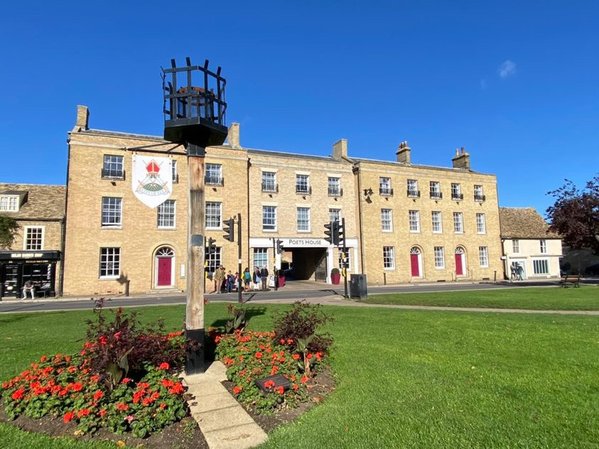 9.1
9.1
Poets House
St Mary's Street, city centre by the cathedral
from £195/night
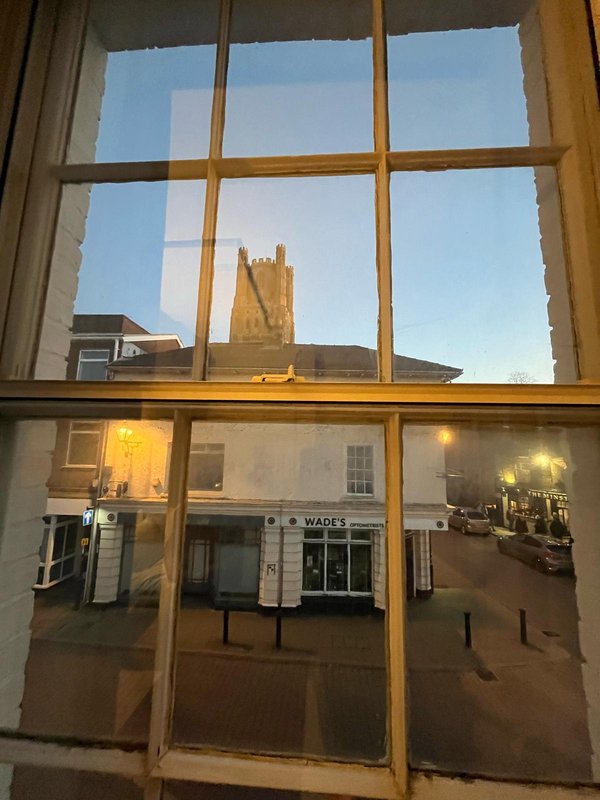 8.9
8.9
The Swan – A Columbo Edition Hotel
Riverside Littleport, six miles north of Ely
from £165/night
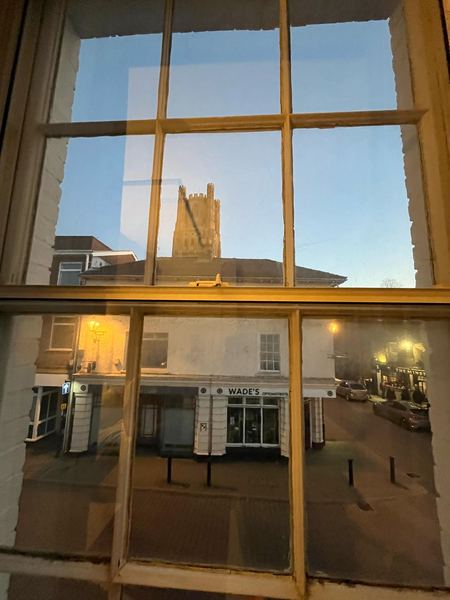 7.6
7.6
The Lamb Hotel
Lynn Road, city centre near the cathedral
from £89/night
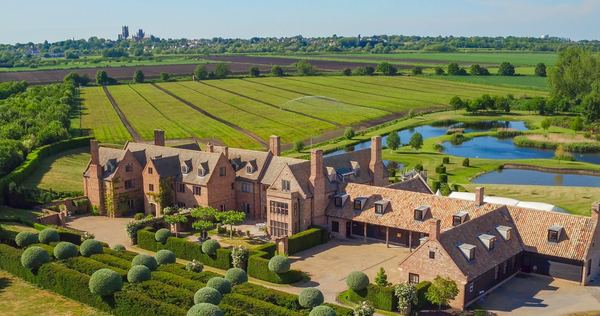 9.3
9.3
The Old Hall Ely
Stuntney, one mile from Ely city centre
from £175/night
 8.0
8.0
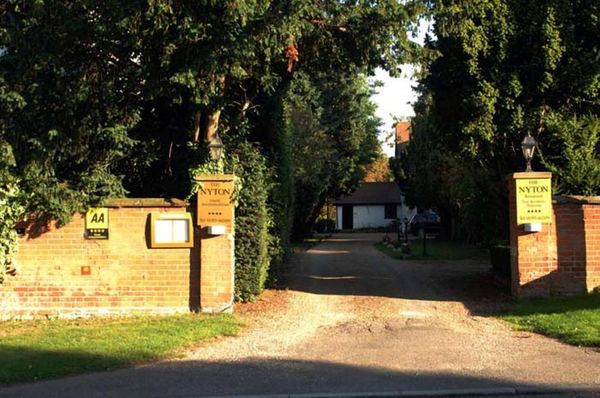
The Nyton Guest House
Barton Road, ten minutes' walk from the cathedral
from £95/night
 8.6
8.6
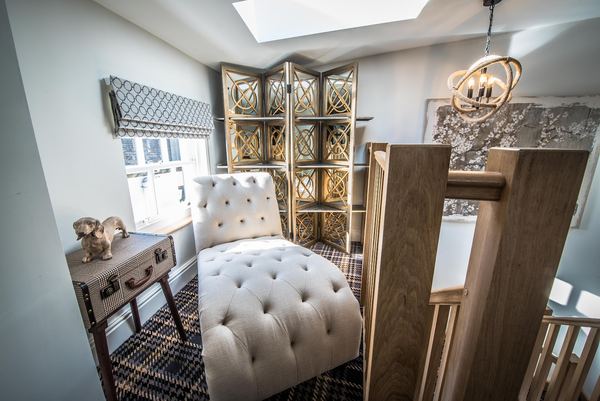
The Royal Standard
Fore Hill, city centre near the cathedral and river
from £90/night
 9.5
9.5
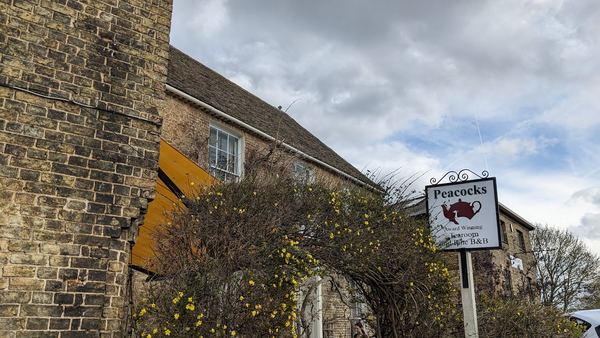
Peacocks Tearoom and Fine B&B
Waterside, on the riverside quay
from £110/night
 9.0
9.0
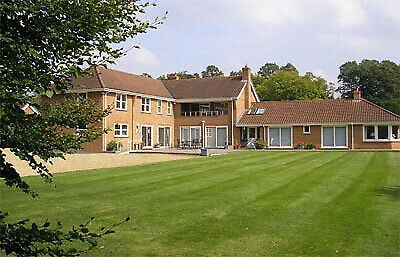
The Meadow House
Burwell, six miles south of Ely
from £105/night
Things to Do in Ely(10)
All attractions in Ely →Top things to do in Ely
Ely rewards a slow visit, and most of its sights sit within a ten-minute walk of one another.
- Ely Cathedral is the obvious starting point, and its Octagon Tower Tour climbs into the roof space for a close look at the medieval carpentry holding the lantern aloft.
- Oliver Cromwell's House recreates the domestic life of the future Lord Protector and his family during their decade in Ely, alongside displays on the wider Civil War period.
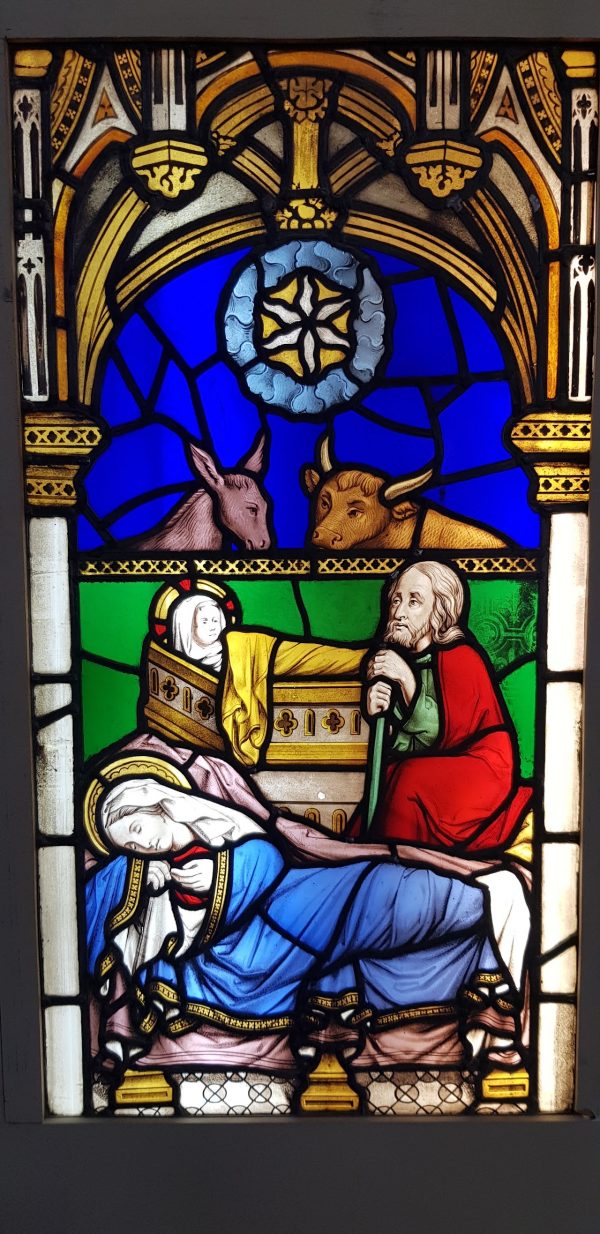
- The Stained Glass Museum, housed within the cathedral itself, is the only museum in Britain devoted entirely to stained glass, spanning medieval panels to contemporary work.
- Ely Museum occupies the city's former gaol and covers local history from prehistoric fen finds to the eel trade and the draining of the marshes.
- Ely riverside and Jubilee Gardens line the Great Ouse with moored boats, waterside pubs and a Sunday antiques and craft market during summer months.
- Babylon Gallery, next to the river, hosts changing exhibitions of contemporary art and craft in a converted maltings building.
- Wicken Fen National Nature Reserve, a short drive or cycle from the city, protects one of the last remnants of undrained fenland, complete with a working wind pump and grazing Highland cattle.
- Ely Market fills the square on Thursdays and Saturdays with local produce, and expands into a general market on Saturdays, giving a good sense of the working town beyond the cathedral precinct.

Where to Eat in Ely(21)
All restaurants in Ely →Food and drink in Ely
Eel has been Ely's defining local food for centuries, and though wild eel is far scarcer than in the past, it still appears smoked or in traditional recipes on several menus around the city, particularly during the annual Eel Festival. The surrounding Fens also produce excellent asparagus, soft fruit and root vegetables, which turn up on seasonal menus at restaurants such as The Old Fire Engine House, a long-standing restaurant and gallery near the cathedral known for straightforward English cooking using local, seasonal ingredients.
The riverside is well stocked with pubs serving fenland ales alongside pub classics, and Peacocks Tearoom on Waterside has built a strong local reputation for its extensive tea list and home baking in a characterful Georgian building. Ely's Thursday and Saturday markets are good places to pick up local cheese, bread and produce, while the Saturday general market widens the range further. For a more formal meal, several of the city's boutique hotels run their own restaurants open to non-residents, making dinner bookings worthwhile even for visitors staying elsewhere.
Attractions Near Ely
All attractions in Ely →Worth the trip — within 50 miles of Ely.
 1 mi
1 mi
The Hive Leisure Centre
Cambridge · ⭐ 4.0
 9 mi
9 mi
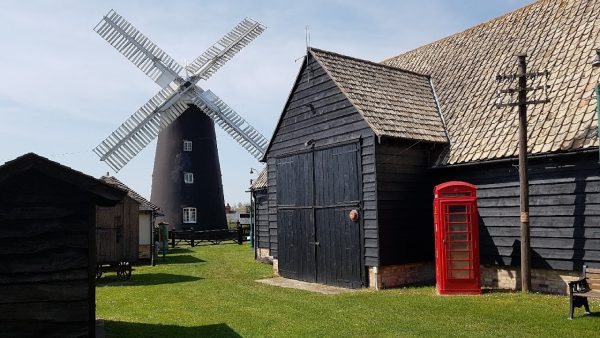
Burwell Museum
Burwell · ⭐ 4.8
 9 mi
9 mi
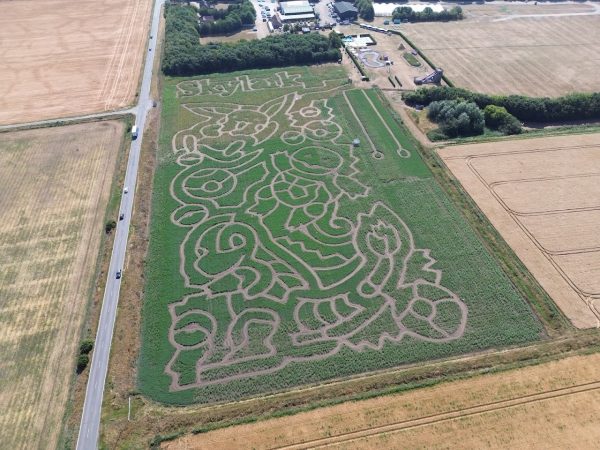
Skylark Maize Maze and Funyard
March · ⭐ 4.6
 9 mi
9 mi
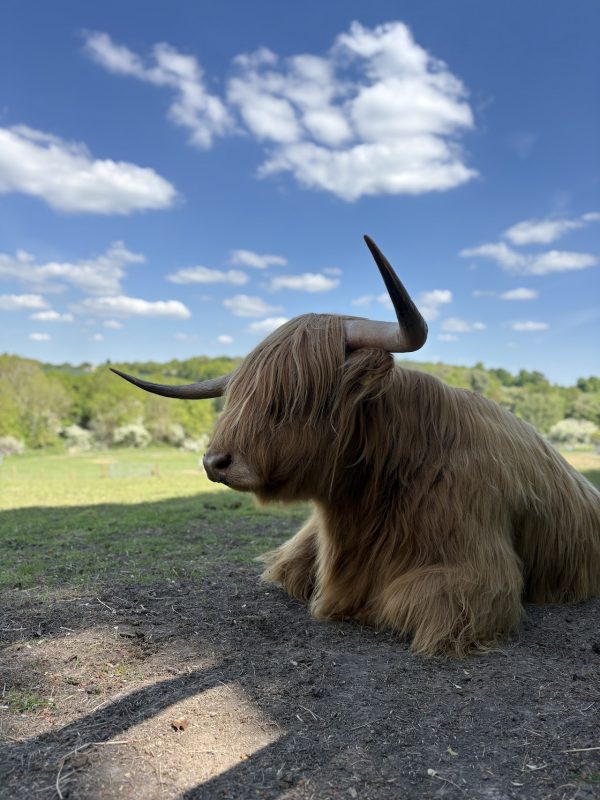
Highland Cow Cottage
Cambridge · ⭐ 4.9
 10 mi
10 mi
The Jazzy Jewelz Studio
Cambridge · ⭐ 5.0
 10 mi
10 mi
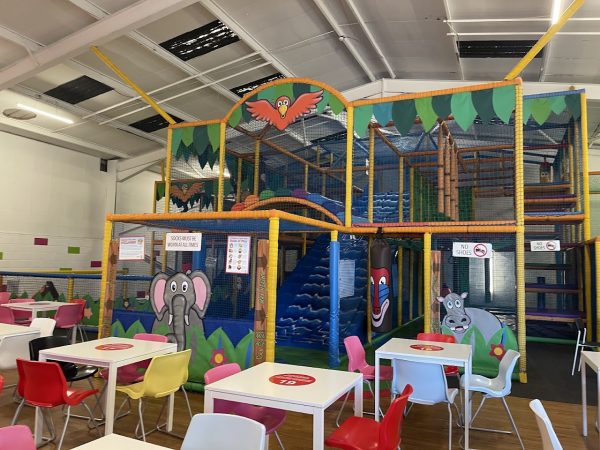
Jumppin Jacks Funhouse
Mildenhall · ⭐ 4.5
 11 mi
11 mi
ZAPT Laser Tag Cambridge
Cambridge · ⭐ 4.9
 11 mi
11 mi
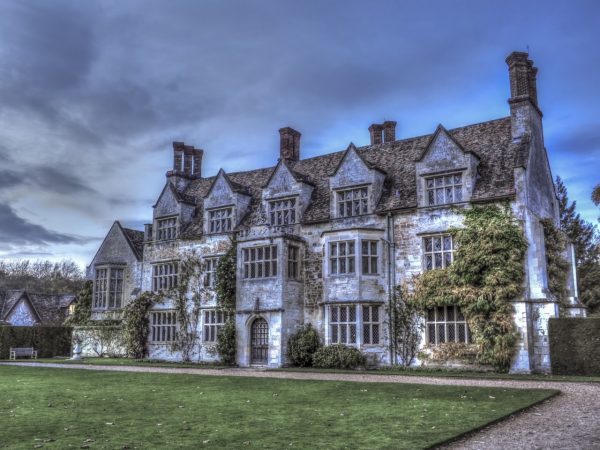
Anglesey Abbey
Lode · ⭐ 4.7
Camping in Ely(8)
All campsites in Ely →About camping in Ely
The land around Ely is about as flat as England gets, which makes for easy cycling between pitch and cathedral but also means campsites here are defined more by water, hedgerows and open sky than by dramatic scenery. Most sites sit a few miles out of the city along the River Great Ouse or towards villages such as Wicken and Queen Adelaide, offering grassy touring pitches, hook-ups for caravans and motorhomes, and increasingly a handful of glamping pods or safari-style tents for those without their own equipment. The flat terrain and well-drained fen soil generally make for firm, level pitches, though the low-lying ground can turn heavy after prolonged rain, so it is worth checking site conditions with the owners before travelling in a wet spell.
Wild camping has no general legal right in England, Wales or the Fens, and the flat, largely farmed and privately owned land around Ely offers few practical or legal opportunities for it in any case; the region's official campsites, several run by local farming families, are the realistic option and tend to be good value compared with more touristy parts of the country. Weather here is typically drier than the national average, since the Fens sit in one of England's lowest-rainfall areas, though the open, exposed landscape means wind can be more noticeable than in sheltered or wooded counties, particularly for tent campers.
The best months for camping around Ely run from late spring to early autumn, broadly May to September, when long daylight hours suit cycling the flat fen lanes and the riverside campsites are at their liveliest. July and August bring the warmest, driest weather and the fullest facilities, but also the highest demand, so booking ahead is wise. Shoulder months of May, June and September offer a quieter, cooler alternative with the Fens' big skies and bird life, including the wintering wildfowl at nearby Welney, still within easy reach, while winter camping here is a minority pursuit better suited to well-equipped motorhome owners than to tents.
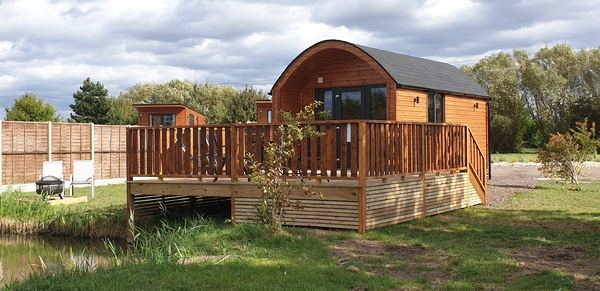
Fenview Lakes
⭐ 4.8
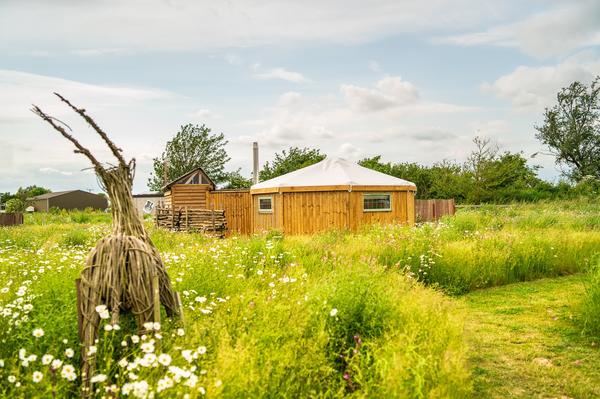
Hatters Meadows
⭐ 4.8 · from £21/night
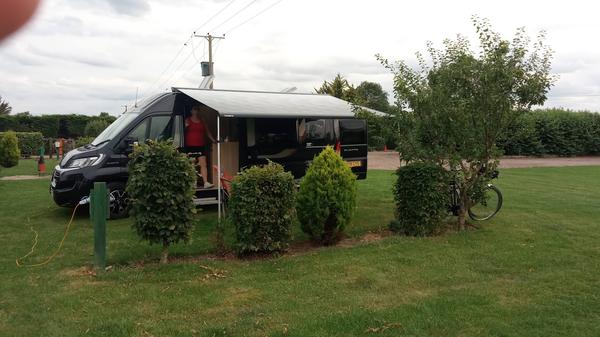
Meadow View Camping and Caravan Site
⭐ 3.8 · from £30/night
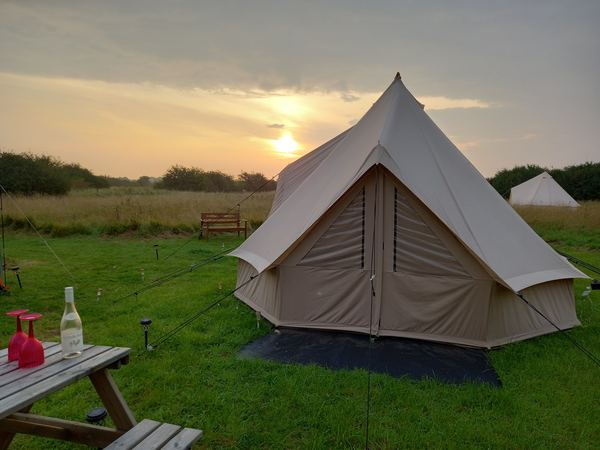
Sherwood Farm
⭐ 4.9 · from £60/night
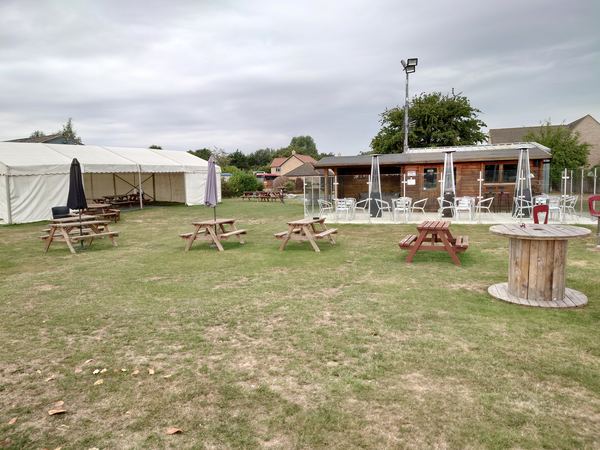
Slade Paddock
⭐ 4.8 · from £30/night
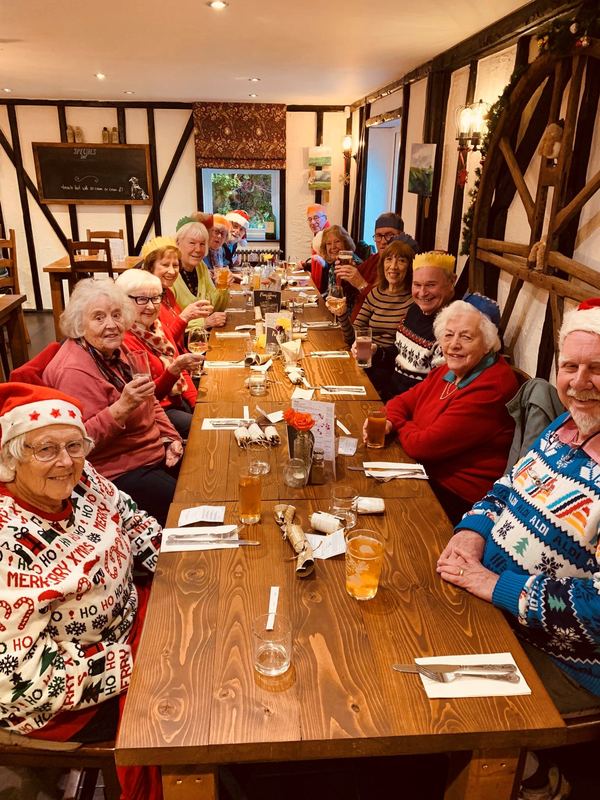
The Pheasant's Nest
⭐ 4.6 · from £85/night
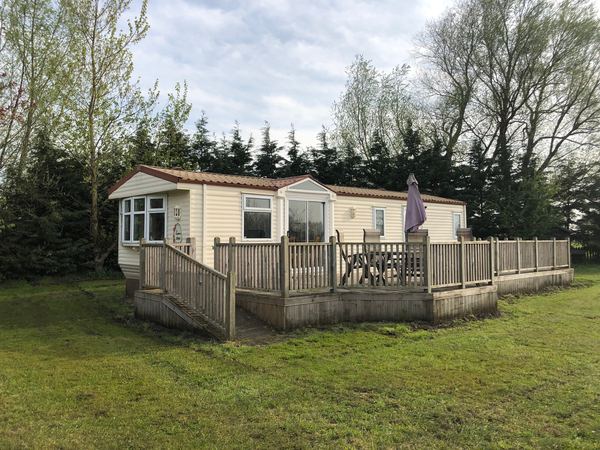
Trelander Certificated Site
⭐ 4.7
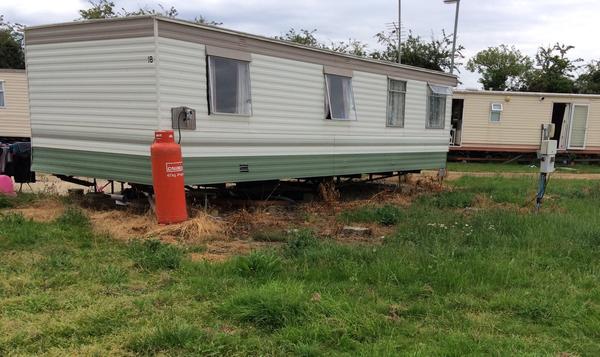
Two Acres Caravan and Camping
⭐ 2.9 · from £20/night
Self-Catering Cottages in Ely
All cottages in Ely →Cathedral View Farmhouse
3 bed · sleeps 6 · from £1,182
Vine & Vineyard’s - Vineyard’s Apartment
1 bed · sleeps 2 · from £427
Vine & Vineyard’s - Vine
1 bed · sleeps 2 · from £443
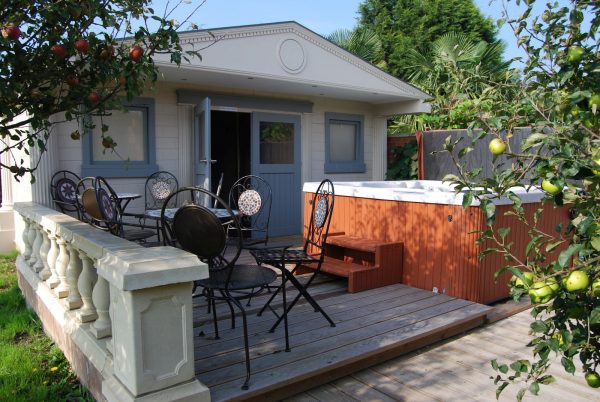
Wood Fen Lodges
2 cottages · from £467
Fenside Way
4 bed · sleeps 8 · from £607
The Hoops
4 bed · sleeps 7
Netherall Manor Lodge
1 bed · sleeps 3 · from £333
Barrow Barn
3 bed · sleeps 6 · from £581
Common questions about Ely
How many campsites are there in Ely?
We list 8 campsites in and around Ely, of which 8 take tents and 4 offer glamping.
Are there dog-friendly campsites in Ely?
Yes — 4 of the 8 campsites we list in Ely accept dogs, including Fenview Lakes and Hatters Meadows.
Which campsites in Ely have electric hook-up?
6 of the 8 campsites we list in Ely offer an electric hook-up.
Where can I stay in Ely?
We list 17 hotels, B&Bs and guest houses in and around Ely. Prices start from around £89 a night.
What is there to do in Ely?
We list 10 attractions and things to do in and around Ely.
Where can I eat in Ely?
We list 21 restaurants, pubs and cafes in and around Ely.