Leeds
Yorkshire's confident city of culture and canals
Photo © Habib Hussain, Google Maps
Leeds grew rich on wool, then on engineering, and today it runs largely on finance, law and a determinedly independent retail and food scene that has filled its Victorian arcades and converted mills. It is the largest city in West Yorkshire and sits in the valley of the River Aire, ringed by the gentler hills of Wharfedale and Airedale, with the Yorkshire Dales and the Pennines both within easy reach for a day out. Unlike York, its more picture-postcard neighbour thirty minutes down the line, Leeds has never traded on chocolate-box charm. Its appeal is grittier and more contemporary: bold Victorian architecture repurposed as bars, restaurants and offices, a genuinely good shopping scene, and a nightlife and dining culture that punches well above what a mid-sized English city usually manages.
The centre is compact and largely walkable, built around City Square and the grand sweep of the Headrow, with the covered Victoria Quarter and County Arcade preserving some of the finest Victorian retail architecture in the country. South of the railway station, the Calls and Granary Wharf follow the River Aire and the Leeds and Liverpool Canal past old grain mills and warehouses that have been reborn as apartments, hotels and independent bars. A short tram or bus ride out, the university district around Woodhouse and Hyde Park keeps the city young, while Roundhay Park to the north-east gives Leeds one of the largest and best municipal parks in Europe.
What makes Leeds a satisfying short break rather than just a stopover is the range packed into a small area: serious galleries and museums, a legendary music and clubbing scene, some of the best curry houses outside London, and countryside that starts almost as soon as the tram lines run out. It rewards a couple of days spent on foot, with day trips to Harrogate, Ilkley or the Dales for anyone staying longer.
Getting to Leeds
Leeds railway station is one of the busiest outside London and sits right in the centre, a few minutes' walk from City Square. Direct trains from London King's Cross with LNER take around two hours fifteen minutes, with a faster and less frequent open-access service run by Grand Central from King's Cross taking a similar time via a different route. Leeds is also a major hub for CrossCountry and TransPennine Express services, putting Manchester around fifty minutes away, York about twenty-five minutes, and Newcastle roughly ninety minutes.
By road, Leeds sits at the junction of the M1 and M621, with the M62 trans-Pennine motorway passing just to the south, so it is well connected from Manchester, Sheffield, Hull and the wider motorway network. The city centre has a car-free core with several multi-storey car parks around the Headrow, the Light and Trinity Leeds shopping centres, and park-and-ride services operate from the ring road for anyone wanting to avoid driving in altogether.
Leeds Bradford Airport lies around eight miles north-west of the centre and handles domestic and short-haul European routes, with a bus service into town taking about forty minutes. Manchester Airport, roughly an hour and a quarter away by road or rail, offers a much wider range of long-haul connections for visitors flying in from further afield.
Best time to visit Leeds
Spring brings the first outdoor seating back to the canalside bars and the blossom out in Roundhay Park, with fewer crowds than summer and generally reliable, if changeable, weather. It is a good time for a city break focused on museums, markets and shopping without the peak-season pricing.
Summer is Leeds at its busiest and most sociable, with beer gardens full, festivals such as Leeds Festival at nearby Bramham Park drawing huge crowds in late August, and long evenings that suit the city's after-dark culture. Book accommodation well ahead if visiting around a major gig, match or festival weekend.
Autumn brings a quieter, more contemplative city as the university term restarts and the parks turn gold, with mild temperatures well suited to walking the canal towpath or exploring the Dales on a day trip. It is arguably the best season for value, combining decent weather with lower hotel rates than summer.
Winter sees Leeds lean into its indoor strengths: galleries, restaurants, a large German-style Christmas market in Millennium Square, and some of the best clubbing and live music in the north of England. Days are short and often wet, so pack for rain and plan museum visits alongside any outdoor time.
Where to stay in Leeds(71)
All hotels in Leeds →About staying in Leeds
Leeds is compact enough that where you stay matters less for logistics than it might elsewhere, but it still shapes the character of a visit. Basing yourself in the city centre, around City Square, the Headrow or Trinity Leeds, puts the arcades, Kirkgate Market and the main nightlife strip within easy walking distance, and suits anyone without a car who wants to fit in a lot over a short stay. It is also the best choice for business trips, with the railway station and most of the office district within a few minutes on foot.
For a slightly quieter feel without sacrificing convenience, the Calls and Granary Wharf area south of the station has become the city's boutique hotel quarter, with converted Victorian mills and warehouses along the River Aire and the canal towpath offering a more design-conscious alternative to the big chain hotels clustered around the centre. It is still an easy stroll to everything, but feels calmer on weekend nights when the main nightlife streets get busy.
Visitors combining a city break with a Test match, a Leeds Rhinos fixture or simply wanting a more residential, student-town atmosphere should look at Headingley, a couple of miles north with its own concentration of pubs, cafes and guest houses, well served by frequent buses into the centre. Families or anyone prioritising green space over nightlife might prefer Chapel Allerton or Roundhay further out, trading a slightly longer commute into town for proximity to Roundhay Park and a strong local restaurant scene.
Prices in Leeds are generally lower than in London or Edinburgh for equivalent standards, though rooms sell out and rates spike around major matches, graduation weekends and festivals such as Leeds Festival in late August, so it pays to book ahead for those dates. Business travellers will find the widest choice of large chain hotels clustered directly around the station and Wellington Street, while couples and leisure visitors are generally better served by the smaller, independent and boutique properties in the Calls, the Victorian quarter and Headingley, several of which occupy genuinely historic buildings with a stronger sense of place than the newer chain developments.
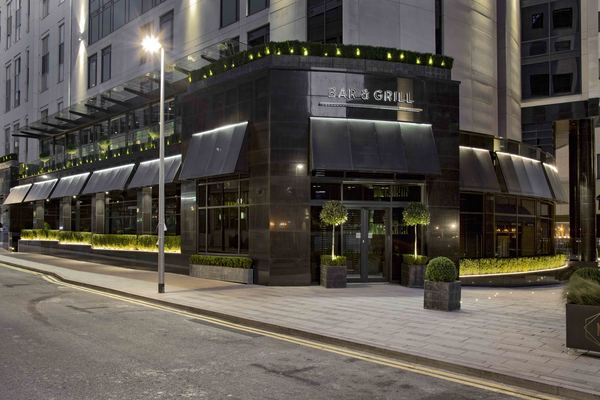 8.9
8.9
Dakota Leeds
City centre, near the railway station
from £155/night
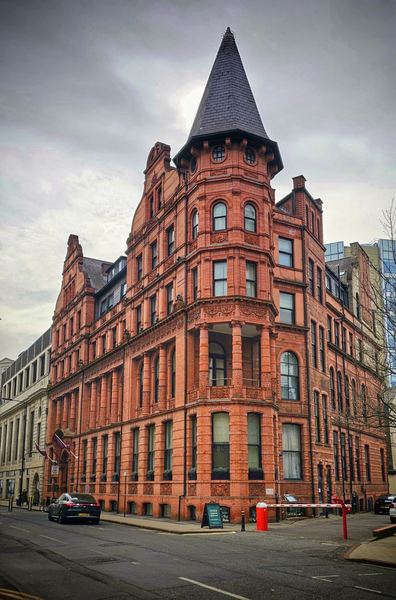 8.6
8.6
Quebecs Hotel
City centre, near City Square
from £135/night
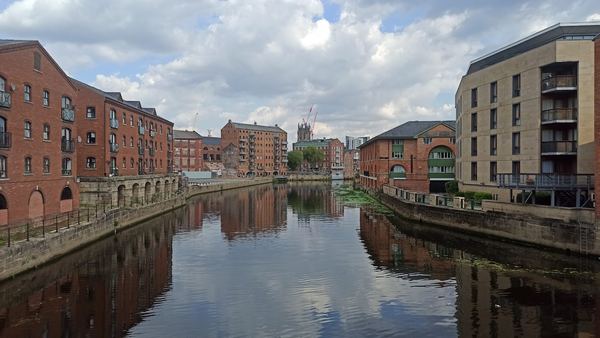 8.5
8.5
Malmaison Leeds
City centre, Swinegate
from £120/night
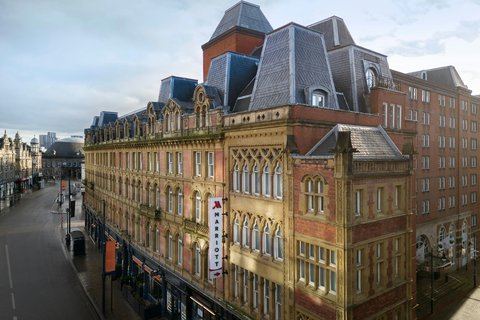 8.8
8.8
Leeds Marriott Hotel
City centre, near City Square
from £150/night
 8.5
8.5
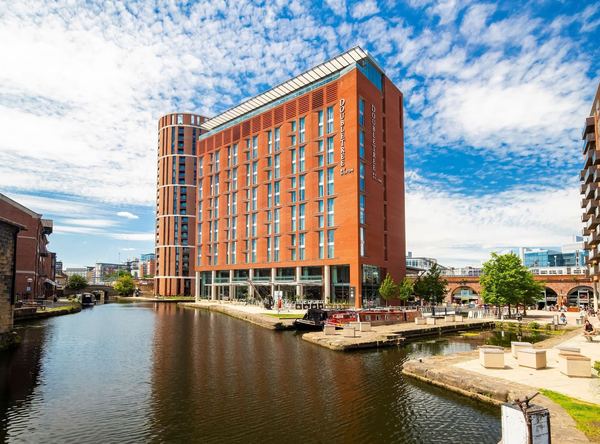
DoubleTree by Hilton Leeds City Centre
Granary Wharf, canal basin
from £130/night
 8.9
8.9
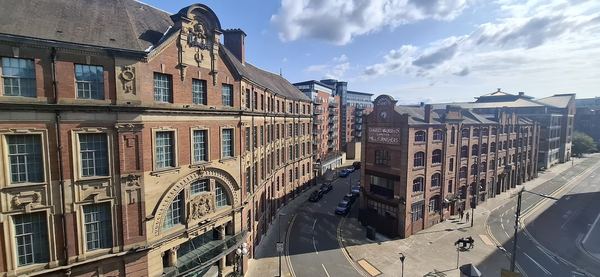
Roomzzz Leeds City
City centre, Swinegate
from £95/night
 7.7
7.7
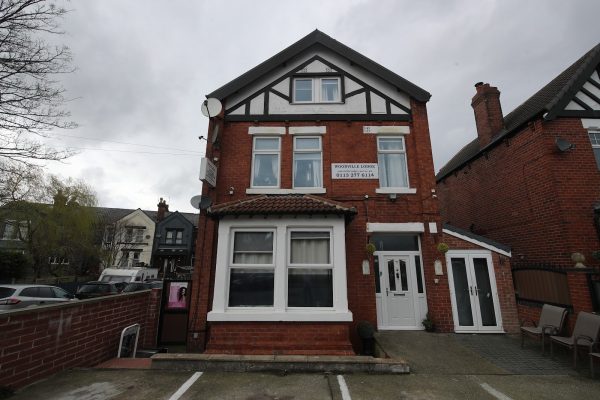
Woodville Lodge
Belle Isle, south Leeds
from £48/night
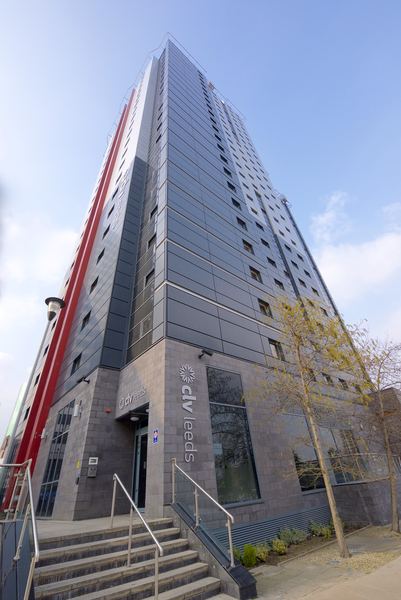
Arena Village - Campus Accommodation
Jacob Street, Leeds
Things to Do in Leeds(60)
All attractions in Leeds →Top things to do in Leeds
Leeds rewards a mix of culture, shopping and green space, and most of the highlights sit within a short walk or bus ride of the centre.
- Leeds City Museum and Art Gallery stand side by side near the Headrow, with the gallery holding one of the best collections of British twentieth-century art outside London and the museum covering the city's natural and social history.
- Kirkgate Market is one of the largest indoor markets in Europe and the birthplace of Marks & Spencer, with hundreds of stalls selling everything from Yorkshire cheese to tailoring.
- The Royal Armouries, relocated from the Tower of London, occupies a striking waterside building at Leeds Dock and displays thousands of arms and armour across five themed galleries, most of it free to enter.
- Victoria Quarter and County Arcade combine glazed Victorian arcades, mosaic floors and stained-glass domes with upmarket independent and designer shops, and are worth a wander even without buying anything.
- Roundhay Park covers more than seven hundred acres of woodland, lakes and formal gardens on the city's northern edge, and includes the walled Tropical World glasshouse with butterflies, reptiles and a small aquarium.
- Leeds Industrial Museum at Armley Mills, housed in a former woollen mill, traces the city's engineering and textile past with working machinery and a good sense of how Leeds actually made its money.
- Granary Wharf and the canal towpath make for an easy riverside stroll from the station past converted warehouses, with markets and events held under the railway arches at weekends.
- Headingley, home to Yorkshire County Cricket Club and Leeds Rhinos, is worth a visit on a match day for the atmosphere alone, and doubles as a lively student neighbourhood of pubs and independent cafes.
Where to Eat in Leeds(1,289)
All restaurants in Leeds →Food and drink in Leeds
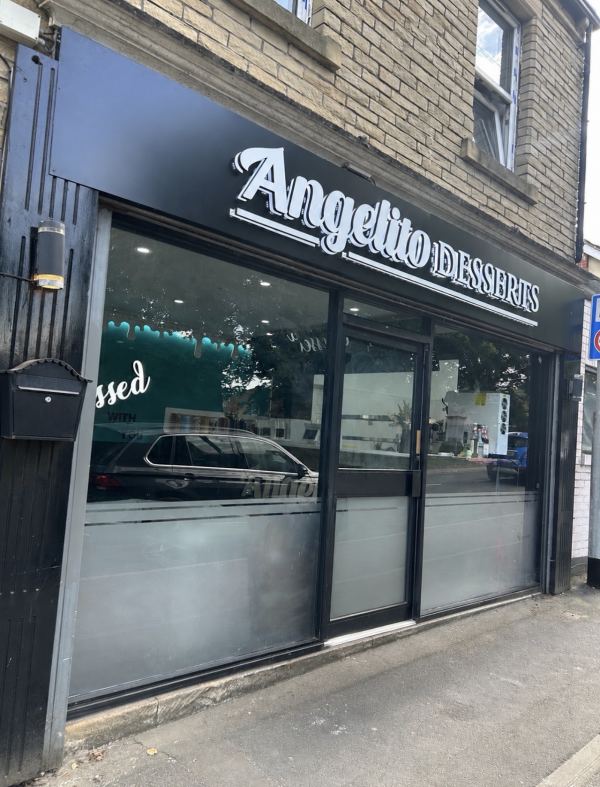
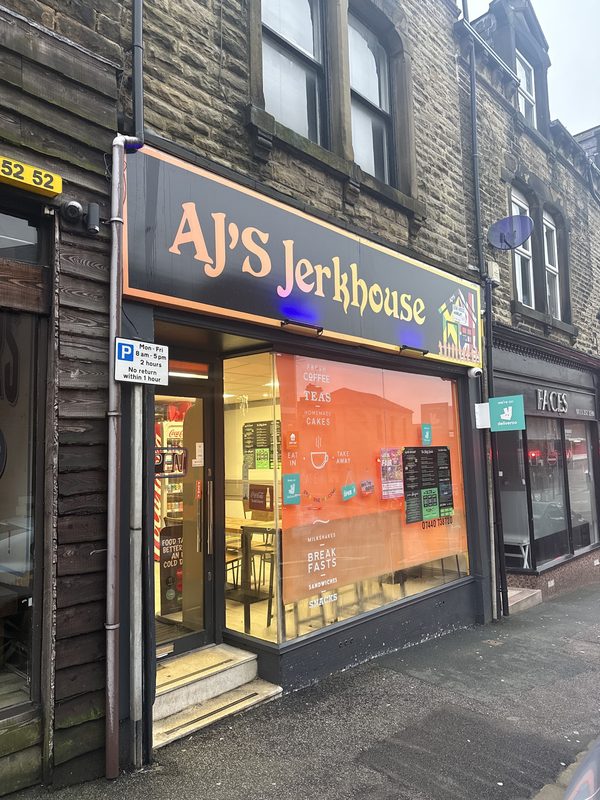
Leeds has built a genuinely strong reputation for food that goes well beyond the traditional Yorkshire pudding and gravy, though both remain easy to find done properly in the city's traditional pubs. Kirkgate Market is the place to start, with stalls selling Yorkshire cheeses, local bakery and a long-standing fishmonger's counter, while the food hall at Trinity Leeds and the street-food stalls of Trinity Kitchen give a fast introduction to the city's more contemporary tastes.
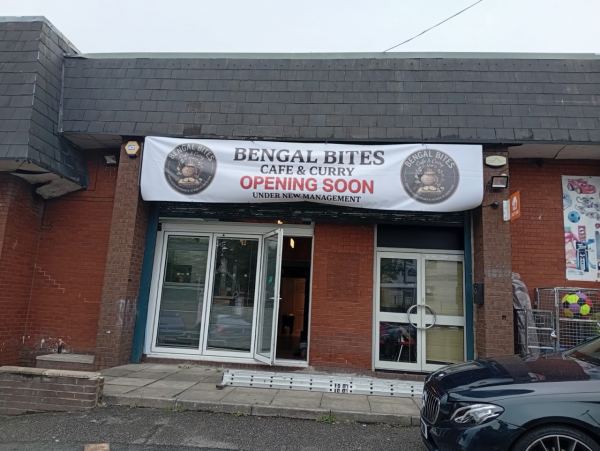
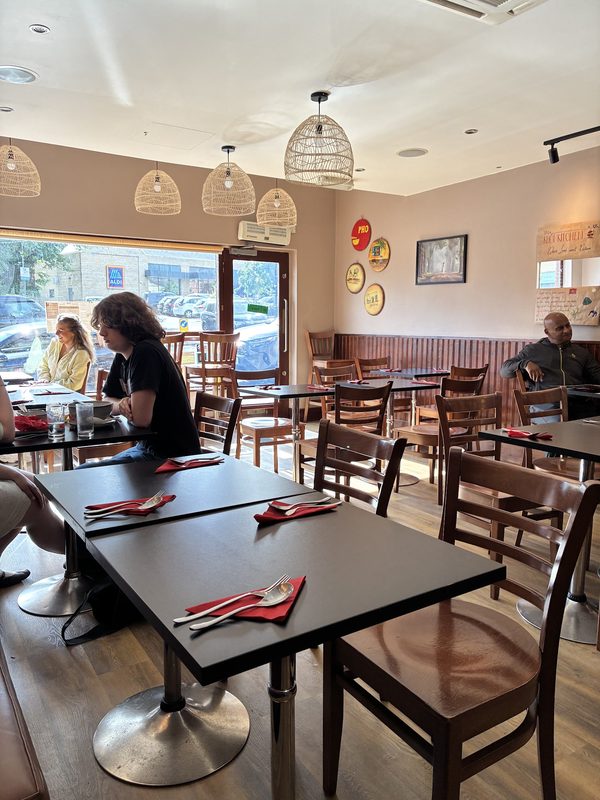
The city has one of the best curry scenes outside London, a legacy of its South Asian communities, with long-standing favourites clustered around the Kirkstall Road and university areas serving Kashmiri and Punjabi cooking alongside newer, more experimental restaurants in the centre. Leeds is also a serious beer city: Northern Monk, Ossett Brewery and North Brewing Co all have taprooms within the city, building on a brewing heritage that stretches back to the old Tetley's brewery on the riverside.
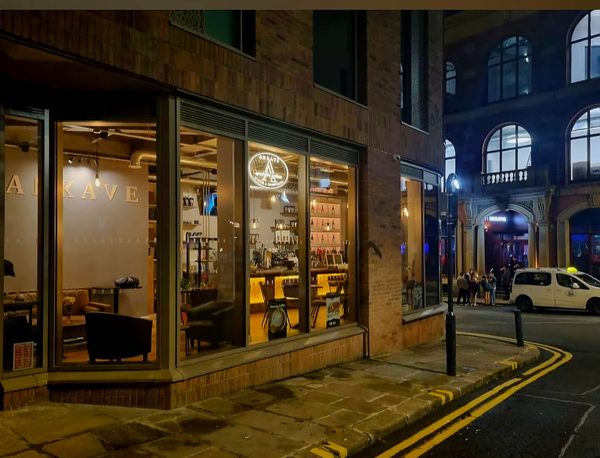
For something more formal, the Calls and the city centre hold a growing number of chef-led restaurants alongside long-established institutions, while Belgrave Music Hall's rooftop and ground-floor food stalls sum up the city's relaxed, sociable approach to eating out. A visit is a good excuse to try a proper Yorkshire high tea in one of the grander hotel lounges, followed by a night out in one of the many independent bars tucked into the arches beneath the railway station.
Attractions Near Leeds
All attractions in Leeds →Worth the trip — within 50 miles of Leeds.
 0 mi
0 mi
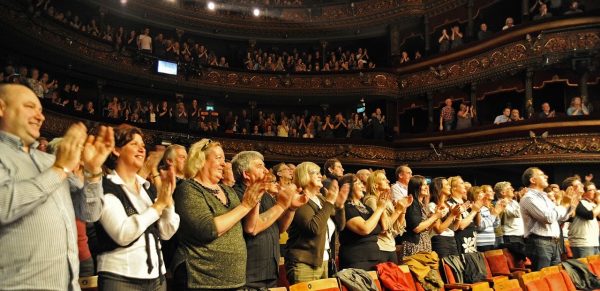
Leeds Grand Theatre
Briggate · ⭐ 4.7
Victoria Leeds Jurassic 3
Leedstown · ⭐ 4.5
 1 mi
1 mi
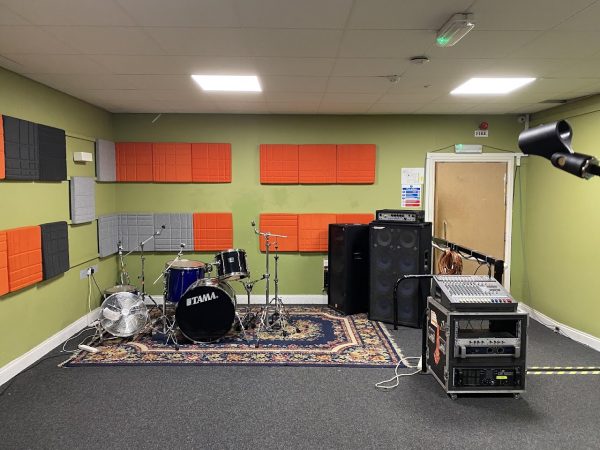
Old Chapel Music CIC
Leedstown · ⭐ 4.8
 1 mi
1 mi
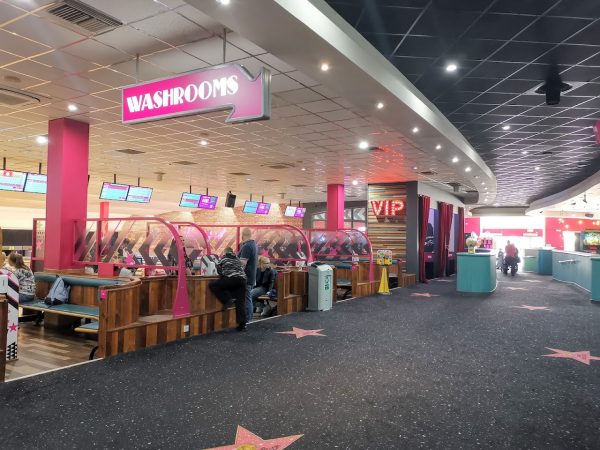
Cardigan Fields Leisure Park
Kirkstall · ⭐ 4.3
 4 mi
4 mi
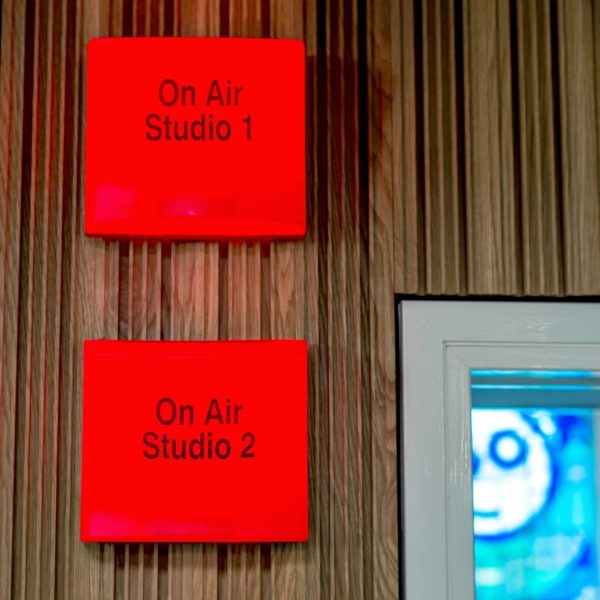
Chapel FM Arts Centre
Leedstown · ⭐ 4.8
 4 mi
4 mi
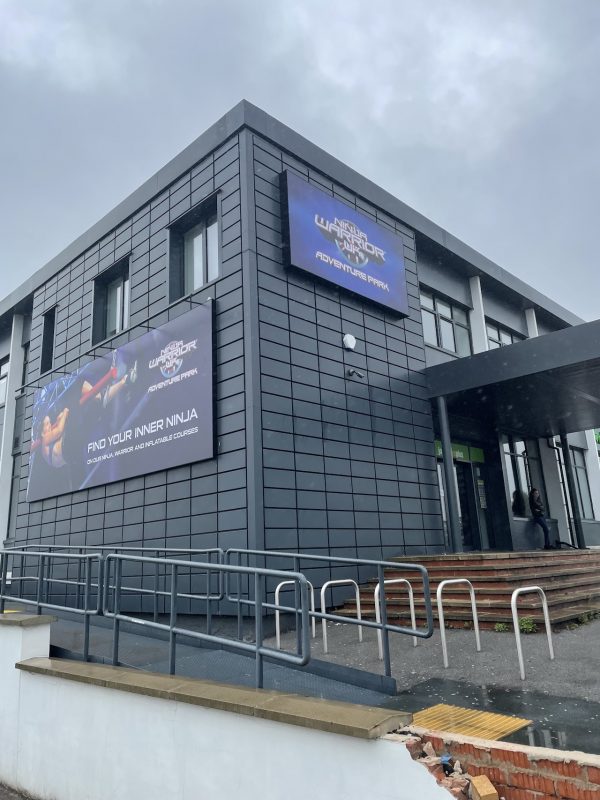
Ninja Warrior UK Leeds
Seacroft · ⭐ 4.8
 5 mi
5 mi
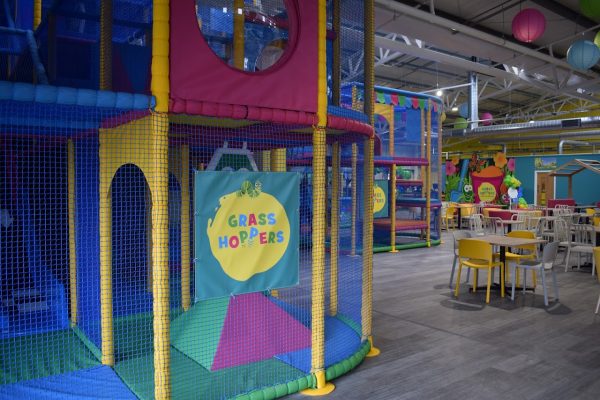
Grass Hoppers at Tingley Garden Centre
Wakefield · ⭐ 4.3
 5 mi
5 mi
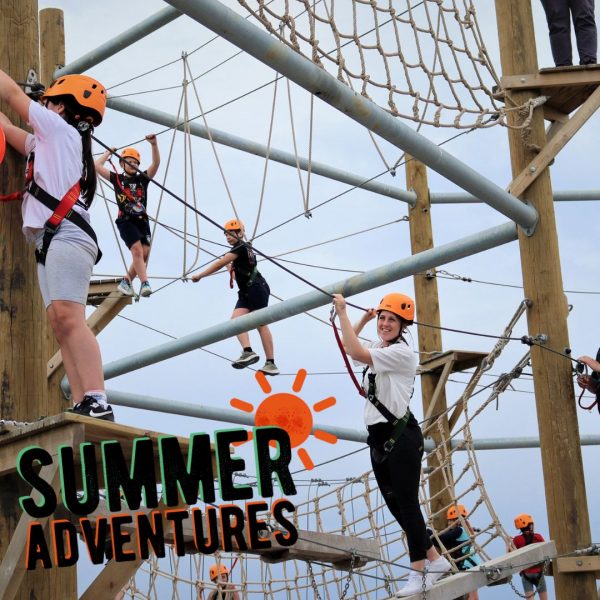
Mission Out
Wakefield · ⭐ 4.3
Camping in Leeds(3)
All campsites in Leeds →About camping in Leeds
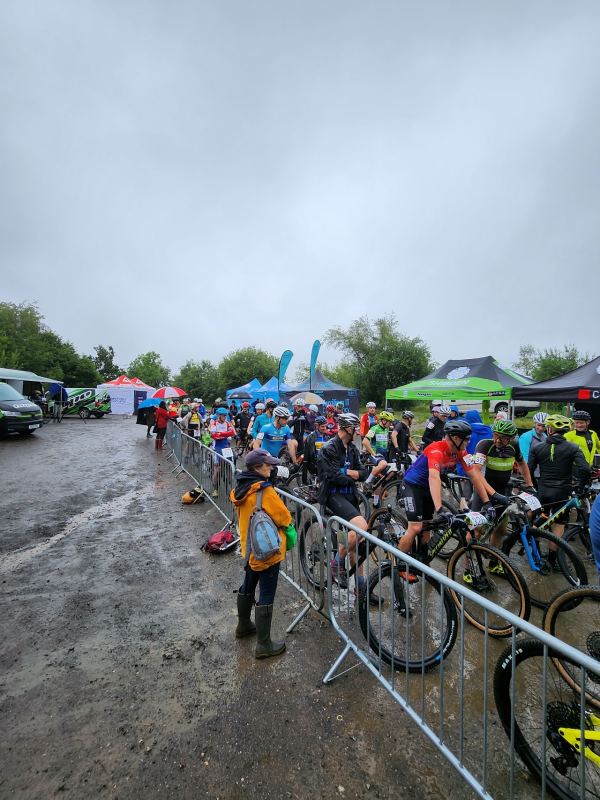
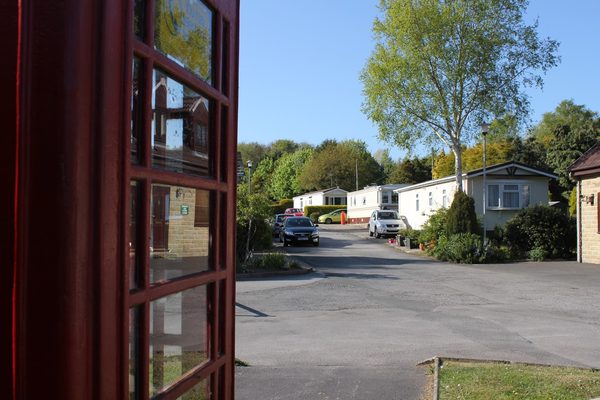
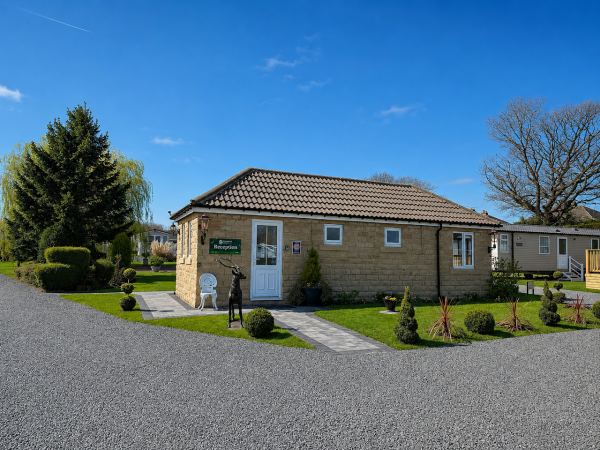
Leeds itself is a dense, largely built-up city, so there is no camping within the urban core, but the surrounding countryside starts remarkably quickly. Within around fifteen miles of the centre, the terrain shifts from the flat, converted-mill valleys of the Aire and Wharfe into the first rolling hills of Wharfedale and the fringes of the Yorkshire Dales, giving campers a genuine change of scenery without a long drive. Sites around Horsforth, Esholt and towards Harrogate combine easy access to the city with proper rural surroundings, useful for anyone wanting to explore Leeds by day and return to a quieter pitch each evening.
Weather in this part of West Yorkshire follows a fairly typical northern English pattern: changeable and often damp, with rain possible in any month, so a well-pitched tent and decent waterproofs matter more than a sunny forecast. Spring and early summer, from April through June, tend to bring the most reliable stretches of dry weather alongside long daylight hours, while late summer into September remains warm enough for comfortable camping and coincides with the region's main festival season. Winter camping is possible at some of the more sheltered, facility-rich sites but is a minority pursuit here, and several of the smaller touring parks close for the coldest months.
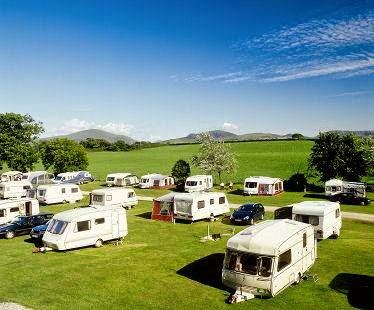
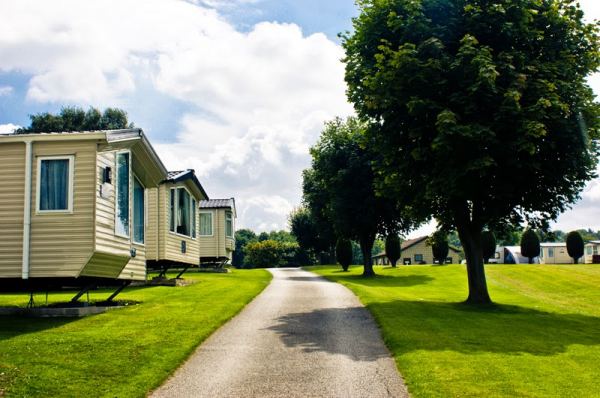
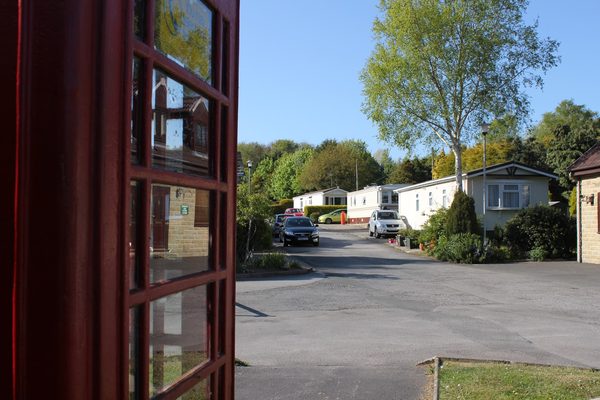
Wild camping has no general legal protection in England outside a small part of Dartmoor, and West Yorkshire's land is almost entirely farmed, tenanted or otherwise in private hands, so pitching up without the landowner's permission is not legal here even on open moorland. Anyone wanting a wilder experience is better served heading further into the Yorkshire Dales National Park, where a longer tradition of informal, low-impact camping exists in specific areas by local custom, and asking permission locally before pitching. Around Leeds itself, the established caravan and camping parks are the practical and legal option, most offering both touring pitches and static or glamping alternatives, with electric hook-ups and showers standard at the larger sites.
Self-Catering Cottages in Leeds(13)
All cottages in Leeds →
Oak House
2 bed · sleeps 4 · from £942
Thyme Cottage
2 bed · sleeps 4 · from £787
Apple Tree Cottage
2 bed · sleeps 4 · from £817
Bramble Cottage
3 bed · sleeps 6 · from £907
Carr Cottage
2 bed · sleeps 4 · from £787
Carr House
3 bed · sleeps 8 · from £907
Cherry Blossom Cottage
3 bed · sleeps 6 · from £922
Cross Lane Cottage
5 bed · sleeps 12 · from £2,096
Common questions about Leeds
How many campsites are there in Leeds?
We list 3 campsites in and around Leeds, of which 3 take tents and 1 offer glamping.
Are there dog-friendly campsites in Leeds?
Yes — 3 of the 3 campsites we list in Leeds accept dogs, including Squires Cafe Bar and St Helena's Caravan Park.
Which campsites in Leeds have electric hook-up?
3 of the 3 campsites we list in Leeds offer an electric hook-up.
How many holiday cottages are there in Leeds?
We list 13 self-catering cottages in and around Leeds.
Can I take a dog to a holiday cottage in Leeds?
Yes — 12 of the 13 Leeds cottages we list allow pets.
Are there large holiday cottages in Leeds for groups?
Yes — the largest cottage we list in Leeds sleeps 12.
Where can I stay in Leeds?
We list 71 hotels, B&Bs and guest houses in and around Leeds. Prices start from around £48 a night.
What is there to do in Leeds?
We list 60 attractions and things to do in and around Leeds.
Where can I eat in Leeds?
We list 1,289 restaurants, pubs and cafes in and around Leeds.